Given attractive yields and strong credit conditions, we have a positive view on the municipal bond market for the second half of the year.
A conversation with Dave Nadig, Financial Futurist at VettaFi and Elisabeth Kashner, CFA, Director of ETF Research & Analytics at FactSet on ETF capital markets, regulation, and adoption.
The US Securities and Exchange Commission is set to impose a slate of new rules on money-market mutual funds, setting up a potential clash with titans in the $5.5 trillion industry.
Music star Taylor Swift has taken the country by storm this year, selling out large football stadiums in every city lucky enough to have her perform.
Exchange-traded funds are certainly popular with investors—here’s a look at how they can coexist in harmony with other investment vehicles, from David Mann, Head of ETF Product & Capital Markets.
A direct indexing solution can help make an investment portfolio as personalized as a home.
In this article, we’ll closely examine the EM bond ETFs that have performed the best over the past year.
The US Federal Reserve (“Fed”) paused rate hikes in June, but signaled it expects to deliver 50 basis points of additional hikes this year.
An ounce of optimism, a pound of prudence. It’s still a good time to be measured about taking risks in equities, but we believe the longer-term horizon holds particular promise for active stock pickers.
Political risks have always been present in emerging debt markets and we’ve long taken them into consideration within our overall country risk process.
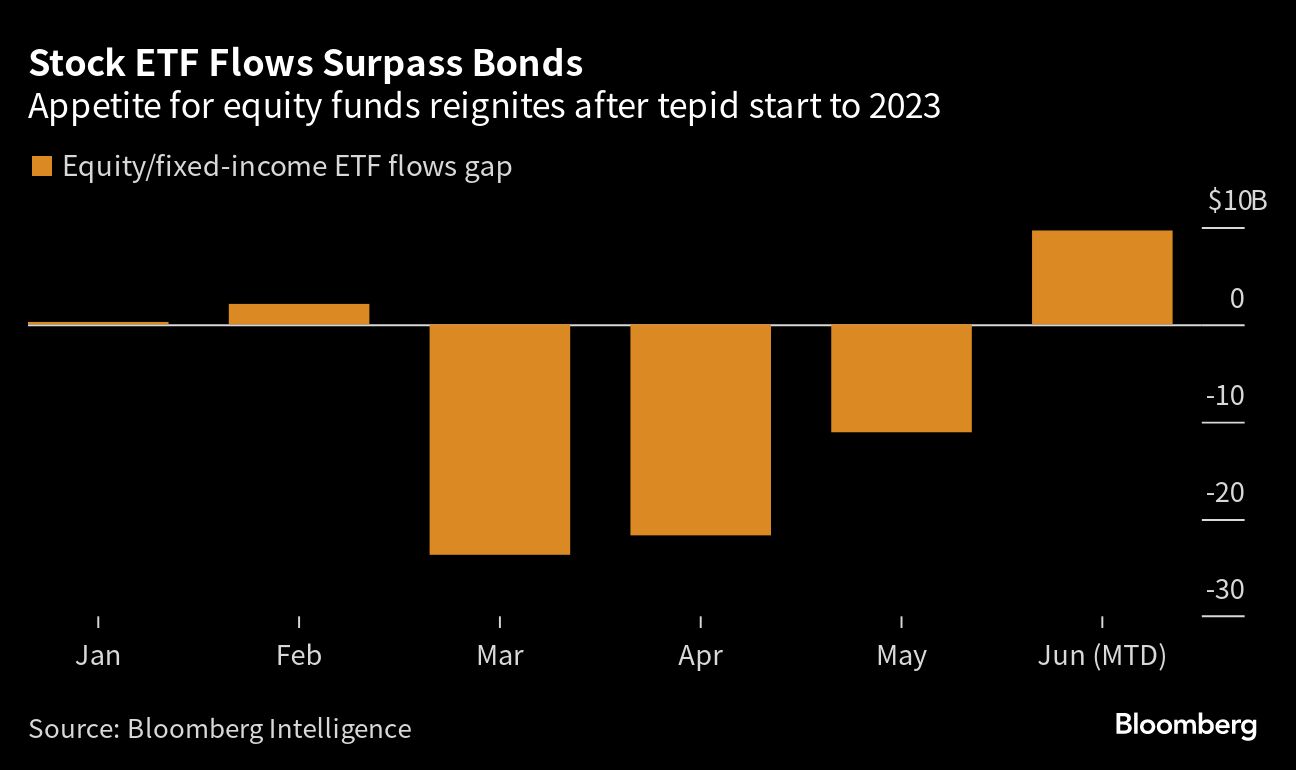
What was billed as the year of fixed income is morphing into a massive game of catch-up for investors trying to capture some of the stock market’s gains.
In this article, we will explore why advisors may not need to worry about illiquidity regarding ESG and other specialty ETFs. We will also offer some tips on how to mitigate any potential issues.
The potential for a Fed pause presents an opportunity for investors to consider adding duration back into their portfolios.
Fintech can be a good way to combine the value opportunities of a technology stock with the stability often offered by financial institutions. Here’s what you need to know.
Truist Financial Corporation is a purpose-driven financial services company committed to inspiring and building better lives and communities. Truist has a leading market share in many high-growth markets in the country.
Stock investors who planned for one thing in 2023 are getting something else entirely. Now, with the tech-obsessed market at risk of running away from them, the race is on to catch up.
Stocks are having a great year, but gold is doing even better. Year-to-date global equities are up roughly 9% in dollar terms; gold has advanced more than 10%.
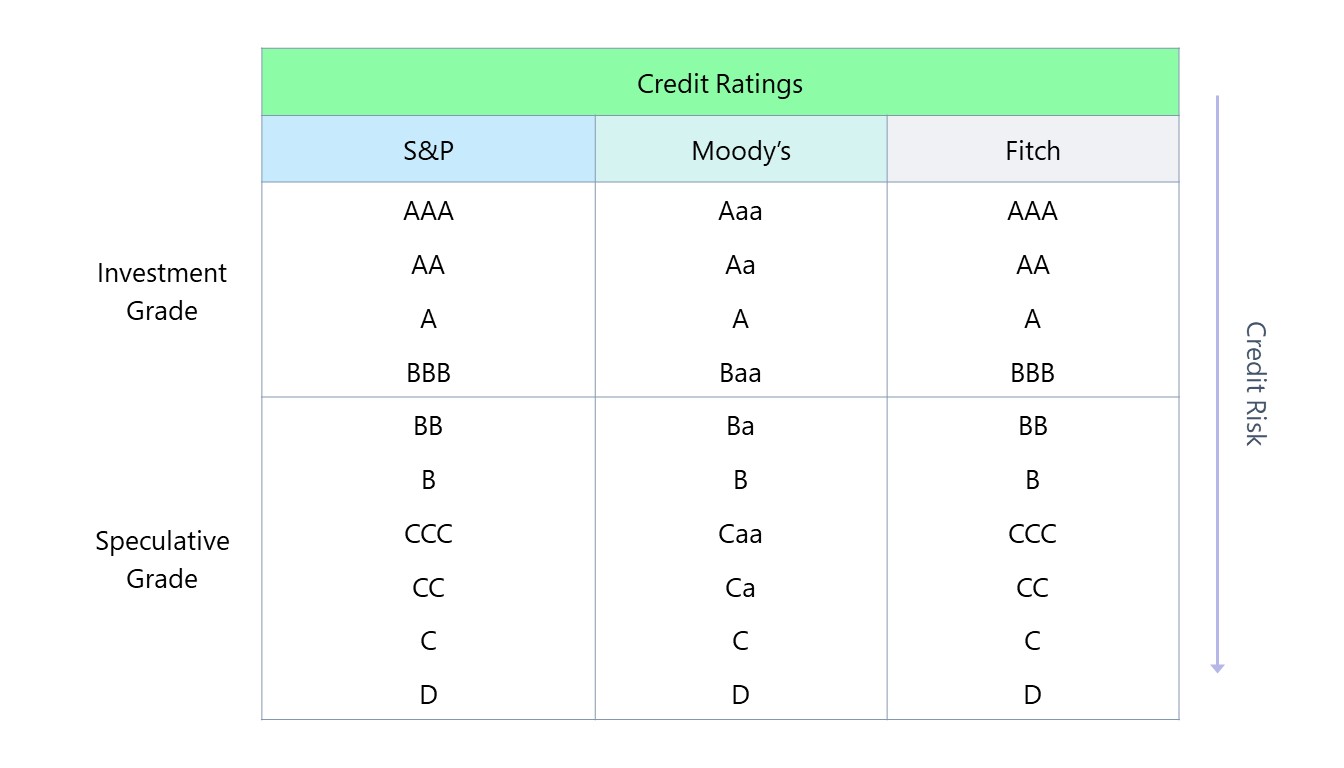
Investors should rely on the wisdom of crowds as expressed through bond yields, not credit rating agencies, to judge fixed-income credit risk.
One of the advantages of exchange-traded funds (ETFs) compared to other investment vehicles is their relative liquidity. But what is liquidity for an ETF? How does that liquidity actually give ETF investors the upper hand, compared to other assets?
Diversification is a cornerstone of thoughtful, long-term focused investing. Incorporating assets and asset classes that don’t always move in tandem – that is, their returns aren’t strongly correlated – can help temper stock and bond market risk.
Tax-loss harvesting is one of the direct indexing’s biggest benefits. The automation that direct indexing provides greatly increases the strategy’s potential benefits.
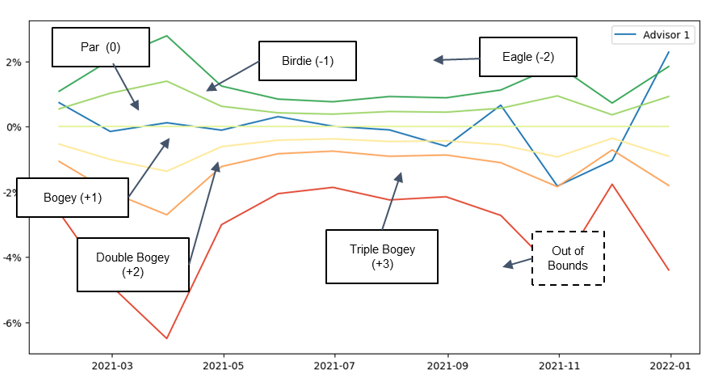
We propose a golf-inspired advisor assessment framework with a scorecard, fairway average and handicap as performance measures to quantitatively assess an advisors’ investment performance.
The patent that’s given Vanguard Group an edge over competitors for the past 20 years — and helped its clients pull in more than $100 billion worth of additional investment gains — expired today.
One of my mentors once told me that "Hope is not a strategy" and since we can't predict the markets, I have decided to focus this blog on using Direct Indexing to attract new high net-worth clients.
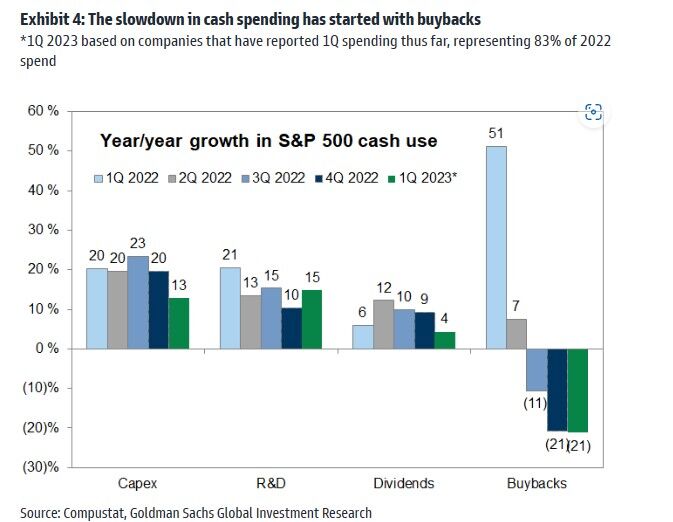
Corporate America, one of the few reliable purchasers of equities in this bear market, is retreating from its buying binge, fresh evidence that the Federal Reserve-induced slowdown is taking a toll on business sentiment.
Pay attention to the bond diversification, resiliency quality stocks may offer, and current allocation to cash within portfolios in the wake of Fed action.
When March’s bank failures ignited a historic bond rally, few, if any, made more money than Josh Barrickman. His army of funds gained roughly $26 billion, the equivalent of more than $1 billion in paper profits every single trading session.
Although investing in in-state municipal bonds may have tax advantages, there can be good reasons to buy out-of-state munis.
Over the past year, the municipal bond market has seen increased volatility stemming from rising interest rates across the yield curve.
Direct indexing is an innovative investment strategy that can solve a variety of investor challenges. We discuss the five main benefits of incorporating direct indexing in a client’s portfolio.
We favor high yield bonds and natural resource stocks as inflation still shows persistence, earnings expectations deteriorate and worries mount over a stalling U.S. economy.
China’s domestically driven economic growth has not yet translated to Emerging Market stock performance, which has tended to have been weighed down by international political tensions.
We hope you enjoy the latest NewsLetter from Harold Evensky.
JPMorgan has unseated itself for the title of largest actively managed exchange-traded fund in the $7 trillion arena.
Despite the overwhelming academic evidence demonstrating the superior, long-term performance of index funds, investors may want to invest in actively managed products. New research shows the importance of choosing low-cost funds.
Many investors, including my clients, have been worried about their Schwab account safety. Are they right to be worried?
When I worked on Wall Street, it was the golden age of hedge funds. They were on the bleeding edge of finance in the mid-2000s, swashbuckling market pirates who did all kinds of exotic stuff to earn alpha for their investors.
Consisting of 60% stocks/40% bonds, this classic investment portfolio has historically been a trusted way to generate returns and diversify investor portfolios. However, we believe the 60/40 allocation may now be working against investors.
Despite media headlines, podcasts, and broadcasts suggesting “doom and gloom” lurks around the corner, investor bullishness has increased markedly since the October lows. This isn’t the first time we have discussed investor sentiment, which is often wrong at the extremes.
Having presided over America’s first banking crisis since 2008, Federal Reserve officials are rightly focused on reforming regulation. That said, they should keep in mind some lessons for monetary policy, too.
At the end of 2021, the Dow Jones Industrial Average closed at 36,338, and the career scoring total of LeBron James stood about 60 points lower…
2023 has already been an eventful year, featuring a banking crisis and more Fed rate hikes. In our view, this is not a “set it and forget it” type of market – investors need to stay vigilant.
While direct indexing has been a hot topic for the past couple of years, many advisors and investors are still trying to assess what it is, if it's right for them, and where it might fit into their portfolios. Head of Vanguard Personalized Indexing Emily LeStrange works with advisors to understand where direct indexing fits into an advisor's practice – and whether the benefits of direct indexing outweigh the challenges.
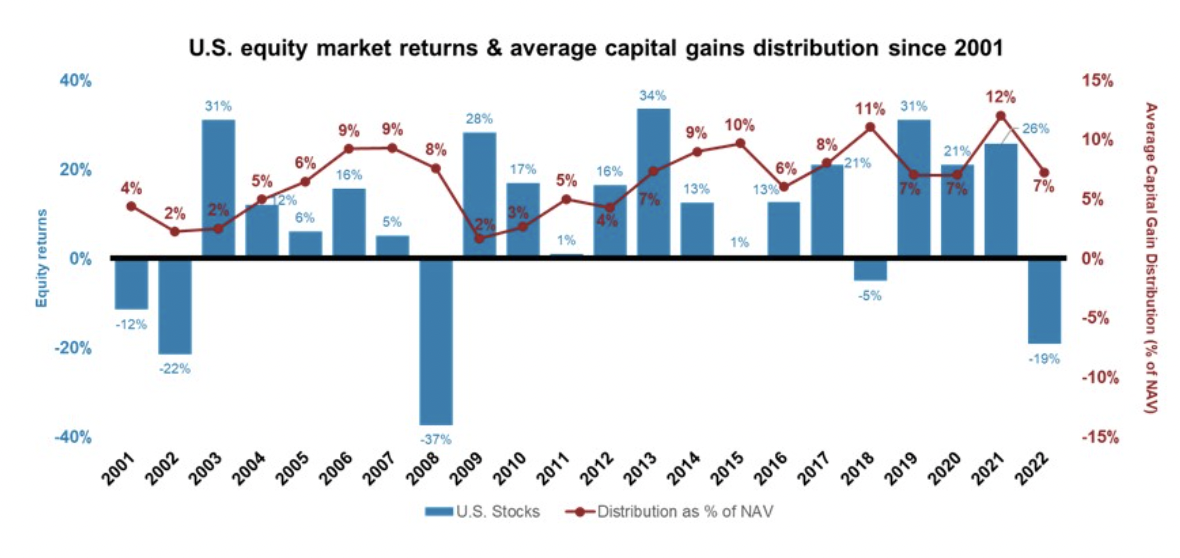
Tax-managed investing has gained in popularity in recent years. But what exactly is a tax-managed mutual fund? We do a deep dive into the concept.
Central banks accumulated gold at the fastest pace on record in the first two months of 2023. In January and February, central banks collectively bought a net 125 tonnes of the metal, the highest amount for the year-to-date period since banks became net buyers in 2010.
Professional stock pickers who feasted on last year’s volatility were positioned for more of the same heading into 2023. They got something else entirely, and are paying for it in their returns.
Implications of the ongoing volatility in the banking sector, and what it means for markets in Europe and globally—check out highlights from our most recent discussion with Kim Catechis, Investment Strategist, Franklin Templeton Institute.
Many advisors today are helping clients with a broad range of their financial planning needs.
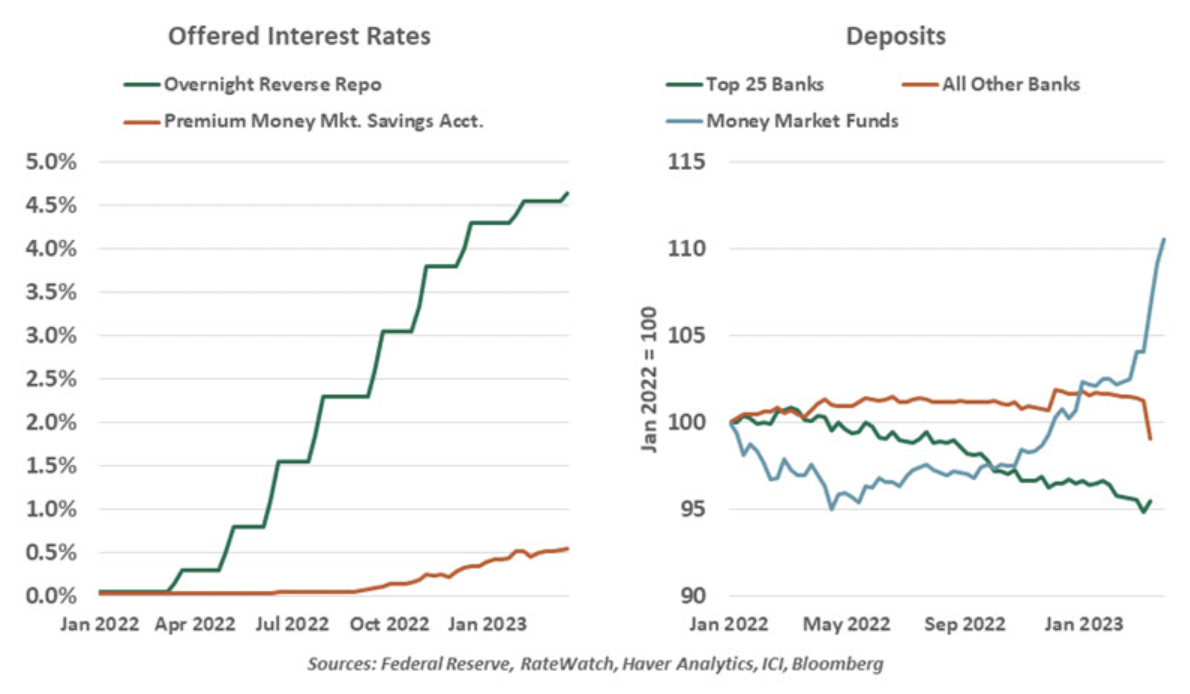
Money market funds are attracting deposits for more reasons than just SVB.