Federal Reserve policymakers’ updated forecasts for their benchmark interest rate, due Wednesday, are looming as a key potential decider for a US Treasuries market at risk of a third straight year of losses.
Competing narratives have emerged to describe the state of the U.S. economy.
The Northern Trust Economics team shares its outlook for U.S. growth, employment, interest rates and inflation.
Today, I am going to do something that I've never done. I am going to start a two-part series describing what is in my personal portfolio and why. Let me start by offering two caveats: This letter is in the “do as I say and not as I do” category.
Bitcoin, the largest cryptocurrency by market value, is mired in a slump. The decision in the Greyscale case stoked optimism that the SEC will eventually, finally approve spot bitcoin ETFs. Still, the bitcoin slump has erased all of the upside generated by the court ruling.
AI, with its data analysis and predictive power, can revolutionize investing. However, humans remain a crucial part of the process. Franklin Templeton Investment Solutions provides use cases into how different investors can harness AI to achieve their desired outcomes and workflows.
The Energizer Bunny! That’s the term that best describes the U.S. economy.
BlackRock and Human Interest have found that American workers earning less than the national average are not saving due to lack of access to saving tools. Broadening access requires an intuitive and automated approach to retirement savings.
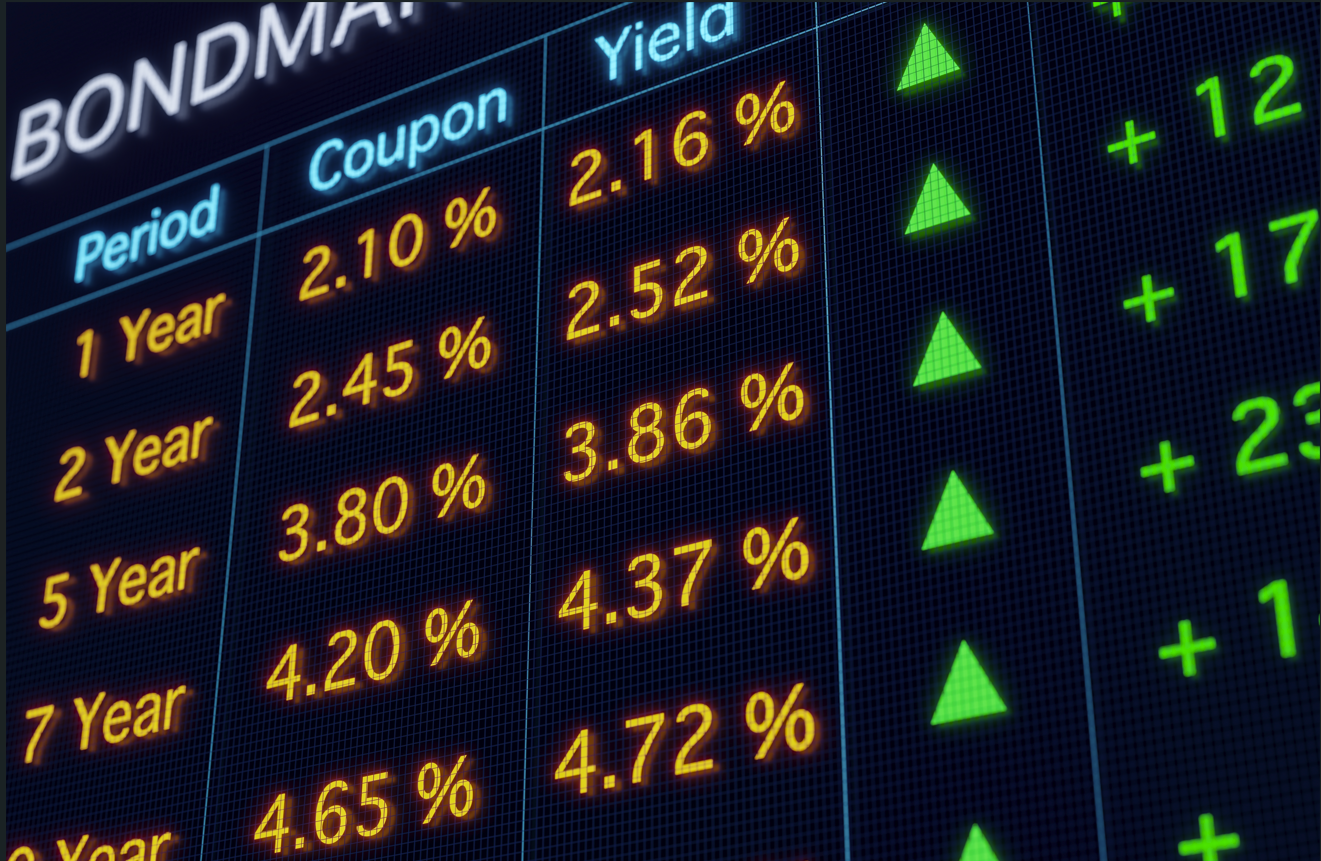
If held until the bond is redeemed (either by call or maturity), the annual yield earned for the life of a bond is known upfront at the time of purchase. Knowing the return on an investment upfront makes long-term financial planning a much easier task.
Hear from Jeff Schulze, Head of Economic and Market Strategy at ClearBridge Investments, about the state of the US economy. Get his perspective on the Federal Reserve’s next potential moves.
A host of Wall Street funds have minted profits riding the recent crypto fever after Grayscale Investments LLC snagged a big win over America’s top financial watchdog in its bid to create a US Bitcoin ETF.
Some investment trends seem obvious — people are watching more streaming movies, consumers like shopping online, and more people are buying electric cars. So why don’t these ETFs always work?
Although US bond yields are well above their lows of the past decade, it’s always a good idea to think globally.
Municipals posted negative total returns amid rising interest rates. Issuance exceeded tempered expectations, while demand waned as performance struggled.
The consensus is wrong, and the Fed has not engineered a “soft landing.” A recession is all but certain in the first half of next year, according to Jeffrey Gundlach.
Americans are downbeat about the economy, even as inflation rates rapidly decline back toward more normal levels, the unemployment rate has held below 4% for the longest stretch since the late 1960s and economists race to raise their growth forecasts.
All week, stock traders have shrugged off everything from hot inflation data in the US to another recession-threatening hike in interest rates over in Europe.
The 10-year Treasury yield has climbed steadily over the past two years. But we believe fixed-income investors should be prepared for lower yields ahead.
Touchstone Investments now has six actively managed ETFs. It seeks to bring its “distinctively active” mutual fund approach to meet advisors where they are focused.
How long will the Federal Reserve continue quantitative tightening (QT)? How large will its balance sheet be when QT ends? These important questions impact financial market liquidity, the anchor of asset values. We assess the likely path of QT in the years ahead.
VettaFi’s Equity Symposium is just over a week away and will provide advisors with free access to some of the most important thought leaders in the investment space.
A recent paper analyzing the correlation between stock and bond returns going back to 1875 suggests the relationship of the past quarter century is shifting in an uncertain inflationary environment. The results might stimulate some investors to rethink their portfolio allocations.
This year’s hottest options trade has found its way into the $7.4 trillion ETF arena for the first time, in the latest push by the financial industry to tap booming demand for stock investments with an income stream.
ETFs are the instrument of choice for millions of investors in the U.S. Through a single trade and for a relatively low price, an investor gains broad exposure to a market, sector or niche.
For the savvy private wealth investor, portfolio diversity is key to success. Investing in infrastructure is one option that can help you both optimize your portfolio and make a positive and meaningful impact on your local community.
In this first episode, Franklin Templeton Institute’s Tony Davidow discusses the democratization of alternative investments and related topics with CAIA’s John Bowman.
Incorporating debt planning into your services helps your clients achieve a more comprehensive and sustainable financial future.
Since the beginning of the year, economic data has continued to defy the recession calls of 2022.
A flurry of hedge funds, direct lenders and others are expecting a revival of the $1.3 trillion collateralized loan obligation market — and they want to be ready to reap the benefits when it happens.
The US government has been looking at ways to offload nearly $13 billion of mortgage bonds it amassed from failed lenders Silicon Valley Bank and Signature Bank, according to people with knowledge of the transactions.
In his latest memo, Howard Marks discusses the essential choice in both investing and sports. Should you go for more winners or try to eliminate losers? That is, should you emphasize aggressiveness or defensiveness? This is a key decision that every investor has to make thoughtfully, and the answer can be different for each person.
PIMCO’s Global Advisory Board discusses economic and geopolitical factors shaping the long-term global outlook.
There has been lots of speculation lately regarding China’s economic “decline” or potential economic “perils,” so much so that newspaper articles about the coming demise of China’s miracle economic growth over the previous decades continue to take (our) time away from other, perhaps, more important topics.
While there are lots of reasons to celebrate the growth stocks inside the NASDAQ 100 index, some advisors might be looking for alternatives to the market-cap weighted index ETFs that reduce their risk profile. Thankfully there are some choices to consider.
Higher yields on cash have allowed some de-risking.
Changes in sentiment may drive the performance of the Eurozone equity markets, even with disappointing economic data.
Arguably, the biggest question about the US economy right now is whether consumers can maintain their pace of spending. Student loan payments resume in October.
Everyone — from moms and pops to corporate treasurers and the mega asset managers — is piling in, won over by a unique opportunity: To lock in a 5% yield, and protect themselves from uncertainty over the US economy.
Understanding and managing your firm’s practice growth multiplier is your ticket to enduring success, higher profits, and a more rewarding practice.
We expect yields to fall later this year and into 2024 as inflation continues to cool.
In September, where volatility can strike at any time, investors will want the safety cushion of bonds for their portfolio. At the same time, short duration continues to be the default play as the U.S. Federal Reserve still attempts to cool down inflation further.
Today's economic conditions are attractive for BDCs (business development companies), and some benefit from businesses seeking alternative financing sources.
VettaFi’s Lara Crigger goes around the world of ETFs, covering recent spot Ethereum ETF filings, short duration bond ETFs, Nasdaq 100 ETF flows, Amplify ETFs’ purchase of ETFMG’s ETF lineup, and the recipe for thematic ETF success. Franklin Templeton’s David Mann discusses the firm’s approach to passive, smart beta, and actively managed ETFs.
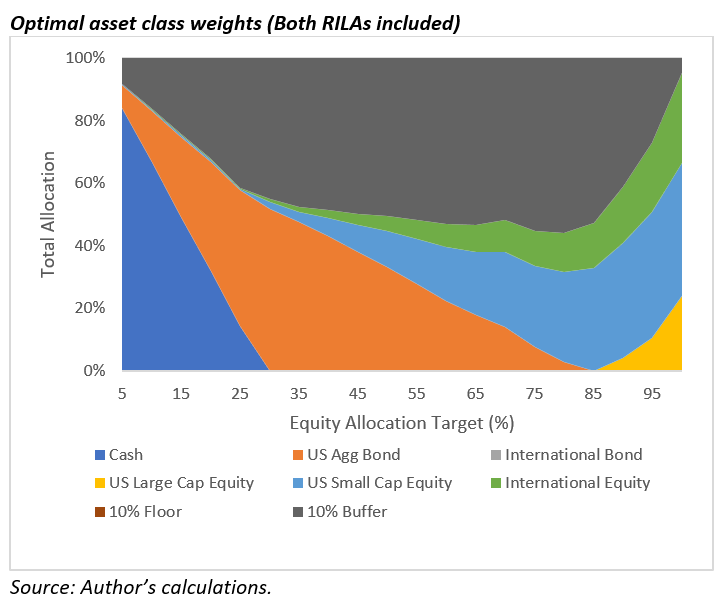
The benefits of RILAs vary significantly by design, and buffer RILAs have historically been a more attractive addition to a portfolio than floor RILAs.
New research shows that stocks have historically been a poor hedge against inflation over anything but very long horizons.
It’s an important time for Medicare beneficiaries to optimize their healthcare coverage and costs, and financial advisors are in the perfect position to guide clients through this crucial planning opportunity.
Innovative provider of custom indexes becomes a key part of a growing suite of VettaFi index solutions, which now power nearly $19 billion in ETFs and other vehicles.
Even though past performance doesn’t guarantee future results, investors should prepare for continued market volatility this month.
Resilient consumer spending has been a pillar of the US economy. While activity may soften, we think the consumer will help the coming slowdown stay mild.
On the interest rate front, the Federal funds rate is now close to systematic benchmarks that have historically been consistent with prevailing core inflation, nominal GDP growth, and unemployment.