In this article, Russ Koesterich discusses the potential impact of seasonal weakness, momentum and the effect these factors could have on earnings in 2H2025.
Trade pacts with America will not mean a return to the old normal.
Discounted municipal bonds could expose you to unexpected taxes. Here's what to know before you buy.
One of the biggest stories in the ETF market in 2025 has been the nonstop impressive asset-gathering pace of the Vanguard S&P 500 ETF (VOO).
Join the team at American Century Investments for a product spotlight on their suite of active ETFs.
The wise minds at Moody’s Investors Service finally acknowledged last week what the other two main credit rating agencies did years ago.
The world’s largest asset manager is adding to bets on the artificial intelligence within its US model portfolios while trimming its overall equity risk because of tariff uncertainty.
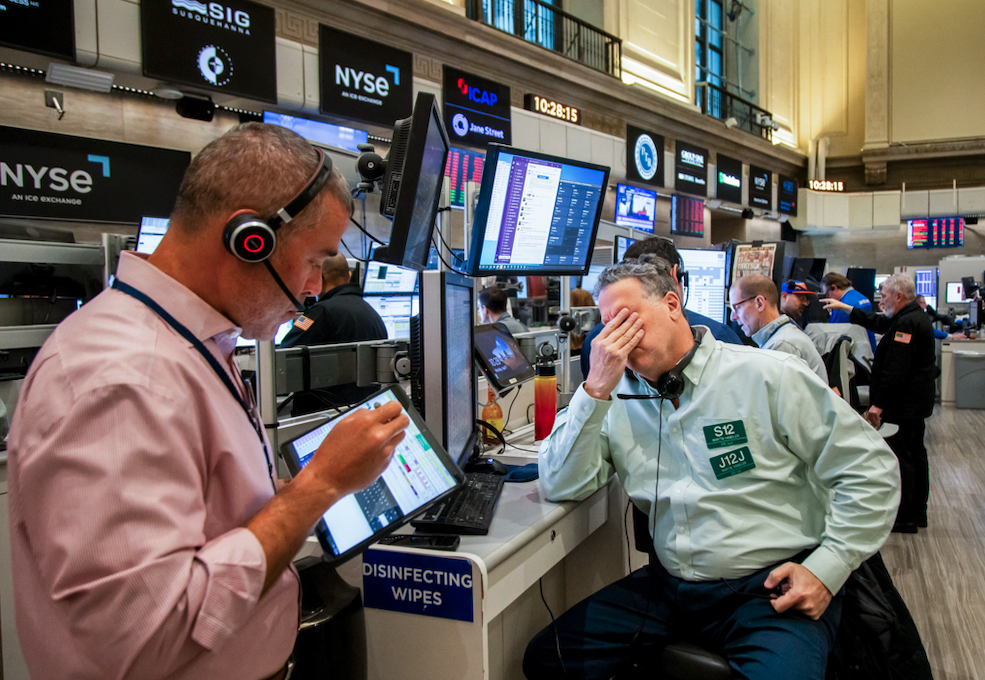
Investors dumped US stocks Wednesday afternoon following a disappointing Treasury auction that sent bond yields surging past levels seen during April’s market rout.
As one of the world’s largest sovereign wealth funds warned this week that private equity is “very troubled” right now, a spate of recent buyout deals in Europe and the US points to a possible route out of the mire.
Applications for US unemployment benefits fell to a four-week low, adding to evidence that the job market remains healthy in the face of growing uncertainty tied to trade policy.
Tariffs, inflation, geopolitical tensions, and other factors continue to feed into market uncertainty for even safe haven assets like Treasuries. As such, investors could be giving riskier emerging market (EM) bonds a second look.
Best-in-class OCIO providers understand the importance of a deep relationship and will invest considerable time cultivating one.
529 plans offer tax-free savings for a variety of education expenses, including K-12 tuition, vocational training and apprenticeships. Our Bill Cass discusses the trends in 529 savings plans.
In a year dominated by multimodal marvels and reasoning breakthroughs, perhaps the most economically significant shift in AI went largely underplayed: cost collapse.
The materiality of ESG factors differs across sectors and markets. Investors need to understand how.
In the aftermath of the 2018 trade skirmishes with China and the pandemic, nearshoring and friendshoring quickly became buzzwords. But like many other catch phrases, these two may soon fade from usage and memory.
Common sense and economic theory often collide. Take the stubborn belief that government stimulus spending and debt issuance reliably boost economic growth. It is a simple and seductive idea—when the economy falters, the government can step in, inject capital, and jumpstart growth.
The April Consumer Price Index (‘CPI’) report was released last Wednesday and gave the Federal Reserve another positive data point in its inflation fight, as did Thursday’s negative Producer Price Index (‘PPI’).
This year’s turbulent market environment underscores the value proposition of actively managed strategies. Active ETFs may offer diversification benefits, a responsiveness to changing market environments, and a depth of fundamental research above and beyond that of their passive peers.
During last month's tariff war, a big driver of stock-market declines was foreigners selling.
The shifting change in market leadership to international outperformance may call for a portfolio review to assess overexposure risks.
Innovative ETFs are making waves as investors look for fresh ways to navigate a market marked by rapid growth and ongoing volatility.
With the latest Target earnings report coming in weaker than expected, advisors might want to reassess how they gain exposure to the company.
Exchange is a financial services conference for advisors to strengthen their skills and develop across core dimensions of their professional portfolio.
Bitcoin options traders are setting their sights on much higher prices while the largest cryptocurrency flirts with its fairly recent all-time high.
Nvidia Corp. chief Jensen Huang blasted the “failure” of US restrictions intended to help contain China’s technological ascent, calling on the White House to lower barriers to AI chip sales before American firms cede that market to up-and-coming rivals such as Huawei Technologies Co.
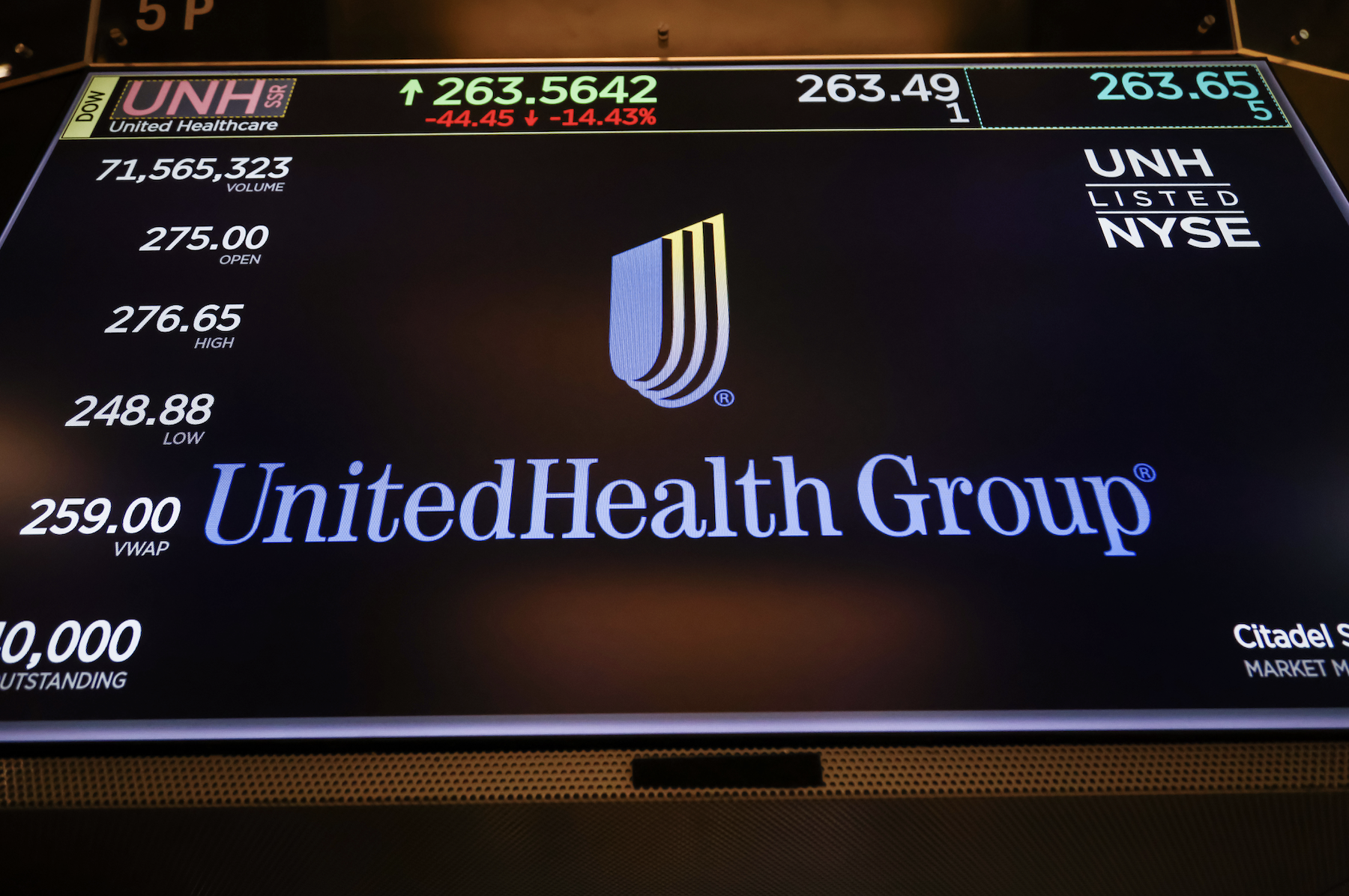
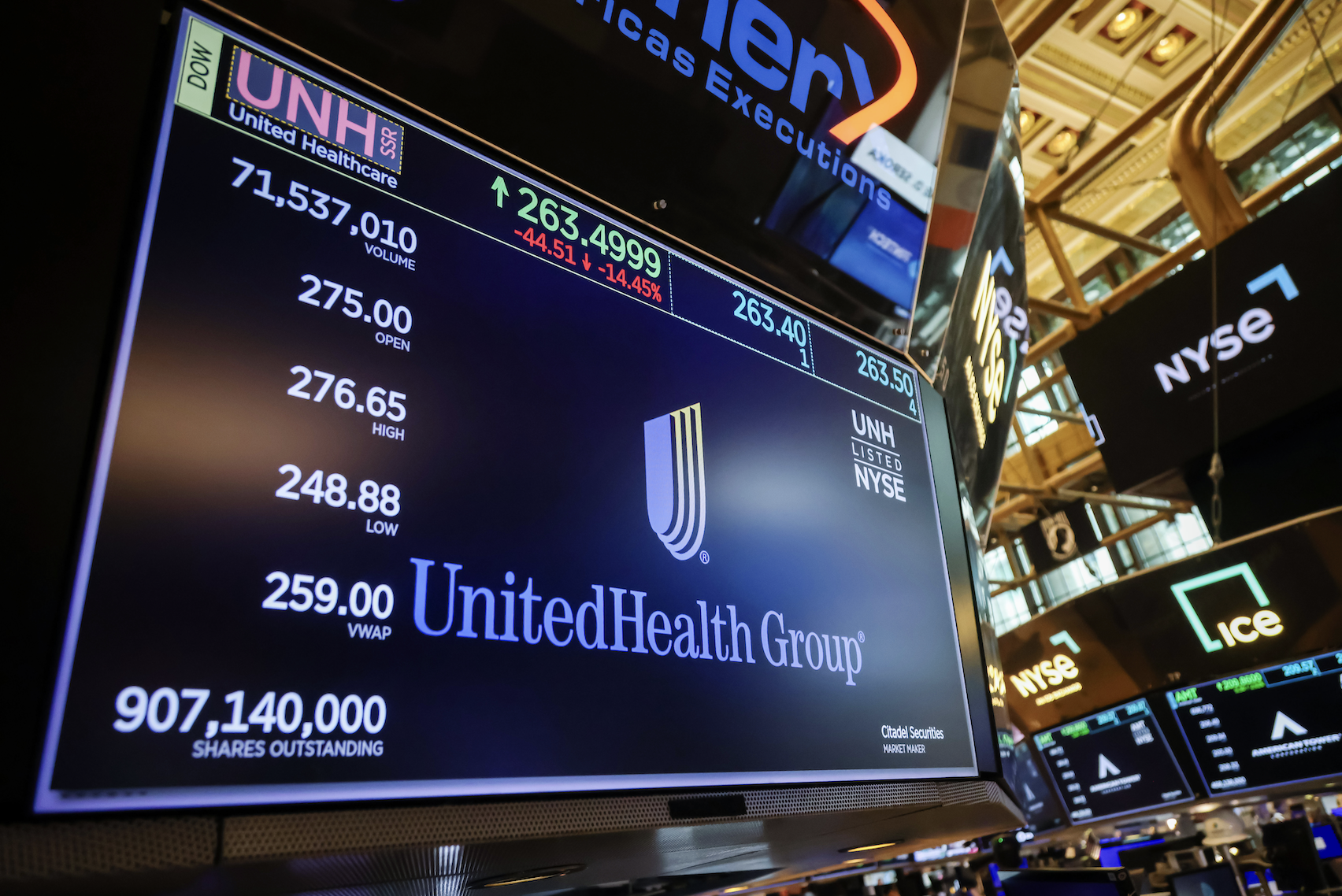
When CFRA’s Paige Meyer slapped a “sell” rating on UnitedHealth Group Inc. in February, she was the lone analyst out of 30 tracked by Bloomberg with a negative view of the company.
With the CHOICE Act poised to strengthen non-competes in Florida, advisors may face a shrinking window of opportunity.
US equities are likely to drive the global rally in the coming months on an improving corporate earnings outlook and a weaker dollar, according to cross-asset strategists at Morgan Stanley.
Loyalty isn’t something you can demand, nor is it something that happens overnight. It’s something you earn, step by step, through trust, consistency, and a genuine commitment to your client’s well-being.
This isn’t about selling — at all. It’s about problem-solving and helping — it’s about offering an opportunity to change someone’s life. Remember, they can always say “no.”
With mainstream investment products increasingly finding a second home on the blockchain, it’s a good time to ask what role central banks would play if everything they have learned while policing double-entry bookkeeping over the last 350 years becomes irrelevant.
Debt collectors have been unpopular since ancient times, but they play a necessary role in the lending lifecycle. Their jobs are not easy: I recall one collector noting that there are few ways to communicate with defaulted borrowers.
Most investors would jump at the chance to add more money to their portfolio, but they often fail to consider the hidden costs associated with it.
The retailers are closing out the season in their usual fashion, but the early results have been mixed as they deal with headwinds ranging from a softening US consumer to impending tariffs.
Emerging-market (EM) stocks might not seem an obvious choice for anxious investors during a trade war. But history suggests that past volatility peaks have created favorable moments to invest in EM stocks.
Last week I talked about the upward sloping Treasury yield curve, a welcome change from the inverted yield curve that lingered for years. The upward sloping curve means that investors are rewarded more for taking on duration.
GMO has posted a new 7-Year asset class forecast as of April 30, 2025.
As investors, we need to step back and examine the history of previous debt downgrades and their outcomes for the stock and bond markets. Let’s start with what Moody’s rating agency stated about its rating change.
Moody’s Ratings has followed S&P Global Ratings and Fitch Ratings in stripping the US of its top-notch credit score, lowering it one level to Aa1.
Globalt remains conservatively positioned with an underweight in global equities, and neutral duration in fixed income.
In an investment landscape dominated by market-cap-weighted benchmarks, the Barron’s 400 ETF (BFOR) offers a different path through GARP.
This free webcast will equip you with the expertise to guide clients through complex real estate transactions and provide them with a solution that allows them to exchange up into institutional real estate and exchange out of active management.
Tidal’s Mike Venuto discusses the latest in ETF innovation, from 351 conversions and the ETF share class structure to options-based strategies and leveraged products. VettaFi’s Kirsten Chang offers a tour around the world of fixed income ETFs, highlighting recent flows, new launches, and under-the-radar success stories.
Join the experts at SS&C ALPS Advisors and VettaFi for a 30-minute LiveCast on May 20th at 12:30 pm ET as they discuss midstream/MLP fundamentals amid market volatility.
Alphabet Inc.’s investors are looking to this week’s developer conference to see if the company can reset the narrative amid fears that its long-standing market dominance is on shaky ground.
Stephen Hemsley never fully dropped the reins when he stepped down as UnitedHealth Group Inc.’s chief executive officer eight years ago. With the health giant in crisis, he’s taking back his old job – and confronting one of the toughest turnaround tasks any executive has ever faced.
Goldman Sachs Group Inc. is looking to open more offices and boost headcount in the Middle East, joining Wall Street peers expanding in the region to tap its deep pools of capital.
If there were ever a time for more funnel cake — oops, I mean municipal bonds—that time may be now.
Traders plowed cash into exchange-traded funds that buy emerging market stocks for a fourth straight week as risk-appetite grew, turning flows this year positive for the first time since early April.