The chorus of buy calls on government bonds is growing louder but BlackRock Inc. begs to differ.
U.S. stocks are soaring in pre-market trading amid a softer-than-expected November consumer price inflation report.
As the US economy veered toward the biggest inflation shock in four decades, investors flocked to the one corner of Wall Street that seemed a sure-fire refuge: Treasuries that provide extra compensation to keep up with rising consumer prices.
Ahead of this week’s Federal Reserve meeting — and in a year when many didn’t make the right calls — professional investors and do-it-yourselfers are sharply divided over the best way to position ahead of the central bank’s rate decision on Dec. 14.
The Fed’s mandate is stable prices and maximum employment.
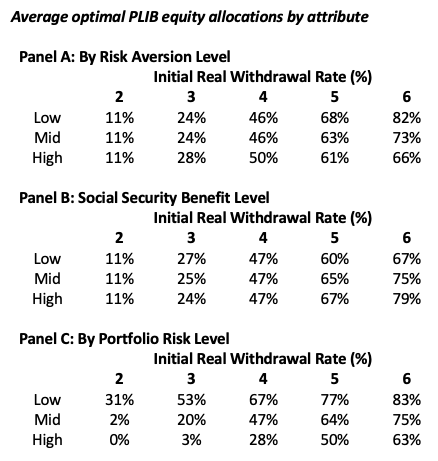
More balanced risk strategies in PLIBs are likely to be optimal (e.g., 40-50% equities), although the ability to personalize the risk level is important based on the household situation and preferences.
Federal Reserve Chair Jerome Powell has history on his side as he and colleagues split with Wall Street over how long interest rates will stay high in 2023.
For the first time in a long time, muni investors may be able to earn attractive yields without having to take undue risk.
For a long time, one acronym reigned supreme on Wall Street — TINA, or “there is no alternative,” which was used to talk about the allure of stocks in a low interest-rate environment. But now, BARB — or “bonds are back” — is the new queen.
The steady drumbeat of warnings that the American economy is careening toward a recession finally struck a nerve on Wall Street.
Ole Hansen, respected commodity strategist at Denmark’s Saxo Bank, says it’s possible once markets realize that global inflation will remain hot despite monetary tightening. I believe, as I’ve said before, that gold could climb as high as $4,000.
Mixed news on US inflation reinforced the precariousness of the bond market’s recent gains ahead of next week’s consumer prices gauge and the Federal Reserve’s last rate decision of the year.
Some of the world's biggest investors predict that stocks will see low double-digit gains next year, which would bring relief after global equities suffered their worst loss since 2008.
U.S. stocks ended higher in a quiet day, trimming some of the week's losses.
Subscribers have requested that I cover 5 dividend stocks with yields ranging from 2.5% to 9.5%.
After a challenging 2022, it is time for investors to look forward to opportunities. Emerging Markets (EM) debt stands out as one place where investors can potentially take advantage of an underutilized asset class that offers attractive yields and diversification.
In his latest memo, Howard Marks weaves together some of the themes he’s explored in 2022 to explain what he believes really matters in investing and what doesn’t. He discusses the disadvantages of short-term thinking, the difference between volatility and risk, and the one word he believes defines the essence of investment excellence.
Stocks are overbought and overvalued relative to bonds.
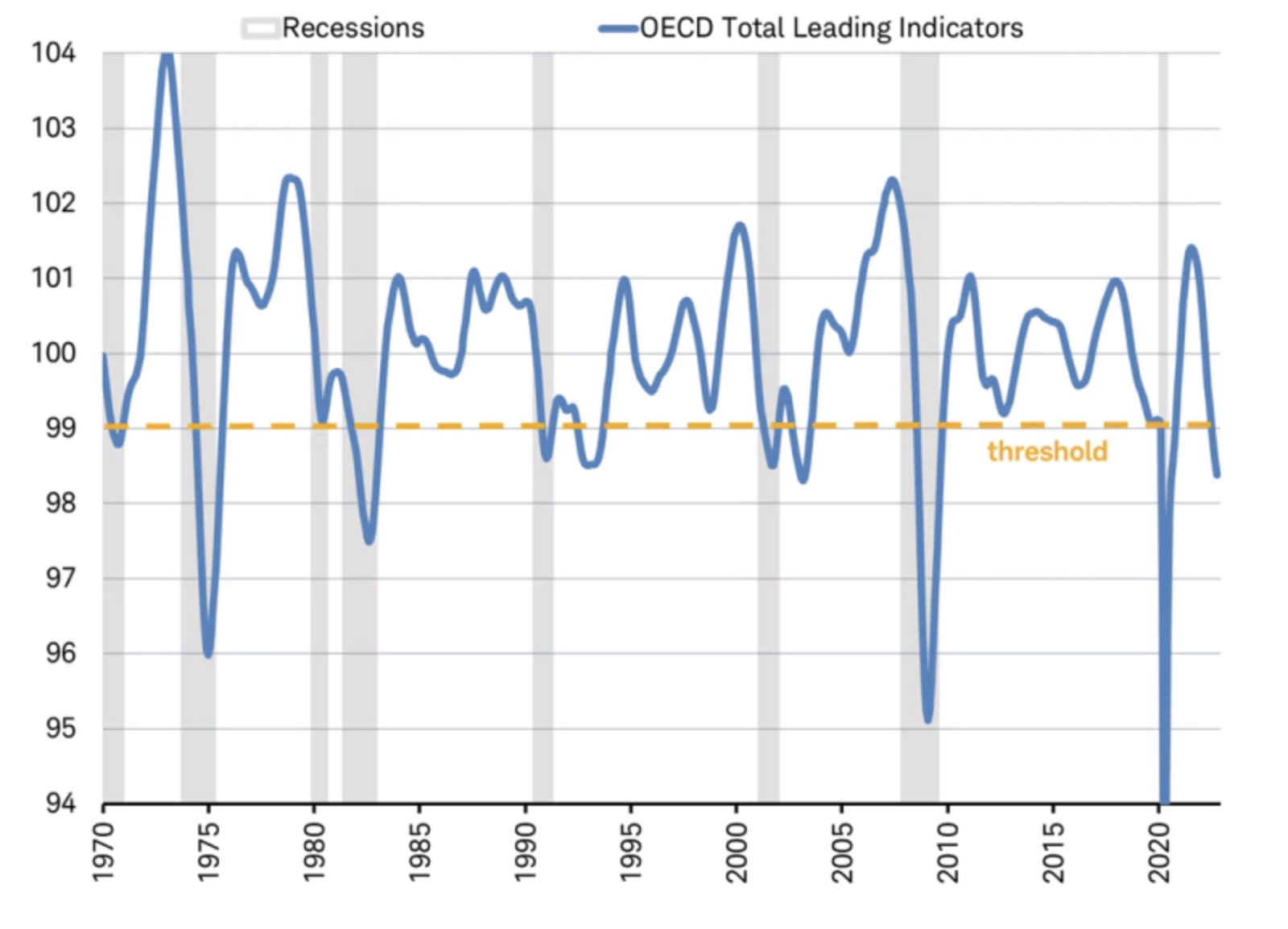
“Expect a recession by the middle of next year,” Jeffrey Gundlach warned investors. The Fed’s monetary tightening will not be as aggressive as expected, he said, but high rates will dampen housing, consumer spending and other sectors, and will force the economy to contract.
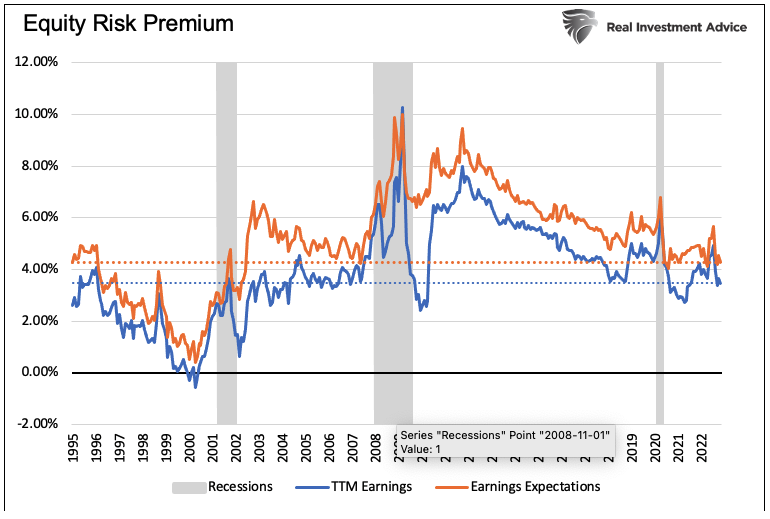
Equity investors are not being adequately compensated for the economic, geopolitical and financial risks they are bearing. The equity risk premium is too small.
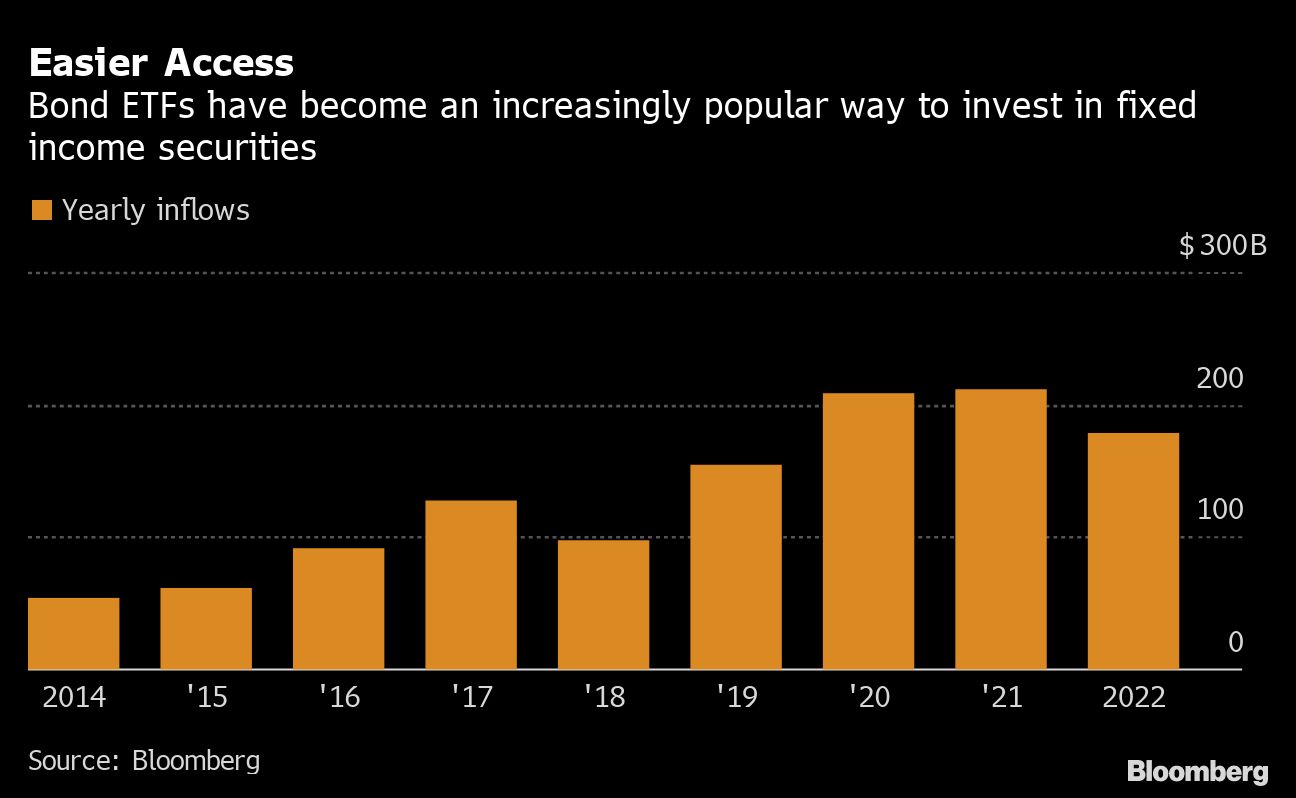
Slowly but surely, bond haters are vanishing across Wall Street — even as fresh market havoc remains a distinct possibility next year if still-raging inflation forces the Federal Reserve to ramp up policy tightening anew.
A yield curve inversion, when rates for two-year US Treasury notes rise above those for 10-year notes, has preceded every recession since the 1960s. The first clear inversion in 15 years happened in July 2022, although there were brief and shallow inversions in August 2019 and April 2022.
Markets may continue to see volatility in 2023 as they navigate between global economic growth and inflation fears, with central banks' decreasing rate hikes and China's reopening.
Emerging-market central banks face a Catch-22 where plunging economic growth means they can’t keep monetary conditions tight, but elevated inflation doesn’t allow them to halt rate hikes either.
James McHugh isn’t afraid of a little risk. The trouble this year has been knowing where to find it. Crypto burned him. Meme stocks are stuck in the pits. So McHugh, a 36-year-old who works in Houston’s oil and gas industry, has been getting his fix in a corner of the market retail investors typically overlook — junk debt.
Drew O’Neil discusses fixed income market conditions and offers insight for bond investors.
U.S. stocks are lower as the new week kicks off, even as China took further measures to ease COVID restrictions.
Wall Street is finding a reason to keep plowing into the bond market, even with a Federal Reserve that’s still far from declaring victory in its war against inflation.
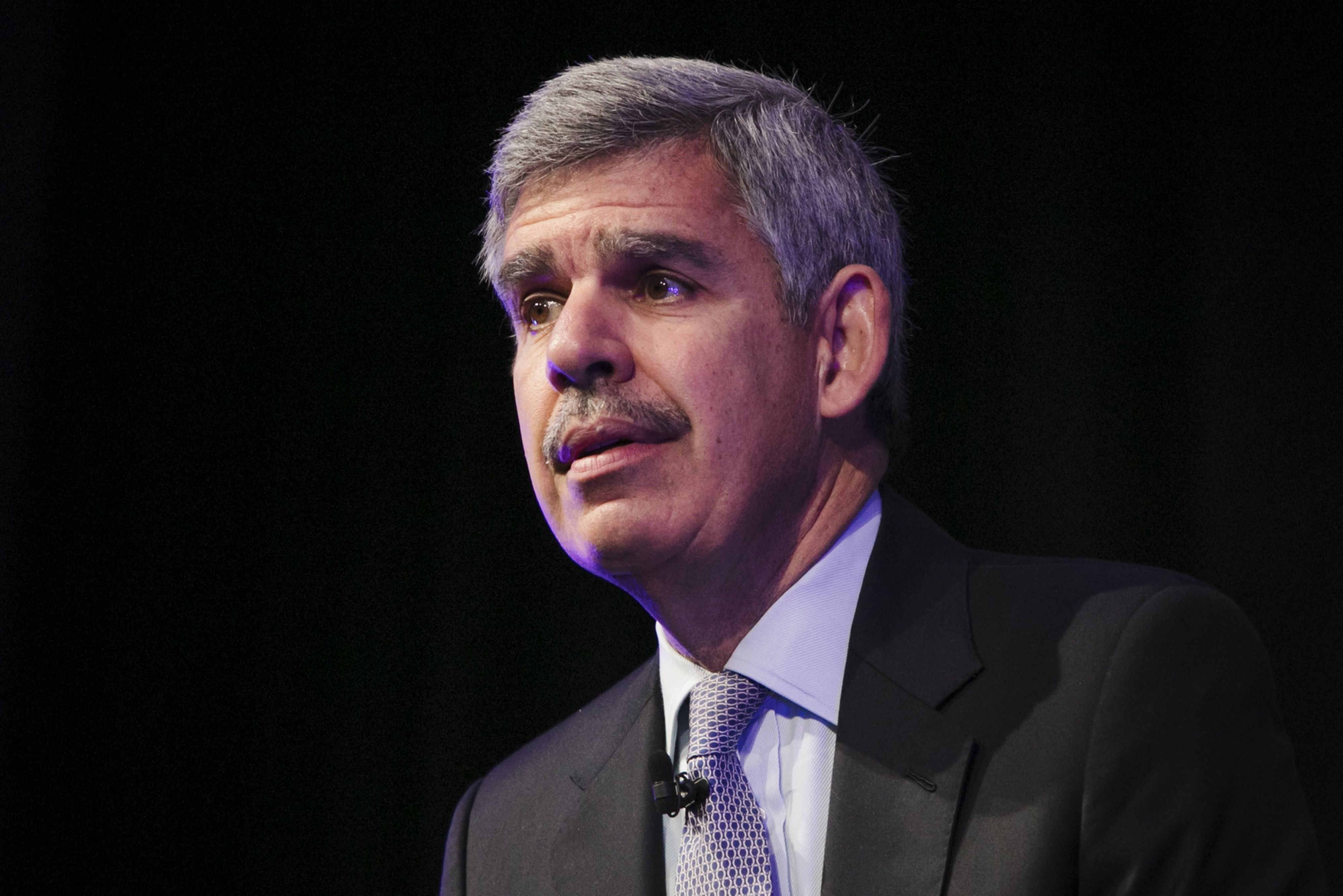
Mohamed El-Erian sees the rollercoaster ride in financial markets, with Friday’s surprisingly strong US jobs report producing the latest drop, as another lesson for Chairman Jerome Powell and his Federal Reserve colleagues.
Pain is deepening across the US real estate industry. Two of the biggest players — Blackstone Inc. and Wells Fargo & Co. — took steps this week to contend with weaker demand as the industry faces a rapidly cooling property market, rising interest rates and waning investor appetite.
We continue to believe that a value-conscious, risk-managed, full-cycle discipline, focused on the combination of valuations and market internals, will be essential in navigating market volatility in the years ahead.
Weaker economic trends will likely form heading into 2023 as the Fed battles inflation, but a (hopefully) mild recession may help set stocks up for a better second half of the year.
Over the past 12 months, global container shipping rates have steadily declined to their long-term averages as supply chain snarls have receded and backups at ports have disappeared. Now, another segment of the cargo shipping industry is seeing day rates explode to record highs.
The latest US jobs report doused nascent optimism that the American economy was weakening enough to warrant a go-slower approach by the Federal Reserve in its battle against inflation.
Three reasons why investors should consider adding intermediate-duration bonds back to their fixed income portfolios.
US employers added more jobs than forecast and wages surged by the most in nearly a year, pointing to enduring inflation pressures that boost chances of higher interest rates from the Federal Reserve.
The corporate debt market is still doing its part to keep America out of a recession.
U.S. equities are sliding as investors sift through the November labor report that showed stronger-than-expected job growth.
Review the latest portfolio strategy commentary from Mike Gibbs, managing director of Equity Portfolio and Technical Strategy.
Remember, the Fed hikes short-term interest rates to slow long-term growth and inflation.
Better than expected inflationary data and corporate earnings reports helped boost S&P 500 to back-to-back rallies for first time since mid-2021.
How we’re thinking about investing against a backdrop of inflation uncertainty, geopolitical tension, and likely recession.
Markets surged on Wednesday after Jerome Powell, the Federal Reserve chair, indicated that the world’s most powerful central bank would slow the pace of rate increases this month.
Regardless of your long-term view on bonds, Treasuries are beginning to look undervalued from a cyclical perspective.
Chair Jerome Powell signaled the Federal Reserve will slow the pace of interest-rate increases next month, while stressing borrowing costs will need to keep rising and remain restrictive for some time to beat inflation.
Global bonds rebounded in November, adding a record $2.8 trillion in market value, as investors bet that central banks are getting a grip on inflation. But how long the party lasts is another matter.
November has given a glimpse of the outperformance that emerging markets can deliver in the post-stimulus world as the maturing phase of Federal Reserve tightening focuses investors’ minds on the opportunities beyond.
Apple Inc. has shelled out more than $550 billion buying back its own shares over the past decade, more than any other US company, and the technology juggernaut shows no signs of slowing down.
Global bonds joined US peers in signaling a recession, with a gauge measuring the worldwide yield curve inverting for the first time in at least two decades.
The question most asked by investors late last year, as Treasury bill yields hovered just above zero was “Where can I go for yield?” followed soon after by “What can I do to protect myself from inflation?”