The bond market’s re-energized bulls may want to dial down their excitement because their fortunes hinge on whether an abstract, almost elusive number, is as low as they assume.
Call me superstitious or contrarian — or maybe just a procrastinator — but I only started worrying about a recession last week.
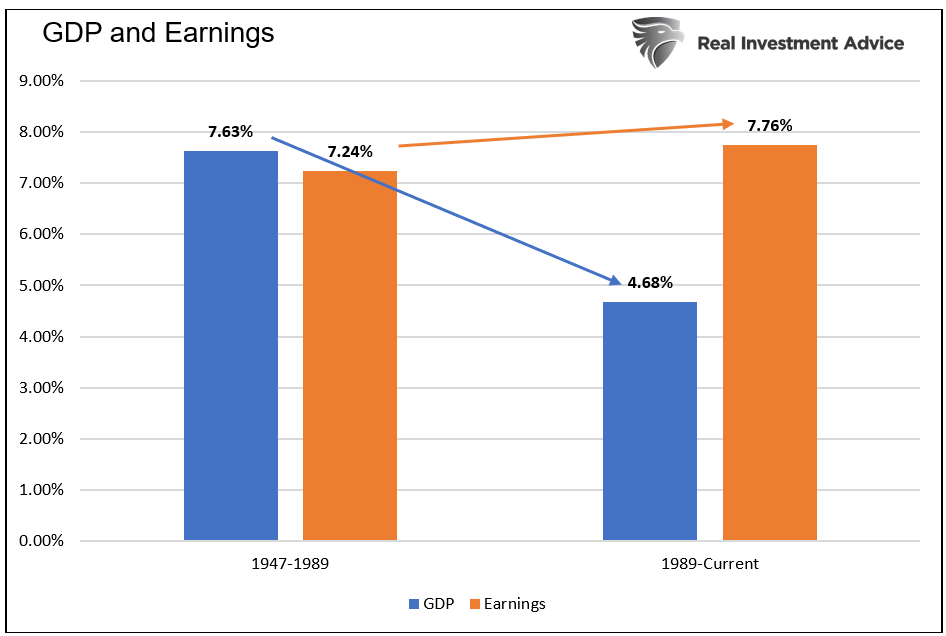
Investors will not be willing to pay an above-average valuation for what will seem like below-average profit growth.
Led by the Federal Reserve’s campaign of increasingly large hikes, interest rates have risen meaningfully year-to-date. Conventional wisdom would guide investors to sell fixed income — a reflection of one of the most fundamental relationships in the investment world: as rates go up, their investments go down.
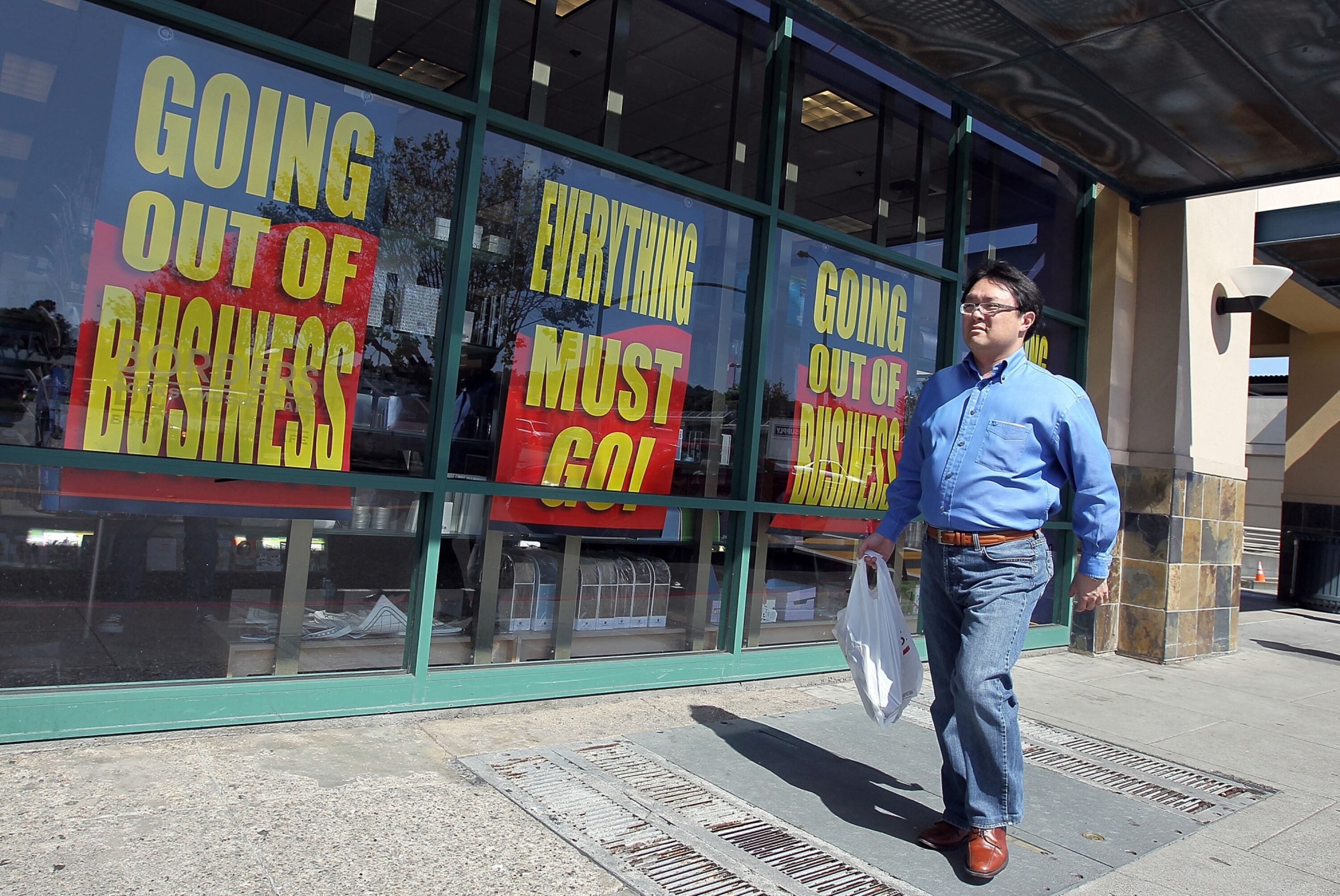
Business bankruptcies are surging around the world, in some countries reaching volumes not seen since the aftermath of the 2008 financial crisis.
Investors are once again flocking to the certainty — and relatively high yields — of cash as conviction grows that the Federal Reserve will continue raising interest rates.
Higher expected corporate earnings mask broad pressure under the surface. We see more earnings pain ahead and look for opportunities at the sector level.
In his latest memo, Howard Marks discusses five market calls he’s made during his career. He argues that investors seeking to know the market’s likely direction should focus on taking its psychological temperature and understanding the nature of cycles. Just as importantly, they should learn to control their own emotions and have the humility to know when not to make a call.
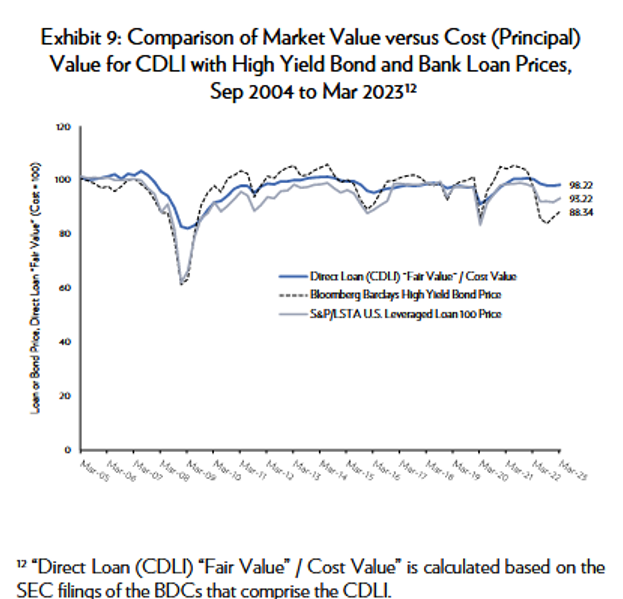
Investors seeking higher yields and relatively low risk, and are willing to sacrifice liquidity, will find attractive opportunities in interval funds that invest in senior-secured, sponsored middle-market loans.
A pair of exchange-traded funds tracking corporate credit saw a nearly $2 billion flight after data underscoring jobs strength solidified bets the Federal Reserve will resume its interest-rate hikes.
I discuss recent regime changes and reveal findings from the SPIVA scorecard and Morningstar’s U.S. Active/Passive Barometer.
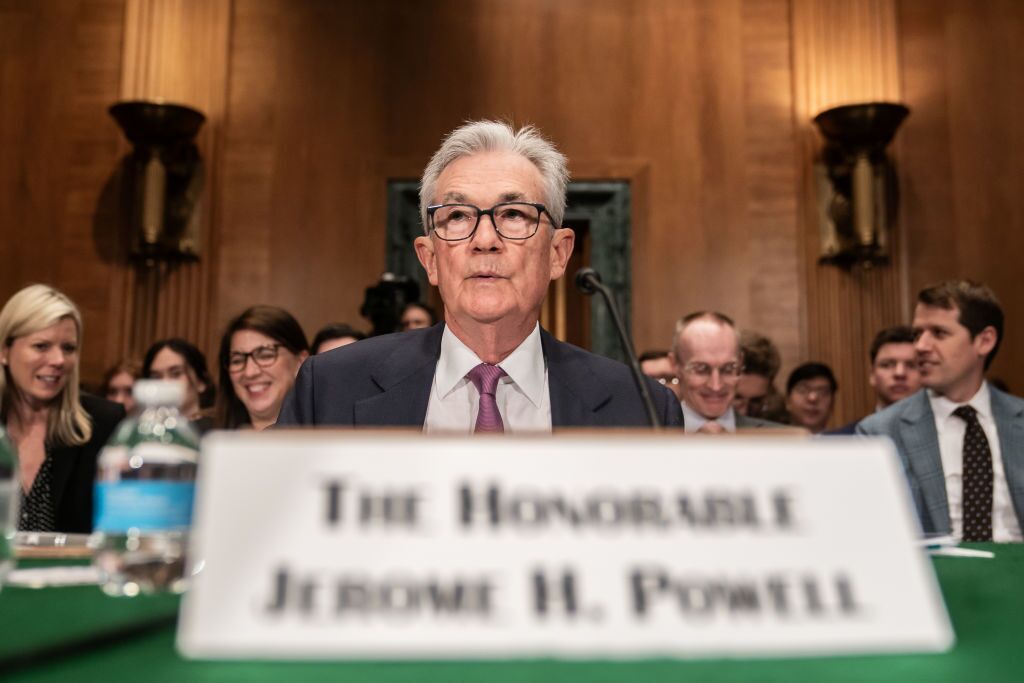
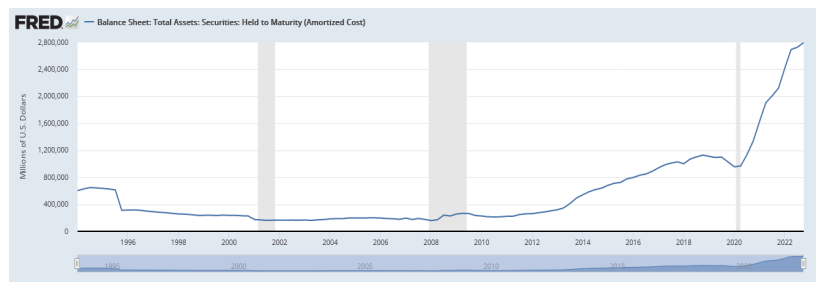
Tucked away in hours of congressional testimony by Federal Reserve Chair Jerome Powell last month was an admission that the central bank was blindsided by the impact of shrinking its balance sheet four years ago.
The world’s sovereign investors are seeking to boost investment in bonds as yields rise, while a freeze on Russian assets has increased their demand for gold, Invesco Ltd. said in an annual report.
There's more pain on the way for the S&P 500 as profit warnings and fears of higher interest rates combine to threaten the key US stock indicator, according to the latest Markets Live Pulse survey.
Shifting the risk-reward ratio in your favor.
Given attractive yields and strong credit conditions, we have a positive view on the municipal bond market for the second half of the year.
The second half of 2023 has officially begun, meaning it’s time for us to reflect on the commodities market so far this year. Lithium increased by 10.81%, making it the best-performing commodity and one of only two that recorded a positive return, the other being gold.
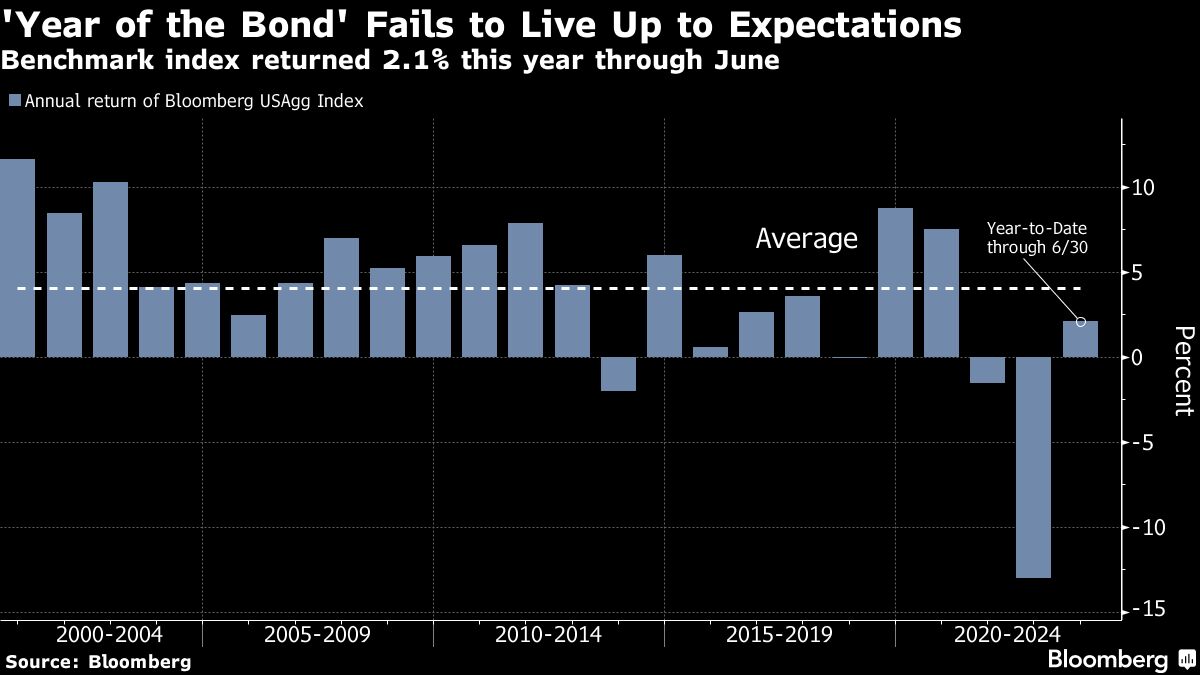
Corporate credit has failed to live up to lofty expectations of double-digit returns so far this year, fueling a string of bearish bets into the second half of 2023.
Bond investors are bracing for fresh signs of strength in the US labor market on Friday after Treasuries tanked on fears the Federal Reserve will hike interest rates higher than previously assumed.
Throughout 2022, high levels of volatility across all major asset classes created a difficult environment.
Surf’s up! Elevated yields and negative correlations are good news for bond investors. We share strategies for making the most of today’s opportunities.
Better than expected first quarter earnings, decelerating inflation and growing optimism about a soft, non-recessionary landing have driven the market's positive 2023 start.
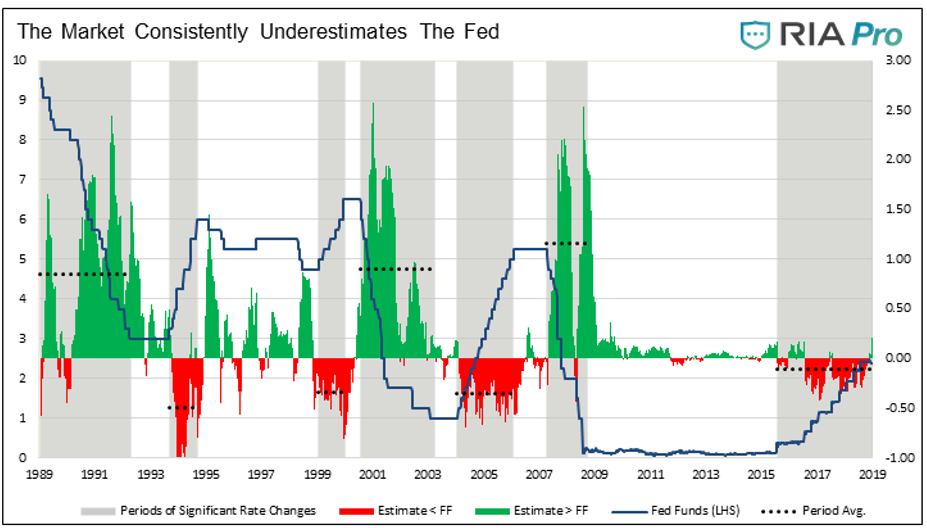
History tells us to ignore the Fed’s and market forecasts and anticipate a rate-cutting cycle.
"If your only tool is a hammer, every problem looks like a nail." This old saying still rings true as central banks keep ratcheting up the interest-rate pain.
Rob Tayloe discusses fixed-income market conditions and offers insight for bond investors.
Some of the biggest bond managers are sticking to their bullish view on the market for US government debt, even as that trade looks riskier by the day.
Given the current economic climate, now may be an opportune time to look closely at long-term bond ETFs.
We see different and abundant opportunities in the new macro regime. We go granular within asset classes, regions, and sectors – and harness mega forces.
Markets are inherently forward-looking, but they’re not clairvoyant. Securities prices tend to reflect some well-founded assumptions about the immediate future and then a whole bunch of wild guesswork about the medium to long term.
Bond traders are bracing for another tumultuous week in which key employment data could push yields on 10-year Treasuries toward 4%, a level that market watchers see luring investors into government debt.
This weekend marks the official start of the Tour de France – one of the biggest cycling events in the world! Cyclists begin their journey in Bilboa, Spain and over the next 23 days will traverse through challenging terrain, covering a grueling ~2,200 miles.
We believe that the creeping economic slowdown in the United States will probably persist for a few more months, with a recession possible over the next 12-18 months. The onset of the recession may be delayed until 2024.
India is rapidly transforming into a formidable global superpower and an increasingly attractive destination for investor capital. Amid rising geopolitical tensions and the impact of disruptive technologies, India's story is a beacon of opportunity in a challenging landscape.
Treasury yields surged Thursday, most to the highest levels since March, as strong economic growth data prompted traders to wager that the Federal Reserve will raise rates two more times this year.
After the disruptions of the past few years, many of us are looking for a return to normal. For investors in emerging-market bonds, normal would mean a world in which global inflation is in check, interest rates are no longer rising, China is healthy, and traditional asset correlations resume.
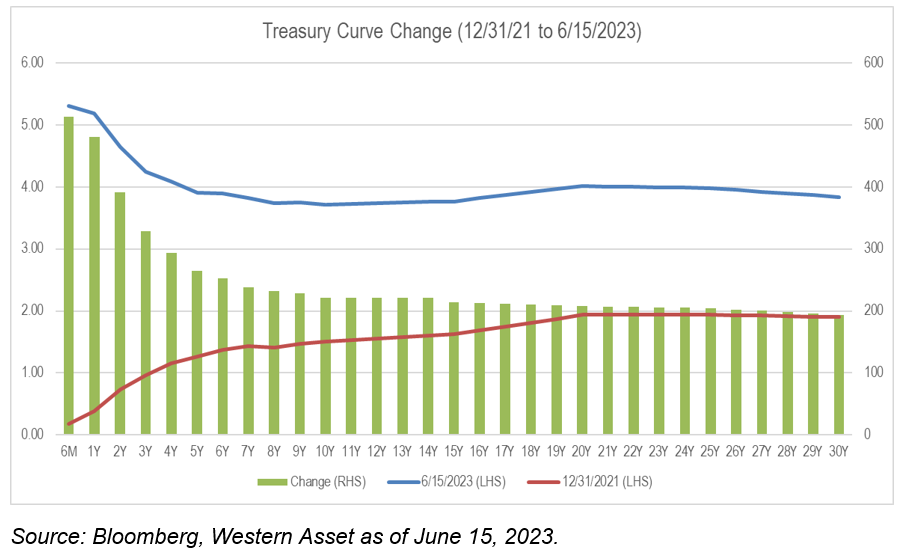
Yields on long-term US Treasury securities have risen, and prices have fallen, farther and faster over the past few years than at any time since the 1980s. This has wreaked no small amount of havoc — contributing, for example, to the recent demise of several regional banks.
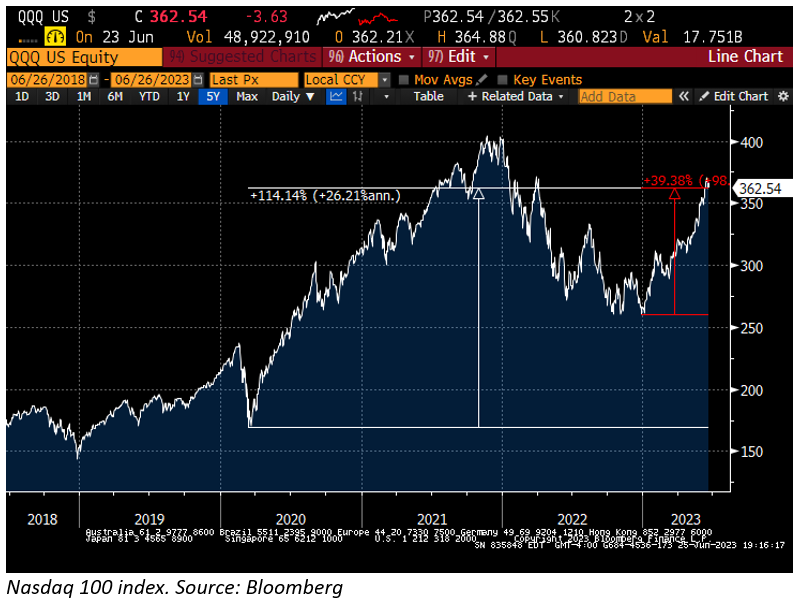
Tech stocks have had a great year in 2023. Despite many prognostications to the contrary, a rational evaluation of the evidence does not suggest a price bubble in tech or the overall market.
The European Central Bank (ECB) hikes rates and signals more tightening ahead.
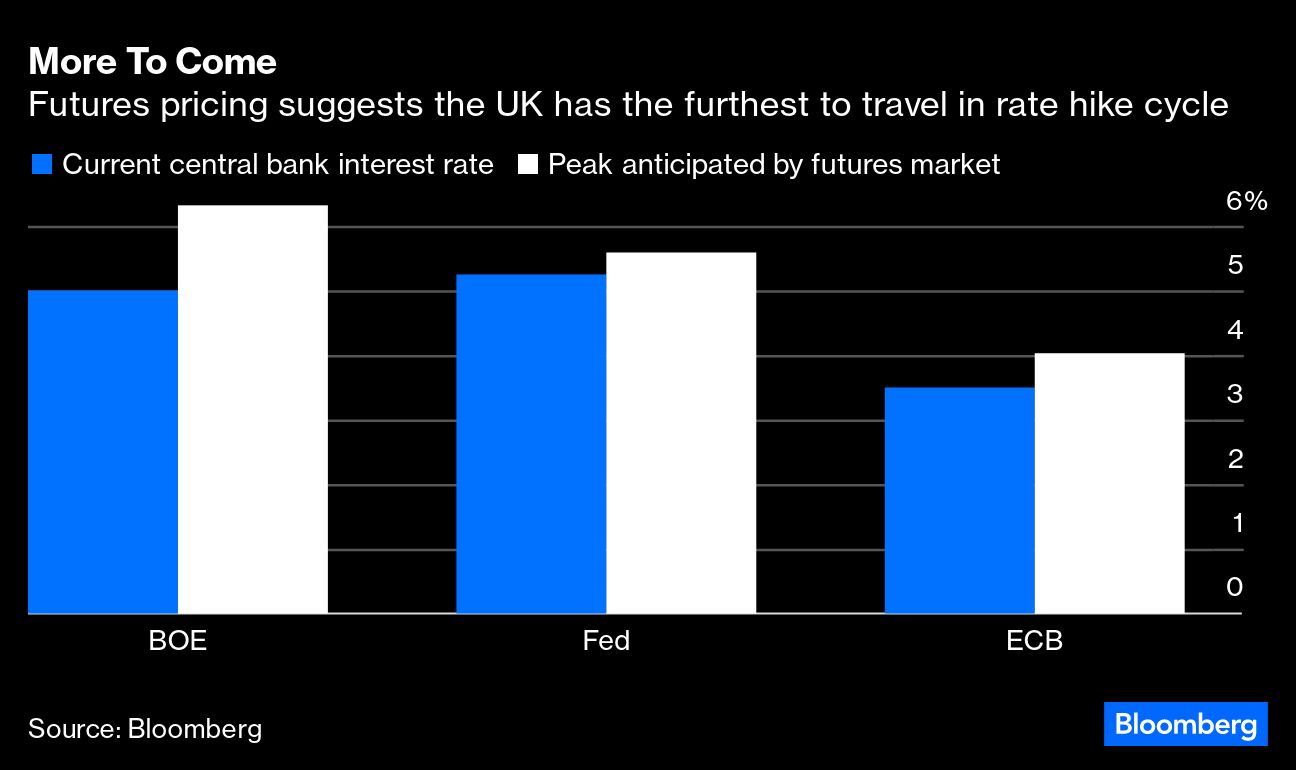
In a hawkish move coming on the heels of data that showed a reacceleration in inflation, the Bank of England raised its key lending rate by 50 basis points at today’s policy meeting.
Sam Weitzman of Western Asset Management highlights the overlooked potential of municipal bonds as a high-quality asset class. With fixed income yields reaching near-decade highs and higher tax rates impacting taxable fixed income investing, municipal bonds are offering above-average after-tax returns and downside protection, making them attractive for income seekers.
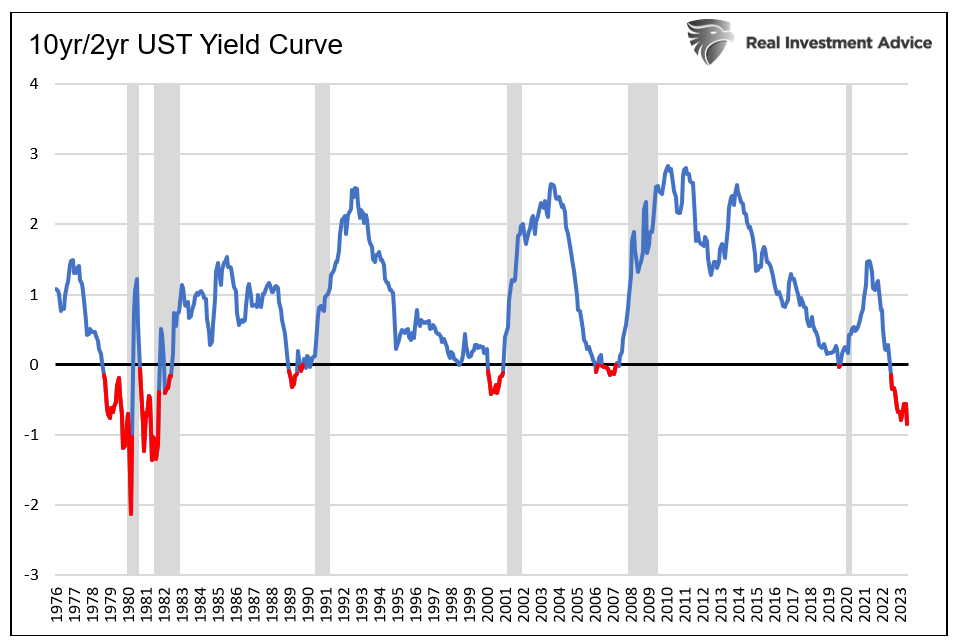
Will this yield curve inversion lead to continued economic growth and avoid a recession?
Striking the right balance between interest rate and credit risk can be a good idea in the late stages of a credit cycle. We think it’s a particularly good idea in this credit cycle.
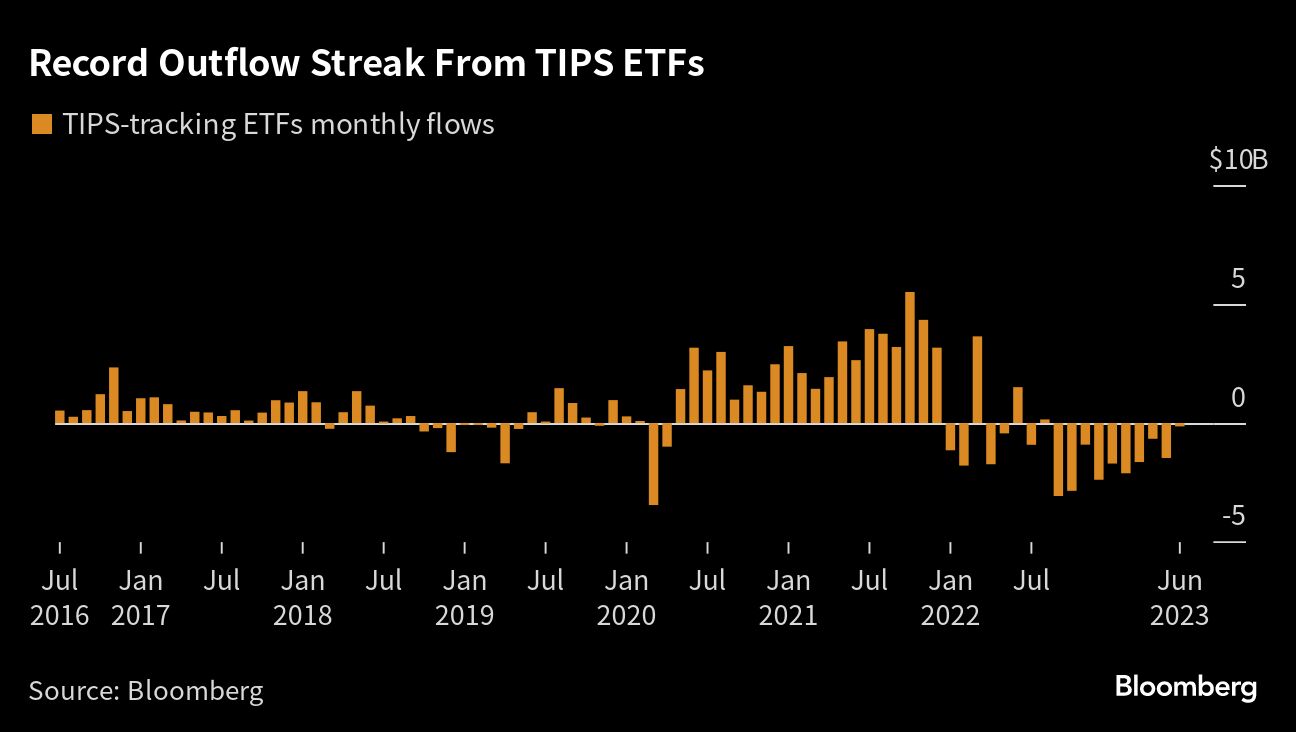
Exchange-traded funds designed to protect against inflation are staring down a record exodus after faltering in the face of still-sticky price pressure.
We expect generally good performance during the second half of the year, although volatility may increase, especially for high-yield bonds.
This past Wednesday marked the official start of summer! The summer solstice represents the best time of year – the maximum amount of daylight coupled with warm temperatures.
An ounce of optimism, a pound of prudence. It’s still a good time to be measured about taking risks in equities, but we believe the longer-term horizon holds particular promise for active stock pickers.
The barrage of fresh Treasury bills poised to hit the market over the next few months is merely a prelude to what’s yet to come: a wave of longer-term debt sales that are seen driving bond yields even higher.
In life as in markets, there will always be macro folks and micro folks, each tending to believe that their approach is better than the other.
Today the minutes of the April 27-28, 2023, Bank of Japan meeting were released. Below in italics are the top ten highlights generated by our AI engine.
Surging interest rates have made the coupons look meager, the Federal Reserve is shrinking its exposure, and the regional banking crisis left the regulator with about $100 billion of the bonds to sell.