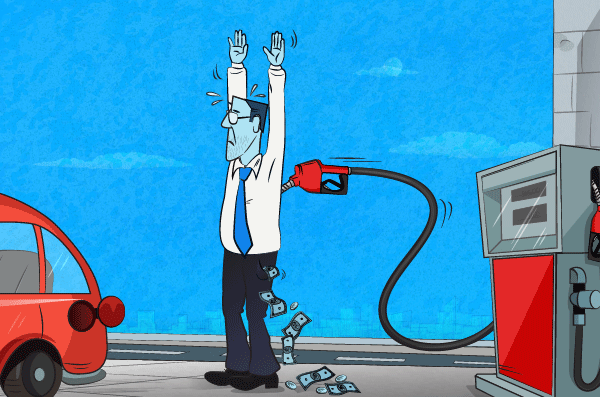
It’s not all doom and gloom, though. Due to stratospheric oil and gas prices, energy stocks have been the one bright spot in an otherwise dour market this year. Through the end of May, the S&P Oil & Gas Exploration & Production Index gained an incredible 60%, compared to the S&P 500, which fell about 13%.
The likely moderation of US job growth in coming months will reflect a combination of hiring challenges in a remarkably tight labor market, shifts in spending patterns and outright soft spots within a handful of industries.
The world is struggling with simultaneous energy and climate crises. To solve the first could require undoing all the progress made toward greener power and cleaner air. But it doesn’t have to be that way.
The US Securities and Exchange Commission is concerned that retail investors are being duped by “greenwashing.”
Treasuries extended their slump in New York, driving the yield on the benchmark 10-year note up by the most in more than three weeks, as renewed inflation concerns and economic data supported expectations for multiple Federal Reserve rate hikes in coming months.
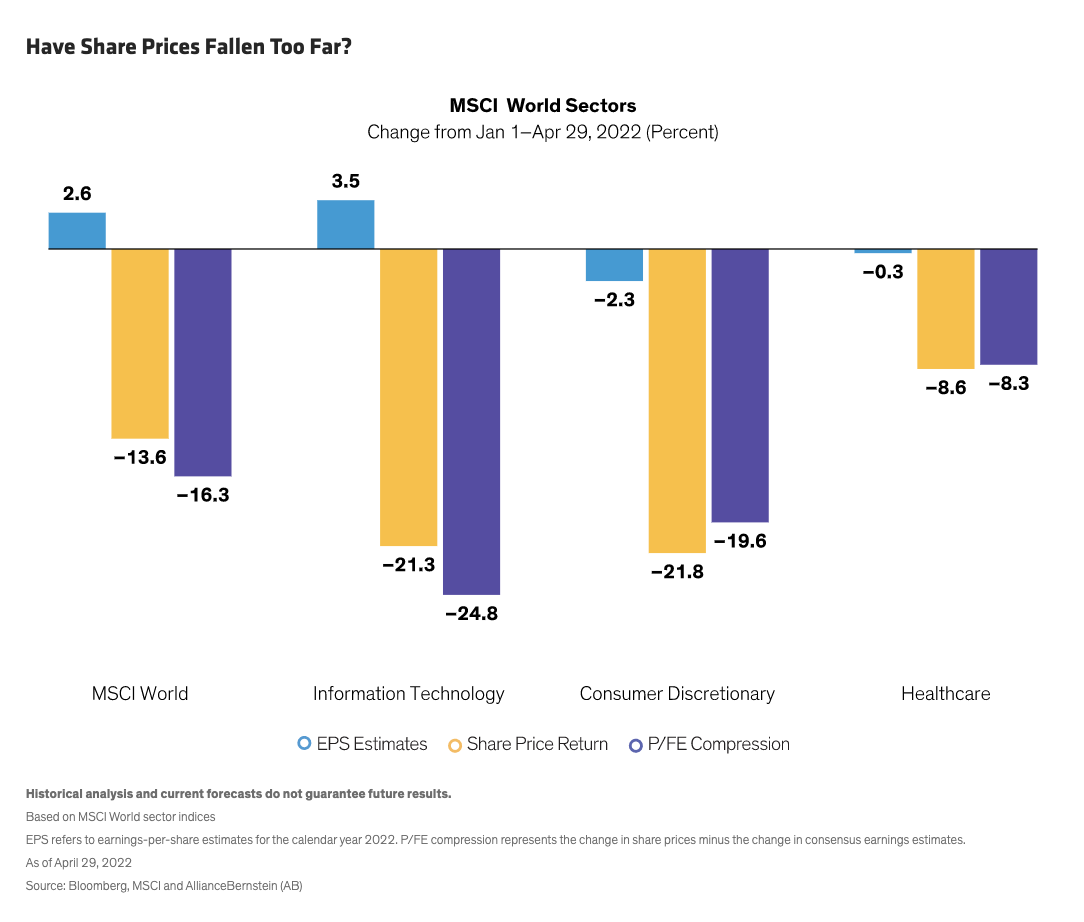
Growth stocks are under acute pressure as rising interest rates change the dynamics that drive equity valuations.
High inflation has captured the headlines as of late particularly as CPI recently hit the highest levels since 1981.
Summer is right around the corner, and traditionally that’s when families pack their bags and get away for a well-deserved vacation. Since this is the first summer travel season in three years that feels like the before times, airlines and airports are bracing for what is expected to be a particularly busy three months.
As everyone knows, the labor market has been quite strong, with expectations for the unemployment rate to fall further next week.
Central bankers can’t drill for oil, grow more crops or repair global supply chains. That means the only quick fix available to Federal Reserve Chair Jerome Powell and his colleagues for cooling the fastest inflation in four decades may be raising interest rates so much that they crash the economy into recession.
The Federal Reserve's resolve to fight inflation could be tested even before a recession hits by dislocations in certain corners of the market that are not well understood. This is about more than just a bear market in stocks or an implosion in cryptocurrencies. Rather, this is about the “plumbing” that keeps markets running smoothly and facilitates the flow of money in and out of the financial system.
Purchases of new single-family homes decreased 16.6% to an annualized 591,000 pace, the weakest since April 2020, government data showed Tuesday. The figure fell well short of all estimates in a Bloomberg survey of economists, which called for a 749,000 rate.
The price of foods, fuels and other essential items are spiraling ever upward as Russia’s war on Ukraine compounds supply-chain woes stemming from the pandemic. Central banks may be in the driving seat when it comes to tackling inflation, but it’s governments that face the fallout and so are compelled to act.
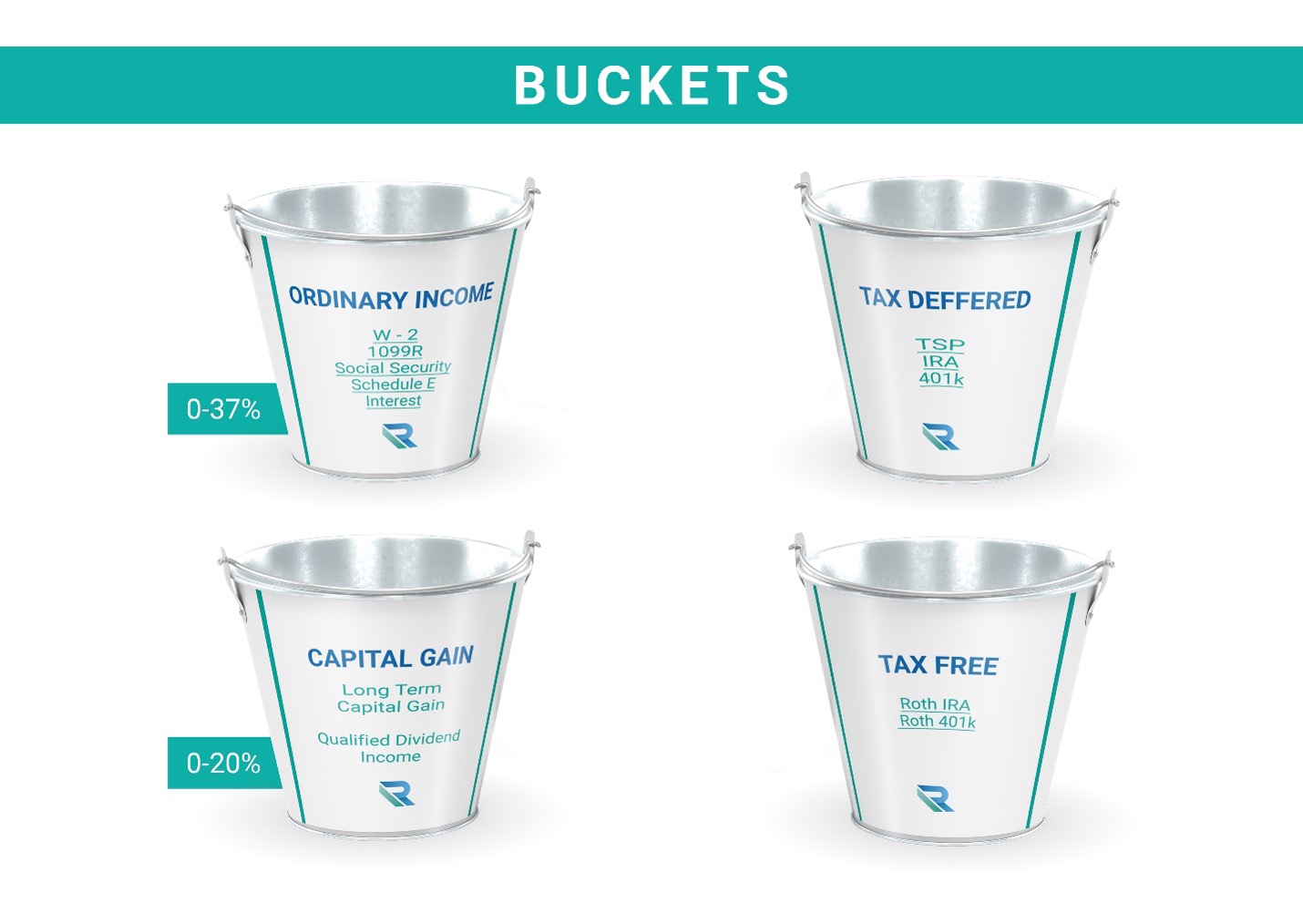
I want to draw your focus to the three most important, yet boring, tax strategies that every advisor should be discussing with every client.
The Federal Reserve has talked a lot about its goal of a soft landing for the economy as it raises interest rates to fight inflation, but there hasn't been as much talk about what that would look like for workers.
All year inflation has been the narrative driving markets.
With economies scrambling for alternatives to Russian fossil fuels, Dina Ting, our Head of Global Index Portfolio Management, offers perspective on single-country portfolio exposure to other world oil producers.
Two of the world’s most respected investors, Jeremy Grantham and Ray Dalio, offered identical warnings: The bubble in U.S. equities is unwinding, and the economy is headed for stagflation.
The parallels between the 2020s and the 1970s grow more numerous by the day. The economy faces the threat of stagflation. Fuel prices are surging, and shortages loom. Politicians are flailing. The international environment is deteriorating. The Supreme Court is revisiting the 1973 Roe v. Wade ruling.
The U.S. was experiencing some of the highest inflation in its history.
There are thousands of mutual funds that offer to select stocks and bonds for your portfolio. But which ones are right for you? Use our Premium membership service to add your logo and a note from you and forward it to your clients.
Tesla has grown into a $735 billion company on the back of its breakthrough electric-vehicle engineering. Its own carbon footprint is a small fraction of its peers, and its success in the market has pushed the industry overall away from gas-powered vehicles.
The world economy is increasingly succumbing to the threat of stagflation reminiscent of its 1970s ordeal, a mounting headache for global finance chiefs already navigating the fallout from the war in Ukraine.
The terms "value" and "growth" have been blurred. What appears to be a value stock may be in its reputation only.
“What does a yellow light mean? Slow down!
John Paul Lech, Lead Manager of the Matthews Emerging Markets Equity Fund, explains the potential value that unique real estate equities can offer emerging market-growth portfolios.
U.S. equities plunged, finishing near the lows of the day, following disappointing quarterly results from Target Corporation and Lowe's Companies, with both retailers warning of rising cost pressures.
Do we respect ourselves and our family members enough to treat them like they are our clients?
If we follow the threads underlying inflation over the past year to their earliest beginnings, they run straight through the fog of pandemic, quickly pass by the financial crisis in 2008, and wind their way past the Great Inflation of the 1970s...
Plan for long-term Inflation that will be fought aggressively by the Fed, higher policy rates, and slower economic growth, according to Raghuram Rajan.
Advisors face an uphill battle to get attendance to their events.
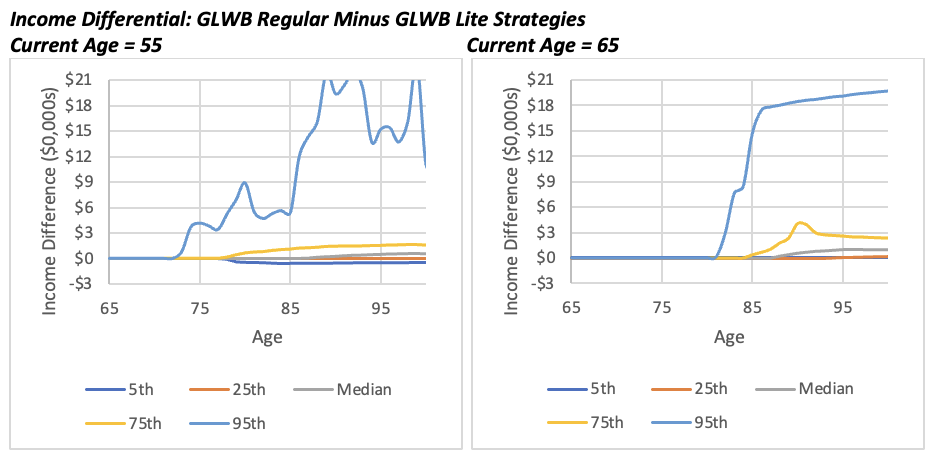
This article explores the benefits of annuities with lower explicit fees, a category I dubbed as “annuities Lite” in a previous article that focused on GLWBs.
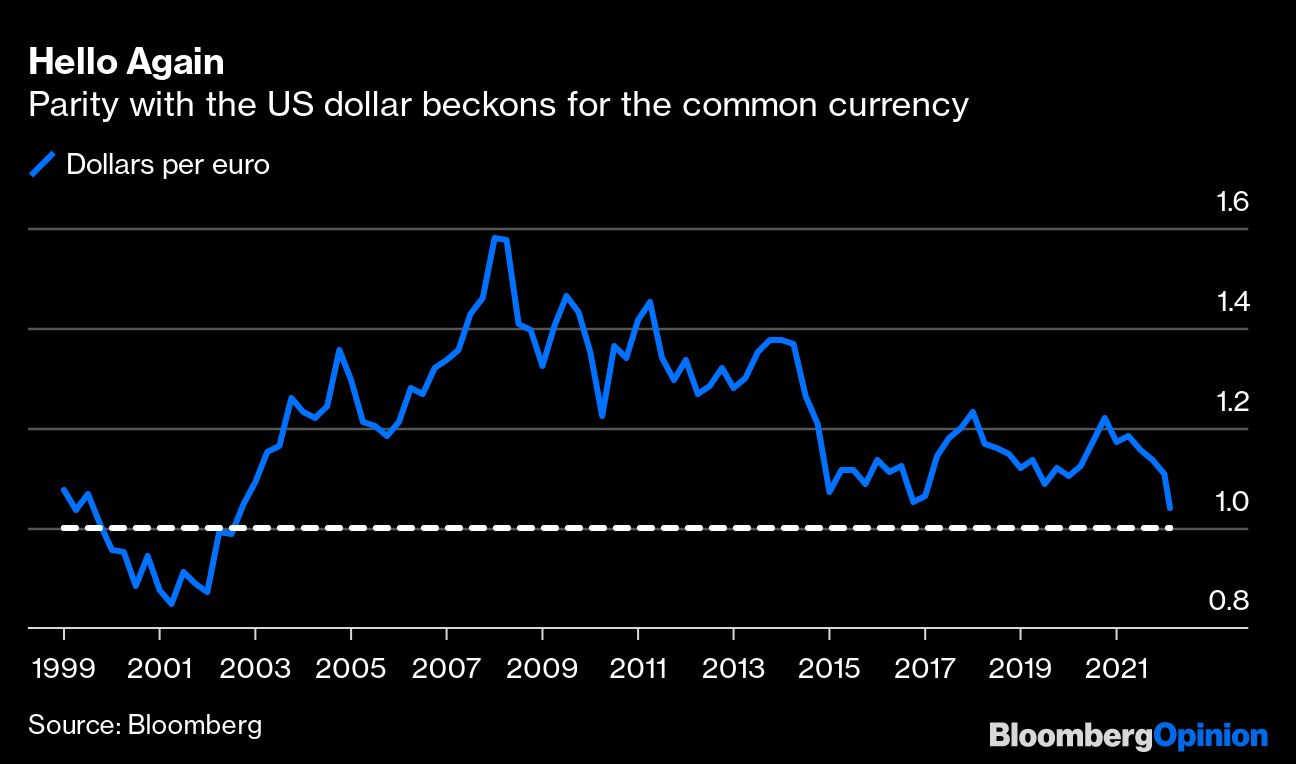
The euro hasn’t been this cheap against the dollar for almost two decades, but it can get cheaper still. The tail risk of Russian gas and oil being suddenly shut off, most likely plunging the European continent into a sharp recession, is too unpredictable for investors to confidently bet on a rebound any time soon.
U.S. stocks are trading lower as another week begins on the heels of six-straight weekly losses for the S&P 500.
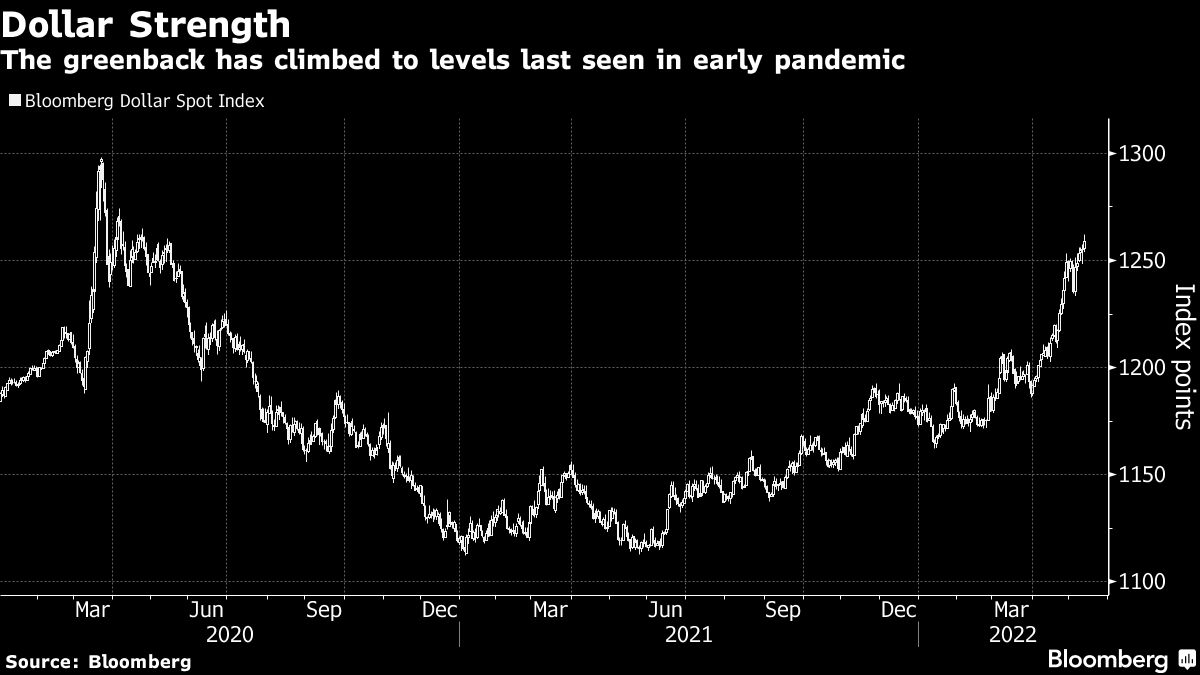
The soaring dollar is propelling the global economy deeper into a synchronized slowdown by driving up borrowing costs and stoking financial-market volatility -- and there’s little respite on the horizon.
How do you re-engage your un-engaged clients to see if you can offer them expanded advisory services?
Some big-name investors forecast that Bitcoin will eventually hit $100,000, $1 million or more. It could very well do that, but for now, its price is closer to $0. That’s both a risk and an opportunity.
The Strategic Investment Conference wrapped up this week with another wave of strong, fascinating speakers and panels. Today I have more to share and, as you’ll see, the plot thickened considerably.
In March of last year, we wrote an article entitled “Timing the End of the Tech and Bitcoin Bubbles”. Our conclusion for Bitcoin was that it was indeed in a bubble but that there was insufficient technical evidence at the time indicating its bursting.
Rising yields, wider spreads, and heightened market volatility are providing an attractive environment, but caution in credit selection is warranted.
In 1995, Treasury Secretary Robert Rubin asserted that a strong dollar is in the US national interest, a mantra repeated by each of his successors. They’re partially correct since the effects of the robust buck, which has soared this year, help some while harming others.
The geopolitical crisis in Ukraine creates a stagflationary shock for global economies. The plan to fight inflation just got far more complicated for global central banks.
Dividend Growth Stocks Dividend growth stocks are one of the more favored classes of stocks that investors want to hear about.
With the world facing inflationary and geopolitical hurdles, economic growth is poised to slow. In this environment, investors in growth stocks must identify companies with the right features to overcome headwinds to earnings.
At a time when New York towers are struggling with high vacancies and many workers are still remote, money managers are seeking to accommodate growing staff and encourage in-person collaboration with trendier digs. Along with tech companies, they’re helping to fill part of the void left from employers giving up space -- even as Manhattan’s office supply continues to grow faster than demand.
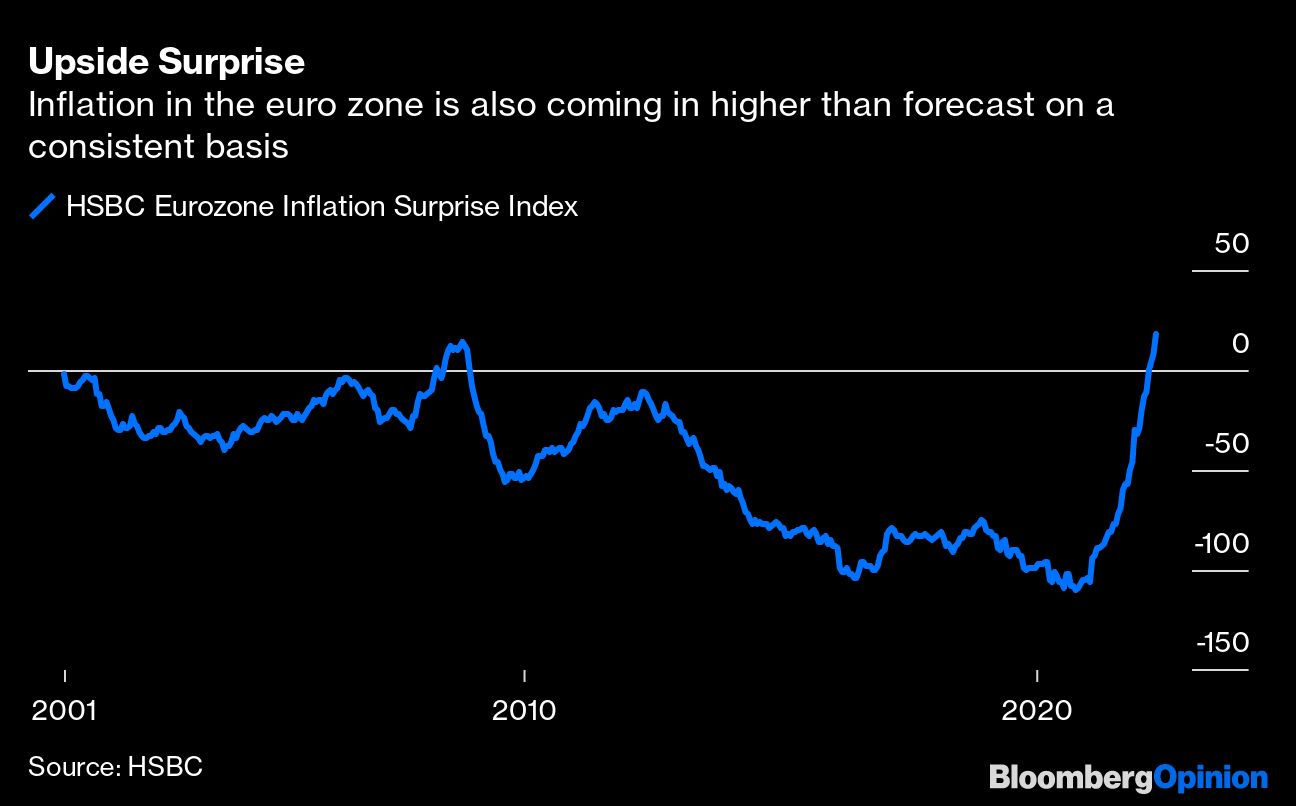
There was a time, some 12 years ago, when I bowed to no one in my enthusiasm for bonds. Longer-dated government debt yields had surged after the global financial crisis. Yet for various reasons, inflation was likely to remain subdued, I argued. US Treasuries and even German bunds yielded about 3.5% at the time. Although headline inflation waxed and waned, it consistently came in below forecasts for the next 10 years.
U.S. investment-grade debt sales have missed Wall Street estimates for two consecutive weeks with issuers choosing to sit on the sidelines instead of braving volatile markets. Bond sales were expected to pick up this week amid a growing backlog, but seven potential issuers opted to stand down amid broad volatility on Monday.
Advisor Perspectives has announced its Venerated Voices™ awards for commentaries published in Q1 2022.
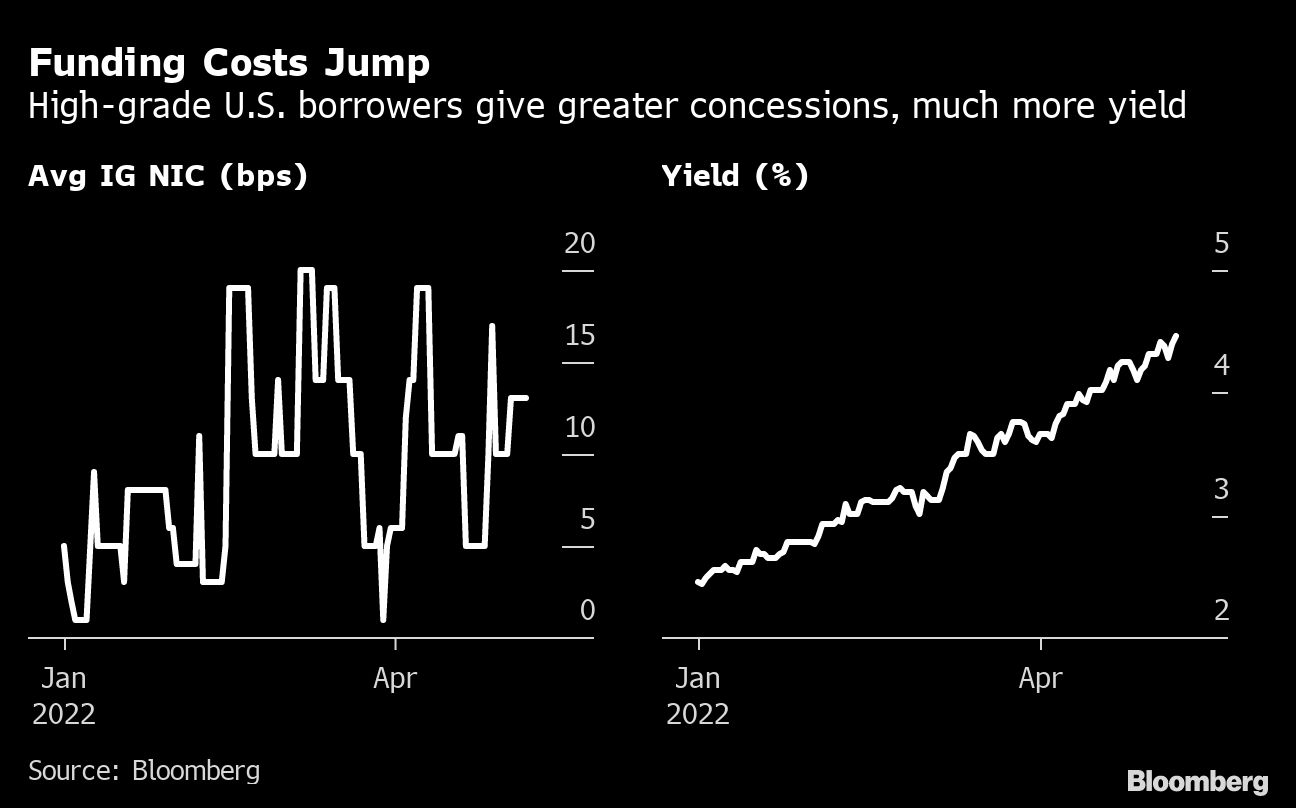
With volatile markets fraying investors’ nerves, companies are now paying the biggest premiums to sell new bonds since the height of the coronavirus pandemic two years ago.
I borrowed this letter’s “Soft Now, Hard Later” headline from Dave Rosenberg. It was the title of his leadoff SIC presentation, for reasons I’ll explain.