U.S. equities finished mixed in choppy trading amid a host of data, events and cautious Fedspeak driving sentiment.
After getting thrashed in the era of low interest rates, the last remaining hedge fund managers dedicated to the world of foreign exchange are in fighting spirits this year.
The long-running active versus passive debate has become even more heated than usual during the recent stock market turmoil.
July was an illustration of the adage that “the market is not the economy.” US stocks had their best month in two years while the economy received discouraging news about both growth and inflation.
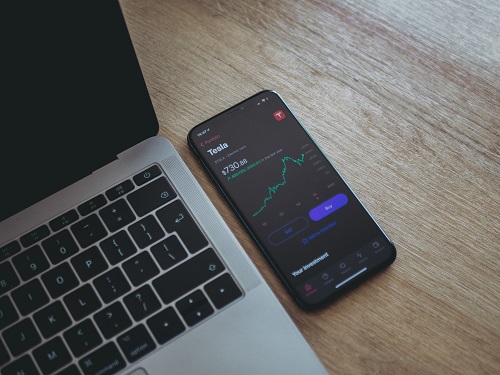
Investors expect Elon Musk to sell more shares of his electric carmaker Tesla Inc. by the end of 2022, according to the latest MLIV Pulse survey.
Our last update was on the 13th of July.
Trading volume in the yuan-ruble pair increased to the highest ever this week and hit a daily record of 7.82 billion yuan ($1.16 billion) on Wednesday, according to Moscow Exchange data.
Amazon.com Inc. was the latest company to discuss its belt-tightening efforts this week.
The US economy is losing momentum heading into the back half of the year, highlighted by the government’s latest report card that showed weaker consumer spending and declines in business and residential investment.
The U.S. has experienced another quarter of reduced output, in the face of high inflation and rising interest rates.
I recently was asked by Patrick Schotanus of Edinburgh Business School to participate in their inaugural symposium on the subject of cognitive economics. The symposium took place at Panmure House, the final residence of the great economist Adam Smith, and the theme was the Market Mind Hypothesis (MMH), which Patrick developed.
The dreaded R word is looming over Americans as the economy contracts and the Federal Reserve raises rates.
The US economy shrank for a second straight quarter, raising chances of a recession, as decades-high inflation undercut consumer spending and Federal Reserve interest-rate hikes stymied business investment and housing demand.
Growing Evidence the Secular Trend in Stock Prices May be Reversing! We can’t be sure that the equity secular bull market for stocks is over, but it’s quite apparent that several reliable indicators are moving in that direction. Many others are on the brink of a sell signal.
Here are six relationship-marketing tips advisors can use to celebrate clients.
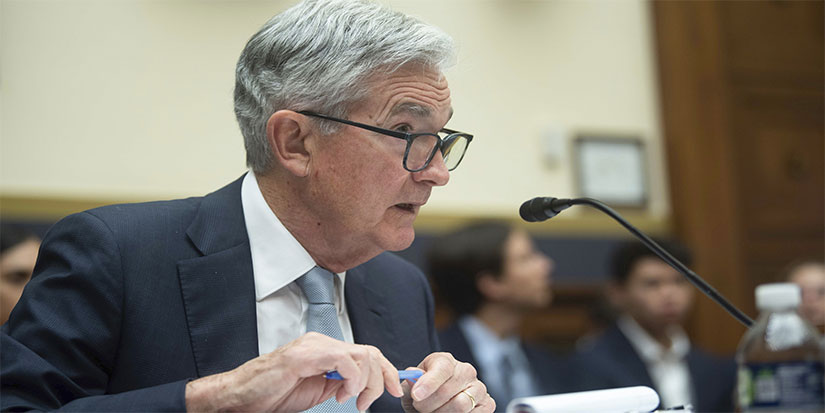
We believe that the Fed is going to increase the federal funds rate by 75 bps.
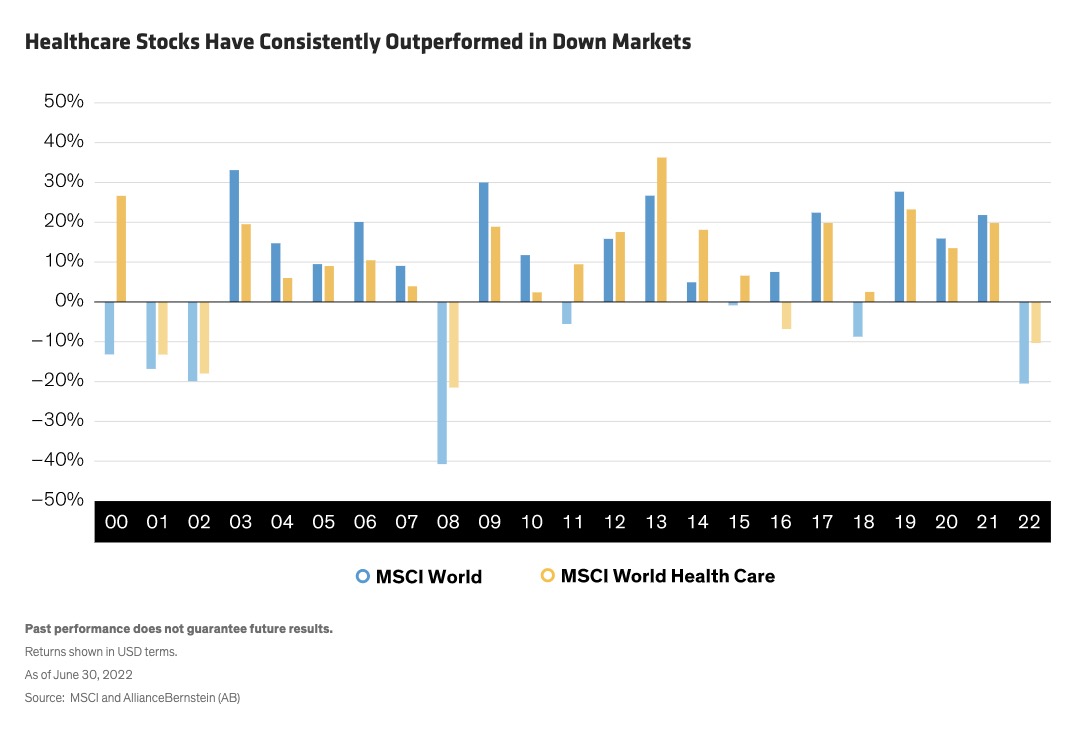
Healthcare has long been considered one of the most reliable defensive sectors—an effective portfolio buffer when equity markets turn volatile.
What drove the U.S. dollar's surge, and can it last?
This week, two space startups announced an audacious plan to send a lander to Mars in late 2024. The technical hurdles are high. But even if the mission fails, it will create something important and lasting: a space race between private companies, not nation-states.
Attracting international investors and securing new trade partnerships while a country is involved in an internal armed conflict is very challenging.
After underestimating the worst inflation outbreak in decades, central banks are now driving their economies headlong toward recession in order to tame prices.
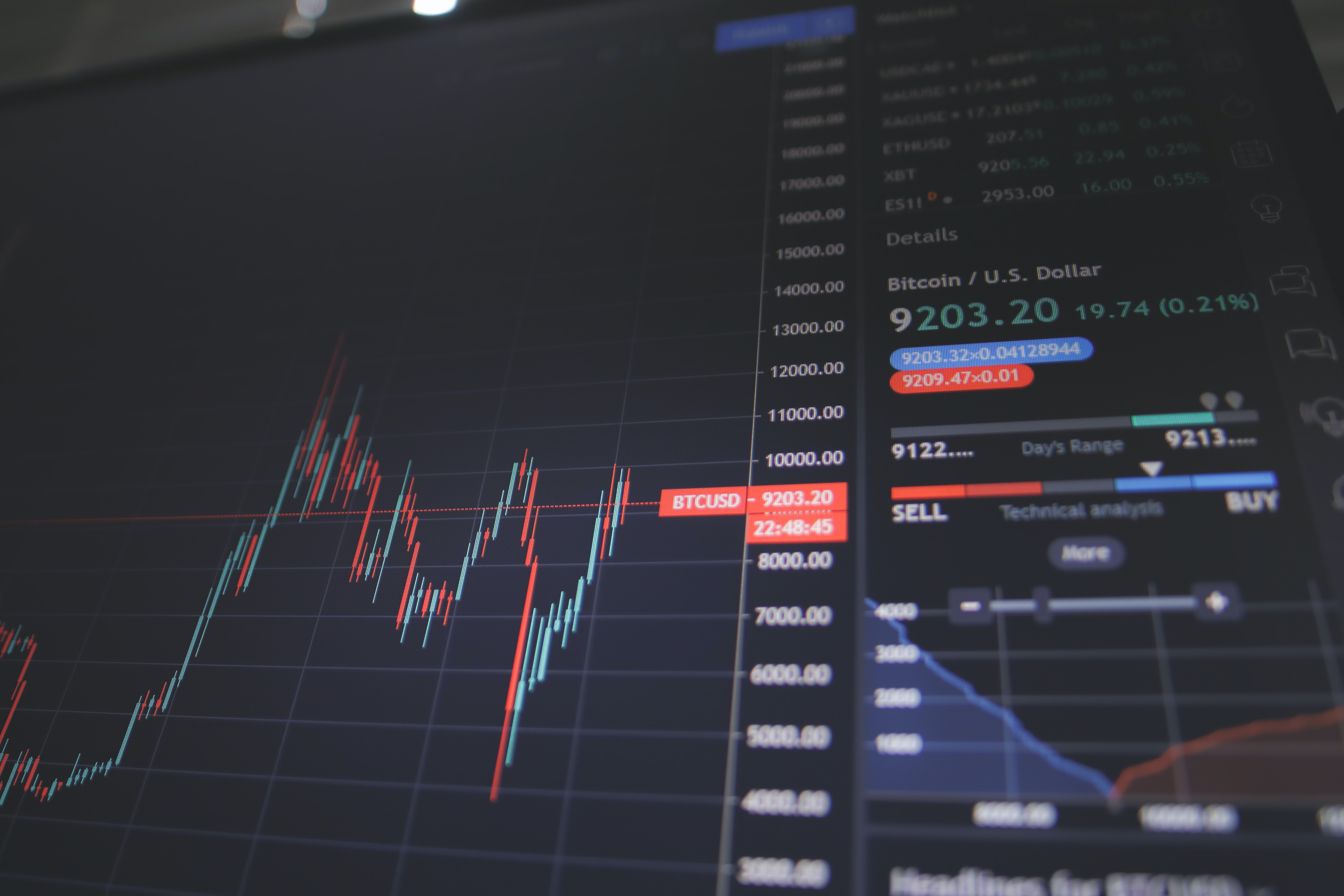
During Tesla’s quarterly results webcast this week, Musk admitted to dumping some $936 million of Bitcoin to raise cash out of concern of an economic pullback due to pandemic lockdowns in China.
“Desengaño” was noted by one Antonio Garcia Martinez in his most excellent book, Chaos Monkeys: Obscene Fortune and Random Failure in Silicon Valley, as a unique style of Spanish genre painting.
We all know that the world as a whole suffered from a pandemic, and is now suffering inflation in its aftermath. But the ECB has to deal with three pressures that don’t affect the Federal Reserve.
As the big banks unveiled second-quarter earnings, investors heard a common refrain: “we’re increasing provisions for client loan defaults.
People are negative. Really, really negative. Now, the question is whether that could conceivably be a good thing.
With central banks tightening aggressively to beat down inflation, growth is beginning to slow—and the risk of recession is ticking higher. Historically, creditworthiness has soured when growth slows. But instead of bracing for a wave of downgrades and defaults, we think income-seeking investors should embrace the high-yield corporate bond sector.
U.S. equities are seeing solid gains, as the bulls look to sustain the rise today after failing to do so yesterday.
There’s no doubt what Monday’s biggest market news was in New York.
The U.S. dollar has appreciated against every Group of 10 currency this year.
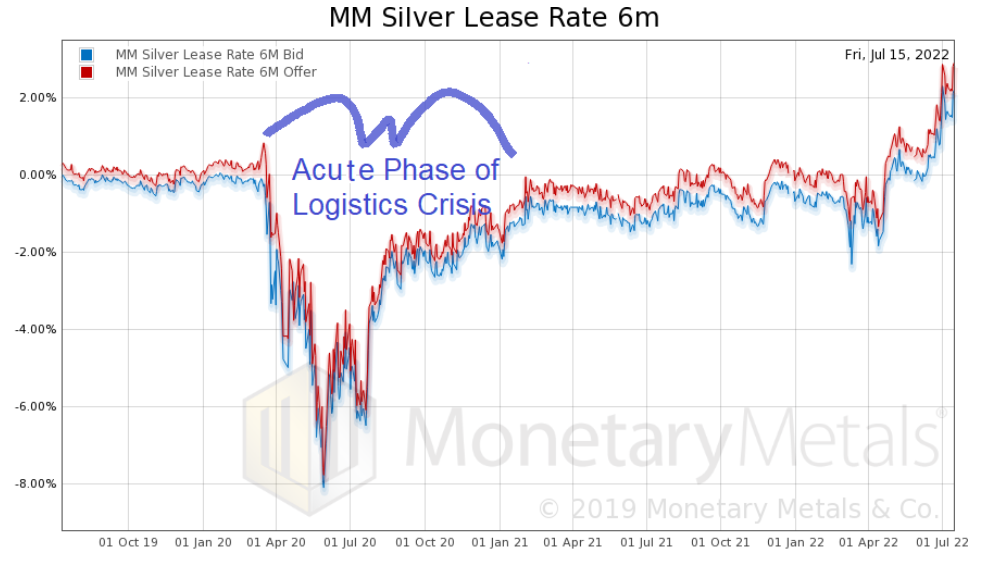
We discuss the recent news of JP Morgan’s spoofing and why the monetary metals are behaving so oddly.
If you follow the financial press, the conventional wisdom has come to the simple conclusion that the way to fight inflation is raising interest rates. Unfortunately, this is just not true.
Most advisory firms that specialize in wealth management use three technology platforms: financial planning software, portfolio accounting software, and a CRM software. Let's take a closer look at the functionalities and costs of each.
If you were considering taking the family on a European vacation, now may be a good time, as the U.S. dollar and euro achieved parity this week for the first time in 20 years.
These people, whose very job is to know the lessons of the past, either forgot them or chose to ignore them. Today we’ll look at how this manifested in the 2008 crisis period—and set up the conditions we face today.
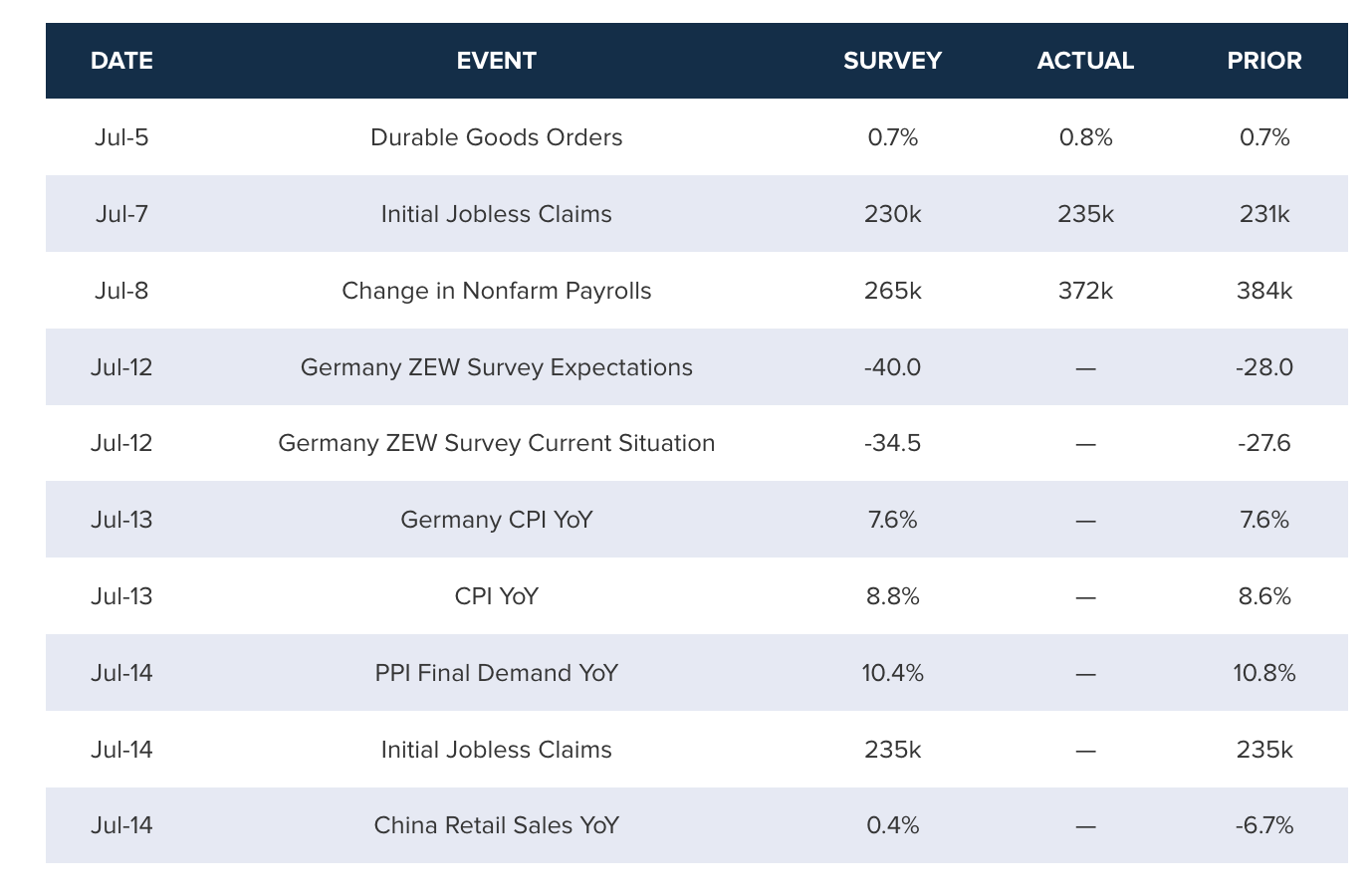
As you may have heard, the US inflation rate is 9.1%. That is, the consumer price index for all items as estimated for June by the Bureau of Labor Statistics was 9.1% higher than it was a year earlier.
The dollar rally has room to run and those who stand in its way risk getting bowled over by its unstoppable strength.
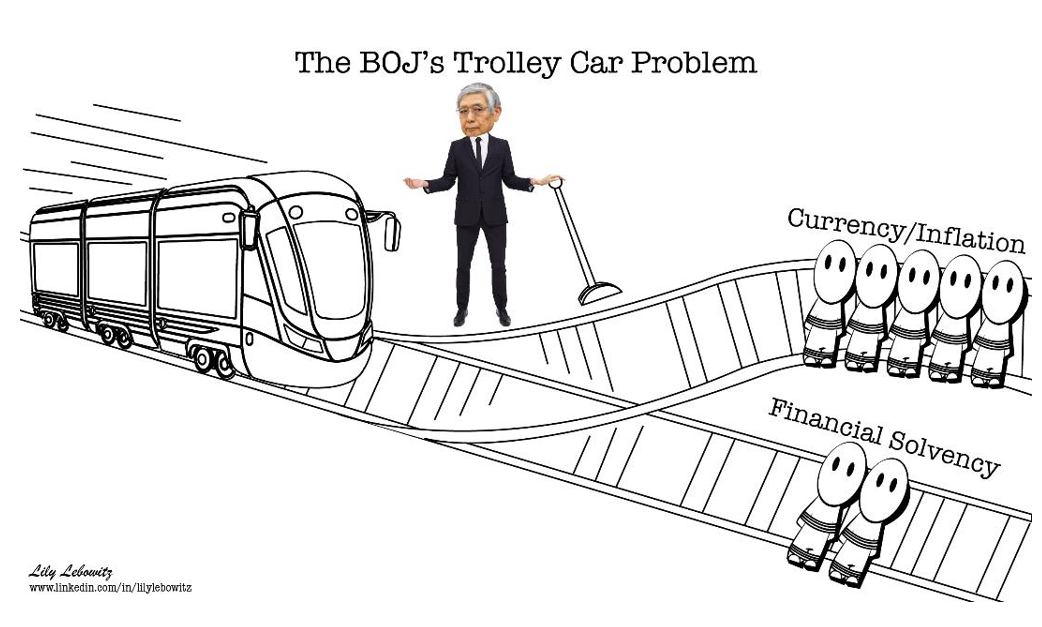
While the situations in the U.S., Europe, and Japan are different, all three are paying the price for years of fiscal and monetary tomfoolery. Using monetary policy to ensure low-interest rates encouraged unproductive debt growth. As liabilities grew faster than GDP, their ability to service debt became harder without continually having to administer lower interest rates and more QE.
Market volatility, inflation, and talk of a recession certainly has grabbed the headlines over the past few months. As financial planners, this is your chance to differentiate yourself as you walk your clients through turbulent times. My guests today form the leadership team for one of the country's most prominent planning firms, Integrated Financial Group (IFG), IFG consists of 60 teams of financial planners in 13 states. Founder and chief strategy officer, Don Patrick, and current CEO, Land Bridgers will share what their financial planners are doing right to help their clients navigate the headlines and the uncertainty of the economy. Focusing on financial planning is at the heart of this discussion, along with the conversations financial planners have had with their clients over the years to prepare for times such as this.
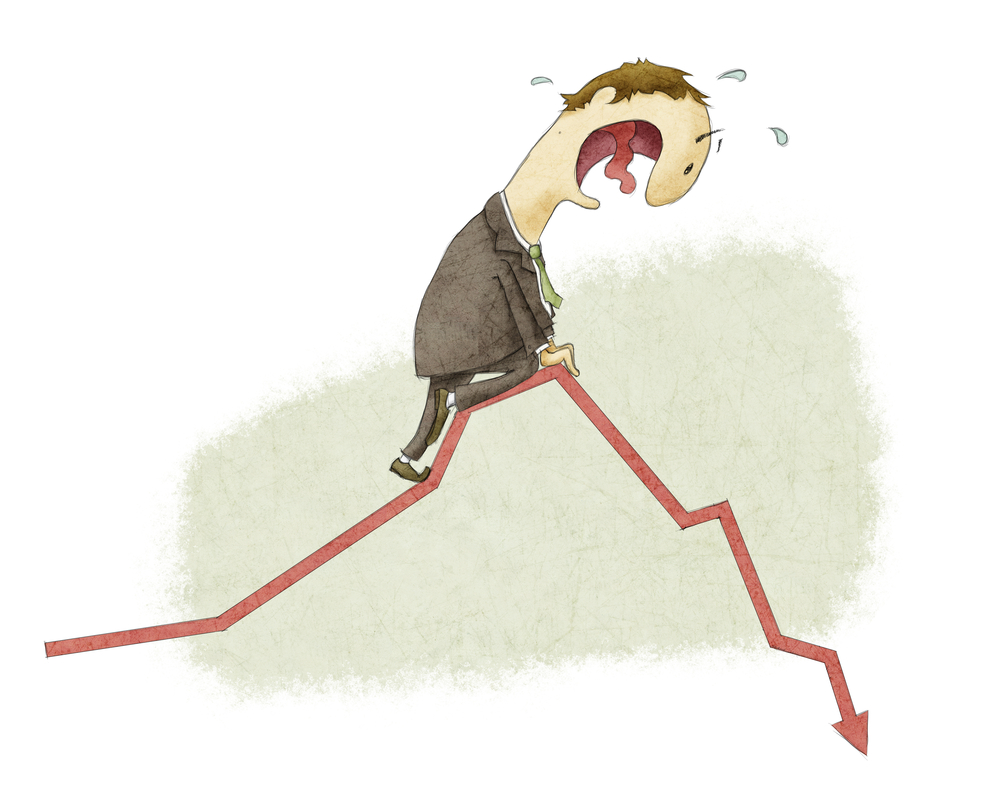
Stocks tumbled on Wednesday after inflation accelerated in June more than expected, putting pressure on the Federal Reserve to remain aggressive in its fight against price increases.
Many RIAs fall short of the obligations of a fiduciary, particularly with respect to how their fees are paid. A day of reckoning (lawsuits) is only a matter of time.
The “Fear Of Missing Out,” or “F.O.M.O.” is a centuries-old behavioral trait that began to get studied in 1996 by marketing strategist Dr. Dan Herman.
Copper has lost one of its most influential cheerleaders, after Goldman Sachs Group Inc. chopped its near-term price forecasts in anticipation of a sharp slump in consumer spending and industrial activity as Europe’s energy crisis deepens.
We believe index funds have immensely contributed to investors by permitting them to capture beta inexpensively.
US corporate bonds are posting one of their worst selloffs since the financial crisis and could deteriorate further if recession predictions prove accurate.
Recent G-7 discussions about imposing caps on the price of Russian oil and gas have led to some head-scratching.
For the better part of the last decade, interest rates have been near zero and leverage has driven asset prices higher.
Gasoline consumers around the world, from families to businesses, have had to deal with record prices at the pump for months...
China’s Ministry of Finance is considering allowing local governments to sell 1.5 trillion yuan ($220 billion) of special bonds in the second half of this year
The California Public Employees’ Retirement System sold about $6 billion of its stakes in private equity funds to second-hand buyers, severing ties with a slew of past managers and freeing up cash for new wagers.