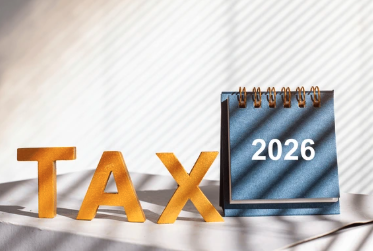
QBI is a generous deduction hiding in plain sight. The difference is not technical brilliance. It is leadership — knowing which decisions matter, when they matter, and who needs to be coordinating them.
As part of comprehensive retirement distribution planning, evaluating how and when NUA applies can help reduce lifetime tax liability and preserve more of what has been earned over the course of a career.
An approach I have recommended for years is to interview planners, ask questions, and persist until you get clear answers. Under a relatively new SEC rule, getting those answers is becoming more difficult.
Most of us have been taught that diversification provides benefits. We’re told there are assets that can be held alongside equities to smooth out the twists and turns of the market.
One of the most compelling theories about the future of artificial intelligence comes, oddly enough, from a 161-year-old paper about the coal industry. In 1865, the English economist William Stanley Jevons observed that improvements to the coal-fired steam engine had not reduced Britain’s coal consumption.
China’s $1.57 trillion sovereign wealth fund - long one of the biggest backers of private equity firms in the world - is considering new allocations to US money managers just months after reducing its exposure to the world’s biggest economy.
In the stock market’s volatile and uncertain start to the year, one trade has held strong: go long memory and storage.
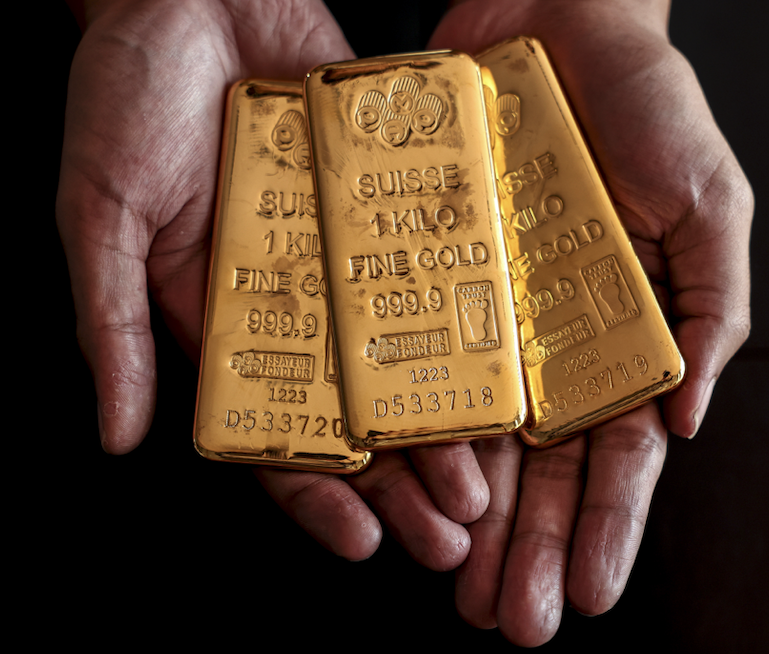
Gold steadied after a dramatic selloff that has pushed the metal down more than 15% since the start of the Middle East conflict.
BlackRock Inc.’s Rick Rieder, the firm’s top bond-market executive who was passed over by President Donald Trump to be chair of the Federal Reserve, is pursuing investor cash for his first hedge fund in years.
While agricultural best practices have moved on to other resources, the Guano Wars teach us that nations are willing to go to great lengths to sustain their crops.
Faster productivity growth lifts earnings, improves the long-run fiscal arithmetic, and allows the economy to run stronger without recreating the inflation regime of 2022. Historically, markets are slow to recognize when the supply side of the economy has improved. This time should be no different. The productivity story is more durable than this week’s Iran developments, which is dominate trading over the near term.
With apologies if this is the tenth investment piece you’ve read this week about the impact of the Iran War on asset markets, but we wanted to share our thoughts on what’s going on with our investors. First a recap. The S&P 500 is down 5.4% since the February 28, 2026 start of the Iran War.
As 2026 unfolds, market leadership is shifting in ways that go beyond the usual sector rotation. While AI-driven growth fueled recent gains, rising capital expenditures, energy demands, and valuation pressure are forcing a reassessment across both public and private markets. At the same time, economic data—particularly beneath headline job growth—suggests a more uneven expansion than many expected.
Since hostilities began in the Middle East three weeks ago, I’ve urged investors to stay calm and resist the temptation to panic-sell. While I still stand by that advice, it’s important to point out that this conflict isn’t resolving as quickly as initially expected.
There is little doubt that something unprecedented is happening in the world of AI, corporate investment, and equity returns. While AI may reshape the global economy, the surrounding investment cycle is still governed by the same macroeconomic and sentiment-driven forces that have shaped previous technological innovation and expansion periods.
The key swing factor remains oil prices. If the conflict ends within this window, we still expect only limited impacts on our economic and asset‑class outlooks.
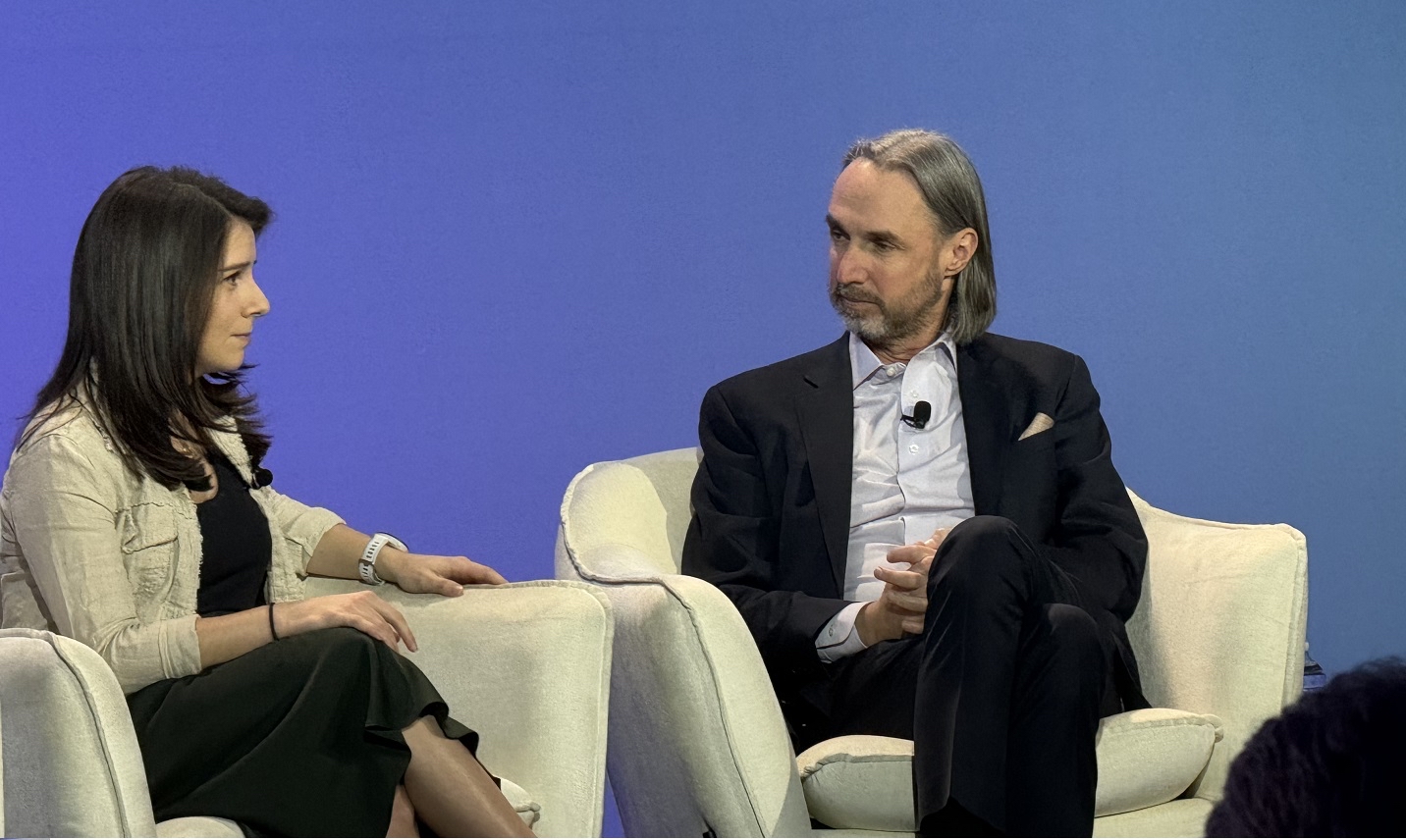
The Securities and Exchange Commission should focus on enabling retail investor access to innovation rather than limiting products through merit-based judgments, according to Commissioner Hester Peirce. In a discussion with Todd Rosenbluth, head of research at TMX VettaFi, during the Exchange conference in Las Vegas, Peirce shared insight from her term at the SEC and examined the agency’s role moving forward.
Join Tidal Financial Group for an educational webcast exploring the benefits 351 conversion.
Join this product due diligence session with Fidelity Investments to learn about their active ETF offerings.
If it weren’t for the financial industry, in my opinion, the United States wouldn’t be suffering the serious social ills that have worsened in the last 40 years — primarily, the hollowing out of the middle class, and all the problems that have accompanied it and resulted from it.
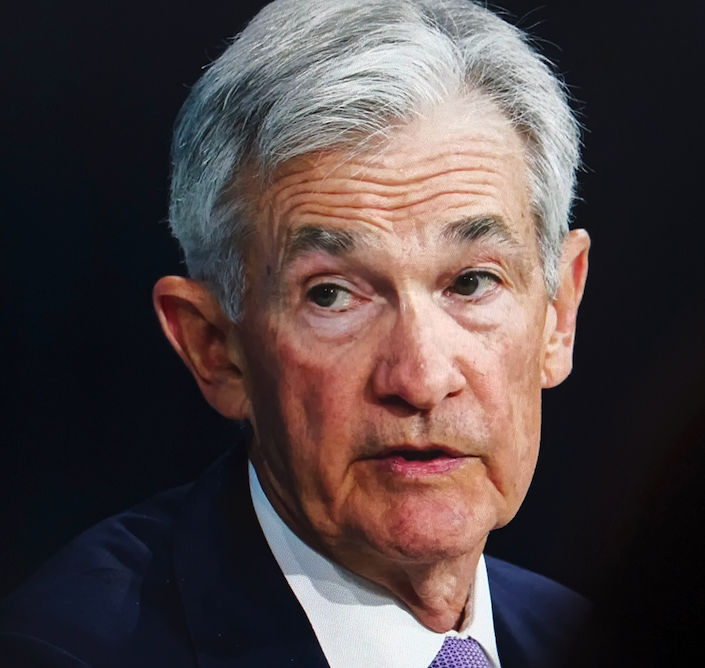
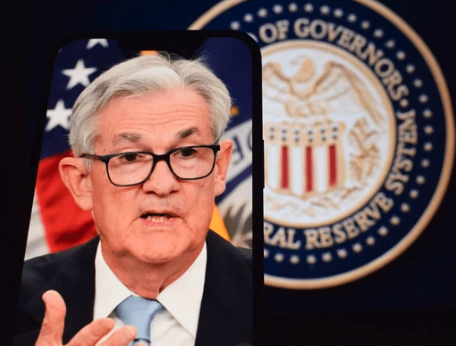
With liquidity and credit stress in the private credit market rising, we must consider whether the Fed might once again ignore its mandates to backstop exuberant markets.
In this episode of ETF of the Week, Chuck Jaffe sits down with Todd Rosenbluth, Head of Research at VettaFi, to discuss why the SPDR Gold MiniShares Trust (GLDM) is a top pick for investors looking for gold exposure.
Thanks to Section 351 of the US tax code, investors can contribute their appreciated assets directly into an ETF structure without realizing gains at the time of transfer. Here, we briefly explain the mechanics, limitations, and potential benefits and risks of a 351 exchange to seed a new ETF with appreciated assets.
There are at least two conflicting narratives about Gen Z and young millennials. One is that they are extremely risk averse — afraid even to go out of the house, much less on a date.
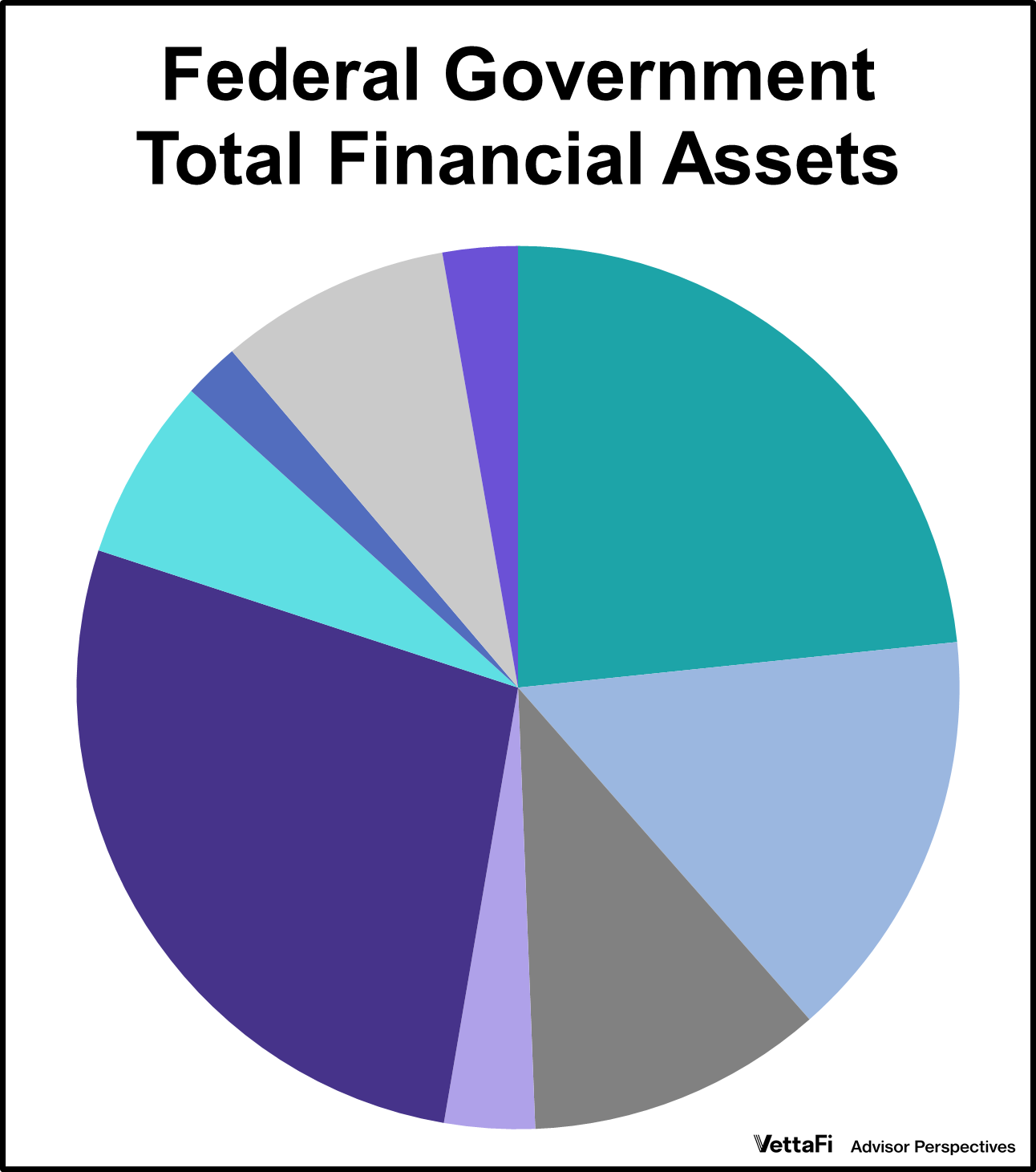
When we think of the U.S. government's finances, we often focus on the massive debt. But what about the assets? What does Uncle Sam actually own, and which asset is the largest?
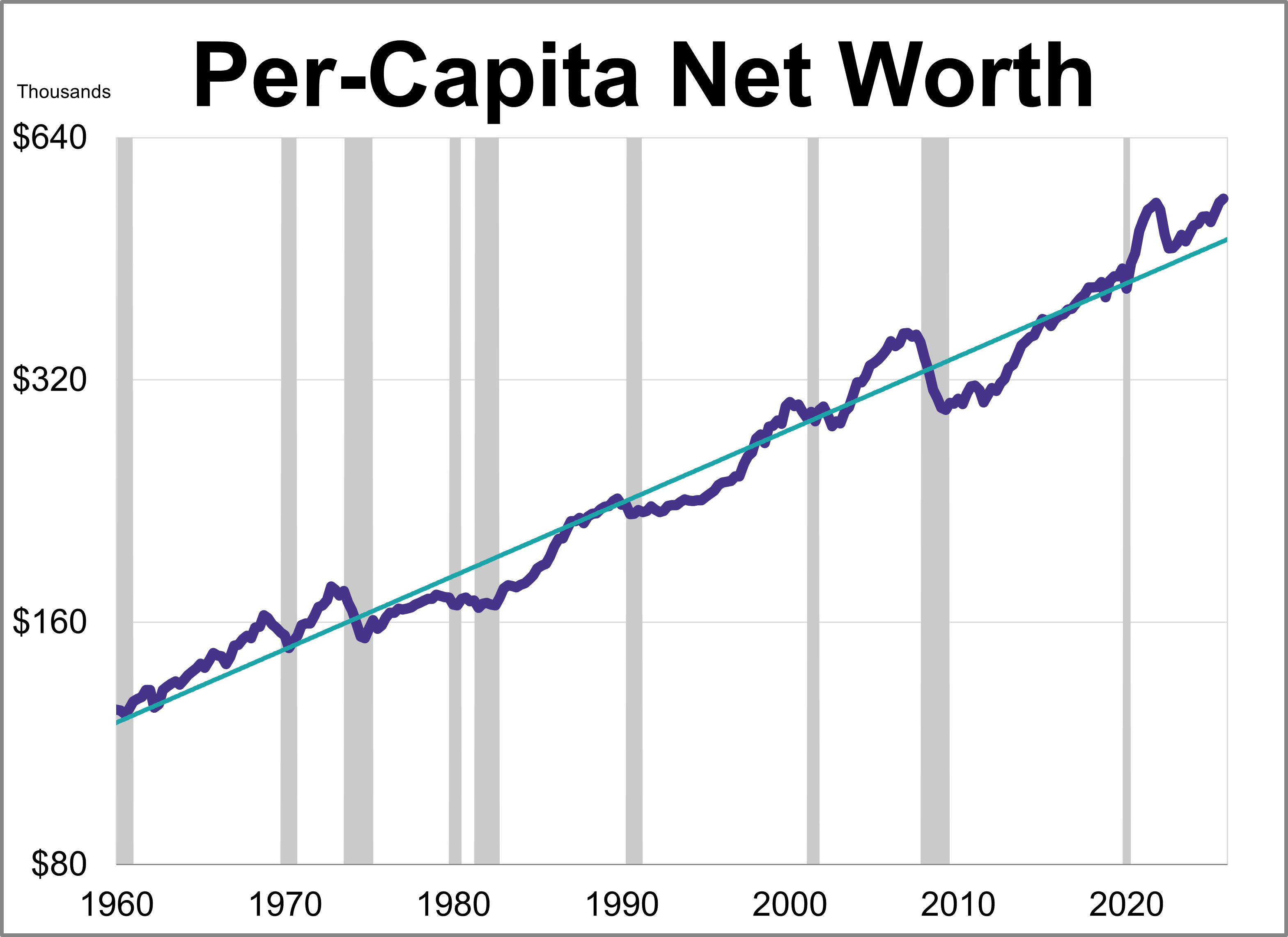
How much wealthier are Americans since the Great Recession? While a look at the headlines shows a staggering 211% increase in household net worth since 2009, adjusting for inflation tells a much different story.
Recent market performance for US consumer-discretionary stocks has been so ugly that it may be a great time to buy.
Dimensional Fund Advisors is becoming the first asset manager to launch an exchange-traded fund share class of a mutual fund since Vanguard Group’s patent on the model expired nearly three years ago.
Banks making loans to specialist fund managers instead of directly to companies is meant to act like a firebreak protecting traditional lenders against the risks of businesses going bust. But losses from financing private credit firms and other nonbank lenders are coming back to bite them — and it’s making their investors antsy.
Let me lay out the case for what should be the answer. Today we will explore how long this condition could last and what we can do about. I think it will make for interesting letter.
The artificial intelligence (AI) trade that has dominated equity markets in recent years is showing signs of fragility. As investors reexamine the scale of the AI infrastructure build-out and optimistic assumptions around AI adoption, a group of “old-economy” sectors is quietly reasserting itself.
Markets have already priced the most visible consequences of a disruption in the Strait of Hormuz. Oil prices have surged, gasoline prices are moving higher, and inflation concerns have re-emerged. The initial market reaction has been the most visible but least revealing.
In February, market sentiment was shaped by escalating US-Iran geopolitical tensions and sector-specific selloffs driven by concerns about AI’s potential disruption to existing business models.
Geopolitical developments in the Middle East drove market attention this week, with reports of energy infrastructure being targeted leading to sharp moves in oil and gas prices.
When you start investing, your advisor builds a portfolio aligned with your personal investment objectives. Your target allocation takes into consideration your goals, risk tolerance and time horizon, among other things. Unless something in your life changes, your portfolio should continue to align with your objectives.
Jeffrey Sherman of DoubleLine provided a candid assessment of the Federal Reserve's current trajectory and fixed income at Exchange.
In practice, many advisors use SMAs alongside ETFs, not instead of them—combining the scalability of ETFs with the customization and tax management SMAs can provide.
Modern markets have gotten used to central bank support whenever the global economy wobbles. But as the world confronts a fresh energy shock unfolding against brittle labor markets, investors need to prepare themselves for the possibility that central bankers won’t have their backs — quite the opposite.
Some forms of technical analysis are often too much “inside baseball” for many investors. However, the concept of moving averages is one of the most important technical indicators and an easier one to grasp.
Last week, on March 19th, the S&P 500 closed below its 200-DMA for the first time since May 2025. The first instinct is to panic as media headlines talk about bear markets and financial crisis events. However, as we will explore today, the data says it depends entirely on the type of break: sustained or brief.
Proposals to engineer secondary trading in private assets, often championed by vocal critics of public market liquidity, have gained renewed momentum. For some, enhanced tradability is viewed as a remedy to growing unease over the absence of transparent, real‑time valuation signals in private portfolios.
Many investors think about getting out of the stock market when it gets bumpy. But history shows that staying invested over the long term has resulted in positive gains.
he shock to global oil supply this month has already been declared the greatest ever by the International Energy Agency, so it’s natural to draw parallels with the great shocks of the 1970s. But numerous other factors determine how serious the impact of any given hit to supply will be on the global economy.
The past three weeks have been unsettling, and not just for markets, but for anyone paying attention to what is happening in the world.
Gold was the highest-returning major asset class of 2025, advancing approximately 64% on the year. Its appreciation was supported by multiple reinforcing factors: elevated geopolitical uncertainty driving safe-haven demand, U.S. dollar weakness, sustained central bank accumulation, and strong inflows into gold-backed ETFs.
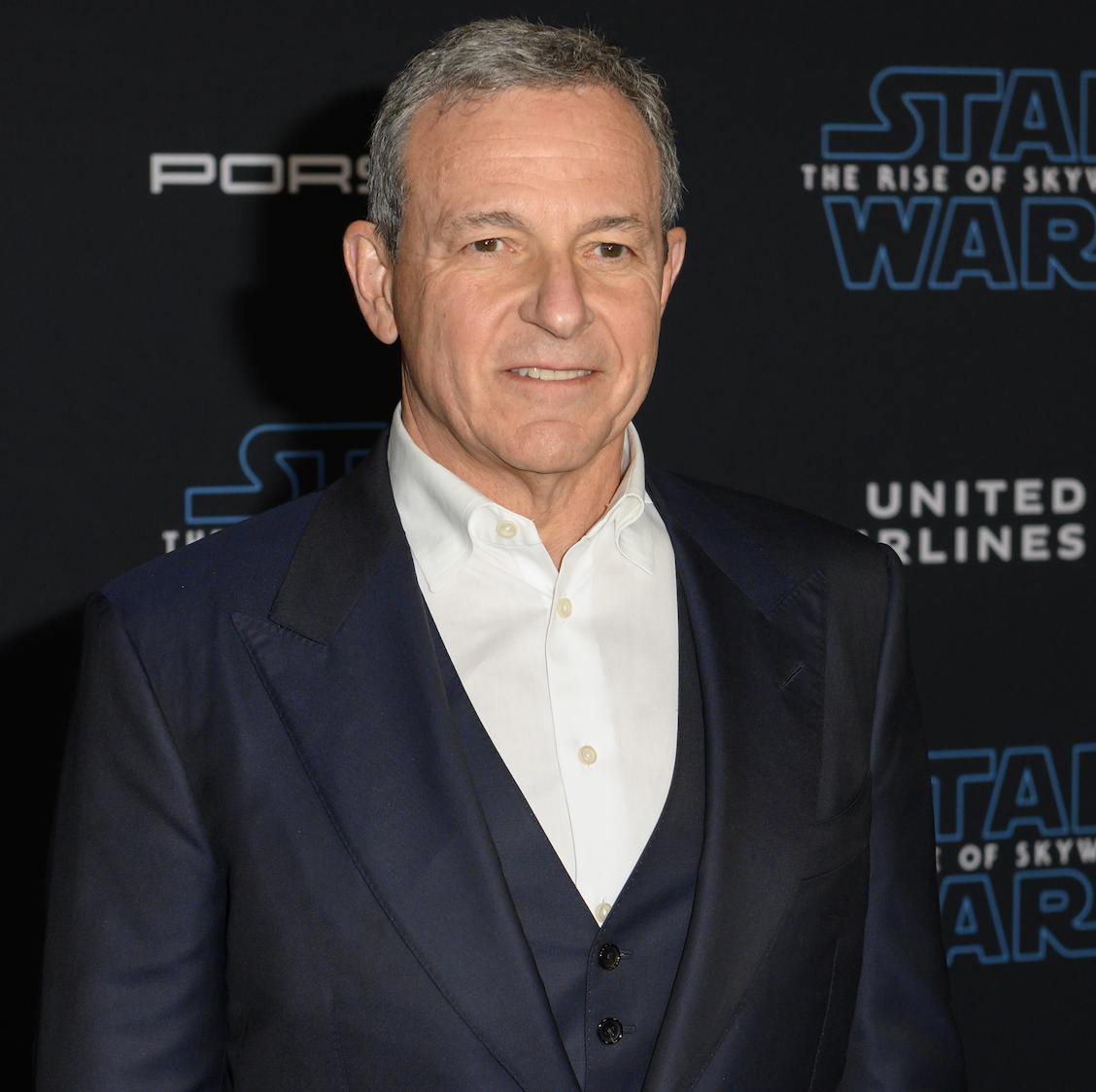
When Walt Disney Co. announced in November 2022 that Bob Iger would return as chief executive officer, the market took it as an auspicious sign. The stock jumped more than 6% on the news, its biggest increase in nearly two years.
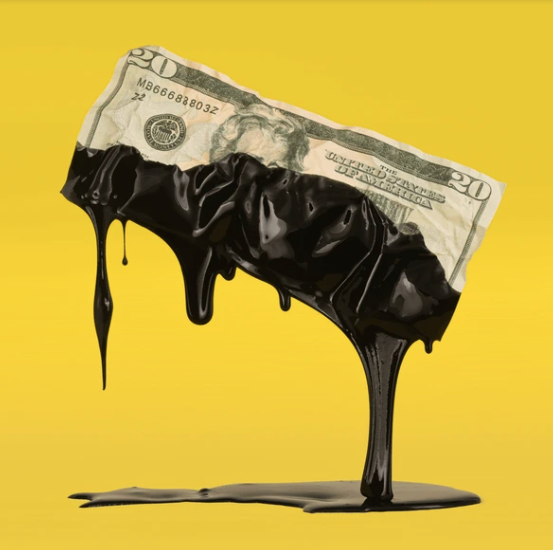
The ongoing Middle East war has once again underscored oil’s strategic importance. Vital resources warrant buffers against disruptions in the form of a strategic reserve.
Confidence among global stock-market investors, who largely kept their cool in the face of an escalating conflict in the Middle East, is starting to wear thin.
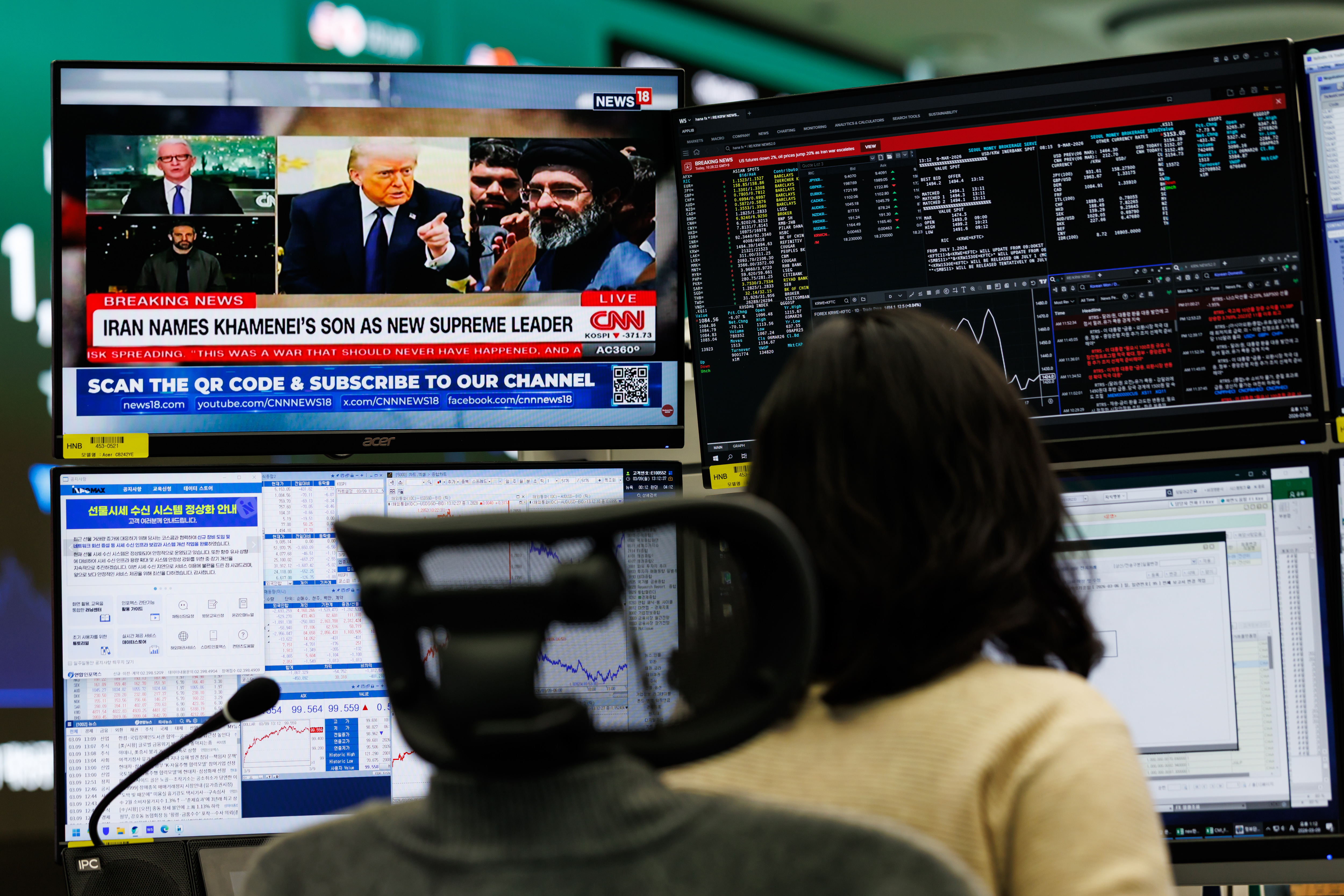
Global markets stood on edge as the conflict in Iran upended energy markets and muddied the outlook for the global economy. Interest rate markets repriced as market participants processed the notion that hostilities and the closure of the Strait of Hormuz could last longer than expected.
The Cboe Crude Oil ETF Volatility Index (OVX), which measures implied volatility in oil ETF options, estimates the expected volatility of crude oil prices over the next 30 days. The higher the reading, the more oil prices are expected to bounce around.