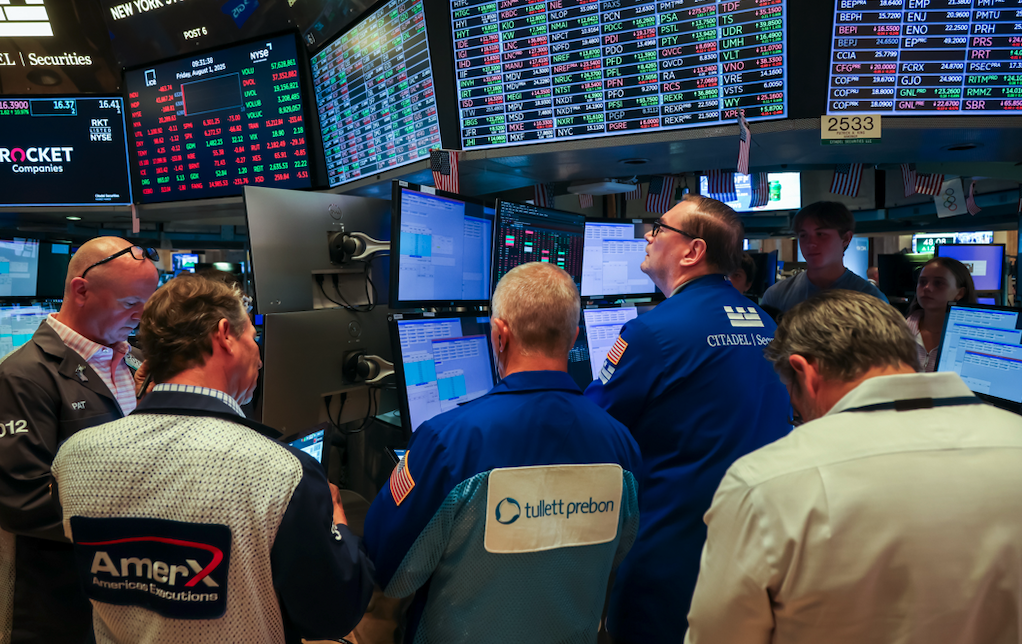
As the turn of the calendar occurred on Friday, the bull streak for the market since the April lows ended. Such was not unexpected, and the correction has been a topic of discussion in our daily market commentary over the last two weeks.
The popularity of direct indexing has grown significantly since the pandemic, with no signs of easing.
Some things change in markets and some don't. The dollar partially reversed its year-to-date decline in July, and US equities had their first moment in the sun relative to international peers thus far in 2025.
Another week of stellar earnings led to the S&P 500 and Nasdaq Composite hitting record levels by Thursday, but what a difference a day makes.
70+ firms have filed for approval to offer ETF & mutual fund share classes of the same actively managed portfolio, per Morningstar.
Tom Lee, Co-Founder of Fundstrat Global Advisors, unpacks the impressive success of the Fundstrat Granny Shots US Large Cap ETF (GRNY) and offers his outlook on Ethereum’s future. Cinthia Murphy, Investment Strategist at VettaFi, spotlights the top 20 ETF launches since early last year.
Post April, many people enjoyed a well-deserved vacation from the stress, cost and downright annoyance of tax season. However, for investors looking to harvest losses to reduce the impact of capital gains, the cost of this year’s tax vacation could have been significant.
US stocks hovered around their record highs on hopes of September interest-rate cuts and as strong corporate earnings drove the biggest technology shares higher.
For too long, British oil company BP Plc denied, obfuscated and played down its troubles. The market and the media, rather than the company, was the issue.
What's the outlook for private equity in the second half — and the retail investors potentially interested?
Emerging markets resumed their rally as the prospect of central bank rate cuts and optimism about earnings boosted risk sentiment.
JPMorgan Chase & Co.’s asset management arm is partnering with Dutch online broker Bux to sell its active exchange-traded funds in customized model portfolios, as the Wall Street giant looks to break further into Europe’s retail market.
The tech sector has trounced the broader market in the second quarter. So, it’s not surprising some market participants are growing concerned about concentration risks. Those worries are valid.
The fixed income market exhibits traits that can lead to inefficiencies and mispricings, giving active managers the chance to use their expertise to potentially generate higher returns.
Tariff news continue to dominate the 24-hour news cycle, and the latest deal struck with the U.S. and Japan should ease any potential investor anxiety over the robotics industry. Though tariff clouds were present, it never really dimmed the sunny outlook for the industry as a whole.
If you’ve been following the luxury sector, you’ve probably seen your fair share of sobering news.
In this video, Chuck Carnevale, co-founder of FAST Graphs, aka Mr. Valuation discusses Dividend Aristocrat Community Financial System Inc. (CBU) as a strong investment candidate for retired or income-focused investors. CBU is a Dividend Aristocrat that has increased its dividend for 32 consecutive years.
On this episode of the ETF of the Week podcast, VettaFi’s Head of Research Todd Rosenbluth discussed the T. Rowe Price Capital Appreciation Equity ETF (TCAF) with Chuck Jaffe of Money Life. The pair discussed several topics related to the fund to give investors a deeper understanding of the ETF overall.
Is this period different from the high-beta boom-and-bust cycle during the dot-com era? Only time will tell. While there are some similarities, key differences exist.
The dollar’s bounceback in July is convincing some emerging-market investors to bet it will keep rising in coming months.
Many portfolios consist of highly appreciated, concentrated positions. Investors are hesitant to rebalance these portfolios due to concerns about paying capital gains taxes. Such hesitancy is often unwarranted.
History confirms one thing — drawdowns do occur, instilling a level of market uncertainty of varying degrees.
A strong GDP rebound was quickly overshadowed by a weaker-than-expected jobs report and hotter-than-anticipated inflation.
Invesco is no stranger to the active ETF arena, and they continue to make strides in fixed income with the introduction of the Invesco Core Fixed Income ETF (GTOC) and the Invesco Intermediate Municipal ETF (INTM).
Risk assets rebounded in Q2 as tariff worries eased and earnings growth continued. The quarter also highlighted the resilience of major secular trends, which could be key to returns going forward, says the Research Team.
Heading into August, with over $680 billion of net inflows YTD, the ETF industry is on track to surpass the $1 trillion mark again.
It happened quickly. One minute, the focus was on the furious nature of stocks’ rebound off the April 8 lows. The next minute you start hearing strategists, including ourselves, making references to 2021.
Bitcoin continues to draw investor attention and interest as prices climb higher and fundamentals strengthen. Matthew Kimmell, digital asset analyst at CoinShares, joined Roxanna Islam, CFA, CAIA, head of sector and industry research at VettaFi in the Alternatives Symposium hosted on the VettaFi platform.
Emerging markets (EM) could finally be in the throes of a comeback, and there are already signs it could be in its early stages.
VettaFi research colleagues spotlight some of the top trends in the first half of 2025 and preview what's to come in the ETF market."
Federal Reserve officials leave short-term interest rates unchanged but appear to open the door for a potential rate cut later this year.
Thanks to AI, cloud computing, and renewable energy reshaping the global economy, one under-the-radar sector surging to the forefront is utilities. Long considered a sleepier, more defensive, “old economy” play, utilities stocks and ETFs are quickly becoming the backbone of the digital and green revolution.
The US-Japan deal may mark a pivotal moment for global equity investors, according to Dina Ting, Head of Global Index Portfolio Management. Find out why.
For the fifth meeting in a row, the Federal Open Market Committee (FOMC) decided to keep rates unchanged, leaving the Fed Funds trading range at 4.25%–4.50%.
Speculation may be running rampant—much like past bubbles—but that’s exactly why long-term investors should be optimistic. As past bubbles eventually gave way to investment opportunities, this environment could set the stage for powerful long-term returns.
Investing in commodities can be a difficult path for investors who react impulsively to market headlines and short-term price movements.
The need for strategies targeting AI opportunities across the value chain has become a necessity for investors.
In a May report on alternative scenarios for the long-term US budget outlook, the Congressional Budget Office estimated the impact of productivity growth that was faster or slower than the 1% annual average in its baseline forecast. It made a big difference.
Judging by soaring asset valuations in the wake of President Trump backing away from the worst-case tariff scenario, one could believe that the threat posed by upending the global trade framework has been removed. We are more circumspect.
Tell me if this rings a bell. You worked hard your entire life. You maxed out your 401(k) every single year of your career and invested those assets inside your employer 401(k).
Trade negotiations will reveal a nation's favored sectors.
On Tuesday, consumer products giant Procter & Gamble reported its latest quarterly results. Given the mixed signals on where inflation and tariffs stand for the long term, advisors and investors were eager to hear how the company is doing and what it’s doing to position for the long term.
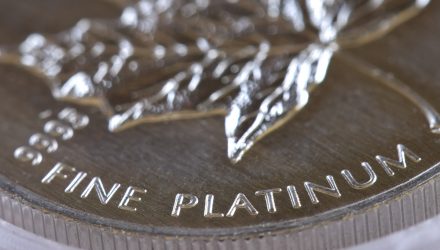
Platinum has been relatively staid for much of the year before taking flight in June, rising 36% in Q2 and leaving other metals in the dust.
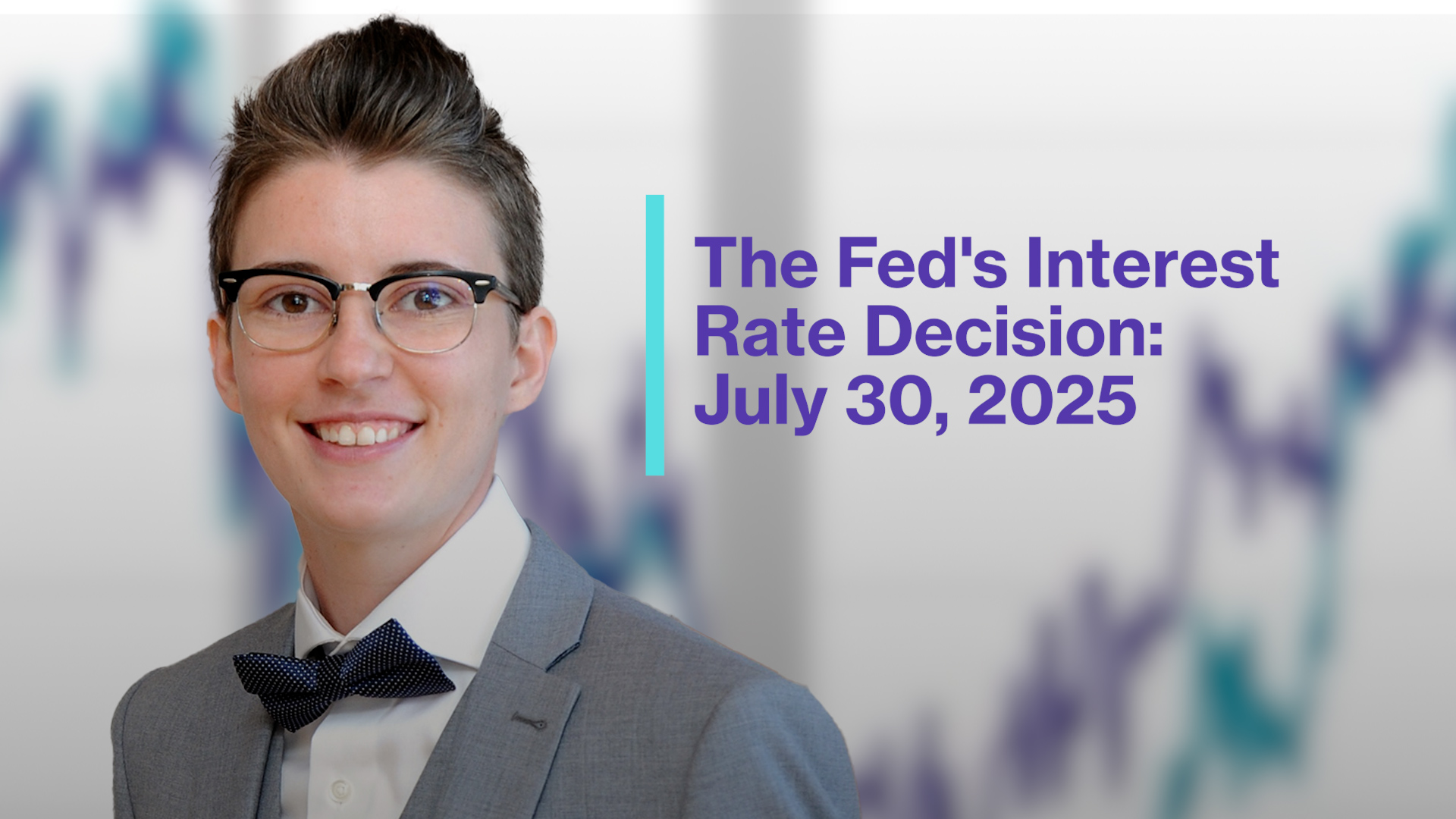
The Federal Funds Rate (FFR) is the interest rate banks charge each other to borrow money overnight. It's set by the FOMC and is one of the Federal Reserve's primary tools to implement monetary policy and is a key driver of economic activity. This video examines the Federal Funds Rate and reviews the Fed's interest rate meeting on July 30, 2025.
US buyers have been coming for the UK’s top companies, and now they are coming for its bankers. You can see why London-based boutique Robey Warshaw is selling itself. For New York-based buyer Evercore Inc., it’s more a calculated gamble.
Instead, a new group dubbed the “Terrific 20” — spanning real-economy sectors like financials, energy, industrials, and consumer — has led the rerating. Their forward valuations have risen ~50% in two years, making a larger portion of the market look expensive.
Constant threats are souring U.S. relations with its trading partners. Stop-gap deals of the kind agreed recently will not mark the end of the trade war, as the pacts leave high tariffs in place.
Senior Investment Strategist Tracey Manzi notes that while sentiment shifts can sway markets in the short-term, the US dollar's supremacy will likely remain intact.
The past week was a significant moment for the crypto landscape, both in terms of legislation and market momentum.