Monetary and fiscal indicators continued to tighten significantly in the second quarter pointing towards a material slowdown in the U.S. economy.
To stand a chance of winning in this market, stock pickers need big tech exposure. Not all of them can get it.
Central banks are set to hike policy rates this week. Markets expect rate cuts to soon follow due to cooling inflation, whereas we see central banks holding tight.
With so much opportunity for others to spread the word about you, are taking advantage of the chance to ask clients for introductions?
The Fed needs to resolve this disagreement — by making clear that it’s committed to getting inflation all the way back down to the 2% target.
One of the unforeseen side effects of the current travel boom has been flight delays, mostly because of staff shortages, and this has raised the issue of pilot retirements.
It made sense at the time. Jerome Powell was waging war on inflation. The bond market was flashing dire warnings. Practically everyone saw a recession coming.
The Sovereign Debt Wave is at a historic peak and appears set to continue growing. With higher inflation and reduced liquidity, some countries will be able to continue to issue debt easily, while some will not.
Transitioning to a green net-zero economy requires climate solutions that enable the economy to decarbonise, such as renewable energy, electric vehicles, and recycling technologies.
Corporate profits are being challenged by market forces, diminishing pricing power.
The MSCI EM index is up 20% from its bottom last October, but is almost 30% below its February 2021 peak. Thus, it has lagged other major markets globally. We have seen and heard investors getting more positive on emerging equities and reallocating capital accordingly.
Appealing yields and cautious markets.
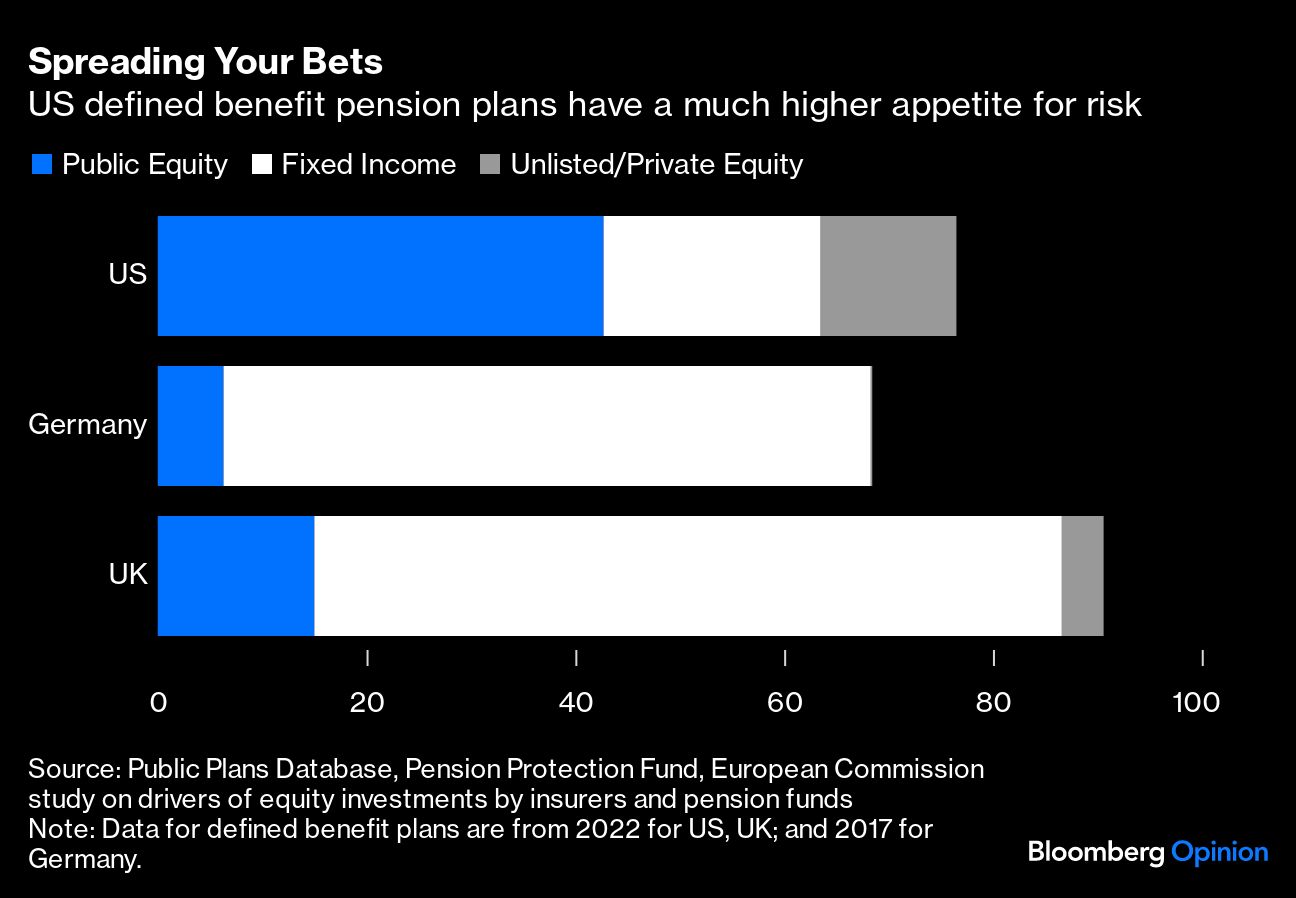
Perhaps taking a page from the US, where retirement funds have long made significant equity investments, the UK is hoping that adding lots of private equity to its pension pots will drive higher returns and superior growth outcomes.
Wells Fargo & Co. grabbed the most trading and dealmaking market share in years, a key milestone for Chief Executive Officer Charlie Scharf’s quest to build the fourth-largest US bank into a more formidable Wall Street player.
Whether you're just starting out or already have a content marketing strategy in place, this guide will provide actionable steps to help you launch your content strategy or enhance your existing practices.
After a stretch of wildly positive economic surprises, the latest US retail sales data felt like more of a mixed bag: the top-line number missed forecasts and, partially in response, stocks drifted aimlessly between losses and modest gains.
Richard Cooper’s phone is something of an early alarm bell for the global economy. Lately, it’s been ringing a lot.
Chief Economist Eugenio J. Alemán discusses current economic conditions.
The global economy remains in a fragile state. Headline inflation is above-target in almost all major economies, and core inflation is sticky and elevated.
The S&P 500 has generated double digit returns so far in 2023, but the gains have been narrowly focused. Heading into the second half, we will be watching to see whether the rally broadens or the market capitulates.
Investors with $250,000 or more to spend on municipal bonds are increasingly seeking opportunities to pick and choose what goes into their portfolios.
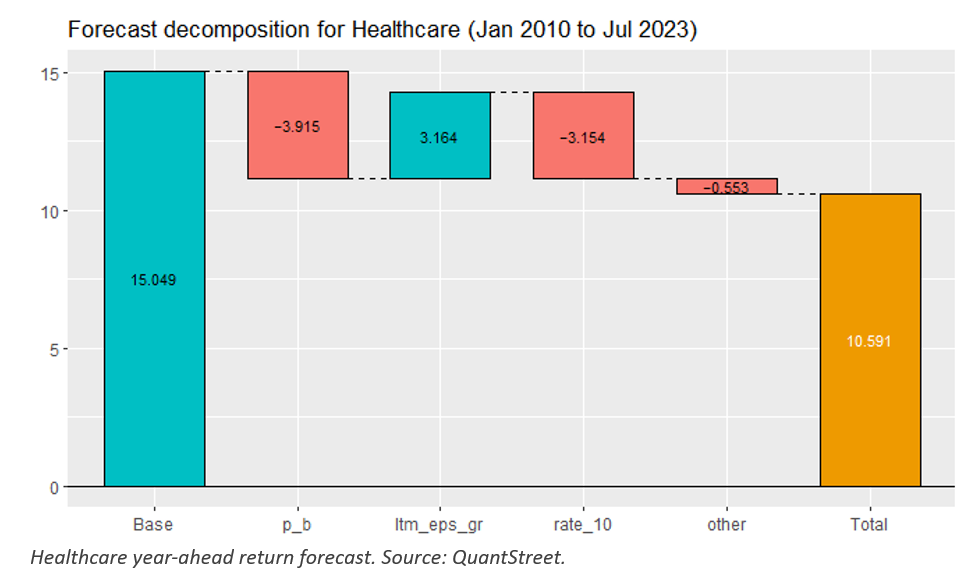
Healthcare stocks have been laggards on the back of cost pressures and punitive regulations. But the long-term trends are extremely favorable, making the sector a compelling opportunity.
Among emerging-market countries, the Wasatch investment team remains most constructive on India. We’ve written about how trends such as digitalization, financialization, formalization and industrialization continue to push its economy forward. A recent visit to India allowed us to see how those trends are evolving and visit portfolio companies.
Nikko Asset Management presents an analysis of global market trends, offering insights into the surprising performance of equities and the resilience of the global economy to date.
Over the past two years, higher inflation has led to a higher return hurdle for investors who have established real return objectives, making it harder for them to achieve their return objectives over the short term. But is this likely to be the case over the long term as well?
In what's quickly become one of my favorite annual traditions at Russell Investments, I survey our associate base for their summer reading recommendations every year around this time.
In general, compounding refers to the process of something growing or accumulating over time, by successively building upon previous growth. Think of compounding like a snowball: It starts small, but as it rolls downhill, it becomes gigantic.
To provide some insights into what is going on with AI, we use data pulled from LOGICLY to gain an in-depth perspective on the three-month performance of the two largest AI-focused ETFs.
The dollar has defied predictions of a prolonged slump since at least the beginning of the year but top money managers say it’s now on borrowed time as US exceptionalism wanes.
Municipal bonds posted positive absolute and relative performance in June. Modest primary and secondary supply was outpaced by improved demand. While July has historically been a top-performing month, we maintain some near-term caution.
When New York Governor Kathy Hochul introduced a plan to build 800,000 housing units over the next decade, opponents immediately conjured up worst-case scenarios.
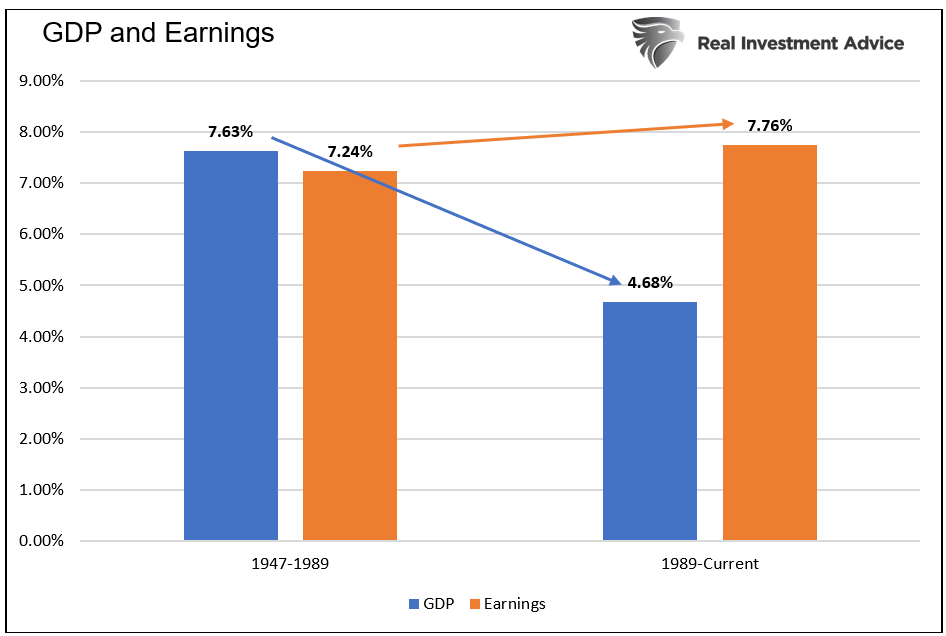
Investors will not be willing to pay an above-average valuation for what will seem like below-average profit growth.
Prior to 2008, when the Federal Reserve ran a “scarce reserve” monetary policy, just about every bank in the US had a federal funds trading desk. These trading desks lent and borrowed federal funds (reserves) amongst each other.
BlackRock Inc. expects the model-portfolio realm of money management to grow to a $10-trillion business over the next five years.
We’re tactically cautious on developed-market equities with a broadly risk-off stance, but we have a relative preference for emerging-market (EM) stocks over a 6- to 12-month horizon.
VettaFi’s Dave Nadig checks-in on some of the hottest ETF topics over the past several years. Cambria’s Meb Faber discusses the firm’s continued growth and spotlights the Cambria Shareholder Yield ETF (SYLD). Strategas’ Todd Sohn provides the 10 ETFs he’s using to track market conditions in the second half of 2023.
In his latest memo, Howard Marks discusses five market calls he’s made during his career. He argues that investors seeking to know the market’s likely direction should focus on taking its psychological temperature and understanding the nature of cycles. Just as importantly, they should learn to control their own emotions and have the humility to know when not to make a call.
Debt-financed fiscal policy is driving much of today’s high inflation, but as pandemic-era measures fade, central banks will likely return to their key role in managing price levels.
One of the hardest parts of economic forecasting is separating what we expect from what we want.
The second half of 2023 has officially begun, meaning it’s time for us to reflect on the commodities market so far this year. Lithium increased by 10.81%, making it the best-performing commodity and one of only two that recorded a positive return, the other being gold.
There is renewed anxiety among central bankers in the face of sticky inflation.
In 2022, the funded status of $20 billion club members reached its highest level since 2007 due to steep rises in discount rates.
India's growth initiatives and demographics may help its economy continue to advance; its stocks seem to have priced in high expectations for the world's fifth-largest economy.
Many stock market observers have commented regarding the market’s narrow leadership. However, few observers agree why this narrow leadership is occurring. Some, like us, believe it's purely speculation and others believe there's fundamental justification for it.
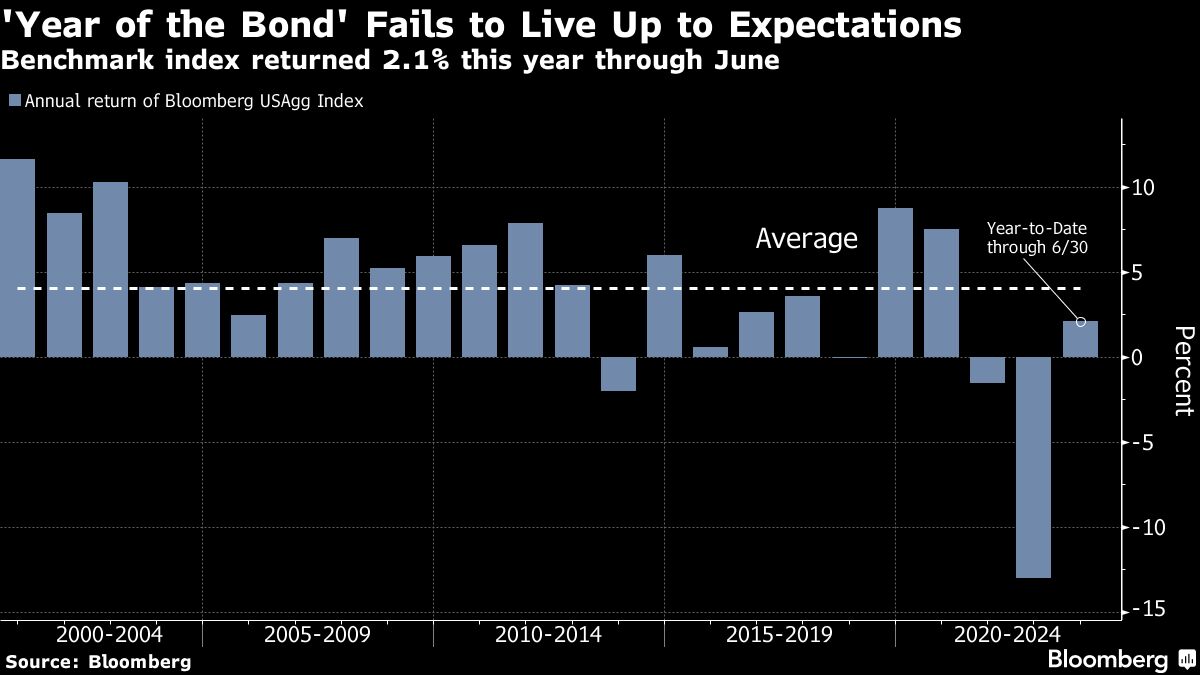
Some of the biggest bond managers are sticking to their bullish view on the market for US government debt, even as that trade looks riskier by the day.
The digital euro, like a lot of central bank proposals to issue virtual cash, has so far existed in a policy sweet spot: maximum imagination, minimal execution.
We see different and abundant opportunities in the new macro regime. We go granular within asset classes, regions, and sectors – and harness mega forces.
The U.S. economy grew at a more-than-expected 2.0% annualized rate of growth during the first quarter of the year compared to the previous quarter. In some sense, this rate of economic growth makes a little bit more sense than the previously reported 1.3% rate...
Spring cleaning is essential to a cleaner home, just like rebalancing is essential to keeping an investor on track.
Price cuts work — but only up to a point. This is about all one can glean from Tesla Inc.’s latest quarterly sales numbers, announced Sunday. The struggle between growth and margins, which defined the first half of 2023, has yet to be resolved.