October ETF launches saw a plethora of funds join the ETF ecosystem, representing important trends and intriguing ideas.
Every market needs speculation, but when it spreads into nearly every asset class, investors face a different kind of challenge. Sometimes the smartest move is the least exciting one.
BlackRock Inc.’s Tony DeSpirito, global chief investment officer of fundamental equities, is leaving the firm along with three other employees in that group as the asset manager shakes up its actively managed stock funds.
The growing clout of private companies like OpenAI is causing Wall Street to redraw the boundaries of its equity research business.
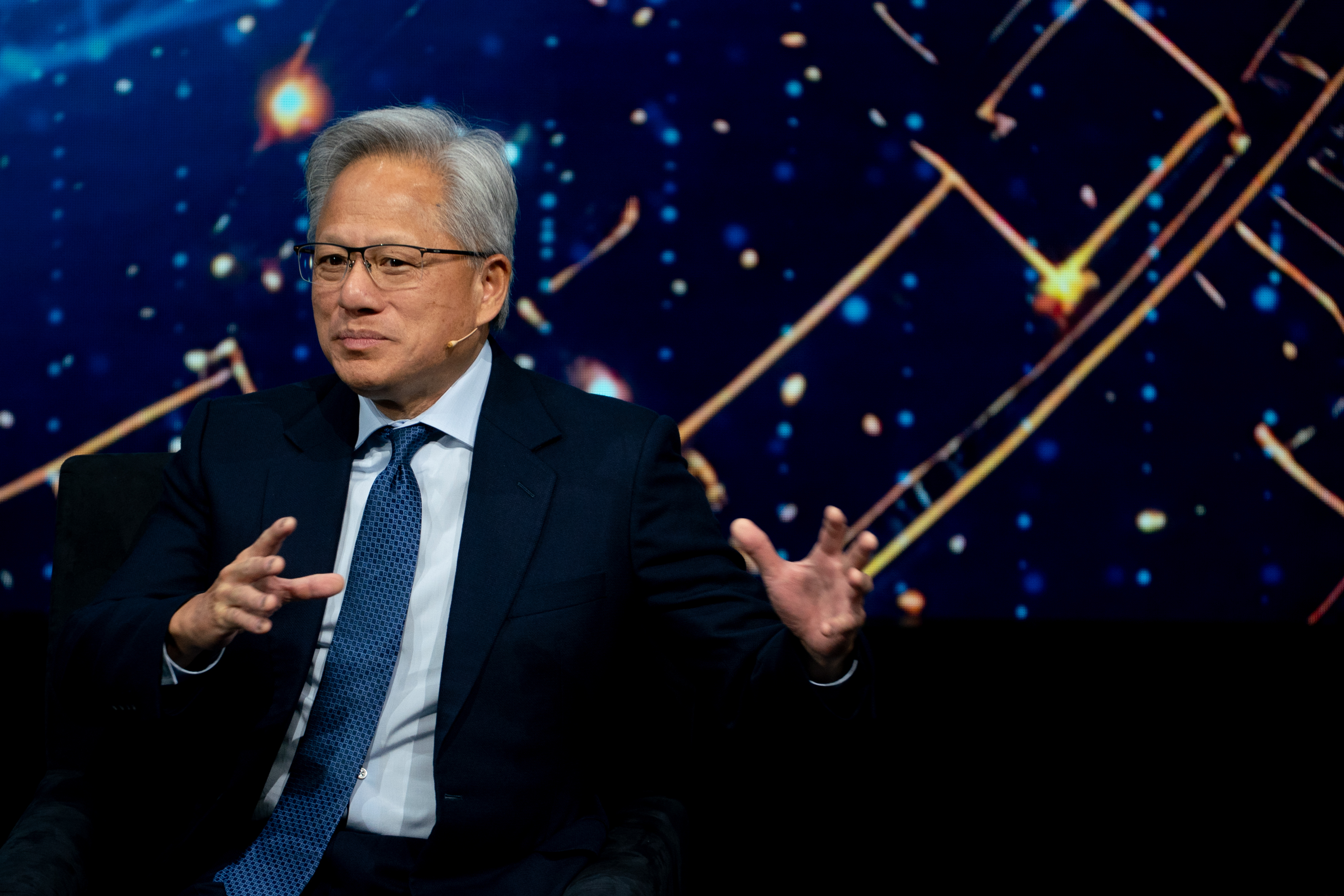
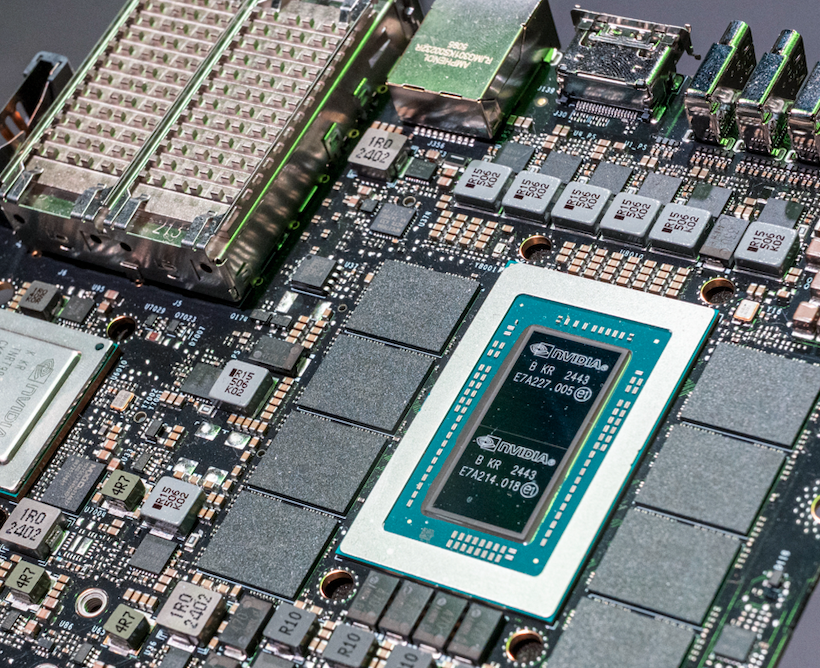
Nvidia Corp. delivered a surprisingly strong revenue forecast and pushed back on the idea that the AI industry is in a bubble, easing concerns that had spread across the tech sector.
Just six months ago, Alphabet Inc. investors feared the company could be a casualty of the artificial intelligence revolution. But after a trillion-dollar rally those concerns have flipped, and now the biggest worry is if the stock is getting too expensive for its own good.
In today’s equity markets, investors face a paradox: share price swings are more dramatic than ever yet often have little to do with a company’s underlying health or earnings. So how can investors achieve true diversification and risk reduction in a world driven by fickle market forces?
With the federal government shutdown now over, until the end of January at a minimum, the money and bond markets have turned their attention back to the Fed. Specifically, the conjecture is centered on whether another rate cut will be forthcoming at the December 10 FOMC meeting.
As 2025 draws to a close, investors and advisors will be considering their tax-loss harvesting opportunities. By selling some investments at a loss, those investors can reduce their overall tax bills next year.
In this Money Metals podcast episode, host Mike Maharrey talks with money manager Michael Pento of Pento Portfolio Strategies about what he sees as a dangerously distorted financial system.
As 2025 nears its final 100 calendar days, market focus is already beginning to turn forward and attempt to reconcile what market drivers could remain in place, and what could change in the first year of the new half-decade. While not an exhaustive list, here’s some of our early keys to 2026.
The gains were erased after Federal Reserve officials hinted they were hesitant to cut rates, leading to broad market losses. This challenging environment reinforces the long-term need for investors to seek global diversification outside of the overvalued U.S. dollar and domestic assets.
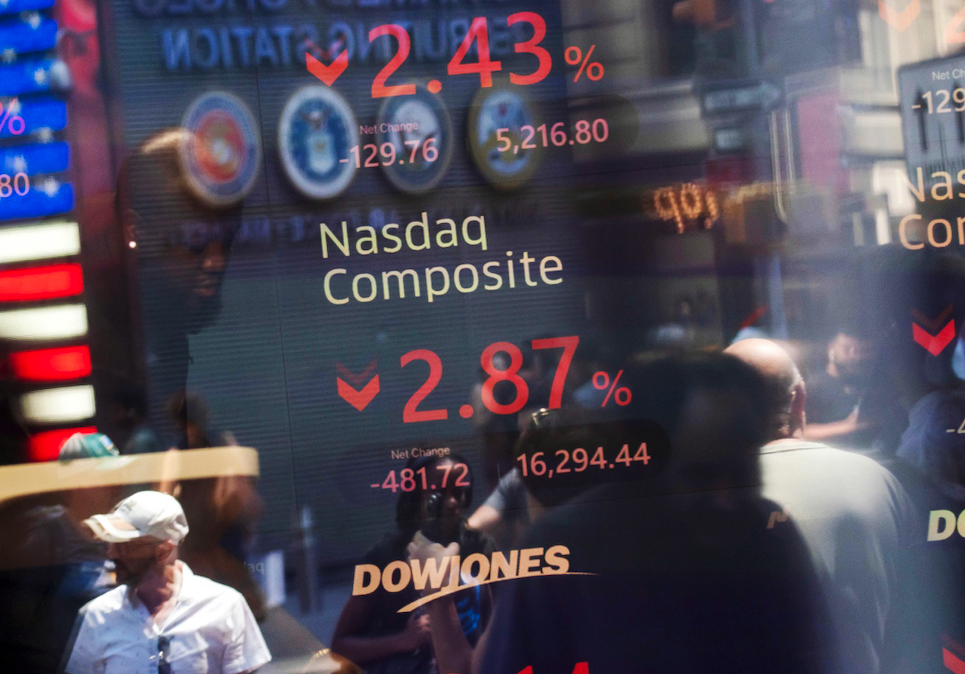
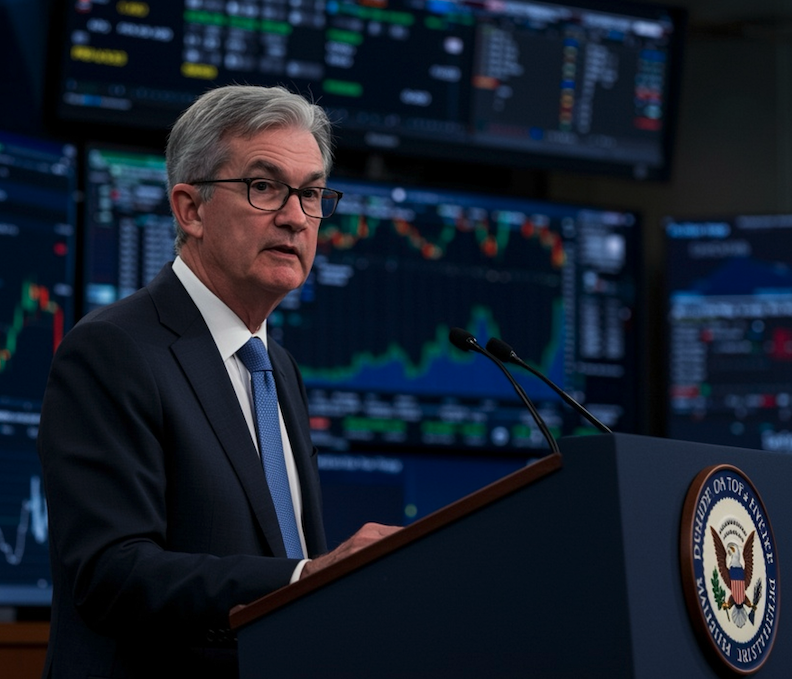
Stocks started the week with strong gains following the government reopening agreement, but the momentum was quickly erased by concerns over Federal Reserve policy. Hesitancy from Fed Chairman Powell to cut rates pushed down the odds of a December cut, causing the Dow to drop significantly from its record level.
Covered call strategies have become a very popular fund type in recent years. By leaning on the options market, covered call funds offer high levels of income but can limit upside.
While firms delay updating mobile communications compliance, the waiting incurs a substantial and measurable cost, averaging $232,457 annually in wasted analyst time on false positives. This inefficiency forces compliance teams to spend over 300 hours yearly on manual surveillance, diverting focus from strategic risk management. Ignoring this problem also dramatically increases regulatory exposure, given recent multi-billion dollar fines for off-channel communication violations.
This paper highlights and provides examples of how investment managers can reclaim and shape their own narrative by leveraging data science and alternative data sources, demonstrating the power in presenting information in new ways.
The result is the first sustained selloff for the group since April, with the Nasdaq 100 leading the broader market lower as investors ditch tech winners in favor of more defensive stocks. One of the beneficiaries: companies with juicy dividend payments.
The growing list of US credit busts, from subprime auto lender Tricolor Holdings to Broadband Telecom Inc., raises a troubling question: If such “cockroaches” proliferate — if many more enterprises collapse under the weight of excessive debt — who will ultimately bear the losses?
Thirty-three nations, including new signatories Senegal and Rwanda, have now committed to a global pledge to triple nuclear power capacity by 2050. The World Nuclear Association suggests this ambitious target of installing about 1,200 gigawatts is achievable if governments fully implement their promises. However, other forecasts indicate meeting this goal will be challenging given current capacity projections.
Wall Street will get a sense of where the billions of dollars being spent on artificial intelligence are going when Nvidia Corp. reports its earnings after the bell on Wednesday. How the sinking stock market will react is another question.
With the federal government open after its longest shutdown on record, we will soon get a clear indication of how payrolls fared in September and October.
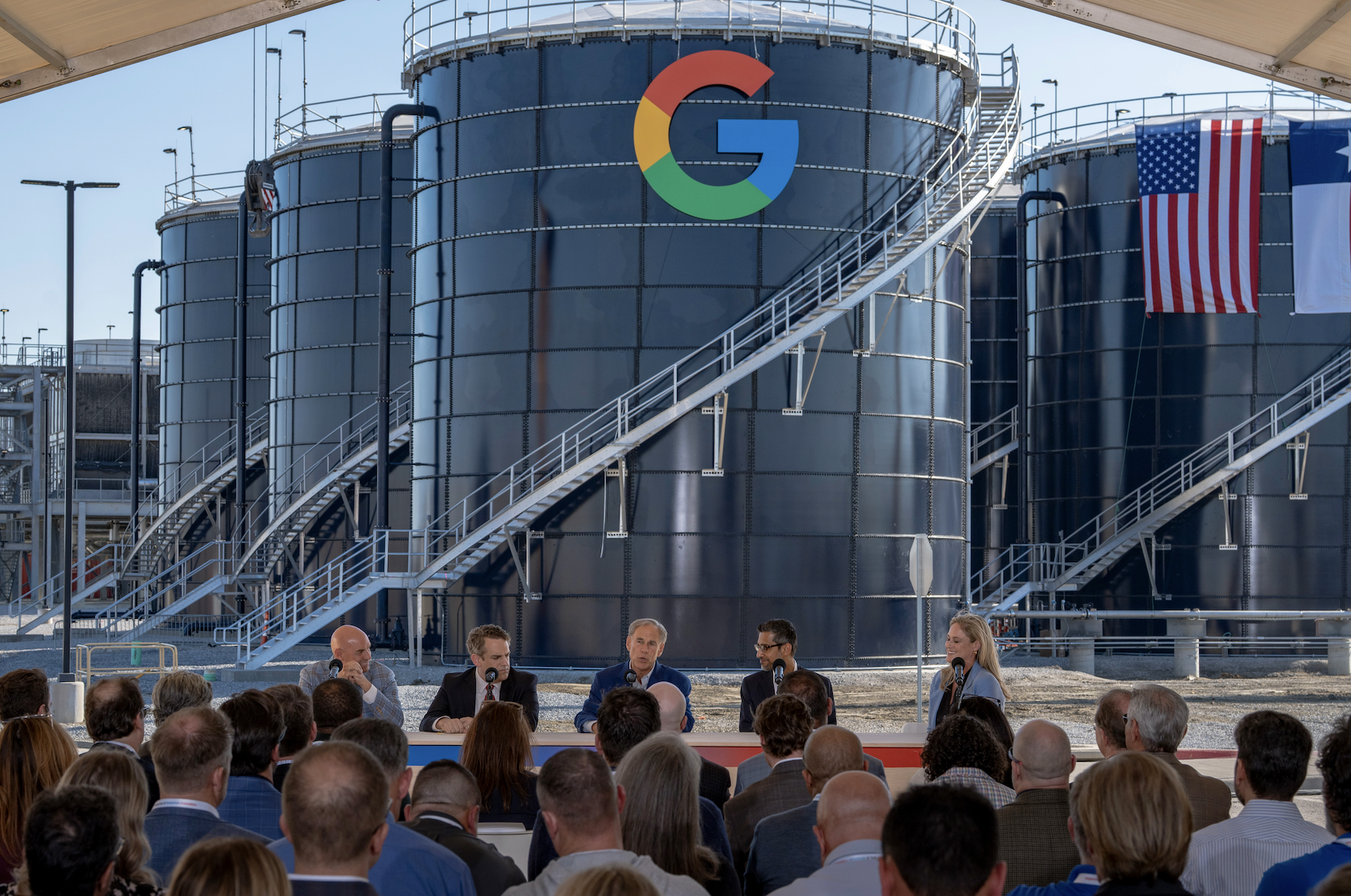
Alphabet Inc.’s Google plans to invest $40 billion in three new Texas data centers, part of an effort to add artificial intelligence computing power in a state that’s also drawn multibillion investments from competitors such as OpenAI and Anthropic PBC.
In the end, it does not matter if you are “bullish” or “bearish.” However, what is grossly important in achieving long-term investment success is not necessarily being “right” during the first half of the cycle, but by not being “wrong” during the second half.
Closing the books on fiscal year 2025, the U.S. ran a deficit of $1.77 trillion, a slight improvement from $1.83 trillion in 2024. But a peacetime deficit exceeding 6% of gross domestic product (GDP) is still cause for worry.
In this episode of the Money Metals Midweek Memo, host Mike Maharrey leans on Greg Weldon’s “debt black hole” metaphor to explain how towering obligations now warp policy, markets, and household finances.
Clearly, policies which boost individual freedom, not government engineering, work best. And as usual, the arguments of one political party are often designed to hide the fact that their policies are the very thing they claim to detest in the other.
n the report, Global Head of Credit Research Mike Talaga, Portfolio Manager Nicholas Ware, and Credit Analyst James Donahue discuss how new issuance by tech companies to fund capital spending on artificial intelligence (AI) projects may be reshaping the technical picture for credit.
With peak earnings season now in the rearview mirror, the market's focus shifts from broad-based results to specific, unresolved questions. Last week's tech sell-off and mixed IPO fortunes have put a spotlight on valuations, making Nvidia's upcoming report a critical test for the entire AI sector.
Greg Stumm, CEO of American Beacon Partners, breaks down key ETF trends, including distribution, active management, multi-share class structures, private assets, and crypto. Jason Greenblath, Senior Portfolio Manager & Director of Corporate Credit Research at American Century Investments, highlights where he sees opportunities in fixed income and makes a strong case for the value of active management.
Join NEOS Investments, an award-winning ETF issuer, for a timely discussion on how options-based ETFs can help advisors position portfolios for year-end and beyond. Learn how these strategies can support income-focused clients, enhance after-tax outcomes, and help stay invested through changing market conditions.
For the third quarter of 2025, most energy infrastructure companies maintained their payouts, with MLPs largely providing sequential growth. Still, the vast majority of midstream companies have increased their dividends within the last year.
The SEC has granted Dimensional Fund Advisors approval to adopt the dual share class fund structure, previously used exclusively by Vanguard to save investors billions in taxes. This decision, following the expiration of Vanguard's patent, marks a watershed moment for the $13 trillion US ETF industry and sets the stage for a wave of similar approvals for dozens of other money managers.
Health savings accounts (HSAs) are increasingly being considered by individuals looking to offset healthcare costs, which are set to rise significantly in 2026. But some HSAs also offer investment options that can simultaneously help savers grow their retirement income, financial experts share.
As someone who’s been involved in capital markets his entire adult life, I can safely say that gold investors haven’t seen a period like this in decades. The third quarter of 2025 was nothing short of historic, and in many ways, I believe we’re witnessing the beginning of a new era for the yellow metal.
The Artificial Intelligence boom has created one of the most powerful growth cycles in market history. Yet the biggest AI names—NVIDIA, Microsoft, Broadcom, and others—now trade at extremely high valuations, offering low earnings yields and limited margin of safety.
While stock and bond markets wait for U.S. federal data to become available again, private-sector reports suggest lukewarm overall economic growth.
Retirement planning shouldn’t be defined by “needs” but by the lifestyle you want to sustain. This piece reframes retirement as a phase for living fully—balancing taxes, inflation, and income sources to enable abundance.
Market corrections often present chances to acquire quality assets at attractive valuations. Hence, “buy the dip” has long been a mantra for many investors.
Drew O’Neil discusses fixed income market conditions and offers insight for bond investors.
The future is now: 5G, fiber optics, power grids, and digital networks. Brock Campbell, CFA of BNY Investments reveals how BKGI (the BNY Mellon Global Infrastructure Income ETF) delivers inflation protection, steady income, and exposure to essential growth assets.
To invest or not to invest in alternatives; that is the question for anyone involved in the business of retirement planning. FAs can help clients navigate the brave new world of customized alternatives, but this is easier said than done.
The best advisors play a critical role in educating and advising investors at the beginning of the relationship, staying connected as markets change, and coaching when emotions can lead to rash decision-making.
The “EM-ification” of developed markets has rewritten the investment playbook. Emerging markets are not the weak link in global equities — they may in fact be the stronger foundation. For long-term investors, it is time to reassess.
JPMorgan Chase & Co.’s decision to let managers use artificial intelligence to help write performance reviews stands to bring relief to one of bosses’ most dreaded annual tasks. It also raises questions as to whether bot-written reviews will make the process better or worse, especially for employees seeking meaningful feedback.
There’s no denying AI has again been a captivating theme for investors and technology enthusiasts this year. But that proposition could be ramped up in 2026.
The artificial-intelligence boom is raging, fueled by a mad dash to add computing capacity. Tech giants are funneling billions of dollars to construction companies and industrial suppliers of equipment and power to build the vast data centers that the technology requires.
While consensus remains cautious, there is a case, however tenuous, for economic reacceleration. This isn’t about ignoring risks. It’s about acknowledging that conditions aligning could drive a shift from stagnation to renewed growth.
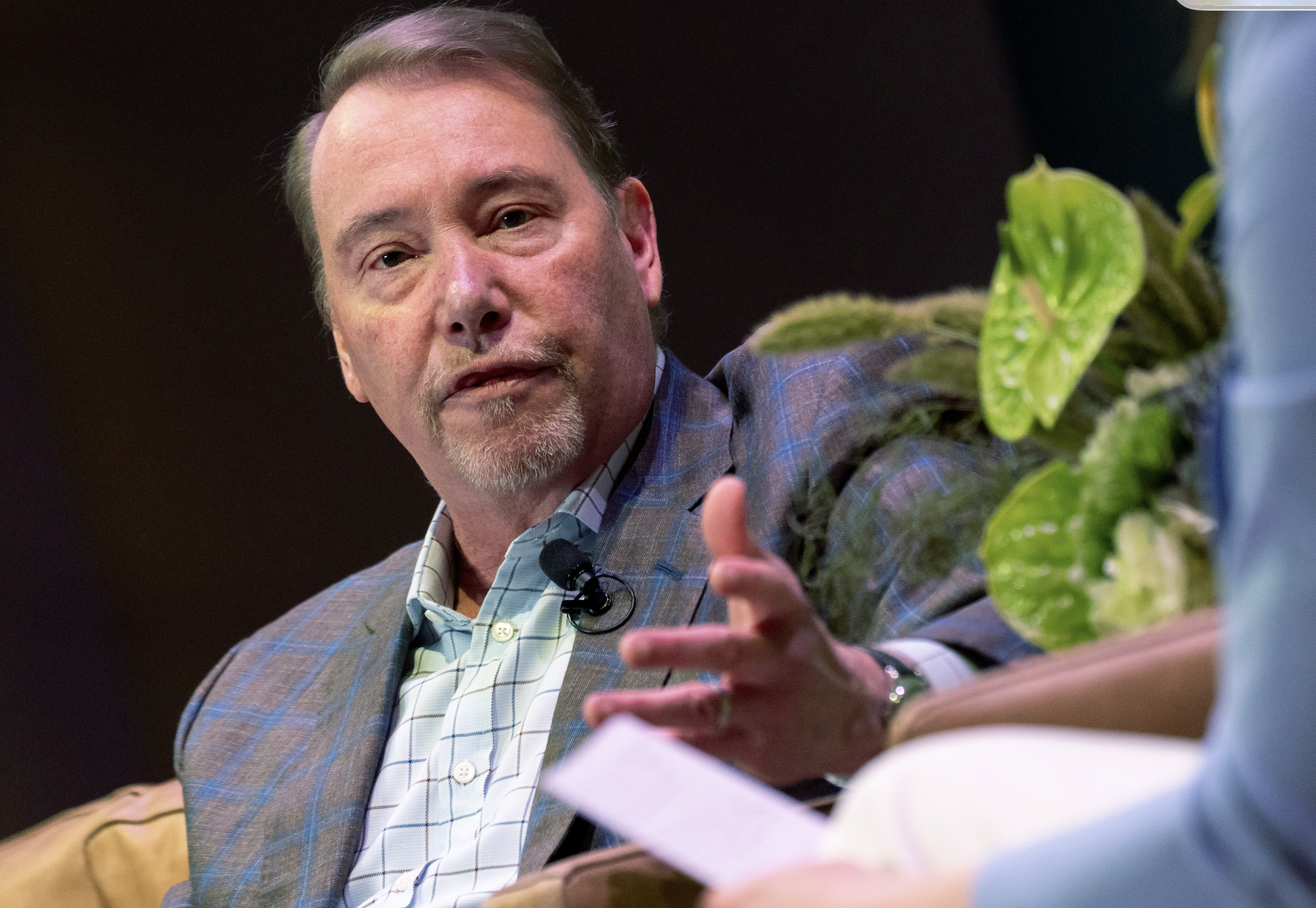
In markets awash in “garbage lending” and unhealthy valuations, Jeffrey Gundlach is keeping his strategy simple: load up on cash and stay away from private credit.
As happened in the previous era, several forces are combining to keep inflation alive. Today I want to review what’s happening. This won’t be a fun letter to read, but it’s important. You need to prepare for what could be coming.