Kraft Heinz Co. said Tuesday it plans to split into two separate companies, undoing a mega-deal ushered in a decade ago that turned the maker of Kraft Mac & Cheese into one of the largest packaged food sellers in the world.
It’s a deeply ingrained investing maxim that risk and return go hand in hand: to get more return, you must accept more risk.
The housing market remains out of sync with the broader economy as affordability is depressed, but an improvement in supply and demand dynamics might be on the horizon.
Earnings results surpassed expectations for the third consecutive quarter, which drove the market's strong August performance.
Powell’s speech seemed to give an all-clear signal for a cut in September. The speech started with a focus on the softening labor market, concluding it is in a “curious kind of balance” with rising risks of layoffs.
Here’s how I see it going into a critical data week: the inflation gauges landed precisely on expectations while an ugly July trade gap shaves some growth from Q3, and that combination keeps the Fed on a path to cut 25 basis points at the next meeting.
Markets surged late last week after Federal Reserve Chairman Jerome Powell suggested at Jackson Hole that the U.S. central bank may be ready to cut interest rates in September. Traders took it as a green light, while Goldman Sachs, J.P. Morgan, Barclays and others quickly pivoted their forecasts. The CME FedWatch tool now puts the odds of a September cut at nearly 90%.
In our opinion, all of these legitimate concerns are, to various degrees, already priced into financial markets. The impact of these on the ongoing stock market rally will depend on their trajectory relative to investor expectations.
For the past two years, we have been warning that the stock market is overvalued. While our capitalized profits model is simple, it is more complex than just looking at price-earnings or price-sales ratios.
Energy prices indicate economic strength, or, in this case, weakness. If the global economy grew strongly, the need for oil consumption would rise, absorbing the current production levels, causing energy prices to rise.
US stocks will continue rallying after four months of gains as Federal Reserve interest rate cuts coincide with robust corporate earnings, according to Morgan Stanley’s Michael Wilson.
US Treasuries were under pressure amid a rout in long-dated European bonds and a surging calendar of corporate debt sales as traders returned from the holiday long weekend.
On paper, these are good times for the US economy. The latest GDP numbers show growth was at 3.3% in the second quarter. Business investment is up. The unemployment rate remains low, and the inflation rate is reasonable.
The market’s attention usually seesaws between corporate fundamentals and monetary policy.
Learning to read the Fed minutes effectively can help traders understand the central bank's policy-making process, sentiment, and rate expectations, all of which can impact markets.
Last week's economic data revealed strong economic growth running up against rising prices and falling confidence.
The adage “don’t borrow trouble” advises us against distressing over problems yet to occur. But we don’t think it should apply to retirement planning. In fact, digging into what concerns DC plan participants now may help them avoid retirement pitfalls down the road.
US consumer spending rose in July by the most in four months, indicating resilient demand in the face of stubborn inflation.
Radical policy changes can launch new economic eras.
Bill Bengen is an MIT-educated rocket scientist, retired financial advisor, and somewhat unintentional founder of “the 4% rule.” The widely used rule of thumb resulted from a study he did more than 30 years ago. His new book, “A Richer Retirement: Supercharging the 4% Rule to Spend More and Enjoy More” is an update of this study.
Investors fretting over signs the bull market in stocks is pushing toward unsustainable levels will soon have another thing to worry about.
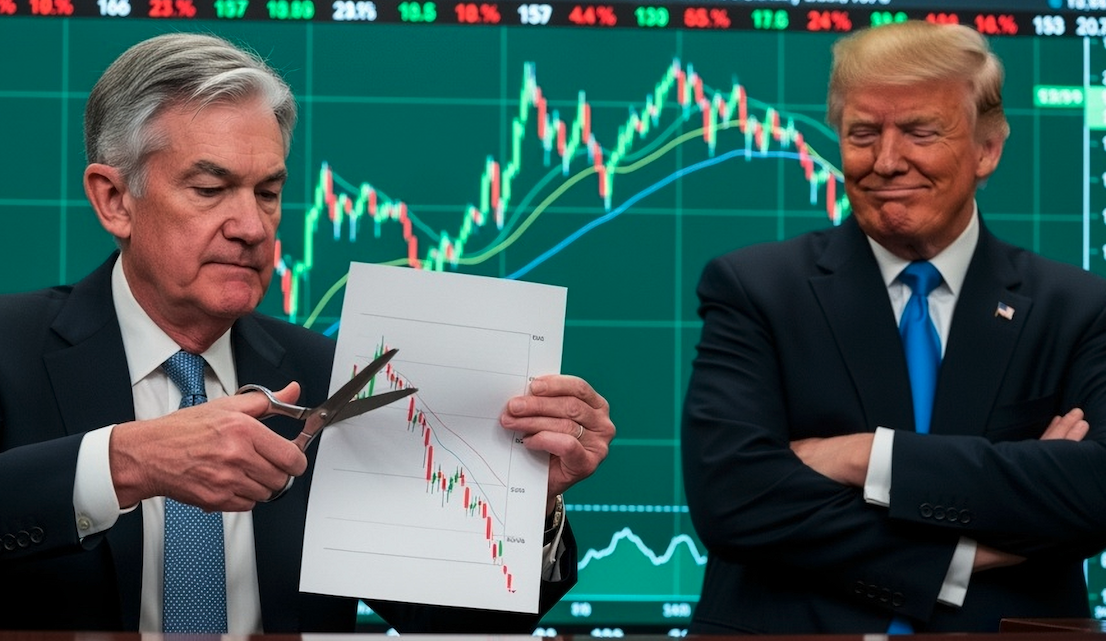
President Donald Trump’s efforts to stack the Federal Reserve with economists willing to cut interest rates is providing all the drama this week.
NVIDIA (NVDA) earnings are the focus tonight, but investors’ attention will quickly shift back to the macro later this week. According to our Economic Calendar, with data licensed from Econoday Inc., a second read on Q2 GDP hits the tape Thursday morning.
Europe's defense landscape has undergone a paradigm shift—a rearmament cycle unfolding at a velocity unseen since the Cold War.
The year to date has been complicated by a cloud of uncertainty as a new U.S. administration took the world economy by storm.
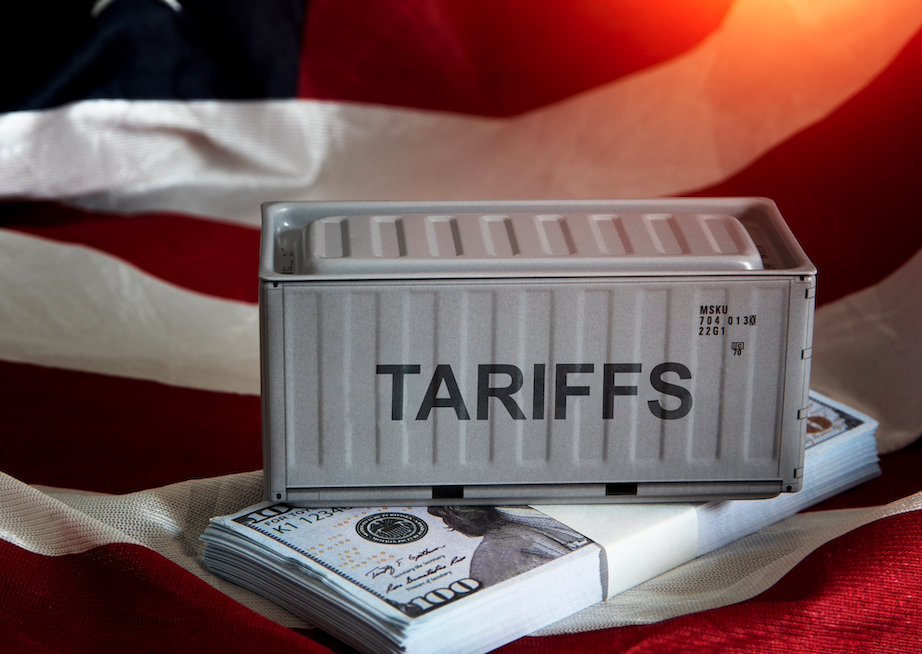
According to recent analysis from the Congressional Budget Office (CBO), tariff revenue could meaningfully impact both sides of the bond market pendulum, which on net, could be beneficial to the Treasury market.
It’s hard to ignore the effect Fed Chair Jerome Powell’s comments made last Friday had on equities, particularly small-caps.
The US economy expanded in the second quarter at a slightly faster pace than initially estimated on a pickup in business investment and an outsize boost from trade.
Fed Chair Jerome Powell’s comments at Jackson Hole shifts the outlook for interest rates.
While investors often look to the Federal Reserve for macroeconomic signals, Walmart’s earnings may offer even more insight. As a barometer of consumer behavior, pricing trends and tariff impacts, Walmart is a must-watch for anyone trying to understand the real-time U.S. economy.
Benefit Street Partners believes private credit managers need to focus on the financial conditions during a fund’s investment period. Skilled managers know when to dynamically deploy more capital or pull back, as the weather changes.
The prospect of lower rates could translate to falling yields, forcing investors to diversify their fixed income portfolios. One area that's been seeing renewed interest is mortgage-backed securities (MBS).
Last week was dominated by a major event in the financial world, the Jackson Hole symposium, and the subsequent reaction from the markets. Read through the major economic news form the week of August 18th - 22nd.
he safety record of zeppelins was relatively unimpeachable prior to the Hindenburg, and that’s why the deadly disaster so shocked the public and devastated the rigid airship industry.
Fund managers say returns on emerging-market assets are set to power ahead of their developed peers, having moved in lockstep since US President Donald Trump unleashed his tariff blitz in April.
Boeing Co. resumed talks on Monday with union leaders to end a strike that most investors aren’t paying much attention to.
It's never a great sign when a central bank governor says his country's predicament is a “pretty sad story.” That's how Bank of England Governor Andrew Bailey described the UK at the Federal Reserve symposium in Jackson Hole, Wyoming, last week.
Finding attractively valued stocks that can overcome evolving conditions requires a new mindset.
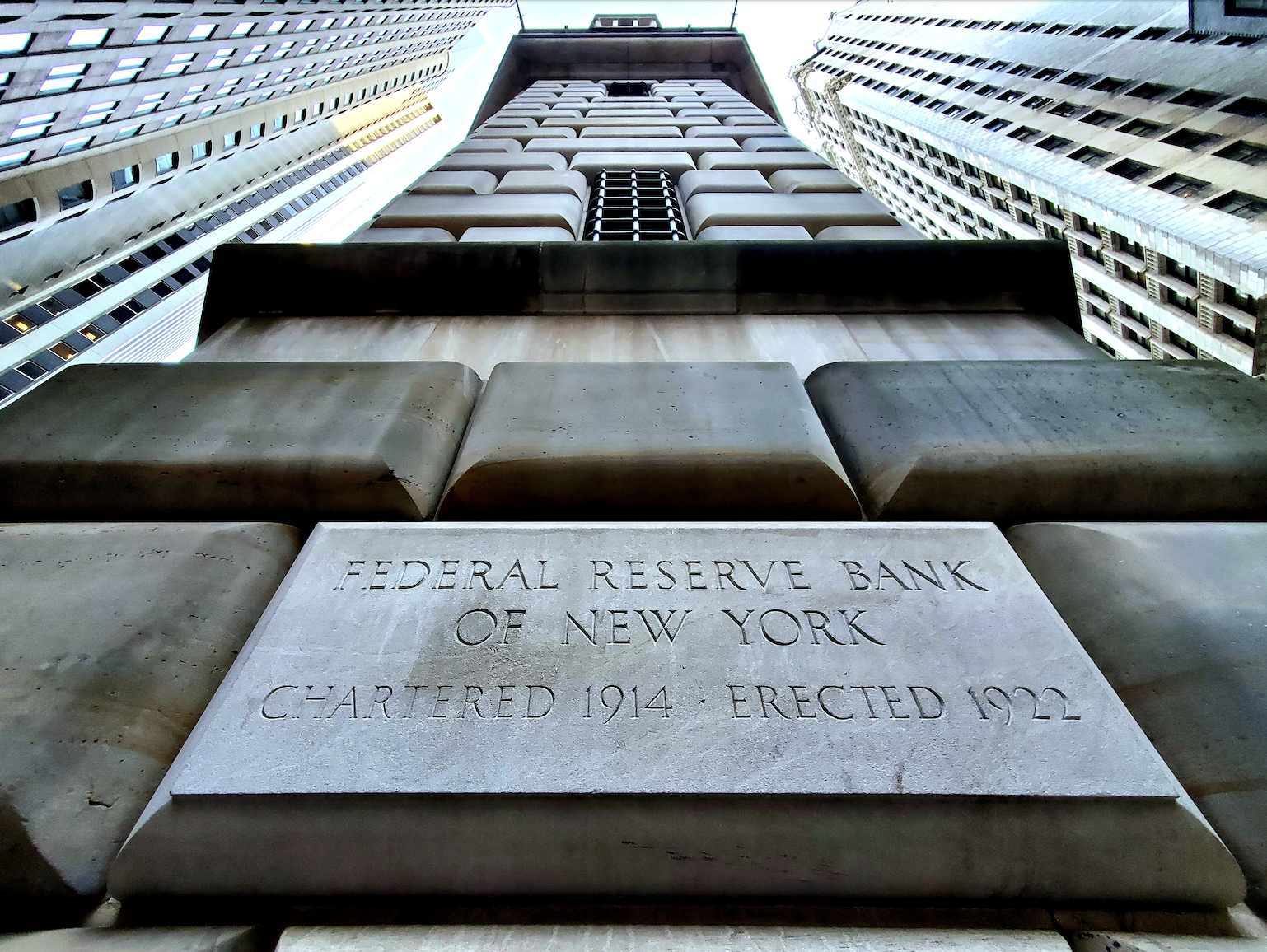
As central bankers, economists, and policymakers gathered last weekend in Wyoming’s Grand Teton National Park for the 2025 Jackson Hole Economic Symposium, the Federal Reserve (Fed) found itself at a critical juncture marked by political pressures, personnel changes, and internal divisions over monetary policy direction.
“Buy Every Dip” has lately been the “Siren’s Song” for this market. Such is seen in the flows into ETFs over the course of this year. Retail investors treat pullbacks as temporary noise, and their behavior borders on mechanical. Every sell-off is seen as an opportunity, not a warning.
While the majority of the capital markets are anticipating rate cuts, certain economic data continues to run counter to the forecast. That’s why in times of persistent inflation, getting commodities exposure can be beneficial.
Today we look like geniuses, but there will be times when, by making rational and unpopular decisions, we’ll look like idiots. There are few guarantees I can give in this business, but this is one of them.
If I told you Argentina is the world’s hottest new market for copper, you might be likely either to scratch your head or just laugh.
Last Friday, Jerome Powell gave the Fed Chief’s annual speech at the Kansas City Fed’s 2025 meeting in Jackson Hole, WY.
Don’t Worry, Be Happy! Heading into summer, markets faced a wave of uncertainty—from shifting tariffs and debt ceiling debates to questions around the fate of the ‘Big, Beautiful Bill.’
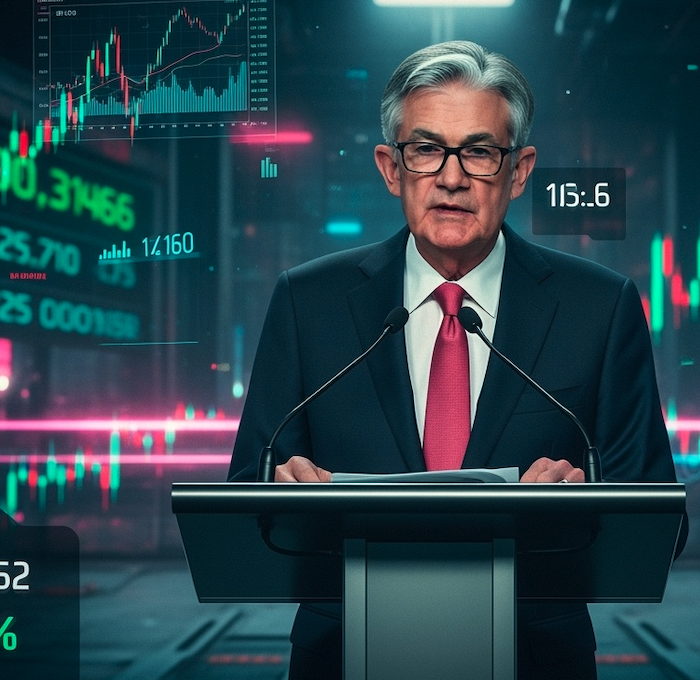
Chair Powell’s speech at Jackson Hole was a proper and long overdue pivot—and the markets immediately rejoiced. This was the dovish signal investors had been hoping for, and even stronger than I expected Powell to deliver.
For nearly two decades, U.S. electricity demand was flat. Between 2005 and 2020, consumption barely budged, thanks to efficiency gains in appliances and slower economic growth. Utilities planned for more of the same.
The Federal Reserve notes the balance of risks to the U.S. economy may warrant a shift in policy stance – in other words, a rate cut.
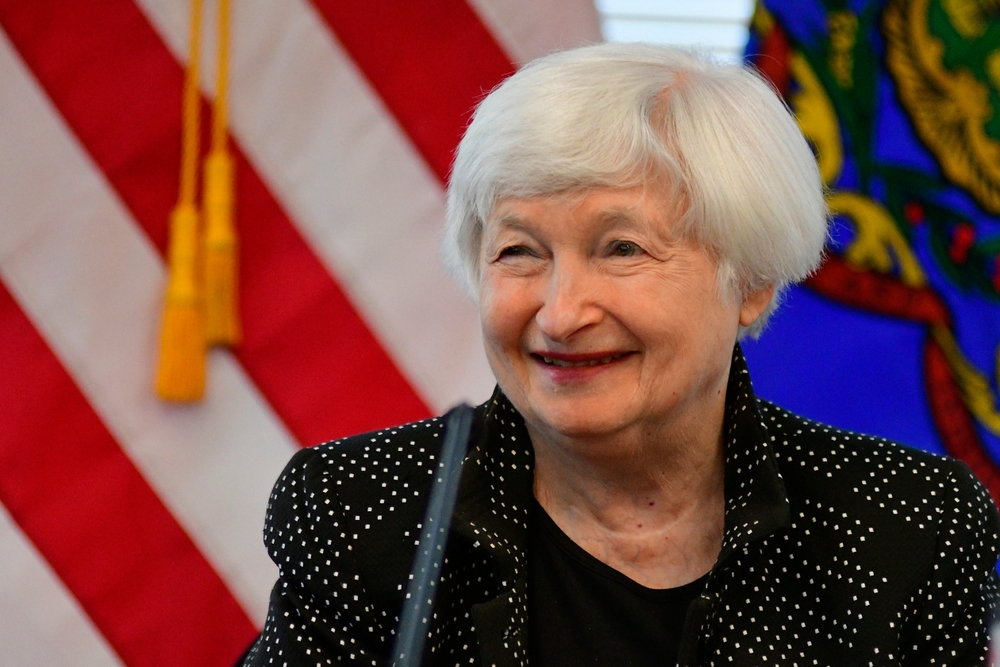
Few have accomplished as much as Janet Yellen during the course of their careers. She broke two significant glass ceilings, becoming the first woman to serve as the Chairman of the Federal Reserve and as U.S. Treasury secretary.
Last week, a tech rout that began on Tuesday led to notable declines in the Nasdaq Composite (-2.5%) and S&P 500 (-1.2%) by market close on Thursday, with the Dow Jones Industrial Average roughly flat. Investors engaged in profit-taking, amidst concerns about the high valuations of many technology companies.