Following the 2021–2022 inflation shock, the historic negative correlation between stocks and bonds—the foundation of modern portfolio diversification—temporarily broke, fueling debate over whether the "Greenspan Put" era of Fed-induced market stability has ended.
Equity markets reached new record highs over the past month, reigniting debate over whether we’re in bubble territory. Heightened U.S. equity valuations and concentrated market leadership fuel this concern — but context matters. Markets rarely move in straight lines, and short-term pullbacks, while uncomfortable, are a normal part of the cycle.
The widespread issue of "Boomerang Parenting" is posing a serious financial threat to Gen X's retirement plans, as they spend an average of $1,384 a month supporting their adult children. Caught between this generosity and their own lagging retirement savings (median balance of only $40k–$50k), Gen X is running out of time to course-correct.
The UK and Japan are responding to investor demand to boost short-term borrowing, a shift in strategy that offers governments lower interest payments but exposes them to potentially costly rates swings at the time of debt rollovers.
Goldman Sachs Group Inc. macro trader Bobby Molavi likens the setup for stocks heading into the new year to a boxing match, where the bullish drivers of AI and stimulus measures confront bearish forces including stretched valuations and credit stress.
I am always concerned when partners have disagreements and there is talk about “winning,” which infers those who do not get their way are losers. This is a set-up from the beginning that chips away at collaboration, because one person is trying to show the others that they are right.
Not all merger agreements are not created equal, and when contemplating a merger, RIA owners should be aware of these differences and the options available. One of the best investments a firm can make may be acquiring the services of an “advisor’s advisor.
In Charles MacKay’s 1841 book Extraordinary Popular Delusions and the Madness of Crowds, he highlights how mass human behavior can lead to irrationality: “They go mad in herds while they only recover their senses slowly, one by one.”
A mid-month bout of volatility focused primarily on the AI tech giants gave way to a broader rally in November’s final days amidst renewed expectations the US Federal Reserve (Fed) will cut interest rates in the coming weeks.
Indexed ETFs can provide an easy, cost-effective alternative for fixed income exposure that draws from myriad sources. However, investors could be missing out on the advantages associated with active management. Given the current macro environment, it’s almost a necessity.
Inflation is the number-one public concern in Japan. But one section of the economy is proving to be invulnerable to rising prices: pop idols, YouTubers and cartoon characters.
In this second installment of his F.I.R.E. (Financial Independence, Retire Early) dividend growth series, Chuck Carnevale, co-founder of FAST Graphs and “Mr. Valuation,” walks through the construction of a high-yield dividend growth portfolio designed to support retirement income without selling shares.
Municipal housing bonds are presented as a critical dual solution to America's deepening affordable housing crisis, especially as federal support diminishes. These tax-exempt bonds significantly lower financing costs for developers, making affordable units viable while offering investors compelling tax-exempt income and social impact.
November ended with modest index gains masking a deeper rotation beneath the surface, as markets wrestled with December Fed cut odds, AI fatigue, and how to position portfolios into year end.
As we put the finishing touches on Outlook 2026, here are several other key factors that will drive markets in 2026 that investors will want to keep in mind.
While US investors focus on growth, international markets may remain the best places to find value opportunities in 2026, says Franklin Mutual Series.
Join us and the experts at Swan Global for a break down how active options strategies can enhance income, manage downside risk, and provide a strategic edge when repositioning portfolios for an uncertain 2026.
Three powerful demographic shifts — rising wealth, forward-thinking attitudes, and longer lifespans — are reshaping retirement. The emerging financial force of the future is women, and advisors who adapt now will lead tomorrow’s client relationships.
Financial wellbeing is not simply about income or net worth. Nor is it about happiness. It’s about a person’s ability to function financially with security, agency, and sustainability. Emotional enjoyment doesn’t override that, and wealth doesn’t guarantee it.
In today’s complex financial landscape, taxable US institutions face unique challenges in balancing their investment objectives with tax efficiency. They simply cannot afford to overlook the impact of taxes on their portfolios.
Rob Tayloe discusses fixed income market conditions and offers insight for bond investors.
Yields on the bond market have incrementally adjusted to introduce a new variable: a fiscal premium. Yet, this is not a new form of risk; it represents a new form of information. Investors still believe they will get repaid; they just believe they are entitled to a higher return to facilitate it.
No matter how long you delay taking Social Security, it likely won’t cover all your living expenses. But that doesn't mean you should take it early.
Goldman Sachs Group Inc. will pay $2 billion to buy Innovator Capital Management, a deal that combines the bank with an issuer of a relatively new type of exchange-traded fund that has caught the attention and ire of some on Wall Street.
My friend David Bahnsen wrote a brilliant analysis in his weekly Dividend Café of the private credit market a few weeks ago and it really took off. I got his permission to share it with you today. This is a basic primer on the risks in the private market and something as an investor you should be familiar with.
While outright defaults in the private credit sector remain low, analysts are increasingly concerned about the deteriorating outlook for repayment problems. When factoring in "selective defaults"—like borrowers adding interest to the loan (PIK loans) or extending maturities—the true default rate climbs to a significantly higher 4.6%.
Whether in sports or financial markets, averages often grab headlines, but they can conceal as much as they reveal. Variation—including the dispersion of metrics like credit spreads for high-yield bonds—is the real story.
This has been a bumpy year for the US economy. Although there was a massive boom in AI-related investments in 2025, policy-induced uncertainties and disruptions to official data releases clouded the picture.
U.S. stocks, as measured by the S&P 500 Index, are on pace for 14% growth in earnings for Q3 2025. This marks the fourth consecutive quarter of double-digit growth and comes in well ahead of analysts’ Sept. 30 estimates of 7%.
Despite the increasing need for retirement income security, many defined contribution (DC) plan sponsors hesitate to adopt new lifetime income solutions due to concerns over fiduciary liability and plan flexibility.
Following a rocky start to the year, the municipal bond market has shown strong performance in Q3 2025, outperforming broader bond indexes due to factors like easing oversupply and growing demand.
Despite an intra-year drawdown of 18.9%, the S&P 500 is poised for a strong 2025, currently up about 14%. This pattern of experiencing a large correction on the way to significant annual gains is common; since 1980, the average yearly drawdown has been over 14% while the index gained an average of 10.7%.
Nvidia's strong earnings initially squashed AI bubble fears but a deep dive into its financials, revealing high customer concentration, triggered a major tech sell-off.
The Federal Reserve's balance sheet has significantly shrunk from its peak of nearly $9 trillion in 2022, shifting the reserve environment from "abundant" to "ample." While some advocate for further reduction, arguing it would increase market volatility and allow for lower rates, this move would necessitate a major operational change in how the Fed conducts monetary policy and would not dramatically lower short-term rates.
The article argues that the oil market is mistaken to predict long-term prices will remain near the current $60-per-barrel level through 2030, believing oil will be more expensive due to tightening supply/demand balance.
This article questions if the high valuation multiples are justified, arguing that investors will soon need to see actual cash flow results from this massive CapEx bonanza.This aggressive spending has caused their collective free cash flow growth to turn negative, raising concerns since stock valuation is based on future free cash flow.
This month, the global investment community is celebrating the 25th anniversary of the world’s first fixed income ETFs, the iShares Core Canadian Short Term Bond Index ETF (XSB) and the iShares Core Canadian Universe Bond Index ETF (XBB).
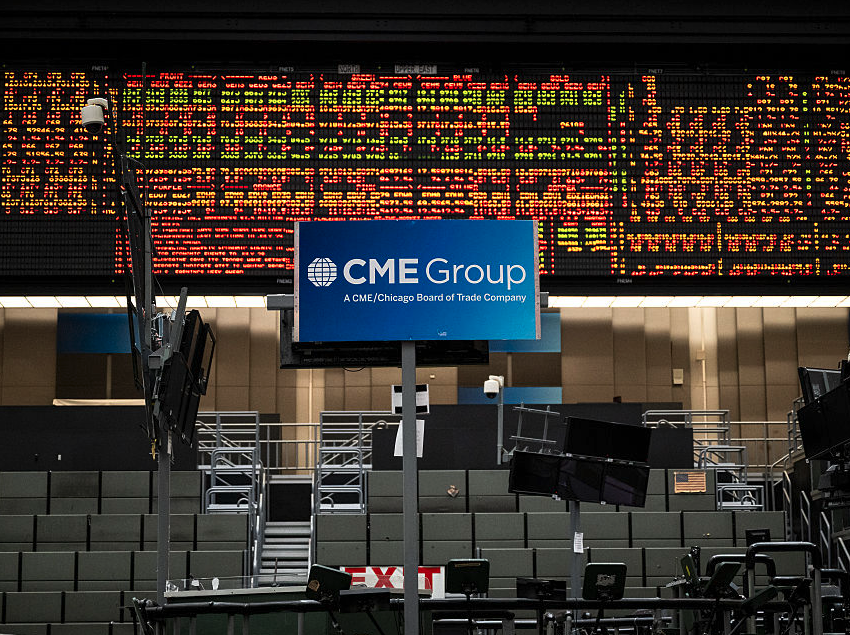
The Chicago Mercantile Exchange (CME), a crucial hub for managing global risk, experienced a nine-hour trading halt due to a data center fault on Friday, disrupting markets from S&P 500 futures to crude oil. This major outage underscores the CME's integral role in global market machinery, where its platforms handle volumes exceeding 26 million derivatives contracts daily.
This article argues that the pursuit of high returns by institutional investors, like insurers and pension funds, through illiquid and opaque private market investments is a repeating mistake that risks underfunding future liabilities.
The dominance of Jensen Huang and Nvidia in the AI hardware market is facing a significant challenge, signaling a shift in the industry's power dynamic. This is driven by news of Google potentially selling billions of dollars in its own Tensor Processing Units (TPUs) to Meta, following a similar major deal with Anthropic.
Financial planning helps families organize, save, and invest intentionally. It turns goals into a roadmap, budgeting for major purchases, setting aside for retirement, and aligning investments with life milestones. But at some point, the question shifts from how to grow wealth to how to protect and structure it.
This year has certainly been a significant one for me. For the markets and the economy, it has been a big year as well. Rate cuts and no recession have been positive for stocks and bonds.
Interest rates are undergoing one of the steepest reversals in half a century. In 2020, governments could borrow for 30 years at just over 1%. Fast forward to 2025 and U.S. 30-year yields have risen above 5% for the first time since 2007.
According to market theory, persistent outperformance shouldn’t exist. However, companies with high and stable profitability, strong balance sheets, and disciplined capital allocation have demonstrated the ability to deliver superior returns with lower risk over time.
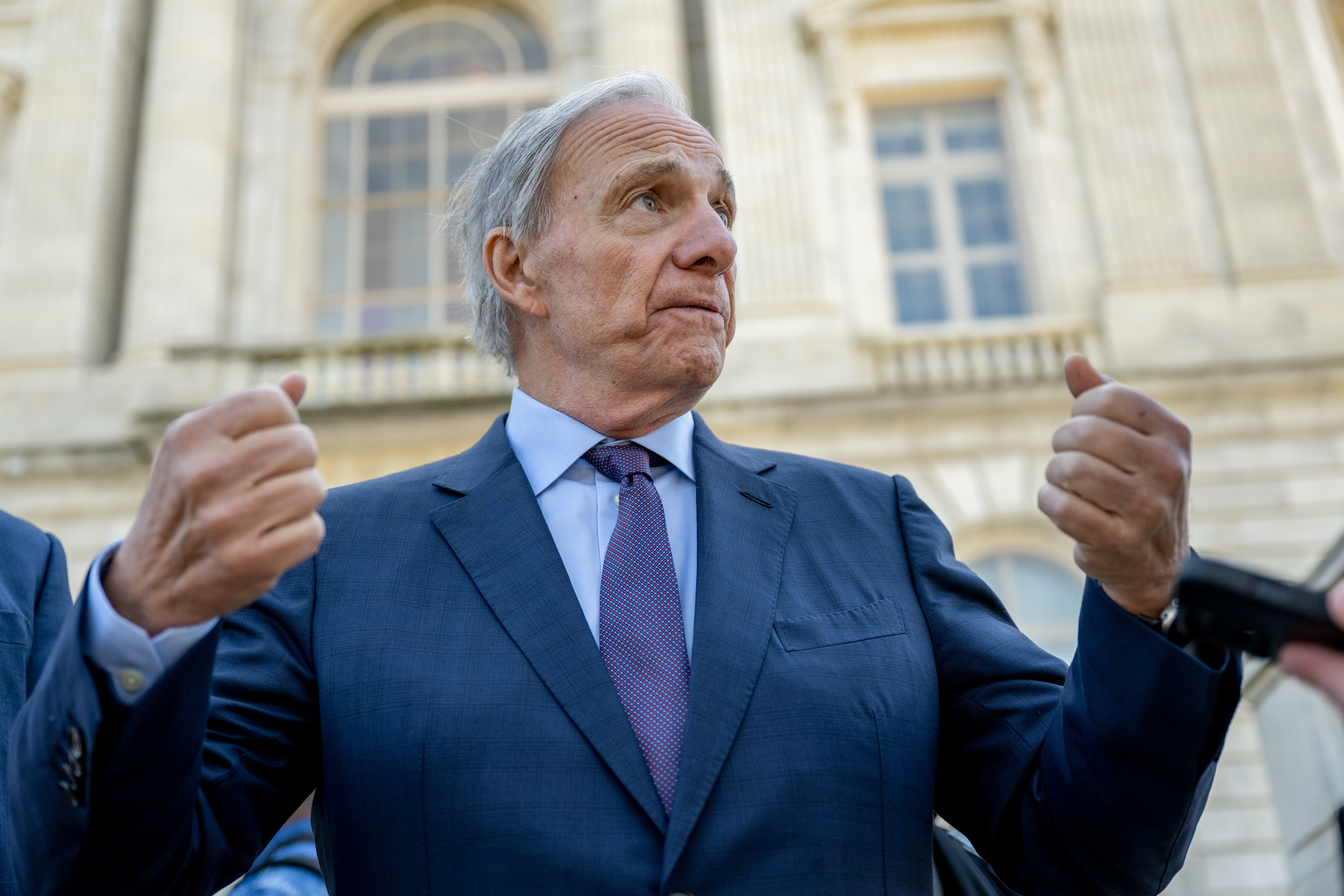
Multi-strategy hedge funds have been around for more than three decades. Will they make it to a half century? Ray Dalio, founder of 50-year-old hedge fund Bridgewater Associates has his doubts about this thriving subsector of asset management.
At Vanguard, we are always working to make our target-date funds (TDFs) better. That means regularly reviewing our glide-path design and diving into specific asset allocation topics to ensure that our strategies evolve with the market and continue to meet our clients' needs.
Corporate America delivered another exceptional earnings season, with third-quarter S&P 500 earnings growth tracking over 13% and achieving one of the highest beat rates ever recorded. Companies successfully adjusted to shifting macroeconomic pressures, including tariffs, as expectations continued to rise. The impressive results were bolstered by robust revenue growth and significant investment from mega-cap technology firms.
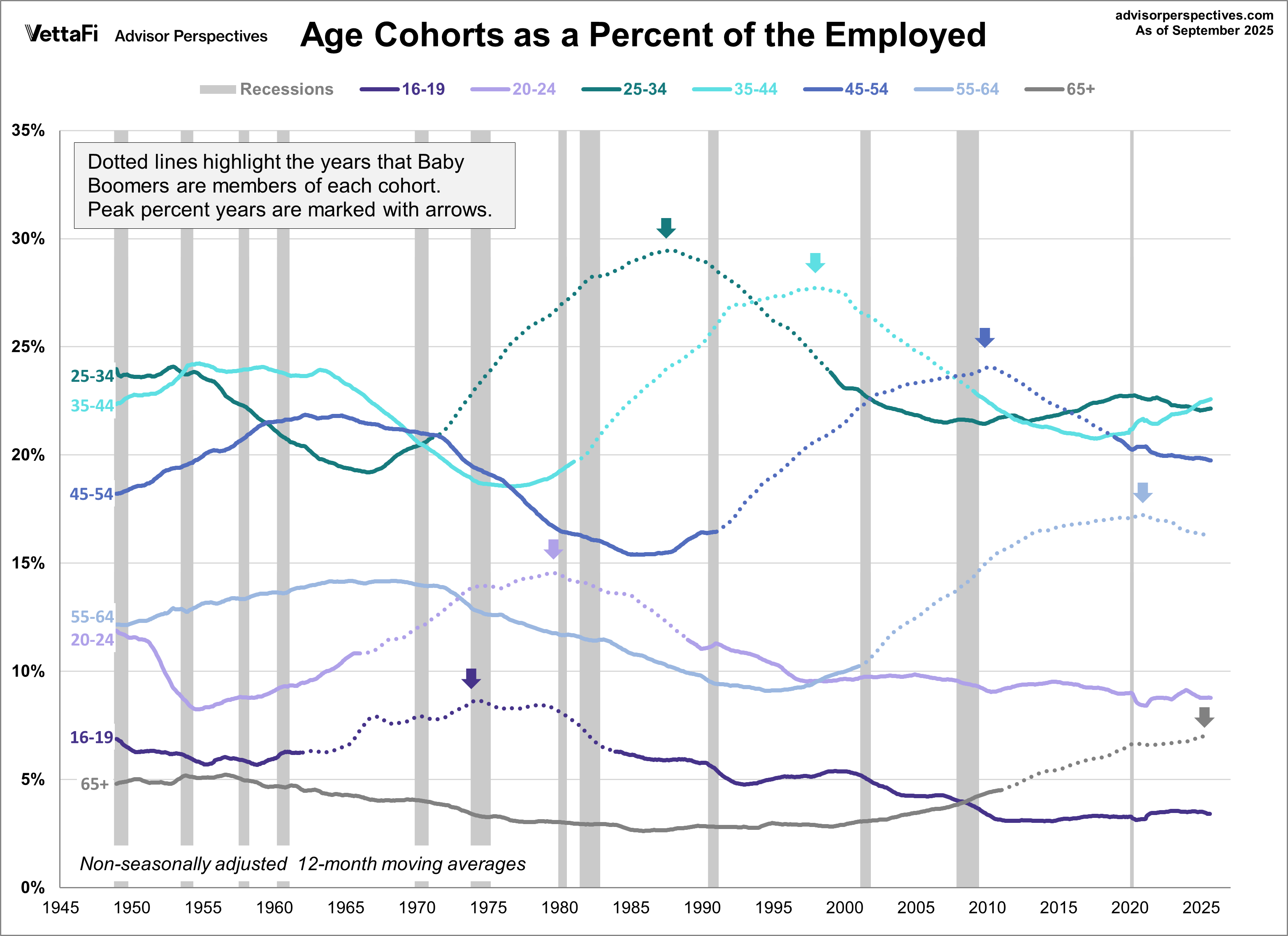
The 20th century Baby Boom was one of the most powerful demographic events in the history of the United States. We've created a series of charts to show seven age cohorts of the employed population from 1948 to the present.
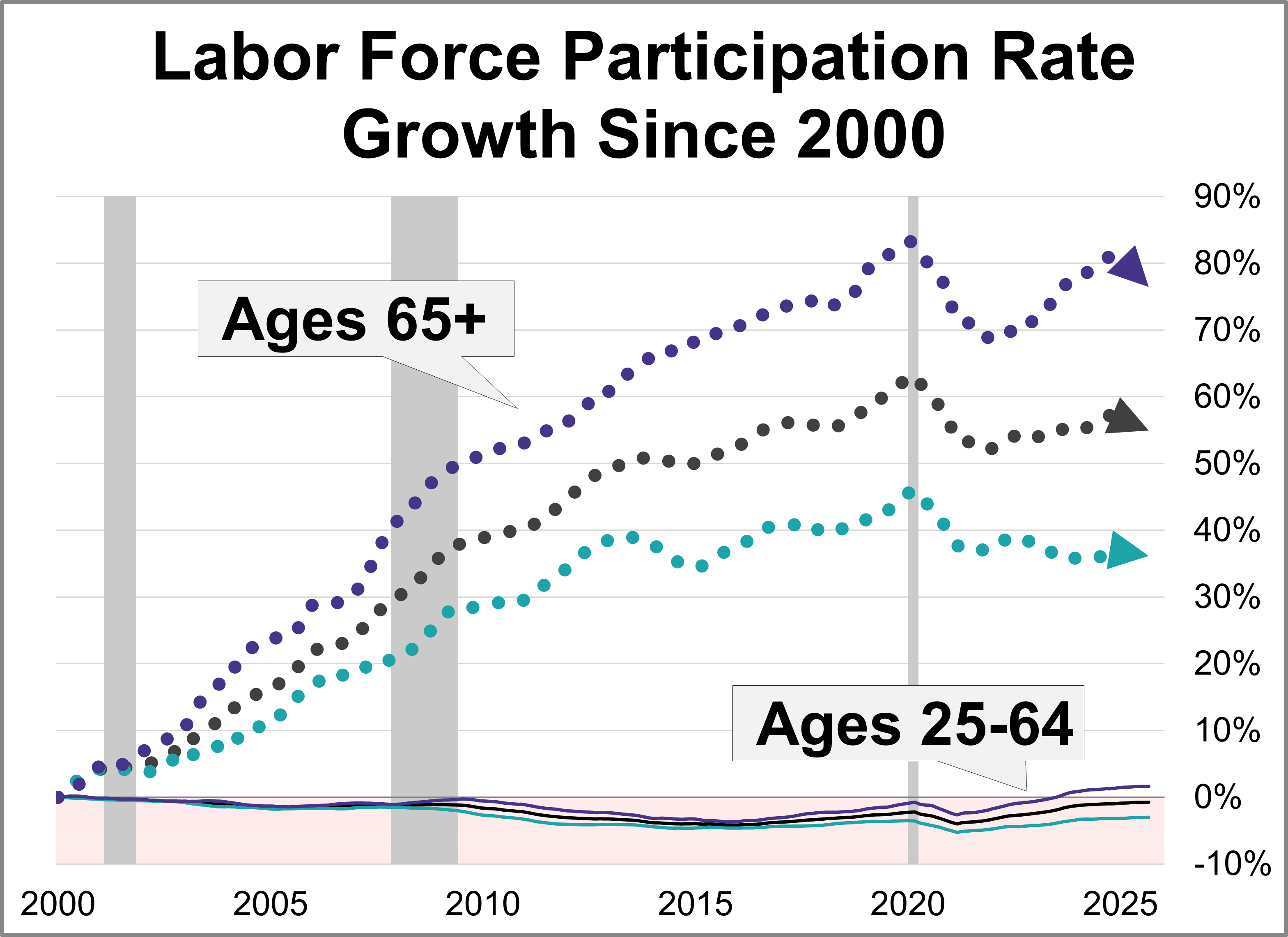
The labor force participation rate (LFPR) is a simple computation: You take the civilian labor force (people aged 16 and over employed or seeking employment) and divide it by the civilian non-institutional population (those 16 and over not in the military and or committed to an institution). As of September, the labor force participation rate is at 62.4%, up from 62.3% the previous month.
This impressive performance, fueled largely by the prominent allocation to the "Magnificent Seven" tech stocks, highlights the strong adoption of ETFs and VOO's role as the premier choice for U.S. equity exposure amidst a challenging macro environment. This success helped the entire ETF industry surpass its previous trillion-dollar record.