Dividend-increase announcements are on the rise. According to the Wall Street Horizon research team, 71.9% of all dividend changes have been positive so far in 2025.
Treasury Inflation-Protected Securities, or TIPS, can help buffer a portfolio against inflation. However, it's important to understand their unique characteristics and complex nature.
In 2025, the U.S. dollar's image of unassailable strength is being rigorously questioned. The U.S. government budget deficit remains stubbornly elevated, hovering just north of 6% of gross domestic product (GDP), and the debt-to-GDP ratio is tracking beyond 100%.
There are growing pains associated with scaling a financial advisory business, but a way to alleviate these pains is practice management.
Clearer policy and lower rates are favorable for growth.
Figma, Circle, and CoreWeave are just a few names to remind investors that the initial public offering (IPO) market is alive and kicking despite the market challenges in 2025. This opens the door into a room with IPO-focused exchange-traded funds (ETFs) that can provide niche exposure to these up and comers.
Many people are puzzled about the disconnect between how well the US economy is doing and how badly Americans feel about it.
The US economy grew in the second quarter at the fastest pace in nearly two years as the government revised up its previous estimate of consumer spending.
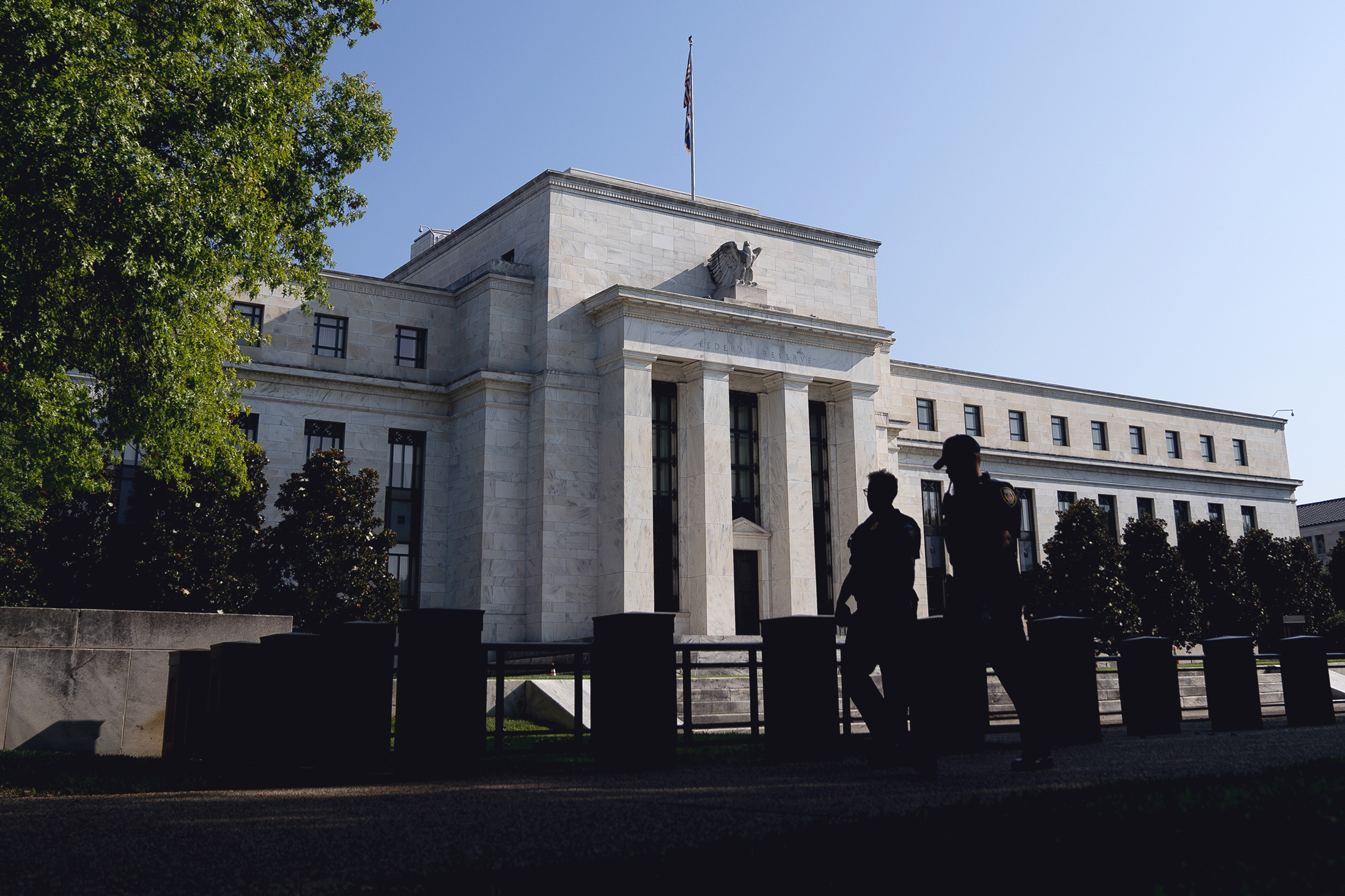
The Federal Reserve cut interest rates, but uncertainty is high and the FOMC is deeply divided on where policy should go next.
Healthcare costs will be a chronic pain.
Division by zero is known as a “singularity.” It’s the point where equations break down, values become “indeterminate,” things stop working normally, and variables shoot toward infinity and suddenly collapse on the other side.
Chinese equities have surged amid investor optimism about AI innovation and certain government initiatives, despite a slowdown in China's economy.
Cullen Rogers, Chief Investment Officer at Wedbush Fund Advisers, highlights the Dan Ives Wedbush AI Revolution ETF (IVES) and explores the broader investment thesis fueling interest in artificial intelligence. Craig Ebeling, Head of ETF Strategists at Fidelity Investments, outlines key factors to consider when evaluating income-generating ETF strategies and offers timely guidance on tax-loss harvesting ahead of year-end.
The Federal Reserve has long been able to depend on the housing boost from interest rate cuts juicing the US economy. This time looks different.
Bets that the Federal Reserve will continue cutting interest rates have fueled a rally in one of the riskiest corners of the technology sector, raising concerns about a potential painful reversal in the stocks.
Get ready each week with high-conviction insights that go beyond media headlines.
France, Britain, and the Fight for Fiscal Credibility
Stocks and bonds staged a roller coaster on Fed day but finished essentially where they began—an apt metaphor for a market digesting a quarter-point cut, a split dot-plot, and a Chair intent on starting an easing cycle without declaring victory.
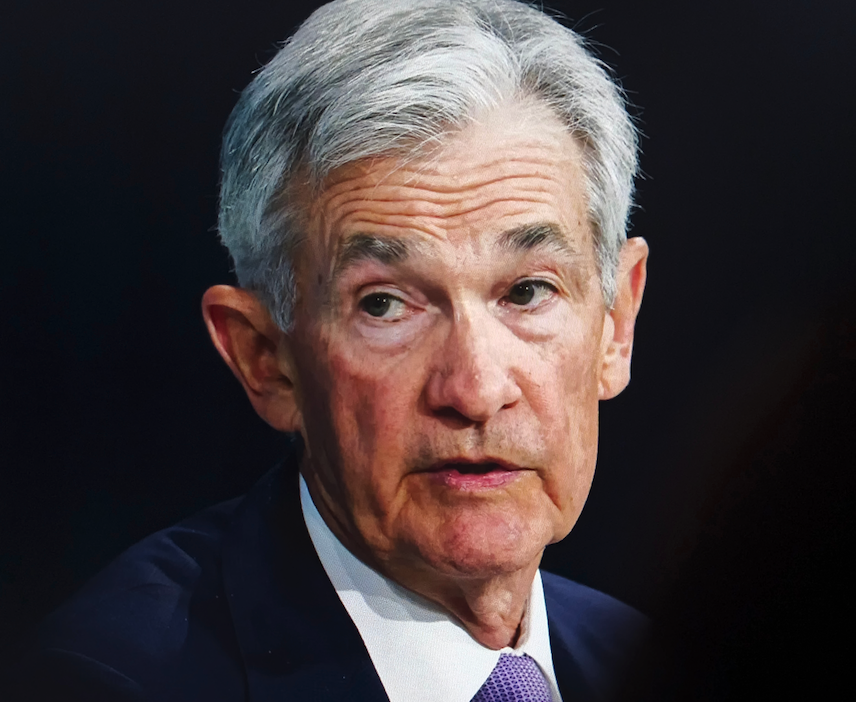
During last week’s press conference after the Federal Reserve’s (Fed) rate decision, Chairman Jerome Powell warned his audience there is no risk-free path for interest rates right now.
The Fed operates under a dual mandate: to promote price stability and maximum employment. Lately, employment has taken center stage, prompting the Fed to resume its easing cycle with a 0.25% rate cut this week.
As expected, the Federal Reserve cut interest rates by 25 basis points last week. How will this impact the gold market?
The stock market surged to new highs after the Federal Reserve cut the federal funds rate last week and the futures market has priced in more cuts to come. However, these cuts have not helped reduce long-term interest rates and the price of gold has surged to over $3,700 an ounce.
In a commoditized industry where every advisor offers similar tools and services, the real differentiator is how you make clients feel. Emotional security is such a differentiator. It makes clients feel heard, prepared and reassured. It drives client loyalty, retention and referrals.
Risk parity — the investing style popularized by Ray Dalio — is quietly bouncing back.
Sell-side strategists, who have rushed to upgrade their stock targets ever since the market rebounded from its early-year slide, keep underestimating the rally’s strength.
Last week’s Fed meeting resulted in a much-anticipated interest rate reduction of 25 bps, to a range of 4 percent to 4.25 percent. This move followed a nine-month pause in its rate-cutting cycle, which began a year ago.
With German fiscal spending rising, interest rates low and reforms continuing, European value stocks have the potential to shine despite the current political uncertainties, says Franklin Mutual Series.
The Fed’s cautious stance underscores the uncertainty facing markets. Bitcoin’s muted response reflects investors’ hesitation to commit until policy direction becomes clearer. For portfolios, this environment highlights the role of diversification and shows how macroeconomic shifts continue to influence digital assets alongside traditional investments.
While the last 12 months were profoundly shaped by the incoming Trump administration’s DOGE program, tariffs, immigration and foreign policy, what hasn't changed over the last year is that the bond market still represents good value despite policy initiatives that cloud the outlook: “We think the Fed is poised to ease, given weak employment reports,” Pierson said.
One of the most critical resources in 2025 is compute power. Chips and the data centers that house them have become the 21st-century equivalent of refineries and power plants, and governments are increasingly treating them as such.
To understand where the market might go, you need to weigh both the bull case and bear case in light of what is actually priced and what risks remain unacknowledged. The data support the bull momentum case, but many components are already baked into current prices.
Money managers and strategists are betting that the Federal Reserve’s shift back to cutting interest rates will pour fuel on the biggest emerging-market bond rally in years.
A $15 trillion rally in US stocks from April lows took a breather at the start of a week that will bring a handful of Federal Reserve speakers and a key inflation measure.
A record-busting stock market has done little for the prospects of most middle- and working-class Americans, who are falling behind as the labor market stalls and prices rise for the essentials. The way out of the hiring rut is significantly lower borrowing costs for businesses and consumers, but these have the potential to stoke painful inflation once again.
At BlackRock Inc., PGIM and other Wall Street firms, bond-fund managers are sticking to trades that will likely pay off even if the Federal Reserve’s path is again knocked off course by surprising turns in the economy.
Gold powered to a record in the week’s opening session after flows into exchange-traded funds hit a three-year high, with investors betting that the Federal Reserve’s rate-cutting cycle has further to run. Silver also rose, with year-to-date gains topping 50%.
I am growing more and more convinced that we simply can’t rely on historical precedents anymore. Economics is about human decisions, and humans, at least in a broad sense, seem to be making decisions differently than they did before the pandemic. I think we don’t fully understand how much has changed—for employment, inflation, consumer behavior, and more.
Senior Investment Strategist and Head of Canadian Strategy, BeiChen Lin, unpacked the latest rate decisions from major central banks. He also assessed the health of the U.S. housing market and potential opportunities in listed real estate.
From the lack of conviction in the previous meetings to last week’s “risk management cut,” Federal Reserve (Fed) officials continue to walk a very fine line, hoping for the effects of tariffs to be transitory.
ClearBridge Investments believes accelerating policy-driven investment and AI-driven data center growth are unlocking a multi-decade growth opportunity for listed utilities globally.
The Federal Reserve’s September meeting may be remembered less for the modest quarter-point cut it delivered and more for what it revealed about the state of the institution itself.
The US Federal Reserve’s (Fed) recent interest-rate cut is a shift in monetary policy that could signal a change in how retirement plan sponsors view capital preservation strategies.
The Federal Reserve resumed its rate-cutting cycle at the September meeting, lowering its policy rate by 25 basis points (bps) to a range of 4%–4.25%, after being on hold since its previous cut in December. The Fed also signaled a less restrictive stance to come amid mounting labor m
Labor concerns and persistent inflation have the Fed penciling in up to two additional cuts by the end of 2025.
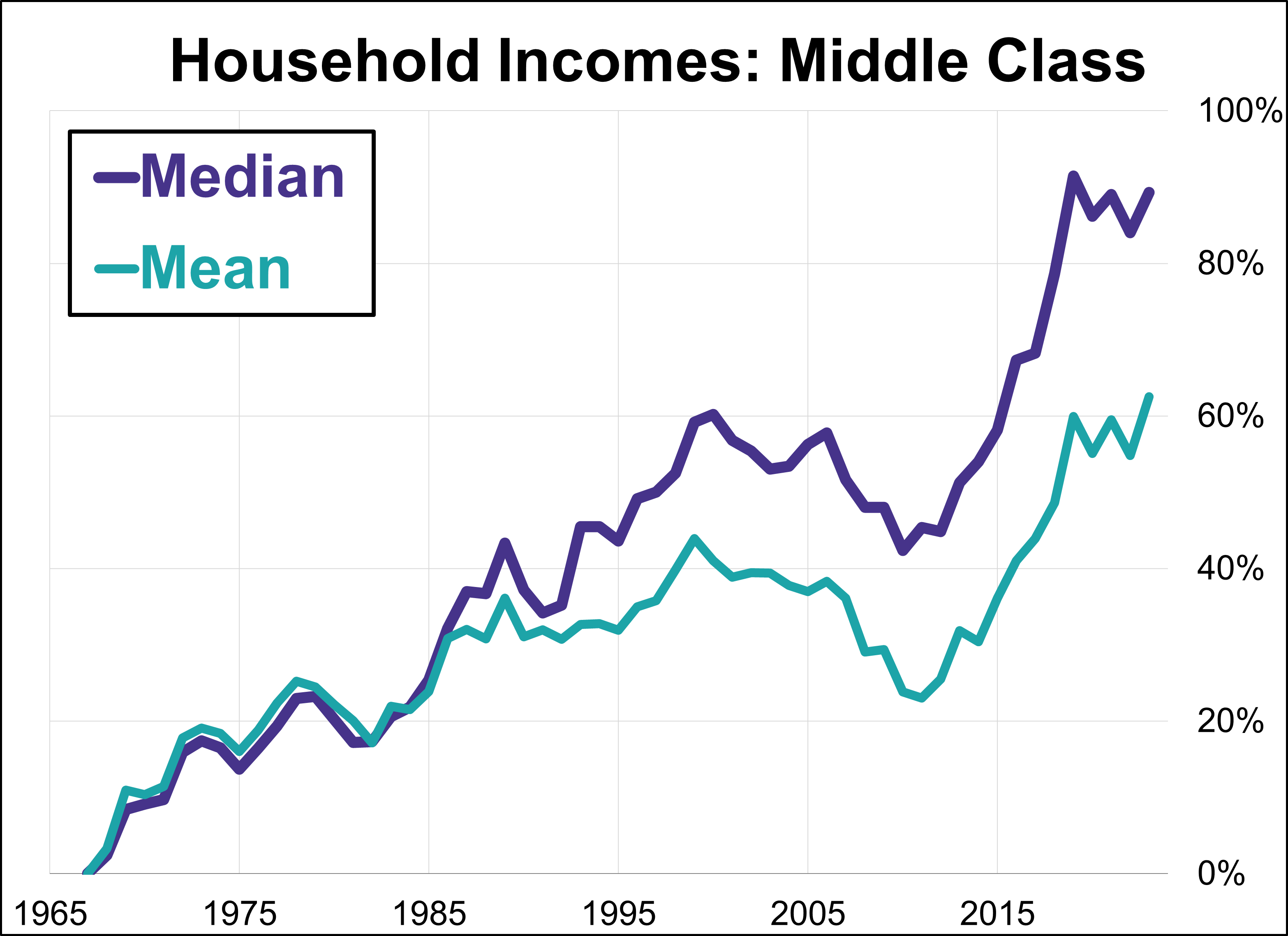
The median household is the statistical center of the Middle Class. Let's take a closer look at the Census Bureau's latest annual household income data with a focus on middle class income. In this update, we'll focus on the growing gap between the median (middle) and mean (average) household incomes across the complete time frame of the Census Bureau's annual reporting from 1867 to 2024.
The Fed lowered rates by a quarter of a percentage point (0.25%) at its September meeting, citing increased risks to employment; Powell emphasized ongoing inflation and a divided Committee, with future moves dependent on incoming data.
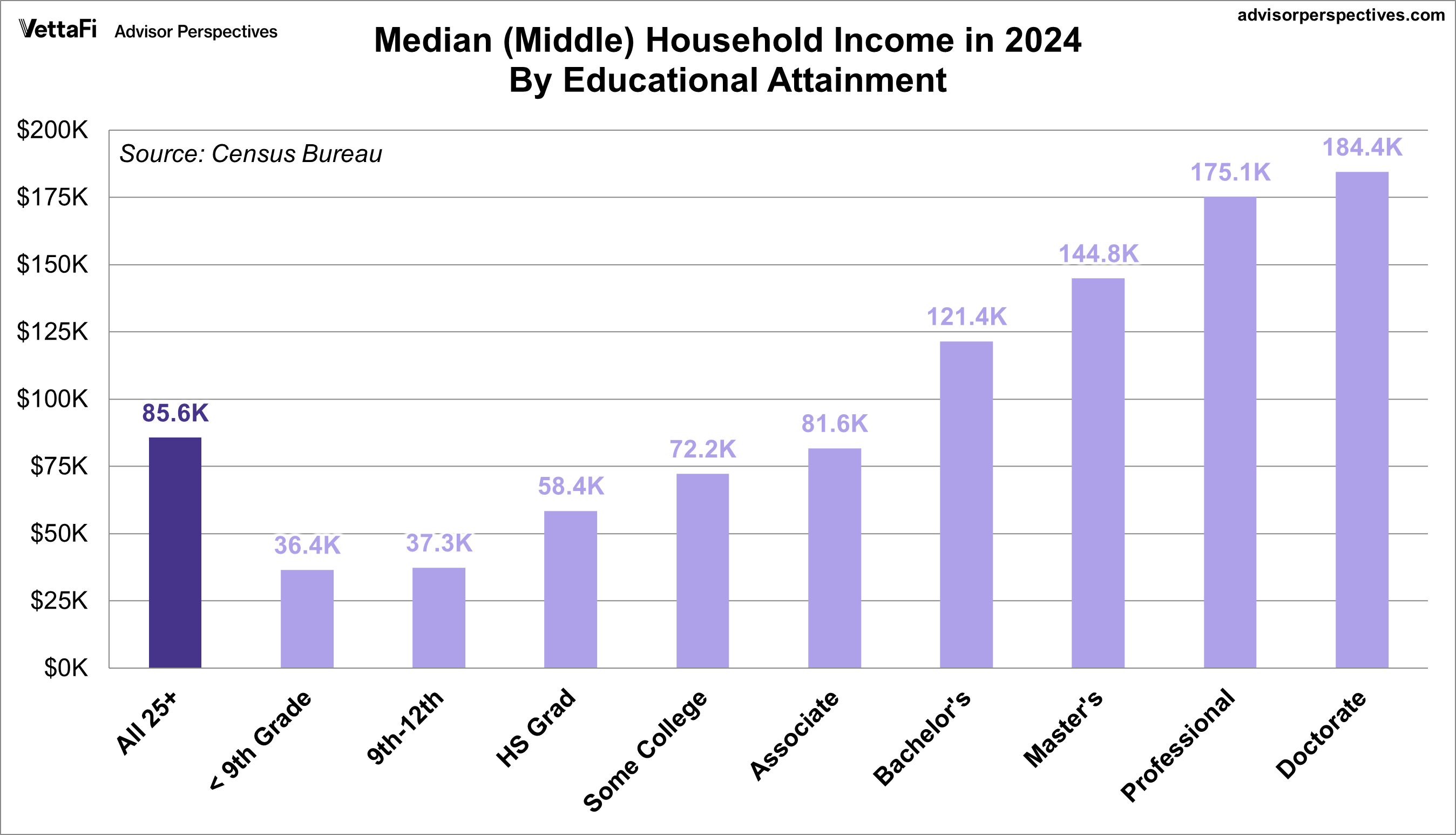
What is the relationship between education and household income? The Census Bureau’s 2024 annual survey data provides valuable insights into this question. The median household income for individuals aged 25 and older was $85,580, but how does this figure vary based on educational attainment?
The Federal Reserve cut interest rates today by 25 basis points (bps), following months of speculation about inflation, politics, and economic data.
The Federal Reserve cut rates by 0.25% today, citing a rising risk to the employment side of their dual mandate. While that was no surprise, there were many questions on where the Fed would go from here, and what it would take to accelerate or slow the pace of policy adjustment.
The summary of economic projections and “dot plot” that reveals where members of the Federal Open Market Committee (FOMC) expect the economy and rates to go in coming years will be interesting given the recent slowdown in job growth and relatively little upward pressure on inflation.