Vietnam is a frontier market star.
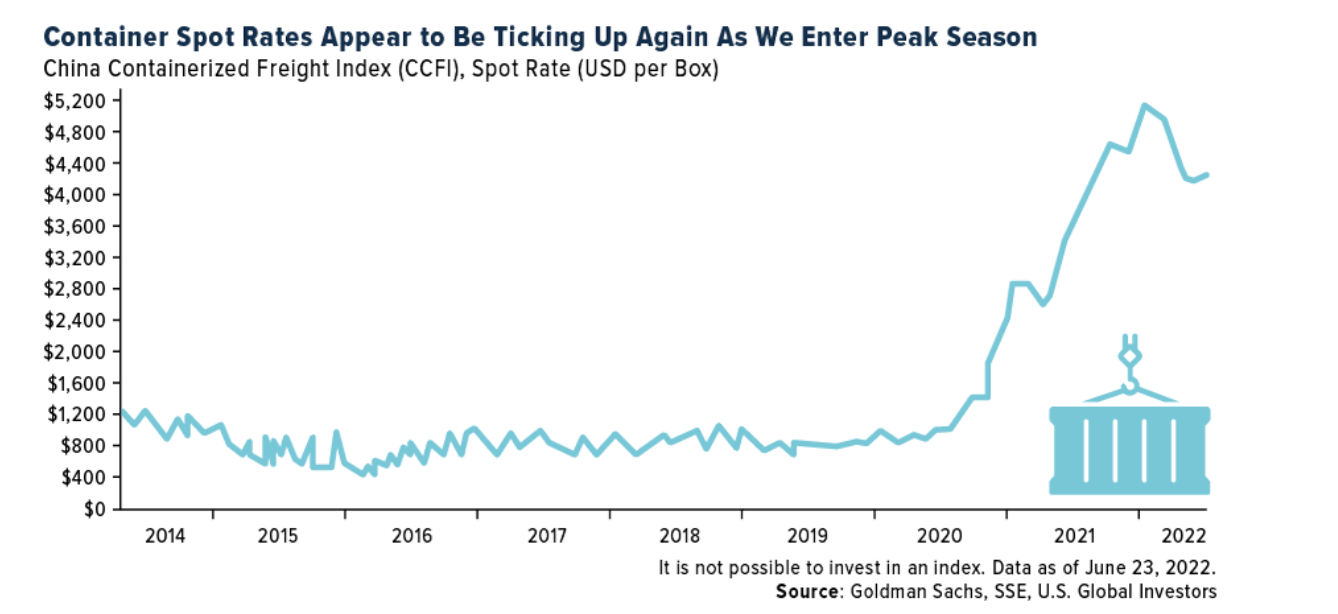
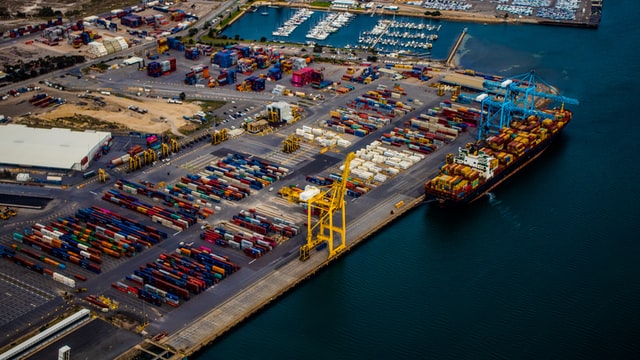
Container shipping companies have not been immune to the disruptive factors roiling markets at the moment, namely rising interest rates, soaring inflation and a potential recession, not to mention war in Eastern Europe.
Industrial metals are on track for the worst quarter since the 2008 financial crisis as prices are pummeled by recession worries. Copper, the great economic bellwether, has ricocheted into a bear market from a record four months ago, while tin just tumbled 21% in its worst week since a 1980s crisis froze London trading for four years.
Latin America tilted further left this week as Colombian voters elected Gustavo Petro as president. Come August, the former Bogotá mayor and member of the M-19 guerrilla organization will join the region’s growing list of leftist leaders in a political shift some are likening to the “pink tide” of the late 1990s and early 2000s.
Commodities will get intense scrutiny for the rest of 2022 after a first-half dominated by the supply turmoil and inflationary shocks unleashed by Russia’s attack on Ukraine. Here, we look at what the rest of the year holds for raw materials from crude oil and natural gas to grains, gold, and iron ore.
Investors in China can positively influence the behavior of Chinese companies and generate attractive risk-adjusted returns in the long run.
U.S. stocks are extending weekly gains, rebounding from yesterday afternoon's slide as the markets remain choppy amid lingering global recession concerns that have been bolstered by monetary policy tightening efforts around the globe aimed at getting high inflation under control.
Headquartered in Melbourne, Australia, Incitec Pivot is a global leader in the materials sector with an unrelenting focus on Zero Harm, the expectation that its operations should never expose staff to harm or cause environmental incidents.
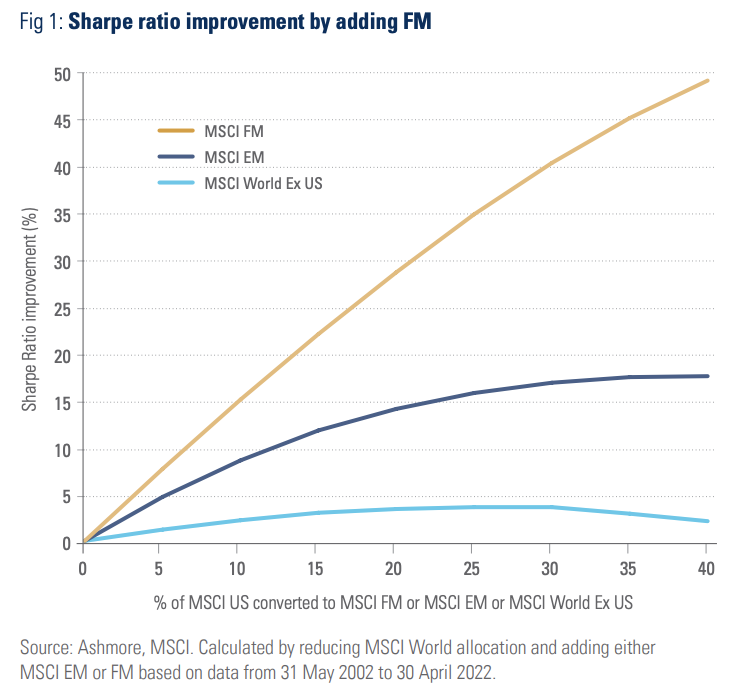
The terminology ‘Frontier Markets’ inspires images of exotic geographies, colourful politics and investor adventurism.
Delegates at the second annual Qatar Economic Forum, from Tesla Chief Executive Officer Elon Musk and Nouriel Roubini to Atlas Merchant Capital’s Bob Diamond and StanChart’s Bill Winters, warned the United States was heading toward a recession.
The yellow metal has managed to stay positive since the start of the year, skirting pressure from surging yields and a strong U.S. dollar. Meanwhile, nearly every other asset class has fallen into either correction or bear market territory.
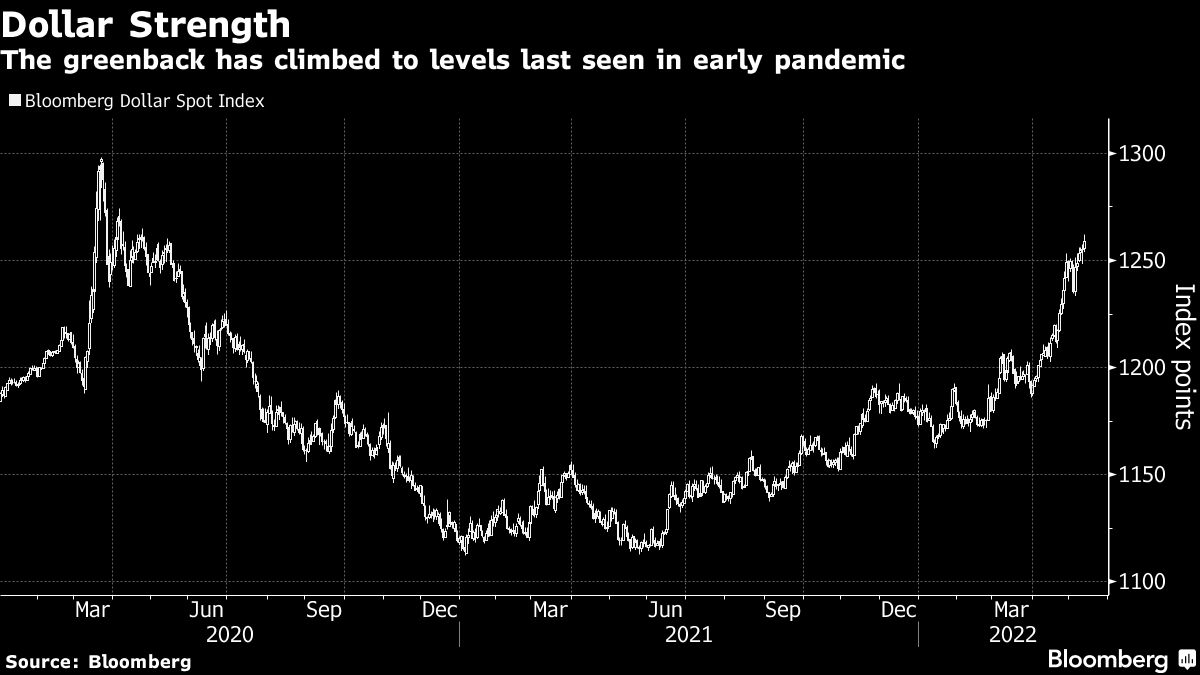
US dollar cycles last an average of six to nine years, and we are approaching the tenth year of this dollar bull market.
Mexico was the best-performing Latin American market in 2021 and our recent trip reinforced the reasons to remain bullish.
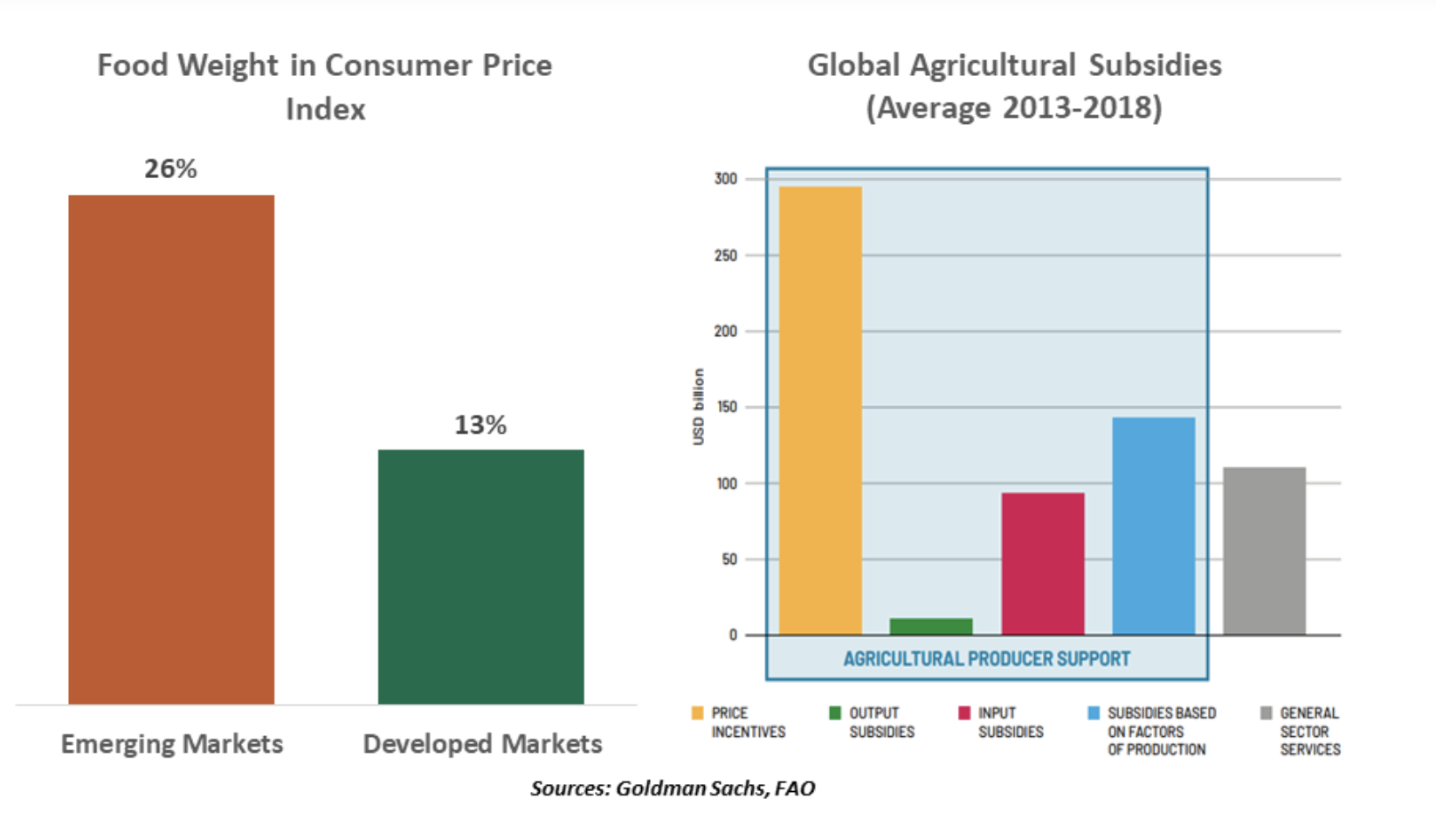
In our new piece from the Franklin Templeton Institute, we examine the challenge of feeding a growing global population in the midst of climate change, geopolitical shocks and uncertainty.
With the Federal Open Markets Committee due to meet Wednesday, there was no way policy makers could guide the market on how last week’s awful inflation data for May had changed their plans.
Traders unnerved by a selloff that hit stocks and bonds alike are looking for refuge, increasing the appeal of investments offering reliable returns such as shares that pay steady dividends.
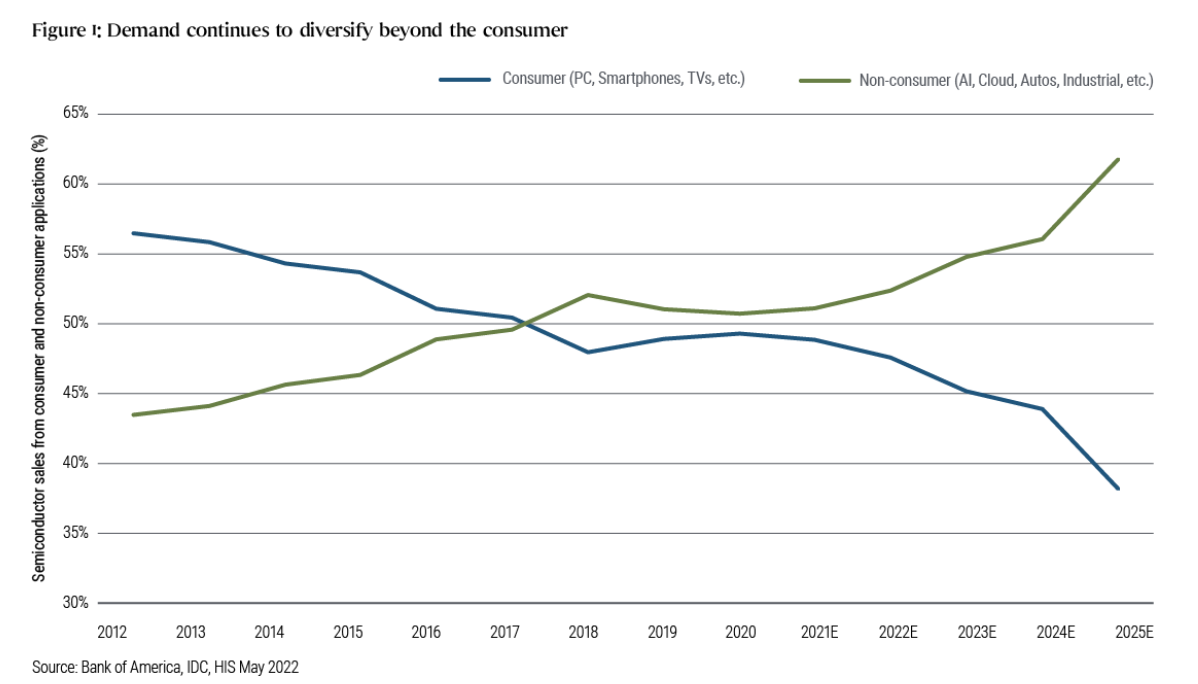
The proliferation of semiconductors throughout our economy may drive more durable, less cyclical demand and earnings.
Bitcoin plunged to the lowest in about 18 months after the freezing of withdrawals by the Celsius lending platform added to concern that systemic risk in the crypto ecosystem will accelerate the digital-asset market meltdown.
There’s no way of knowing for certain whether a recession is imminent, but for many Americans, it’s sure starting to feel that way. According to Google, more people in the U.S. searched for the term “recession” than at any other time in the past two years.
Stocks modestly lower ahead of tomorrow’s inflation report.
As corporate leaders increase their grim pronouncements about the future, there are still market economists who see stocks heading higher in the second half of this year and who say the US could sidestep a recession.
Gold may be heading for another rally, with warnings over a global economic slowdown paving the way for a fresh push toward $2,000 an ounce.
U.S. equities are lower as the recent volatility continues despite yesterday's gains.
We have a very precise methodology for dissecting the world’s equity markets.
It’s not all doom and gloom, though. Due to stratospheric oil and gas prices, energy stocks have been the one bright spot in an otherwise dour market this year. Through the end of May, the S&P Oil & Gas Exploration & Production Index gained an incredible 60%, compared to the S&P 500, which fell about 13%.
Some supply strains in the US are easing, two years after a jump in demand started emptying shelves, snarling shipping and sowing the seeds of soaring inflation.
Summer is right around the corner, and traditionally that’s when families pack their bags and get away for a well-deserved vacation. Since this is the first summer travel season in three years that feels like the before times, airlines and airports are bracing for what is expected to be a particularly busy three months.
It looks like the economy will grow for a while, just not very fast. And we simply don’t know what will happen when the Federal Reserve tightens in the face of a slowing economy.
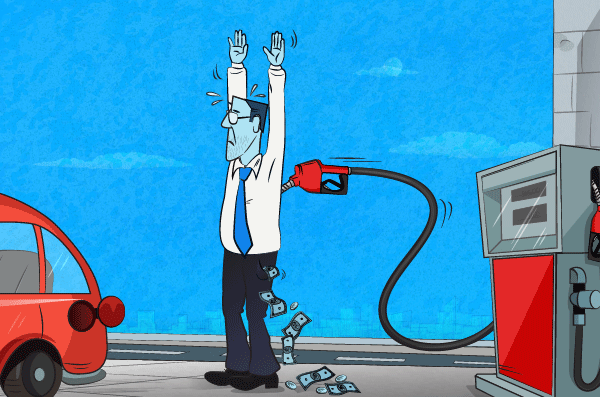
The price of foods, fuels and other essential items are spiraling ever upward as Russia’s war on Ukraine compounds supply-chain woes stemming from the pandemic. Central banks may be in the driving seat when it comes to tackling inflation, but it’s governments that face the fallout and so are compelled to act.
U.S. equities are trading lower in afternoon action with the markets unable to extend yesterday's solid gains.
Russia’s blockade of Ukraine’s ports is a “declaration of war” that threatens to trigger mass migration and a global food crisis, a United Nations official said, adding to the dire warnings on the opening day of the World Economic Forum in Davos.
Stocks start the week higher following recent bearishness.
“I have been poor, and I have been rich. Believe me, being rich is better for the soul.”
Two of the world’s most respected investors, Jeremy Grantham and Ray Dalio, offered identical warnings: The bubble in U.S. equities is unwinding, and the economy is headed for stagflation.
The rise in energy costs has contributed to rampant inflation, prompting central banks to raise rates and stoking investor concern growth will slow. The Biden administration is considering tapping a little-used emergency diesel fuel reserve to mitigate the supply crunch amid Russia’s invasion of Ukraine, according to a White House official.
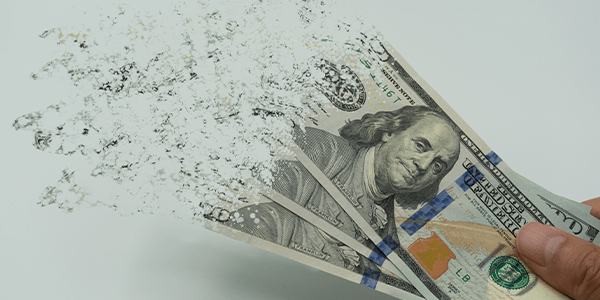
The U.S. was experiencing some of the highest inflation in its history.
The world economy is increasingly succumbing to the threat of stagflation reminiscent of its 1970s ordeal, a mounting headache for global finance chiefs already navigating the fallout from the war in Ukraine.
John Paul Lech, Lead Manager of the Matthews Emerging Markets Equity Fund, explains the potential value that unique real estate equities can offer emerging market-growth portfolios.
U.S. equities plunged, finishing near the lows of the day, following disappointing quarterly results from Target Corporation and Lowe's Companies, with both retailers warning of rising cost pressures.
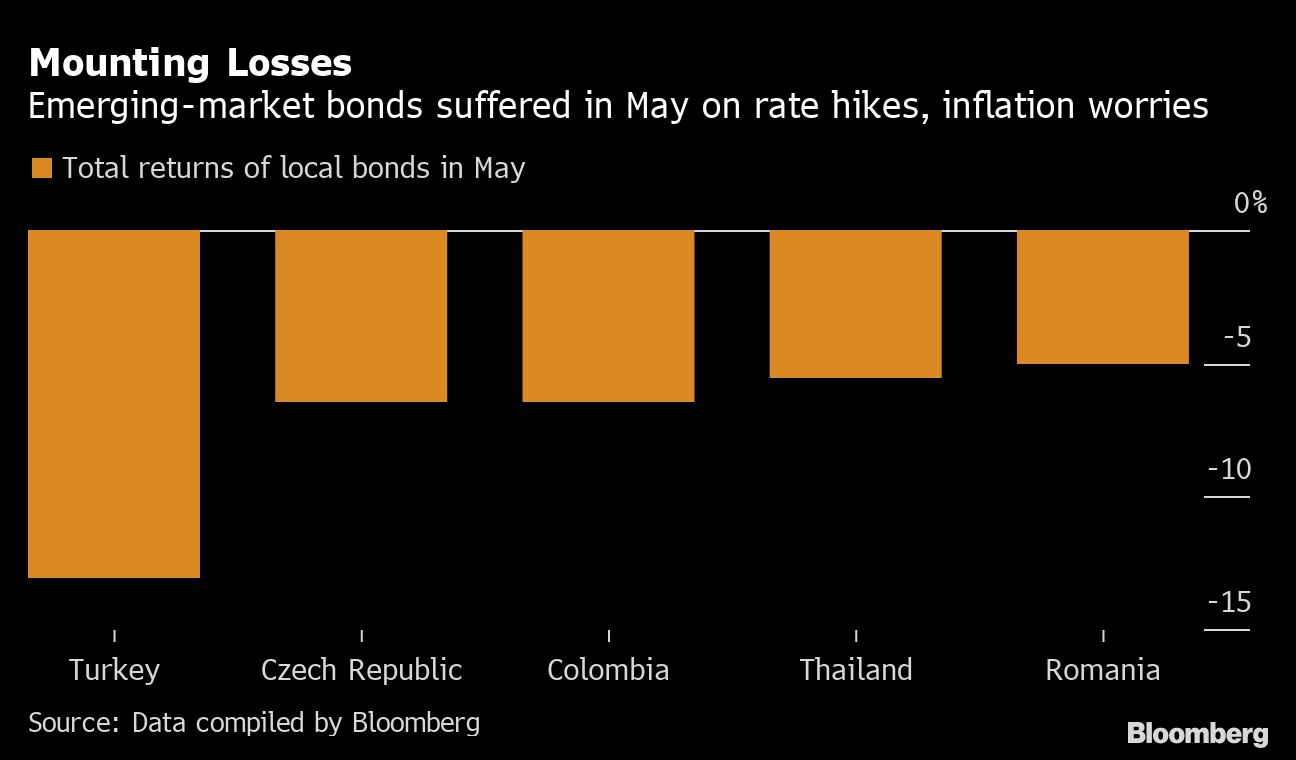
Local-currency debt from developing nations -- which is far more sensitive to a country’s domestic inflationary pressures than dollar denominated equivalents -- has slumped almost 9% this year, the most since at least 2008, according to a Bloomberg index.
U.S. stocks are trading lower as another week begins on the heels of six-straight weekly losses for the S&P 500.
When life gives you lemons: sell them!
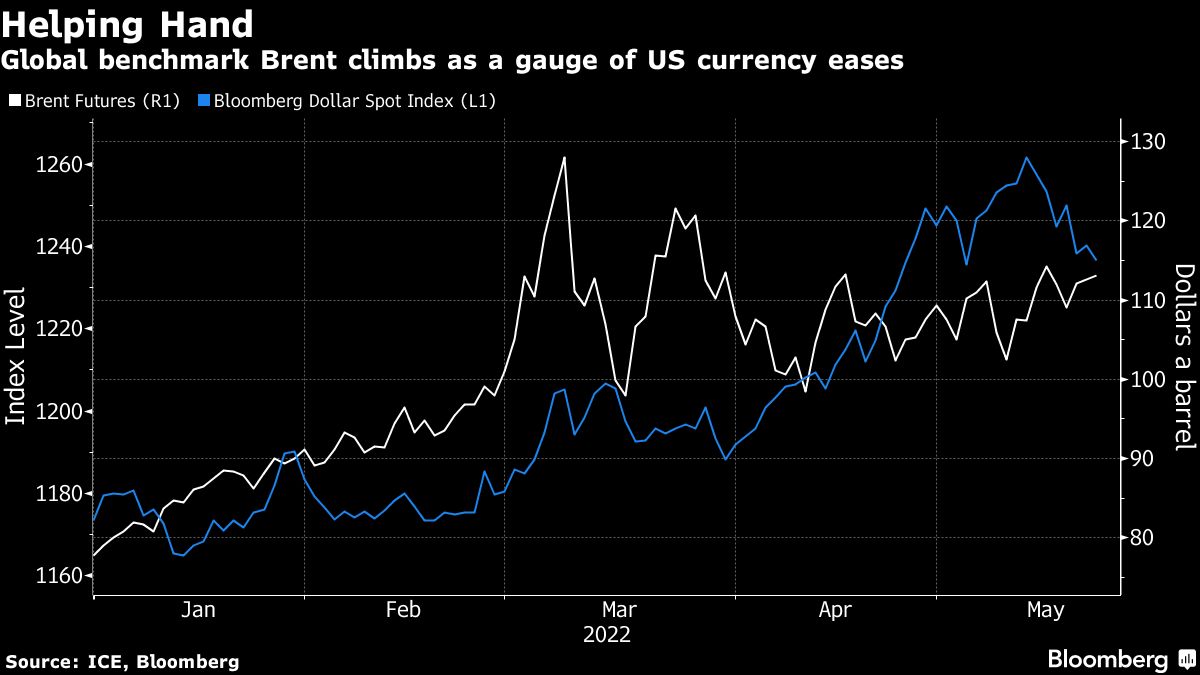
The soaring dollar is propelling the global economy deeper into a synchronized slowdown by driving up borrowing costs and stoking financial-market volatility -- and there’s little respite on the horizon.
Some big-name investors forecast that Bitcoin will eventually hit $100,000, $1 million or more. It could very well do that, but for now, its price is closer to $0. That’s both a risk and an opportunity.
Rising yields, wider spreads, and heightened market volatility are providing an attractive environment, but caution in credit selection is warranted.
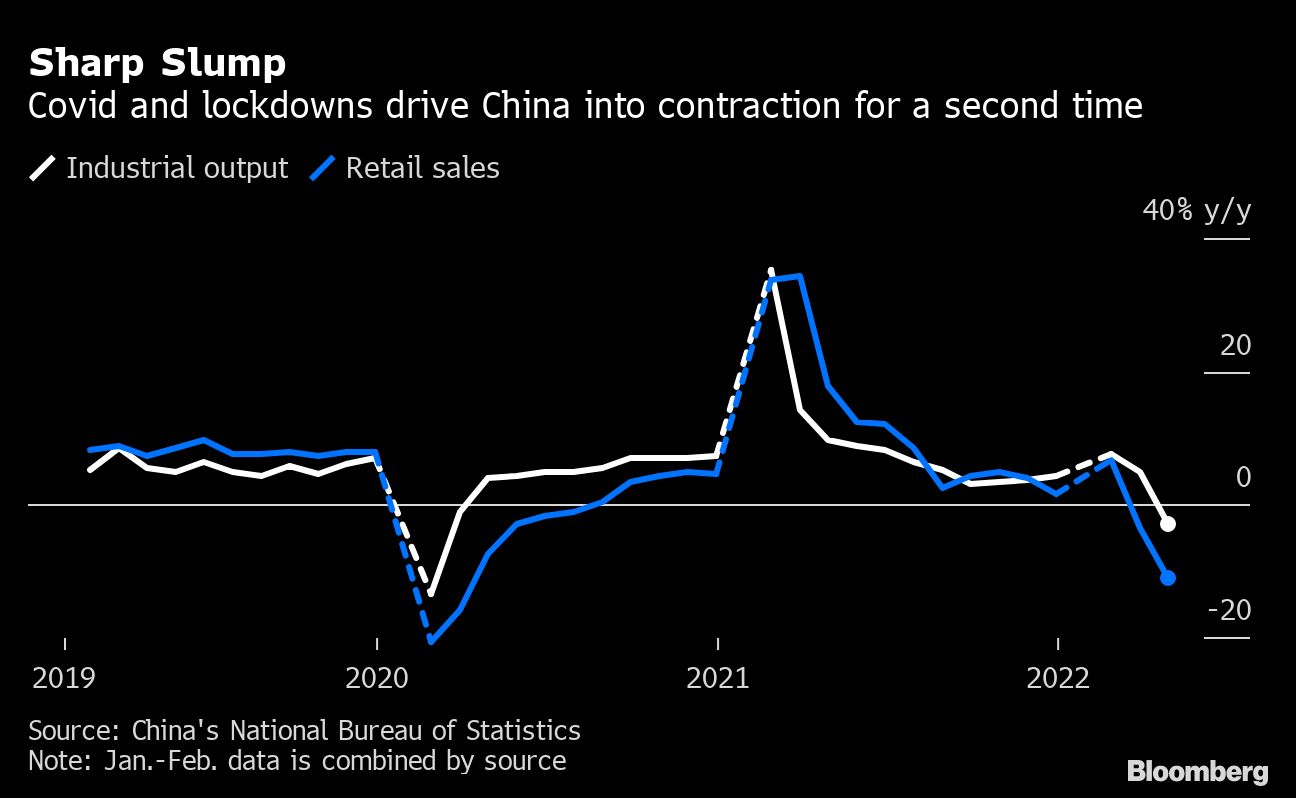
Stock markets continued to sink following last week’s recession worries, fueled by the Federal Reserve’s rate decision and the threat to global growth from China’s continued Covid lockdowns. The fear could be seen across asset classes, as traders offloaded equities and other risk assets in favor of cash.
U.S. investment-grade debt sales have missed Wall Street estimates for two consecutive weeks with issuers choosing to sit on the sidelines instead of braving volatile markets. Bond sales were expected to pick up this week amid a growing backlog, but seven potential issuers opted to stand down amid broad volatility on Monday.
Advisor Perspectives has announced its Venerated Voices™ awards for commentaries published in Q1 2022.
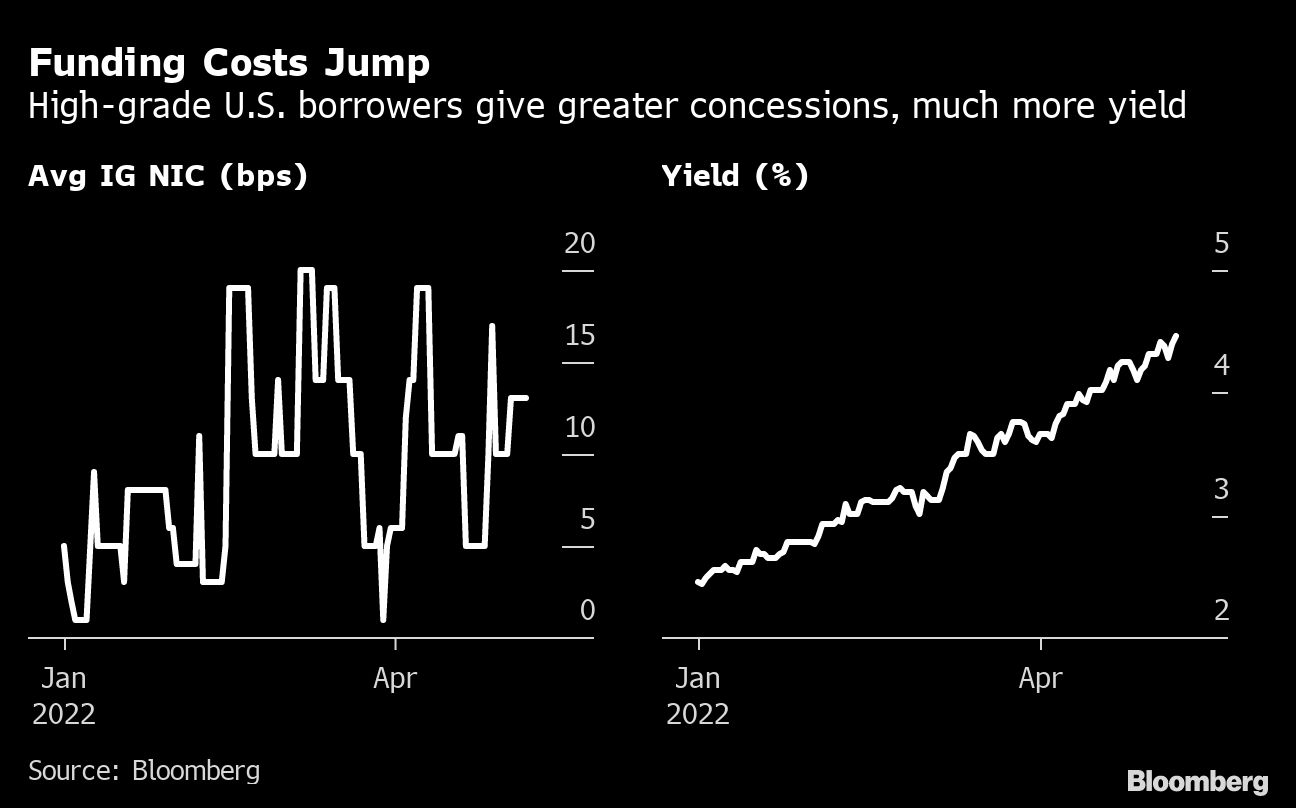
With volatile markets fraying investors’ nerves, companies are now paying the biggest premiums to sell new bonds since the height of the coronavirus pandemic two years ago.
The major market indices finished mixed this week. The Dow Jones Industrial Average lost 0.63%. The S&P 500 Stock Index rose 0.40%, while the Nasdaq Composite fell 1.02%. The Russell 2000 small capitalization index lost 0.28% this week.