The mood in the stock market by the end of last week was the type of stuff that contrarian investors dream about.
The Fed’s new economic projections are fraught with even more uncertainty. The Middle East conflict is unlikely to derail growth in a meaningful way.
Although the administration has expressed support for a lower federal funds rate, several policy developments since taking office continue to complicate that objective. In particular, recent tariff actions – some of which were legally challenged and later invalidated by the Supreme Court – have contributed to ongoing uncertainty around trade policy.
Market leadership shifted modestly this week, with the performance gap between small cap and large cap stocks narrowing.
A surprise 92k decline in February nonfarm payrolls and a rise in the unemployment rate to 4.4% signal some labor market softening, though stronger ISM manufacturing and services readings and still-low jobless claims suggest the broader U.S. growth backdrop remains intact.
The worsening energy shock from the Iran War has raised risks of a more severe crisis. It may resolve quickly, but the longer it persists, the larger the possible economic damage. Asia and Europe are most vulnerable.
The Institute for Supply Management (ISM) conducts a massive monthly survey of hundreds of Purchasing Managers, which are the executives responsible for buying the raw materials and supplies that keep companies running.
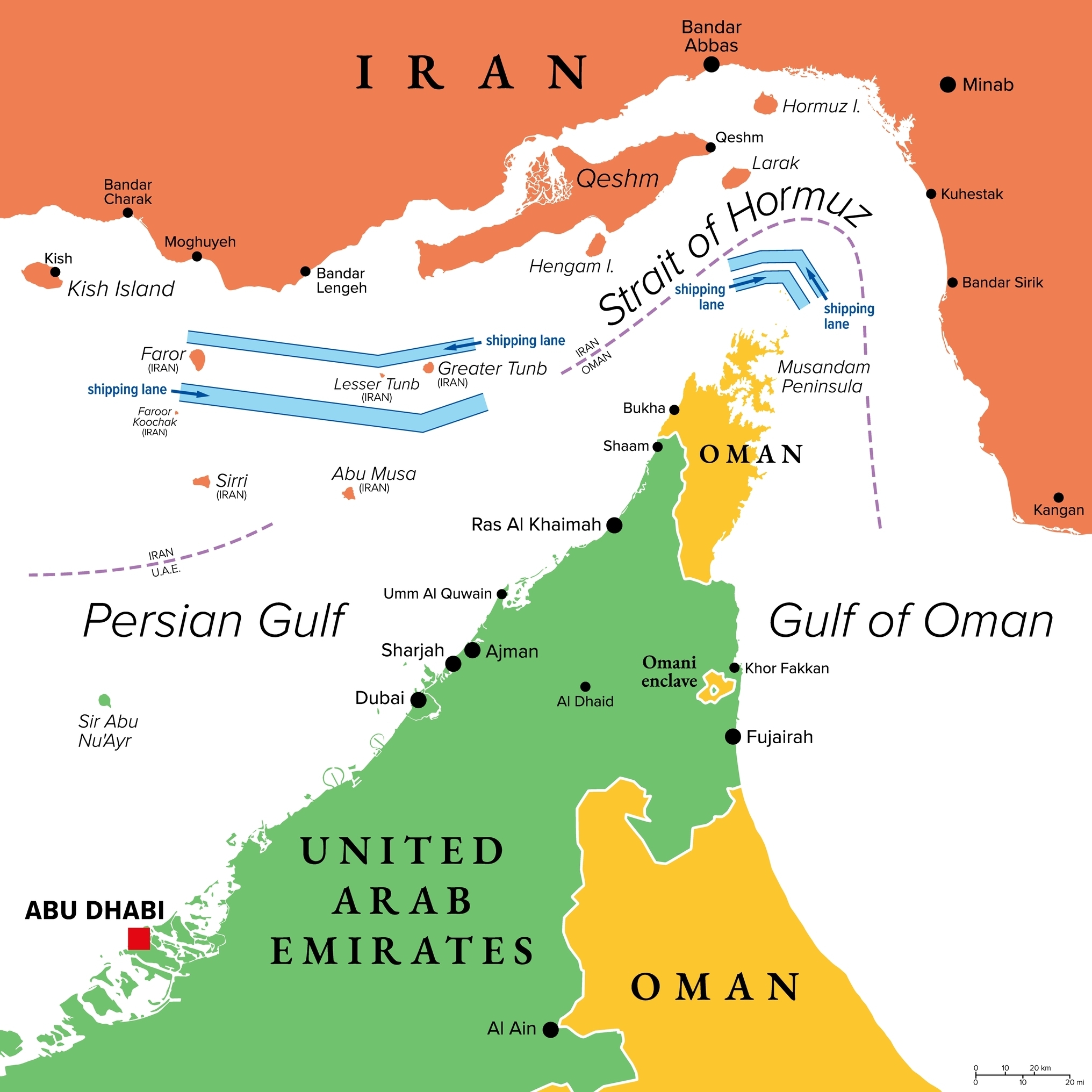
Iran's de facto closing of the Strait of Hormuz precipitated the latest in a series of energy crises. Since the 1970s, some energy spikes were associated with weak stock markets, but some were not.
Volatility in US Treasuries jumped to a nine-month high as the Iran war fanned inflation concerns and upended traders’ expectations on the Federal Reserve’s policy path.
European stocks rose Friday as oil prices slipped below $100 a barrel, following news reports of an Indian tanker’s passage from the Strait of Hormuz, a key shipping artery that’s been effectively shut amid the Iran war.
For the second time in less than a year, the United States is engaged in military conflict in the Middle East. And once again, investors must assess how escalating tensions could affect markets.
A healthy mix of income and growth potential may yield a more effective equity allocation.
Volatility spiked as investors questioned the Federal Reserve's next move, adding to existing concerns about private credit markets. Here's why investors shouldn't overreact.
A key measure of US inflation was tame at the start of the year. But another metric is shaping up to paint a very different picture.
The military conflict in Iran and the Middle East is curtailing the global flow of oil and natural gas. This adds notable pressure to energy prices and the near-term inflation outlook, while also raising questions about countries’ reliance on energy imports and their economic resilience.
North is south, south is west, west is east, east is north, up is down, and down is steady. This week’s employment reports have something for everyone, which is precisely why we should interpret them cautiously.
The size and duration of the oil-price shock are key variables in determining the ultimate impact.
For more than a decade, emerging markets have been a heartbreak for those who place their faith in developing countries. Since 2010, the benchmark MSCI Emerging Markets Index has not outperformed its US counterpart for two consecutive years.
The US and Israel’s war on Iran is forcing world governments to intervene to shore up energy supplies, with ongoing missile fire from both sides disrupting flows through a key waterway.
Adam Hetts and Oliver Blackbourn discuss where they assess the market implications of sustained conflict with Iran, examining energy shocks, inflation pressures, and what prolonged instability could mean for investors.
LPL Research reviews how the Iran conflict is affecting markets, highlighting energy risks, market resilience, and what investors should watch in the weeks ahead.
The “fiat is dying” argument has become a catchphrase narrative among digital asset bulls, gold bugs, and cryptocurrency advocates. That narrative’s core is that central banks have printed vast amounts of money.
If tensions de-escalate soon, there could be relatively little impact on international markets. However, risks will rise if global energy supplies face a prolonged disruption.
On February 27, 2026 the United States and Israel launched a coordinated strike on Iran’s leadership, killing Ayatollah Ali Khamenei and many of the leadership team. Since the initial attack, a torrent of strikes has continued, designed to take out Iran’s ballistic missiles and leadership apparatus.
The Treasury market is stuck between artificial intelligence (AI)-driven job displacement and the ongoing conflict in Iran. Earlier in the year, Treasury yields fell sharply as investors weighed the possibility that accelerated AI adoption could slow economic growth by displacing labor.
Ongoing military actions in the Middle East have increased investor uncertainty. Of course, geopolitical risk has always existed, and this time is no different.
The ongoing conflict involving Iran and the disruption to energy markets has moved beyond headline risk and is now influencing expectations for growth, inflation and policy. As of March 9, oil prices briefly breached the $100 per barrel threshold — a development that shifts the macro conversation compared to last week.
For months, Wall Street’s panoply of risk-hedging strategies did little but lose money. Now, as uncertainty sparked by the war with Iran hits the market’s most popular trades, investors that loaded up on portfolio protection are being rewarded.
Those are a lot of disappointments in a relatively short time. That also left some investors wondering if Treasuries are still the bear-market hedge they are touted to be — which prompted me to ask if they ever were. After digging into the data, I discovered a surprising answer: no.
The European Central Bank can be forgiven for feeling nauseous as a massive global deleveraging of risk since the Iran war started has hit the euro area’s currency and interest-rate markets particularly hard.
We have repeatedly highlighted the delicate balance that the U.S. economy and markets remain suspended in as the Federal Reserve treads a thin line between a softening labor market and stubborn inflation that continues to hover above its 2 percent target.
Markets hate uncertainty, and right now there’s plenty to go around. The outbreak of the U.S.-Iran conflict, following by Iranian retaliation against oil infrastructure across the Persian Gulf, has sent crude prices surging and shipping rates soaring to record levels.
Energy markets drove this week’s market volatility, with the conflict in Iran triggering a sharp rise in oil and natural gas prices. Through Thursday’s close, West Texas Intermediate crude oil was up roughly 17% from last Friday, pushing prices close to $80 per barrel.
About a month ago the financial markets were surprised by a January jobs report that was stronger than expected. The consensus was for a gain of 68,000 private-sector jobs, but the actual came in at a much higher 172,000.
Markets face a complicated mix of signals. The payroll report came in dramatically weaker than expected, several standard deviations below forecasts, and prior months were revised downward. Taken together, the last two months essentially show zero payroll growth.
Doug Drabik discusses fixed income market conditions and offers insight for bond investors.
The opening months of 2026 have been hectic. A partial inventory of major developments during the year to date would include the removal of Venezuela’s leader; a government investigation into the Chairman of the Federal Reserve; tension with Europe over Greenland; and a broad swath of U.S. tariffs stricken down by the Supreme Court. It’s been a lot to digest.
The global economy is now moving through what Absolute Strategy Research (ASR), an award-winning macro-strategy firm, has described as a rupture, meaning a break from the assumptions that governed the post–Cold War era. Governments are intervening more directly in markets and supply chains are being reshaped with geopolitical considerations at the forefront. Nowhere is this shift more visible than in industrial metals.
While we don’t find much reason to underweight our allocation to U.S. stocks based on the current high degree of concentration, we do believe that the valuation of the overall U.S. stock market today is consistent with low expected returns relative to safer fixed income investments.
Stocks and currencies have seen steep losses, with the MSCI equity index posting its biggest weekly drop in six years, and bond yields have jumped.
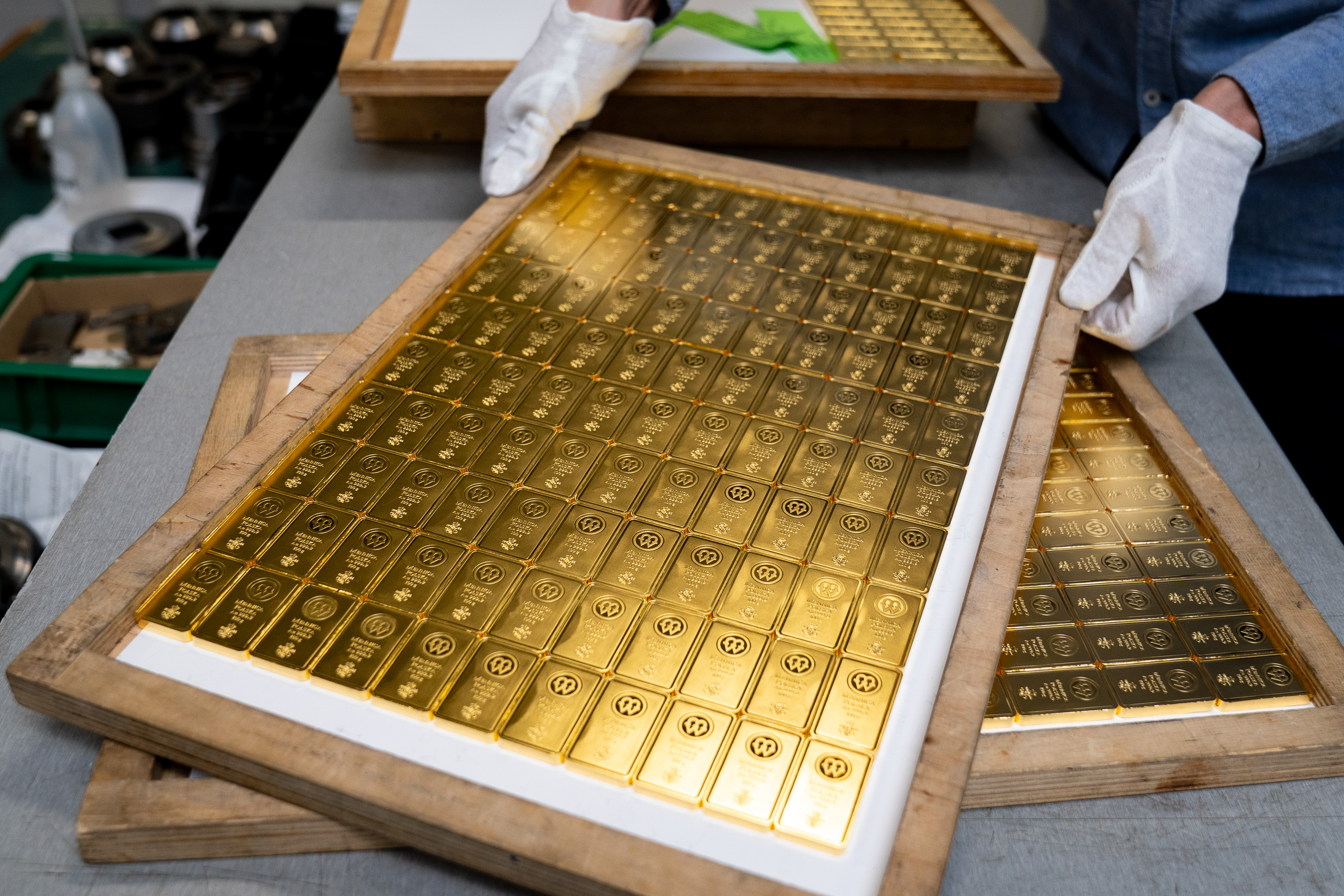
Gold fell, pressured by a stronger US dollar and concern about the prospect of higher interest rates, as the war in the Middle East extended into a second week and oil rallied.
US stocks dropped on Monday, continuing on from the biggest weekly drop since October, as the prospect of a prolonged war in Iran sent energy prices soaring and stoked fears over inflation.
Iran’s strategy in its war with the US and Israel is by now clear: Impose an intolerable economic cost on President Donald Trump, forcing him to abandon his “war of choice” as American gasoline prices surge. Is there any way the Islamic Republic’s blueprint for survival can fail?
The Debt Black Hole keeps getting bigger. Household debt grew modestly in the fourth quarter of 2025, ending the year at another record high.
While senior military officials on both sides have signaled that the campaign may intensify in the near term, keeping headline risks elevated, we outline below why we believe the conflict is likely to be short-lived, and what that could mean for the economy, the Federal Reserve and financial markets in the weeks ahead.
This week I sat down with Eric Fine, who manages emerging market bond portfolios at VanEck. I had a tidy interview all mapped out… and then escalating events in the Middle East reshuffled the deck. That’s okay because it ultimately led us somewhere more interesting than where I’d intended to go.
Traditional safe havens — Treasuries, the yen, the Swiss franc, and gold — have offered investors no refuge as the Middle East conflict roiled markets this week.
As the market continues to move deeper into the first quarter of 2026, the fixed income landscape calls for more stability.
In a recent episode of the Money Metals Midweek Memo, host Mike Maharrey discussed volatility in the gold and silver markets amid escalating geopolitical tensions and broader financial market turmoil. Maharrey opened by criticizing mainstream financial media coverage of a recent selloff that occurred as markets reacted to a conflict involving Iran.
Bond investors, who have been focused on inflation since the Iran war began, say a surprise in the monthly US jobs report has the potential to upend their expectations for Federal Reserve interest-rate cuts.