Bond traders were once deemed so powerful and all-knowing that Tom Wolfe described them as the “Masters of the Universe” in his classic 1987 novel “The Bonfire of the Vanities” that used Wall Street as its backdrop.
Whatever one’s favored terminology for describing the current moment, there is widespread agreement that we are facing unprecedented, unusual, and unexpected levels of uncertainty, auguring a future of crisis, instability, and conflict.
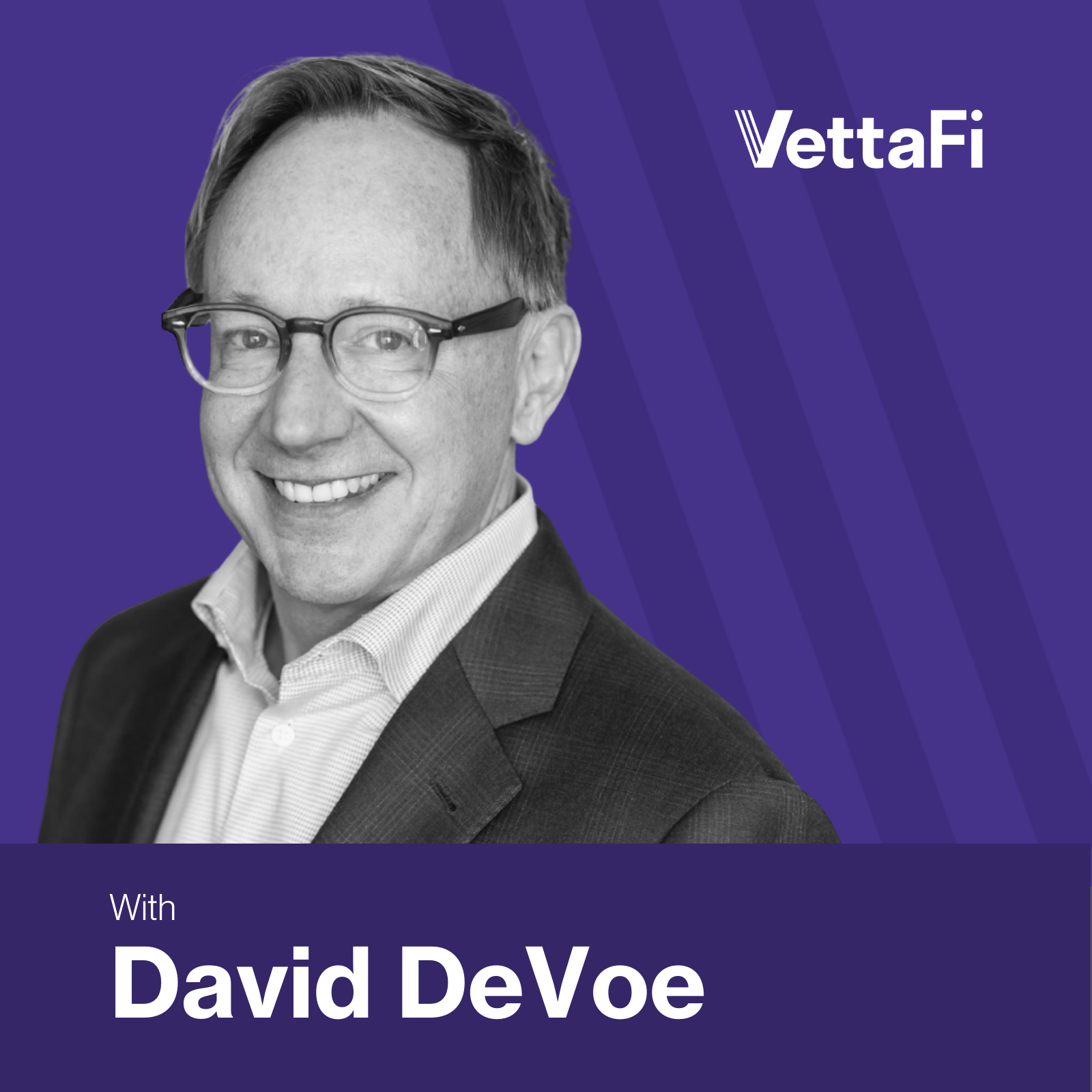
RIA merger and acquisition activity had yet another record year, although the year-over-year increase was less steep than prior years. There were 264 transactions in 2022. M&A activity was nearly 10% higher than last year's 241 transactions. But 2022 ended with a slower fourth quarter, 20% below last year's blockbuster Q4 total. We'll get into the details beneath the numbers with David DeVoe in this podcast. I have had the privilege of interviewing David every year around this time, and this is the third in that series.
US retail sales fell by the most in a year and business equipment production slumped, raising concerns that the economy is losing momentum under the weight of tighter Federal Reserve policy.
Federal Reserve Chair Jerome Powell is justifiably proud of the central bank’s independence — and refreshingly candid about its boundaries.
There are several ways to look at Tesla’s deep price cuts in the US and Europe, which came on the heels of two rounds of reductions in the span of 10 weeks in China.
Some of the biggest investors in US commercial real estate are looking to cash in before property values slide further.
Portfolio Manager Michael Oh, CFA, reviews what he seeks out in innovative companies and why he thinks Asia may be in the early innings of innovation in more than technology.
European policymakers face a dilemma: continue to hike interest rates to combat inflation or ease off to stimulate growth.
It's easy to take the wrong signal from recent market strength.
Last year an infamous cryptocurrency ad featured the slogan “fortune favors the brave.” And while historically fortune does favor the brave, there is a difference between courage and blind faith.
In 1817, David Ricardo developed his theory of comparative advantage to explain why countries engage in trade together, even when one country has an absolute advantage.
For the past few years, regardless of price, there's been a buyer for every RIA seller. But that won’t continue.
Southwest Airlines cancelled 16,000 holiday flights. It will cost the airline dearly in reputational rage and lawsuits. Will massive Reg BI compliance failures cost BDs?
Meta Platforms Inc.’s market-beating rally of the past few months is failing to convince some skeptics, given how much money the owner of Facebook and Instagram continues to pour into building its version of the metaverse.
Vanguard Group, which quit the world’s biggest climate-finance alliance in December, was the only major ETF provider to post an increase in European assets last year thanks to its lower exposure to environmental, social and governance strategies, according to Morningstar Inc.
Wall Street bond dealers are moving rapidly to the sidelines of US Treasury auctions — the very activity that defines their status at the heart of the world’s biggest bond market.
Advisors must redesign their entire approach, starting from the client's point of view.
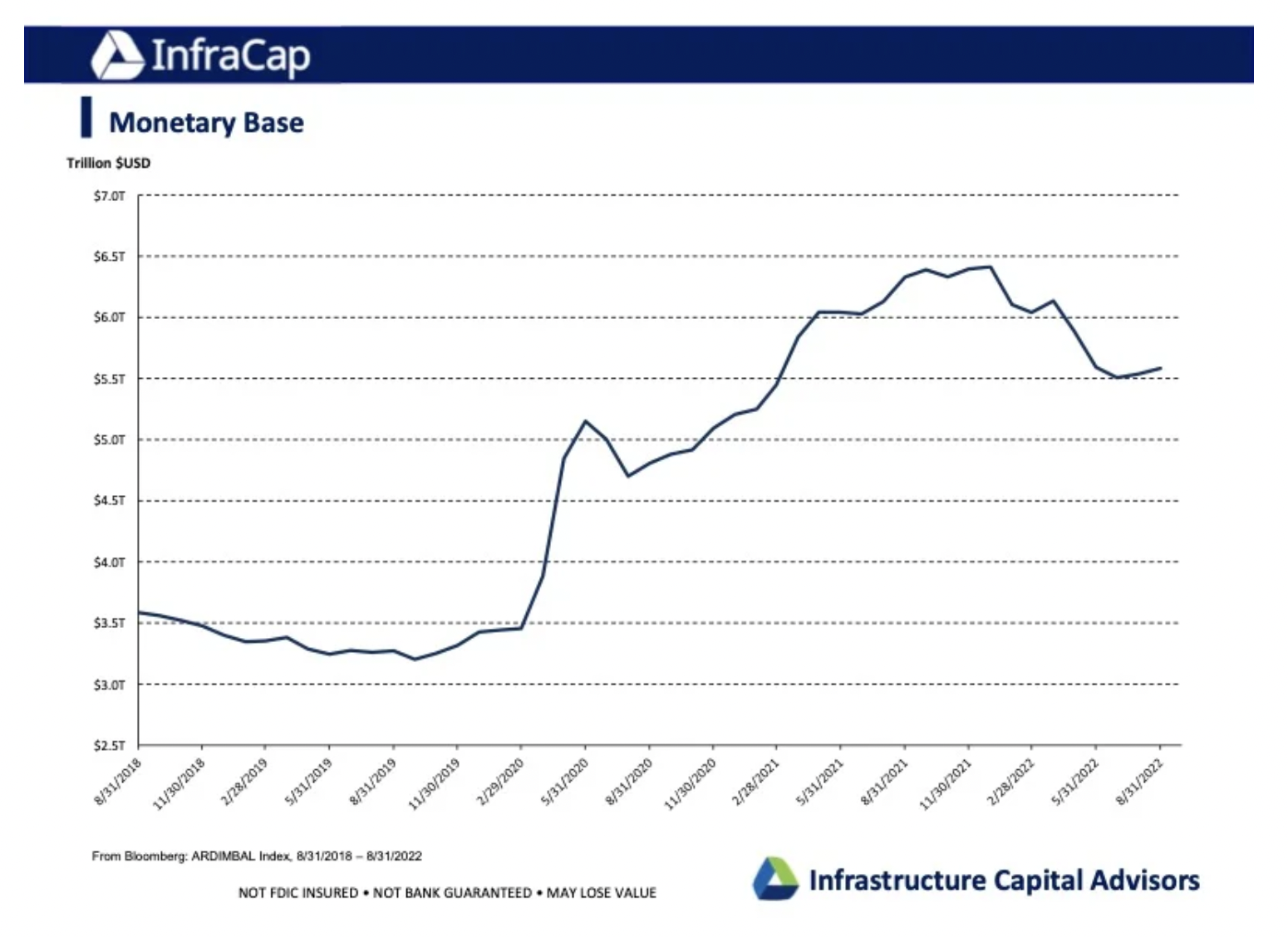
The team at Infrastructure Capital Advisors provides key insights and advice on current market conditions and economic outlook for this month and the coming months.
VettaFi’s Tom Hendrickson and Lara Crigger highlight 2022’s rising ETF stars. George Noble explains the Noble Absolute Return ETF (NOPE). NYSE’s Mo Sparks and Trackinsight’s Robert Jaeger discuss their new collaboration, ETF Central.
Morningstar’s latest research showed higher safe spending rates across all asset allocations over all time horizons. I don’t agree with those results.
Markets provided investors with a dozen lessons in 2022 (and a bonus one in the postscript).
The Federal Open Market Committee’s 12 voting members differ on where they think interest rates should go this year. But we know they’re unanimously against cutting rates until at least 2024—or at least they were as of December, according to that meeting’s minutes.
Investors don’t appear to have been fazed by the FAA mishap. Shares of U.S. domestic airlines finished Wednesday up more than 1% before advancing a further 4% on Thursday in response to positive earnings estimates.
The process by which advisors select a TAMP is the latest illustration of fiduciary failure, and the SEC has responded with ominous rulemaking that will have questionable value to our profession.
There may be a lot of bad stuff going on in the world of crypto right now, but Bitcoin true believers don’t seem to care.
A Nevada lithium mine that would be only the second in the US is getting backing from the Biden administration as it seeks to boost the domestic supply of the critical mineral needed to make electric vehicle batteries.
As we start the year 2023, we are reminded of the profound poetry from the band, Echosmith, in the song, “Cool Kids.” It can teach us about what it takes to succeed in long-duration common stock investing currently.
The Loomis Sayles Global Credit Sector Team discusses rate volatility, possibly deteriorating credit fundamentals and key technicals at play in the market.
In this 30-minute livecast, get caught up on the latest ETF trends and what's ahead from VettaFi's Head of Research and the Director of Research from ETF Think Tank. Have questions about our Exchange conference? We'll be answering those too! By registering for the livecast, you will also be eligible for a complimentary Exchange registration.
Welcome to tax season, TikTok edition.
Chinese government entities are set to take so-called “golden shares” in units of Alibaba Group Holding Ltd. and Tencent Holdings Ltd., suggesting Beijing is moving to ensure greater control over key players in the world’s largest internet arena.
The 68-year-old retired landscaper first started investing in Tesla Inc. in 2012 after hearing about Elon Musk, who wasn’t nearly as famous at the time.
In 2022, inflation and interest rates both rose substantially, creating the near-term potential for a recession.
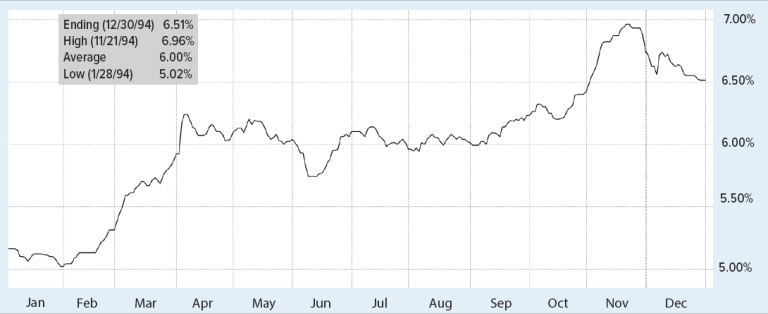
Current federal monetary policy, fixed income returns and economic landscape appear to closely parallel the bond bear markets in the 1990s.
Throughout this year, Wealthspire Advisors’ Investment Team has spent significant time discussing inflation and the Federal Reserve and felt it was important to pivot towards the story in financial markets for 2022, which begins and ends with fixed income.
The six biggest Wall Street banks are expected to slash their corporate bond issuance in 2023 for a second year in a row, offering a bright spot for investors nursing record losses from the debt last year.
Demand for Europe’s debt sales has topped half a trillion euros already this year as investors seek to put money to work in bonds offering some of the highest yields in years.
Market volatility and the Federal Reserve's efforts to reduce inflation will continue to garner attention.
Emerging-market stocks extended their lead over US shares in the early days of the new year, with the equity benchmark rising to a six-month high against the S&P 500 Index.
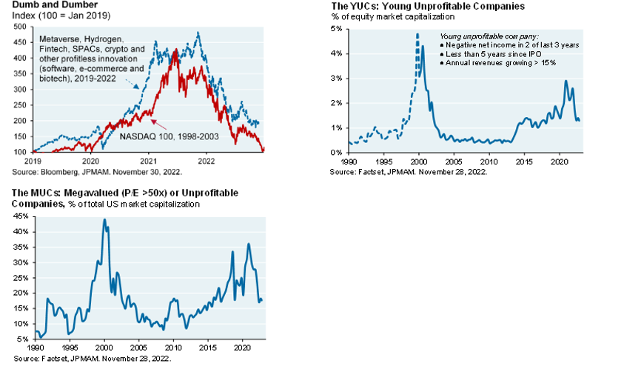
2023 may be another difficult year for investors who hope to relive the speculative markets of 2020 and 2021.
Money managers for the ultra-wealthy are eschewing traditional private equity funds and betting directly on upstart companies.
Microsoft Corp. is in discussions to invest as much as $10 billion in OpenAI, the creator of viral artificial intelligence bot ChatGPT, according to people familiar with its plans.
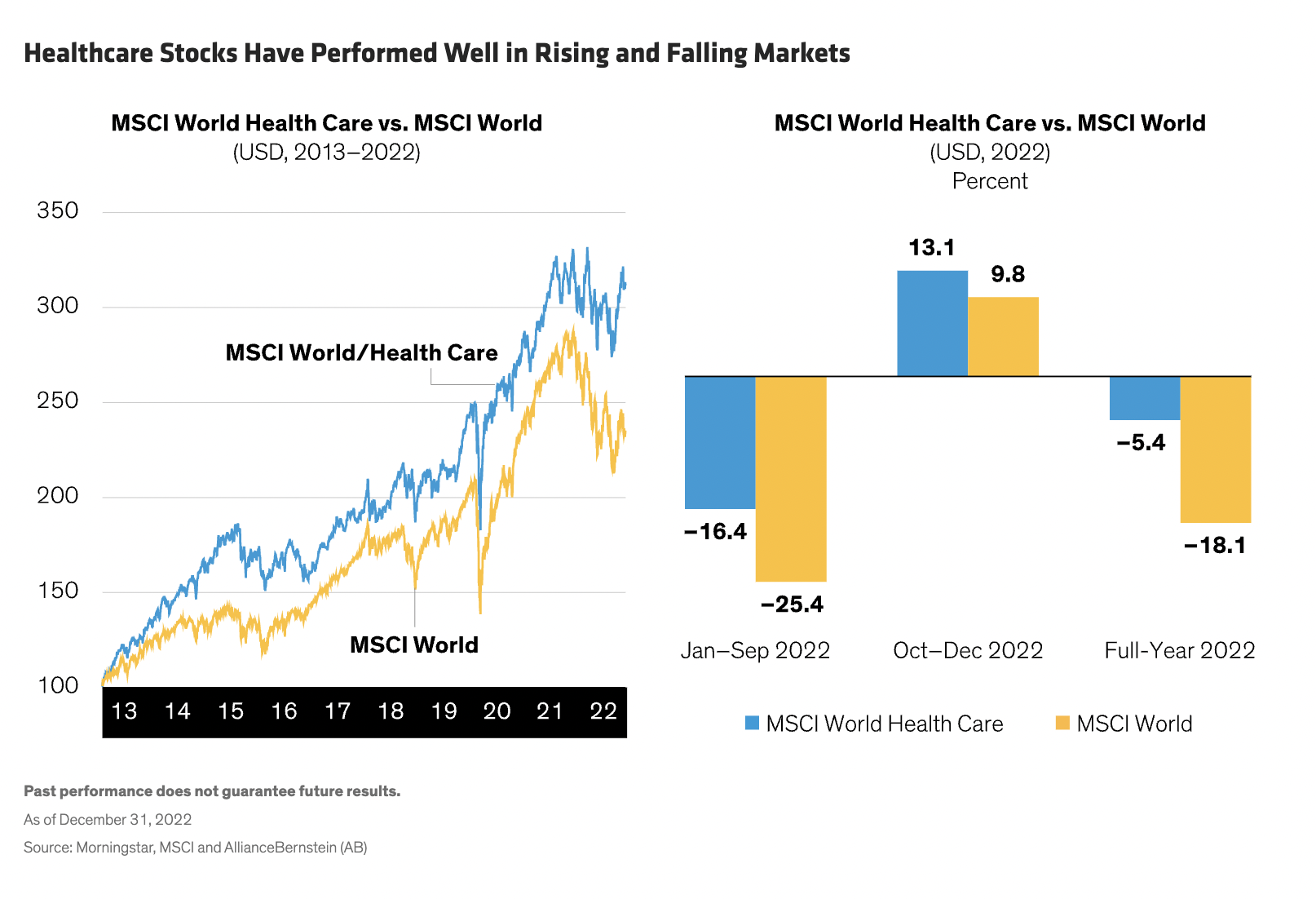
Healthcare stocks have remained in vogue through volatile markets, driven by increased interest in the sector during COVID-19.
The bond market is much cheaper than the stock market, according to Jeffrey Gundlach. Investors should abandon the traditional 60/40 stock/bond allocation in favor of a 40/60 split.
The rising threat of an economic recession has done nothing to dissuade Corporate America from spending big on its own shares.
With the aggressive pace of rate hikes in 2022 and inflation slowly starting to come down, we are optimistic that we are in the later stages of the tightening cycle.
Exchange-traded fund investors are piling into bets on junk bonds as the securities start the year with a strong comeback.
Federal Reserve Chair Jerome Powell sought to draw a line around how far the central bank will use its powers to promote a greener economy, vowing it will not be a climate regulator.
Tens of thousands of tech sector job cuts may not be enough to reverse the collapse in share prices, given the looming economic downturn could slash companies’ revenues far more than the cost savings they make via layoffs.