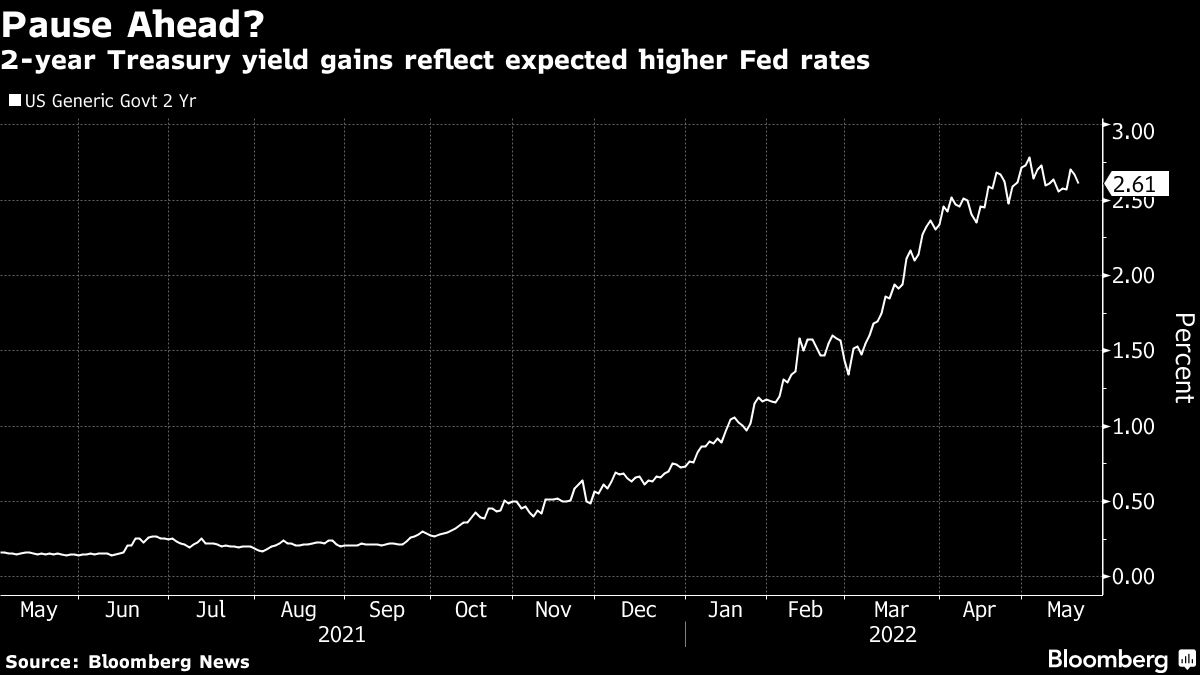
Treasuries extended their slump in New York, driving the yield on the benchmark 10-year note up by the most in more than three weeks, as renewed inflation concerns and economic data supported expectations for multiple Federal Reserve rate hikes in coming months.
The housing market has turned in the past few weeks. We're probably looking at a cooling-off period rather than something nastier, but both possibilities lead to the same conclusion for would-be homebuyers: Be patient.
Even in 2022, pensions still command an aura of reverence. A benefit where you work for one company for 30 years and then retire with a livable wage? And you don’t have to fret about picking investments? What’s not to like?
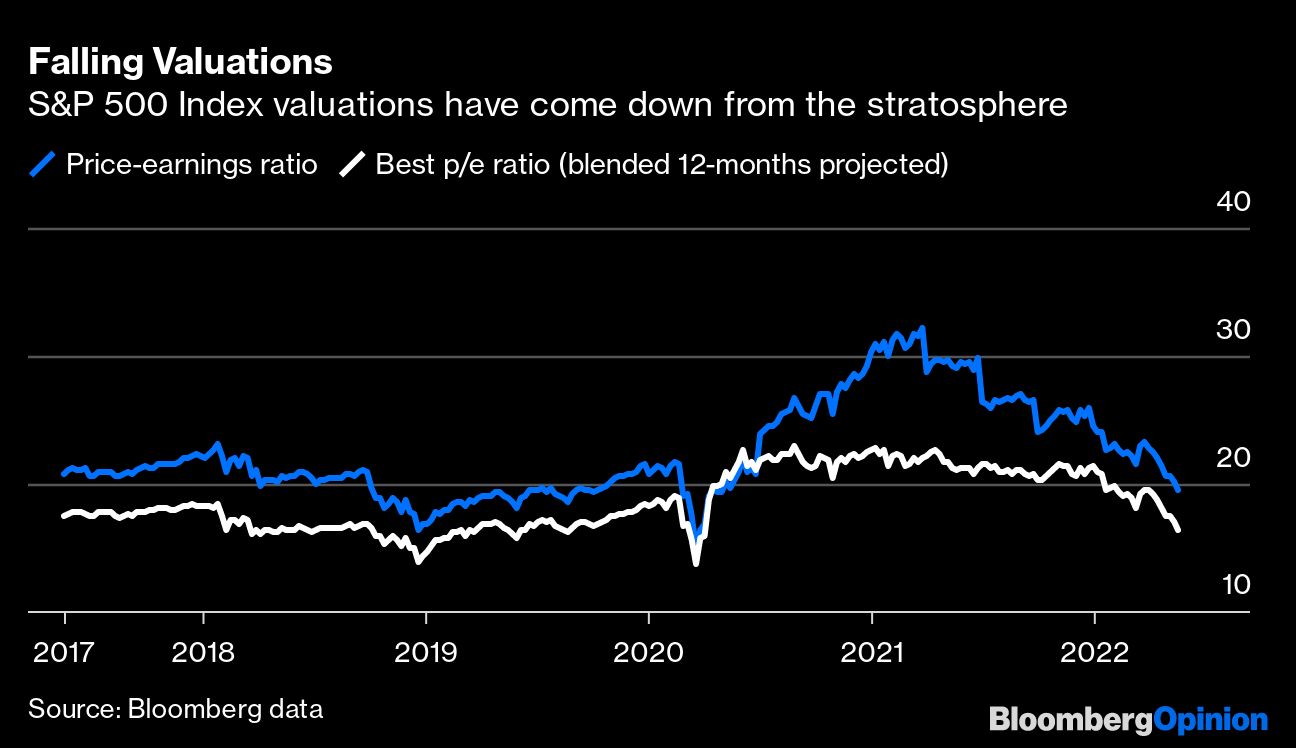
Growth stocks are under acute pressure as rising interest rates change the dynamics that drive equity valuations.
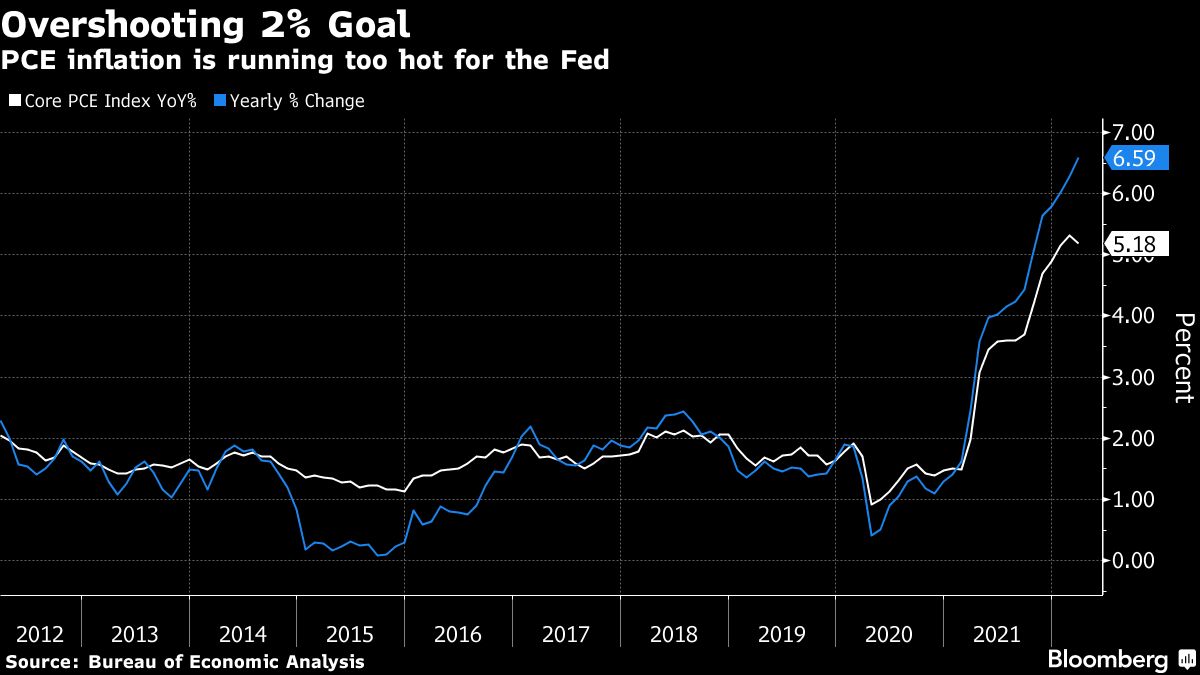
High inflation has captured the headlines as of late particularly as CPI recently hit the highest levels since 1981.
The executive order signed by President Biden in March is clearly the first of several steps that will bring the IRS and regulators closer to your crypto wallet.
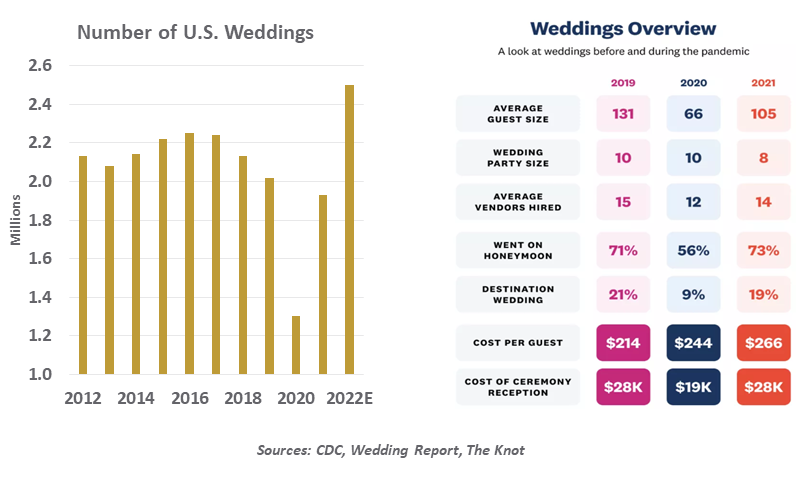
Wedding costs reflect the myriad forces that have driven inflation upward.
The bear has ended a long hibernation.
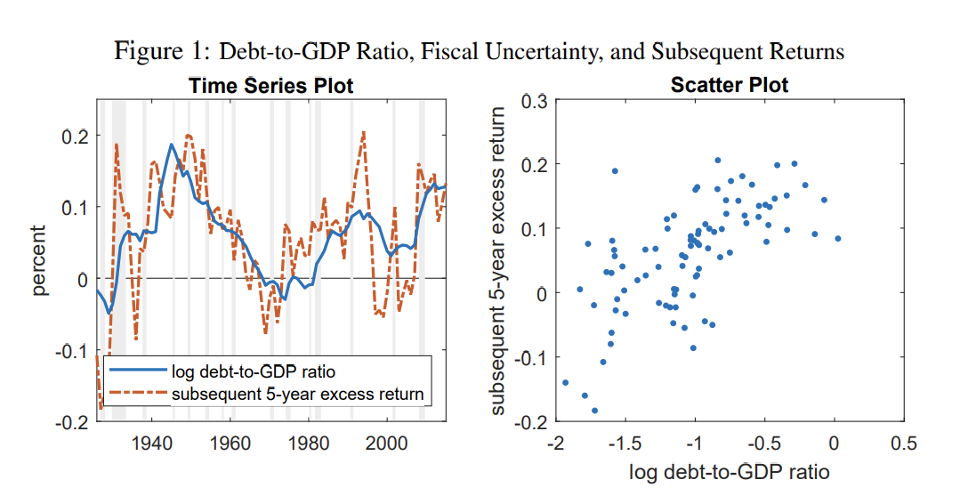
Our fiscal deficit, as measured by the debt-to-GDP ratio, has grown to levels that could impede growth, as predicted by financial theory and confirmed by empirical evidence. Moreover, new research shows that our burgeoning deficit could increase risk premiums for both stocks and bonds.
Summer is right around the corner, and traditionally that’s when families pack their bags and get away for a well-deserved vacation. Since this is the first summer travel season in three years that feels like the before times, airlines and airports are bracing for what is expected to be a particularly busy three months.
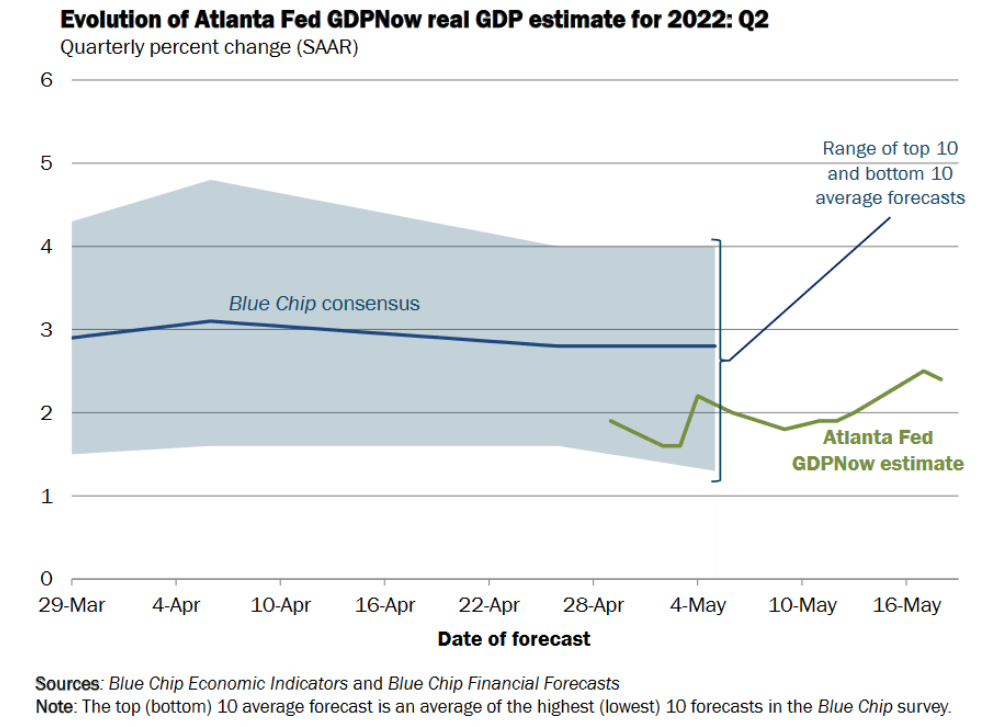
It looks like the economy will grow for a while, just not very fast. And we simply don’t know what will happen when the Federal Reserve tightens in the face of a slowing economy.
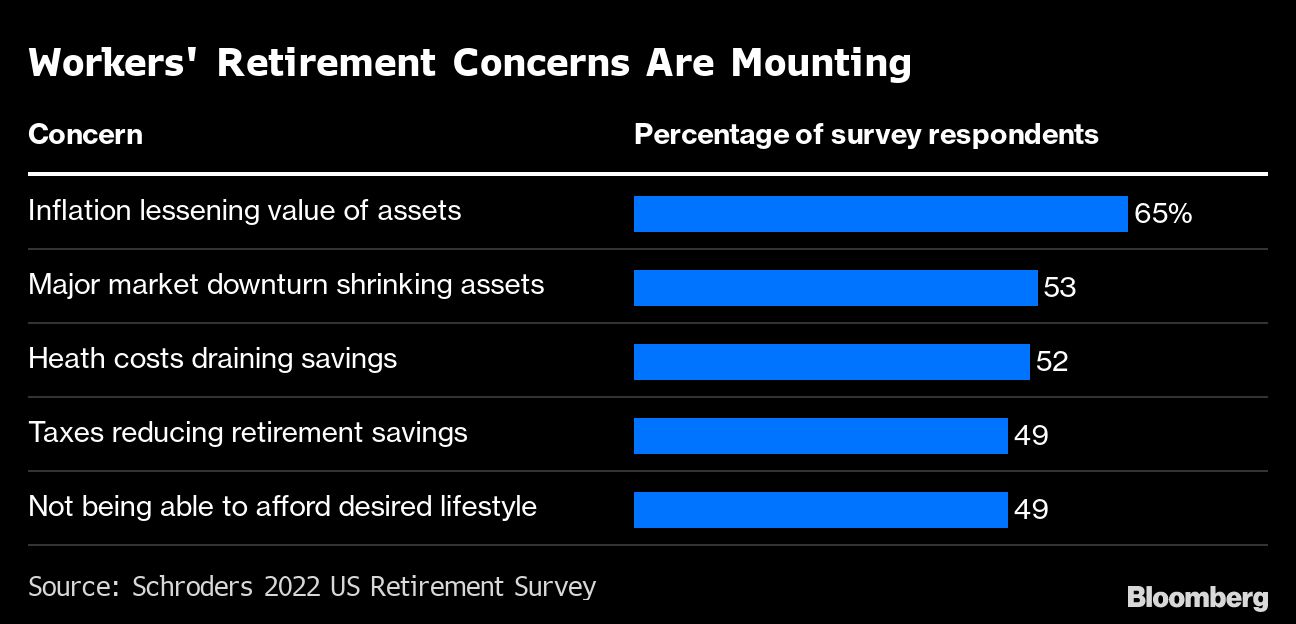
High inflation and the consequences of attempts to curb it are a top concern for today’s investors.
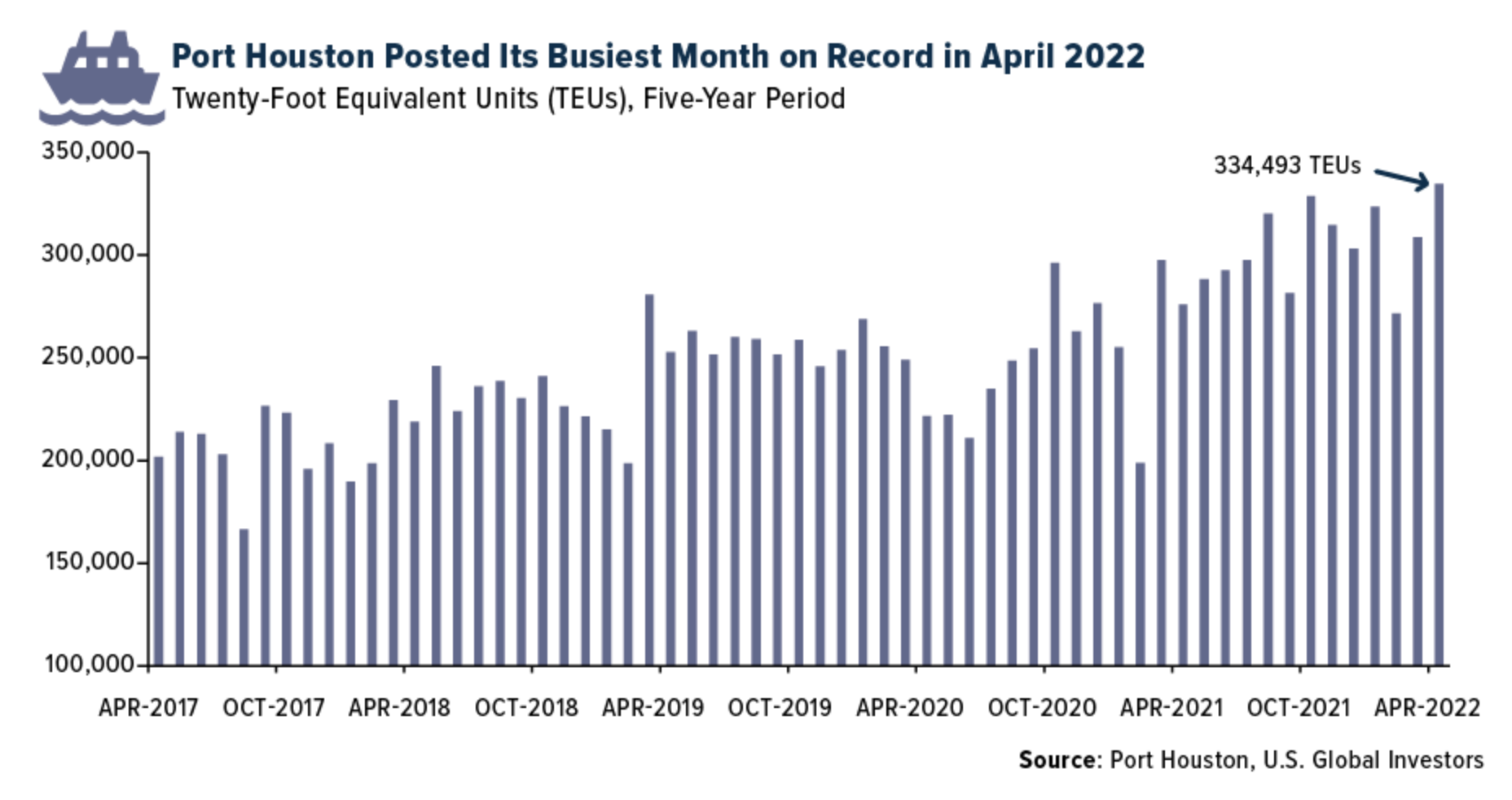
Texas now leads the nation in the number of Fortune 500 companies that are headquartered in the state.
As everyone knows, the labor market has been quite strong, with expectations for the unemployment rate to fall further next week.
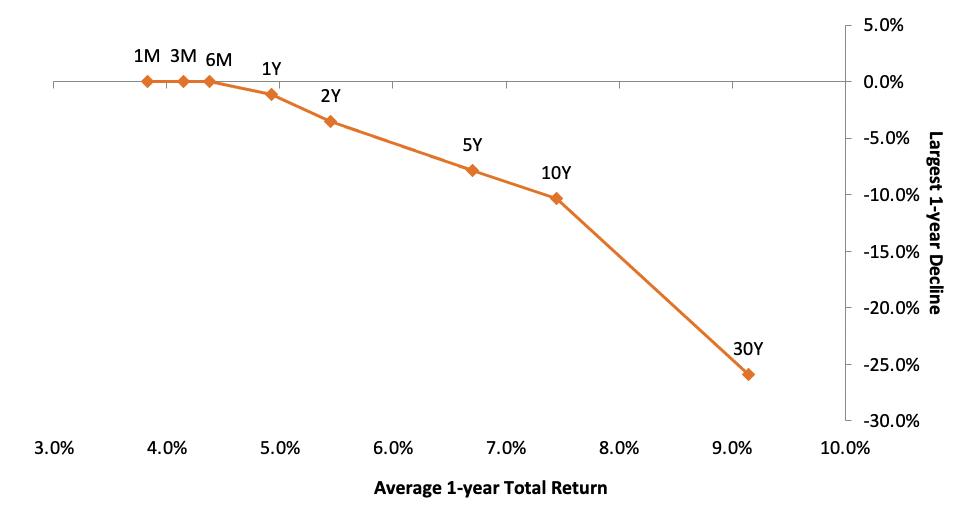
For investors wondering where to store cash, comparing the maturity profiles on Treasuries with their “risk of loss” history can help reveal where value might lie within shorter maturities.
With “Team Persistent” having clearly prevailed over “Team Transitory” in the debate over the nature of today’s surging inflation, the question now is whether prices can be tamed without also causing a recession.
The disinflationary impact of Fed policy on equities is coming.
The war in Ukraine will pour more gasoline on the already raging inflationary fire, threatening to send the global economy into stagflation. Stagflation is a slowdown of economic activity caused by inflation.
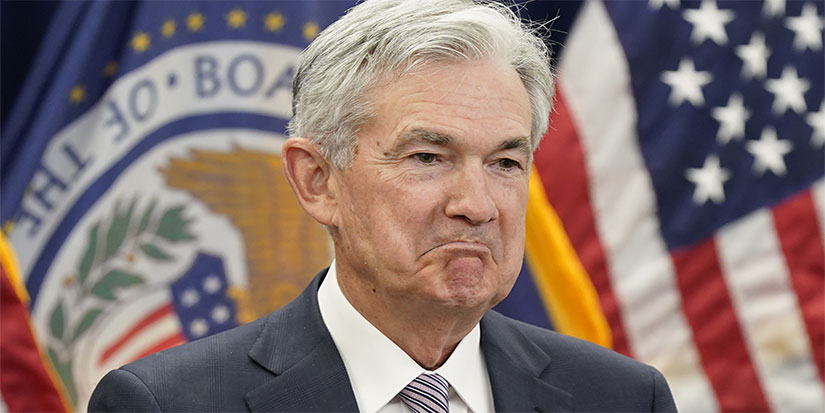
Central bankers can’t drill for oil, grow more crops or repair global supply chains. That means the only quick fix available to Federal Reserve Chair Jerome Powell and his colleagues for cooling the fastest inflation in four decades may be raising interest rates so much that they crash the economy into recession.
Federal Reserve officials agreed at their gathering this month that they need to raise interest rates in half-point steps at their next two meetings, continuing an aggressive set of moves that would leave them with flexibility to shift gears later if needed.
The Federal Reserve's resolve to fight inflation could be tested even before a recession hits by dislocations in certain corners of the market that are not well understood. This is about more than just a bear market in stocks or an implosion in cryptocurrencies. Rather, this is about the “plumbing” that keeps markets running smoothly and facilitates the flow of money in and out of the financial system.
Investors’ expectations that interest rates will not rise much may be very misguided.
The outlook for credit amid rising inflation, monetary tightening, and war in Europe.
Advisors can help the sandwich generation assess their risk for LTC and protect financial goals with the right approach to insurance.
The price of foods, fuels and other essential items are spiraling ever upward as Russia’s war on Ukraine compounds supply-chain woes stemming from the pandemic. Central banks may be in the driving seat when it comes to tackling inflation, but it’s governments that face the fallout and so are compelled to act.
How much money would it take to make you feel wealthy? What is wealth? What is money? These are just some of the mind-bending questions raised by the results of a new Charles Schwab Corp. survey taken way back in Ye Olden Times of February.
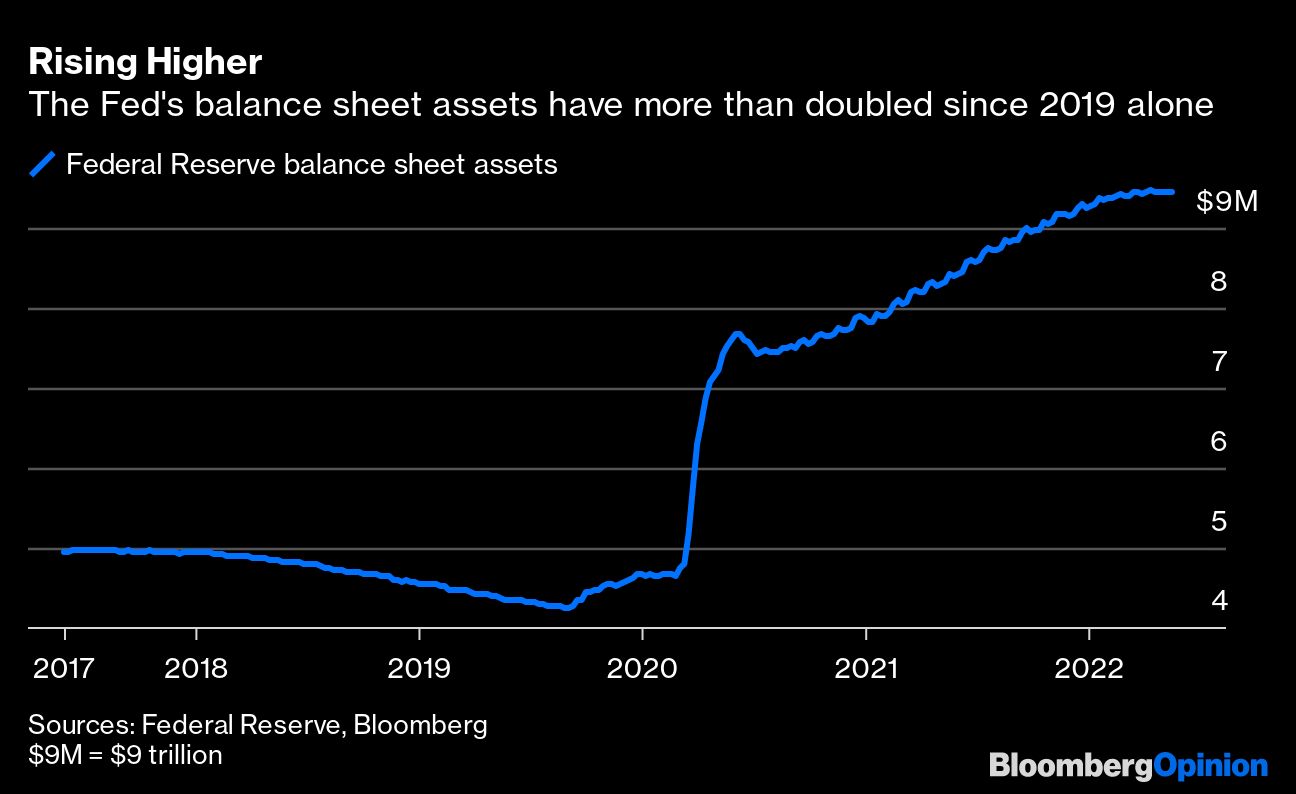
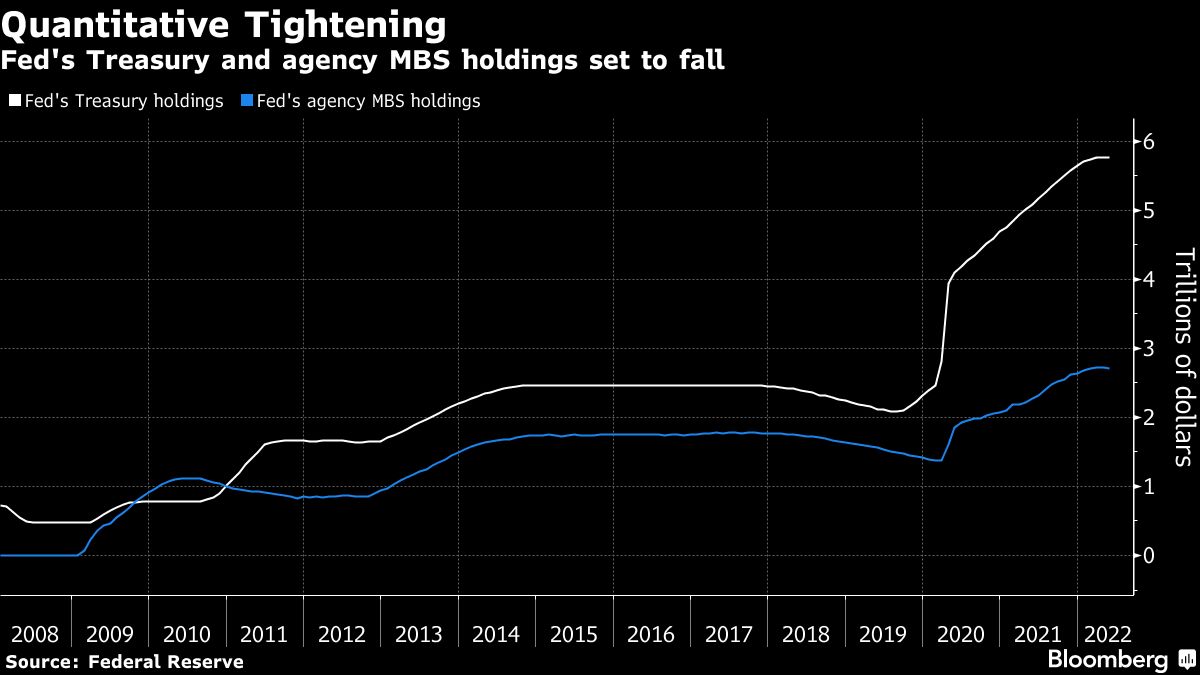
With the Federal Reserve releasing minutes from its latest meeting on Wednesday, traders are looking for further details on the plans to let billions of dollars worth of bonds to mature each month without replacing them.
Recent warnings from corporate executives and rapidly declining regional manufacturing surveys make me wonder if a recession has already started.
Federal Reserve Bank of Atlanta President Raphael Bostic has cracked open the door to discussing a September pause in the central bank’s aggressive rate hikes -- a move that will only be on the table if inflation falls more than expected over the summer.
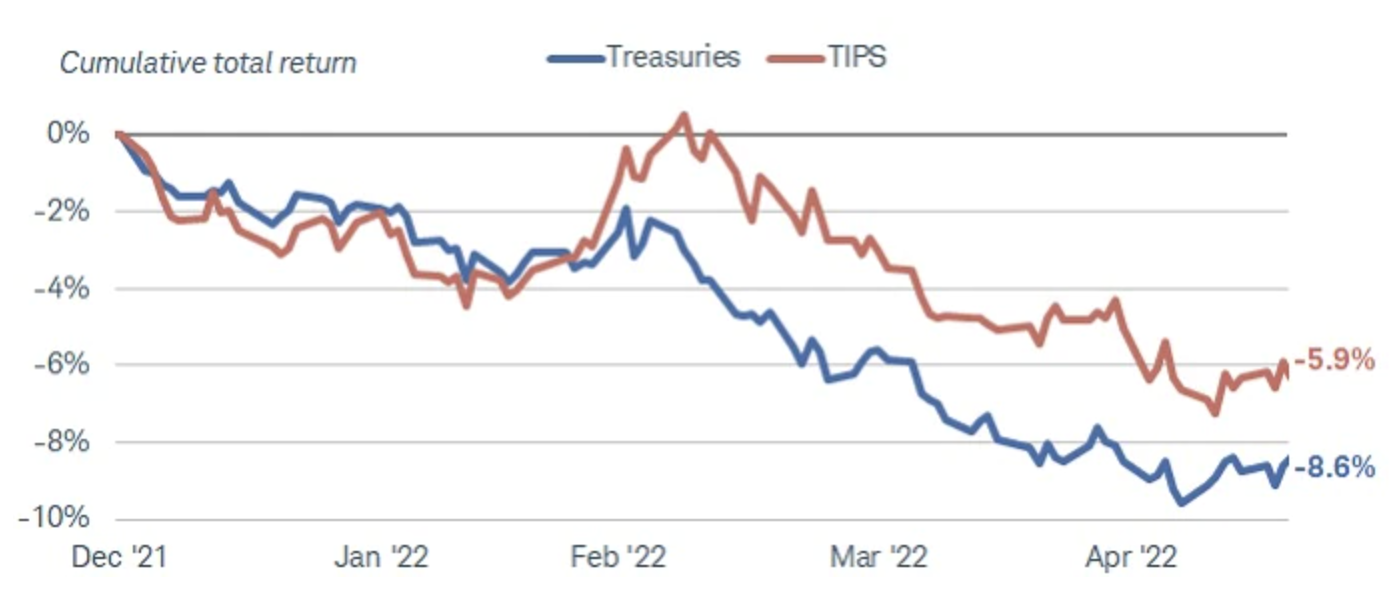
Treasury Inflation-Protected Securities, or TIPS, can help protect against inflation over the long run, but in the short term their performance may be dictated more by price declines in the secondary market.
In the face of bad news, what, if anything, should you do to adjust your long-term portfolio management strategy?
U.S. equities are trading lower in afternoon action with the markets unable to extend yesterday's solid gains.
The future is always unknown.
Many Americans expect a significant shortfall in their retirement savings. Fifty-six percent said they expect to have less than $500,000 saved by the time they retire, including 36% who anticipate having less than $250,000.
Russia’s blockade of Ukraine’s ports is a “declaration of war” that threatens to trigger mass migration and a global food crisis, a United Nations official said, adding to the dire warnings on the opening day of the World Economic Forum in Davos.
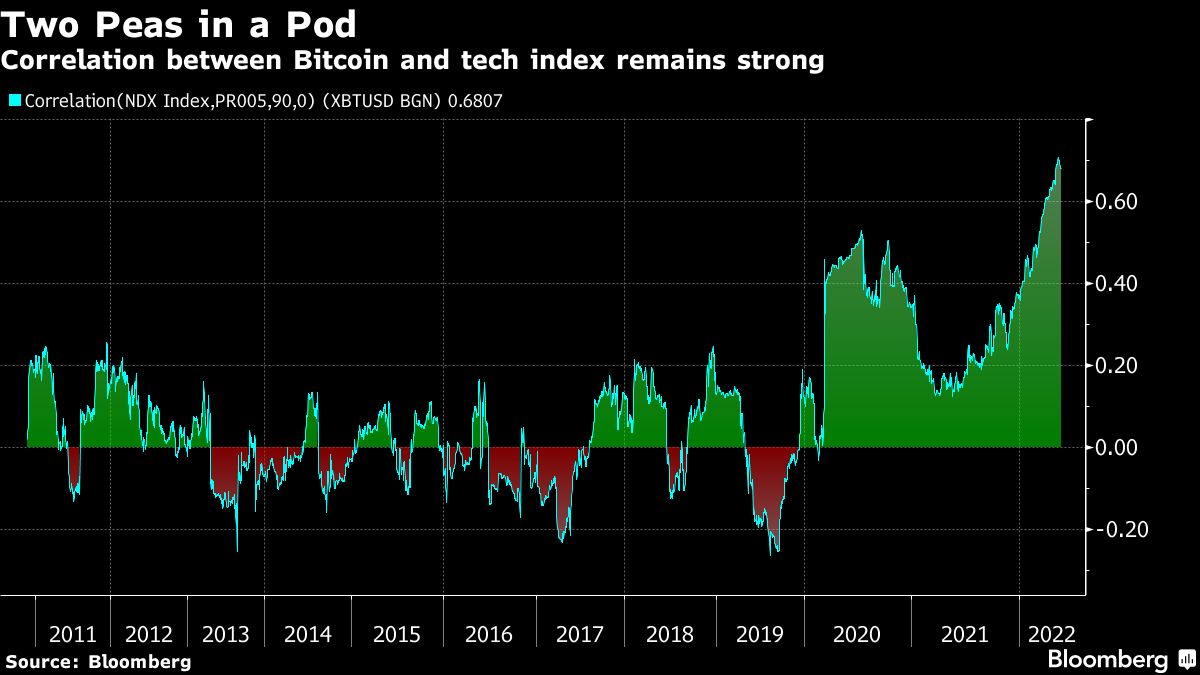
Bitcoin, which trades 24/7, has largely tended to move higher on weekends, and the coin hasn’t been posting any abnormal moves between 9:30 a.m. and 4 p.m. on Saturdays and Sundays, which are the stock market’s US operating hours during the week.
The Federal Reserve has talked a lot about its goal of a soft landing for the economy as it raises interest rates to fight inflation, but there hasn't been as much talk about what that would look like for workers.
All year inflation has been the narrative driving markets.
With economies scrambling for alternatives to Russian fossil fuels, Dina Ting, our Head of Global Index Portfolio Management, offers perspective on single-country portfolio exposure to other world oil producers.
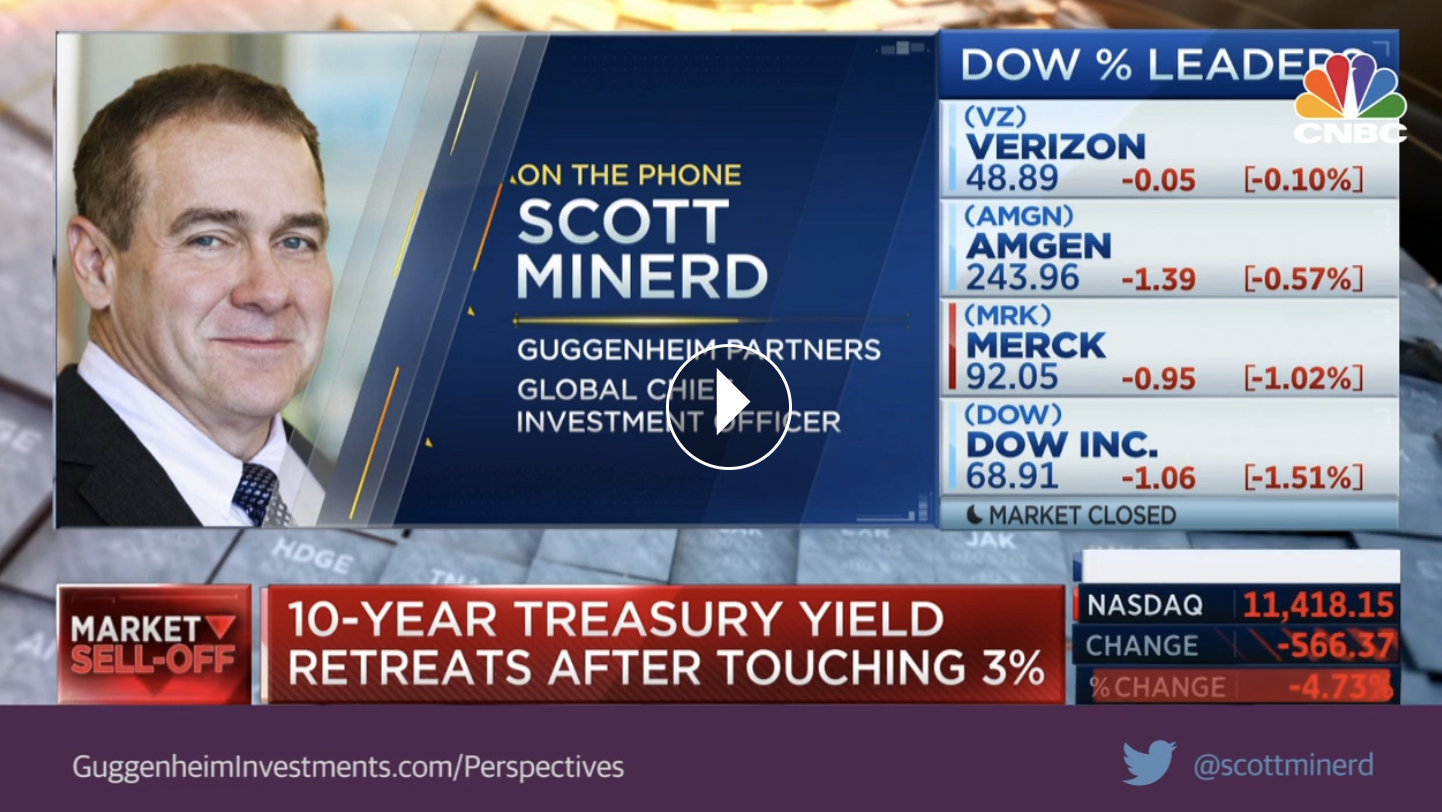
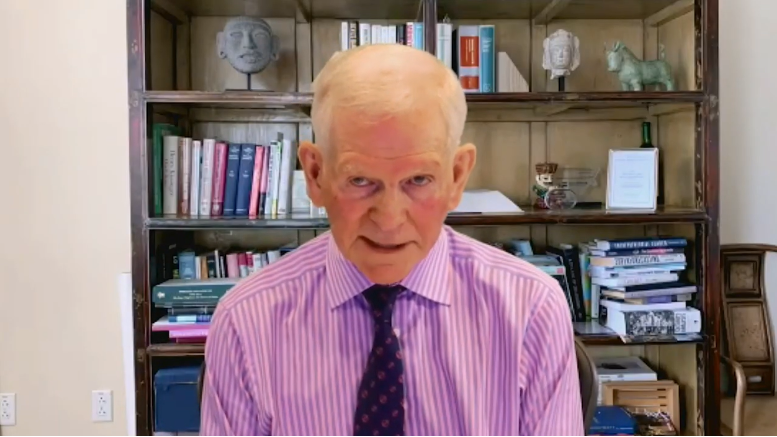
Scott Minerd, Guggenheim Partners Global CIO, joins CNBC to share his views on the consequences of aggressive Federal Reserve tightening.
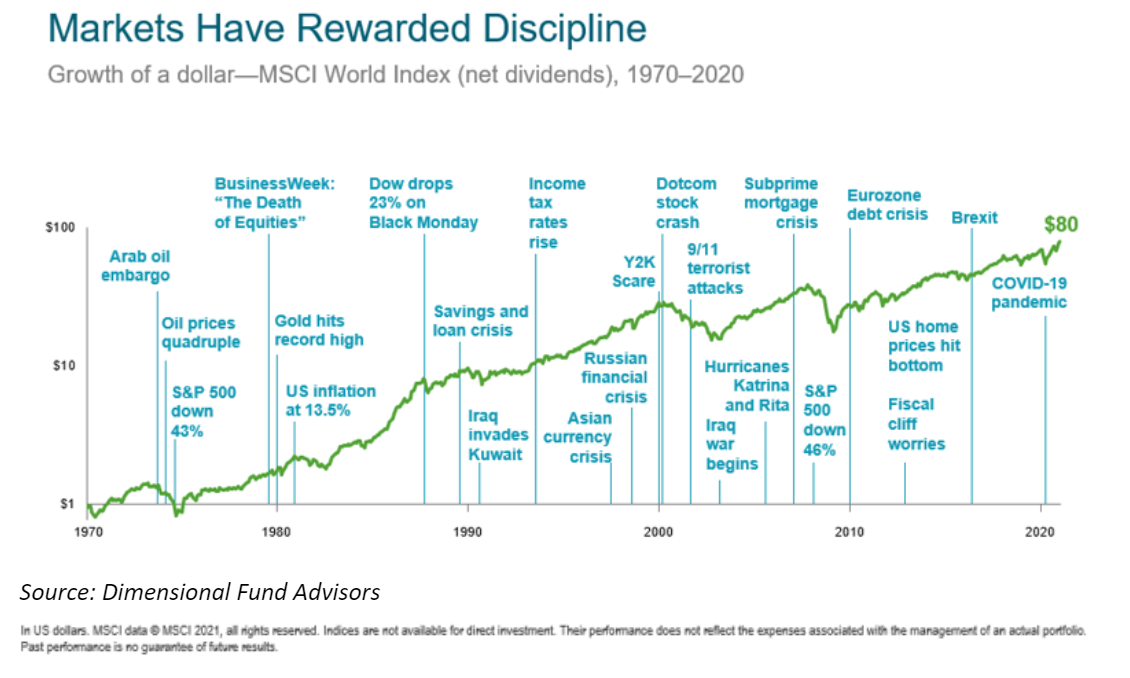
"The bear is coming! The bear is coming!" Indeed, it is. Should you be worried?
Stocks start the week higher following recent bearishness.
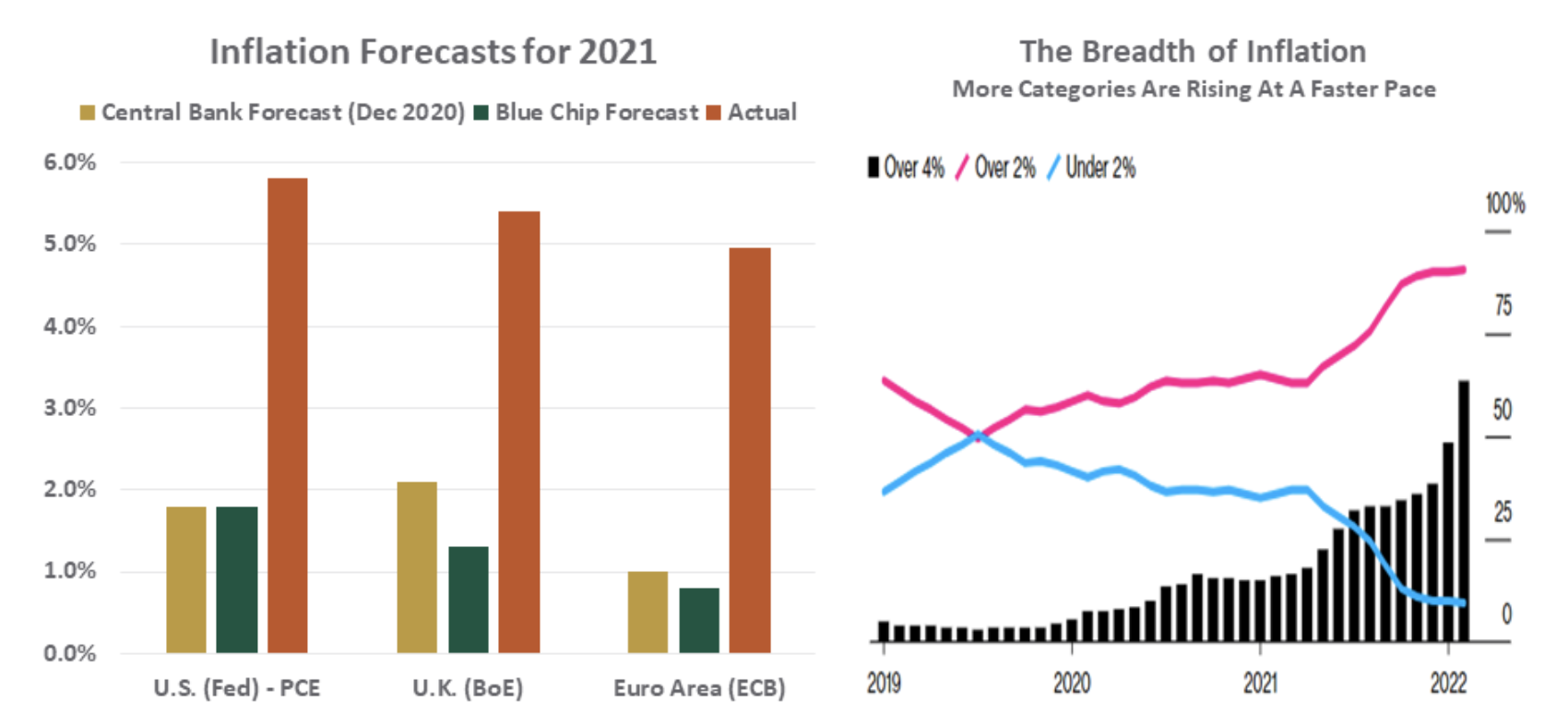
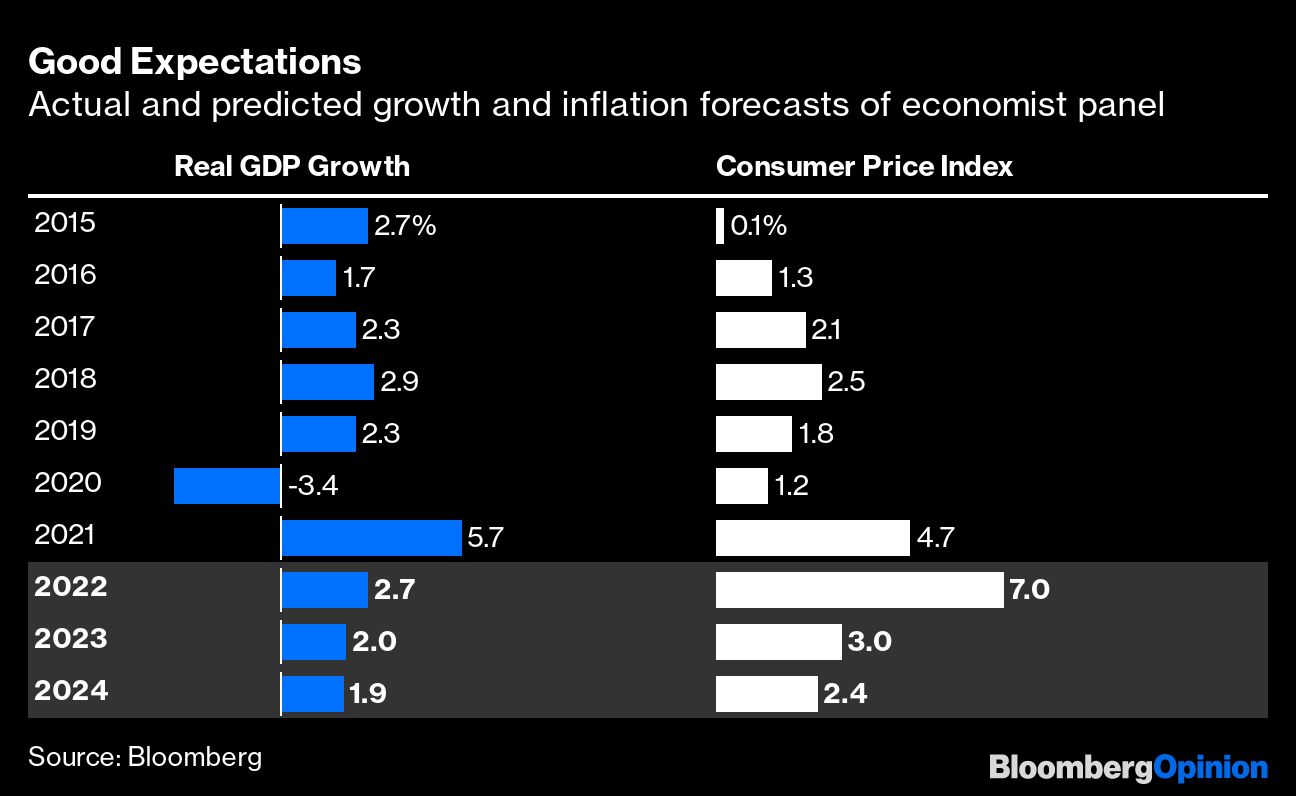
Policymakers and forecasters were slow to change their mindset about inflation.
At least a couple of major retailer stocks got clobbered last week as investors sold on reports that they missed earnings estimates.
While conventional wisdom says that rising interest rates are bad for stocks, it’s more accurate to say that rising rates tend to be bad for certain types of stocks.
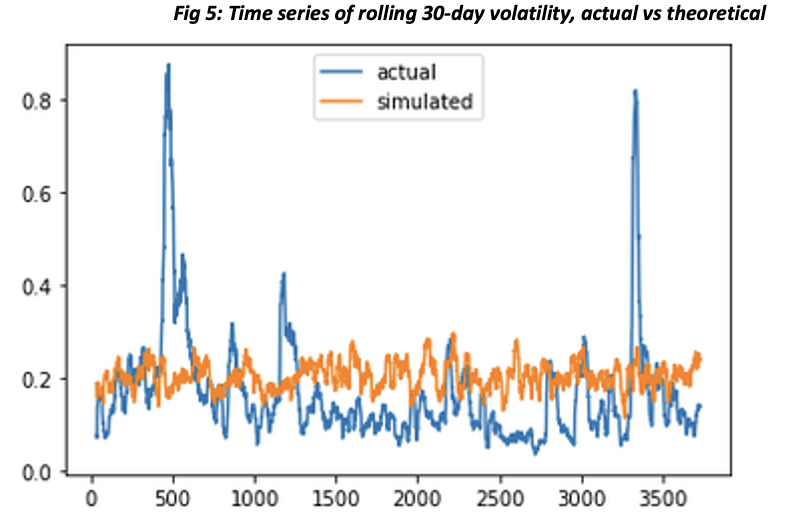
Volatility is the standard measure used by advisors to measure risk. It has been useful but has limitations. There are ways that volatility will not provide an accurate representation of the risk of an investment portfolio.
Two of the world’s most respected investors, Jeremy Grantham and Ray Dalio, offered identical warnings: The bubble in U.S. equities is unwinding, and the economy is headed for stagflation.
Wherever you get your news, there's no escaping the perception that rising prices are breaking the US economy. Recession is almost a foregone conclusion on the Bloomberg terminal, which aggregates 150,000 news sources with every bulletin categorized and counted. Headlines with the word “inflation,” increased 345% to 186,000 times a month since the beginning of 2020, while “strong economy” declined 48% to 1,766 times monthly.
The US economy is starting to show signs of strain under the weight of decades-high inflation and climbing interest rates -- raising the risk of a downturn.
Some 162 companies in the S&P 500 Index received target price reductions Thursday compared with only 62 increases, according to Bloomberg data. The difference marked one of the sharpest swings in analyst sentiment in the 11 years of the series.