I have identified a few opportunities within my portfolio and wealth management practice that prompt consideration for your own strategies as you plan for large estates.
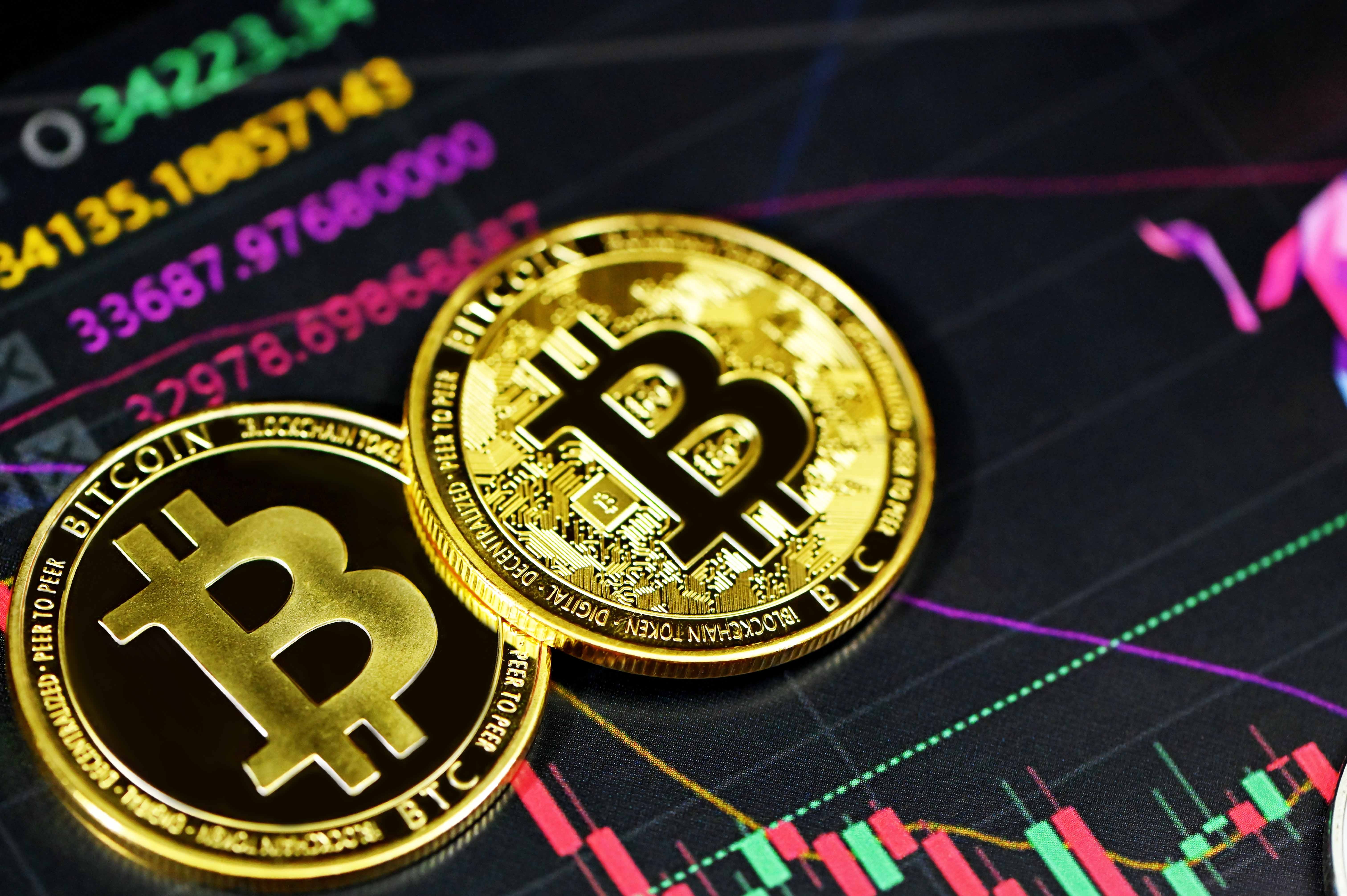
Several avenues for diversifying cryptocurrency portfolios exist. Investors should weigh the costs and benefits of each of the following three methods.
Persistent … or transitory? It’s the inflation question that has been weighing on financial markets over the last year. As each economic data point trickles out, it is analyzed and re-analyzed, with that focus in mind. But it may be the wrong question to ask.
With the Federal Open Markets Committee due to meet Wednesday, there was no way policy makers could guide the market on how last week’s awful inflation data for May had changed their plans.
Traders unnerved by a selloff that hit stocks and bonds alike are looking for refuge, increasing the appeal of investments offering reliable returns such as shares that pay steady dividends.
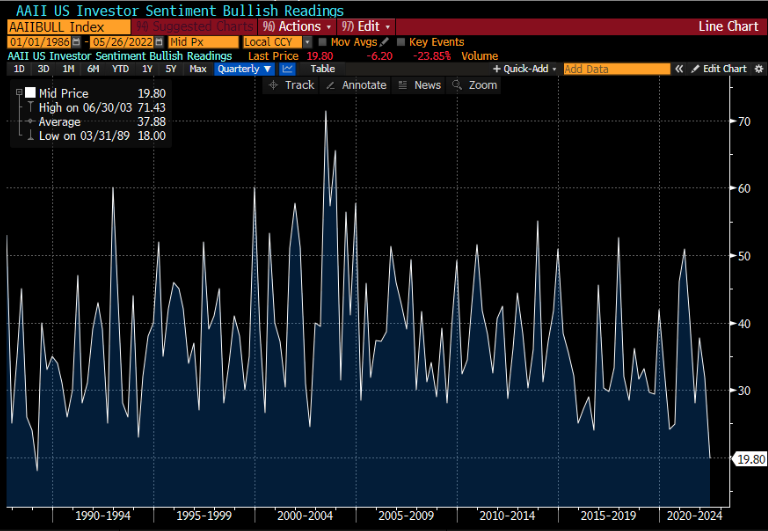
Investors are worried.
Wall Street is afraid to buy the dip this time around. Even amid this latest leg of the stock market selloff, equities still aren’t fully reflecting the risks facing corporate earnings...
All eyes will be on the results of the Federal Reserve meeting on Wednesday when it announces how much it's going to raise short-term rates, its new projections for the economy and short-term rates for the next few years, as well as Chairman Powell's press conference.
What will be the Fed's next steps after a rapid course correction?
Investors are a fickle bunch. They love owning stocks when the market goes up. It feels great! So great, in fact, that pesky details like nosebleed valuations or a lack of profitability are easily overlooked. But the romance never lasts.
Oil extended losses for a third session as the prospect of further monetary tightening to combat surging US inflation sent global markets spiraling lower.
The hottest US inflation in four decades will push the Federal Reserve to raise interest rates more aggressively this year, and a recession may not be far behind.
Bitcoin plunged to the lowest in about 18 months after the freezing of withdrawals by the Celsius lending platform added to concern that systemic risk in the crypto ecosystem will accelerate the digital-asset market meltdown.
According to a recent survey, a majority of Republicans and a plurality of Democrats believe the US is in a recession. The question is how seriously to take their complaints.
US consumer sentiment plunged in early June to the lowest on record as soaring inflation continued to batter household finances.
US consumer prices surged to a 40-year high, defying expectations that gains would start to moderate after the Federal Reserve began tightening.
May’s red-hot inflation hardened expectations the Federal Reserve will keep raising interest rates in half-point steps through September, with talk of an even larger move creeping into the conversation.
Luxury-home sales in the US are sinking as inflation, economic uncertainty and the stock-market slump push wealthy buyers to the sidelines.
There’s no way of knowing for certain whether a recession is imminent, but for many Americans, it’s sure starting to feel that way. According to Google, more people in the U.S. searched for the term “recession” than at any other time in the past two years.
Complaining about federal debt is a time-honored American tradition. Remember Ross Perot and his hockey-stick charts? Then there was Harry Figgie’s 1992 best-selling book, Bankruptcy 1995. It was quite a sensation at the time.
With National 529 Day last month and graduation season underway, the cost of education is at the top of many people’s minds.
This article is relevant to financial professionals who are considering offering model portfolios to their clients.
Headline inflation in May rose 8.6% from a year ago, accelerating from April’s 8.3% growth rate.
Those who are familiar with my articles know that I see market crashes in stocks and bonds occurring in this decade, combined with serious inflation. Readers ask how I recommend protecting. This is it.
I have been doing this long enough to know that the economy is a complex, self-adjusting mechanism, and thus the grim picture I have painted in this and previous articles may not play out.
US inflation accelerated to a fresh 40-year high in May, a sign that price pressures are becoming entrenched in the economy.
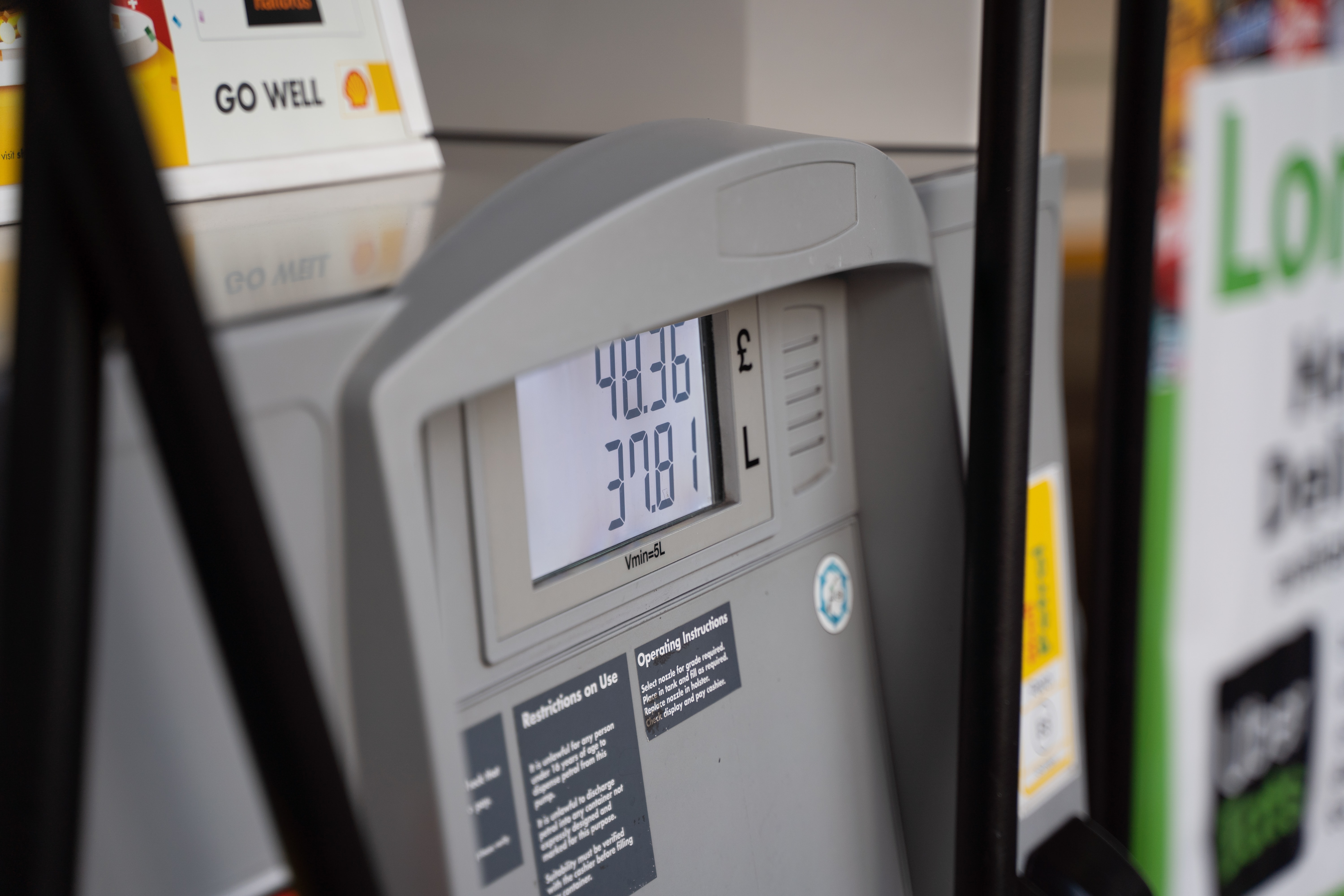
Sedans are a rarity and electrics even more so. That’s even as pump prices are surging.
When will the bear market end?
Economists like to strip food and energy out of their inflation calculations. They’re too volatile to be meaningful, they say. But for everyday Americans coping with exploding prices, those items are pretty much all they care about right now.
Treasury Secretary Janet Yellen rejected the idea that corporate greed is causing the US inflation surge, differing with fellow Democrats who have accused big businesses of price gouging.
Stanley Druckenmiller has a warning for Wall Street: The sharp decline in the stock market isn’t over just yet.
I bought an apartment last year and if I were buying today, I wouldn't be able to afford it.
Cathie Wood says the massive inventories now held by US companies suggest that inflation will die down.
Wall Street is pounding the table on the next big thing in technology, predicting the metaverse could be a $13 trillion industry by the end of the decade.
Stocks modestly lower ahead of tomorrow’s inflation report.
Rarely have market prognosticators disagreed by such a broad margin on the path forward for inflation and the Federal Reserve’s efforts to fight it.
Mohamed El-Erian, who almost a year ago accurately forecast that elevated US inflation would be persistent, says it hasn’t peaked.
Crude oil and energy equities have been on a tear for the last two years.
How many billionaires are there in the United States?
Go around the world in one blog post; Loomis Sayles' Macro Strategies Group shares a visual snapshot of its GDP growth expectations for the months ahead.
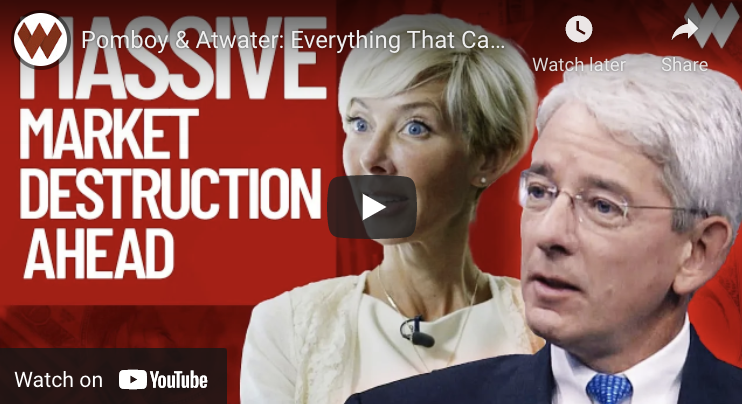
Investor sentiment expert Peter Atwater believes the bear market is only just beginning.
Even as the US real estate market shows signs of cooling, inflation and higher interest rates are making it difficult for young house hunters to buy properties — at least on their own.
As corporate leaders increase their grim pronouncements about the future, there are still market economists who see stocks heading higher in the second half of this year and who say the US could sidestep a recession.
Consumer confidence has tanked, with the University of Michigan’s widely followed sentiment index at its lowest since 2011. This is incongruous with the fact that the labor market is very hot.
A wild year on Wall Street has traders fretting one of two extreme scenarios will engulf the $23 trillion Treasury market ahead: Either a fresh bond selloff thanks to red-hot inflation -- or a sustained rally on mounting recession risk that sends yields back toward historic lows.
The US stock market is experiencing the worst start to a year in five decades.
Howard Marks’s latest memo explores recurring investment themes to contextualize the current market correction and the bull market that preceded it. He discusses the role played by financial innovations like SPACs and cryptocurrencies and why he believes psychology, not fundamentals, primarily drives investment cycles – and likely always will.
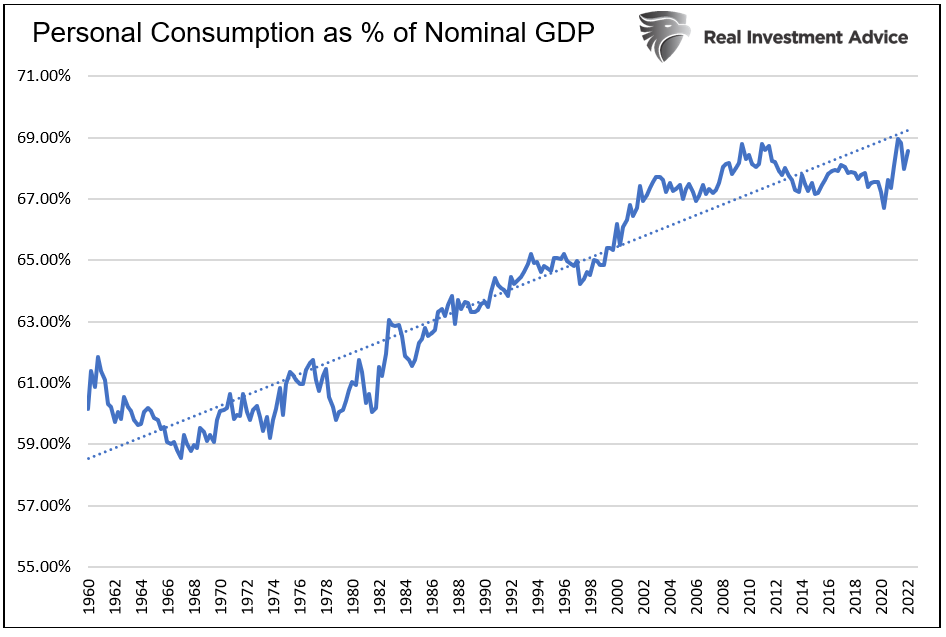
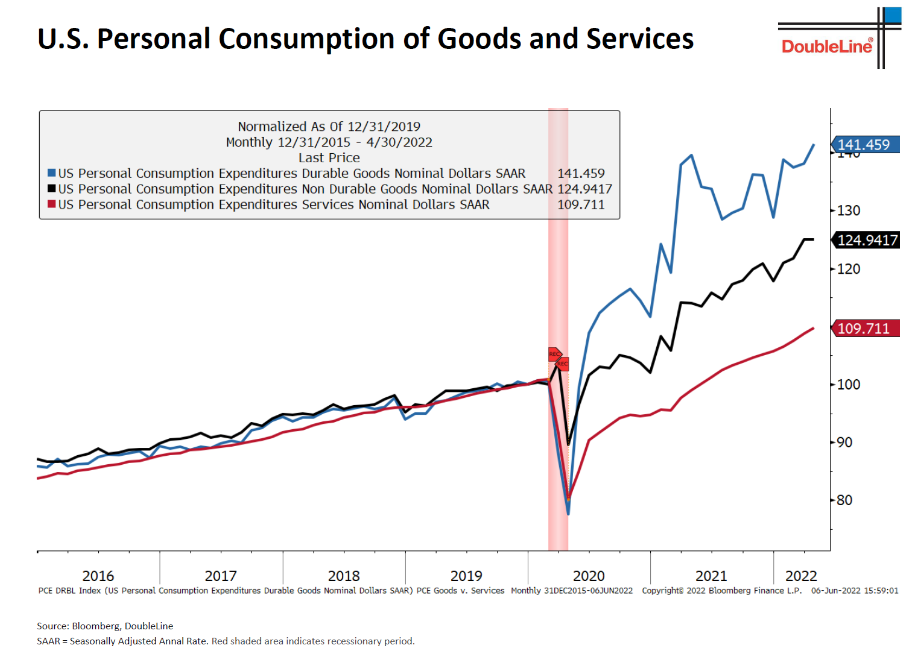
Will the plight of consumers drag GDP lower in the second quarter, resulting in a recession?
The price of oil, as measured by the benchmark WTI index, could hit $150 this summer, according to Jeffrey Gundlach. That price may not be sustained, he said, “but the path of least resistance for oil prices is up.”
The ECB and the Fed both need to quickly normalize policy from the emergency settings adopted when the pandemic first hit.