Stanley Druckenmiller has a warning for Wall Street: The sharp decline in the stock market isn’t over just yet.
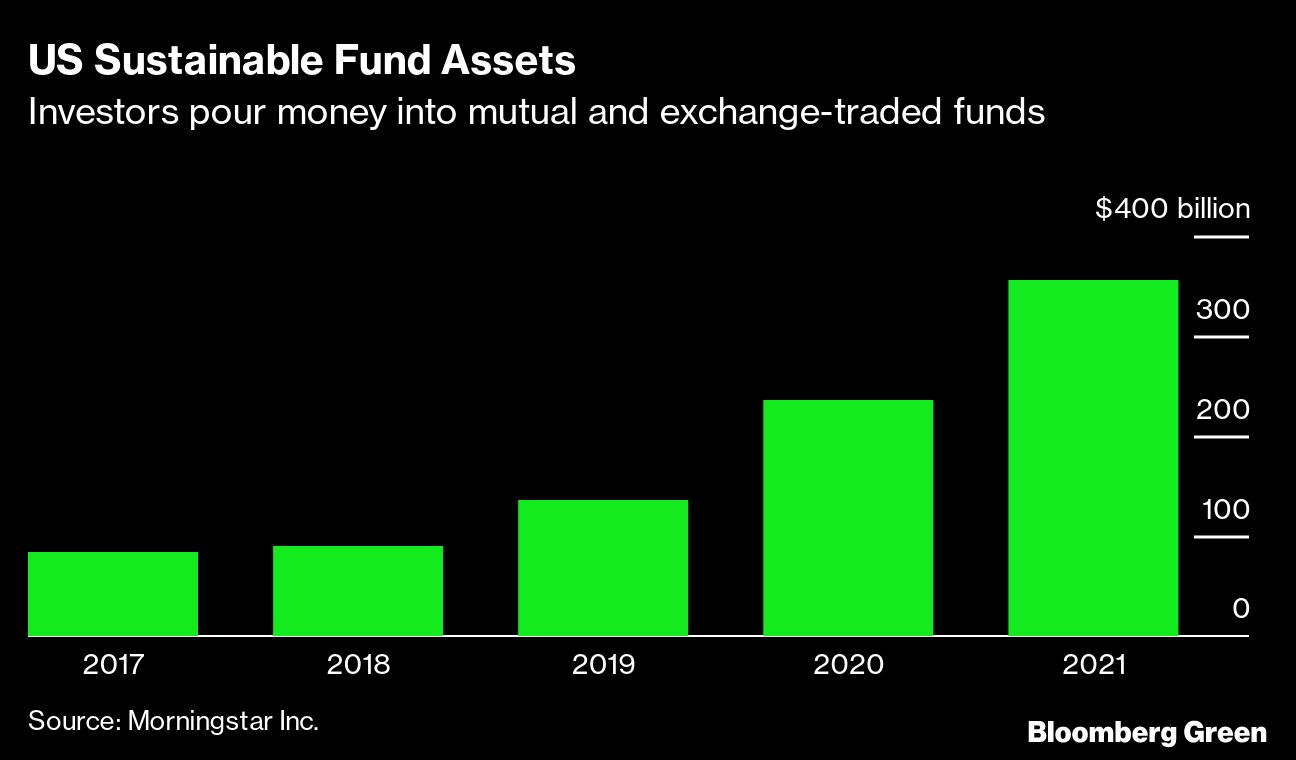
It started with bonds. Now even collateralized debt obligations (CDOs) come in green.
Shanghai, the Chinese commercial hub with 26 million residents, ended its two-month citywide pandemic lockdown last week, a sign that the world’s second largest economy may be ready to return to business-as-usual.
Consumer confidence has tanked, with the University of Michigan’s widely followed sentiment index at its lowest since 2011. This is incongruous with the fact that the labor market is very hot.
Howard Marks’s latest memo explores recurring investment themes to contextualize the current market correction and the bull market that preceded it. He discusses the role played by financial innovations like SPACs and cryptocurrencies and why he believes psychology, not fundamentals, primarily drives investment cycles – and likely always will.
The year 2022 sure has felt like a pretty bad one so far: interest rates and consumer prices have spiked up, and stock prices are sharply down. But, in terms of what really matters, many investors are better off than they were at the end of 2021–almost 5% better off for an investor in a diversified balanced portfolio.
My staff told me that we have “become totally focused on AUM and fees. It isn’t a nice place to work anymore.”
The price of oil, as measured by the benchmark WTI index, could hit $150 this summer, according to Jeffrey Gundlach. That price may not be sustained, he said, “but the path of least resistance for oil prices is up.”
Gold and silver is money. Everything else is credit.
Academics argue that there are three proven factors of investing: Value, quality and momentum.
If you’re itching for a dream vacation this summer after two years of travel restrictions, then you might end up paying more to rent a car than you spend on a plane ticket.
Using this five-question framework will go a long way to help you be effective as you work with foreign-born families in the U.S.
To the brokerage firms that require their branch managers have their own production, did you really think you’d be the first in nearly 500 years to find a way to have your cake and eat it too?
How much does it take to feel flush in the US these days? Not even $250,000 a year will get you there, according to a recent survey by Pymnts.com and LendingClub Corp.
U.S. equities are lower as the recent volatility continues despite yesterday's gains.
Thoughts on recent market volatility and implications for investors from Head of Franklin Templeton Institute, Stephen Dover.
I’ve supported many clients through times of loss and transition such as divorces, deaths of parents or spouses, business failures, and natural disasters. Following are some of the things I’ve learned.
JP Morgan CEO Jamie Dimon caused a stir lately when he talked about a "hurricane" hitting the US economy.
Investors are shifting their focus from runaway inflation to slowing global growth as central banks hike rates to tame price pressures.
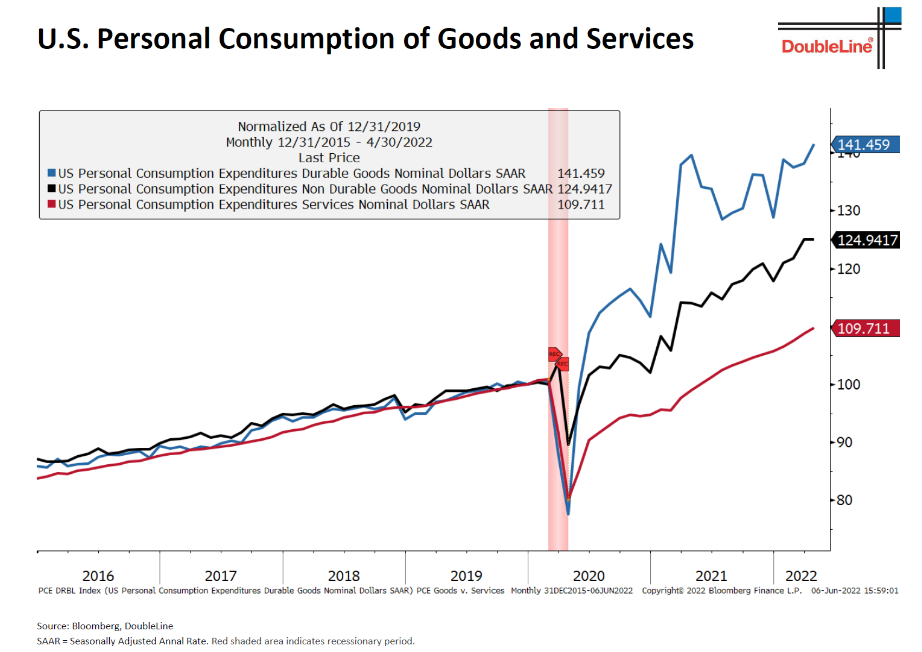
Strong employment and spending will help the economy grow through current shocks.
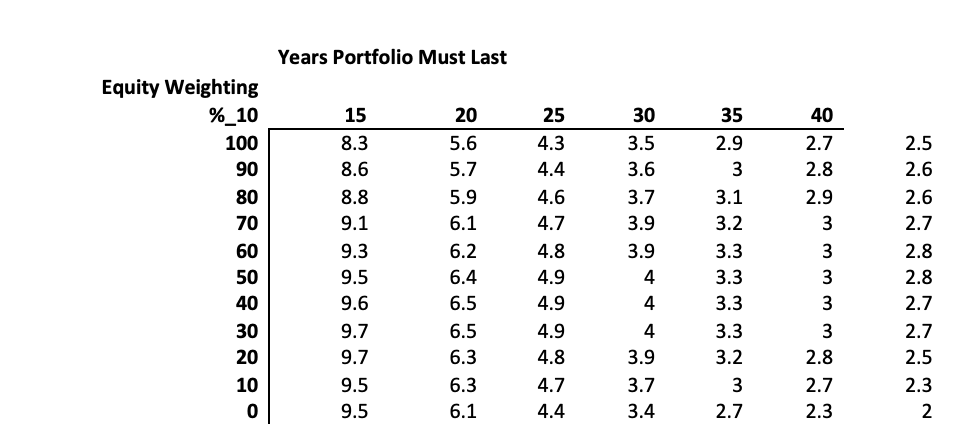
I’m going to review the research on safe-spending rates and then critique common methods of risk mitigation. I’ll offer the practical methods to reduce sequence-of-return risk that I suggest to my clients.
Homeowners should take a total-balance-sheet view when evaluating options for their mortgage.
It’s not all doom and gloom, though. Due to stratospheric oil and gas prices, energy stocks have been the one bright spot in an otherwise dour market this year. Through the end of May, the S&P Oil & Gas Exploration & Production Index gained an incredible 60%, compared to the S&P 500, which fell about 13%.
The chance that all the necessary pieces will line up that way? Somewhere between slim and none, and as my dad used to say, “Slim left town.” And while my memory isn’t perfect, I don’t believe any speaker at the conference believed in the possibility of a soft landing. And even if we get one, we have serious problems that predate this inflation. They haven’t gone anywhere.
Markets stabilized in May after one of the worst months since the start of the pandemic.
In January Goldman Sachs projected that the FOMC would increase the federal funds rate at every other meeting (each meeting is 6 weeks apart) starting with the March meeting.
Sharp, countertrend rallies may continue this year, but aggressive Fed policy, the turning of the liquidity tide, and slower economic growth will likely keep pressure on stocks.
We strongly believe that the traditional benchmark-led approach to investing in emerging market debt can be far from optimal.
The likely moderation of US job growth in coming months will reflect a combination of hiring challenges in a remarkably tight labor market, shifts in spending patterns and outright soft spots within a handful of industries.
The first half of the year has so far been challenging for investors in municipal bonds.
We’re here to talk about misconceived notions that advisors have about millennial investors. While it is often reported that millennials are rejecting financial advisors, my guest says this is not the case. The biggest issue that he sees is that financial advisors have minimums that make it difficult to serve millennials at the tail-end of the age bracket (those born between 1990-1996, or age 26 to 32). That cohort typically has not accumulated enough money to meet the minimum requirement needed to work with fee-based advisors.
Last week’s rising stock prices suggested that many investors are still wishing the Federal Reserve will step in to counter downward pressures on the market. Hopes for this “Fed put,” however, may be confusing the Fed’s willingness to act with its ability to do so.
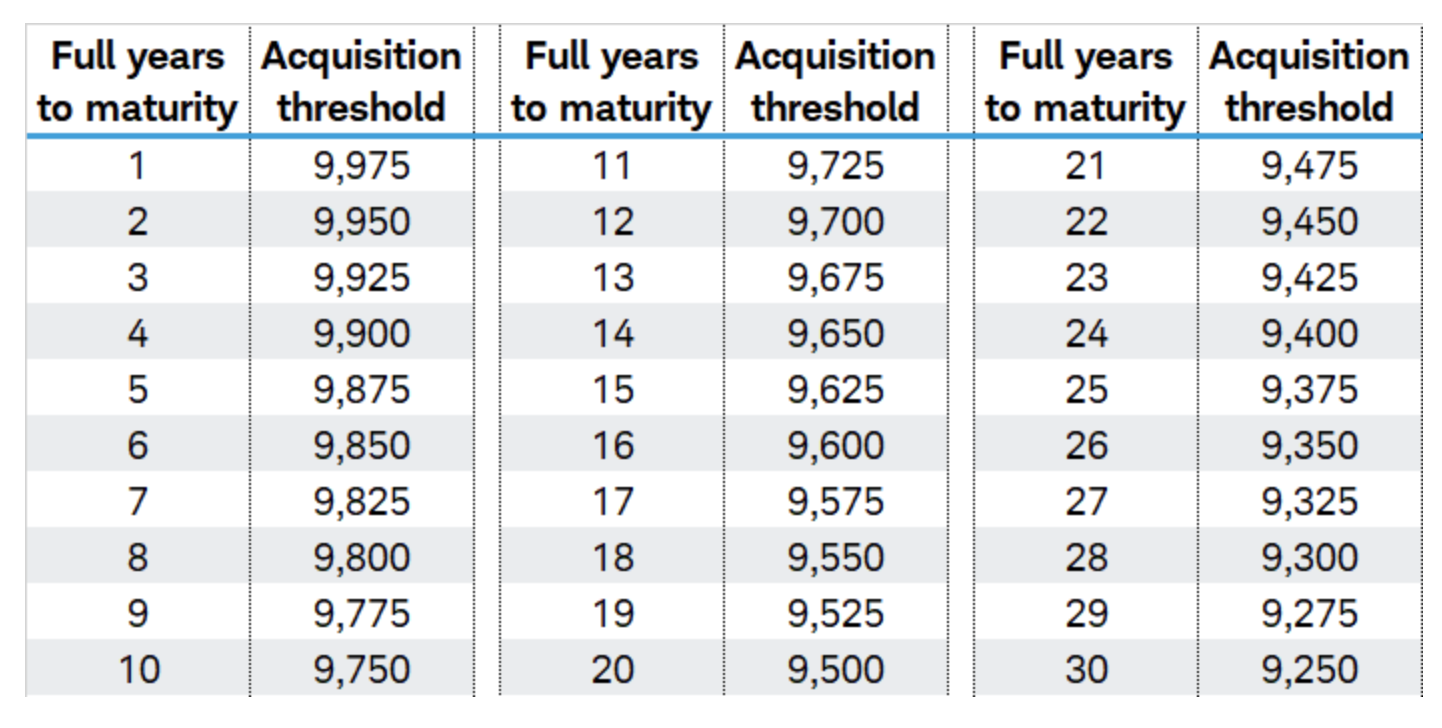
Municipal bonds acquired at too deep a discount could be subject to an additional tax, known as the de minimis tax, which would take a bite out of the after-tax return.
A retirement income plan can simplify Social Security and boost retirement plan success. Get our insights to help your clients and their workers succeed.
There are eight global mountaintops scaling 26,000 feet or higher, including Mt. Everest, the most famous of them all.
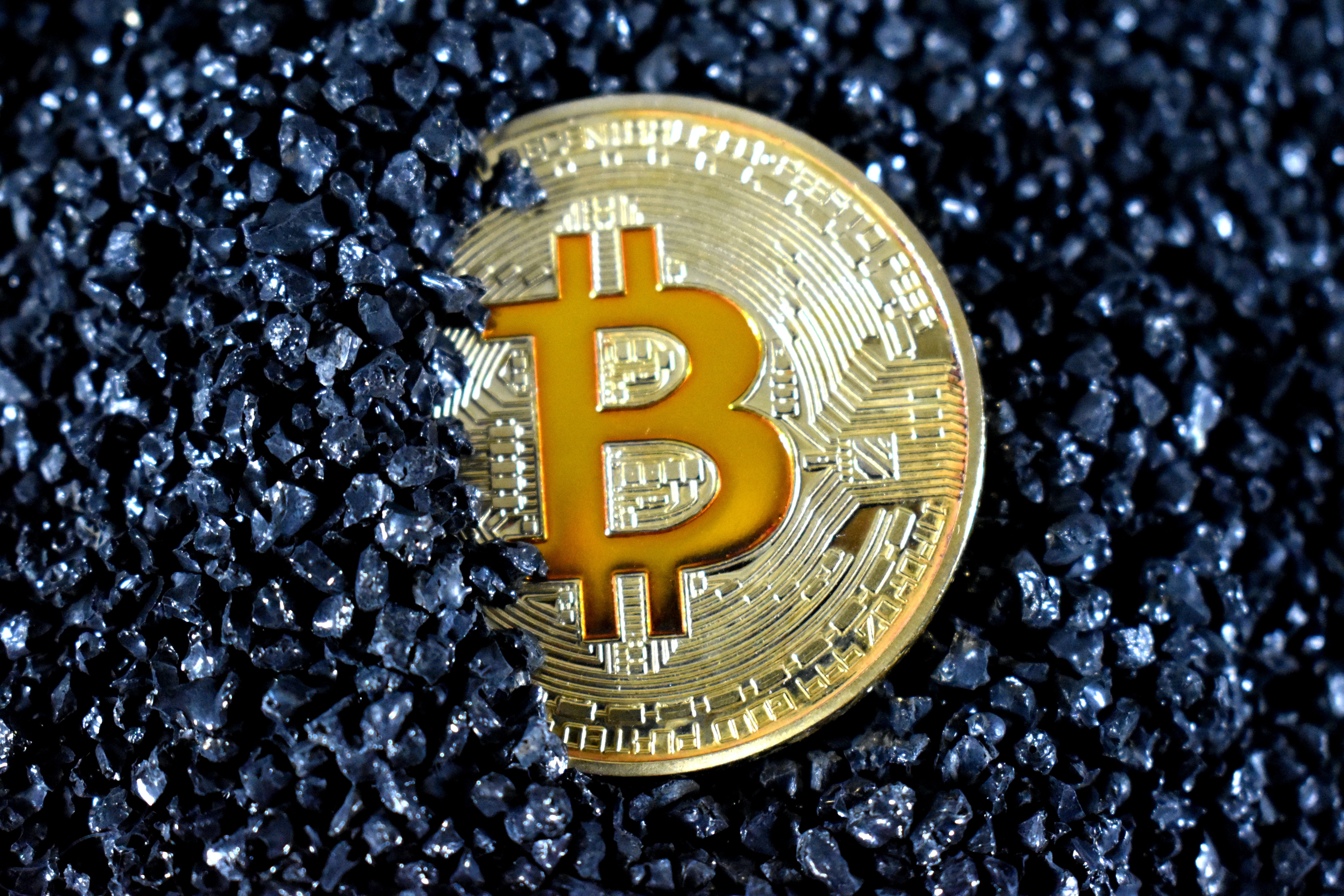
Investors in Bitcoin and other digital assets have been pummeled recently by the longest losing streak since 2011.
They are creations of easy credit, beneficiaries of central bank largesse. And now that the era of unconventional monetary policy is over, they’re facing a challenge like never before.
Treasuries extended their slump in New York, driving the yield on the benchmark 10-year note up by the most in more than three weeks, as renewed inflation concerns and economic data supported expectations for multiple Federal Reserve rate hikes in coming months.
The bear has ended a long hibernation.
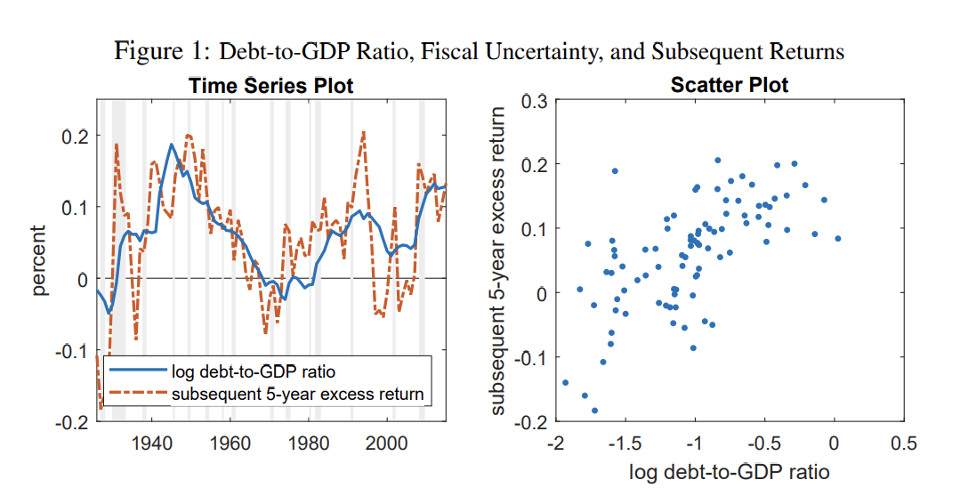
Our fiscal deficit, as measured by the debt-to-GDP ratio, has grown to levels that could impede growth, as predicted by financial theory and confirmed by empirical evidence. Moreover, new research shows that our burgeoning deficit could increase risk premiums for both stocks and bonds.
Meet a woman driven to change investment regulation and understand why it’s important that she succeeds.
How are advisors coping with the new Department of Labor (DOL) rollover rules? Here are a dozen observations.
Summer is right around the corner, and traditionally that’s when families pack their bags and get away for a well-deserved vacation. Since this is the first summer travel season in three years that feels like the before times, airlines and airports are bracing for what is expected to be a particularly busy three months.
It looks like the economy will grow for a while, just not very fast. And we simply don’t know what will happen when the Federal Reserve tightens in the face of a slowing economy.
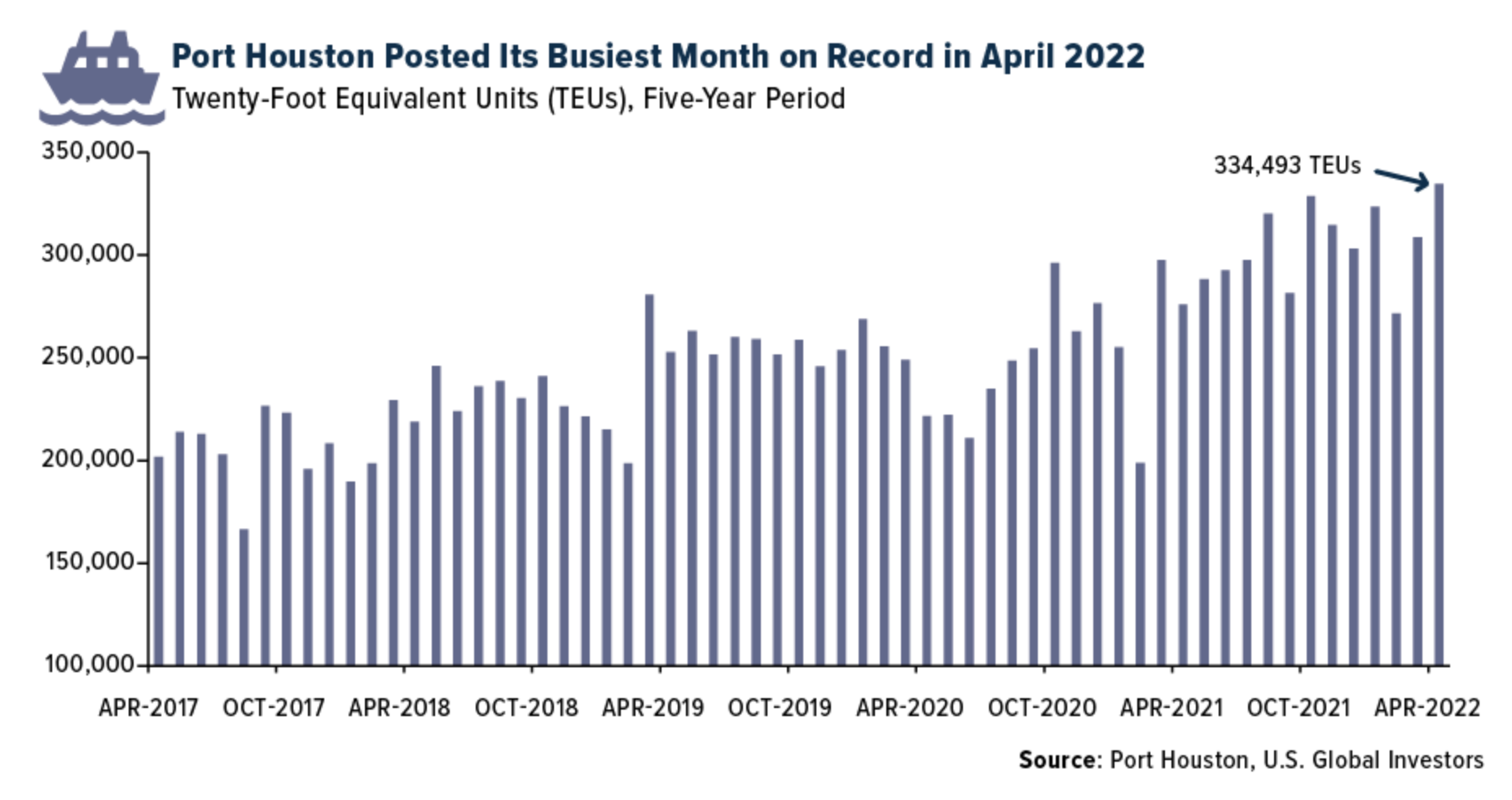
Texas now leads the nation in the number of Fortune 500 companies that are headquartered in the state.
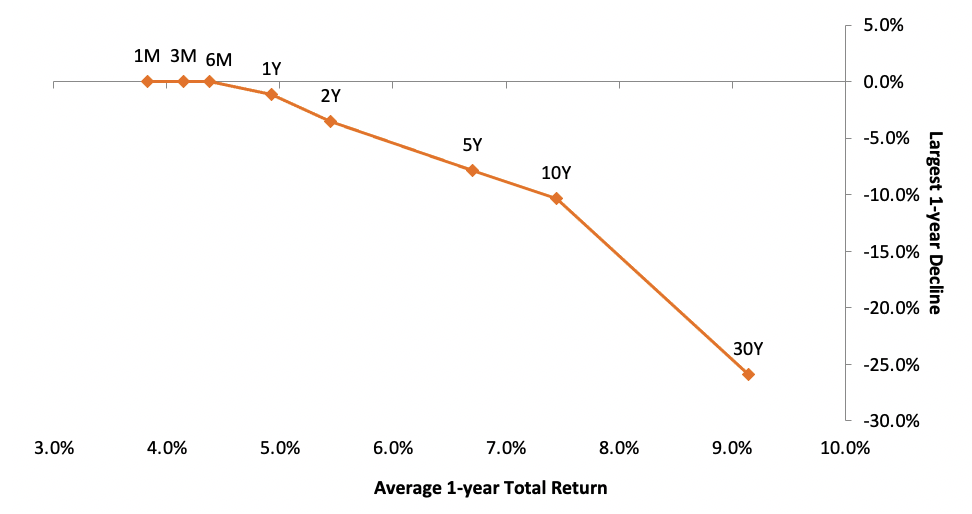
For investors wondering where to store cash, comparing the maturity profiles on Treasuries with their “risk of loss” history can help reveal where value might lie within shorter maturities.
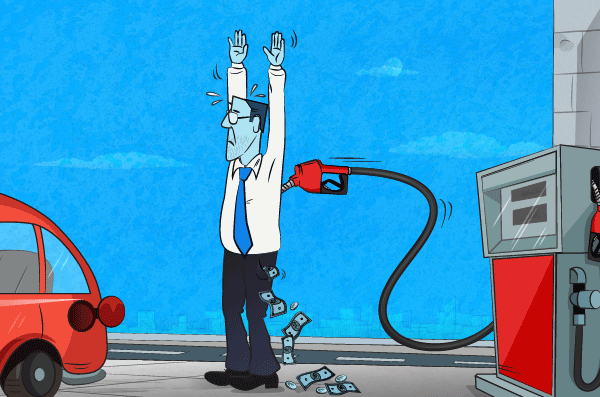
The war in Ukraine will pour more gasoline on the already raging inflationary fire, threatening to send the global economy into stagflation. Stagflation is a slowdown of economic activity caused by inflation.
The Franklin Templeton Institute hosted the Global Investor Forum last week in New York featuring internal and external speakers with expertise across economics, history, foreign policy, sustainability and investment management.
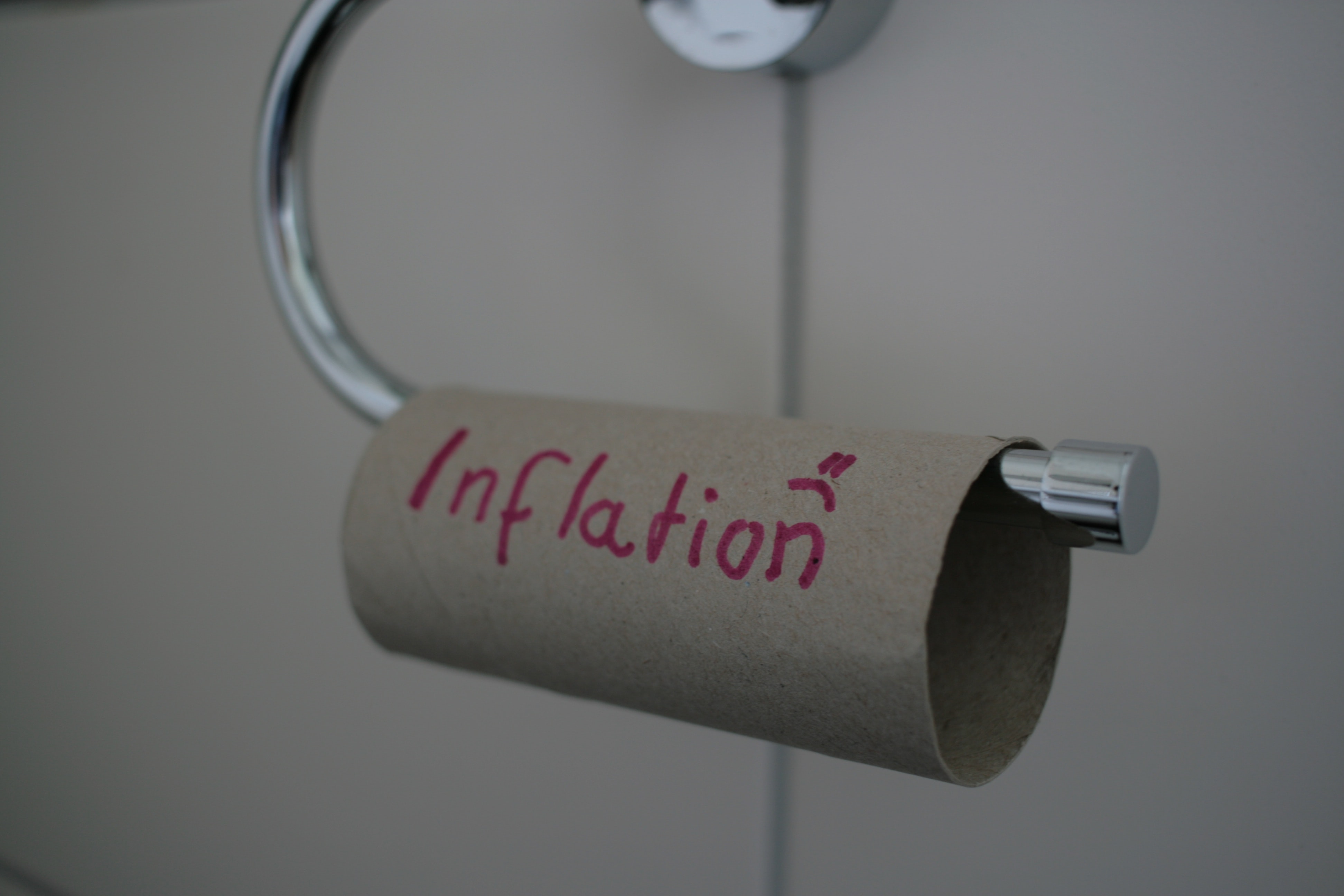
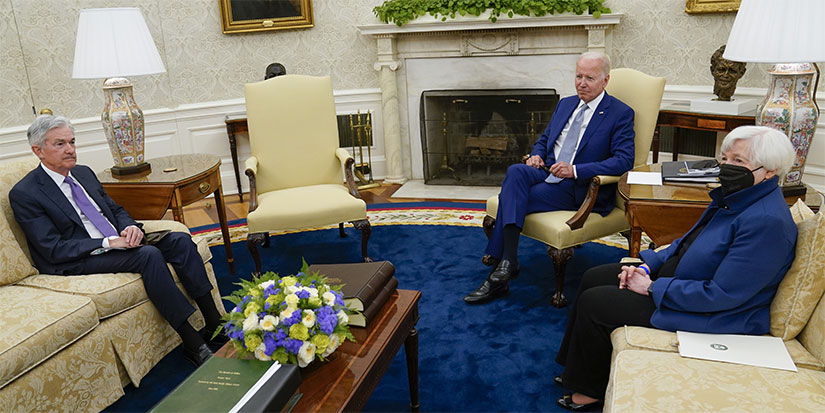
Central bankers can’t drill for oil, grow more crops or repair global supply chains. That means the only quick fix available to Federal Reserve Chair Jerome Powell and his colleagues for cooling the fastest inflation in four decades may be raising interest rates so much that they crash the economy into recession.
The US Securities and Exchange Commission is taking its biggest step yet to stop money managers from misleading investors when they claim their funds are focused on environmental, social or governance issues.