It’s tough being caught in the middle, especially when it comes to inflation.
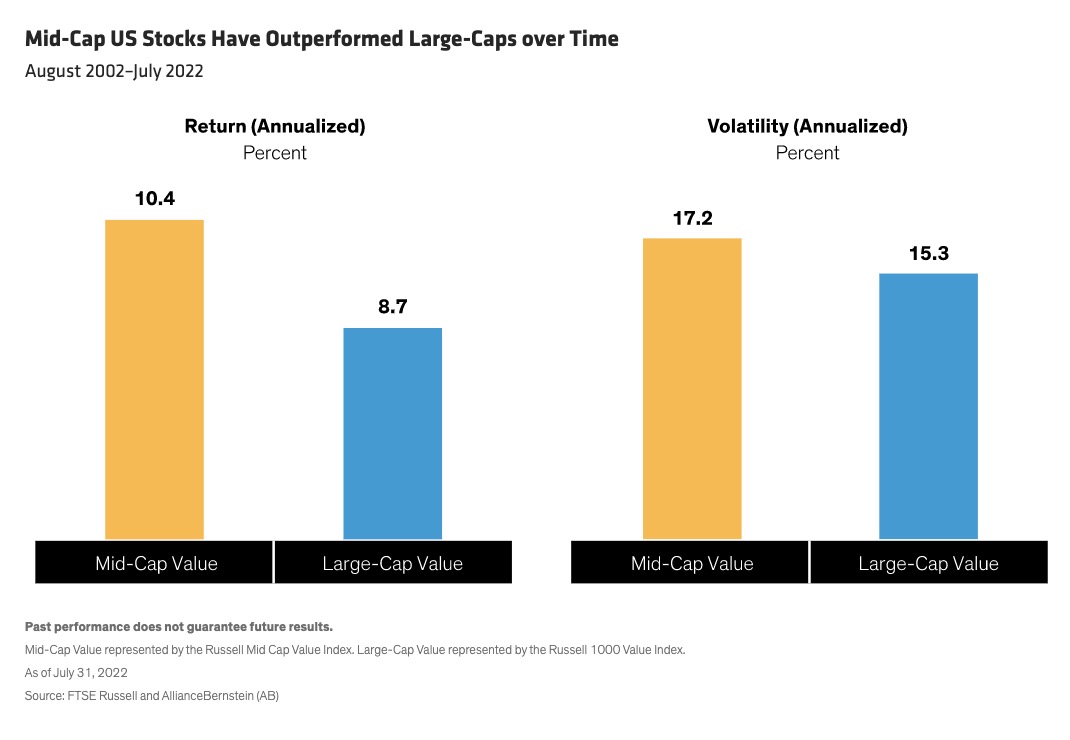
The case for mid-cap stocks.
Mortgage rates in the US surged to the highest since June, turning up the pressure in a housing market where demand has fallen sharply from its pandemic-era peak.
It can be daunting to get back on track once you’ve fallen behind.
Federal Reserve officials stressed the need to keep raising interest rates even as they reserved judgment on how big they should go at their meeting next month.
The government’s main measures of US growth pointed in different directions in the first half of 2022, adding to the ongoing debate on the health of the economy.
19% off the lows, and people are still bearish.
With Wednesday’s long-awaited announcement forgiving the debts of certain student borrowers, President Joe Biden hopes to give Democrats a boost in this fall’s midterm elections.
You might think these headwinds would be broadly negative for EM debt, but we see bright spots within the EM sovereign and corporate landscape.
Signposts for credit investors as the next recession approaches.
This article considers a change in behavior that would generate a price-wage spiral.
This the name of a recent research piece from the San Francisco Federal Reserve written by Adam Shapiro.
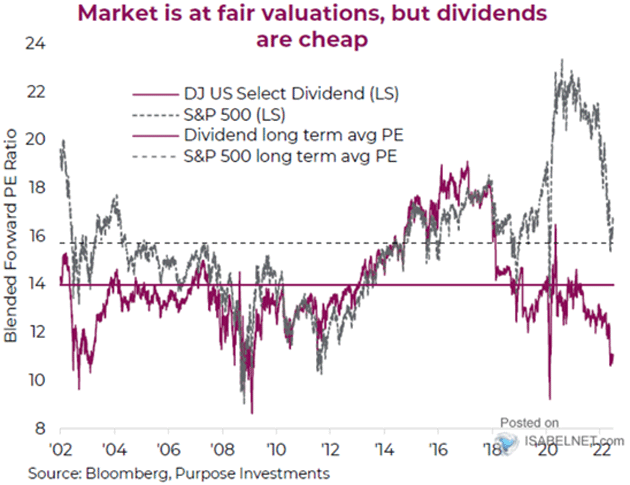
One of the most popular and reliable touchstones of investment strategy is value.
When Federal Reserve Chair Jay Powell speaks in Jackson Hole later this week, he will have no shortage of critics lying in wait to vivisect his every remark.
The phrase “$10 gas” is liable to put Americans in the hospital.
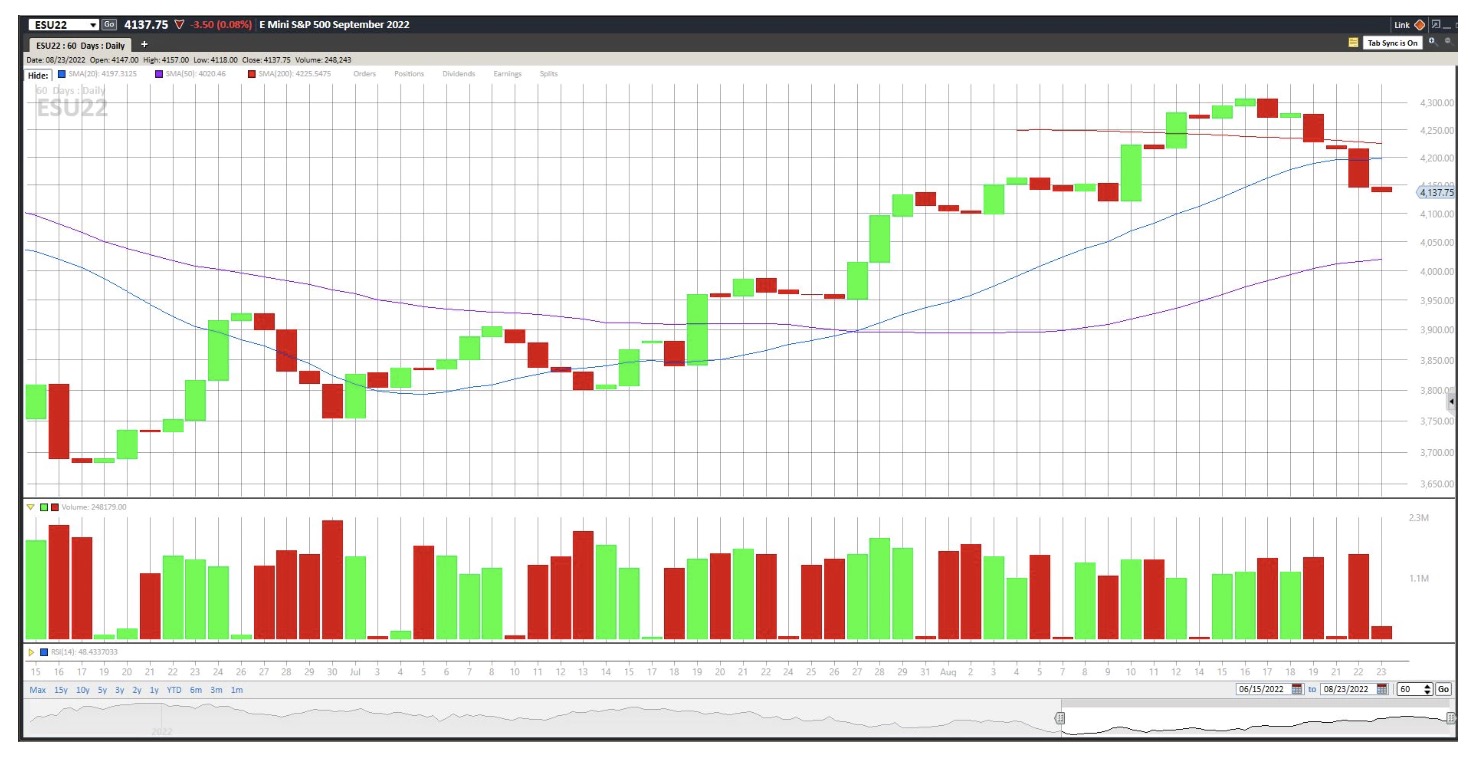
Equity markets plunged to start the week based on increased FOMC pressure to raise rates to combat inflation.
President Biden denies the US economy is in a recession despite the fact that we just endured two consecutive quarters of negative GDP growth, which many consider the classic definition of a recession.
The current stock market circumstances have created an incredible contrast between what investors say they think about the stock market versus what they are doing with their capital.
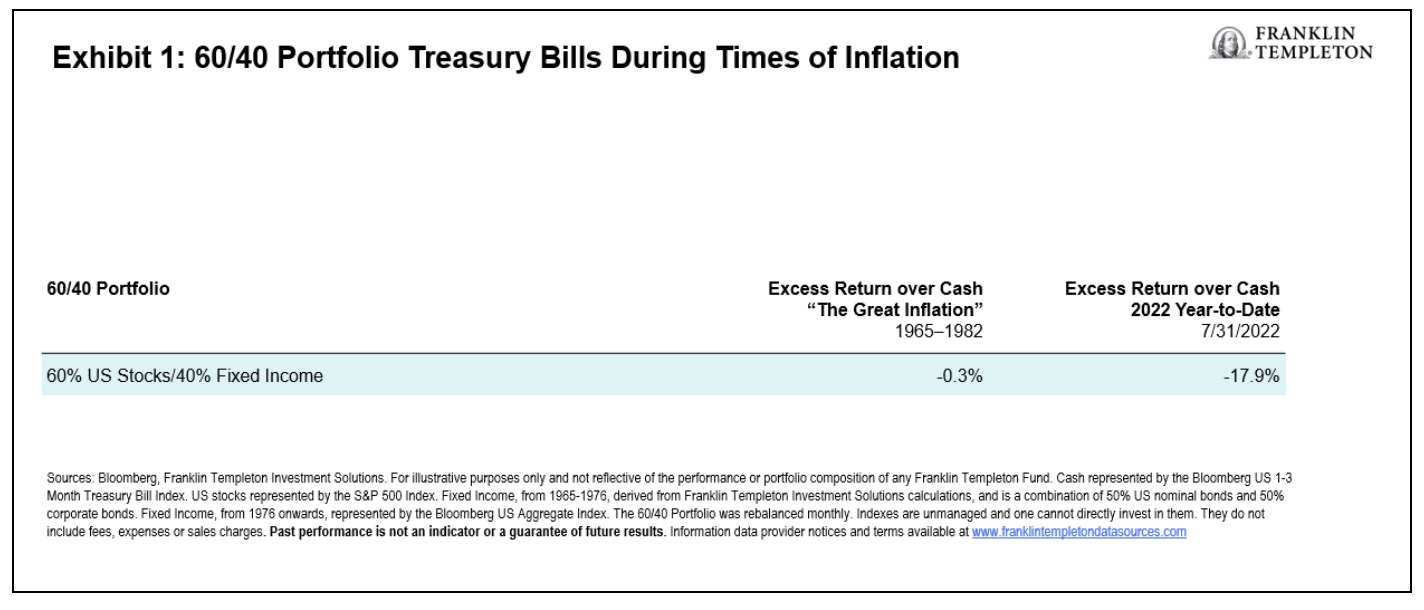
Jerome Powell isn’t Paul Volker, and this isn’t 1982.
The first six months of 2022 have served as a stark reminder that market outlooks can quickly shift. Advisors who want to retain business must now prepare clients for the possibility of greater volatility, abiding inflation and muted returns. Clients have many reasons to be skeptical of change and financial advisors (FAs) who don’t have these conversations now risk having painful discussions with disappointed investors. AllianceBernstein Advisor Institute’s, Ken Haman discusses key insights about human decision-making and research in behavioral finance to look at the practical challenges of managing client trust during uncertain times.
The economy is trying to take us for a ride.
If reshoring doesn’t become a significant trend over the next decade, it never will.
US companies that cut carbon emissions could qualify for subsidies on even the smallest projects under new climate legislation, unleashing a potentially unprecedented wave of investment in green technologies.
Cathie Wood’s flagship ETF, Bitcoin, meme stocks, profitless tech firms. The risk assets that powered this quarter’s $7 trillion rally all took a pounding Monday.
Some of the world’s biggest bond investors say the market is wrong to expect central banks to score a long-term win in the war against inflation.
One thing we must remember when looking at economic data, is that everything is distorted.
Over our decades of involvement in emerging country debt markets, we’ve witnessed many ups and downs.
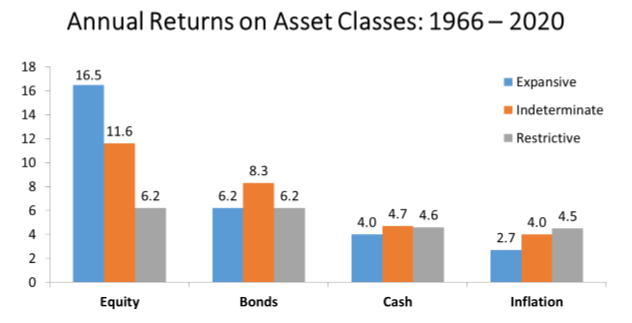
Equity markets have clearly taken notice of rising inflation—and not in a good way.
Summer was supposed to be a period of relative inactivity in markets, and it seemed as though A-Team traders were free to go about their vacation plans without fear of missing out on significant developments.
Corporate debt offers attractive yields, particularly through an interval fund with limited liquidity. I compare one such fund, CCLFX, to more traditional, liquid mutual funds.
The Federal Reserve’s forward guidance program has been a disaster, so much so that it has strained the central bank’s credibility.
Household, corporate and bank balance sheets are more resilient today than during past crises.
A sober warning for Wall Street and beyond: The Federal Reserve is still on a collision course with financial markets.
Economic slowdown but no recession!
We normally start our letters on a positive note.
Deeper losses for equities may lay ahead.
Rick Friedman from GMO’s Asset Allocation team offers the following comments about the updated forecasts.
This is part 1 of Volume I Issue VI of the Macro Value Monitor, a publication focusing on Monetary History, Market Myths, Investing Legends, and Real Global Value.
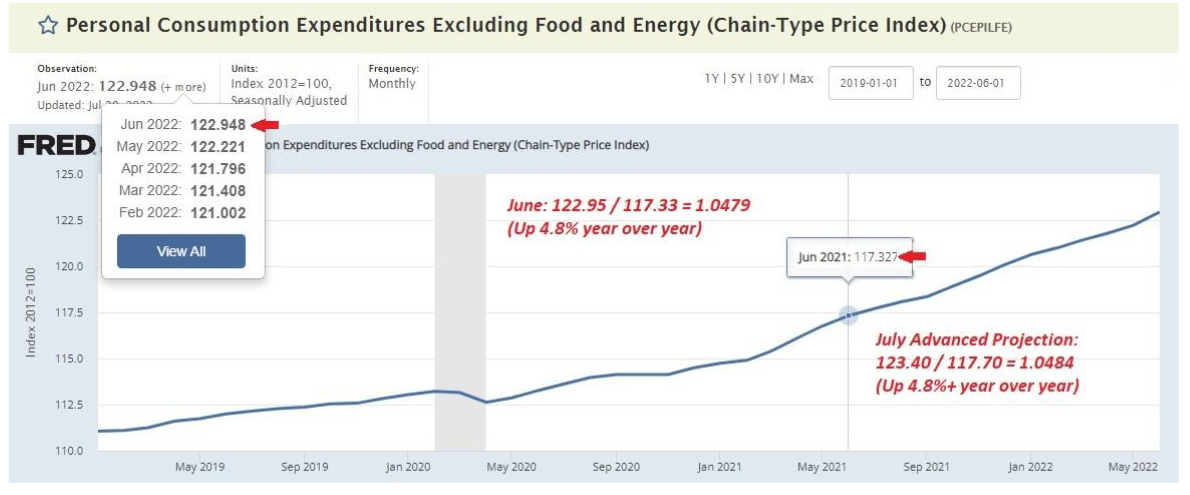
The Fed is likely to see the PCE stats as reasons to continue its hawkish moves.
Data this week generated a mixed report card of the US economy, showing both resilience in the face of high inflation and signs of troubles ahead.
Anyone paying attention has watched T-Mobile steadily rise up the leaderboard of the Nasdaq 100 in a year in which technology and communications stalwarts have been pummeled amid soaring interest rates and slowing economic growth.
The pullback in the once red-hot housing market isn’t scaring investors away from homebuilding stocks -- it’s all normal, they say. And normal is good enough for now.
Is all the attention to the Fed warranted, or is it a waste of time for advisors to monitor monetary policy developments?
Have you struggled to get calls returned?
In a sign of how close digital and traditional markets have become, cryptocurrency traders can no longer live without knowing what’s happening on stock exchanges.
In a word, yes: The IRS struggles to administer the system because US taxes are insanely complicated.
Cryptocurrencies suffered a sharp selloff as global markets retreated after US Federal Reserve officials reiterated their resolve to keep raising interest rates until inflation is contained.
Winter is coming for Europe, and energy prices are soaring as international sanctions on Russia curb the supply of natural gas, on which many European Union (EU) countries have increasingly become dependent.
Our own government cannot afford a short end of the curve much higher than it is now, and our own fiscal and monetary decisions have held down the long end of the curve in what I believe is a multi-decade period ahead that is best referred to as “Japanification”
July offered investors a slight reprieve from the market volatility that has characterized the first half of 2022.