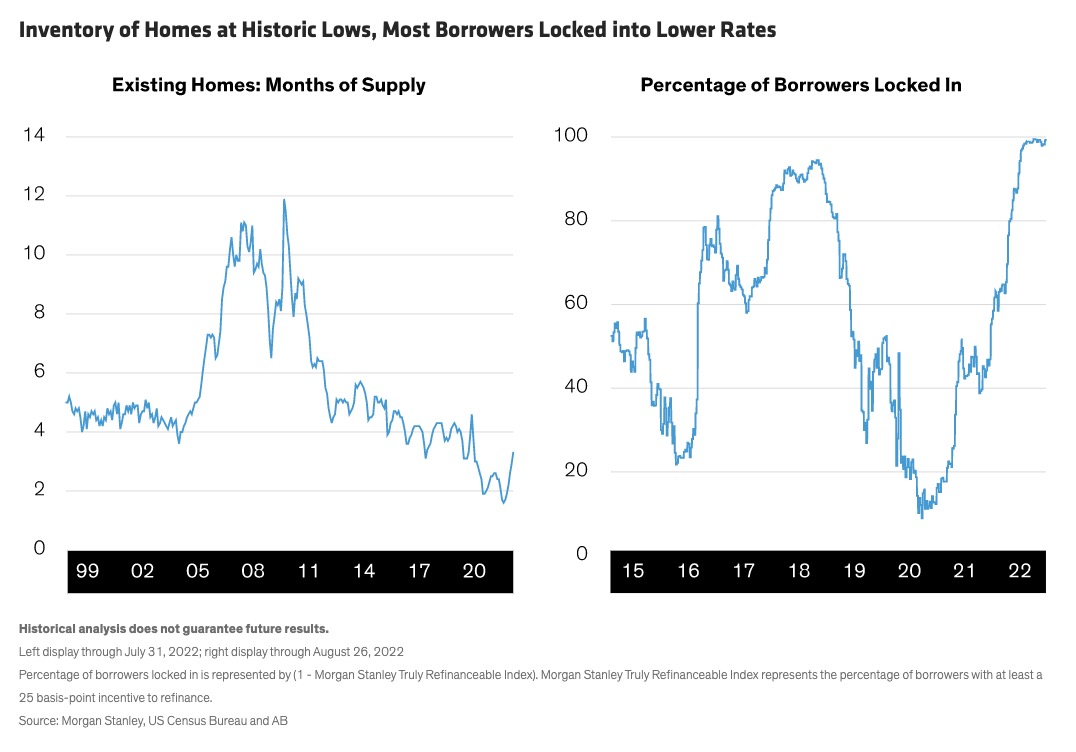
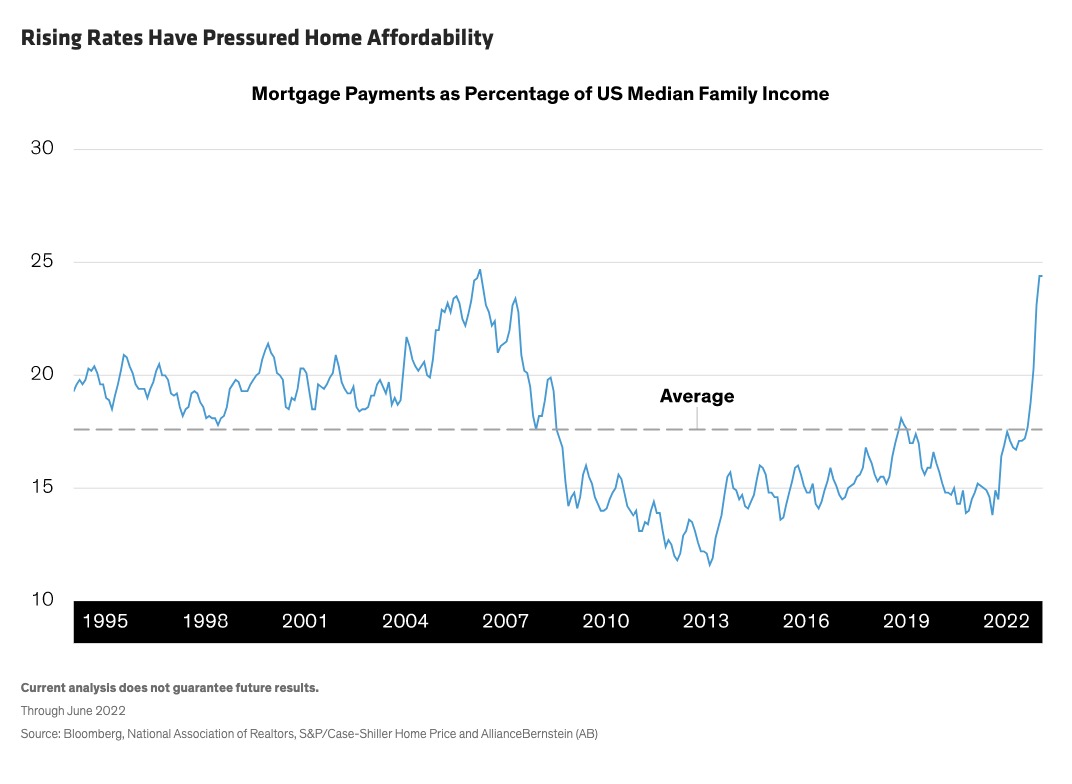
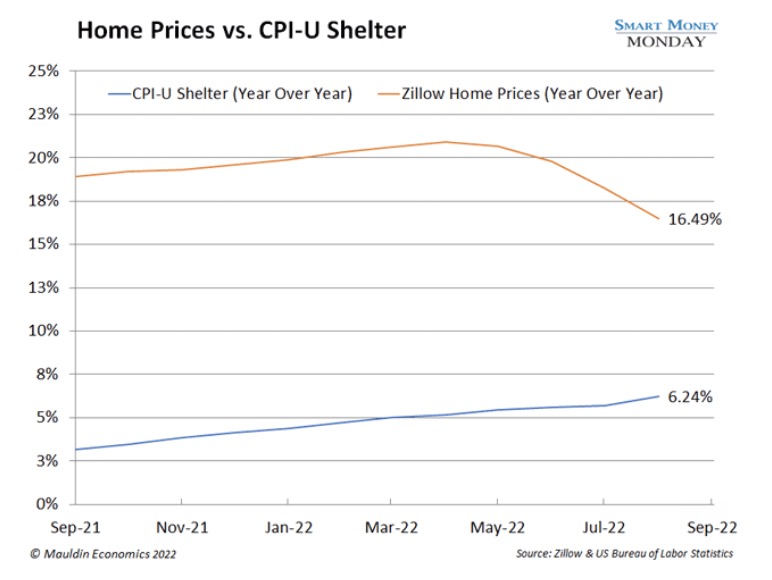
With interest rates on the rise, the once red-hot US housing market is finally showing signs of cooling.
Let’s face it, the last three years have been challenging for investors. The global pandemic has had a domino effect on so many aspects of our lives.
Cryptocurrencies lingered near almost two-year lows as digital-asset investors sought a fresh catalyst with central bank rate increases depressing demand for riskier assets.
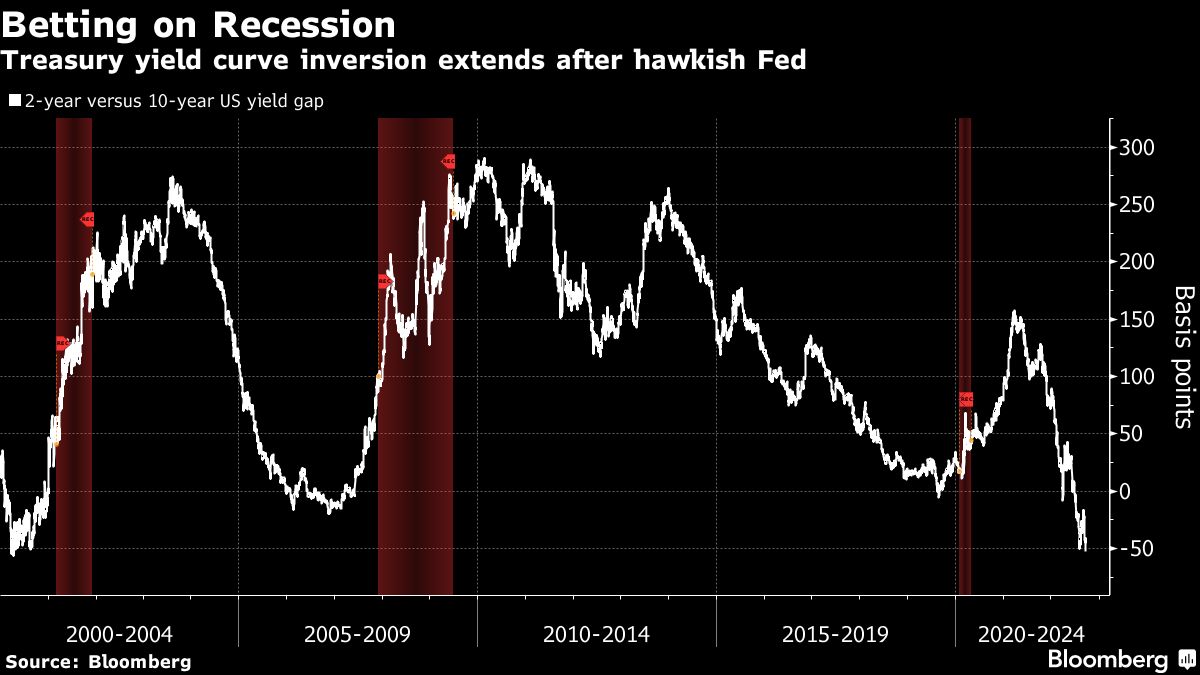
Bond traders are girding for the risk that Federal Reserve Chair Jerome Powell is ready, willing and able to plunge the US into recession to get the inflation bogey under control.
Mortgage rates in the US rose for a fifth straight week, threatening to freeze more would-be buyers out of the market for homes.
U.S. stocks are moving higher in pre-market trading, following yesterday's third-straight 75-basis point rate hike from the Fed.
The Federal Reserve released new economic projections suggesting interest rate hikes will be faster and larger than previously forecast.
Federal Reserve Chairman Powell delivered another forceful message to markets that an early pivot back to rate cuts will not happen until inflation is under control.
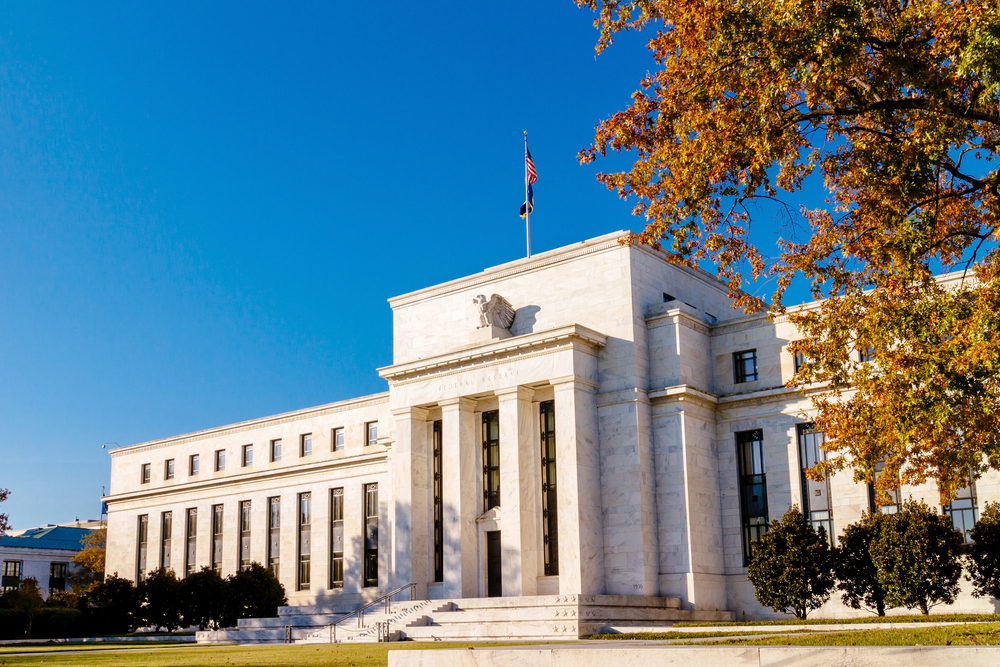
The Federal Reserve once again voted unanimously to raise rates by three-quarters of a percentage point - 75 basis points (bps) - today, bringing the target for the federal funds rate to 3.00 – 3.25%, and signaled expectations for continued hikes ahead.
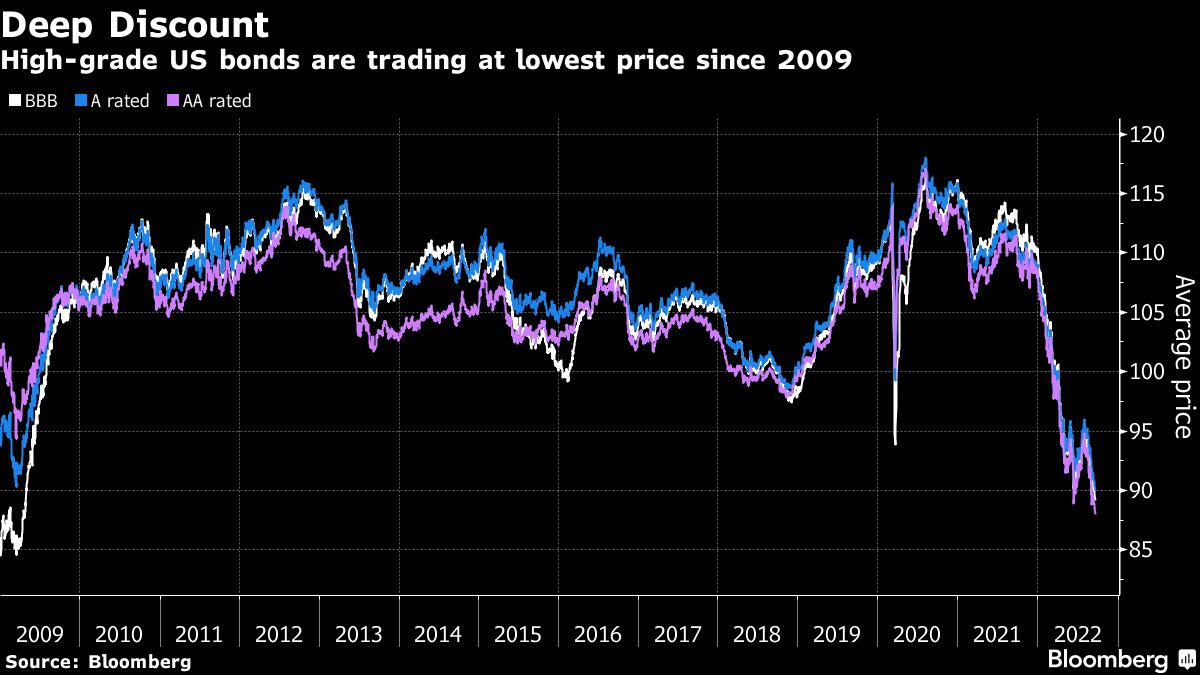
Most of the US investment-grade bond market is trading at a discount, and PGIM and JPMorgan say it’s time to buy.
The world’s top gold mining executives see cost pressures sticking around into next year, adding to industry headwinds fueled by economic and political uncertainty, supply-chain disruptions and surging interest rates.
After a lower-than-expected July inflation print led many investors to rejoice at the prospect of inflation having peaked, the recent August print showed that consumer prices continued to rise year over year – albeit more slowly than prior months.
When it comes to investing in stocks, I believe that intelligent investing implies investing for specific objectives or needs.
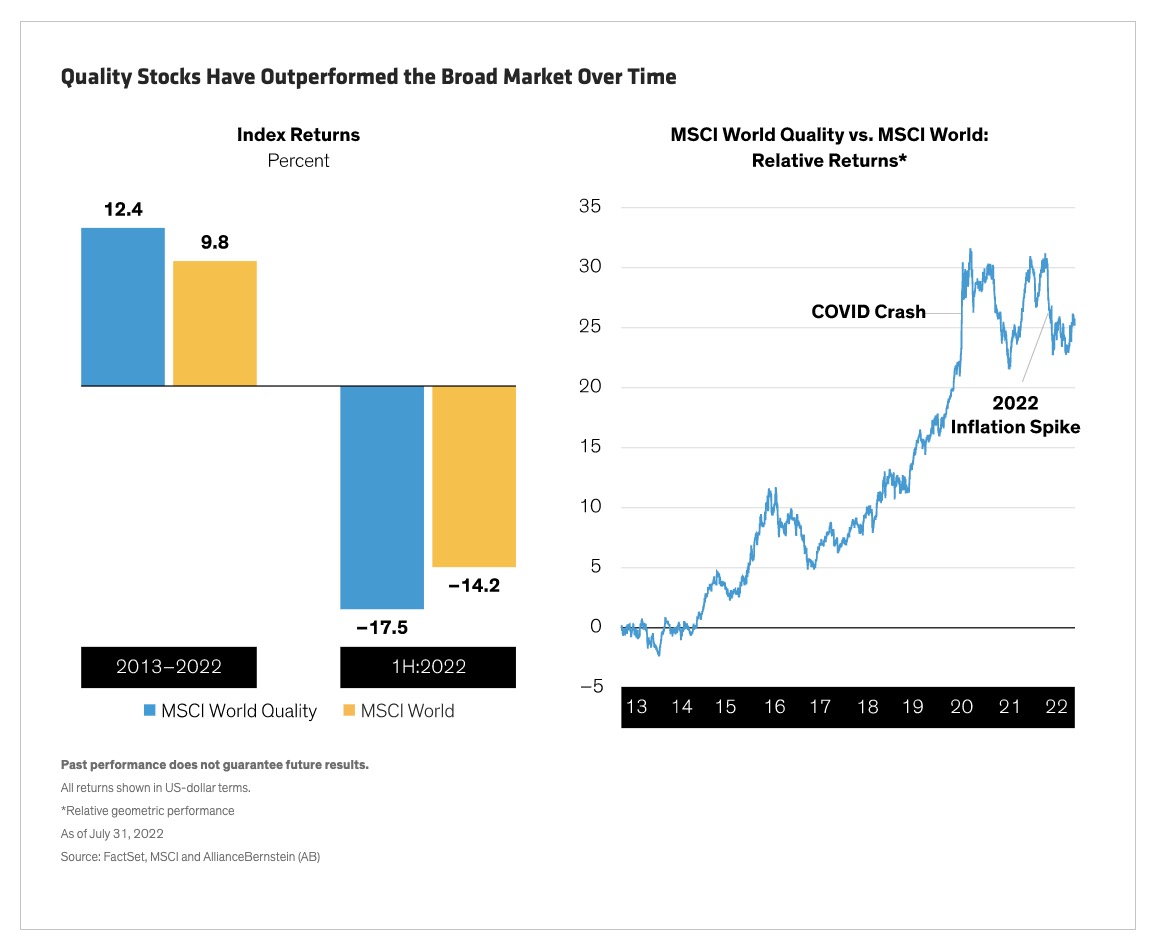
In a time of uncertainty, we believe that quality is the key to investing in equities.
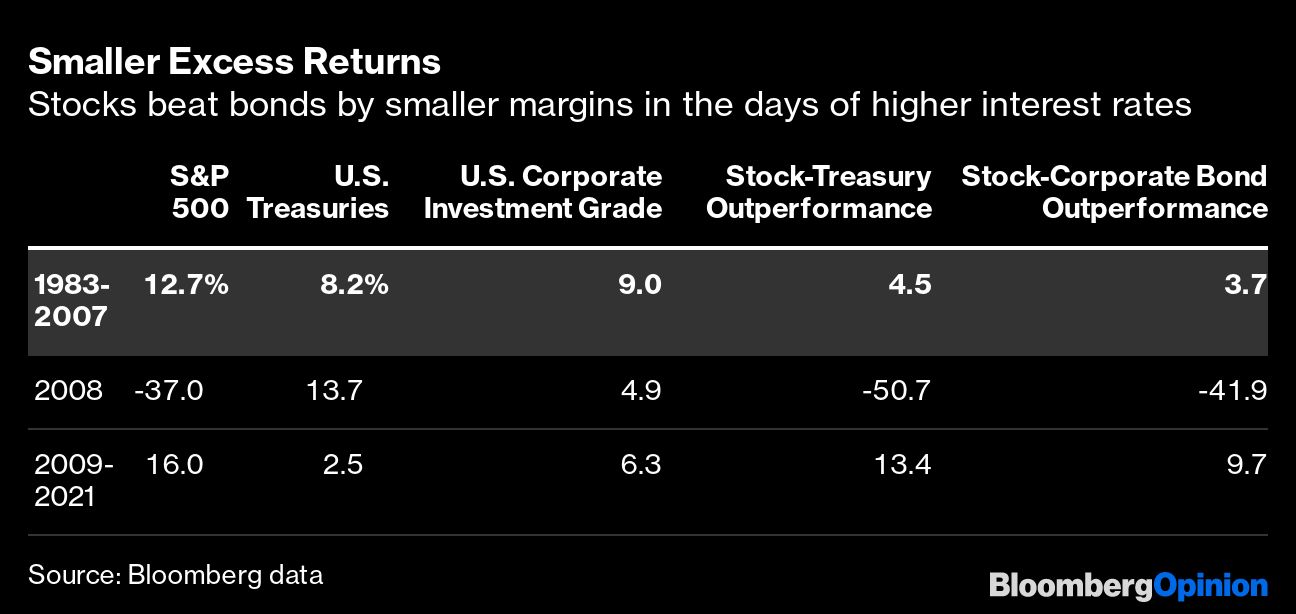
Would you rather buy a risk-free long-term Treasury bond yielding more than 3.5% or take your chances in the stock market? The jury is apparently still out among investors...
Federal Reserve officials raised interest rates by 75 basis points for the third consecutive time and forecast they would reach 4.6% in 2023, stepping up their fight to curb US inflation that’s persisted near the highest levels since the 1980s.
Currently, the most underrated theory in economics is the so-called Quantity Theory of Money. It has been out of fashion for a long time, and even Federal Reserve Chair Jerome Powell has said that a strong money-price connection has not held for at least 40 years.
Recent news of unexpectedly high inflation — prices rose by 8.3% in the year to August — made the Federal Reserve’s task this week a little easier. It affirmed investors’ belief that monetary tightening still has a way to go...
The leading tail-risk potential is the increased odds that high inflation remains stubborn, and the Fed continues to fight those odds aggressively.
How can we design and deliver our advice in a way that clients implement it? Enter the commitment device.
This week, Advisor Perspectives is set to host a variety of free CE webinars for financial professionals. These webinars will cover a variety of topics that are intended to help advisors gain valuable insight and education, allowing them to better meet their clients’ needs.
Portfolio Manager Michael Oh, CFA, says attractively valued companies are growing in Asia unfettered by inflationary headwinds.
Direct indexing is the fastest growing segment of the asset management industry. In this interview, Brandon Thomas of Envestnet explains how direct indexing helps clients gain low-cost, tax-efficient exposure to asset classes, ESG and quantitative strategies.
Wednesday’s meeting of the Federal Open Market Committee is dominating all discussions. That’s inevitable. But if there’s one area where the Fed’s monetary policy could wreak changes, and where many Americans fear that it will, it is on housing.
U.S. stocks are declining in pre-market trading as the markets await the Fed’s highly anticipated monetary policy decision tomorrow.
The IRA impacts everyone, but the healthcare portions of it mean substantial changes to the way advisors incorporate healthcare costs into their financial plans for clients who are retired, on Medicare, or are still working.
Despite widespread use in institutional portfolios, alternative investments are not typically found in US defined contribution plans.
The 2008 financial crisis created of a set of real estate winners and losers -- both at the household and geographic level -- based on how they were positioned in the housing market at the time.
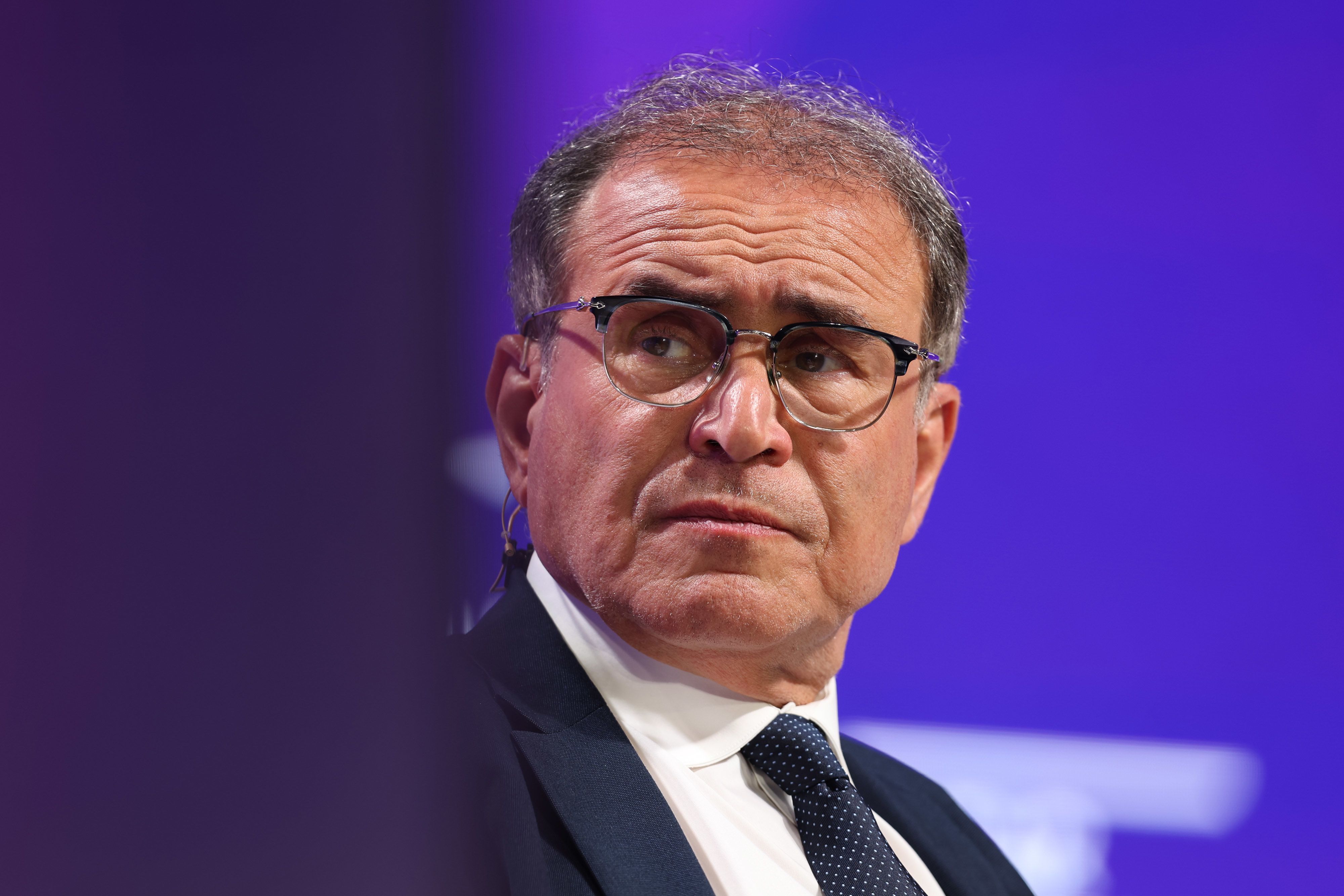
Economist Nouriel Roubini, who correctly predicted the 2008 financial crisis, sees a “long and ugly” recession in the US and globally occurring at the end of 2022 that could last all of 2023 and a sharp correction in the S&P 500.
Most pundits and thinkers are wrong about the relationship between interest rate hikes and bond prices.
The Biden administration is working on plans to herd the public into digital currency controlled by the Federal Reserve.
As the Federal Reserve raises rates in an effort to stifle inflation, what are the implications for US mortgage holders?
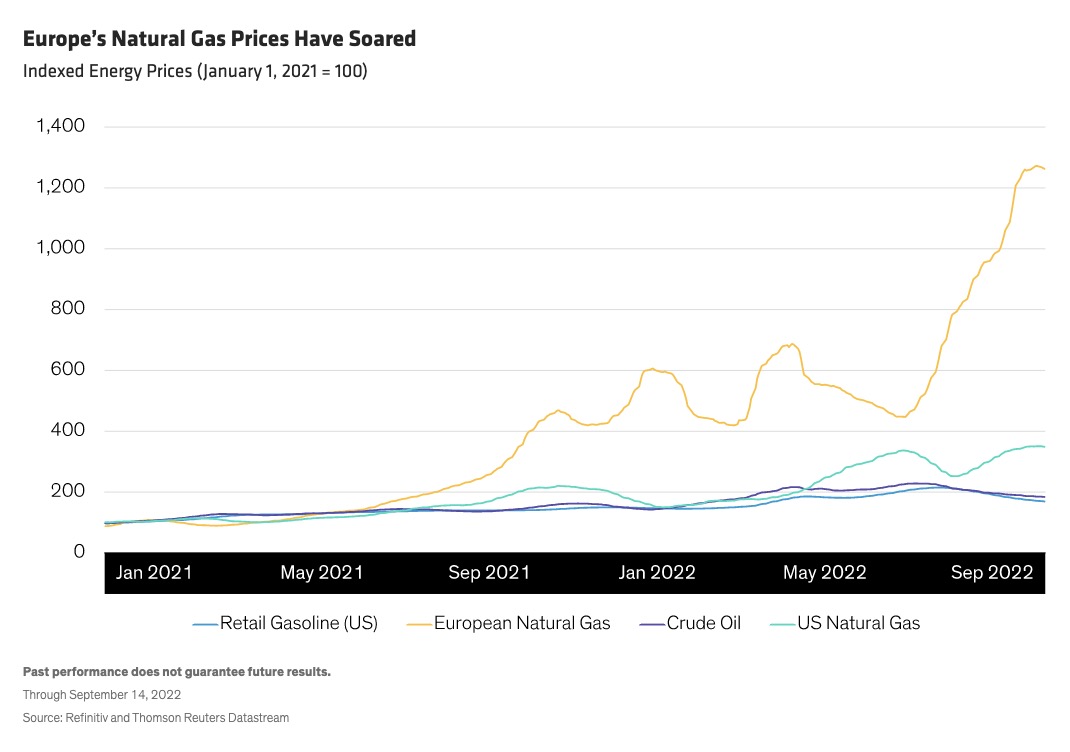
As surging natural gas prices stoke inflation throughout Europe, policymakers are responding to both reduce the economic damage of high energy prices and clamp down on blistering inflation rates.
Despite August’s disappointing inflation numbers, the US economy is uniquely equipped to mitigate and overcome the current price surge, owing to its relative energy and food independence, abundance of immigrant labor, strong production capacity, and the capital needed to boost domestic manufacturing.
We know many people think we are beating a dead horse, but this horse is far from dead.
Investors are running scared.
Wall Street analysts have trimmed their overly optimistic earnings estimates slightly in recent months, but they’re still nowhere close to acknowledging the threat of a recession.
Jerome Powell takes center stage for commodities this week, with the Federal Reserve chief set to unleash another large rate hike that could pile more pressure on energy, metals and crops.
The 10-year Treasury yield briefly rose above 3.50% for the first time since 2011 on Monday, with the bond market extending its bearish run ahead of another jumbo rate hike expected this week by the Federal Reserve to bring down inflation.
It’s a binary world. To an extreme extent, opinions on the market are divided, and they are split on one key issue: Will the Fed have to “pivot” toward easier monetary policy in the next few months, or won’t it?
I wrote an article last month regarding the 10 things I got wrong about financial planning over my 20-year career. As it happens, I also got some things right and was happy when I was asked to write about them.
Recently, the Biden Administration started taking victory laps on deficit reduction.
Individual impact aside, Biden’s student loan forgiveness will harm the U.S. currency and economy. Here’s how I see it as a value investor.
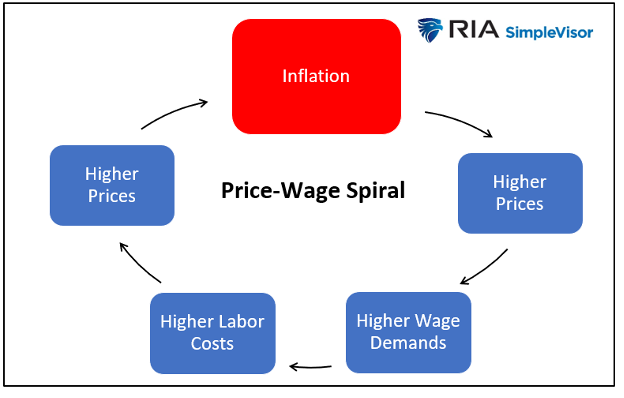
Inflation continues to rattle the global economy, forcing monetary authorities to strengthen efforts to extinguish it.
Five new Federal Reserve policy makers are seen as having a slightly greater focus on employment than inflation, but don’t expect a swift impact from this dovish tilt, economists surveyed by Bloomberg said.
Federal Reserve officials will signal a more hawkish stance next week, with interest rates reaching 4% by December and staying high through 2023, economists surveyed by Bloomberg said.
Businesspeople in the US have been complaining for more than a year about how hard it is to hire anybody.
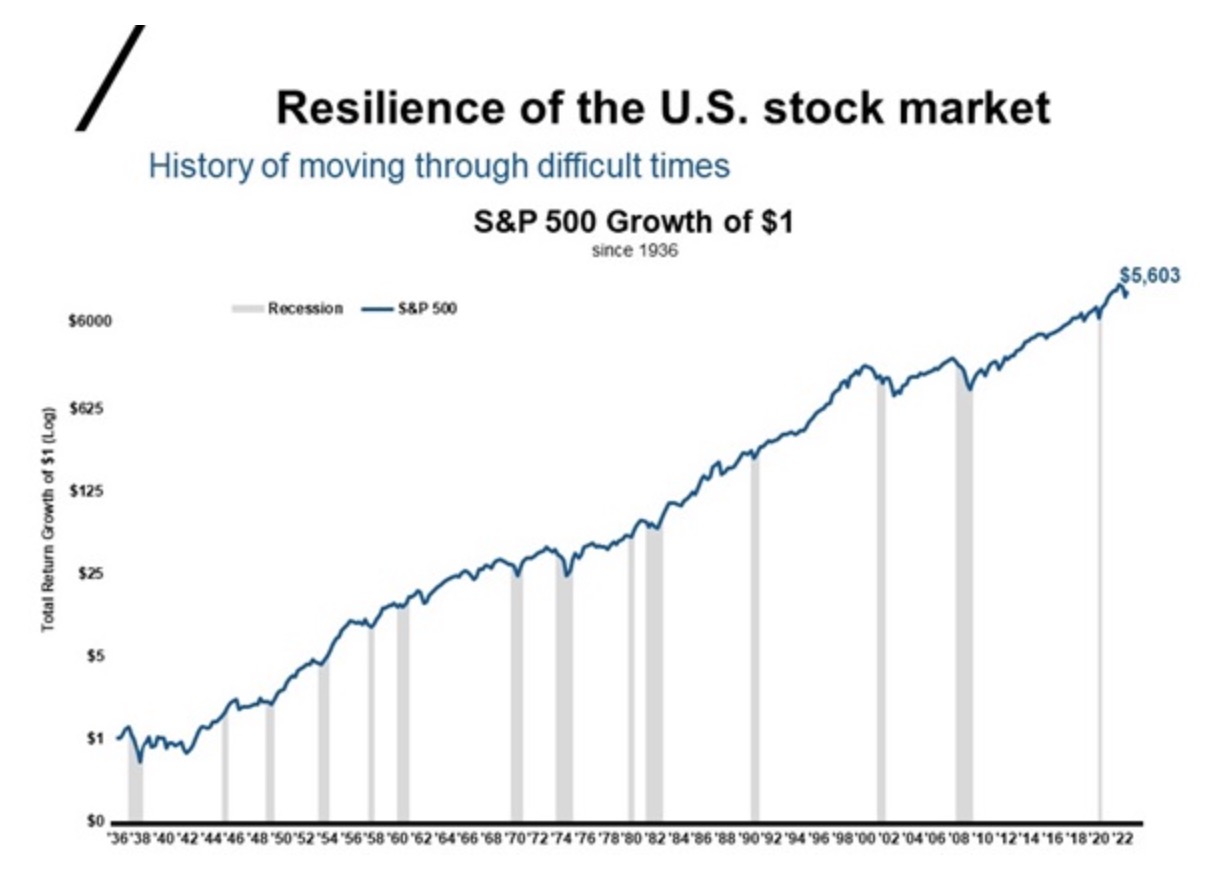
After more than 40 years of work in the financial markets, studying all the data I could get my hands on, I’ve found it to be universally true that those who argue “history doesn’t matter” have never actually studied history.
Bull or bear, in stocks lately, the punishment has been the same. Swift and brutal.