The Federal Reserve’s quantitative-tightening program risks being propelled toward an early end as US politicians bicker in Washington over raising the national debt limit, according to some economists and bond-market participants.
The popping of the bubble in US stocks is far from over and investors shouldn’t get too excited about a strong start to the year for the market, warns Jeremy Grantham, the co-founder and long-term investment strategist of GMO.
Stubborn inflation means more interest-rate increases are coming from the Federal Reserve and that sounds like great news for banks.
Cathie Wood’s flagship strategy is on course for one of its best months on record, joining assets across Wall Street that are so far defying gloomy expectations for the year ahead in emphatic style.
The Loomis Sayles Investment Grade Sector Team shares their expectations for the IG corporate bond market in 2023.
First, the good news: we estimate that real GDP grew at a solid 2.8% annual rate in the fourth quarter.
VettaFi’s Roxanna Islam goes in-depth on ecommerce and various ETFs covering the segment. Grayscale’s Dave LaValle offers the latest on their lawsuit against the SEC in an attempt to convert the Grayscale Bitcoin Trust (GBTC) into an ETF. Goldman Sachs Asset Management’s Marissa Ansell highlights the firm’s approach to actively managed, thematic investing.
The problem with speculation is that there’s usually a gap between the underlying risk and the inevitable outcome.
In the weeks since the ChatGPT artificial intelligence tool took the world by storm, Nvidia Corp. has emerged as Wall Street’s preferred pick for traders seeking to profit from its potential.
The death of the cheap-money era is redrawing Corporate America’s earnings map - upending a decade of Wall Street wisdom over which stocks are the bargain buys or the high fliers of tomorrow.
Investors, economists and journalists have been talking incessantly about recession for the better part of the past year, and they’re all tired of it.
2022 was a year of disappointment and negative surprises as economies faced the consequences of geopolitical turmoil and central banks fighting inflation.
U.S. stocks are extending a late last-week rally, with Q4 earnings season set to shift into high gear.
We got consumer price reports for many European countries this week.
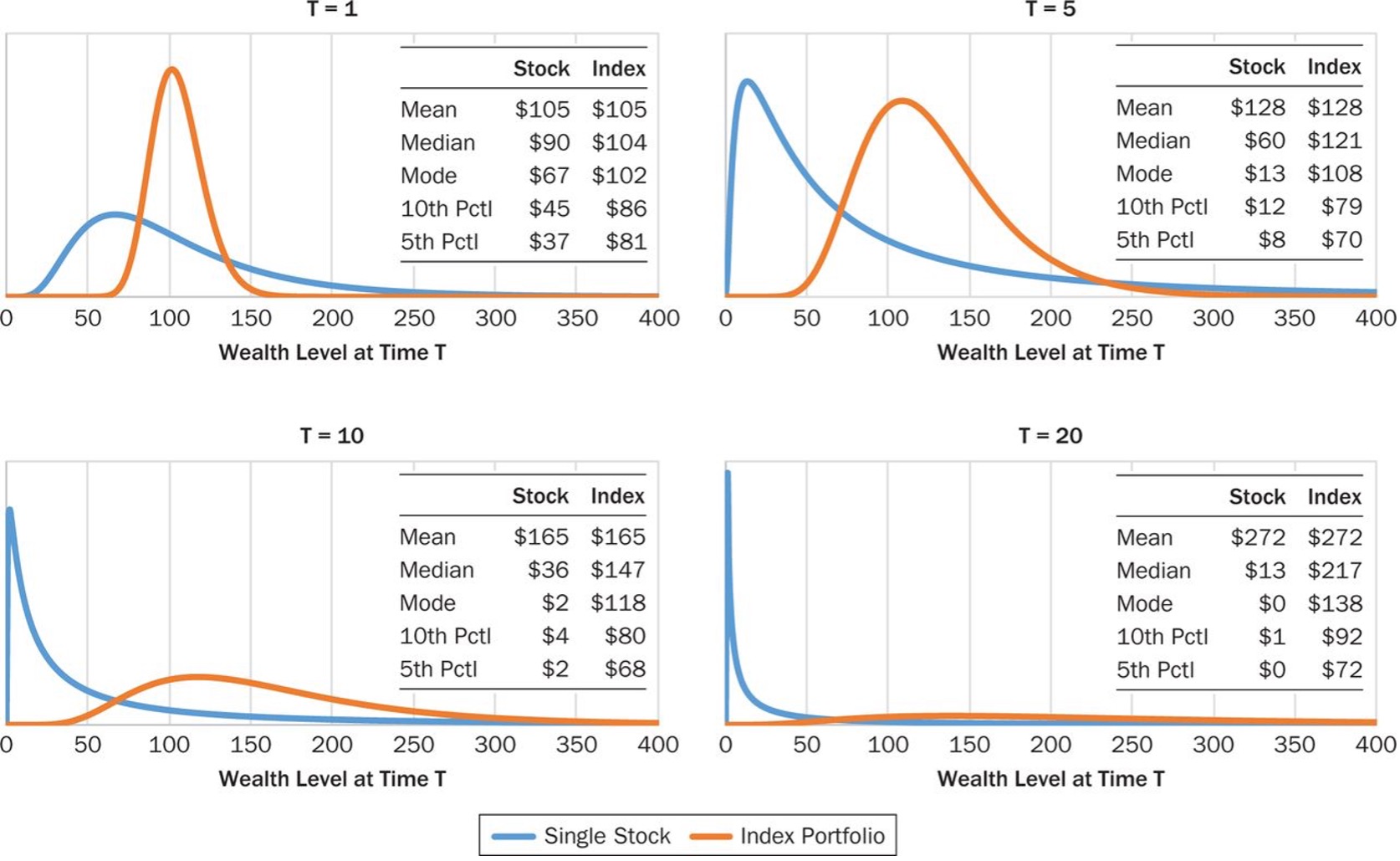
Advisors can illustrate the risks in single-stock positions by educating their clients on the historical evidence that demonstrates diversification is the prudent strategy.
Is the Fed trying to wean the markets off monetary policy?
Ray Dalio, founder of the world’s largest hedge fund, has one.
The world’s leading CEOs, politicians, and various do-gooders were in Davos, Switzerland, this week, discussing ways to solve our collective problems and create opportunities for their own companies. The most important conversations were off the record and many of the public speeches were simply performance art.
A January survey conducted by Bank of America shows that 91% of money managers believe China will “fully reopen” in 2023. That’s a significant increase from December 2022. Growth expectations for the country are also at a 17-year high.
Market watchers on Wall Street attribute this week’s stock selloff to the insidious threat of recession.
Federal Reserve officials, heartened by an inflation slowdown, are poised to slow the pace of their interest-rate hikes for a second straight meeting and debate how much more they need to tighten to get prices under control.
After a year that brought a surprise surge in interest rates, the biggest stock drop since 2008 and a halt to major deals, plenty of finance executives lined up at the World Economic Forum’s annual meeting to say they now see reasons to be upbeat.
Treasury Secretary Janet Yellen has declared that the US has hit its federal debt limit, kicking off an intense political battle that puts the global financial system at risk.
Federal Reserve Vice Chair Lael Brainard said interest rates will need to stay elevated for a period to further cool inflation that’s showing signs of slowing but is still too high.
U.S. equities are higher, as the markets look to get back to their winning ways after a two-day losing streak.
Investors may be able to lock in higher yield levels notes Doug Drabik, Managing Director, Fixed Income Research and Nick Goetze, Managing Director, Fixed Income Solutions.
The lag effect of monetary policy changes will surprise the Fed as the fiscal “pig” of stimulus begins to exit the economic “python.”
Jeff and Ron Muhlenkamp review what happened in 2022 regarding inflation, interest rates, the housing market, supply disruptions, energy problems, and foreign currency turbulence.
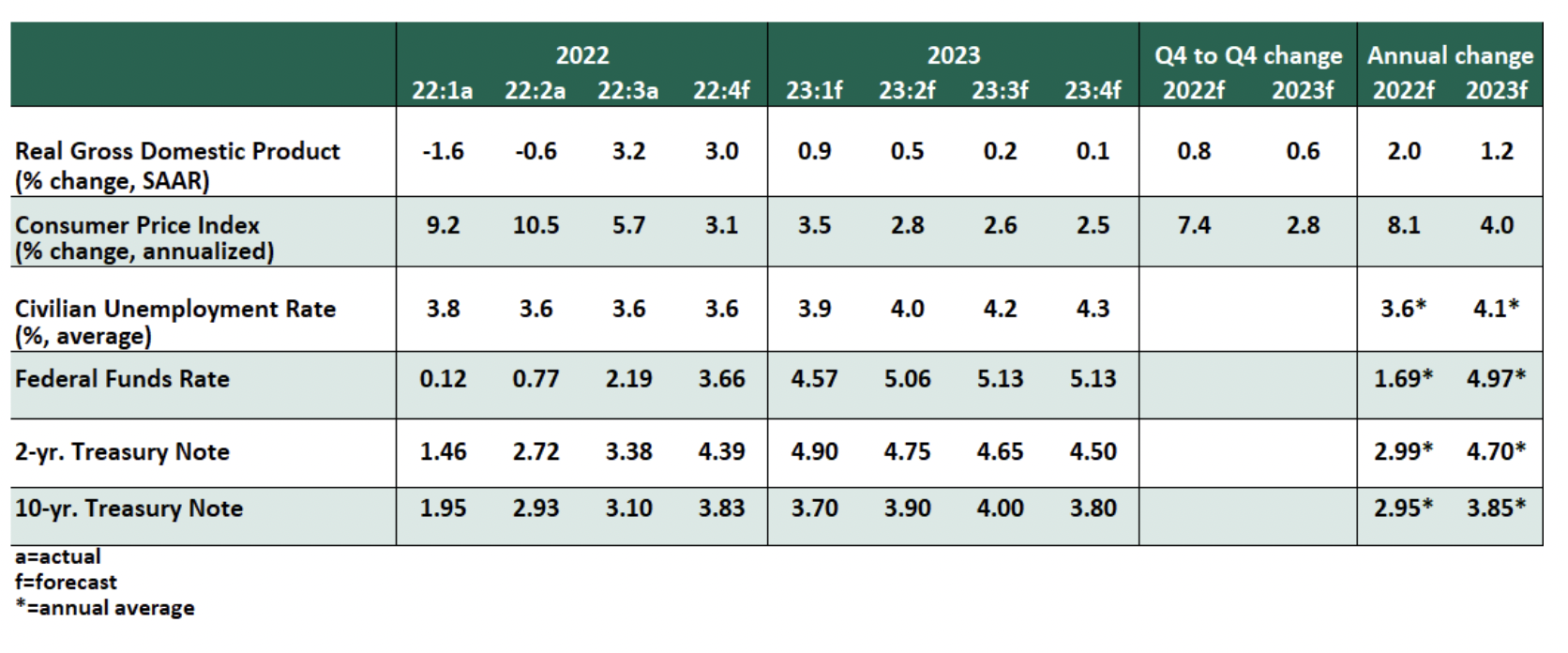
The Northern Trust Economics team shares its outlook for growth, inflation, employment, and interest rates.
2022 was a difficult year for bond investors, but the combination of high inflation and tighter Fed policy should keep yields elevated, creating materially stronger fixed income returns in the new year.
We call them narratives, memes, or mind viruses.
The best start to a year for bond returns is helping fuel an unprecedented debt-sale bonanza by governments and companies around the world of more than half a trillion dollars.
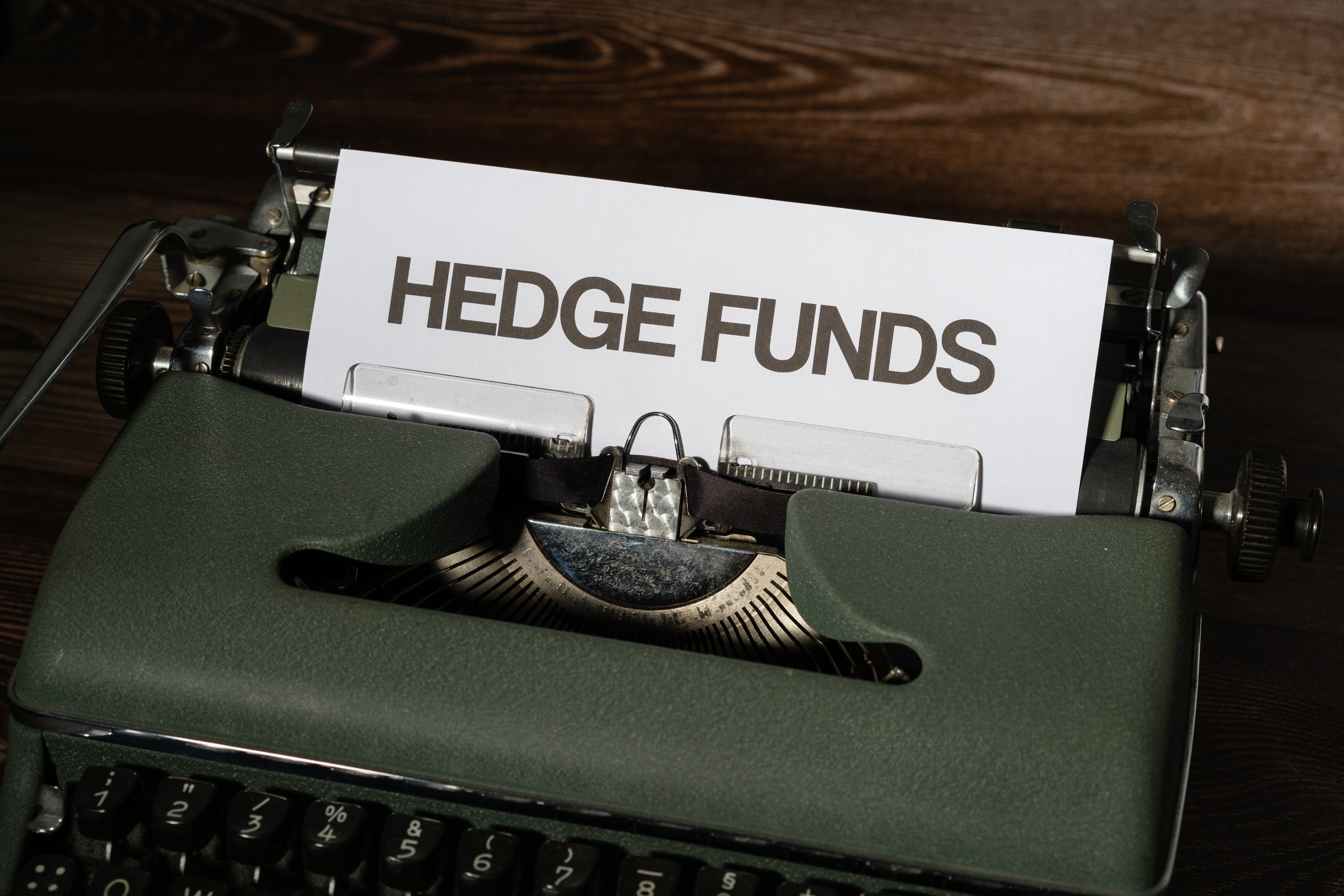
Macro hedge funds, which look at economic trends and take advantage of dislocations across asset classes, had a banner year in 2022.
Bond traders were once deemed so powerful and all-knowing that Tom Wolfe described them as the “Masters of the Universe” in his classic 1987 novel “The Bonfire of the Vanities” that used Wall Street as its backdrop.
Whatever one’s favored terminology for describing the current moment, there is widespread agreement that we are facing unprecedented, unusual, and unexpected levels of uncertainty, auguring a future of crisis, instability, and conflict.
The Loomis Sayles Emerging Markets Debt Sector Team shares their views on growth, corporate defaults and inflation.
US retail sales fell by the most in a year and business equipment production slumped, raising concerns that the economy is losing momentum under the weight of tighter Federal Reserve policy.
BlackRock Inc., the world’s largest asset manager, suggests investors should abandon portfolios made up of 60% stocks and 40% bonds, a mix that has been a standard for six decades.
Federal Reserve Chair Jerome Powell is justifiably proud of the central bank’s independence — and refreshingly candid about its boundaries.
There are several ways to look at Tesla’s deep price cuts in the US and Europe, which came on the heels of two rounds of reductions in the span of 10 weeks in China.
Behind the five-decade low US unemployment rate of 3.5% lies a 2.6 million-person mystery.
European policymakers face a dilemma: continue to hike interest rates to combat inflation or ease off to stimulate growth.
Oil prices continue to struggle as recession fears have curtailed the market is recent months.
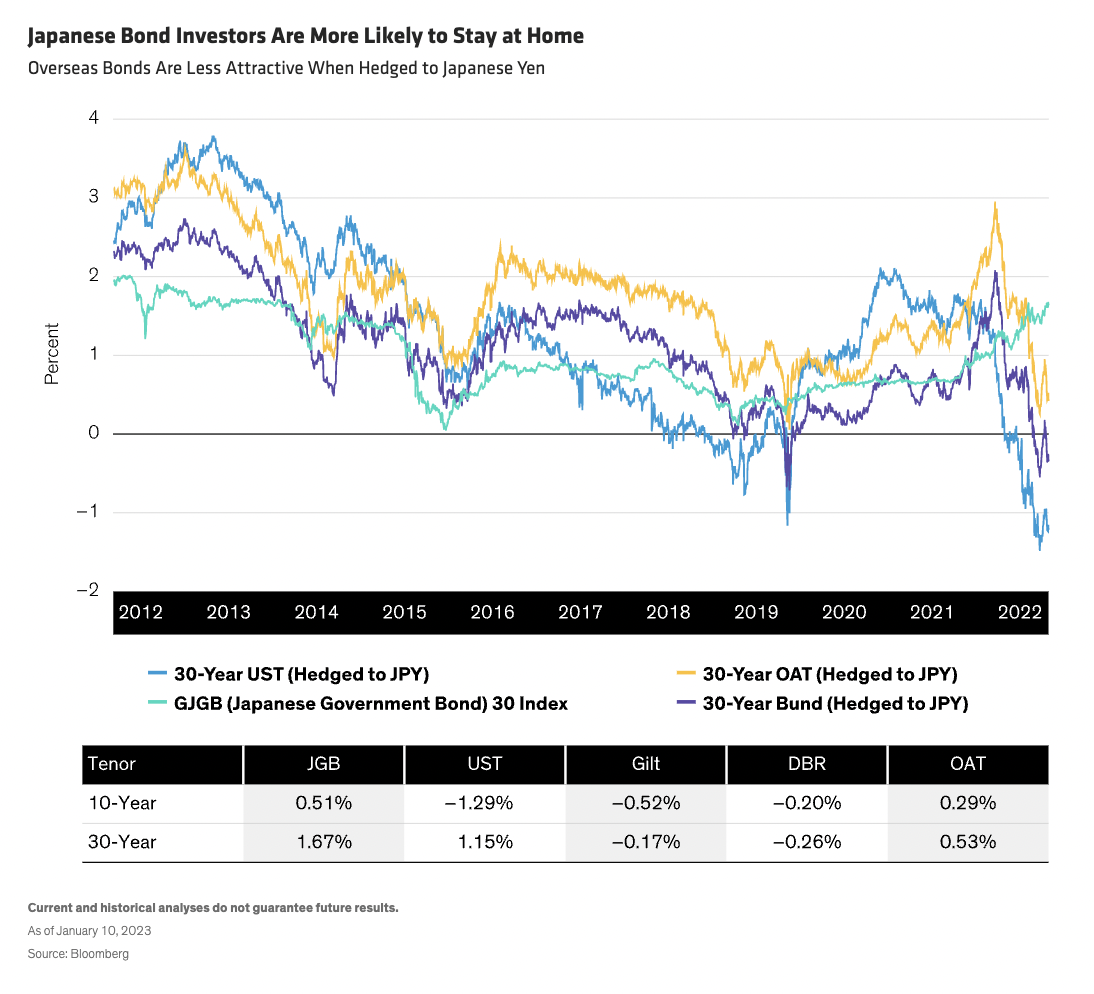
Overnight, traders pressed the Bank of Japan again on its Yield Curve Control (YCC).
We wrote last week about the soft landing that markets now seem to expect.
It's easy to take the wrong signal from recent market strength.
Wall Street bond dealers are moving rapidly to the sidelines of US Treasury auctions — the very activity that defines their status at the heart of the world’s biggest bond market.
Higher expenses and a plunge in deal-making hobbled quarterly results for two of Wall Street’s premier investment banks, with shares of Goldman Sachs Group Inc. sinking amid concern that the situation won’t improve anytime soon.
One of the main questions for the US economy in 2023 is how the trajectory of inflation will unfold.
A bad earnings season just might be good for stocks.