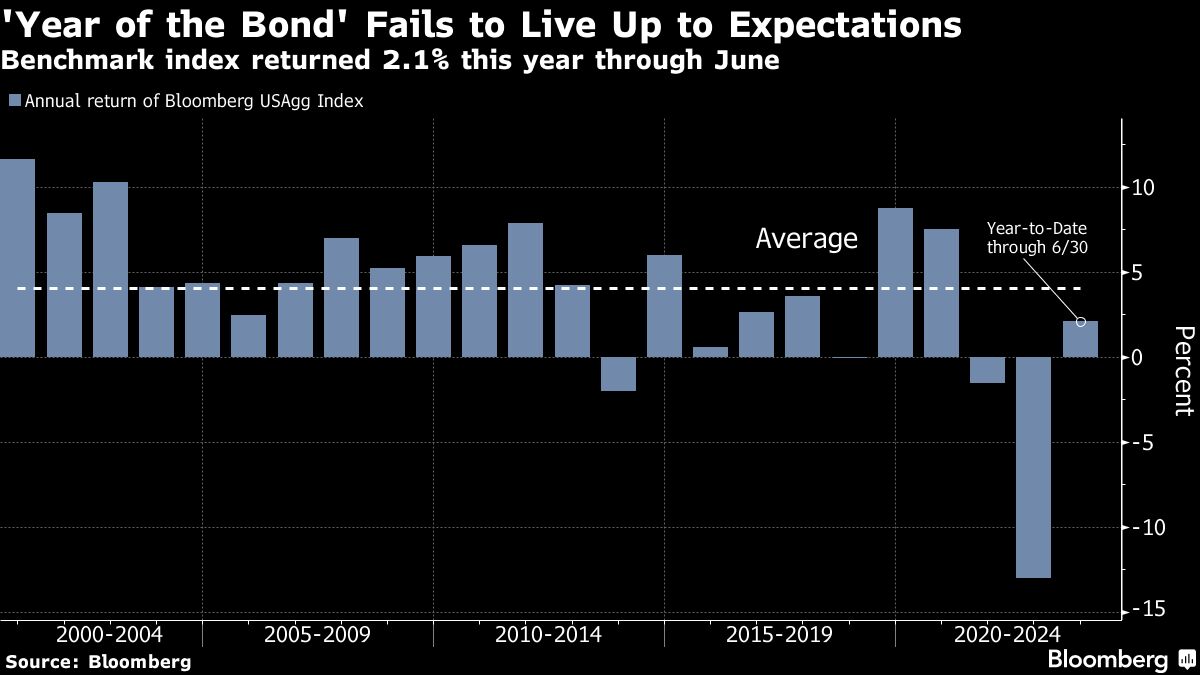
Surf’s up! Elevated yields and negative correlations are good news for bond investors. We share strategies for making the most of today’s opportunities.
Better than expected first quarter earnings, decelerating inflation and growing optimism about a soft, non-recessionary landing have driven the market's positive 2023 start.
Ashmore is a specialist Emerging Markets investment manager with over thirty years' experience in these markets. Today we continue to innovate, offering new strategies that provide an opportunity for investors to participate in Emerging Markets.
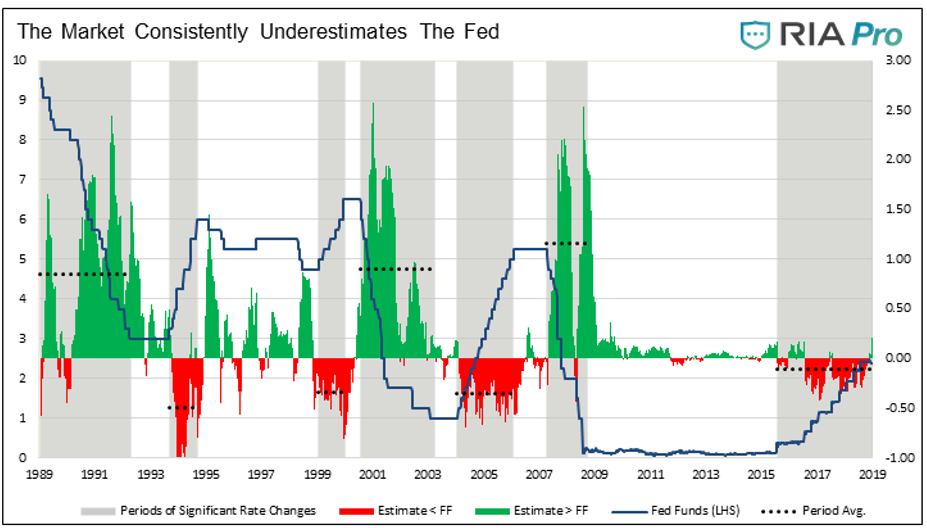
History tells us to ignore the Fed’s and market forecasts and anticipate a rate-cutting cycle.
Investment banking work has all but dried up and the private equity industry bears a lot of the blame. The bad news for those involved is that managers of buyout funds might struggle to get their flywheels spinning again even when the current economic uncertainty starts to clear up.
"If your only tool is a hammer, every problem looks like a nail." This old saying still rings true as central banks keep ratcheting up the interest-rate pain.
In this article, we take a deeper look at some of the most important economic releases from the past week: personal consumption expenditures (PCE), gross domestic product (GDP), and consumer confidence and sentiment.
As the world continues to be rocked by inflation and financial instability, four precious metals “megatrends” have emerged largely undetected by the mainstream – central bank gold buying, rapidly expanding silver uses, a platinum supply breakdown, and capital control schemes.
Excitement over AI has driven equities this year. Yet investors should maintain a disciplined, long-term focus amid uncertain market conditions.
Some of the biggest bond managers are sticking to their bullish view on the market for US government debt, even as that trade looks riskier by the day.
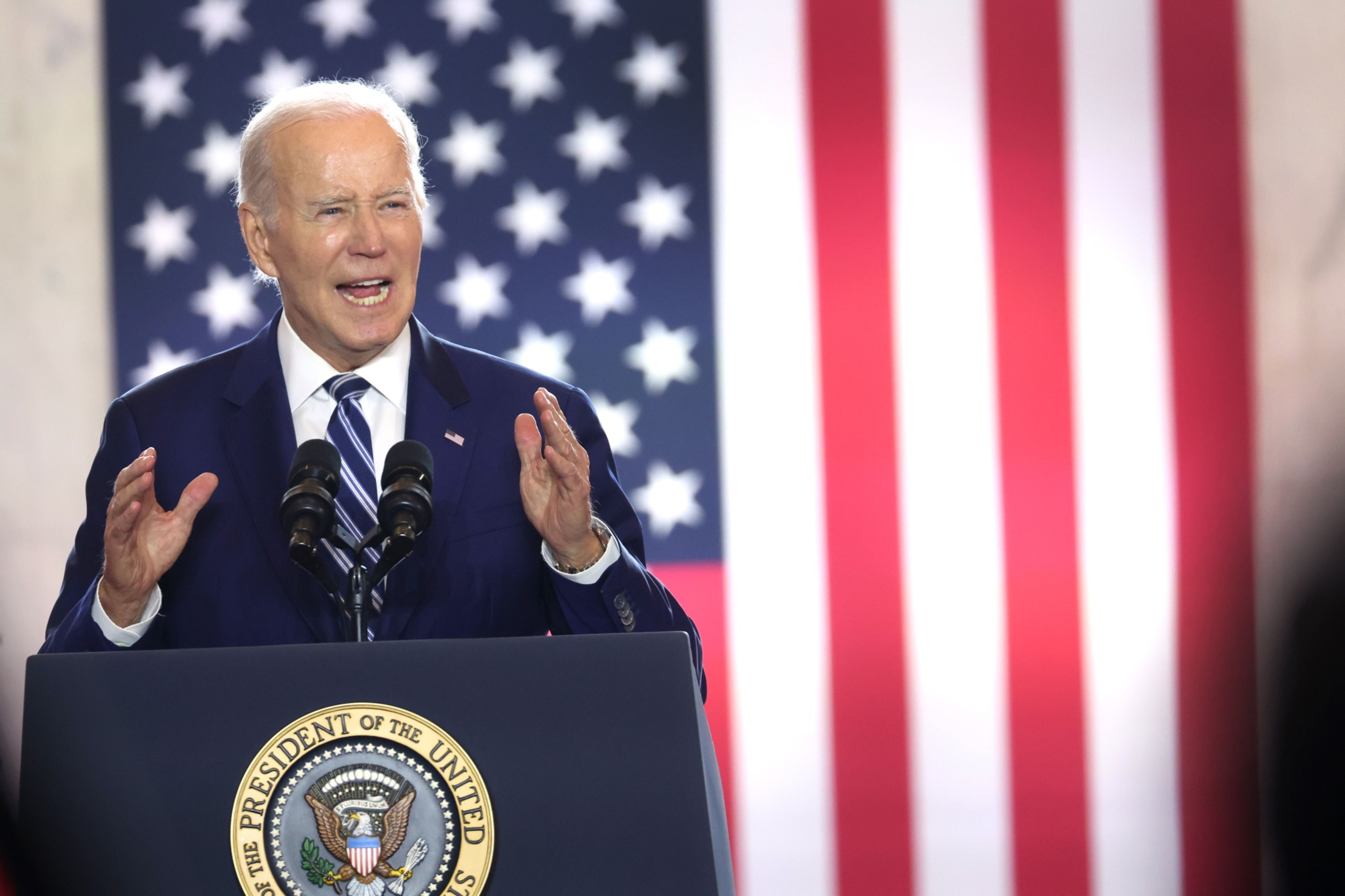
Last week the Supreme Court struck down the Biden administration’s student loan forgiveness plan, which would have done away with as much as $20,000 per borrower.
Music star Taylor Swift has taken the country by storm this year, selling out large football stadiums in every city lucky enough to have her perform.
The digital euro, like a lot of central bank proposals to issue virtual cash, has so far existed in a policy sweet spot: maximum imagination, minimal execution.
After years of lagging behind the tech-heavy US market, Franklin Mutual Series sees international value stocks coming back into the spotlight over the coming years as the traditional economy comes into sharper focus.
We see different and abundant opportunities in the new macro regime. We go granular within asset classes, regions, and sectors – and harness mega forces.
Central banks in the developed world have raised interest rates higher and faster than at any time in recent memory. But until labor markets start to slow, policymakers are unlikely to take their feet off the brakes.
The U.S. economy grew at a more-than-expected 2.0% annualized rate of growth during the first quarter of the year compared to the previous quarter. In some sense, this rate of economic growth makes a little bit more sense than the previously reported 1.3% rate...
Optimism is the madness of insisting that all is well when we are miserable.
Markets are inherently forward-looking, but they’re not clairvoyant. Securities prices tend to reflect some well-founded assumptions about the immediate future and then a whole bunch of wild guesswork about the medium to long term.
Bond traders are bracing for another tumultuous week in which key employment data could push yields on 10-year Treasuries toward 4%, a level that market watchers see luring investors into government debt.
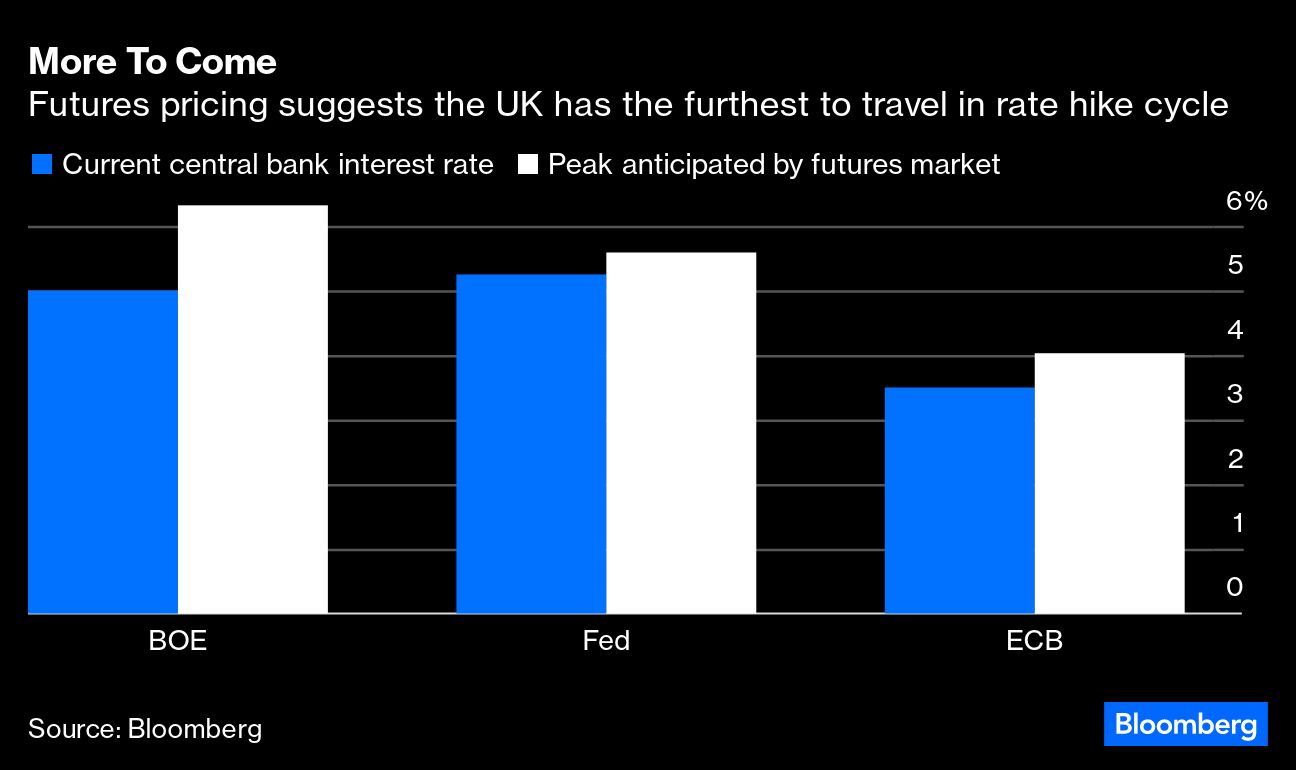
The Bank of England surprised market participants yesterday morning when they raised the Official Bank Rate by a full half point to 5.00%. The move caught traders off guard as the BOE had chosen to raise rates by only a quarter percentage point at each of the two meetings prior.
This weekend marks the official start of the Tour de France – one of the biggest cycling events in the world! Cyclists begin their journey in Bilboa, Spain and over the next 23 days will traverse through challenging terrain, covering a grueling ~2,200 miles.
It is human nature to be captivated by unbelievable stories, great victories, and thrilling endings. One could argue that we have a penchant for the dramatic.
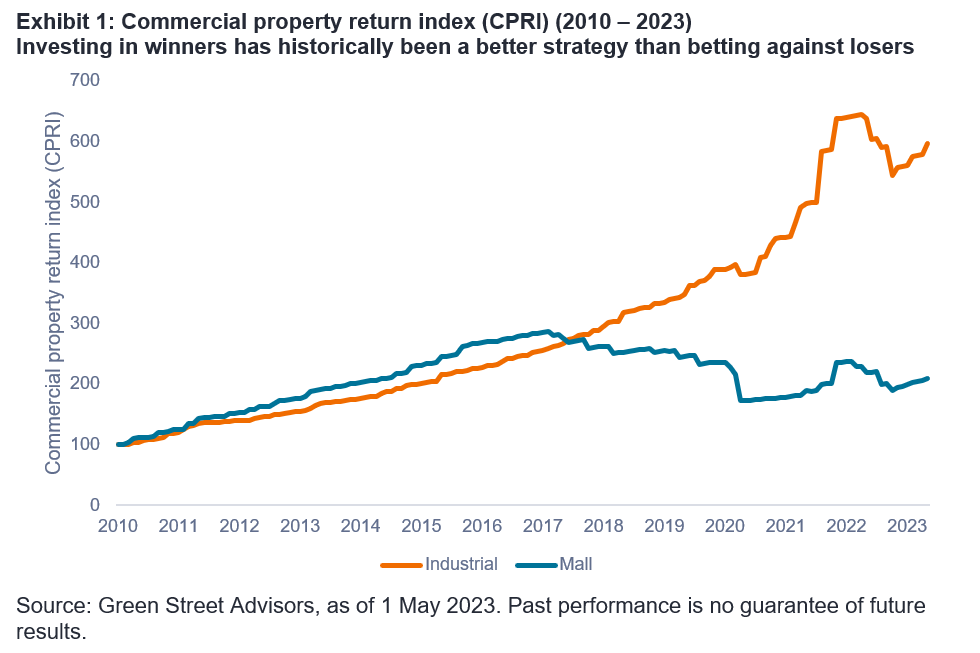
While the financial media has focused on the headwinds for commercial real estate and the challenges the office and retail sectors face, this narrative ignores the differences across sectors and the potential opportunities available in today’s market environment, according to Franklin Templeton Institute’s Tony Davidow.
We believe that the creeping economic slowdown in the United States will probably persist for a few more months, with a recession possible over the next 12-18 months. The onset of the recession may be delayed until 2024.
Central bankers think they can handle a situation and fire the artillery. It always has an effect… but ultimately it is rarely the effect they wanted. Doing nothing at all might have been better but that wasn’t an option. They’re trapped in an endless spiral of intervention.
In this article, we take a deeper look into three key housing releases from the past week: existing home sales, building permits, and housing starts. By examining this data, we gain valuable insights into the current state of the housing market and the broader economy.
Economies are struggling to shake off effects of COVID.
India is rapidly transforming into a formidable global superpower and an increasingly attractive destination for investor capital. Amid rising geopolitical tensions and the impact of disruptive technologies, India's story is a beacon of opportunity in a challenging landscape.
One crystal-clear pattern has emerged. Everyone wants real-world, specific examples of how AI can and can’t enter into an advisor’s, investor’s, or creator’s workflow.
Treasury yields surged Thursday, most to the highest levels since March, as strong economic growth data prompted traders to wager that the Federal Reserve will raise rates two more times this year.
Did you know that American forests offset 12% of total U.S. emissions? With wildfires back in the headlines, Energy Analyst Pavel Molchanov discusses the crucial role of reforestation efforts.
After the disruptions of the past few years, many of us are looking for a return to normal. For investors in emerging-market bonds, normal would mean a world in which global inflation is in check, interest rates are no longer rising, China is healthy, and traditional asset correlations resume.
Last week, German specialty chemical maker Lanxess AG warned recent declines in sales volumes were more severe than during the 2008/2009 recession. To bludgeon home his point, Chief Executive Officer Matthias Zachert added: “This feels like Lehman II.” Gulp.
We review the key themes of the first half of a busy year.
The housing market is full of surprises. Sentiment among homebuilders has been perking up, their stocks are surging, and new home sales are at the strongest since early 2022. All in the face of persistently high mortgage rates.
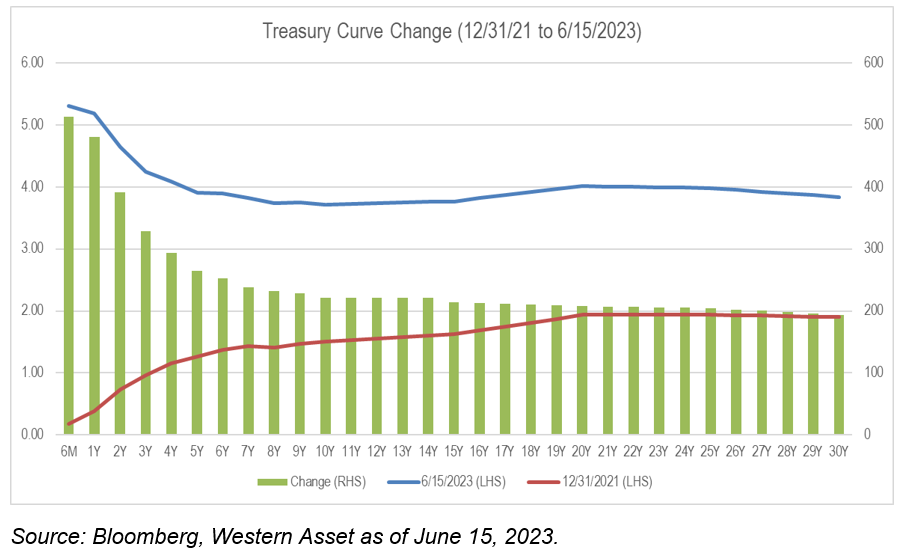
Yields on long-term US Treasury securities have risen, and prices have fallen, farther and faster over the past few years than at any time since the 1980s. This has wreaked no small amount of havoc — contributing, for example, to the recent demise of several regional banks.
Fortunately for Biden, November 2024 is still a long ways off, leaving him plenty of time to correct some of these deficiencies in the labor market and improve consumer sentiment. If he can’t, then we might end up with back-to-back one-term presidents.
There’s a mantra in markets that you’re not supposed to “fight” the Federal Reserve. Policymakers fight inflation by tightening “financial conditions,” and broad market rallies tend to work against that objective.
BlackRock Inc. is betting on the AI boom as it latches onto the promise of productivity gains from artificial intelligence.
The US economy keeps surprising the doomsayers, and Tuesday’s data is just latest the example.
The Bank of England surprised financial markets last week by raising its policy rate by half a percentage point instead of the expected quarter. The bigger surprise was that so many investors and analysts were surprised.
The Federal Reserve (Fed) still has a very tough job ahead to bring inflation down to its 2% target over the long run while facing pressures from markets, which have a very different timetable than the Fed.
The European Central Bank (ECB) hikes rates and signals more tightening ahead.
After falling into its own recession last year, the housing market has started to turn decisively higher; but a sustained recovery might not be the strongest elixir for the economy.
In a hawkish move coming on the heels of data that showed a reacceleration in inflation, the Bank of England raised its key lending rate by 50 basis points at today’s policy meeting.
1969 is often remembered as one of the biggest years in pop culture history.
After yesterday’s testimony by Fed Chair Jerome Powell to the US House of Representatives I analyzed its sentiment on key issues compared to his previous four FOMC policy statements, using ChatGPT. The table below shows the results.
Sam Weitzman of Western Asset Management highlights the overlooked potential of municipal bonds as a high-quality asset class. With fixed income yields reaching near-decade highs and higher tax rates impacting taxable fixed income investing, municipal bonds are offering above-average after-tax returns and downside protection, making them attractive for income seekers.
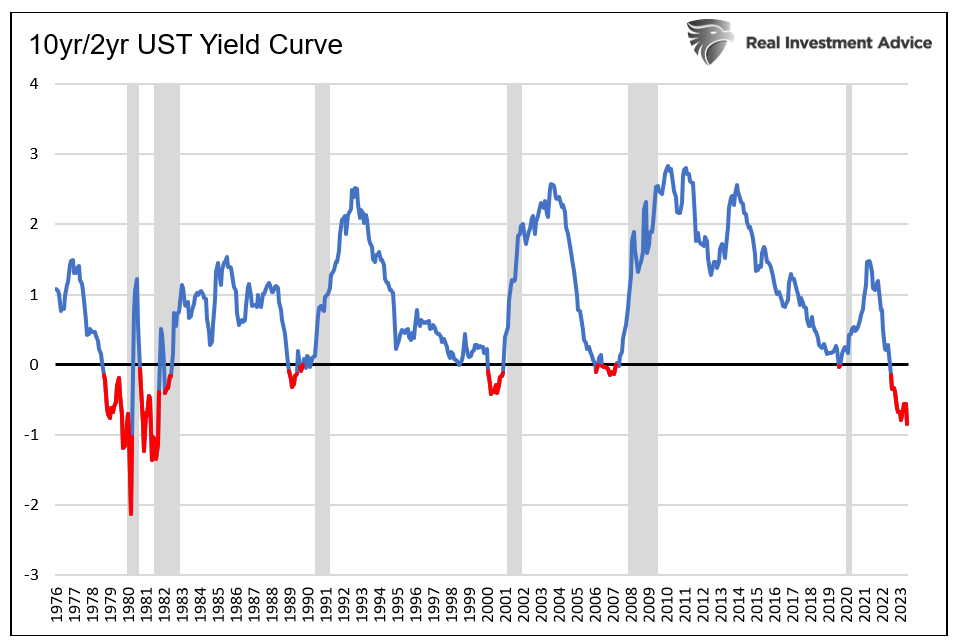
Will this yield curve inversion lead to continued economic growth and avoid a recession?