Our Cash Indicator methodology acts as a plan in case of an emergency. This is analogous to the multiple safety systems in a modern automobile, which includes an airbag. Importantly, each of these systems work together to potentially help smooth the ride.
Bitcoin has shot up more than 40% since Donald Trump’s victory in the US presidential election, in part on hopes that he’ll champion a government reserve devoted entirely to the cryptocurrency.
Bond traders seeking support for bets that the Federal Reserve will cut interest rates later this month will closely watch Friday’s US employment report for November.
Hedge fund executive Cliff Asness says artificial intelligence is becoming “annoyingly better” at doing parts of his job.
How to unlock value in a complex market landscape.
With year-end looming, consider taking action now to determine if annual gifts make sense. Our Bill Cass shares useful strategies to consider for estate planning.
The bond market is caught between the Federal Reserve's plans to cut interest rates and the risk of higher inflation and federal debt levels.
The explosive growth of the ETF industry has attracted a full range of new entrants this year — from smaller individuals to the largest hedge funds in the world. More and more fund managers are making their foray into the world of ETFs.
Will the Fed make one more rate cut to end 2024? One more cut would top off what has been a very positive fall for rate cut hopefuls considering how long the Fed waited.
To sate his multibillion dollar rampant appetite for Bitcoin, Michael Saylor has tapped demand from retail investors transfixed by MicroStrategy Inc.’s more than 500% rally this year. He’s also benefited from hedge funds who care far less where the stock trades.
While the economy helped President Trump win a second term, it also created expectations that could prove difficult to meet.
Assets in money market funds reached an all-time high of $7 trillion this past month. Now that rates are moving lower, money market yields may not be as attractive to many investors and assets may gradually leave money funds.
A couple of weeks ago, we wrote about how the deficit had come back into focus for the U.S. financial markets.
Understanding how money impacts human behavior and psychology may help serve your clients effectively.
By understanding annuities, debunking myths, and staying on top of tax implications, you can offer your clients the financial stability they crave. Regular reviews, proactive communication, and continuous education are the keys to success.
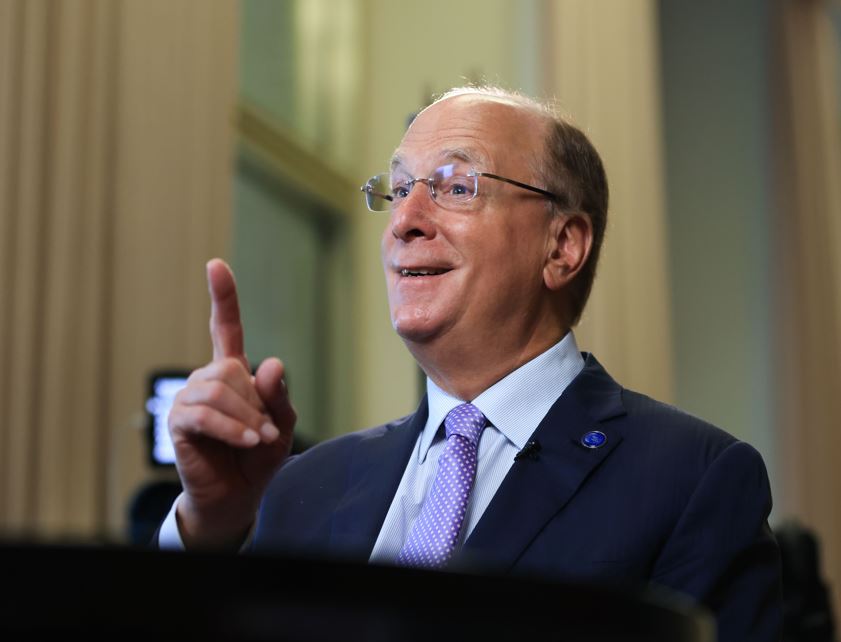
The trend is your friend. Or, in Larry Fink’s case, your primary acquisition tickbox.
In their 2025 outlook, Head of Americas Equities Marc Pinto and Head of EMEA and Asia Pacific Equities Lucas Klein say a changing macroeconomic backdrop could create new pockets of leadership in global equity markets.
We compare investor risk-taking behaviors at the start of the bull market with those nearly 16 years later. We also analyze key market areas that can offer essential diversification to help manage overall portfolio risk.
While politics garner headlines, fundamentals drive the market over the long term.
The Fed could be ‘slower to lower,' while the Trend continues to rise, with an overly optimistic Crowd due to seasonality and post-election trends.
The WisdomTree BioRevolution Fund (WDNA) is showing signs of recovery, reflecting renewed investor confidence in biotechnology innovation.
Armada’s Phil Bak discusses wrapping private assets in ETFs and fields rapid-fire questions on some of the industry’s hottest topics. VettaFi’s Kirsten Chang explains “ETFs going Hollywood”, with a growing list of prominent individuals now launching products.
Dollar bulls emboldened by Donald Trump’s win are entering a month that has historically punished the greenback.
BlackRock Inc. agreed to buy HPS Investment Partners in an all-stock deal valued at roughly $12 billion, a purchase that will propel the world’s largest asset manager into the highest ranks of private credit.
One of the most important issues for Congress next year is tax reform.
The 2024 wild ride has proven to be a continuation of last year’s.
International markets are expected to clear the hurdles of uncertain trade policy, tighter fiscal policy and slower than average economic growth to support solid overall returns.
Astoria rounds up its 10 ETFs for 2025, providing unique thought leadership and actionable investment ideas.
Governments can contribute to the progress of technology and the economy. The questions are how to do so, and how much to spend.
On this episode of the “ETF of the Week” podcast, VettaFi’s Head of Research Todd Rosenbluth discussed the Vanguard S&P 500 ETF (VOO) with Chuck Jaffe of Money Life. The pair discussed several topics related to the fund to give investors a deeper understanding of the ETF overall.
Big banks have been warning their investors about the competition they face from private credit, electronic market makers and others for some time.
Investors are scrambling to decide if Donald Trump’s impending return to the White House will sustain or derail the rally in emerging-market bonds witnessed under Joe Biden.
Credit spreads are critical to understanding market sentiment and predicting potential stock market downturns.
The question on “everyone’s” mind, whether the back or the front, is where will the stock market be in two, three, six years?
Let’s take a look at five of VettaFi's articles that significantly resonated with the community in 2024.
2024 is set to enter Wall Street’s hall of fame of bull years.
The money-market industry just reached a significant milestone with Crane Data reporting that these cash-like funds have amassed a record $7 trillion in assets. There are many ways to think about this development.
A group of one dozen US Bitcoin exchange-traded funds is on the cusp of a record monthly net inflow, bolstered by the digital asset’s historic surge toward $100,000 on President-elect Donald Trump’s embrace of crypto.
The boom in portfolio trading, where investors can buy or sell scores of corporate bonds with just a few clicks of a mouse, is fueling mega trades that were rare in credit markets just a few years ago.
You're interested in investing in municipal bonds, but which type—general obligation or revenue—is best for you? We break it down.
Wholesale elimination of tax exemption isn’t likely, but certain types of muni bonds could be targets.
The U.S. economy faces growing risks, from a surging Federal deficit to geopolitical uncertainty. Investors must assess how these factors could ignite market instability and take proactive steps to safeguard their portfolios.
“Think of what we could do together” is a touching line at the denouement of Wicked: Part 1, the movie currently raking it in at the box office for Comcast Corp.’s Universal Pictures.
Merrie Zhang shares how direct indexing works, the potential benefits of it, and best practices on selecting a provider.
VettaFi spoke recently with Nate Williams, a vice president and ETF specialist with Franklin Templeton, about the growth of its ETF business.
Some post-election stock market excitement has receded, but the story of strong breadth—which predated the election—has not changed and continues to support the market for now.
Credit investors squeezed by the tightest spreads in almost 20 years are opting for bare-bones strategies, creating a boom for Europe’s fixed-maturity funds.
The US economy expanded at a solid pace in the third quarter, largely powered by a broad-based advance in consumer spending as inflation continued to cool.
Not everyone is ready to give thanks for moderating food prices.
On whole, EM growth has been resilient, while inflation has fallen closer to normal levels.