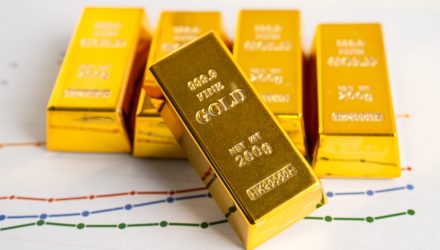
Advisors looking to add or enhance existing gold exposures in their portfolio have a range of strategies to consider within the ETF vehicle.
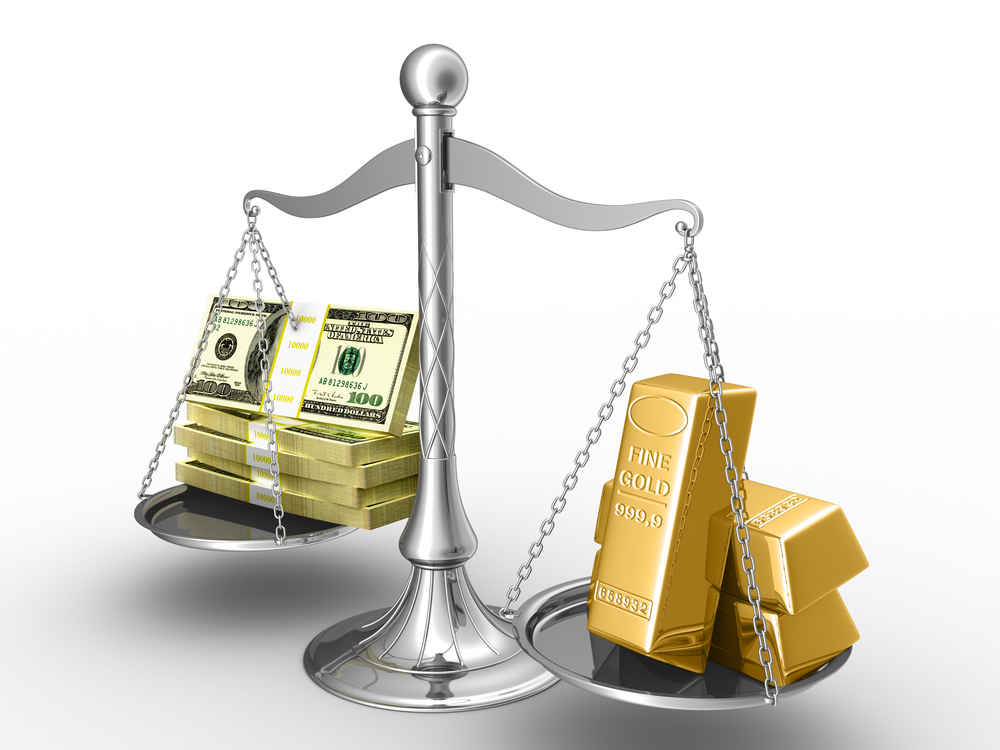
The Fear Trade is what most Western investors are familiar with. It’s the flight to safety during times of uncertainty, driven by concerns over inflation, interest rates, geopolitical risk and more.
Today we’ll continue our SIC highlight series featuring a relatively new face who is now indispensable, plus some new ones who were crowd favorites.
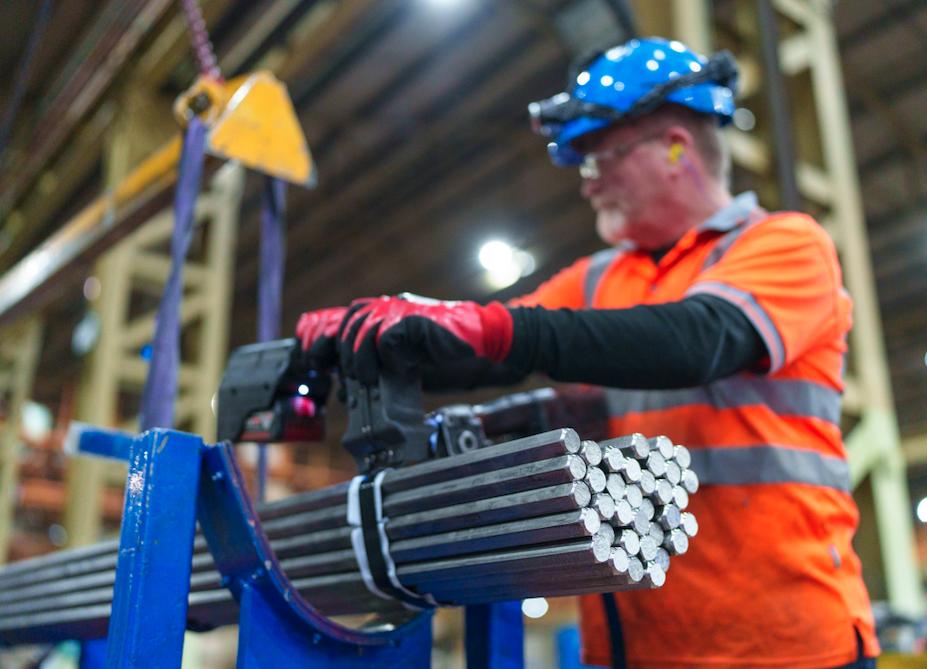
Iron and steel mills employ about 85,700 people in the US. That’s less than half as many as in 1990 but slightly more than in 2016 and 2017.
Privacore Capital, an affiliate of Janus Henderson and an open-architecture solutions provider for alternative investment products tailored to the private wealth market, and Partners Capital Investment Group, a global Investment Office, today announced the launch of the Privacore PCAAM Alternative Growth Fund (“AltsGrow”).
Britain is hoping to complete a trade deal with the US in the next two weeks to avoid President Donald Trump’s vast new tariffs on steel, Prime Minister Keir Starmer said Wednesday.
As discussions about reshoring continue to dominate economic policy debates, VettaFi hosted a timely webcast with Dr. Daniela Rus, director of MIT’s Computer Science and AI Lab (CSAIL).
A potentially watershed effort to launch US crypto exchange-traded funds that offer staking rewards is throwing up regulatory doubts, even after the funds said they received initial SEC registration approval.
Every year, a large number of ETFs launch in December, aiming to get the benefit of a fresh calendar year of performance.
For starters, Anduril Industries Inc. is a defense tech company co-founded by Palmer Luckey, the man who created the Oculus VR headset that was acquired by Meta Platforms Inc. for $2 billion in 2014, only for Luckey to be pushed out when it emerged he had financially backed a pro-Trump campaign group.
House prices are falling, and it’s no longer just a Florida and Texas story. Rising inventory across the country and still reluctant buyers mean that those looking to sell face the prospect of more competition and lower prices next spring if they don’t close on a deal soon. For buyers, holding out can mean a better price.
An "end-to-end" approach in process management means handling a task or product from its initial planning stages to the finishing point or delivery, without relying on intermediaries for specific steps. No nation does this better than China.
My next few letters will share some initial thoughts from SIC organized around the major topics. Today we’ll start with inflation, and specifically the sharply different views of David Rosenberg and Jim Bianco, then balance them with some thoughts from other speakers.
Markets rallied after a surprise tariff rollback, but with valuations stretched and policy signals still mixed, investors appear to be leaning toward flexibility, fundamentals, and selective exposure.
Bond investors are demanding more and more compensation to hold long-dated US debt as global markets grow anxious about the widening fiscal deficit in the world’s biggest economy.
Investors active today can be forgiven if the events of the past few months have been a bewildering experience.
Over the past ten years, we’ve discussed this question with about 50 of our friends and clients, resulting in many animated and productive conversations.
This is the story of how we got to a moment in history defined by global and national crises. It is the story about how a radical geopolitical transition is taking place as old socio-economic and institutional cycles in the US end and new ones begin.
The recent rally began when Treasury Secretary Scott Bessent struck a more conciliatory tone with China, saying he expected a de-escalation shortly.
To help exemplify the importance of UX, I’m breaking down a few of the most common UX myths, along with the top recommendations to avoid the pitfalls associated with them.
In this video, Chuck Carnevale, Co-Founder of FAST Graphs, aka Mr. Valuation discusses the volatility of the stock market, the truth about the S&P 500’s valuation, using the S&P 500 (SPY) as a proxy.
Today Tesla is not trading based on car sales but on future dreams of self-driving robo-taxis, robots, semis, and whatever else Elon dreams up. The car company may be worth $100 billion to $180 billion; the rest is what investors are willing to pay for Elon’s dreams.
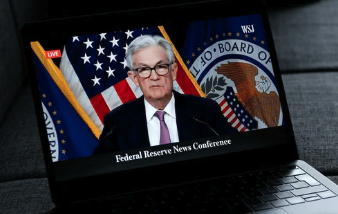
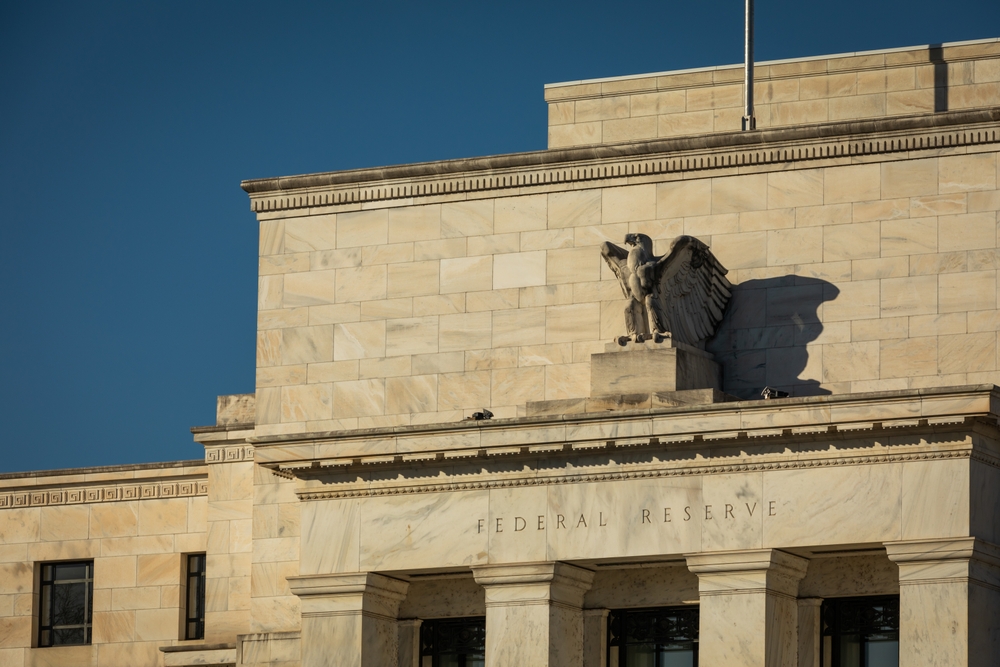
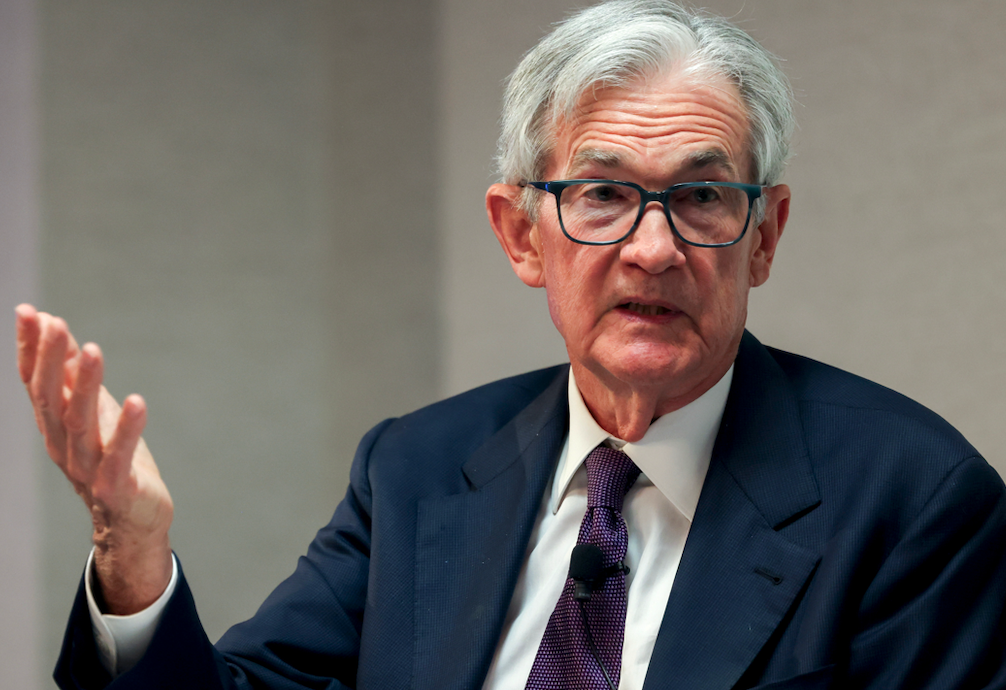
In a rare moment of honesty, Federal Reserve Chairman Jerome Powell admitted he and his fellow central bankers don’t know what they’re doing as they wrapped up the May Federal Open Market Committee (FOMC) meeting.
The culture clash between Bitcoin enthusiasts and gold bugs is about to be played out in the world of exchange-traded funds.
Elite golf is a mental game as much as physical—and so is investing. This year’s Masters tournament was one of the most compelling I have ever witnessed, and Rory McIlroy’s long-awaited playoff victory contains a number of life lessons that are relevant for investors.
So what has caused such a surge in international returns versus the U.S. so far this year? Is it just short-term noise, reversion to the mean, or something more systematic? If the last few months were purely short-term noise, we will soon know, as U.S. stocks will resume dominance.
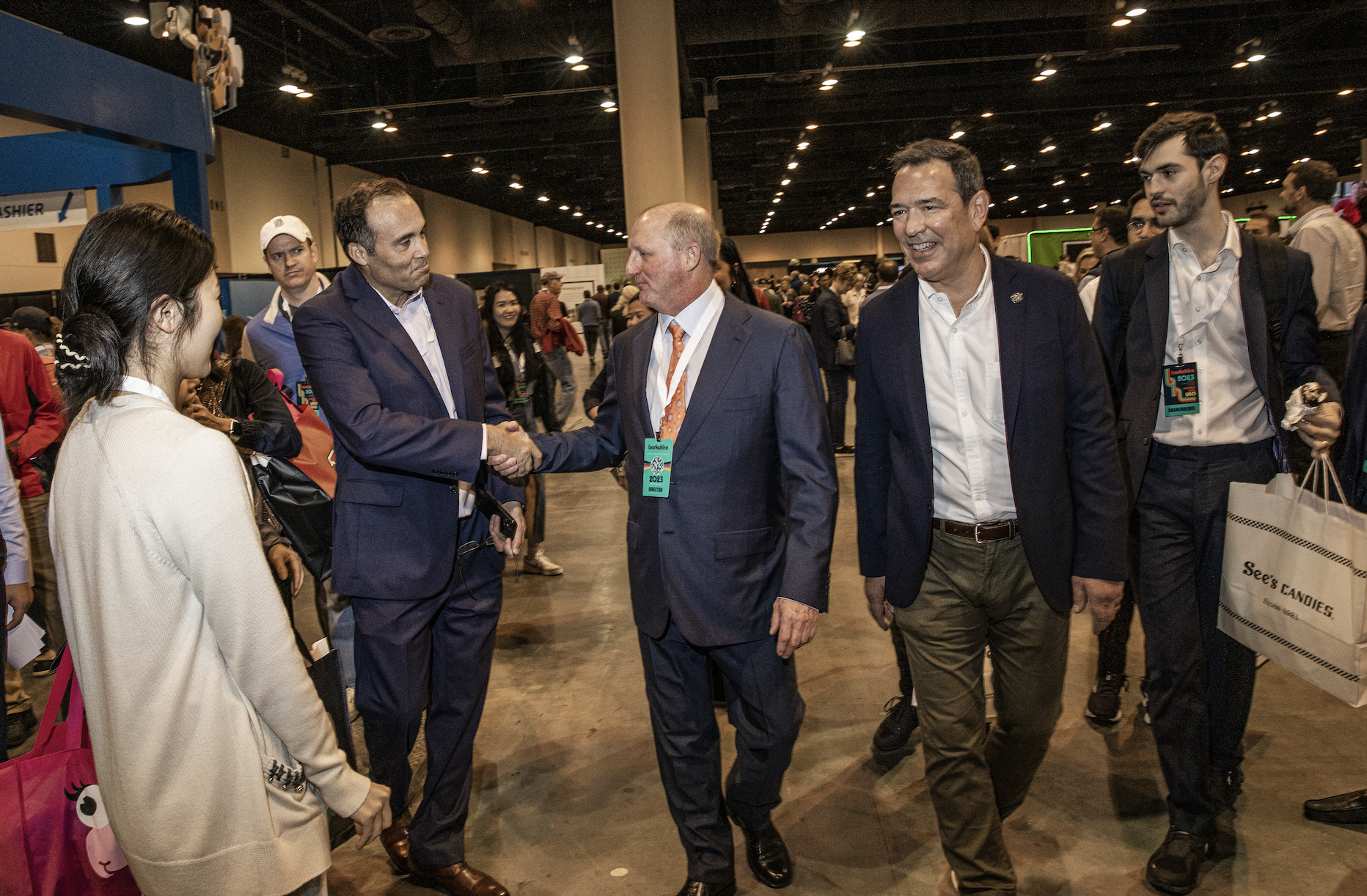
Warren Buffett picked the final minute of his 60th shareholder meeting to drop a long-awaited announcement that was still completely surprising for his fans, most of his board and even his successor.
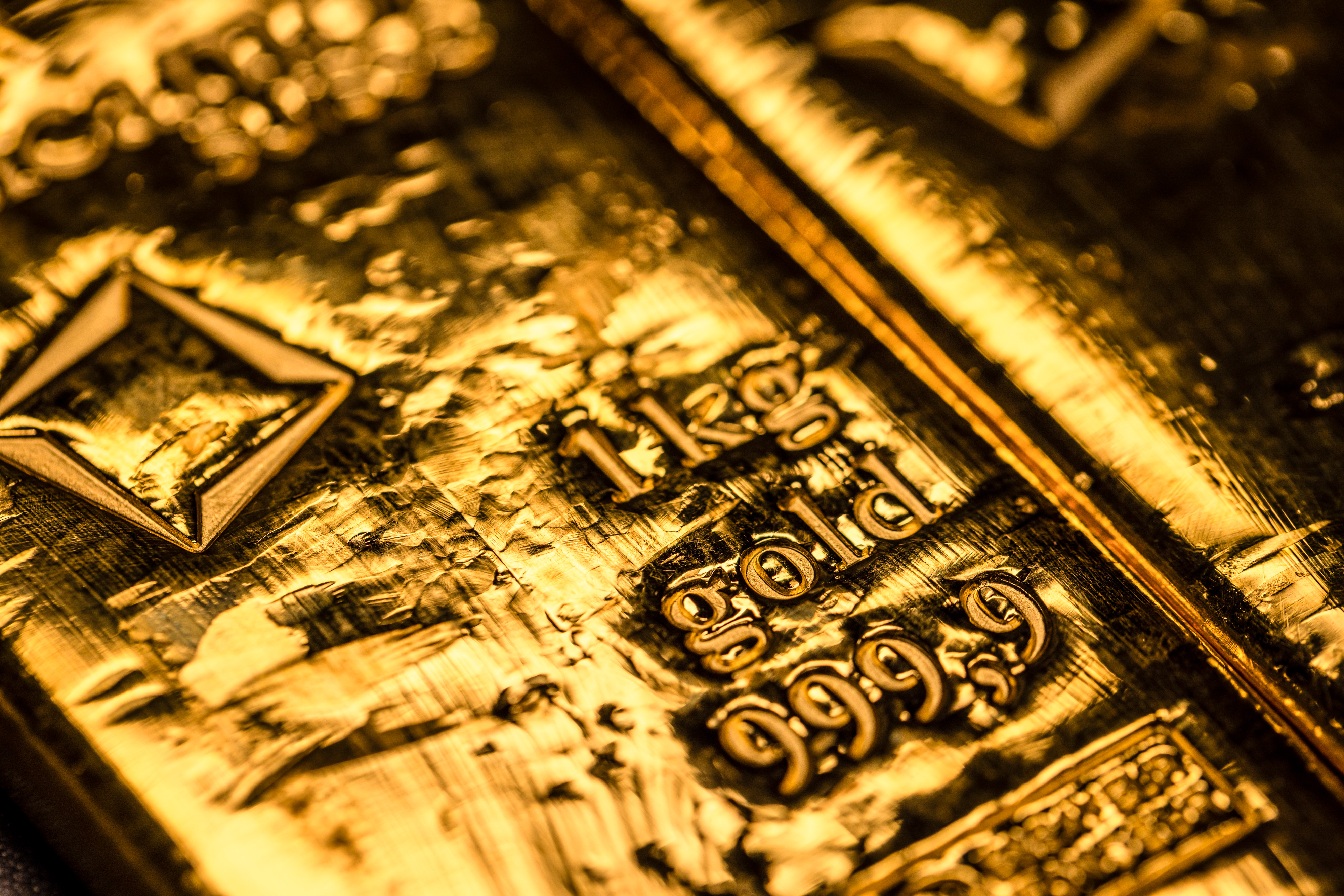
Inflation is caused by the growth of the money supply, and gold is a strong hedge because it rises alongside it.
The panic over the years has inevitably influenced policy even if heeding cooler heads would offer reassurance. Which brings us to the current US administration.
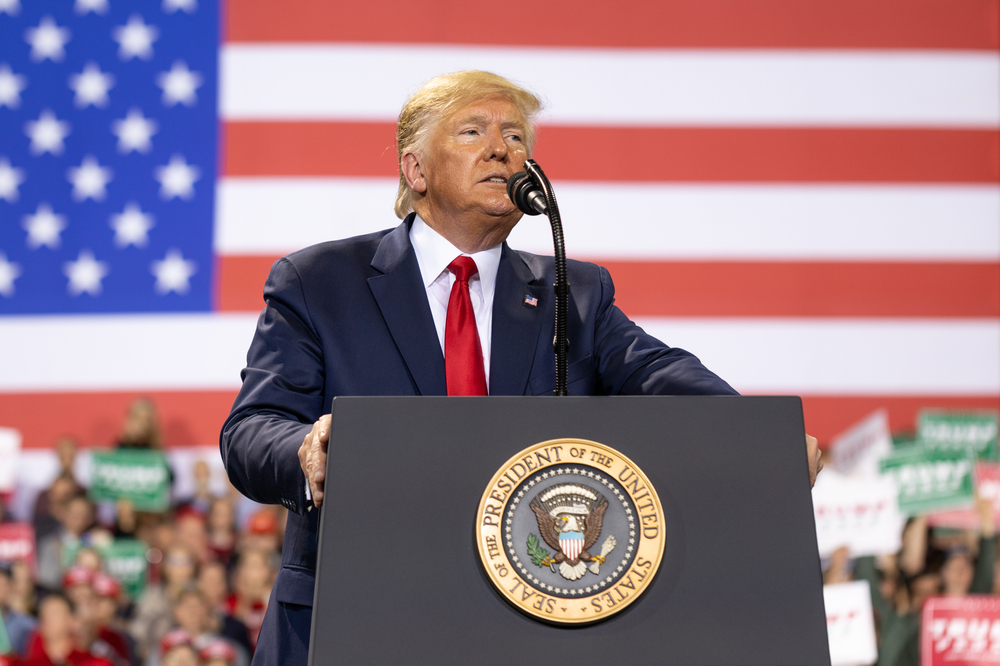
Although President Trump has said he has no intention of firing Fed Chair Powell, the Trump administration may be testing the laws underpinning Fed independence.
President Donald Trump’s recent executive order revives many of the SDI’s ambitions, albeit with a modern twist. His January 27 directive launched what he first called an “Iron Dome for America,” later rebranded as the “Golden Dome.”
Gold has been a high-performing investment over the prior year. It has rallied on the back of falling short-term interest rates and recently increased uncertainty about global trade and economic growth.
In this article, I will discuss another advantage of using the actuarial approach for retirement planning — helping your clients determine when they can afford to make big-ticket item purchases.
Jerome Powell’s determination to ensure any jump in prices stemming from Donald Trump’s tariffs don’t spread through the economy has earned him the moniker “Mr. Too Late” from the president.
Today we are going to look at some of the uncertainties in our world and then explore some ways to gain a little certainty.
Inflation affects everything from grocery bills to rent, making the Consumer Price Index one of the most closely watched economic indicators. What does inflation mean at the micro level — specifically to your household?
You probably noticed we are having one of those “weeks when decades happen.” Notice also, however, that we are still here. Your investments and businesses may be bruised but you’re still in the game.
President Donald Trump pledged he will still apply tariffs to phones, computers and popular consumer electronics, downplaying a weekend exemption as a procedural step in his overall push to remake US trade.
After starting the year on a high note with the S&P 500 index of U.S. Large Cap stocks posting an all-time high on February 19th, equities retreated during the second half of the quarter, officially falling into correction territory (down 10 percent) on March 13.
Getting into Donald Trump’s head is no easy task. And to the extent his economic intentions are decipherable and coherent, can Trump impose his economic will on other countries? As tariffs go into place, albeit with a partial pause, that remains to be seen.
VettaFi addresses common questions on midstream/MLPs, oil prices, recessions, and tariffs following last week’s equity sell-off.
With a number of factors at play, the short-term pullback in gold will likely meet resistance to the long-term, unchanged fundamentals,
DoubleLine Global Bond Portfolio Manager Bill Campbell shares DoubleLine’s outlook for risk markets, the U.S. Treasury curve, inflation, growth and Federal Reserve policy in light of Washington’s reciprocal tariffs and reactions of U.S. trade partners.
MFS, which pioneered the first mutual fund in 1924, recently entered the ETF arena with the launch of five actively managed products. MFS’s Emily Dupre discusses the firm’s decision-making process around launching ETFs, their investment capabilities, and the role active management plays in a portfolio. Plus, VettaFi’s Roxanna Islam assesses the ETF impact of the recent tariffs announcement.
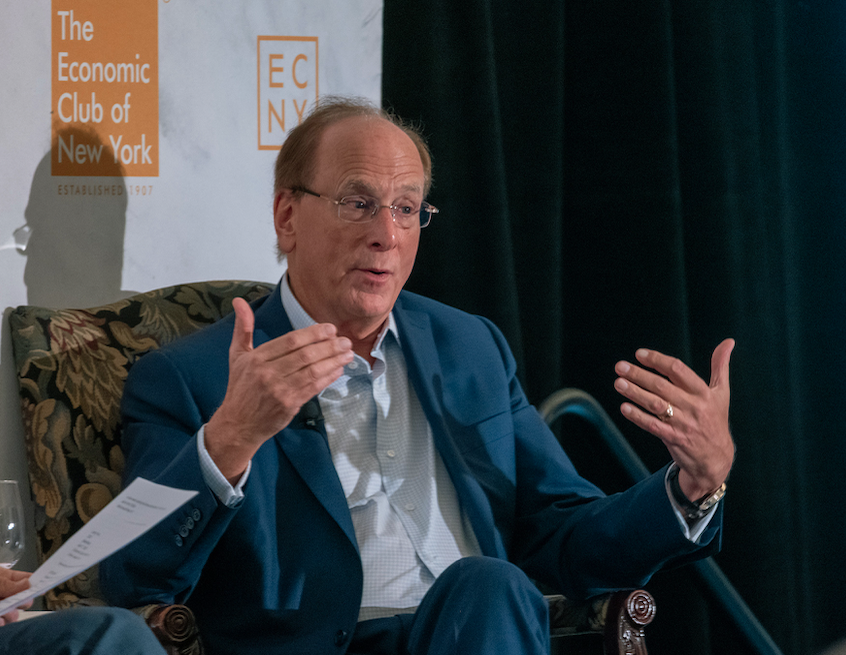
BlackRock Inc. Chief Executive Officer Larry Fink said New York is plagued by crime and filth and lacks enough good schools, and he called on politicians to make it easier for financial firms to do business in the city.
The announcement of global tariffs by President Trump has rocked markets and much is uncertain, but there are key facts for investors to keep in mind.
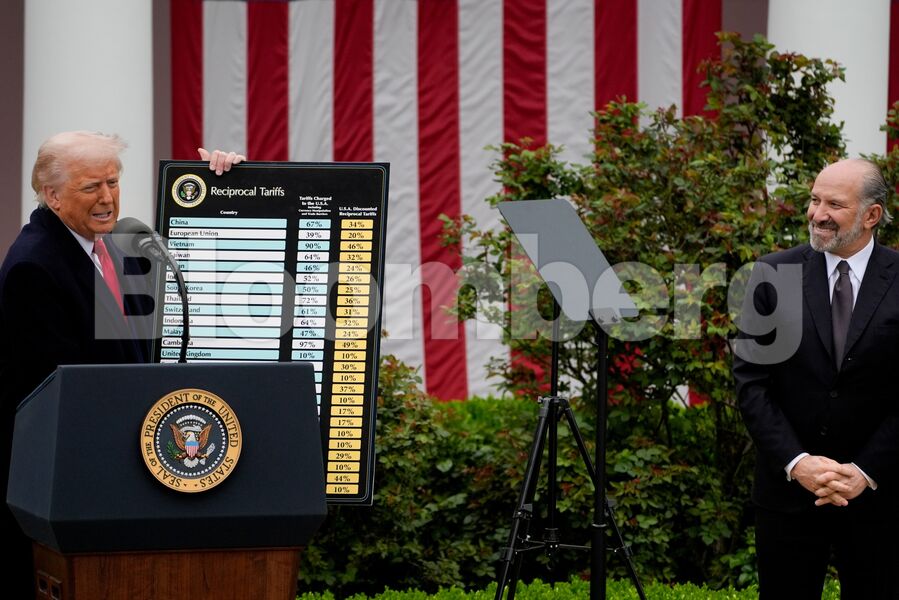
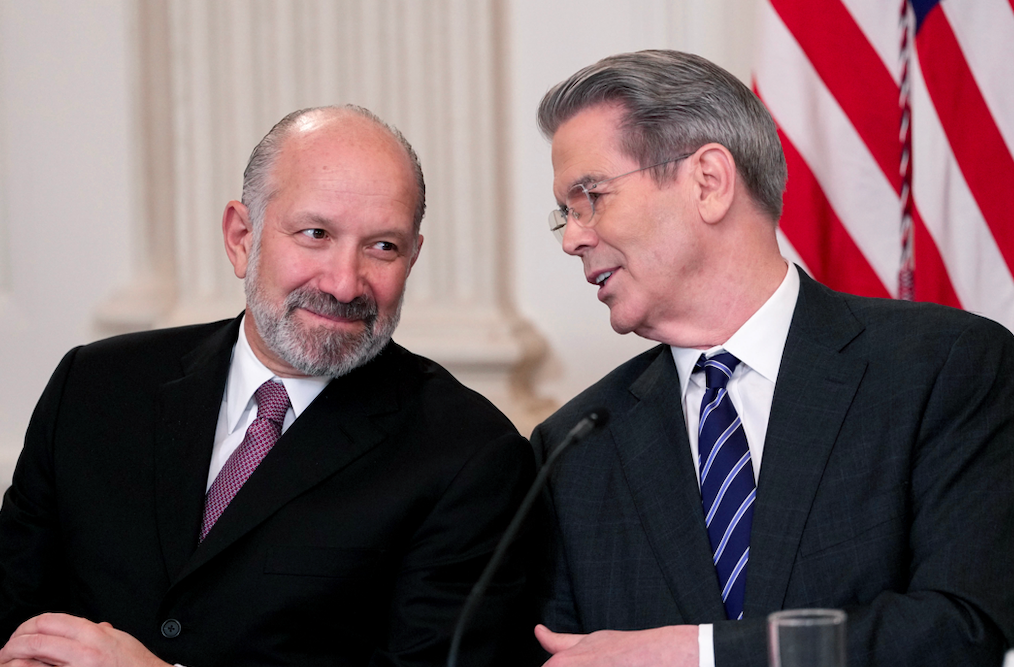
President Donald Trump and his economic team dismissed investors’ fears of inflation and recession, offering no apologies for the market turmoil sparked by sweeping global tariffs and defiantly insisting a boom is on the horizon.
Global markets are in freefall in response to President Donald Trump’s universal 10% tariff on all goods being imported into the U.S., with as many as 60 countries facing “reciprocal” tariffs on top of that.
China’s prolonged reliance on fiscal stimulus has distorted economic incentives, fueling a housing glut, a collapse in prices, and spiraling public debt. With further stimulus off the table, the only sustainable path is for the central government to relinquish more economic power to local governments and the private sector.
To most people, black gold means oil, the substance that helped build the modern world while causing the climate crisis. But a new treasure on the market is getting prospectors excited, not least for the role it could play in fixing the problem fossil fuels created.