Review the latest portfolio strategy commentary from Mike Gibbs, managing director of Equity Portfolio and Technical Strategy.
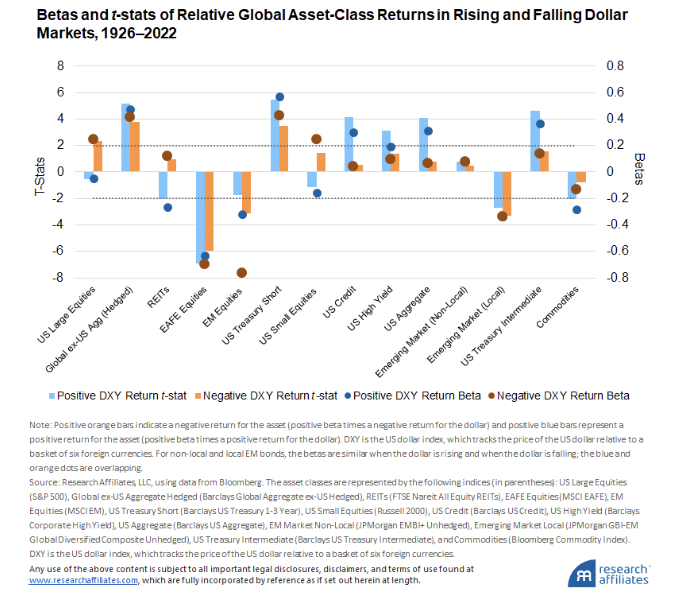
US dollar cycles are long.
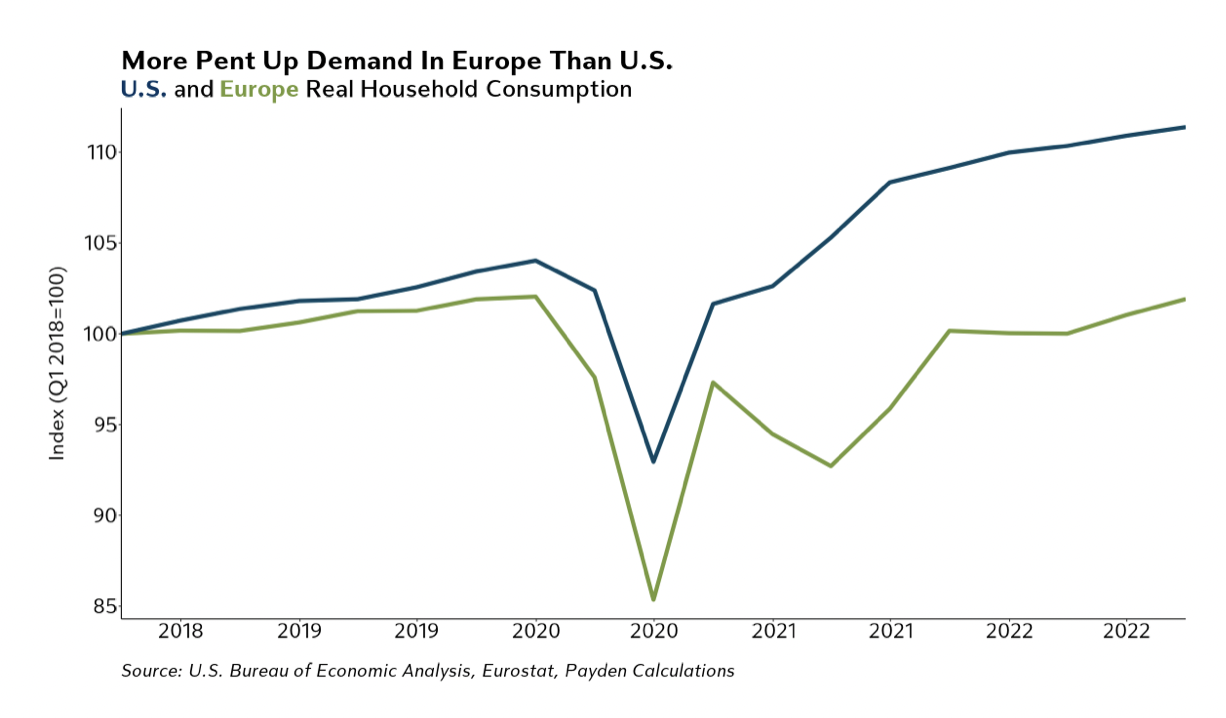
Yesterday, we got our first look at December’s economic data for Europe, in the form of PMIs.
The once-burgeoning realm of crypto and decentralized finance keeps imploding, presenting policy makers with a quandary: Should they just let it burn, or step in to address its now-obvious flaws?
It is possible, contrary to the predictions of most economists, that the US will get through this disinflationary period and make the proverbial “soft landing.”
Joe Biden entered the Oval Office with relatively low approval ratings.
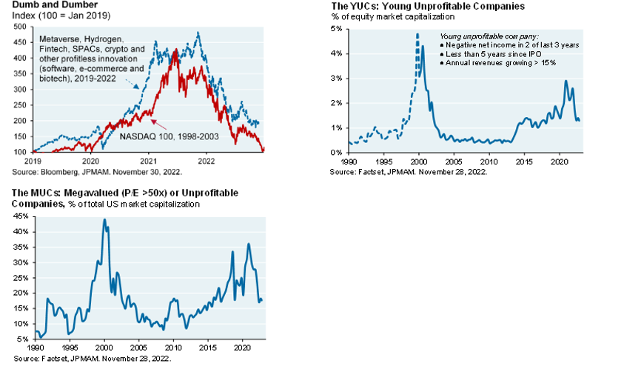
The first and easiest leg of the bursting of the bubble we called for a year ago is complete.
Stubborn inflation means more interest-rate increases are coming from the Federal Reserve and that sounds like great news for banks.
U.S. stocks are extending a late last-week rally, with Q4 earnings season set to shift into high gear.
We got consumer price reports for many European countries this week.
The world’s leading CEOs, politicians, and various do-gooders were in Davos, Switzerland, this week, discussing ways to solve our collective problems and create opportunities for their own companies. The most important conversations were off the record and many of the public speeches were simply performance art.
A January survey conducted by Bank of America shows that 91% of money managers believe China will “fully reopen” in 2023. That’s a significant increase from December 2022. Growth expectations for the country are also at a 17-year high.
U.S. equities are higher, as the markets look to get back to their winning ways after a two-day losing streak.
We call them narratives, memes, or mind viruses.
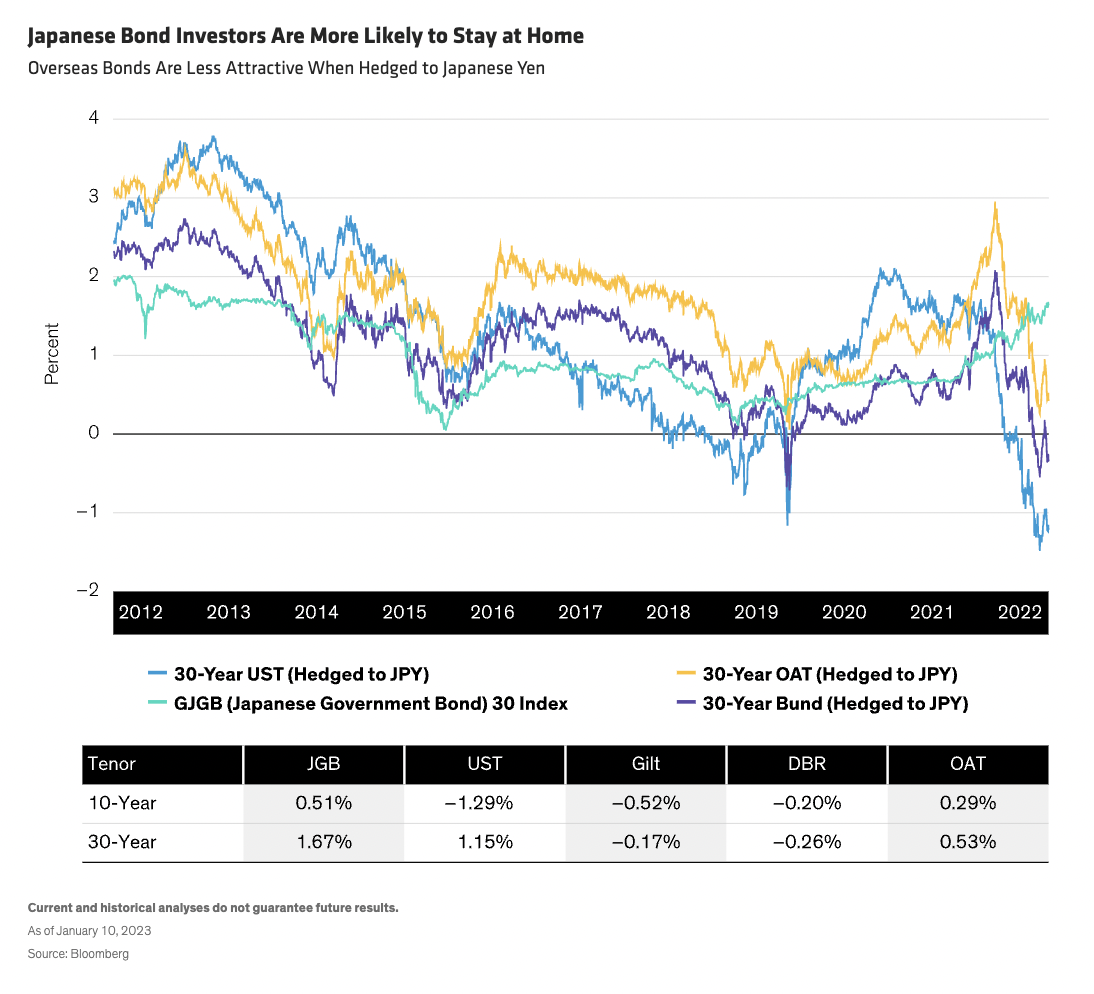
The best start to a year for bond returns is helping fuel an unprecedented debt-sale bonanza by governments and companies around the world of more than half a trillion dollars.
The Loomis Sayles Emerging Markets Debt Sector Team shares their views on growth, corporate defaults and inflation.
European policymakers face a dilemma: continue to hike interest rates to combat inflation or ease off to stimulate growth.
We wrote last week about the soft landing that markets now seem to expect.
Vanguard Group, which quit the world’s biggest climate-finance alliance in December, was the only major ETF provider to post an increase in European assets last year thanks to its lower exposure to environmental, social and governance strategies, according to Morningstar Inc.
One syndrome is surprisingly common among the children of high-net worth parents: “failure to launch.”
Markets provided investors with a dozen lessons in 2022 (and a bonus one in the postscript).
Investors don’t appear to have been fazed by the FAA mishap. Shares of U.S. domestic airlines finished Wednesday up more than 1% before advancing a further 4% on Thursday in response to positive earnings estimates.
The Loomis Sayles Global Credit Sector Team discusses rate volatility, possibly deteriorating credit fundamentals and key technicals at play in the market.
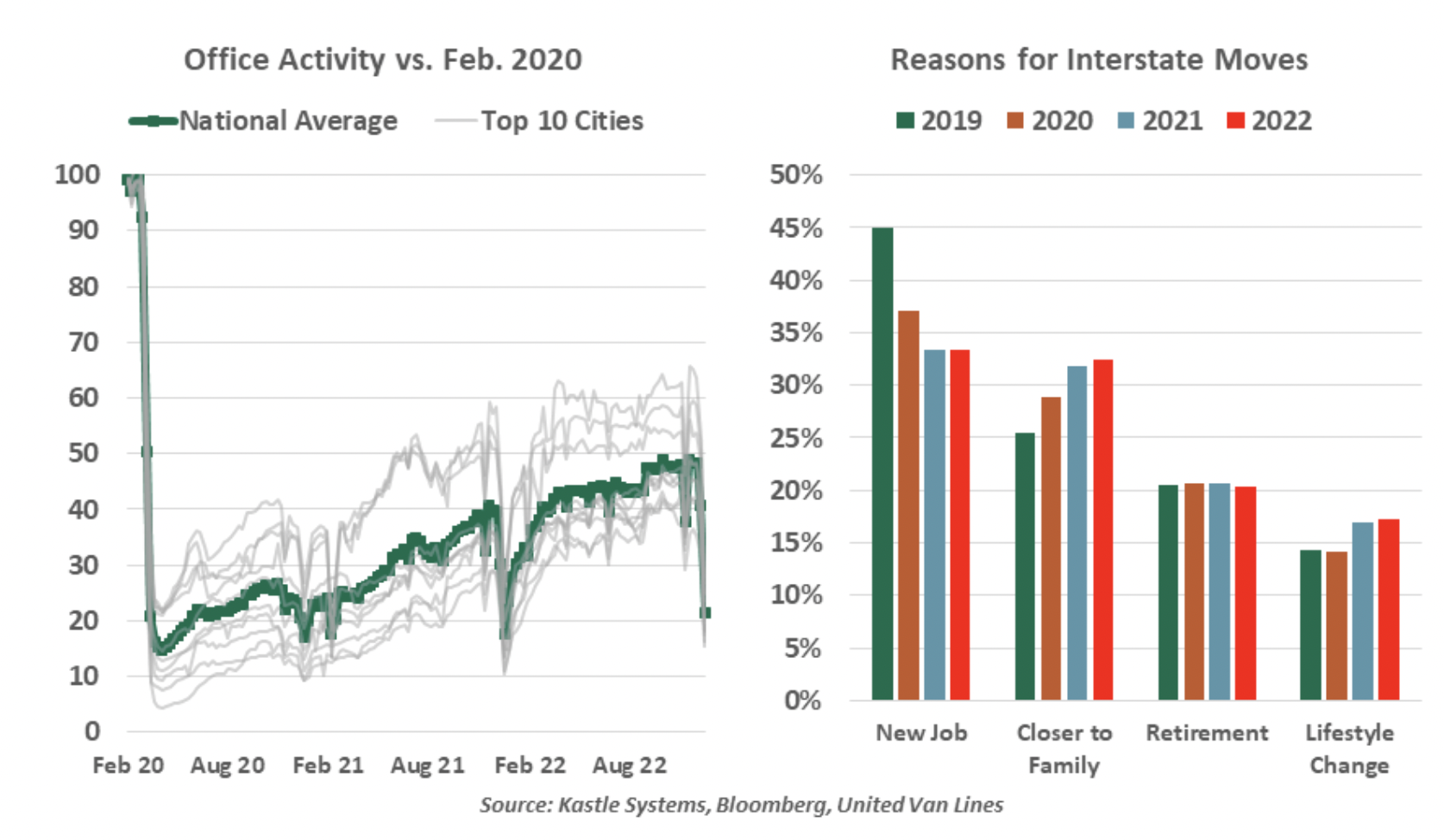
Workers and managers are in a tug-of-war over return to office policies.
The six biggest Wall Street banks are expected to slash their corporate bond issuance in 2023 for a second year in a row, offering a bright spot for investors nursing record losses from the debt last year.
Demand for Europe’s debt sales has topped half a trillion euros already this year as investors seek to put money to work in bonds offering some of the highest yields in years.
I've put together four steps to grow your client base – this month.
The question that obsessed financial markets last year was when and where US inflation would peak. The 2023 version will likely be how far, and how fast, it comes down.
Tens of thousands of tech sector job cuts may not be enough to reverse the collapse in share prices, given the looming economic downturn could slash companies’ revenues far more than the cost savings they make via layoffs.
Here are two lessons to double the value of your practice…
For most of the past year, investment risk in the housing market has been focused on the for-sale segment.
Commodities may seem like just another one of the bunch, but these products offer a unique way to invest your money in the market.
An era of low inflation and low interest rates has ended.
Investors who use a 60/40 portfolio had a rough year. In the past, putting 60% in stocks and 40% in bonds has often helped investors hedge against losses in either asset class. But 2022 had other ideas.
Build your ladder with multiple target-maturity ETFs representing different segments of the bond market, with different target years.
Tesla’s shares fell by more than 14% on Tuesday, after plunging by 65% in 2022.
Investors are no longer turning a blind eye to risks facing Apple Inc., an about-face that has taken the iPhone maker’s market value below $2 trillion and threatens more pain for the stock in the months ahead.
The US stock market will bottom by the middle of 2023 as the Federal Reserve tamps down inflation without causing anything worse than a “mild” economic recession, according to Byron Wien’s annual list of surprises.
Chips shares took a beating last year.
U.S. equities are solidly higher in afternoon action, paring some of the losses that have plagued the start of 2023.
Let's examine the three paths the Fed might take in 2023 and what they mean for stock prices.
Bob Doll, CIO at Crossmark Global Investments, provides his annual 10 predictions for financial markets.
US auto sales likely rose in December and will rebound in the new year as a recovery in vehicle production will more than offset the effects of inflation and rising interest rates.
Dave Nadig, Financial Futurist at VettaFi, previews the upcoming year in ETFs and the financial markets. Dave also discusses potential implications of longer-term asset management trends including crypto, ESG, direct indexing, and the rise of passive.
Contrary to what financial theory predicts, new research from Europe shows that the elderly accumulate assets later in life than expected, likely because they want to leave bequests, are receiving pensions, or are reluctant to part with assets such as their homes.
I’m looking over my previous “trends” article, published at this time a year ago, and some of my ”fearless predictions” were outlandish then but now seem ordinary. That means I did something right.
U.S. equities closed out 2022 in the red, and all three major indexes registered solid losses on a yearly basis. The stock market posted its worst yearly decline since 2008.
Russia’s Finance Ministry doubled the amount of Chinese yuan and gold it can hold in the national wealth fund with much of its savings frozen by international sanctions over the invasion of Ukraine.
George Milling-Stanley of State Street Global Advisors provides his outlook for gold in 2023, as well as the specific headwinds and tailwinds he expect to drive price activity moving forward.
Wealthy retirees seem to have scored big in Congress’ sweeping year-end spending package.