India’s second COVID wave subsided in June and continues to remain at the lower level and Indian equities were a bright spot for the region, significantly outperforming Asia and broader emerging markets in August.
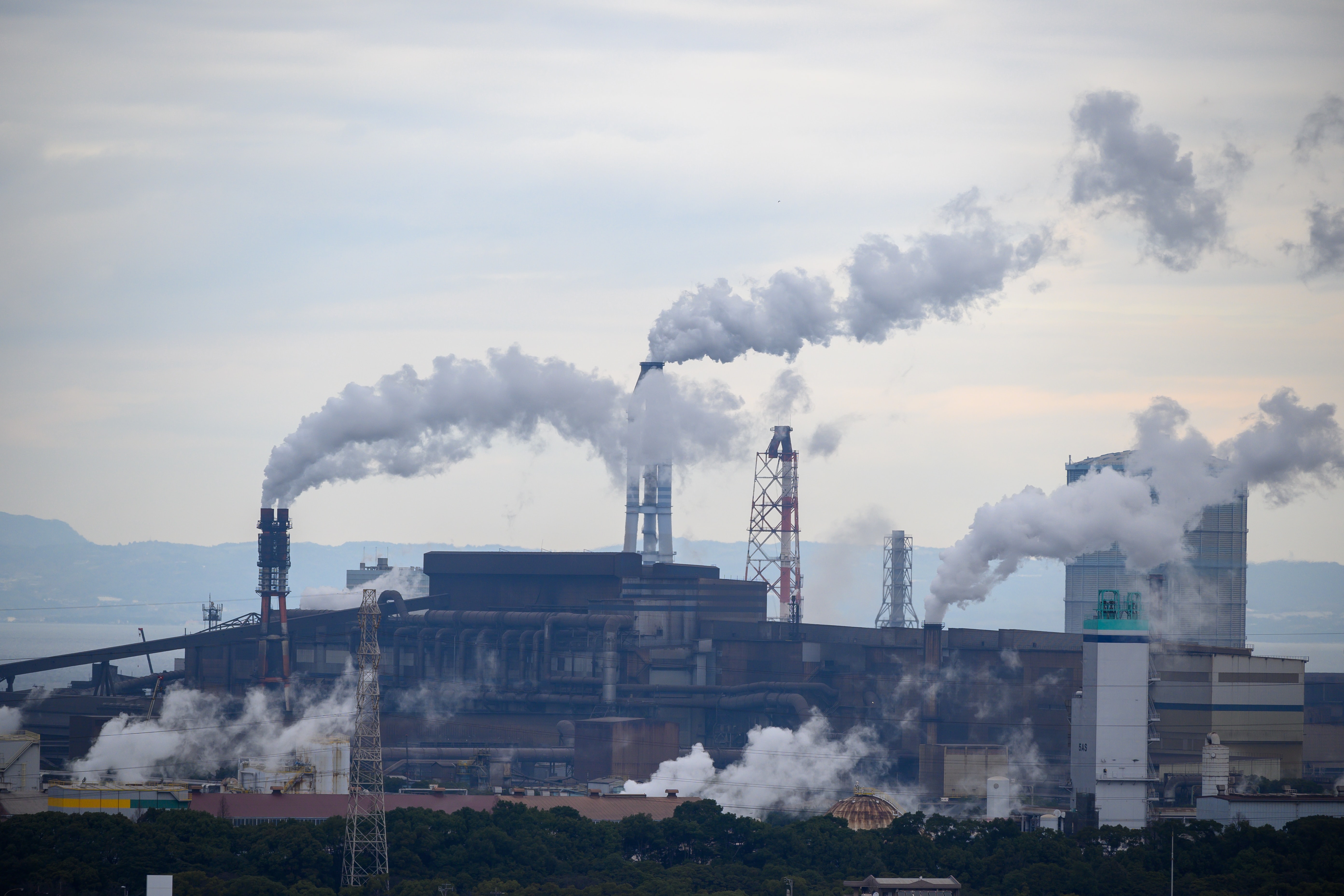
It’s becoming more and more difficult to be in the fossil fuel business. On both sides of the Atlantic, lawmakers and unelected bureaucrats are turning up the heat, so to speak, on companies over the issue of climate change.
On September 3, 2021, Prime Minister Yoshihide Suga announced his decision to not run in the upcoming ruling Liberal Democratic Party leadership race later this month. Portfolio Manager Shuntaro Takeuchi provides his thoughts on the current political environment and outlook for Japanese equities.
It looks likely billionaires and private equity firms will keep loading up companies with debt to turn them into dividend-paying ATMs.
We’ve all experienced shortages of various goods and/or services in the last year or so of the coronavirus pandemic. In recent decades, American manufacturers have increasingly outsourced the production of goods we consume to foreign countries where they can often be produced cheaper.
Jeffrey Gundlach’s highest conviction investment idea is that the dollar will head lower over the long term. That will lead to a strong rally in emerging equities, and they will outperform U.S. stocks.
COVID-19 has increased inequality and aggravated social problems across emerging market economies, fueling populist pressures—but several emerging countries share features that make them particularly vulnerable. Assessing key environmental, social and governance (ESG) metrics can help identify potential pressure points.
There are several “paradigm shifts” impacting markets today, according to Templeton Global Macro CIO Michael Hasenstab. He outlines how central banks might approach tapering of pandemic-driven asset purchases, and the potential investment risks and opportunities he sees.
So much of life is managing risk. That’s true on a micro, personal-level scale as well as a macro, country-level scale. Crises often can’t be prevented. It’s how you deal with them that makes all the difference.
Markets now know that the taper can be divorced from interest rate hikes. But for how long? What are your expectations on the timing of tapering?
The 10-year Treasury yield finished 2020 at 0.917% and then climbed to 1.765% before topping on March 30. The 30-year Treasury yield rose to 2.505% on March 18 after ending 2020 at 1.646%. In the January 11 Weekly Technical Review (WTR) I noted that Treasury yields had broken out to the upside and that the 10-year Treasury yield would likely climb to 1.75% to 1.95% in 2021. “Treasury yields broke out on January 6 as expectations of more fiscal stimulus and technical selling kicked into gear. At some point in 2021, the 10-year Treasury yield could spike up to 1.75% to 1.95%.”
The progressive climate agenda in the United States has blinders on when it comes to the global nature of the carbon problem, and the imperative of finding ways to secure the buy-in of emerging-market and developing economies, which are by far the main source of carbon-emission growth.
Social Security is in worse shape than we thought. The program’s trust fund is now expected to be insolvent by 2033, a year earlier than anticipated. According to the annual report, its finances have been “significantly affected” by the pandemic and 2020 recession, not to mention “rapid population aging.”
Q&A with Kathlyn Collins: Understanding the context of the recent regulatory announcements through an ESG lens.
As of the end of August, the index's year-to-date gains exceed 20%.
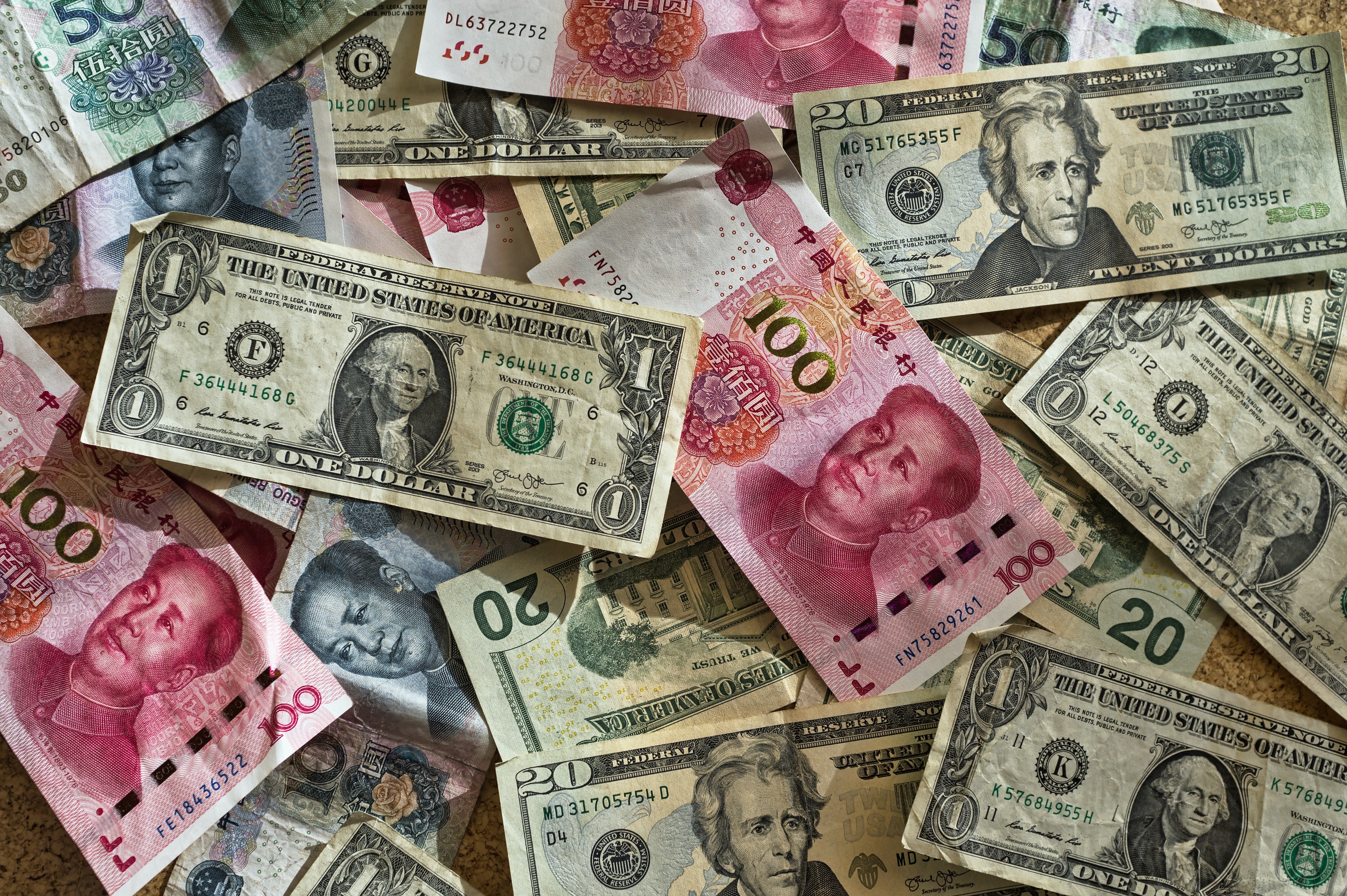
In the 50 years since Richard Nixon officially severed the dollar’s link to gold, many have claimed that the greenback’s strength rests primarily on America’s unchallenged power and prestige around the world.
A single-minded approach to price stability is under threat as policymakers start to focus on what are—arguably—more pressing concerns.
Business travel as we’ve known it is a thing of the past.
"Getting older is fine. There is nothing you can do to stop it so you might as well stay on the bus." John Byrne
It was Sunday night on Aug. 15, 1971, and many Americans were watching television — the most popular show that evening being the Western series “Bonanza.”
Based in Brussels, Belgium, with offices in Luxembourg and Singapore, Sofina is a family-run investment company with equity holdings in Europe, the U.S. and Asia.
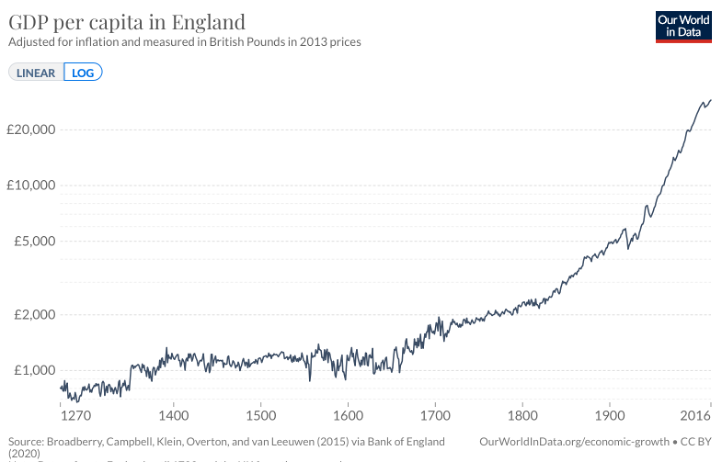
After tens of thousands of years of living at a subsistence level, how did the world suddenly become so rich?
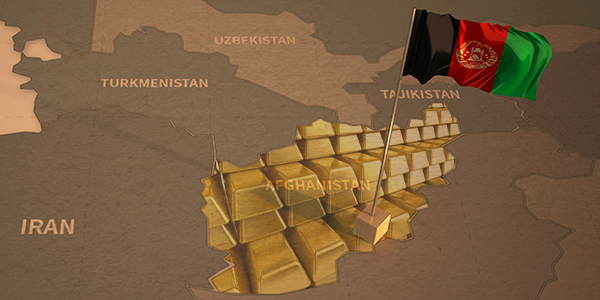
The country sits atop what could be one of the world’s largest reserves of various metals and minerals, including not just gold but also platinum, silver, copper, iron, aluminum and uranium. It’s believed to have so much lithium, an increasingly important metal that’s widely used in battery technology, that Afghanistan could one day be known as the “Saudi Arabia of lithium,” according to a 2010 memo by the U.S. Department of Defense.
During a trying time for the world in 1939, Winston Churchill famously described the largest country in the world and soon-to-be second superpower, the Soviet Union, as “a riddle wrapped in a mystery inside an enigma.”
For the third year in a row, the top 50 hedge fund managers, relying on a variety of strategies, generated net returns comparable to the S&P 500 with significantly less risk and performance that was largely independent of the market. Hedged equity, multistrategy, and global macro funds led the way with more than half the funds in the top 50 managing less than $1 billion.
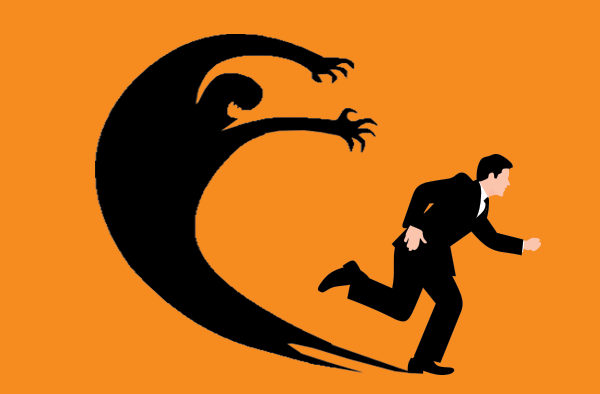
So many headlines right now are instilling FUD in investors’ minds, which stands for Fear, Uncertainty and Doubt—from the Afghanistan news to fears on cryptocurrency and the delta variant disrupting travel plans. But don’t fall for it.
Technology is advancing at a rapid pace, exerting downward pressure on prices
Going forward, we believe that the traditional international allocation and global emerging markets deserves a rethink.
New virus outbreaks in supplier nations are adding to inventory problems.
New research shows that Western countries, which have tighter regulations, have forced companies to move their pollution-related activities to other domiciles. That can be good news for ESG based investors, who reward those companies with a lower cost of capital.
As I discussed in a Frank Talk this week, the Senate just approved a $1 trillion infrastructure bill that’s now the business of the House.
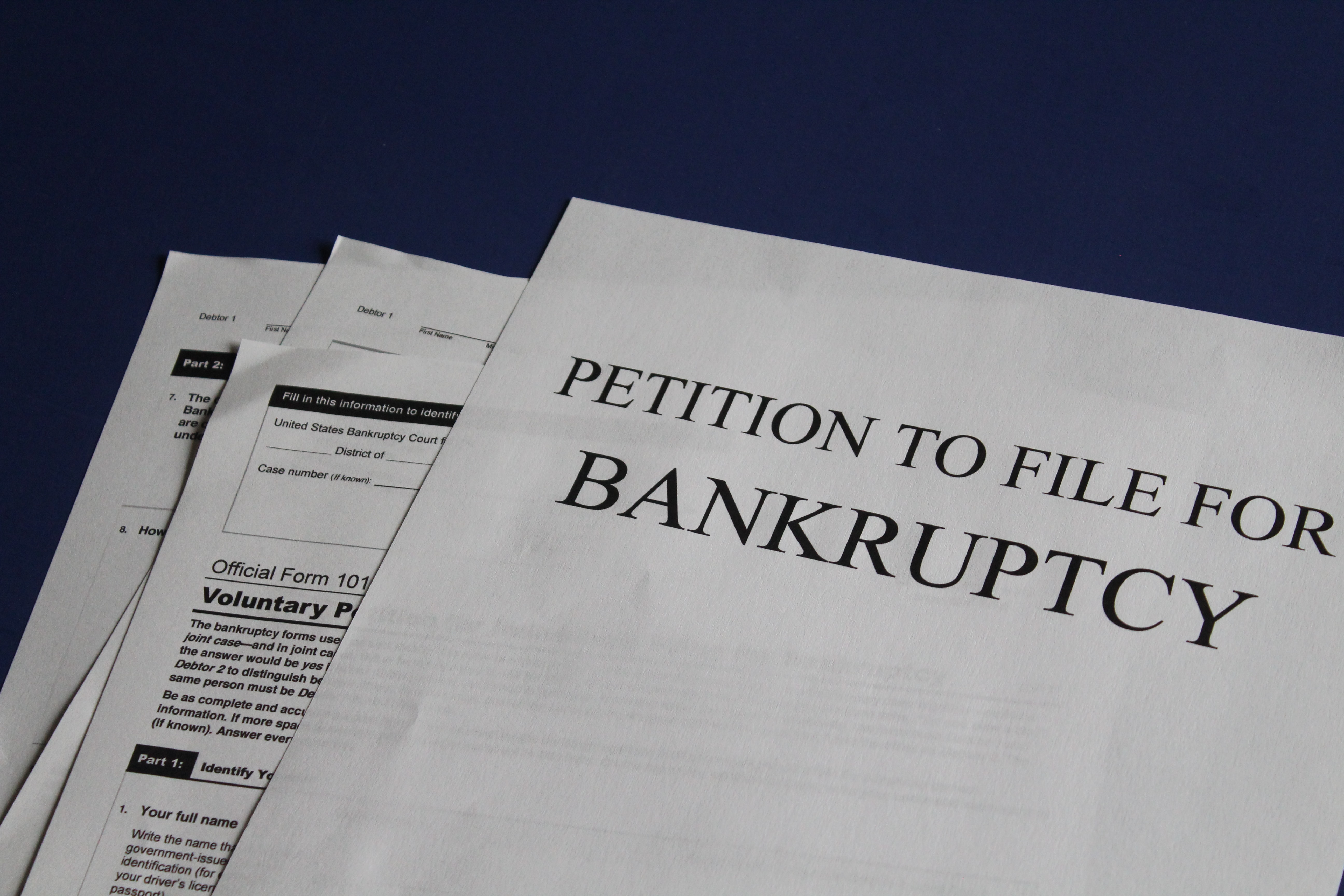
“How did you go bankrupt?” “Two ways. Gradually, then suddenly.”
Falling demand will help limit the extent of more price increases.
As the summer progresses, US vacationers are out in force while the European and Asian holiday scene remains relatively subdued.
Hidden Risks: Can Investors Trust China?
In 1905, the first gas pump appeared in St. Louis, Missouri, to meet the fueling demands of a rapidly growing number of motorists.
Central banks are being forced to address many challenges—inequality, climate change, and debt management to name but three.
Optimism around GDP growth, employment and earnings has, for now, outweighed worries related to COVID-19 variants.
Frank Pape is the senior director, portfolio consulting for Russell Investments’ advisor and intermediary solutions business. In this interview, he discusses the latest research on how advisors can maximize the after-tax income for their clients.
You may not be familiar with the term metaverse, but if you’ve been a consumer of popular books, movies and video games over the past 30 years or so, you probably are aware of the concept.
What is the degree of Emerging Markets (EM) stocks’ undervaluation relative to United States (US) equities?
China’s regulatory crackdown on education and tech companies led early this week to a dramatic sell-off that started in Chinese stocks and extended into offshore Chinese currency and credit markets.
Chinese stocks have tumbled amid a regulatory crackdown on education and technology companies.
Fireblocks has raised $310 million in a series D round that values the digital-asset platform at $2 billion, sealing its status as a unicorn.
Hang on to your hat.
We have announced our Venerated Voices™ awards for commentaries published in Q2 2021.
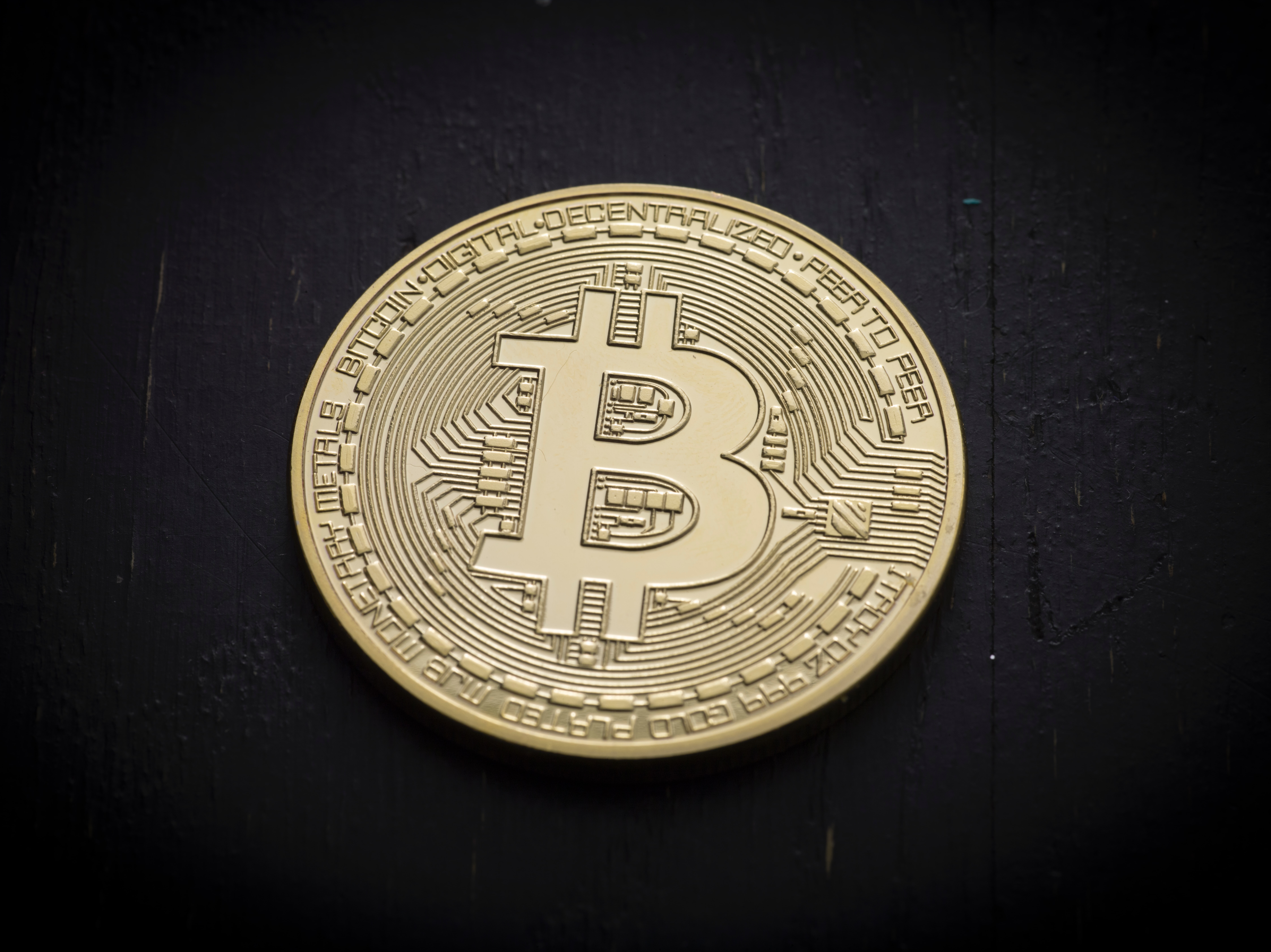
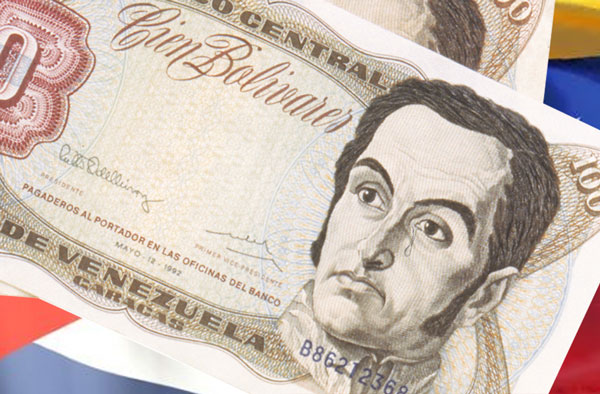
Recent protests offer hope that change may be right around the corner. But for now, gold and Bitcoin have helped fill the gap created by disastrously mismanaged currencies.
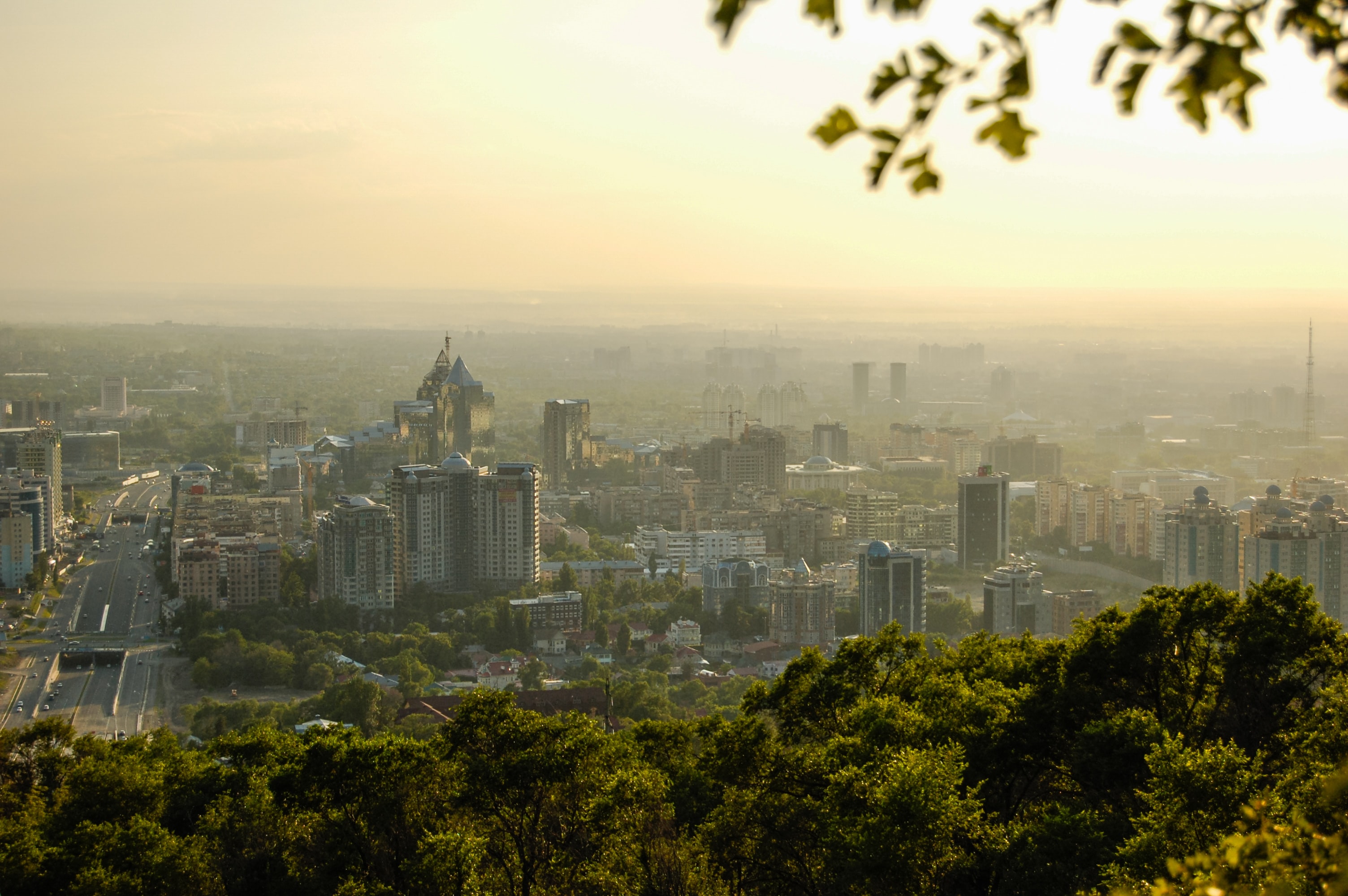
Frontier markets are popular to investors that seek higher returns, and Central Asia’s Kazakhstan is regarded with particular interest.
Long-term Treasury rates tumbled to the lowest levels in months on Monday as the spread of the delta coronavirus variant called into question optimistic assumptions about economic recovery, also touching off a global stock market slump.
CIO Robert Horrocks, PhD, discusses the short and longer-term prospects for Asia and EM in a rising inflationary environment.