Return to office mandates are growing, but workers are hesitant to give up flexibility.
With so many moving pieces, and under such unconventional conditions, navigating today’s global economic landscape would be challenging for anyone. But even if we cannot anticipate every contingency, we can understand quite a lot by assessing the US Federal Reserve’s prospects for engineering a soft economic landing in the near term.
I’ll share some of the insights my team has gathered in 2023.
In a year of unpleasant surprises from China's economy, here's a development we should have foreseen: The central bank lowered interest rates. With growth disappointing and prices declining, Tuesday's easing from the People's Bank of China ought to have been a no-brainer.
Do you like your mechanic? Do you like your doctor?
The largest exchange-traded fund focused on high-flying stocks has been losing its edge.
It’s been an interesting first half of the year. Markets performed very well in the face of continued Fed tightening, calls for an imminent recession, a regional banking crisis, debt ceiling debate, and drama around an 11th-hour deal to avoid a default on U.S. debt.
The Agg is supposed to be to bonds what the S&P 500 Index is to equities. But it is an insufficient gauge for measuring the bond universe.
Since World War II, the US Dollar (USD) has served as the world’s preeminent ‘reserve currency’ – the means of exchange for most of the rest of the world to do business.
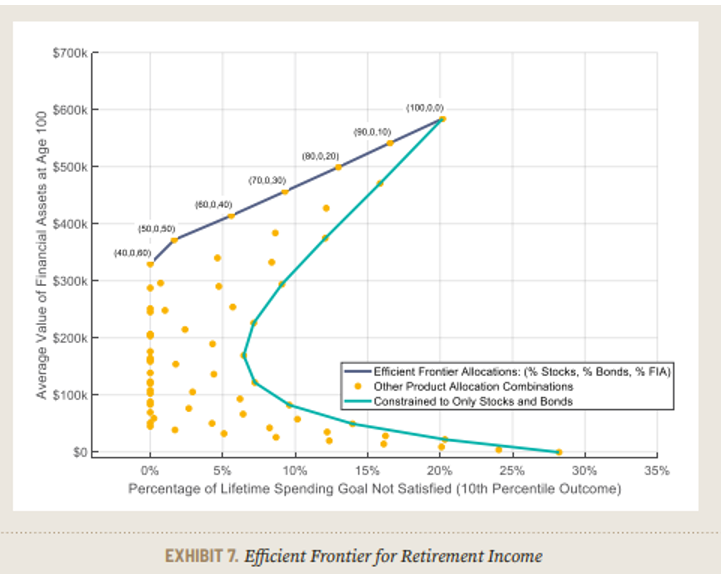
When adjusting for more realistic assumptions and considering the fact that the insurance company can change return caps and that inflation is both an unknown and deep risk, an FIA, along with most annuities, is not on the efficient frontier in either accumulation or decumulation phases.
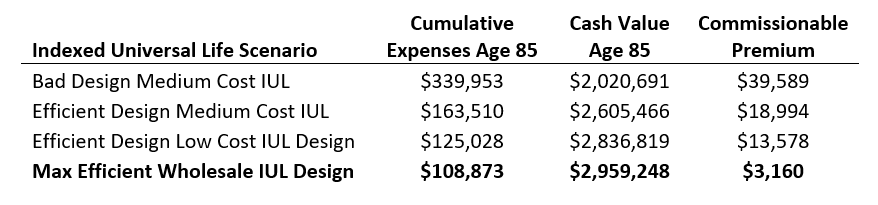
IUL is a popular investment, thanks to aggressive marketing. Before your clients succumb to high-pressure sales tactics, here’s a cautionary tale based on another lifetime purchase decision – buying an engagement ring.
For the years following the Lehman crisis, the Fed put was the norm. Exceptionally loose monetary policy ensured risk assets had a safety net. But central banks were unable to rehabilitate the real economy while governments kept their belts tight.
A team of scientists claimed to have created a breakthrough material that could superconduct electricity at room temperatures and ambient pressure. But then people started trying to replicate the experiment.
With the second half of 2023 underway, how are the macro and market landscapes unfolding?
Franklin Templeton’s Head of Digital Asset & Investor Advisory Services Sandy Kaul has a wealth of experience in the financial industry and a vision for the future in the digital asset space. She finds the trend toward democratizing new investment frontiers exciting. Learn more about Sandy in this Q&A.
Why don’t more advisors recommend simple portfolios?
July was an impressive asset-gathering month for ETFs. Much of the heavy lifting was done by the industry’s largest ETFs.
Investors often conclude that they would have performed better by simply investing in the S&P 500 index rather than a well-diversified portfolio.
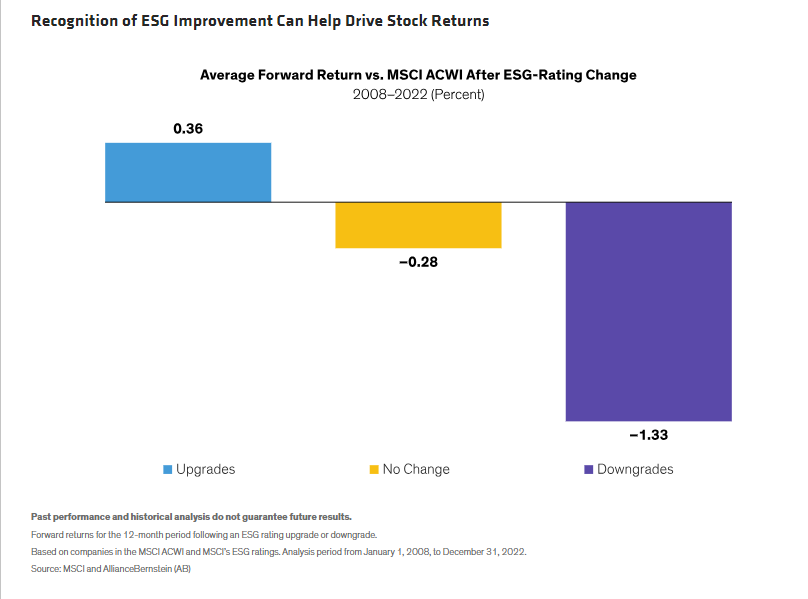
Companies that are on course to overcome ESG controversies deserve closer attention from investors.
A fresh fiscal showdown is brewing in Washington that threatens to complicate the Federal Reserve’s policymaking and strengthen Fitch Ratings’ warning that self-inflicted wounds are tarnishing America’s standing in the global economy.
Last week’s sharp moves in the US government bond market have people wondering about the implications not only for the outlook for other financial assets, including stocks but also for the economy and policy.
Referrals from established clients are a good way to organically grow an advisory business.
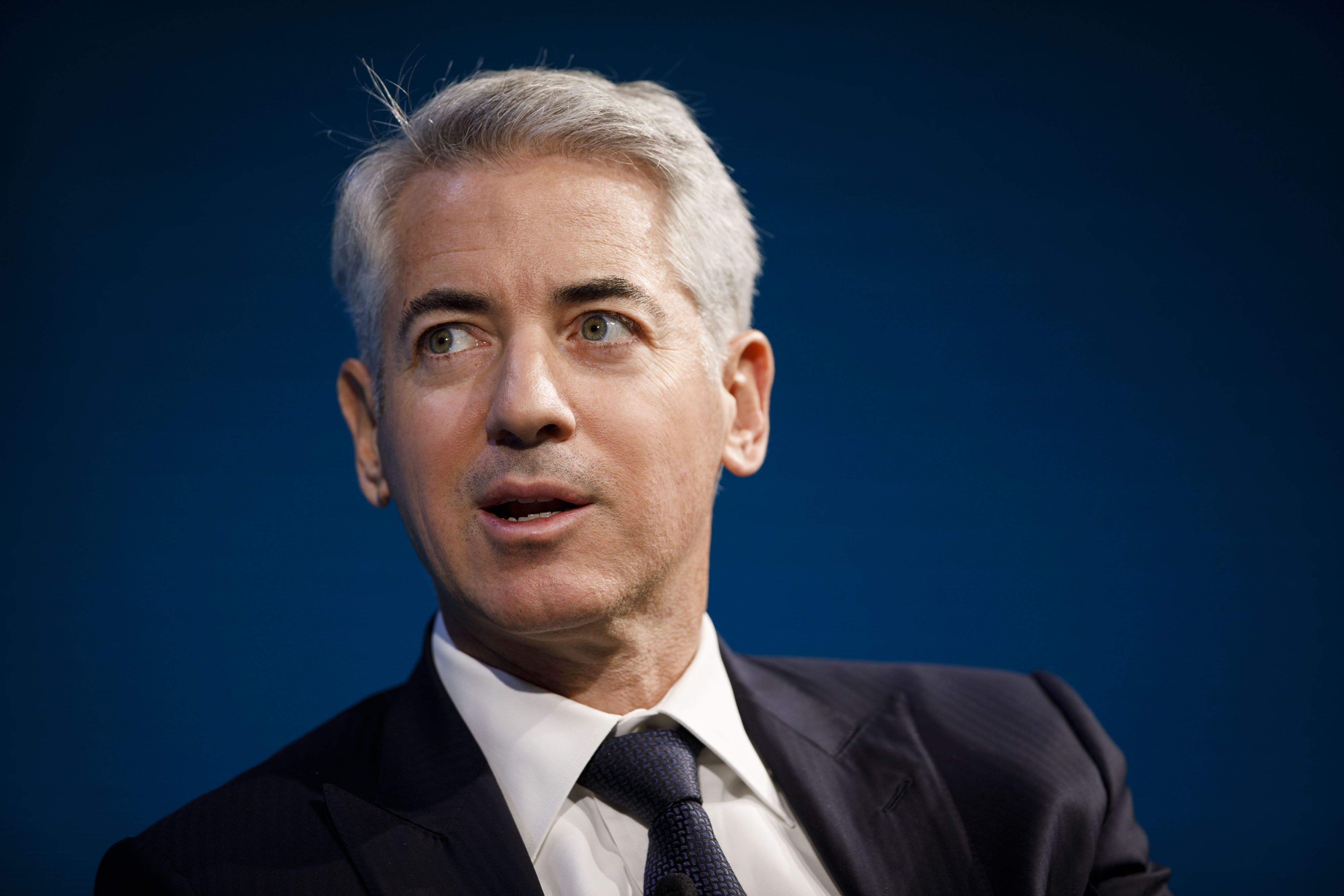
Admittedly, I’ve glossed over the other catalysts in Ackman’s thesis — including the aforementioned supply-demand issues and the fiscal and governance challenges that Fitch underscored in its recent downgrade — but the inflation call seems to be the linchpin to his argument, at least going by the math in the post.
This year in the six months through June 2023, ETF expenses fell just 0.001%, one-fifth of what we would have expected based on the drops over the previous five years, when asset-weighted ETF expense ratios fell by over 0.01% per year, on average, as depicted in the chart below.
The past year has been punctuated by attention-grabbing headlines: The ongoing war in Ukraine, the U.K. pensions crisis, the collapse of Silicon Valley Bank, debt ceiling negotiations, the rise of ChatGPT … and the list goes on.
History, analytical rigor, and logic argue that long-term buy-and-hold investors should shift their allocations from stocks toward bonds.
The unexpected downgrade of US government debt sent shockwaves across the economic and political landscapes. In financial markets, the move was met with what amounts to a shrug.
Energy/oil may have possibly broken out of a range in the low $70s (Brent Crude), which suggests we may have seen a bottom in energy sentiments/stock prices.
Over the past 18 months, high inflation drove rapid monetary policy tightening, which weighed heavily on consumer spending power and corporate margins. As inflationary pressures now abate, we see eventual improvement in both real incomes and profits, which should enhance prospects for multi-asset investors.
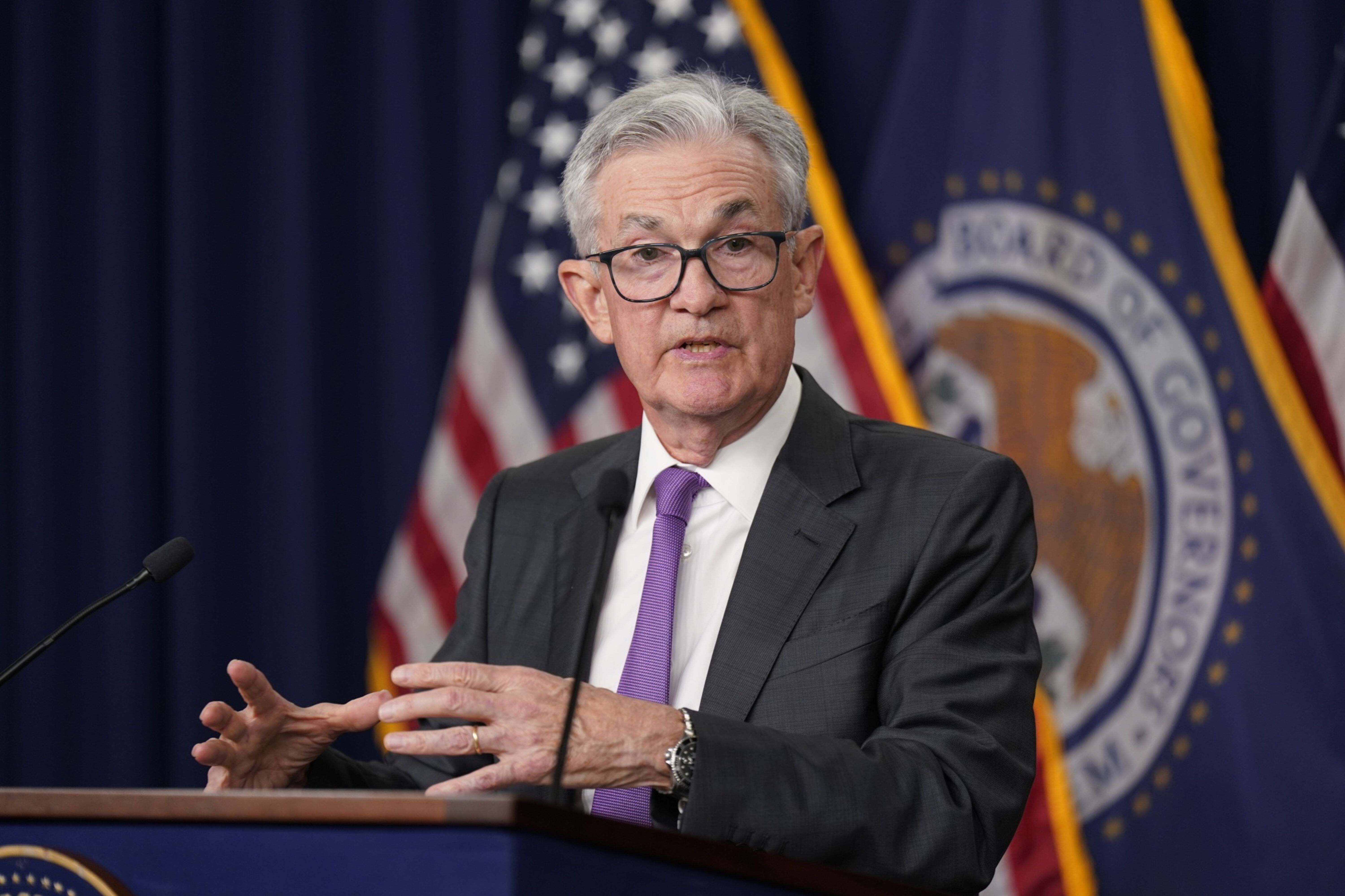
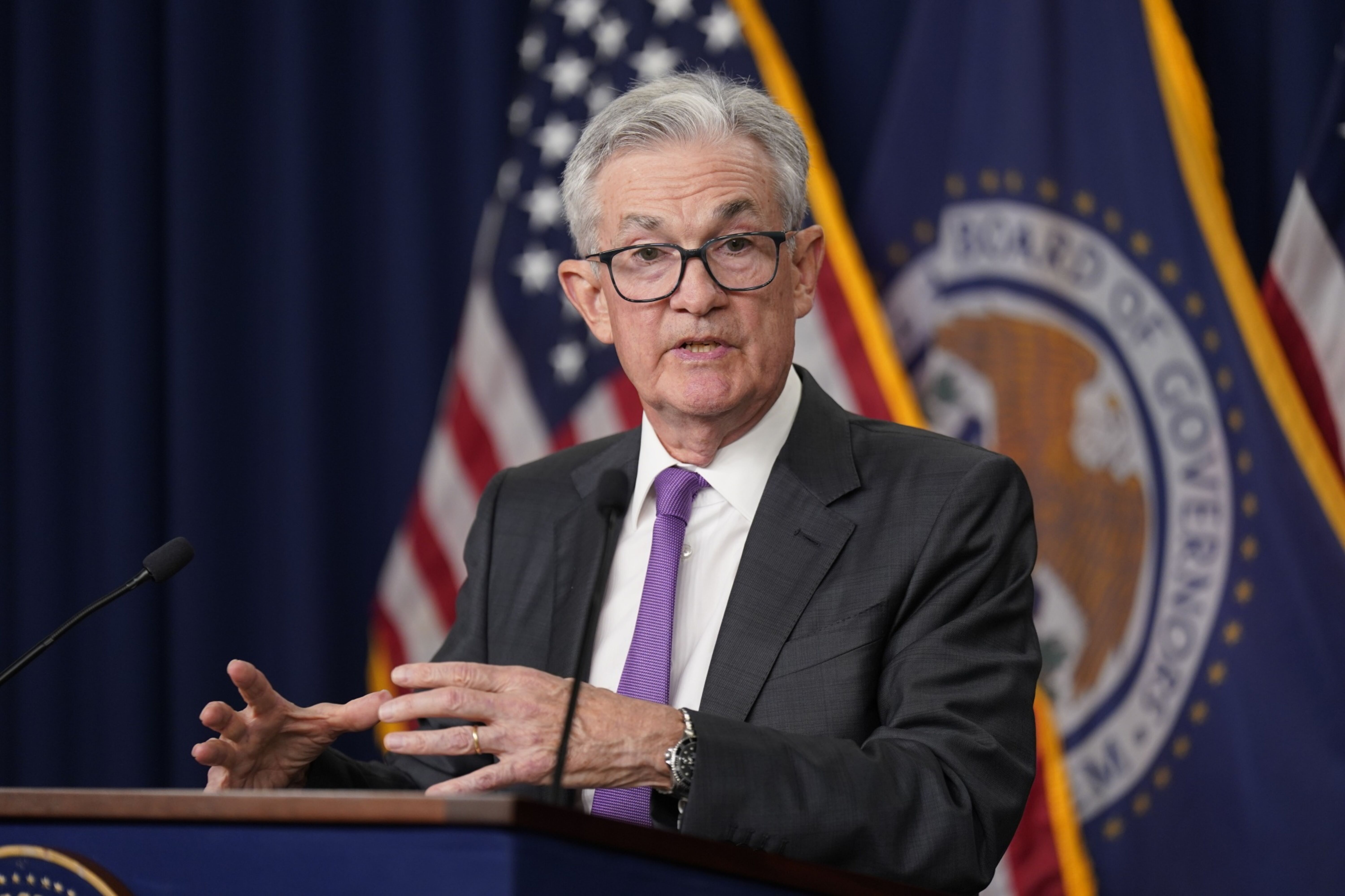
Federal Reserve Chair Jerome Powell has left the door open to another interest-rate hike, but Wall Street economists see the signs pointing in one direction ahead of the central bank’s September meeting: pause.
Believe it or not, Emerging Markets (EM) local currency bonds have been outperforming global fixed income asset classes for the past 18-months.
Russ Koesterich CFA, JD, Managing Director, and Portfolio Manager discusses how improving economic expectations may suggest adding to cyclical areas of the market.
Families can meaningfully improve returns in the public equity markets by thinking thematically and extending the duration of their ideas.
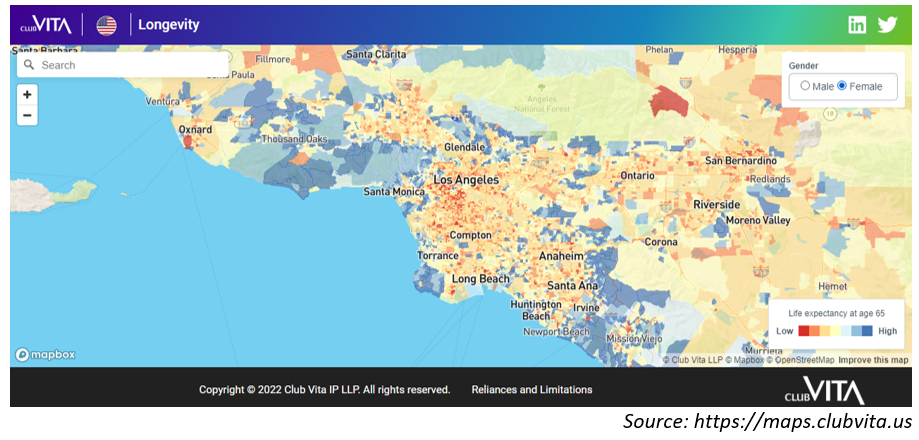
Many advisors are using longevity assumptions that are less conservative than they think.
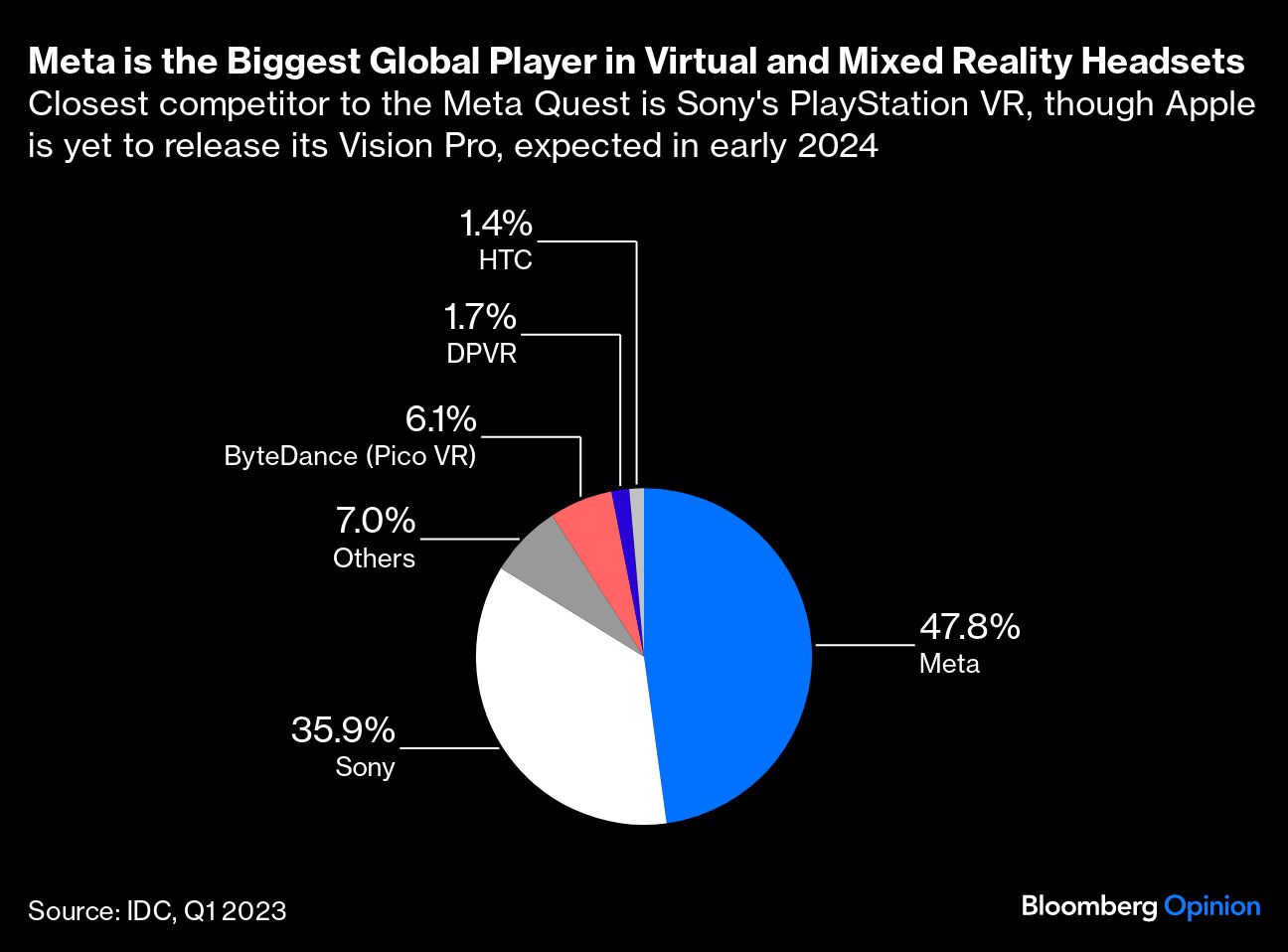
When it comes to measuring the progress of Mark Zuckerberg’s metaverse, big numbers have been in short supply. Only 20 million of his Quest virtual reality headsets have sold since 2019.
Mutual Series’ Christian Correa and Mandana Hormozi believe the Japanese equity market is finally benefiting from reforms, inflation, and efforts to push companies to focus on growth and improve their valuations.
Fresh from the Mining Disrupt conference in Miami, Frank Holmes shares his perspective on a resilient Bitcoin market and the upcoming halving event, amid ongoing debates around the need for regulatory clarity. From an optimistic outlook for a U.S. spot Bitcoin ETF to state-level breakthroughs in Bitcoin mining laws, this account offers a comprehensive glimpse into the evolving digital asset landscape.
Looking at the potential benefits, risks and societal changes of artificial intelligence from an investment lens with Stephen Dover, Head of Franklin Templeton Institute.
Q2 2023 was a more favorable environment for Emerging Markets, Europe, Australia and Real Assets managers.
The US economy expanded at a 2.4% annual pace in the second quarter, crushing consensus expectations and driving another stake into the 2023 recession narrative.
Mortgage rates are the highest they’ve been in over 30 years, keeping home affordability in unprecedented territory. However, mortgage rates above 7% aren’t the only factor keeping home prices high.
While on the surface its argument is about the principle of copyright, what the clash reveals is just how little we know about the data behind breakthrough tech like ChatGPT.
There are multiple factors to consider, including your tax rate.
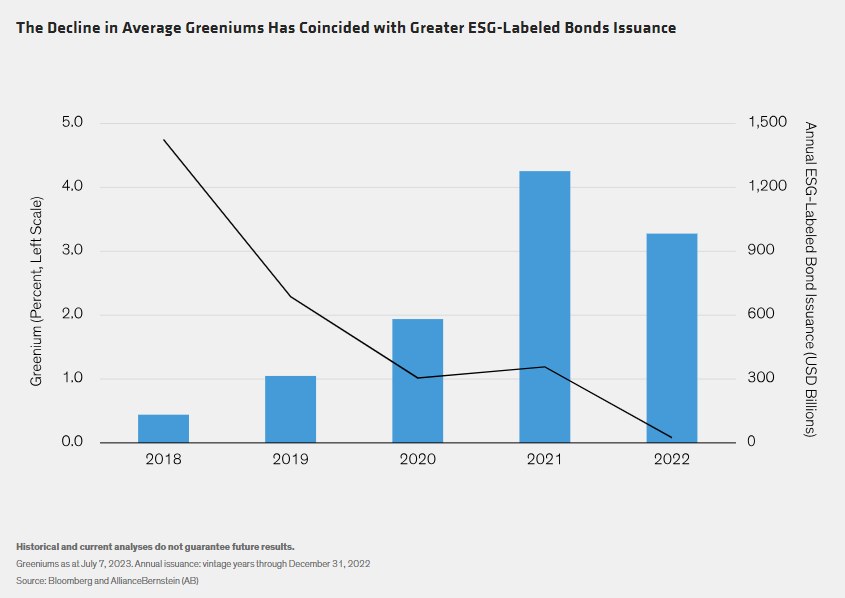
Investors in ESG-labeled bonds expect well-structured issues with strong green or social credentials to command higher prices than the same issuer’s conventional bonds.
Last year’s plunge in the S&P 500 made uber bear Mike Wilson the most celebrated stock forecaster on Wall Street. It’s a role he has failed to reprise in 2023.
One of the unforeseen side effects of the current travel boom has been flight delays, mostly because of staff shortages, and this has raised the issue of pilot retirements.
Pulak Prasad is a successful investor in the Indian market, where he grew up. But he is also an amateur evolutionary biologist. His new book illustrates a powerful – and often money-making – link between the disciplines of investing and evolution.
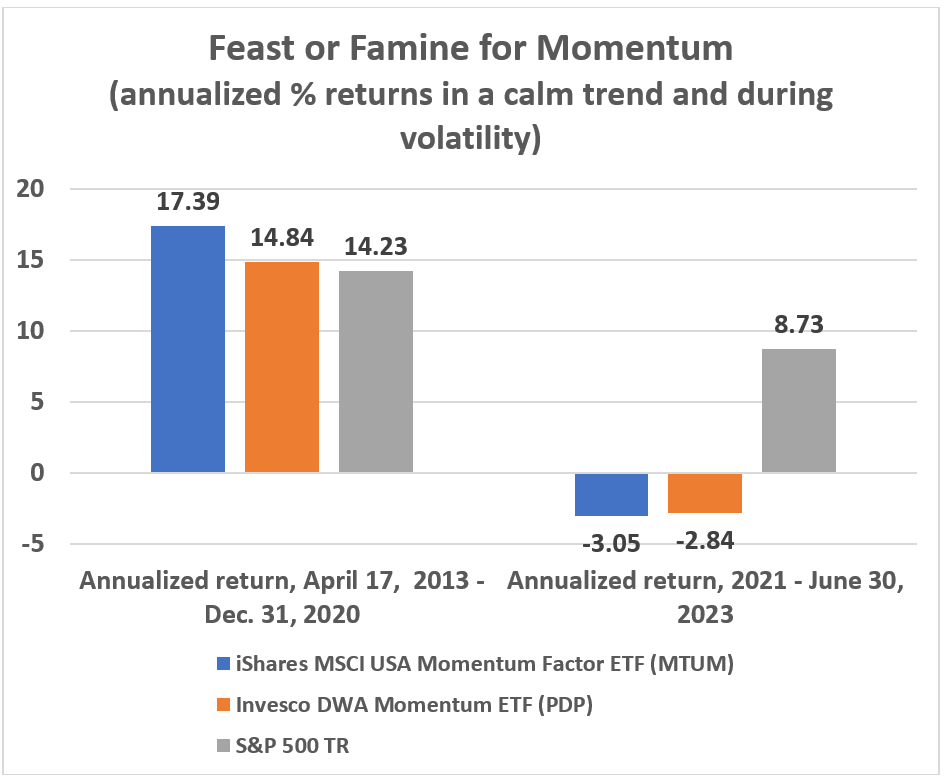
As the recent regime changes between value and growth illustrate, momentum is unlikely to be successful in the long term.
A lot of the conversation around the rise of artificial intelligence has focused on its threat to white-collar jobs and knowledge workers.
Money market allocations hedged investors from tumbling equity markets last year and for the first time in a long time, generated considerable interest income. While cash-like investments offer liquidity and risk management, they do have some drawbacks. What other options do investors have?