That Buffett cash hoard has also created a lot of speculation, innuendo, and assumptions, which is what I want to walk through in today’s discussion. Primarily, what that cash hoard actually represents, the popular theories explaining it, and what it really costs shareholders to hold.
I’ve long been a student of game theory, the branch of mathematics that studies how rational actors make decisions when their outcomes depend on what everyone else does. It’s a helpful framework for understanding markets and geopolitics, and right now, there’s no better place to apply it than Taiwan.
Stock markets have been hitting all-time highs and credit spreads remain low, yet higher interest rates and mounting floating-rate debt are straining lower-rated borrowers. This tension is surfacing first in leveraged loans as “quiet defaults” become more common — opening up a dynamic set of opportunities for investors specialized in stressed and distressed assets.
Typically, an investor’s traditional bond portfolio begins with a cornerstone, or core holding of some sort. From either a strategic or tactical perspective, a core fixed income position provides the investor with some ballast to help anchor any other strategies that may be included.
LPL Research explores how a potential Warsh-led Fed could reshape policy, Treasury markets, and volatility amid rising deficits and shifting demand.
Gold bugs often claim that when more dollars are in circulation, each dollar buys less; prices rise, and gold, as a store of value, helps protect purchasing power from that decline. As a result, they believe that a rising money supply, in and of itself, is inherently inflationary.
Ironically, the story I want to discuss today involves two companies we do not own and never have owned. Though they are household names, and this transaction is one of the most significant acquisitions in business history.
Research Affiliates explains how a fundamental growth strategy can outperform traditional market-cap-weighted growth indices.
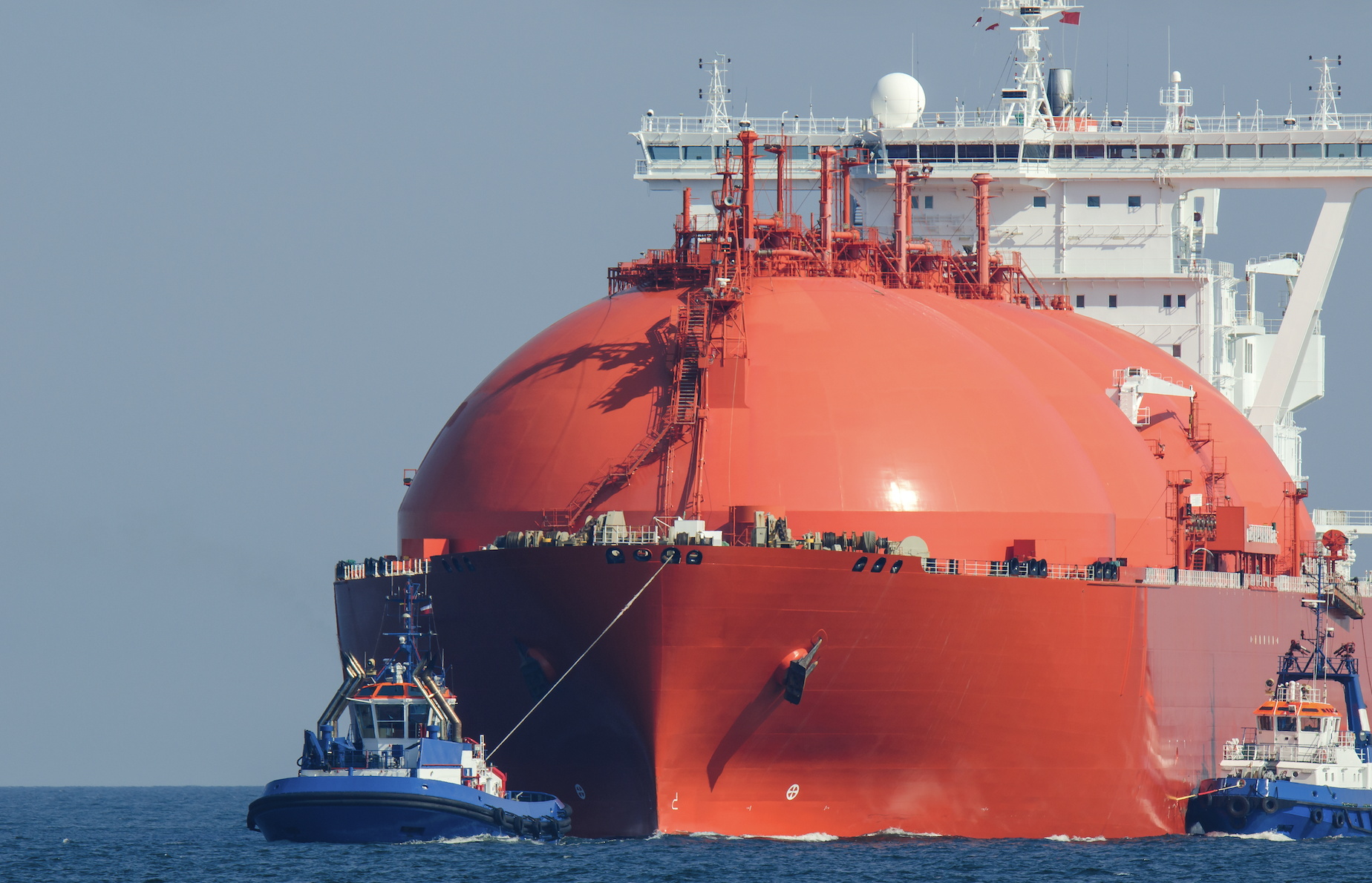
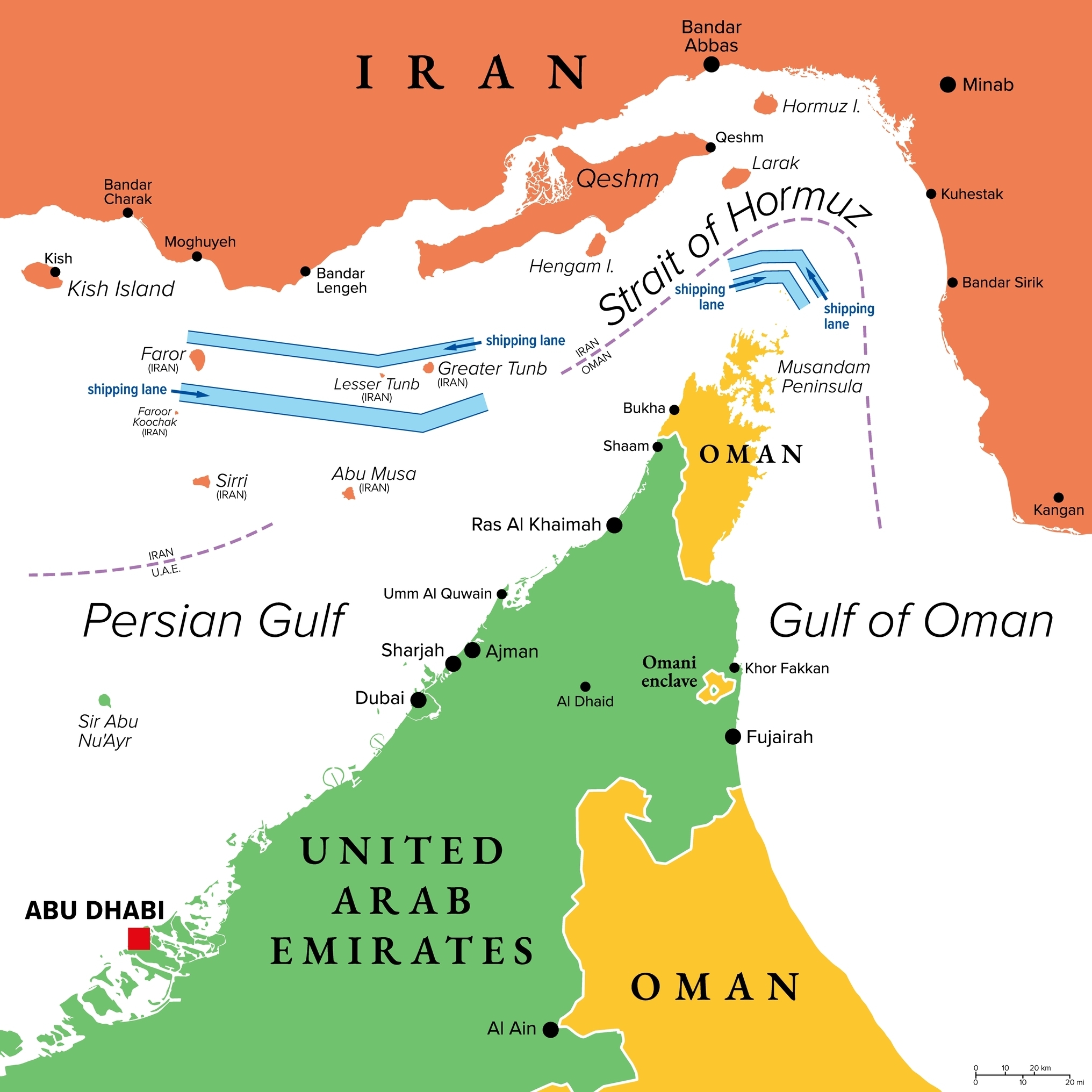
Despite continued geopolitical gridlock that has kept the Strait of Hormuz largely closed—and pushed West Texas Intermediate crude oil above $100 last week for the first time since the April 8 ceasefire announcement—U.S. equities continued to climb.
Thus far 2026 has been a roller coaster year for fixed income markets. The 10-year Treasury, the benchmark rate for the bond market, saw its yield trade as low as 3.94% and as high as 4.43%.
What a week this was! On Tuesday, I participated on a panel at the Bitcoin Conference in Las Vegas, where I discussed why Bitcoin miners have a head start in the race for AI compute.
We’re going to explore what happened at the Fed, and what changes we can expect. Let’s just say it’s not what some are predicting, at least in my humble opinion. Inflation is sadly a growing problem. And that complicates Kevin Warsh’s coming tenure as Fed chair.
Although sentiment remains sensitive to headlines around the Strait of Hormuz and energy markets, Franklin Templeton’s Emerging Markets Debt team sees an asset class that has shown it can absorb shocks, even as renewed geopolitical flare-ups or a broader risk-off episode could still test markets.
For much of the past few years, US Treasuries have failed to serve their traditional role as a sure-fire refuge from global market meltdowns.
Global Head of Securitised Products John Kerschner and Portfolio Manager Ian Bettney from Janus Henderson’s Global Securitised Team examine how CLOs and other securitised credit have weathered recent volatility, and why selectivity and active management remain central to capturing opportunities across the market.
With the proverbial ceasefire negotiation can kicked down the road for the second time in a week, the U.S. and Iran remain in a stalemate over the Strait of Hormuz.
Despite the turbulence, the global LCC market remains an enormous force. Four of the world’s 10 largest airlines—Ryanair, Southwest, IndiGo and easyJet—operate on a low-cost model. The broader budget travel market is projected to exceed $315 billion by 2028, according to Statista.
Investing pros say strong quarterly numbers that beat already lowered expectations aren’t likely to move the richly valued stock. Rather, Tesla needs one of two things to drag its shares out of their rut: Concrete signs of progress on its robotaxi plans or a shiny new object from Musk’s playbook that moves the goalposts for the company and resets the timer to show results.
LPL Research examines the fixed income space as global bonds broaden yields and reduce U.S. concentration, offering diversified income and resilience via non‑U.S. developed and emerging markets.
As always, I hope you’re having a good 2026 and that all is well with you, my readers, and your family and friends. Here’s my latest.
Oil shocks hitting economies with weak demand and strained balance sheets are especially damaging. Firms cannot fully pass on rising costs, so margins shrink, layoffs increase, and investment falls. Tightening monetary and credit conditions would cause inflation to fade faster but job losses, failures, and fragile household finances to be much worse.
There's a fight over war funding looming in Congress after a return from the Easter break, and uncertainty around the timing of the Fed chair confirmation hearing remains.
The Middle East ceasefire sparked a relief rally last week as markets dialed back the risk of a deep, drawn‑out oil supply shock. Stocks have already erased much of the post-conflict drop. Bonds haven’t gotten the memo: Yields are still elevated, keeping a bit of extra term premium on the table.
The general field called “credit” has seen massive innovation over the course of my career. An Oaktree colleague asked me about the developments that brought the credit sector to where it is today. I came up with the following list.
Given the combined weight of these markets within EM portfolios, Templeton Global Investments believe incremental improvements in capital discipline could have a meaningful impact on aggregate index-level earnings quality.
Since the U.S. and Israel launched strikes on Iran on February 28, jet fuel prices in the U.S. have more than doubled. According to data from the Energy Information Administration (EIA), the year-to-date percent change in U.S. jet fuel prices stood above 120% as of the end of March.
It was a rough first quarter for the Broadleaf Growth Equity Portfolio and the markets in general as investors tried to identify market leadership buffeted by AI spending concerns, talk of escalating private credit market risks, and ultimately, the emergence of War in Iran.
All eyes were turned toward the Middle East throughout the month of March, with the US and Israel’s ongoing conflict with Iran causing energy prices to surge. The closure of the Strait of Hormuz, alongside damage to energy infrastructure across the gulf region, caused crude to rise above $100 a barrel for the first time since 2022.
Stocks started the week on an upbeat note as the administration delayed a deadline to strike Iranian energy plants by five days, also announcing that the U.S. and Iran were in negotiations to end the conflict.
I just returned from the Investment U conference in Las Vegas, where I presented on gold and the great digital transformation. Sentiment among investors was upbeat, despite great uncertainty in the world right now.
Gold has fallen roughly 21 percent from its all-time high of nearly $5,595 reached in late January to approximately $4,430 as of this writing, and the prevailing narrative in markets is that this correction reflects a genuine shift in the metal’s outlook
In a world of intensified uncertainty and dispersion, investing becomes less about forecasting and more about favoring more liquid, high quality assets that can be resilient across a variety of scenarios.
Corporate credit markets have become unsettled about the potential for advanced agentic AI tools from firms such as Anthropic and OpenAI to automate functions across legal, analytical, marketing, and sales workflows, effectively targeting the software as a service (SaaS)/enterprise software space.
Since hostilities began in the Middle East three weeks ago, I’ve urged investors to stay calm and resist the temptation to panic-sell. While I still stand by that advice, it’s important to point out that this conflict isn’t resolving as quickly as initially expected.
The key swing factor remains oil prices. If the conflict ends within this window, we still expect only limited impacts on our economic and asset‑class outlooks.
Some forms of technical analysis are often too much “inside baseball” for many investors. However, the concept of moving averages is one of the most important technical indicators and an easier one to grasp.
If someone has deeply entrenched views — either to the right or to the left — they are not likely to change their minds because they listened to you. You could definitely offer some education here by talking about the long-term impacts of this war.
The word 'equilibrium' is an invitation to recognize that nothing exists by itself, alone. Subject and object are two sides of the same coin – their interaction is a single phenomenon. That perspective can offer a great deal of insight about economics, financial markets, speculative bubbles, passive investing, and nearly everything in existence.
Despite less reliance on oil, higher oil prices will add pressure to inflation. If energy costs stay elevated, inflation could rise again, potentially delaying interest rate cuts from the Federal Reserve (Fed). Geopolitical uncertainty remains a risk. Conflicts in the Middle East could disrupt supply chains and increase price volatility in key commodities like oil.
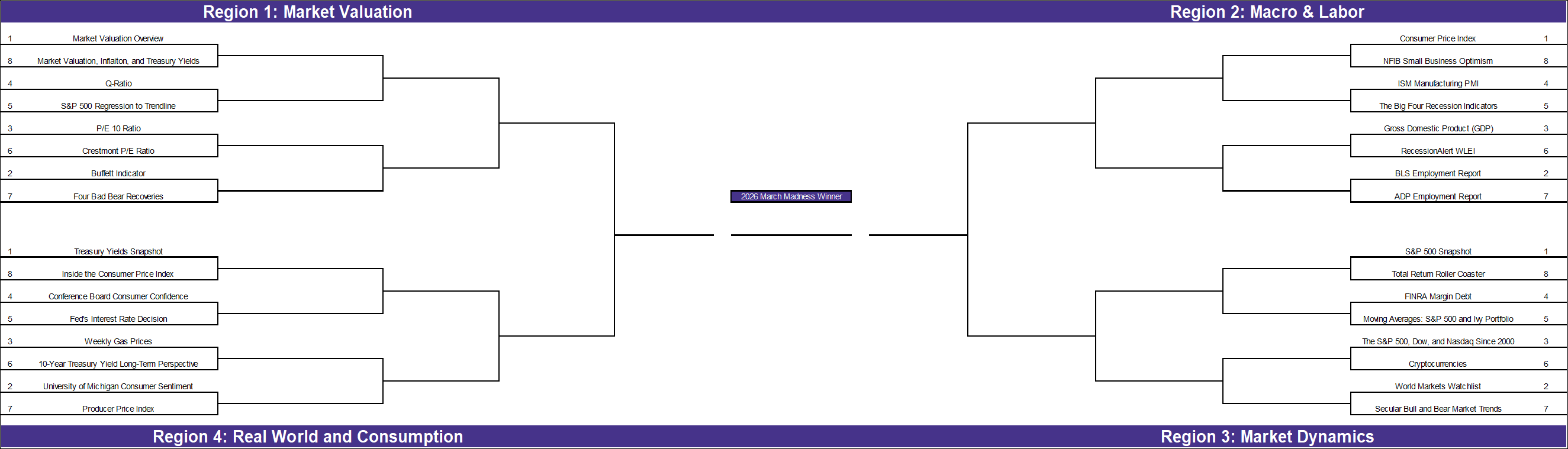
With the NCAA tournament beginning in just a few days, we’ve applied the bracket format to our own research. While economic theory often dictates what should be most important to investors, our reader engagement reveals which topics truly commanded investor attention over the past year.
Soaring oil prices and the military conflict in Iran are among the primary reasons the MSCI EAFE Index is off nearly 6% over the past month.
Markets hate uncertainty, and right now there’s plenty to go around. The outbreak of the U.S.-Iran conflict, following by Iranian retaliation against oil infrastructure across the Persian Gulf, has sent crude prices surging and shipping rates soaring to record levels.
The war in Iran and the risk that it could lead to a wider regional conflict have roiled global financial markets. Oil and European gas prices have spiked while equity markets have seen sharp declines.
The war in Iran is forcing investors to reevaluate one of their most profitable stock strategies, leading some to conclude that the “Sell America, Buy Asia” trade has reached an inflection point.
By now you’ve likely seen the news that the Department of War (DOW) issued a Friday-evening ultimatum to Anthropic, maker of the Claude AI chatbot, demanding unrestricted military access to its technology.
Economic growth metrics for the United States have recently shown surprising resilience; however, consumers’ economic sentiment has not. According to the Bureau of Economic Analysis’s advance estimate, real Gross Domestic Product expanded at an annualized rate of just 1.4%.
Our framing and outlook for the U.S. economy and markets in recent months can be summarized by what I like to call the “three Bs”: Bifurcation and Broadening, all within the context of a delicate economic Balance.
If trade policy were like a boxing match, the U.S. had hoped tariffs would be a decisive, knockout blow. While many of America’s trading partners reeled, they stayed on their feet and are wearing down their opponent.
In investing and life, spending your time on critical variables and what is really important directionally pays dividends. AI can legitimately reduce “task time” in the investment business, but it does not replace experience and judgement. Not having double-digit bodies running around also helps one focus.
After underperforming for much of the last decade, emerging-market (EM) equities rebounded nicely in 2025. Is it too late to invest? We don’t think so. With valuations still attractive and earnings growth forecasts looking up, this could be the right time to give the developing world a closer look.