For the better part of the last decade, interest rates have been near zero and leverage has driven asset prices higher.
Dave Calhoun was brought in as Boeing Co.’s chief executive officer to steer it through a crisis that unfurled after the crashes of two of its 737 Max jets.
The economics profession has long had a vigorous academic argument over “natural” interest rates. What would rates be if we could somehow remove all the subjective actors—central banks, commercial lenders, government agencies—that conspire to set them? What would nature do if we left it alone?
It’s getting complicated for investors in semiconductor stocks, with last year’s big chip shortage morphing into an inventory glut for some companies, and others getting caught up in geopolitics.
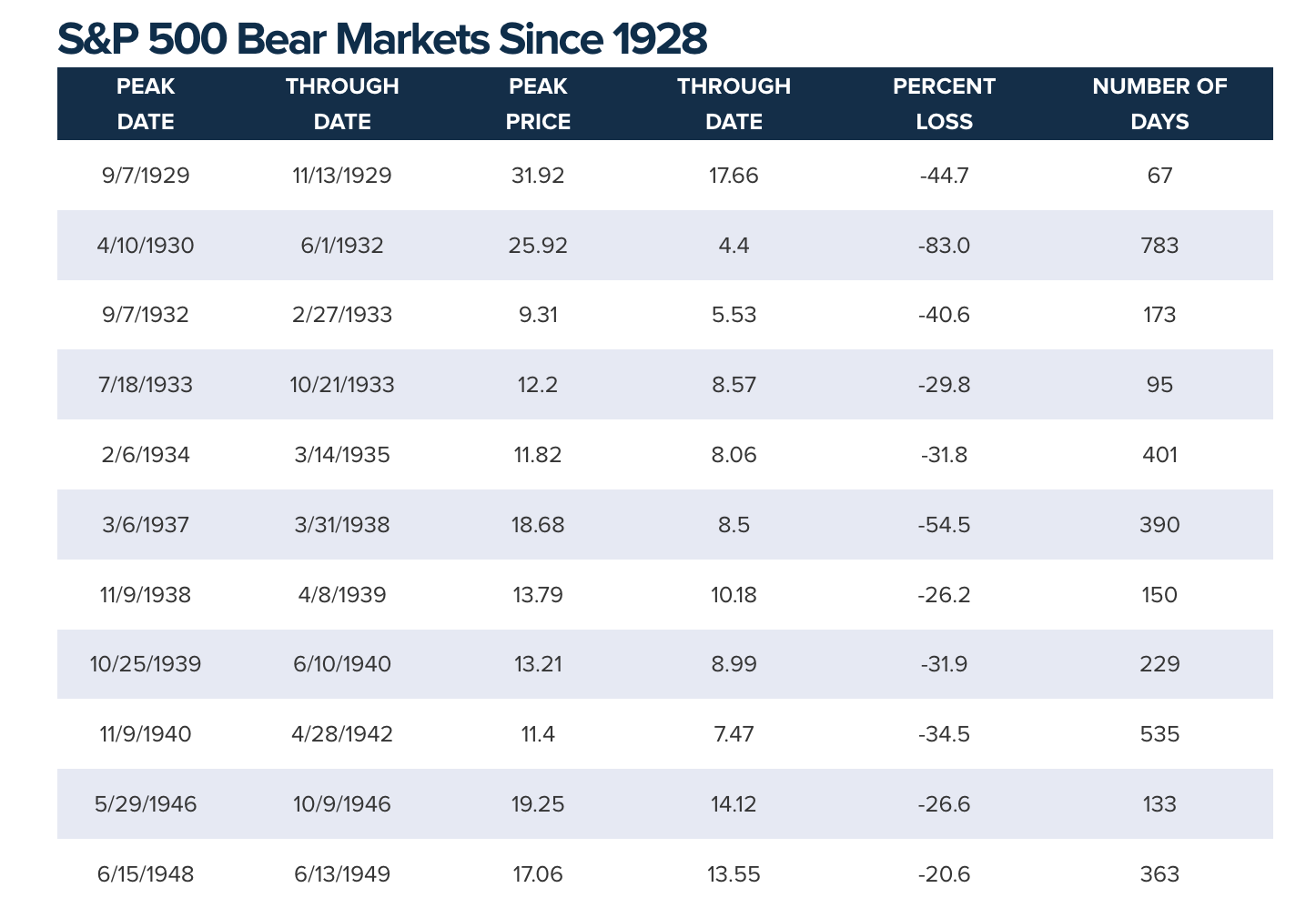
With the US bear market entering its seventh month, it’s not too soon to think about what other risks might be lurking. Private equity is at the top of the list.
No doubt about it, this has been a very challenging market environment to navigate, and we look to be in for more of the same. The Fed will continue to tighten monetary policy, and the longer the conflict in Ukraine persists, the longer we’ll likely feel the pressure from elevated gas prices.
As I have indicated in recent weeks, I don’t really understand why the media has turned so bearish on the US economy lately, and why so many forecasters are predicting we’re either just about to enter a potentially nasty recession or we’re already in one.
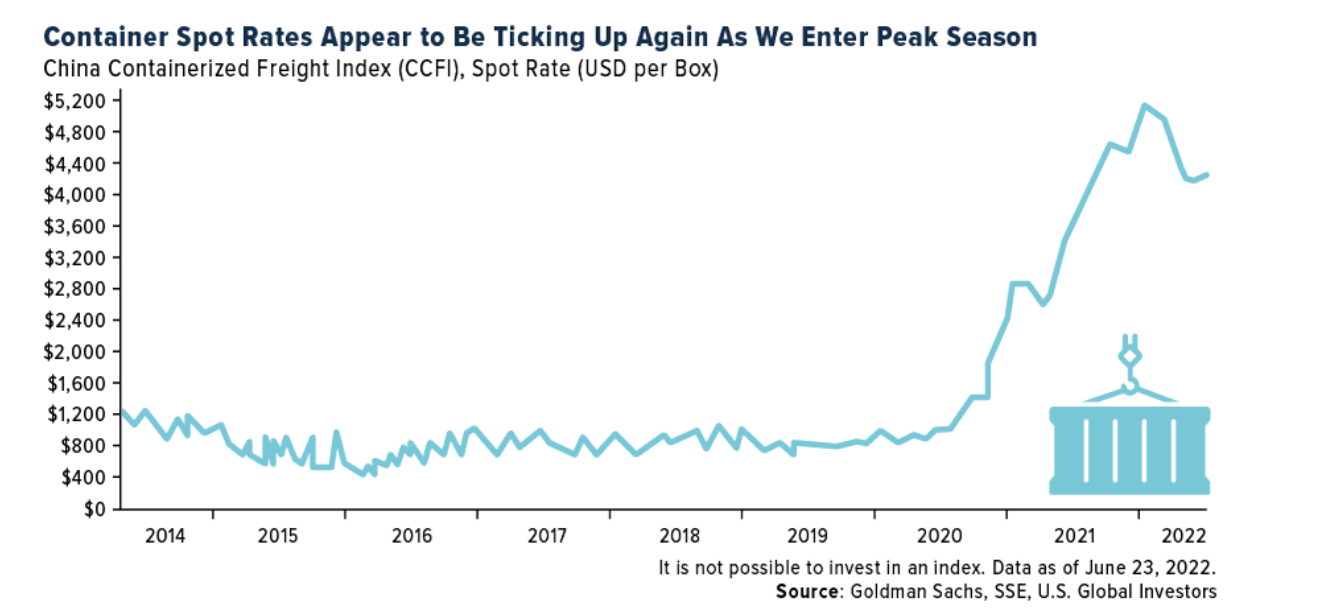
Container shipping companies have not been immune to the disruptive factors roiling markets at the moment, namely rising interest rates, soaring inflation and a potential recession, not to mention war in Eastern Europe.
The market has spent much of 2022 worrying about inflation and associated interest rate rises, and Growth stocks have certainly borne the brunt of this.
Russia defaulted on its external sovereign bonds for the first time in a century, the culmination of ever-tougher Western sanctions that shut down payment routes to overseas creditors.
Latin America tilted further left this week as Colombian voters elected Gustavo Petro as president. Come August, the former Bogotá mayor and member of the M-19 guerrilla organization will join the region’s growing list of leftist leaders in a political shift some are likening to the “pink tide” of the late 1990s and early 2000s.
In a new piece, GMO’s Asset Allocation Team notes that even with the battering of growth stocks in 2022 there is still ample opportunity to benefit from betting on cheap value stocks versus expensive growth names.
If you’ve read the book or seen the movie, Moneyball, you may be familiar with the story of Billy Beane and how he and the Oakland A’s revolutionized sports management. By focusing on data rather than the ‘gut feelings’ felt by his scouts, he re-defined what ‘success’ meant in MLB. Now imagine those techniques applied to portfolio management.
U.S. stocks are extending weekly gains, rebounding from yesterday afternoon's slide as the markets remain choppy amid lingering global recession concerns that have been bolstered by monetary policy tightening efforts around the globe aimed at getting high inflation under control.
Lifetime income solutions are high on the wish lists of defined contribution (DC) plan participants, with the certainty of a guaranteed lifetime income stream ranking as the top feature in our surveys over the past decade.
US banking giants are poised to return $80 billion to shareholders after this year’s Federal Reserve stress tests, less than last year’s elevated level that followed a pandemic-driven buyback pause.
Oil is heading for the first weekly decline since April after a period of choppy trading as investors weigh the prospect of further monetary tightening from central banks to curb rampant inflation.
The yellow metal has managed to stay positive since the start of the year, skirting pressure from surging yields and a strong U.S. dollar. Meanwhile, nearly every other asset class has fallen into either correction or bear market territory.
The one speed bump advisors keep tripping over is that, well, people are funny about their money.
Leo Tolstoy’s Anna Karenina opens with one of the most famous lines in world literature: “All happy families are alike, but every unhappy family is unhappy in its own way.”
In our new piece from the Franklin Templeton Institute, we examine the challenge of feeding a growing global population in the midst of climate change, geopolitical shocks and uncertainty.
Google, Facebook and Microsoft Corp. — three of the world’s biggest corporate buyers of clean power — are sounding the alarm that a nearly $4 billion, Warren Buffett-backed renewable-energy project proposed in Iowa isn’t necessarily in the best interest of customers, including them.
Complaining about federal debt is a time-honored American tradition. Remember Ross Perot and his hockey-stick charts? Then there was Harry Figgie’s 1992 best-selling book, Bankruptcy 1995. It was quite a sensation at the time.
This is one of my favorite charts, and one that helped get us onto the right side of the global policy pivot that has rippled across markets this year.
U.S. equities are lower as the recent volatility continues despite yesterday's gains.
It’s not all doom and gloom, though. Due to stratospheric oil and gas prices, energy stocks have been the one bright spot in an otherwise dour market this year. Through the end of May, the S&P Oil & Gas Exploration & Production Index gained an incredible 60%, compared to the S&P 500, which fell about 13%.
In January Goldman Sachs projected that the FOMC would increase the federal funds rate at every other meeting (each meeting is 6 weeks apart) starting with the March meeting.
The world is struggling with simultaneous energy and climate crises. To solve the first could require undoing all the progress made toward greener power and cleaner air. But it doesn’t have to be that way.
US economic growth looks to have downshifted in recent weeks in the face of headwinds that include rising interest rates and inflation, the Federal Reserve said.
There are eight global mountaintops scaling 26,000 feet or higher, including Mt. Everest, the most famous of them all.
Investors in Bitcoin and other digital assets have been pummeled recently by the longest losing streak since 2011.
Despite the massive selloff in equities this year and persistently high inflation, Dawn Fitzpatrick isn’t worried about a recession in the immediate future.
As an advocate of advisors working closely with tax preparers, and as a tax preparer myself, I hear the complaint of unreciprocated referrals all the time from financial advisors. Typically, I respond with questions such as…
I believe one of the most dangerous behaviors is the willingness to invest in highly overvalued stocks.
Let’s look at two overlooked activities you should be tracking to ensure referral sustainability.
The parallels between the 2020s and the 1970s grow more numerous by the day. The economy faces the threat of stagflation. Fuel prices are surging, and shortages loom. Politicians are flailing. The international environment is deteriorating. The Supreme Court is revisiting the 1973 Roe v. Wade ruling.
The U.S. was experiencing some of the highest inflation in its history.
U.S. equities plunged, finishing near the lows of the day, following disappointing quarterly results from Target Corporation and Lowe's Companies, with both retailers warning of rising cost pressures.
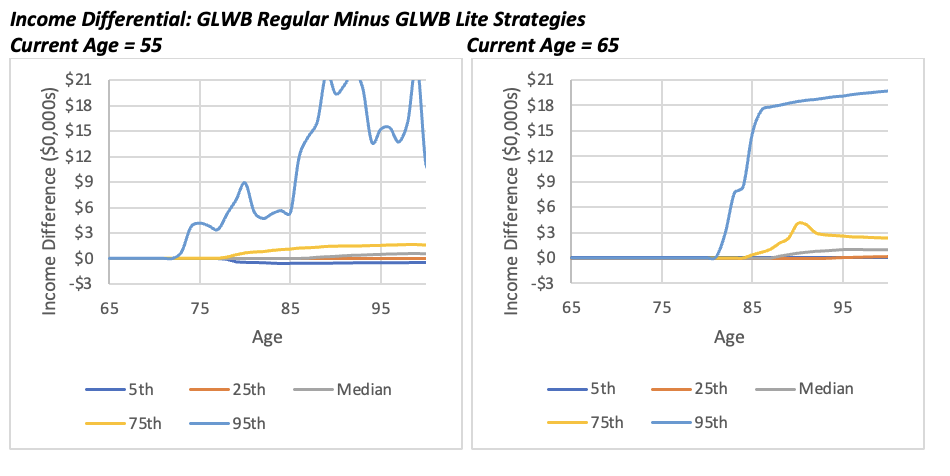
This article explores the benefits of annuities with lower explicit fees, a category I dubbed as “annuities Lite” in a previous article that focused on GLWBs.
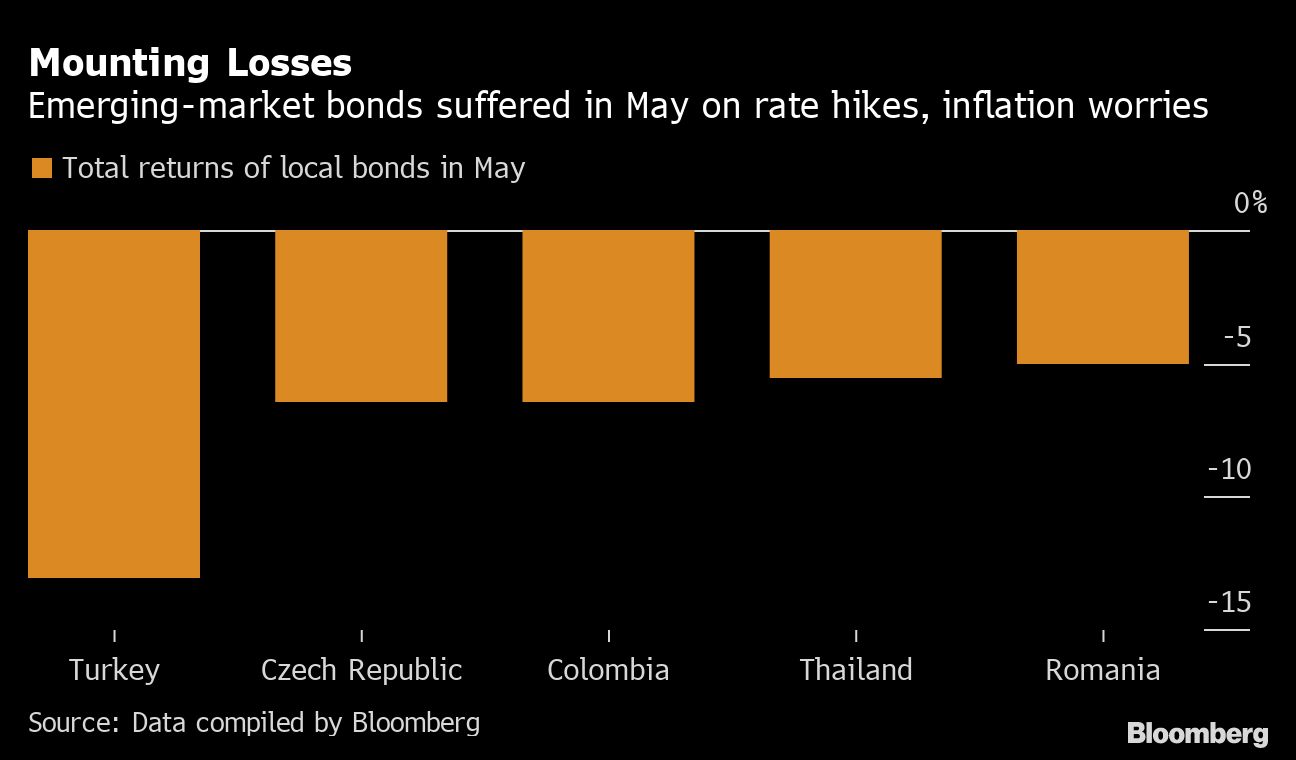
Local-currency debt from developing nations -- which is far more sensitive to a country’s domestic inflationary pressures than dollar denominated equivalents -- has slumped almost 9% this year, the most since at least 2008, according to a Bloomberg index.
Since 1992, The Belkin Report has used Michael Belkin’s proprietary forecasting model to project the performance of market sectors, groups, and specific stocks. It provides three‐ and 12‐month forecasts for financial markets based on rates of change. Because of its track record, The Belkin Report has become a trusted resource for top hedge funds, mutual funds, pension funds, insurance companies, family offices, and sovereign wealth funds across the globe.
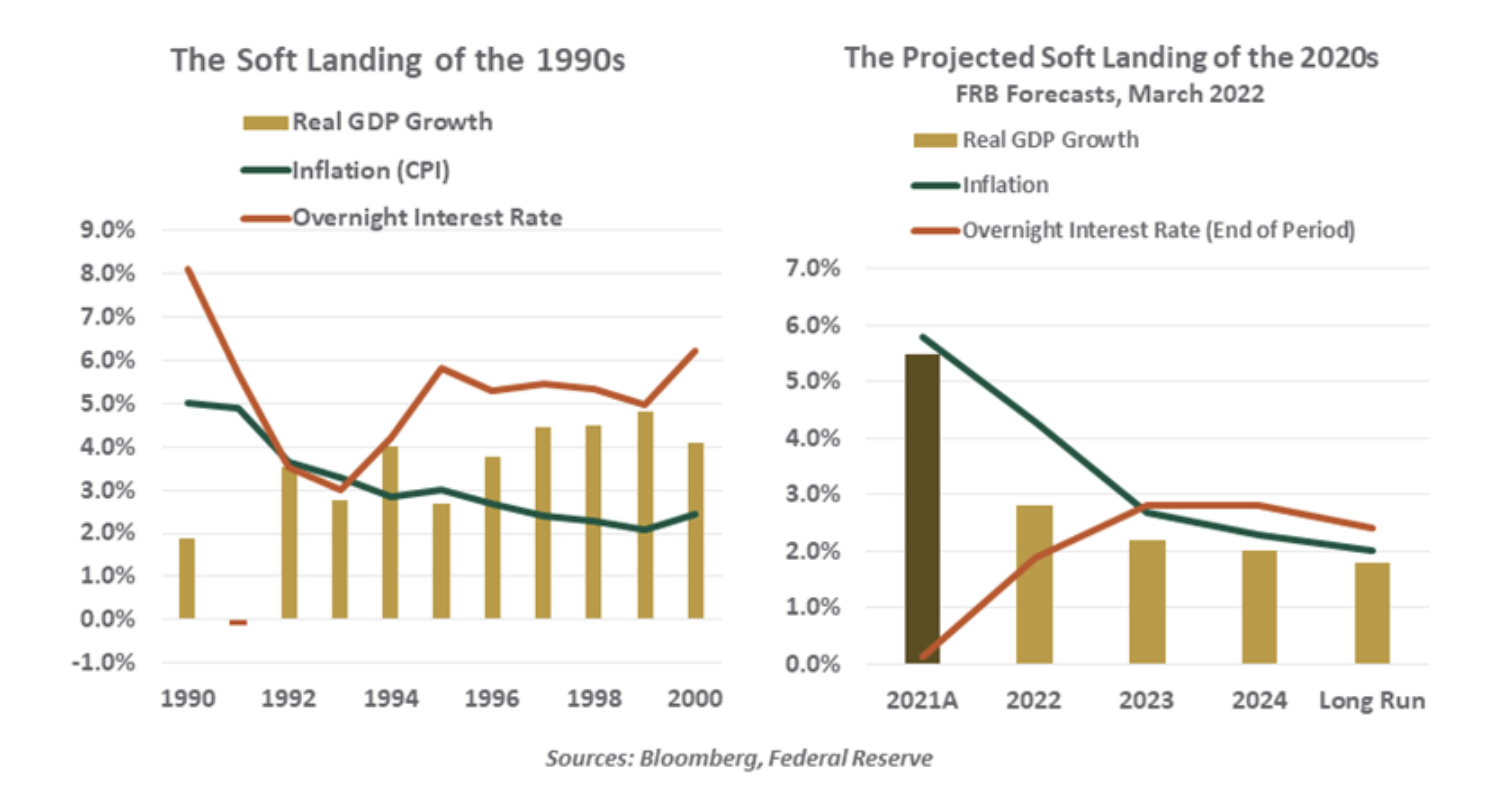
The Fed will need some luck on its side to deliver another soft landing.
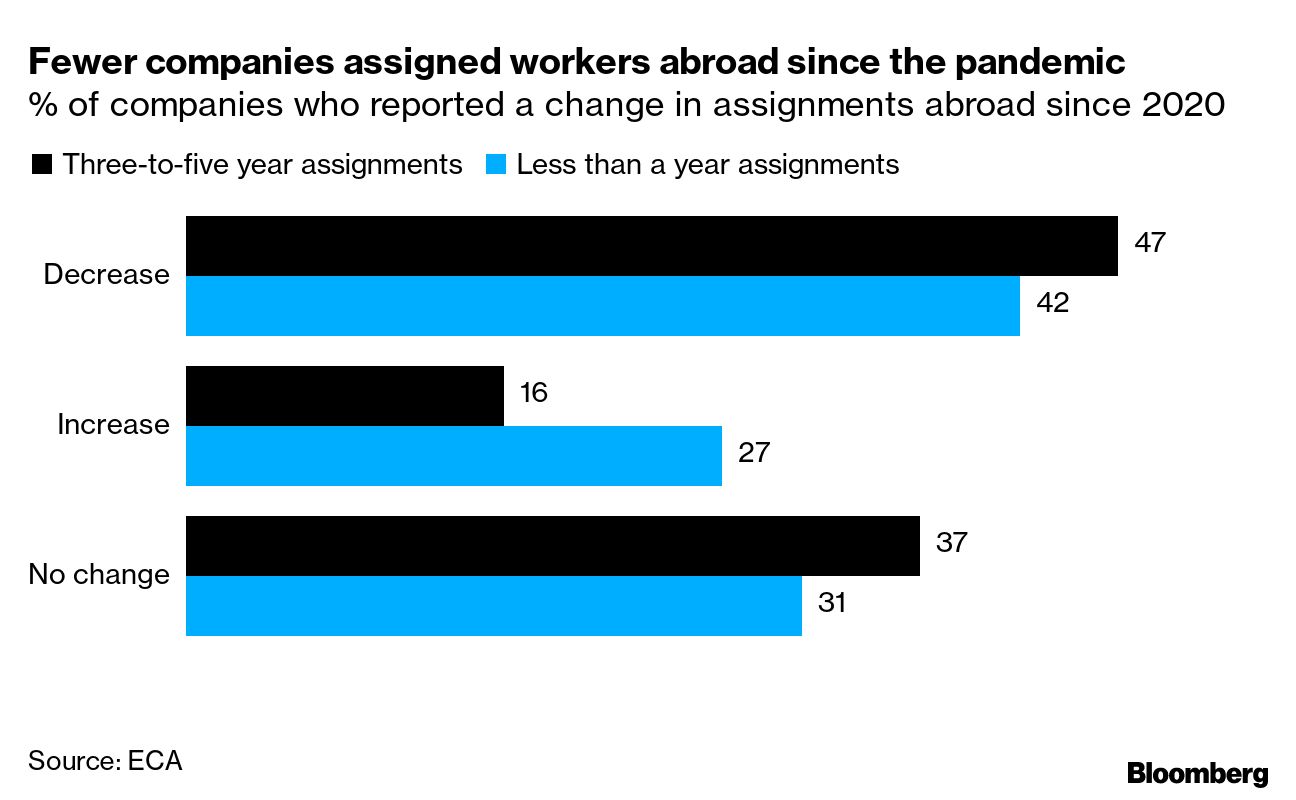
Whether it’s because of tight Covid restrictions, separation from family or the frustration of closed borders, a growing number of people living abroad have made the choice to move closer to home. In the process, they’re facing the reality of inflation and pandemic-related transportation snags, not to mention the possibility of lower-paying jobs and higher taxes in their new location.
I’ll explore four stages of personal performance that will improve your ability to recruit top talent.
As we inch closer and closer to what might be the end of the longest business cycle in history, investors everywhere are looking for a safe harbor in which to protect their assets.
The environmental group that authored a key proposal against fossil-fuel financing said pushback from the banks it targeted helped ensure the resolution failed.
The push-and-pull between centralization and decentralization is the great contest of our times. And decentralization is winning out.
Markets don’t have feelings or morals. They do not care what an investor needs and there is no investment or strategy that has consistently provided returns well in excess of those earned in the broad markets. Use our premium service to add your company’s logo and send this to clients.
After a multi-decade pause, the winds of inflation have picked up. Only TIPS have been an effective hedge against inflation. Other asset classes have failed to varying degrees.