As the U.S. CPI data continues to rise, Charles Hamieh, Portfolio Manager at ClearBridge Investments, dives into the opportunity present for investors looking at the infrastructure space as an inflation hedge moving forward.
The municipal bond market has not been immune to bouts of volatility hitting the markets this year, but there are still pockets of opportunity, according to Franklin Templeton Fixed Income’s Director of Municipal Bonds, Ben Barber.
Insurance protects against losses – fires, floods or a wrecked car. Because of the life-altering consequences of such as loss, clients rarely question the cost of the insurance. When viewed through an analogous framework, the cost of lifetime-income insurance, such as a GLWB, is fairly priced.
Bond mutual funds trade daily and are highly liquid, but the underlying securities are often highly illiquid, trading very infrequently. This mismatch means that bond fund pricing is unreliable, creating risks, especially for buy-and-hold investors.
Direct indexing is the fastest growing segment of the asset management industry. In this interview, Brandon Thomas of Envestnet explains how direct indexing helps clients gain low-cost, tax-efficient exposure to asset classes, ESG and quantitative strategies.
Over the years, I’ve explained at length why I’m not interested in forecasts, but I’ve never devoted a memo to explaining why making helpful macro forecasts is so difficult. So here it is.
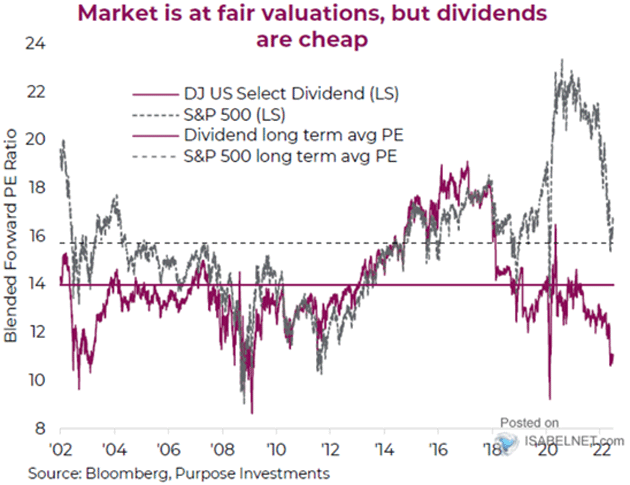
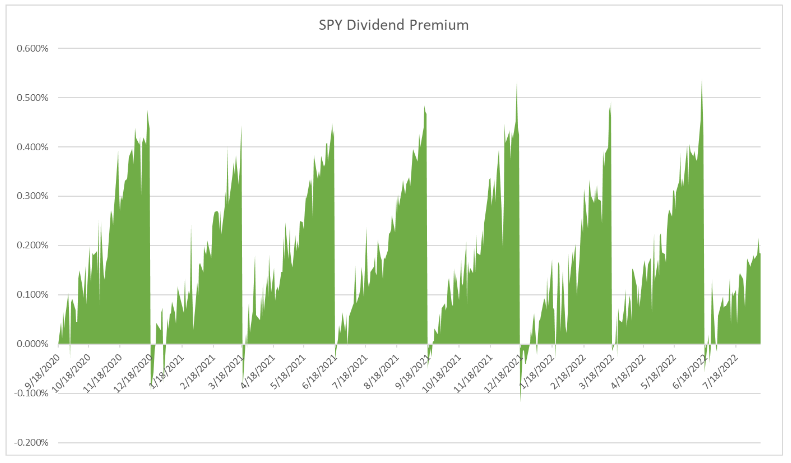
Dividends and dividend-paying stocks are getting renewed attention in recent months.
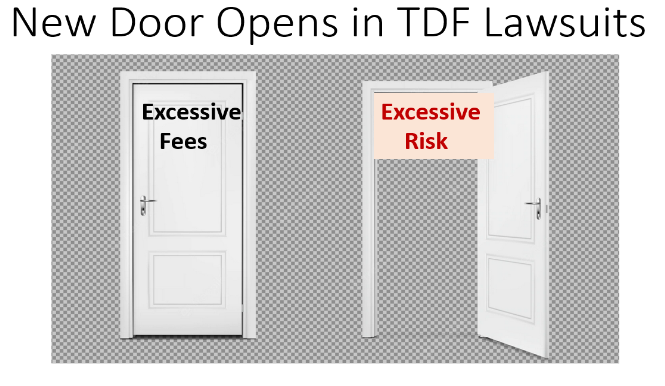
A new wave of lawsuits alleges that Blackrock’s target date funds (TDFs) have underperformed. These lawsuits open the door to a related and scandalous breach of fiduciary duty – excessive risk.
“Price matters again in investing,” according to Bob Wyckoff a managing director of Tweedy, Browne. “That serves the interests of value investors.”
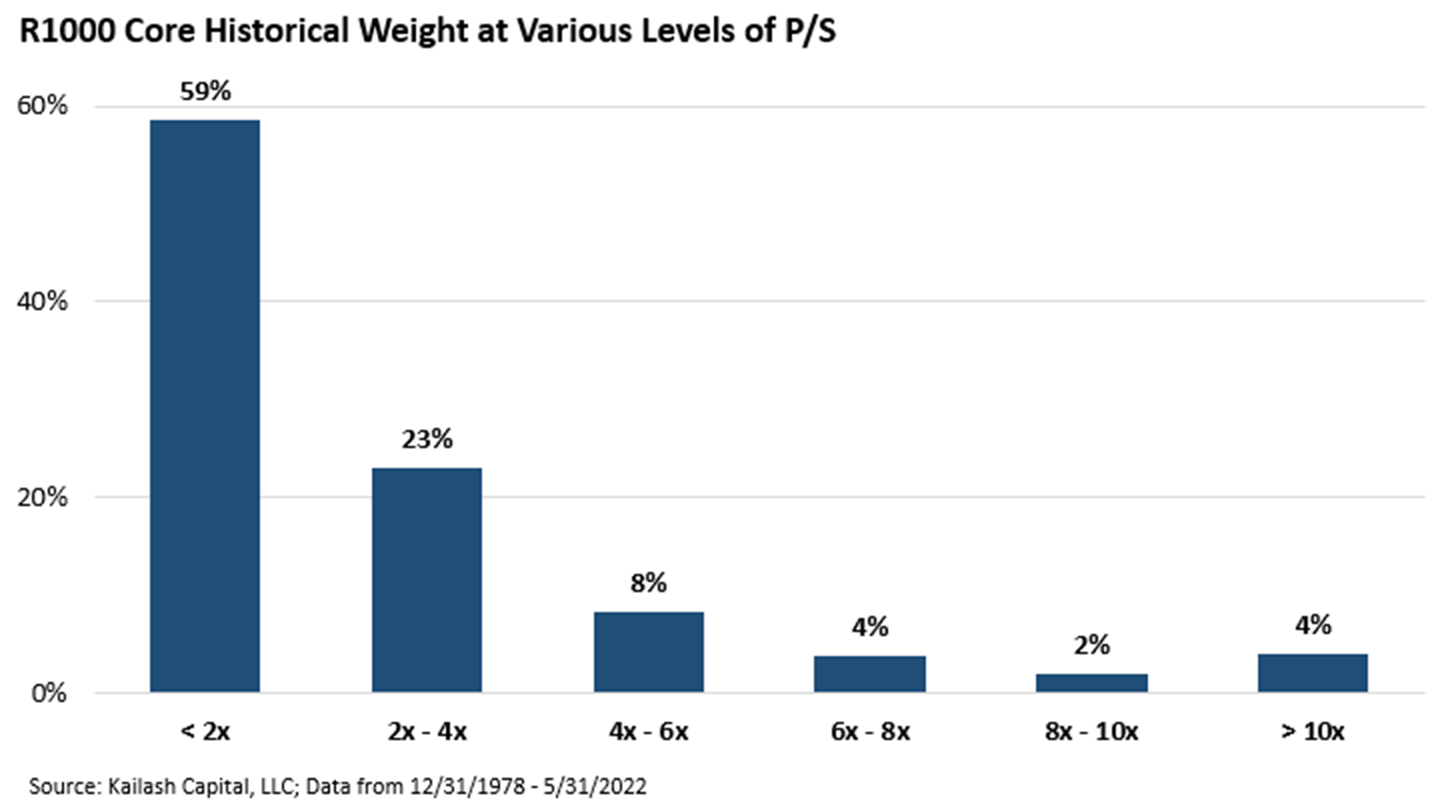
Opponents of passive, index-based investing frequently claim that large-cap stocks are overvalued, and a market-cap-weighted index unduly exposes investors to those mispriced securities. That is a false statement.
The world is undergoing a dramatic energy regime shift that has been accelerated by recent events, including the COVID crisis, the Ukraine war, and growing concerns about climate change. The Harbor Energy Transition Strategy ETF was introduced to position investors for this transition.
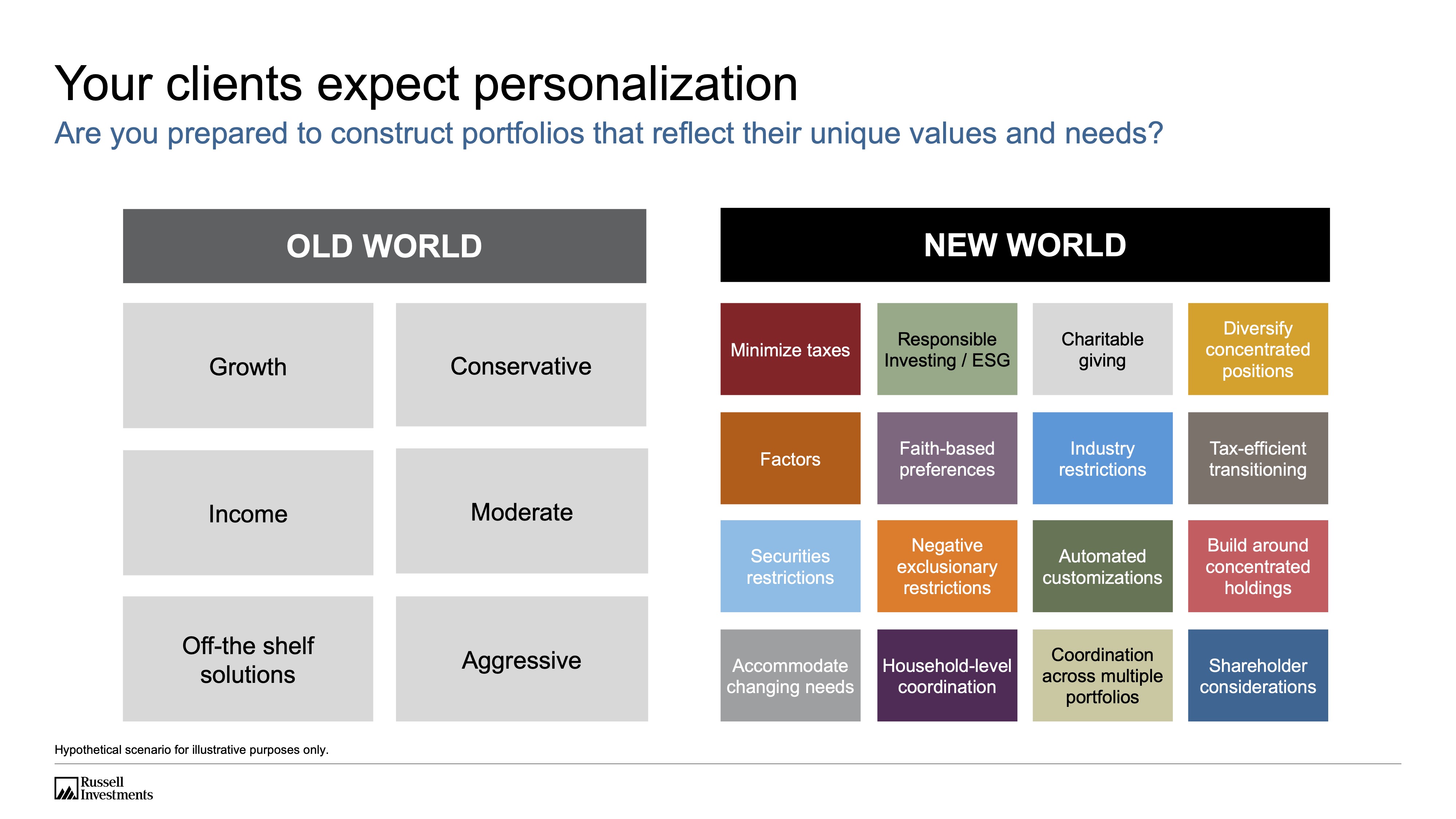
Investors increasingly want more control and customization of their portfolios. Personalized managed accounts give them the opportunity to do that.
Advisors won the last war – true professionals achieved victory by adopting fiduciary principles and providing comprehensive planning. But a new battlefront has emerged – what I call the “next argument” – and achieving victory will slow and painful.
ESG investing is growing rapidly in retail wealth management. But most of the large ESG ratings providers are focused on institutional asset managers, not retail wealth managers.
Seasoned investors, staring at a world clouded by war, inflation and economic uncertainty, are buying catastrophe insurance at a record clip.
Could a disruptive cash crunch ensue, along the lines of what happened in money markets a few years ago?
People on Wall Street console themselves over the relentless march of passive by downplaying its scale.
What can a person do to mitigate the potential of becoming mired in a life-shattering financial crisis?
Some of the attacks on ESG in 2022 were merited.
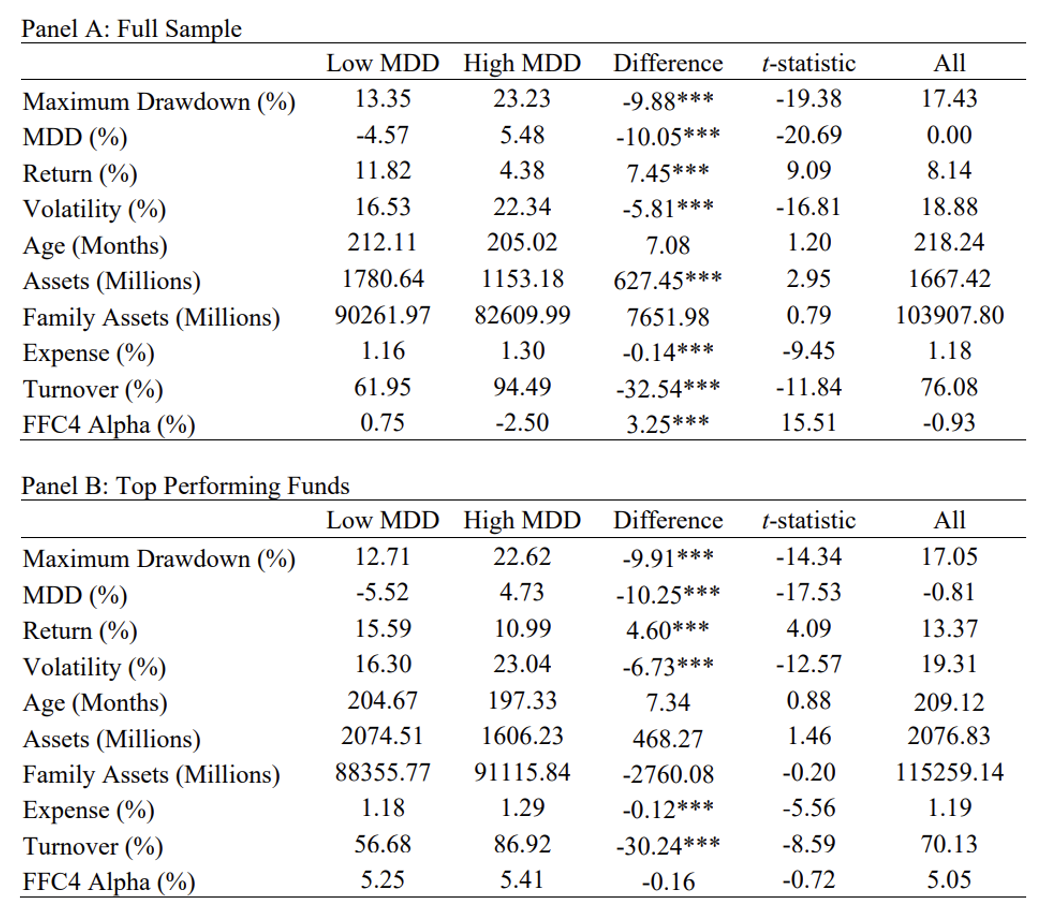
Technology has made it possible for us to walk on the moon once again, yet academic research has failed to find a way to identify outperforming mutual funds. But a new study shows that may be possible.
The Federal Reserve’s quantitative tightening program will ramp up to its full potential in September, increasing from $47.5 billion to $95 billion per month.
The second half of August has been bruising for technology stocks, but those hoping for a respite from the declines shouldn’t relax just yet: September is just around the corner.
Worried? Yes. But investors have evinced few signs of panic amid a stock market drubbing that has wiped out $3 trillion, going by everything from fund flows to options trading.
Professional stock pickers are beating the market in a scale not seen in more than a decade.
Here are five things investors and advisors should consider and weigh when it comes to tax-managed investing.
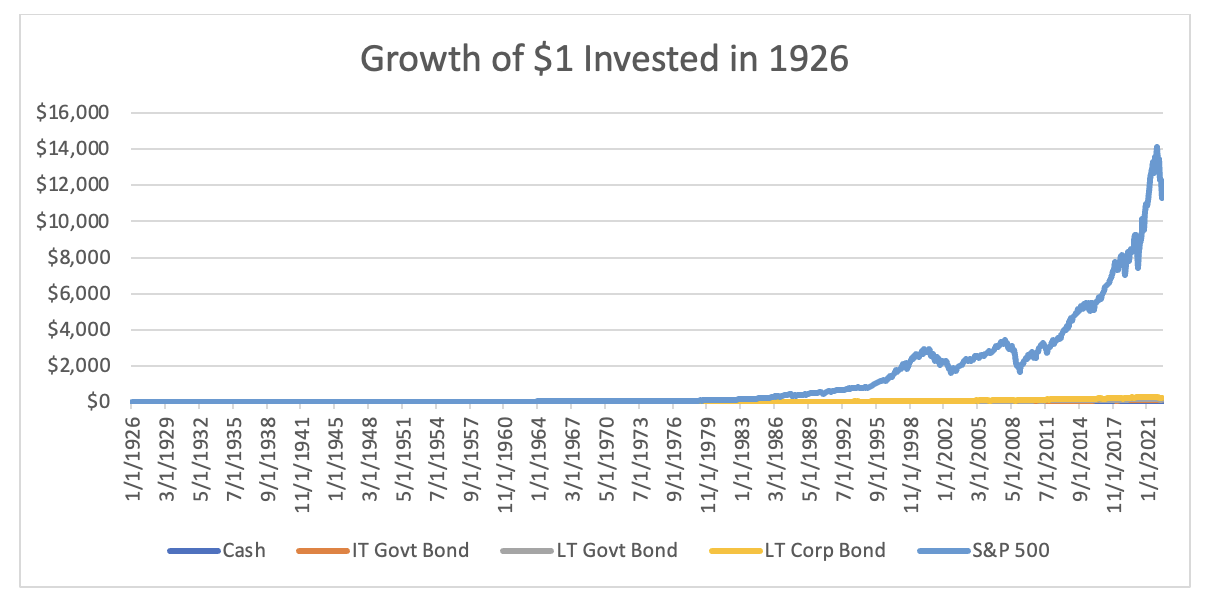
A close look at the historical data suggests that the excess performance of stocks relative to bonds occurred mainly in two historical periods and has been inconsistent over the last 25 years.
Corporate debt offers attractive yields, particularly through an interval fund with limited liquidity. I compare one such fund, CCLFX, to more traditional, liquid mutual funds.
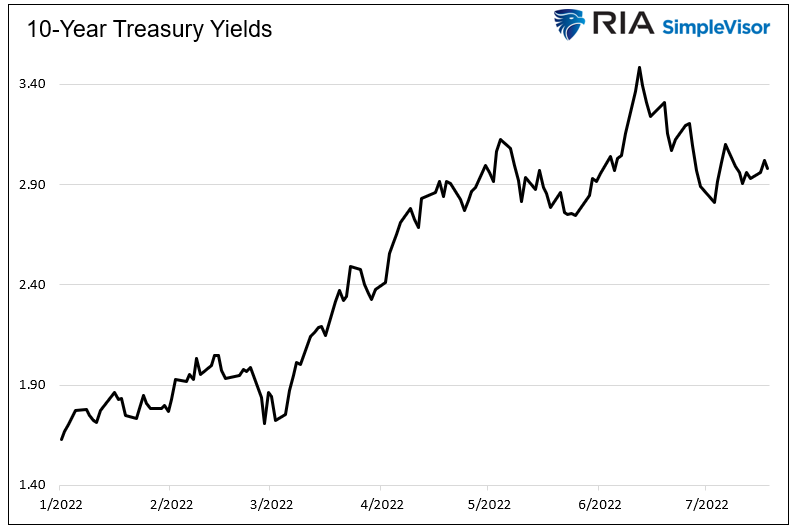
Our own government cannot afford a short end of the curve much higher than it is now, and our own fiscal and monetary decisions have held down the long end of the curve in what I believe is a multi-decade period ahead that is best referred to as “Japanification”
Investors – your clients – are paying unnecessary taxes when they purchase stocks, equity mutual funds and other securities.
With the growth in 401(k) plans and the contraction of private pensions over the last 30 years, risks in retirement have slowly and almost imperceptibly transferred from institutions to individuals. Institutions staffed with actuaries and analysts are well suited to manage those risks. Individual investors may need some help.
This session introduces a relatively new kind of portfolio income insurance: a Contingent Deferred Annuity. It unbundles the insurance from underlying investments so that advisors may “wrap” the risk in client portfolios by covering investments in retail ETFs and mutual funds with lifetime income protections.
The views you often read on advisor compensation models and their future are misguided.
On July 18, Vanguard launched the Vanguard Baillie Gifford Global Positive Impact Stock Fund, which is the firm’s first impact fund and is designed for clients looking to invest in companies that have the potential to outperform the broad market as well as deliver positive change. Vanguard introduced the fund by adopting an existing impact fund managed by Baillie Gifford since 2017. The fund’s portfolio manager, Kate Fox, was previously a guest on Gaining Perspective.
Vanguard now has six ESG offerings in the U.S.: three index ETFs, two active mutual funds, and one index mutual fund.
I often hear that indexing has become so popular that it is destroying “price discovery” – making it impossible for investors to know that they are paying a fair price for a security. Some say that makes indexing worse than Marxism. New research shows that this concern is unjustified.
Equity skeptics obsessed with everything from inflation to pie-in-the-sky earnings estimates have managed to miss a $5 trillion rally being amplified by trends in investor positioning.
Based on my anecdotal experience, I’ve come to the reluctant conclusion that many advisors are clueless about what it means to be a fiduciary.
When it comes to a comfortable retirement, women in the US have the cards stacked against them.
Tesla Inc., whose status as a stock-market darling has turned it into the world’s most valuable car company, may soon win over some of Wall Street’s slowest moving skeptics: Bond-rating analysts.
I couldn’t resist using one of my favorite words – lagniappe. It means a little something extra, given at no cost, somewhat like the thirteenth doughnut in a baker’s dozen. Because there are so many topics and issues I could not cover in the previous chapters, here’s my lagniappe.
"Those who cannot remember the past are condemned to repeat it," wrote philosopher George Santayana in 1905.
We met with the portfolio managers of BlackRock Strategic Income Opportunities to have a wide-ranging discussion on their approach and why it’s so well suited to the current market environment.
We never get too old for stories. And especially in the current volatile market, our clients benefit greatly from hearing a story like Dimensional’s – which gets better the longer it continues.
The long-running active versus passive debate has become even more heated than usual during the recent stock market turmoil.
The market’s inflation concerns are taking a back seat to recession fears.
In downward trending markets as we have seen for much of 2022, it is important to distinguish price declines which may present similarly.
The Fed’s most pressing concerns are to not only reverse its monetary excess and misjudgment of inflation, but also to instill confidence that they will follow important provisions of the Federal Reserve Acts.
Many of the participants in the short-term credit market use it as a place to deploy cash while waiting for higher risk opportunities.
I have a vision of a profession where the most straightforward advisors, not the coolest ones with the best spiel, rise to the top. To achieve that ideal, here are 17 ways that acting more honestly than the competition will win more clients.
For the better part of the last decade, interest rates have been near zero and leverage has driven asset prices higher.
While a direct indexing strategy is a great addition to an investor’s portfolio, you’ll want to ensure your clients are properly diversified and also poised to reap the benefits of active management, while recognizing that active management doesn’t generate as many tax losses as tracking the index does.
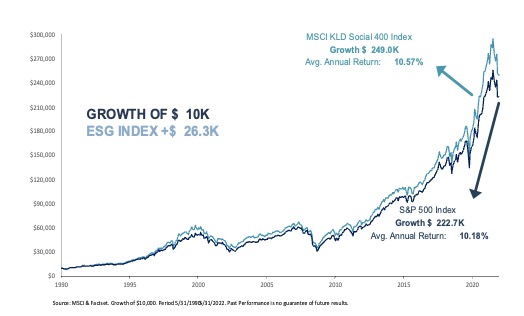
New research shows that the significant outperformance of ESG-driven investing over the last decade was due to a sharp increase in concern among investors for climate-related issues. Whether that outperformance continues will depend on even more heightened concerns over the environment.