The question that obsessed financial markets last year was when and where US inflation would peak. The 2023 version will likely be how far, and how fast, it comes down.
Exchange-traded fund investors are piling into bets on junk bonds as the securities start the year with a strong comeback.
Users of online payment apps like Venmo, Zelle, PayPal, Google Pay, and Apple Pay will be in for a complex transformation if the IRS has its way.
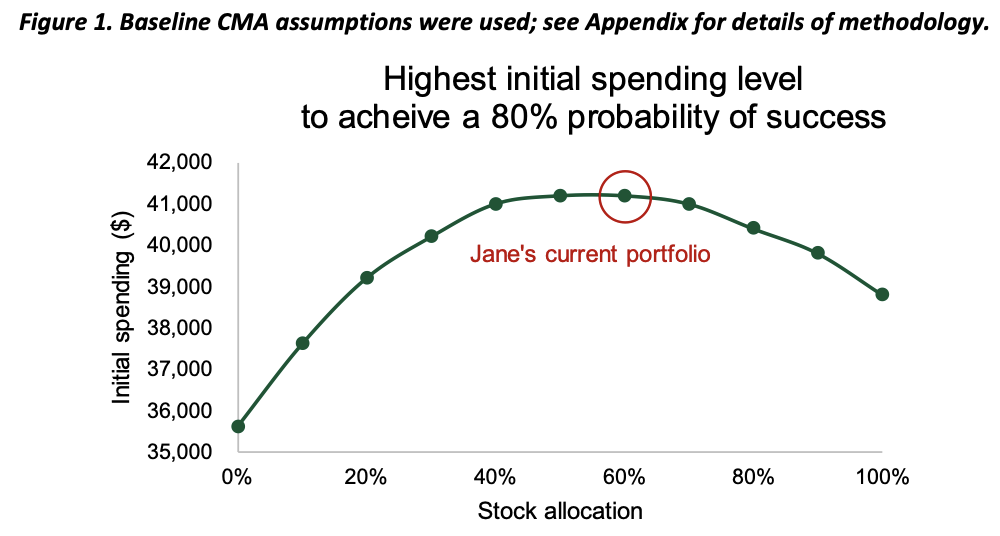
Probability-based retirement income strategies are highly sensitive to the capital market assumptions used in Monte Carlo analysis. Seemingly small changes in those assumptions can mean the difference between projecting a comfortable lifestyle and financial ruin.
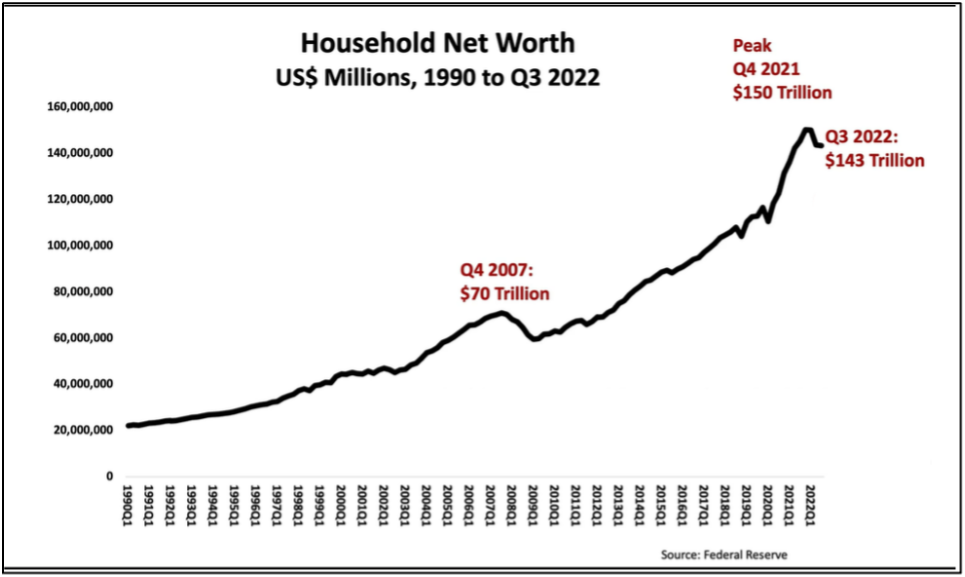
Tight monetary policy and rising government debt will drive a regime of high interest rates, depressing stock prices and destroying the wealth of clients, most severely those at or near retirement.
VettaFi’s Todd Rosenbluth evaluates Nate’s 2023 ETF predictions. Axel Merk spotlights the Merk Stagflation ETF (STGF) and the VanEck Merk Gold Trust (OUNZ). ETF Think Tank’s Cinthia Murphy offers an inside look at the booming ETF white labeling business.
When the Deepwater Horizon rig exploded in the Gulf of Mexico in 2010, triggering the largest-ever oil spill in the US, all eyes turned to BP Plc, the British company behind the drilling. But BP wasn’t alone in the project.
Commodities may seem like just another one of the bunch, but these products offer a unique way to invest your money in the market.
Consumption smoothing, the idea that individuals should budget to match savings and spending over their lifetimes, has been the subject of vast academic research. But a new study challenges basic assumptions and illustrates the divergence between financial theory and practical experience.
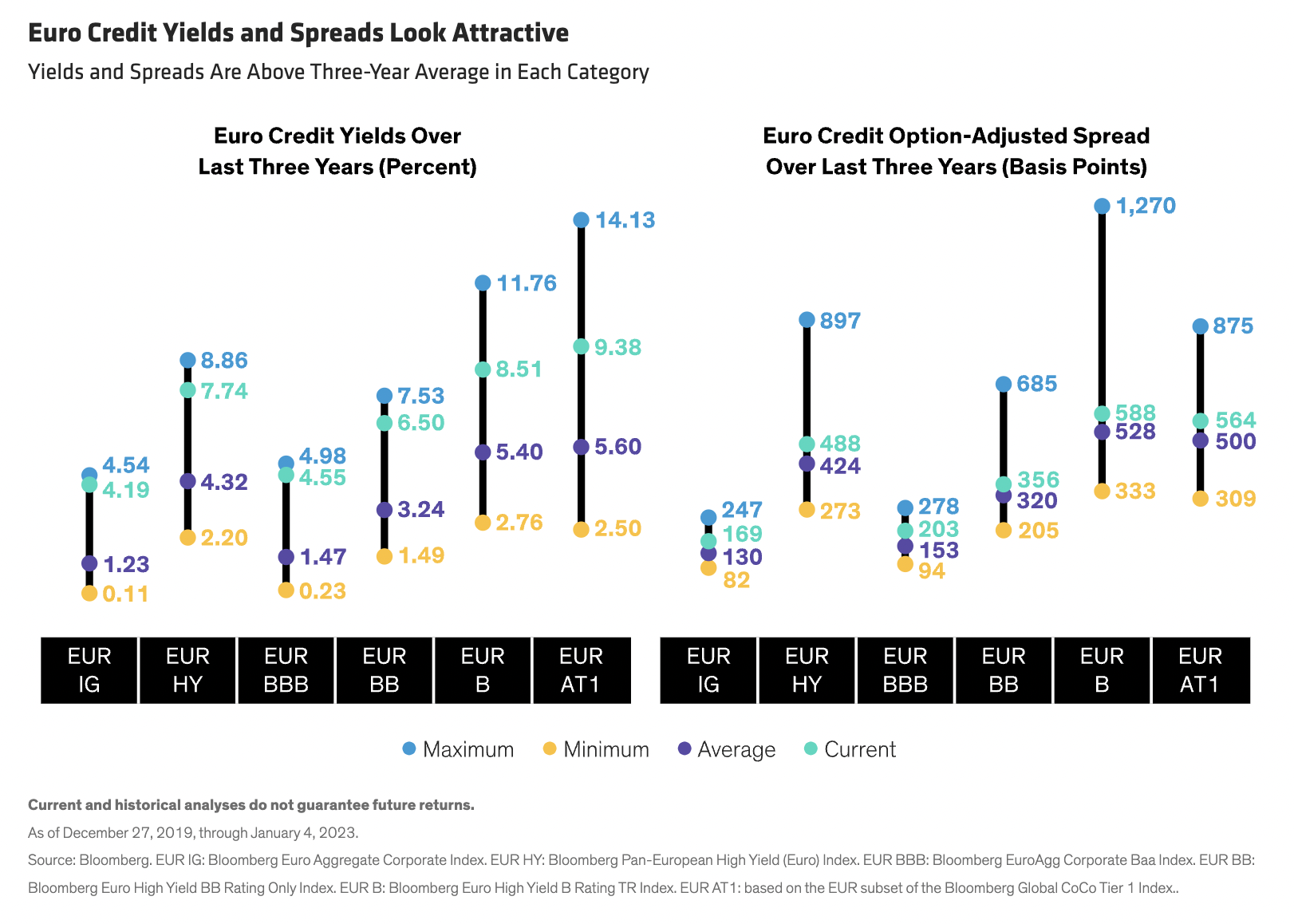
European bond-market performance was among the worst on record in 2022, as Europe ran the gamut of geopolitical, economic and market storms.
For borrowers banking on student debt forgiveness, 2022 started with hope and ended with uncertainty. This year is expected to provide some clarity.
The $6.5 trillion US ETF industry boomed in 2022 as innovative product debuts and market volatility fueled a near-record number of launches. But the fanfare revealed a major flaw in the space: the lack of women helming the funds.
Investors who use a 60/40 portfolio had a rough year. In the past, putting 60% in stocks and 40% in bonds has often helped investors hedge against losses in either asset class. But 2022 had other ideas.
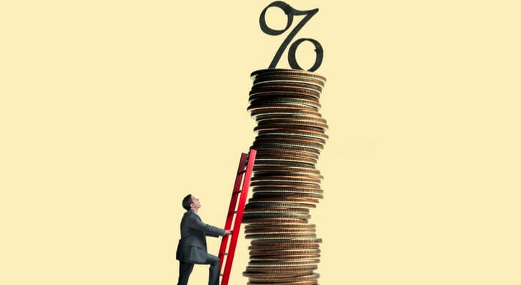
Build your ladder with multiple target-maturity ETFs representing different segments of the bond market, with different target years.
In the rough year ahead, bonds might be one of the only bright spots. It would mark a dramatic turnaround from 2022, when bonds fell alongside almost every other asset class, posting their worst year in a generation.
Chief Economist Eugenio Alemán and Economist Giampiero Fuentes examine the factors which will contribute to the U.S. economy's path forward in 2023.
Making the most of a bonus is always important, but 2022’s payout feels even more precious. Many workers, especially in finance and technology, are likely to see slimmed-down bonuses. Amid economic uncertainty, maximizing those dollars is crucial.
Optimists were still to be found in the world of US exchange-traded funds, where more than 400 new ETFs were launched despite a harsh bear market. Funds took in more than half a trillion dollars as more investors learned to embrace their easier-to-trade and tax-friendly structure.
Just recently, James Bullard, President of the St. Louis Federal Reserve, suggested the central bank might need to employ the “7% solution” to ensure the complete destruction of inflation.
One of the biggest hits in the $6.6 trillion exchange-traded fund industry last year has a worthy opponent in 2023: the bond market.
The U.S. economy continually showed its resiliency through a challenging year.
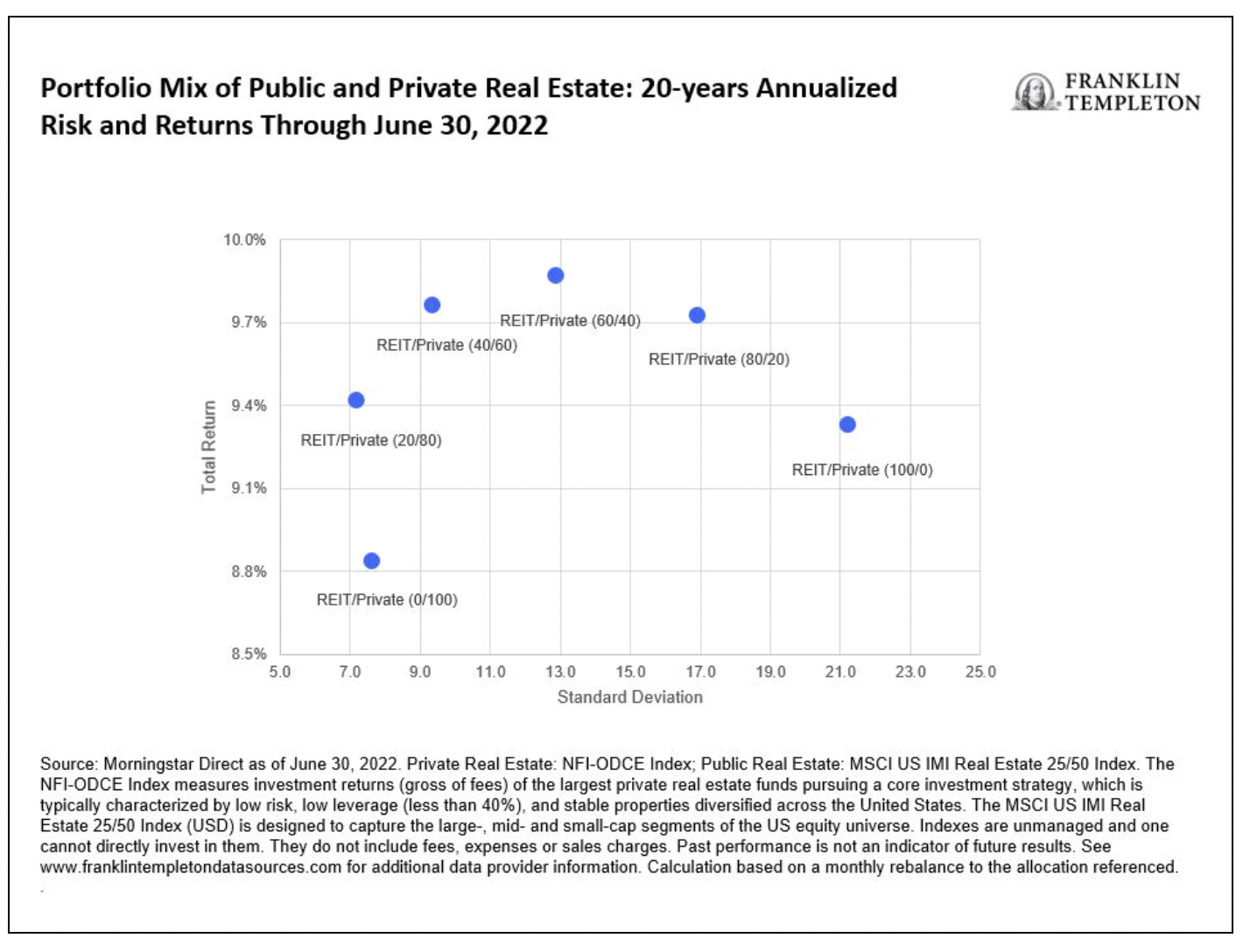
Public and private real estate investments present a compelling opportunity in the current environment of high inflation and rising interest rates, according to Daniel Scher and Blair Schmicker from Franklin Equity Group.
U.S. equities are solidly higher in afternoon action, paring some of the losses that have plagued the start of 2023.
In our Quarterly Strategy Report, we illustrate the relative attractiveness of select developed international sectors.
Inflation was the bogeyman of 2022.
Craig Burelle sets the stage for our Sector Teams' Outlook blog series with his views on the macro backdrop in 2023.
Although the latest CPI data showed that inflation is slowing, it is still the number-one concern for clients. Investors are worried about the Fed’s reaction to interest rates, economic turbulence, and a potential recession. My guest today is here to discuss four topics:
Here are my five golden rules of marketing for advisors from Warren Buffett.
In the first few days of 2023, at least 500 US workers will likely have already paid their Social Security taxes for the year.
In some ways, the 2023 economic outlook for the US is locked in. The Federal Reserve’s goal is to push the rate of inflation back down to 2% over the next few years.
Relative to the accumulation phase, strategies that mitigate the unique risks faced by retirees in decumulation are less understood and researched. By identifying and illustrating those risks, planners can better prepare clients for retirement.
Quarterly commentary giving an overview of the markets and the importance of having and implementing a strategy when investing in the markets.
Dave Nadig, Financial Futurist at VettaFi, previews the upcoming year in ETFs and the financial markets. Dave also discusses potential implications of longer-term asset management trends including crypto, ESG, direct indexing, and the rise of passive.
Billionaire philanthropist Chuck Feeney is credited with saying, “I want the last check I write to bounce.” While that is ideal, it’s unrealistic. Or is it?
Contrary to what financial theory predicts, new research from Europe shows that the elderly accumulate assets later in life than expected, likely because they want to leave bequests, are receiving pensions, or are reluctant to part with assets such as their homes.
U.S. equities closed out 2022 in the red, and all three major indexes registered solid losses on a yearly basis. The stock market posted its worst yearly decline since 2008.
Any way you slice it, 2022 was a turbulent year, from Russia’s invasion of Ukraine to historic inflation and jumbo rate hikes to multiple failures in the digital asset space.
Much ink has been spilled over the death of the 60/40 portfolio.
Washington Policy Analyst Ed Mills outlines key components of the new legislation.
The Aiguille du Midi, neighboring popular Mont Blanc in the French Alps, is famous for having the highest vertical ascent cable car in the world, a vertigo-inducing ride that is equal parts scary and awe-inspiring.
Back in March, “the Fed is behind the curve” was the prevailing narrative of too little, too late when it came to containing inflation.
Wealthy retirees seem to have scored big in Congress’ sweeping year-end spending package.
The US Treasury Department signaled some imported cars will qualify for electric-vehicle tax credits in the Inflation Reduction Act, a move that could assuage Asian and European allies’ concerns about the sweeping climate legislation.
US companies had a lot to overcome in the latter half of 2022 with rising interest rates, more budget-conscious consumers and a sagging stock market.
U.S. stocks are rising in pre-market trading, looking to rebound from yesterday's drop.
Bear markets end with widespread capitulation while a chorus of the stock trader’s prayer (God, if you get me out of this mess, I swear I will never buy another stock) spreads through out the land.
U.S. stocks continue to oscillate around the unchanged mark.
Congress is on the verge of passing a bill called SECURE 2.0 to help American workers save for retirement.
The end of 2022 can’t come soon enough for many in the banking industry. Sputtering capital markets, job cuts, raging inflation, the crypto meltdown and rising interest rates marked a year of upheaval.
U.S. stocks are rising in pre-market action in the first trading session of the week following the long holiday weekend.