Review the latest portfolio strategy commentary from Mike Gibbs, managing director of Equity Portfolio and Technical Strategy.
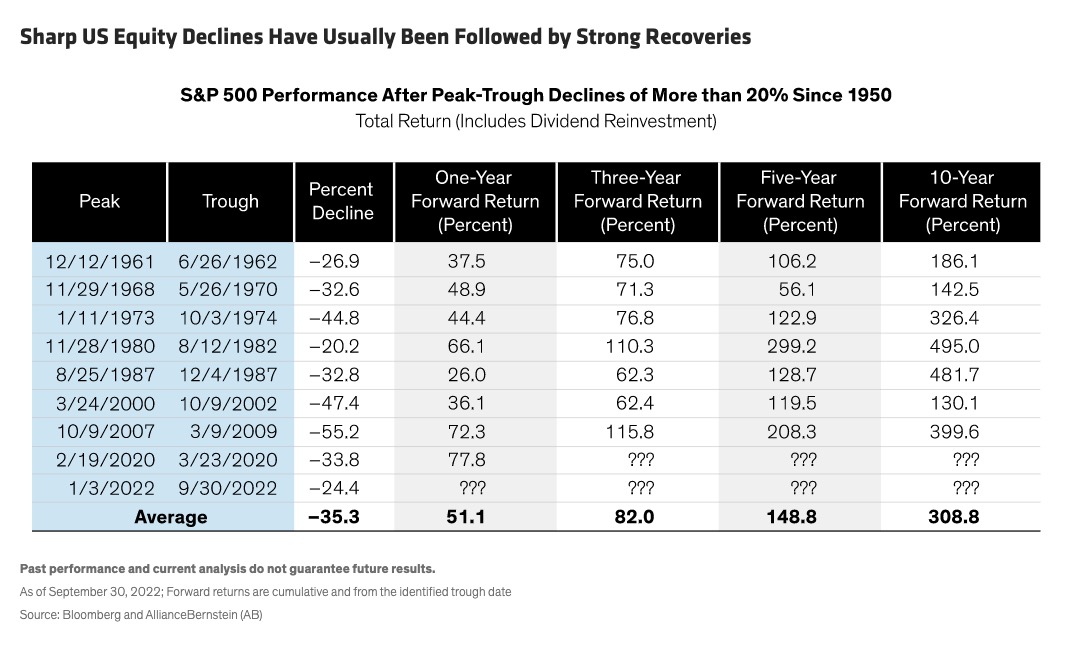
After a tough year for equities, is a recovery imminent?
The inflationary tremors shaking Wall Street all year are causing big changes to fixed-income capital flows that could ultimately end up disrupting the money-management industry over the long haul.
Federal Reserve Bank of St. Louis President James Bullard said policymakers should raise interest rates to at least 5% to 5.25% to curb the highest inflation in nearly 40 years.
Federal Reserve policymakers believe that inflation expectations are self-fulfilling prophecies, and they’re dead set on preventing them from moving materially higher.
The person responsible for translating the math chapter of my book, Wealth Management, into Japanese told me, “You give me much headache.” Welcome to the math chapter.
There was a time when a large portion of Americans belonged to the “middle class.”
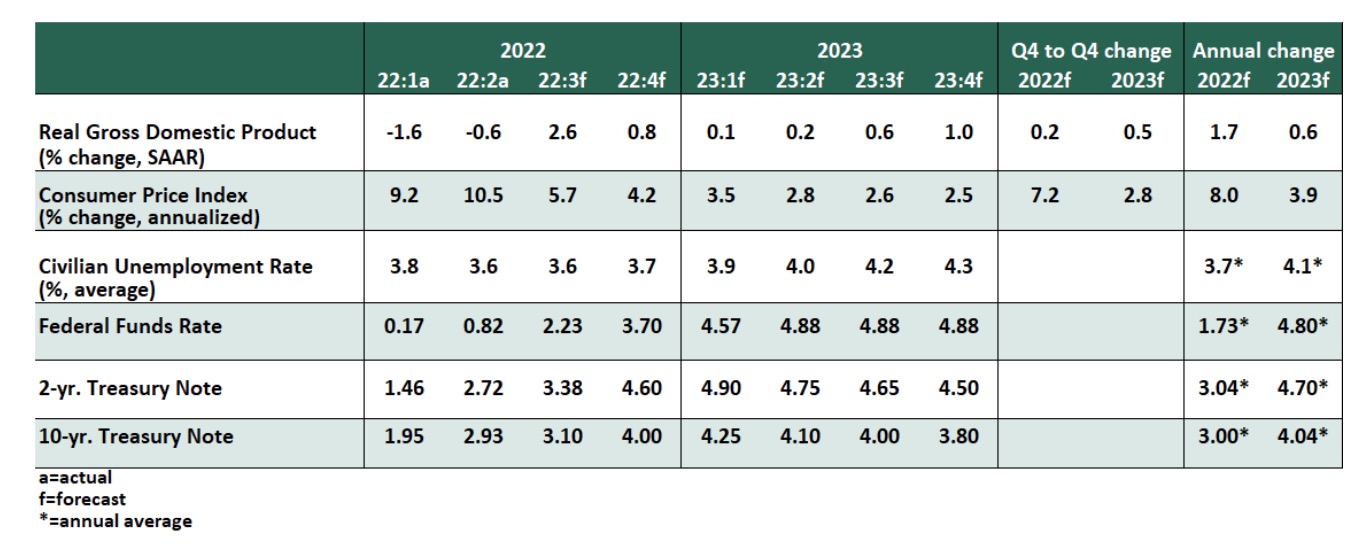
The Northern Trust Economics team shares its outlook for inflation, growth, employment and interest rates.
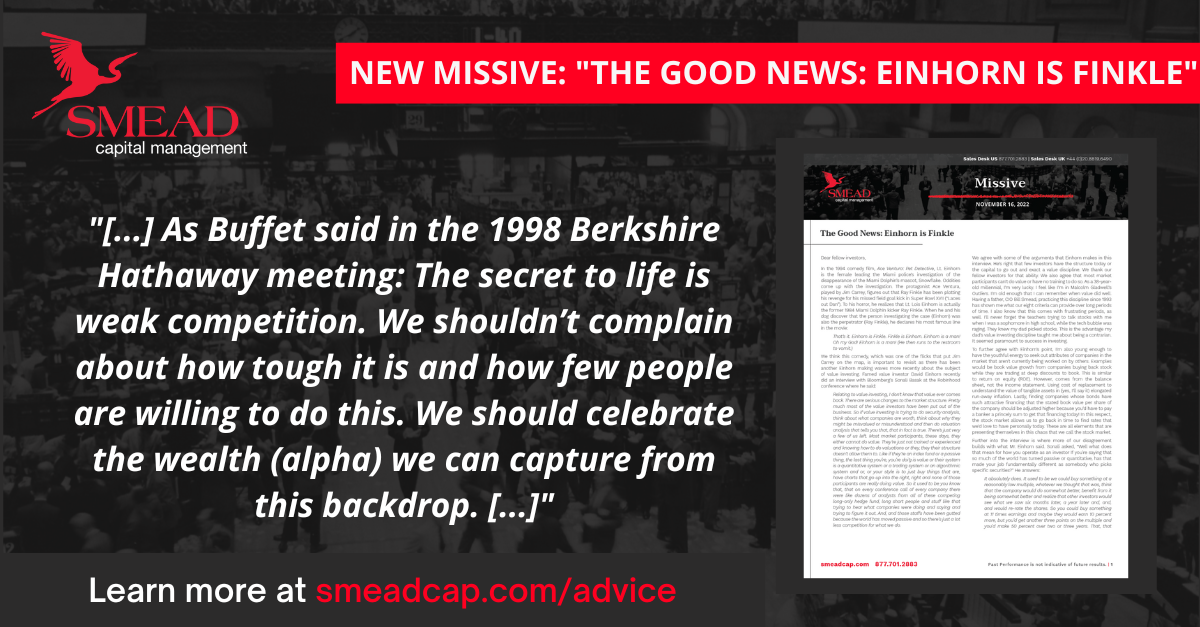
In the 1994 comedy film, Ace Ventura: Pet Detective, Lt. Einhorn is the female leading the Miami police’s investigation of the disappearance of the Miami Dolphin’s mascot, Snowflake.
With interest rates higher amid a challenging macro environment, we see a compelling case for bond allocations and are cautious about higher-risk investments.
With Tuesday's (Nov 15th) Producer Price Index (PPI) numbers bringing more relief on the inflation side, a new bearish narrative has been put forward by financial pundits over the last few days.
To foresee what crisis might be next, it is vital to understand the dollar's role in global finance and economics and the resulting role that the Fed plays in influencing global monetary policy.
Wall Street is struggling to whittle down the roughly $37.5 billion in risky corporate loans stuck on their books -- and the pile of so-called hung debt may be about to swell further as another large buyout financing stumbles.
The most crowded trade on Wall Street -- long inflation -- is suddenly getting crushed like never before in the post-lockdown era, sparking a spate of forced deleveraging among a broad cohort of institutional funds.
In the wake of the last housing crash, online lenders came to dominate the mortgage market.
They say a picture is worth 1,000 words and a good chart fulfills a similar function.
US household debt climbed at the fastest annual pace since 2008 in the third quarter, with credit-card balances surging even as the interest rates that lenders charge to consumers hit a multi-decade high.
Investors have been celebrating recent inflation data, which showed both consumer and producer prices rising by less than expected in October.
If you had to point to one culprit holding back the economy over the past 18 months, it would be the auto industry.
While investors continue to await a possible Federal Reserve pivot toward monetary easing, the pivot has already occurred in major asset markets, including precious metals.
Economists see US inflation running hotter through next year than they did a month ago and recession odds continue to mount against a backdrop of rising borrowing costs.
Fast-money quants were effectively forced to buy an estimated $225 billion of stocks and bonds over just two trading sessions, as one of Wall Street’s hottest strategies in the great 2022 bear market shows signs of cracking.
For the past two holiday seasons, Andi Garland wasn’t able to visit her dad for Thanksgiving due to the pandemic.
It’s official: the supply chain for electric vehicle batteries is coming to America.
Elaine Weir’s home doesn’t sit on a volcano. Nor is it surrounded by natural geysers. But that hasn’t stopped the 69-year-old retiree in Scarsdale, New York from heating her house with geothermal energy.
Time and again, Europe’s leaders have pledged to address a looming threat to their union: excessive government debt.
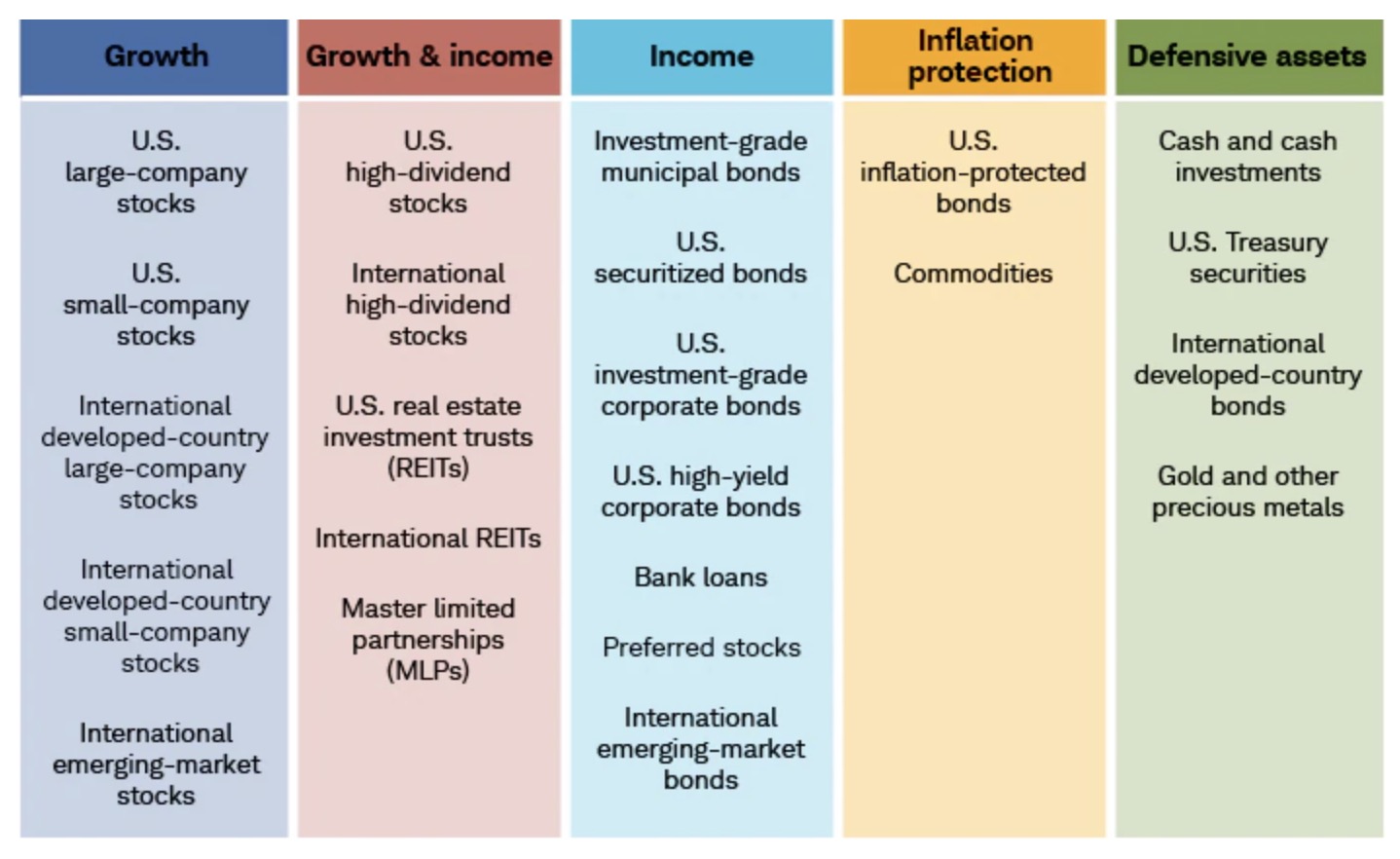
High inflation and slow economic growth are a problem for investors. Here's how to shore up your portfolio.
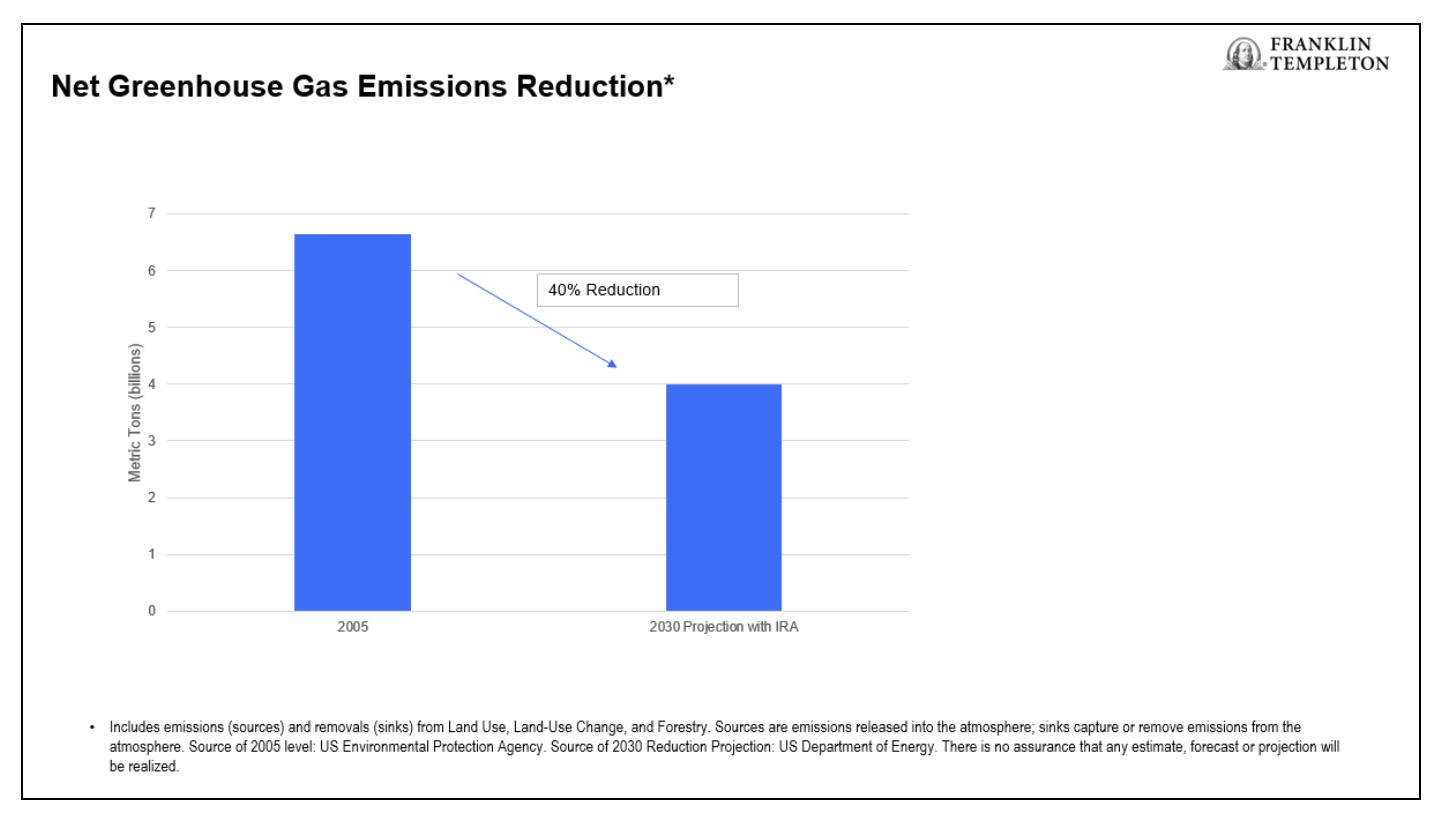
Inflation Reduction Act (IRA), climate and multi-asset implications—Franklin Templeton Investment Solutions examines the IRA from an investment lens.
US stocks will end 2023 almost unchanged from their current level -- but will have a bumpy ride to get there, according to Morgan Stanley’s Michael Wilson.
To say that the world’s top central banks have been under strain this year would be a big understatement given the amount of political pressure, public blame and economic condemnation thrown their way.
The standard Keynesian doctrine is to run a budget surplus in good times, and then use deficit spending to stimulate the economy in bad times.
Treasuries fell across the curve and the dollar strengthened against most of its major peers after Federal Reserve Governor Christoper Waller pushed back on bets the US central bank was nearing the end of its hiking cycle, while traders were also on alert for a scheduled appearance by his colleague Lael Brainard.
Next month, Tesla Inc. plans to deliver the first of its electric Semi trucks—able to haul a full 40 ton-load some 500 miles on a single charge.
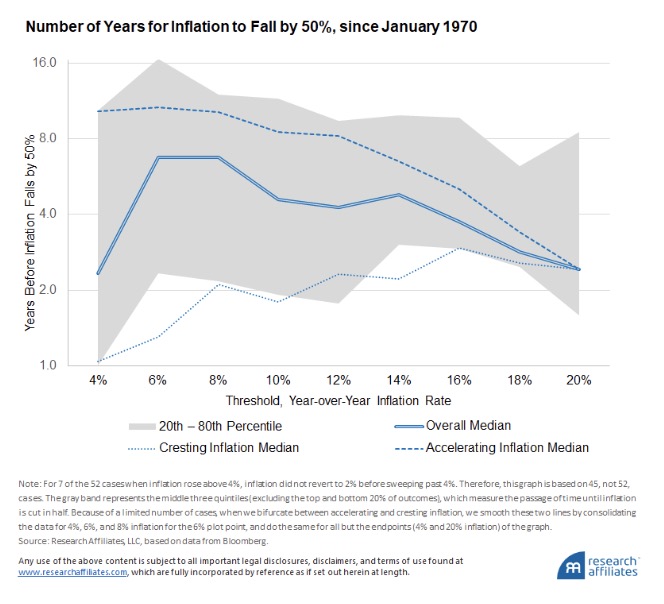
The US Federal Reserve Bank’s expectations for the speed of reverting to 2% inflation levels remains dangerously optimistic.
U.S. equities are mixed in restrained trading, with investors awaiting the next two pieces to complete the October inflation picture.
Review the latest Weekly Headings by CIO Larry Adam.
A matter that can have large impacts on the marginal tax rates faced by individuals who obtain health insurance coverage through the ACA exchanges is the reduction of the tax credits (or subsidies) for health insurance coverage as incomes increase.
Since June, the market rallied on hopes of a “policy pivot” by the Federal Reserve.
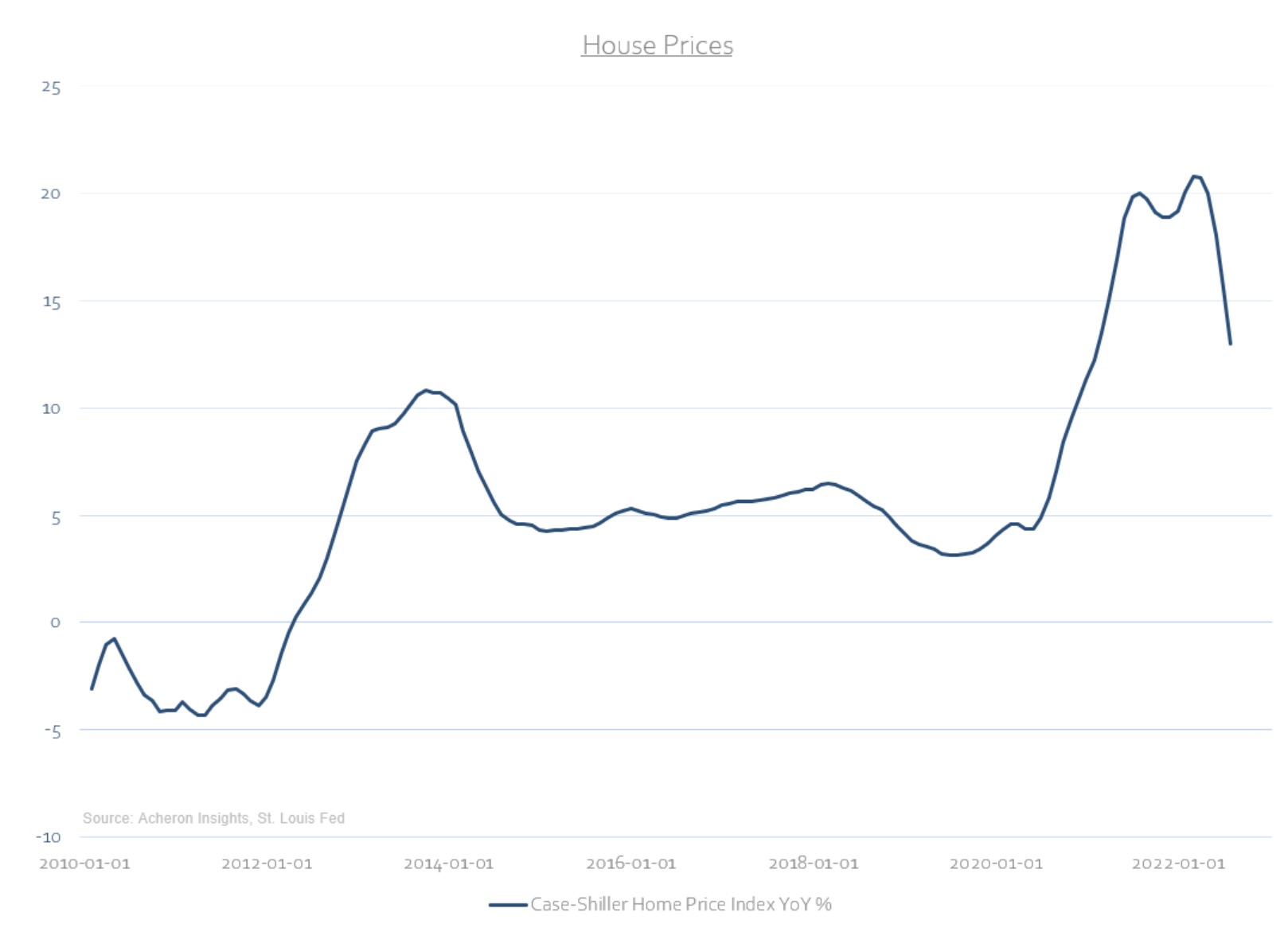
As a result of higher mortgage rates, an oversupply of housing and falling demand, the downturn in the housing market is only just getting started.
Cathie Wood’s flagship fund clocked its best session on Thursday as riskier assets bounce following a softer-than-expected inflation report.
Investors trying to gauge the strength of the risk-on shift that gripped markets Thursday should look no further than two of the biggest high-yield credit exchange-traded funds.
Early this week, with the severe inverted yield curve and other signals flashing recession, I planned to use this letter to delve into the data. Then Thursday’s CPI data convinced markets to blow the all-clear whistle.
FTX, until recently the world’s second-largest crypto exchange, filed for bankruptcy as its embattled founder, Sam Bankman-Fried, stepped down as CEO following a liquidity crunch that exposed the firm’s improper use of customer assets.
Chief Economist Eugenio J. Alemán discusses current economic conditions.
The nation’s inflation problem is far from solved, and the Federal Reserve remains committed to keeping short-term interest rates elevated. But longer-term government bonds may finally be worth a second look after some 14 months of carnage.
The dollar is heading for its worst week since the pandemic struck, yet analysts think a long-running stampede for the greenback isn’t over yet.
U.S. stocks posted its biggest daily gain since 2020 following data on October’s consumer price inflation (CPI), which came in cooler-than-expected.
Core inflation came in below expectations for October and should moderate in 2023, but likely with bumps in the road ahead.
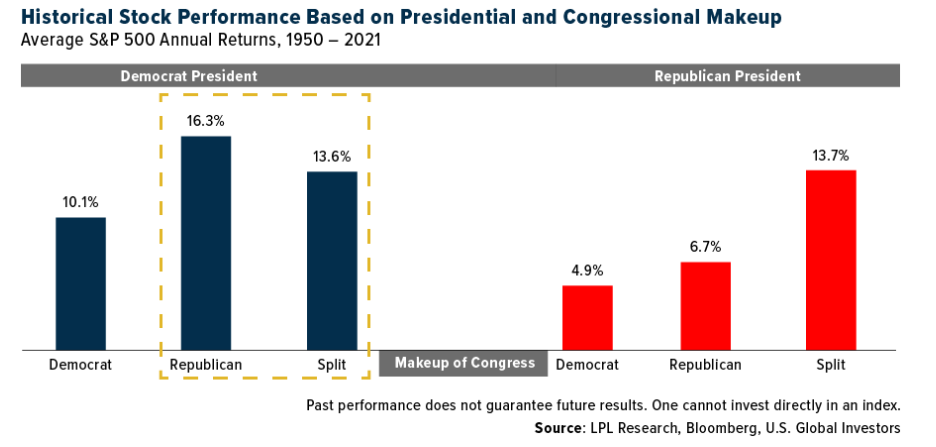
While a divided US government may look appealing, there are long-term risks amid resulting gridlock, according to Head of Franklin Templeton Institute Stephen Dover.
Amazon.com Inc. gained as much as 15% on news that Chief Executive Officer Andy Jassy has embarked on a review of expenses, part of broader efforts to streamline the world’s largest e-commerce company.