Within hours of the Federal Reserve’s latest policy decision, traders and commentators alike had started to challenge Chair Jerome Powell’s assessment of the economy.
US subprime auto loans are highly stressed, with a new delinquency peak of 1.8%. Rising living costs, interest rates, lack of stimulus, negative equity, declining vehicle values, and rising rates are putting pressure on borrowers.
The threat of recession is making debt securities a safer bet, while the stock market is yet to price in those risks.
Markets posted a strong first quarter, though it was a rollercoaster ride. The path forward will likely stay turbulent, with bank turmoil likely tightening credit conditions and the Fed still wrestling with inflation.
Whether you are a potential borrower or just trying to understand the modern economy, student loans are essential to understand.
As markets going forward remain extremely uncertain, investors should consider the importance of adding income and value to their core portfolios that tend to be overly tilted to growth stocks. On May 2nd, join the experts at SS&C ALPS Advisors and VettaFi as they host a webcast digging into their suite of DOGs ETFs, which offer elevated income and value opportunities while helping to smooth out sector volatility.
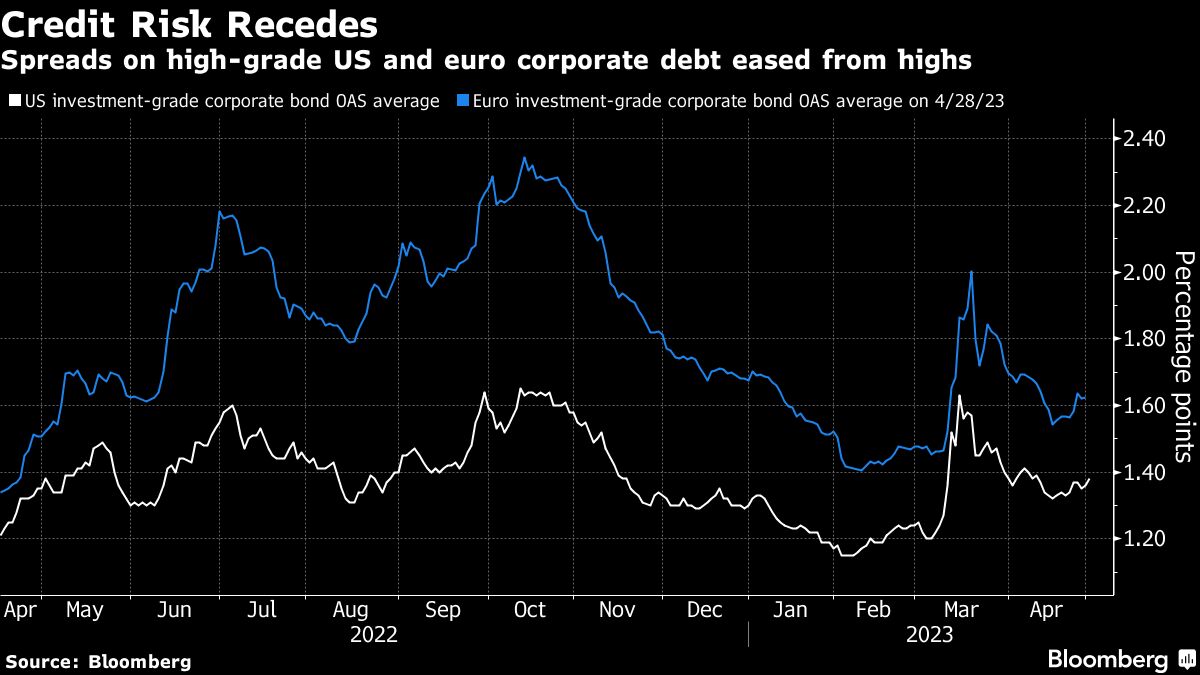
US companies’ earnings are strong enough that money managers like T. Rowe Price Group Inc. and PGIM Inc. expect corporate bonds to outperform Treasuries over the next 12 months, even if the economy suffers.
As of April 25, the Bloomberg U.S. Mortgage-Backed Security (MBS) Index was trading at an option-adjusted spread of 65 bps, which ranked in the 91st percentile since 2010. We believe moves in the asset class have been overdone and that current valuations present an opportunity.
Investors are starting to see the downside from the rapid acceptance of artificial intelligence.
Lending standards are a lot like carbon monoxide since they operate in the back ground. When the Senior Loan Officer Opinion Survey (SLOOOS) showed that banks significantly increased lending standards in the third quarter, no one on Wall Street noticed.
What exactly does a trust company do to earn their fee that my family member or friend can’t do?
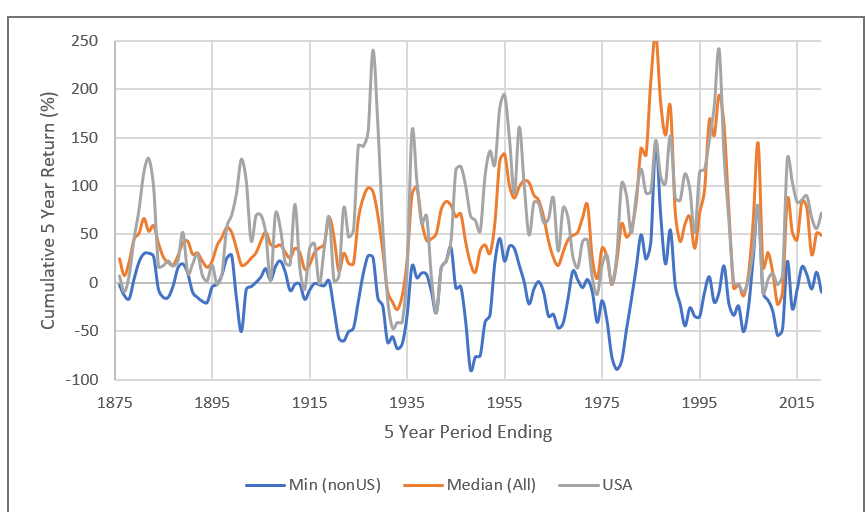
Investors who base their beliefs about the distribution of possible stock returns on historical data from their home country underestimate the probability of experiencing a significant crash.
With markets sending mixed signals, see why it may make sense for equity investors to look at earnings and the impact of a recession.
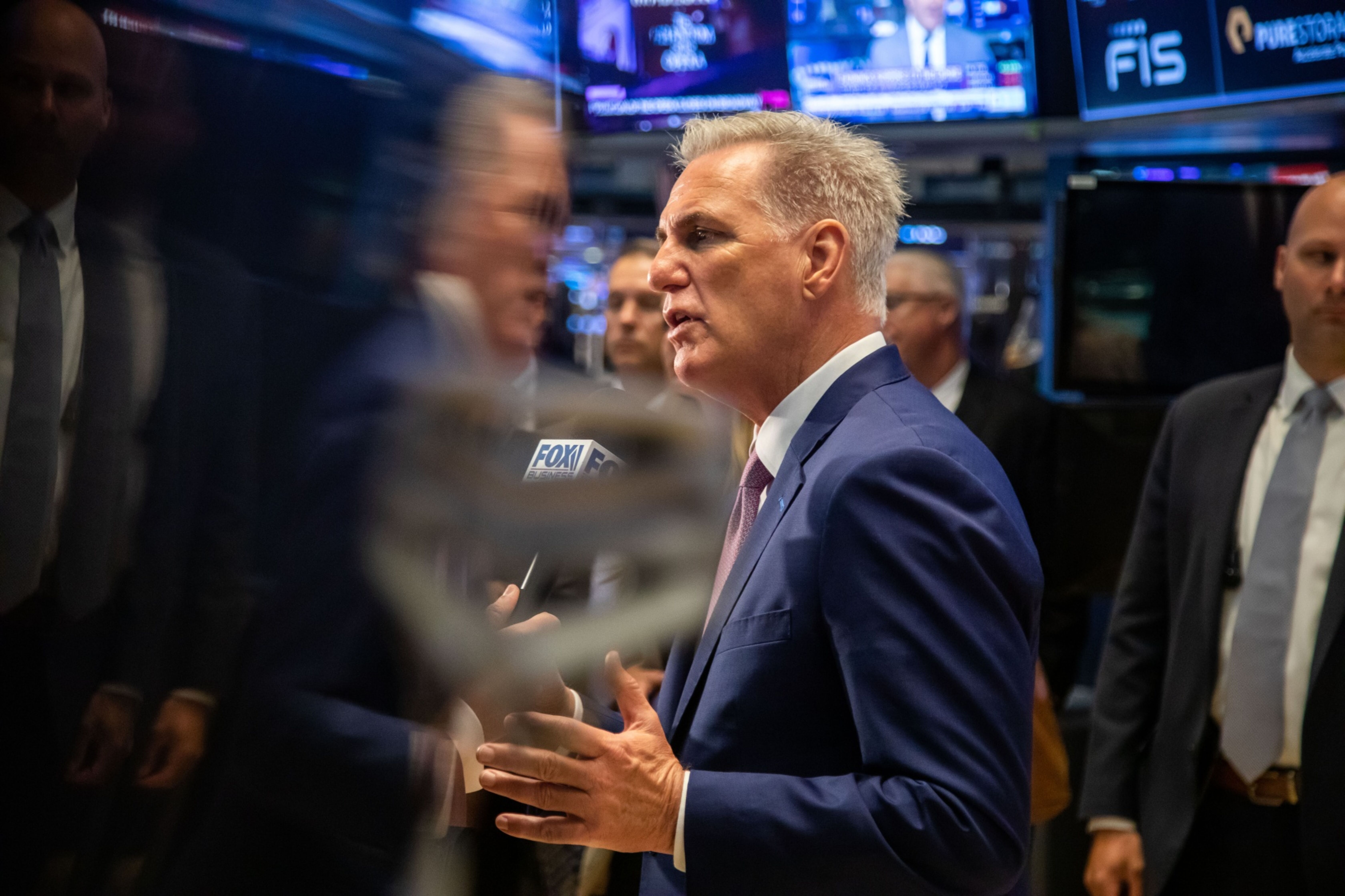
Speaker Kevin McCarthy’s plan to link spending cuts to an increase in the US debt limit would result in fewer teachers and more expensive college educations, the Biden administration warned...
Extreme volatility is making it more challenging than usual to predict market movements and where best to allocate portfolios. In fact, even BlackRock executives admitted that they're facing difficulties with allocations.
The pandemic hurt small retailers by hastening the transition to digital commerce and emptied office buildings by turning living rooms into workspace. But it also fueled a warehouse building boom and unleashed a torrent of pent-up travel-and-leisure spending when economies reopened, underscoring the diversity of commercial real estate.
Next week also brings what could be a pivotal Federal Reserve policy meeting. We use this word “pivotal” to say an event is important. Taken literally, it means to turn in a different direction than you were previously going.
Although investing in in-state municipal bonds may have tax advantages, there can be good reasons to buy out-of-state munis.
Every news item these days seem to swing between extremes. When in reality, these bank failures are not atypical. Read our latest insight to learn what similarities these recent bank failures have with previous failures and what the warning signals are.
We have the royal coronation in England to remind us that once upon a time, one person would issue all the laws – which is an unfair but very effective way to make things happen. Here are the edicts that I would issue if the financial services world made me its king.
Higher bond yields and improved total return potential may offer advisors a compelling opportunity to move cash off the sidelines.
Over the past year, the municipal bond market has seen increased volatility stemming from rising interest rates across the yield curve.
Why Scope 3 emissions hide as much as they reveal, and what investors can do about it.
Short-term Treasury yields skyrocketed throughout 2022 reaching levels not seen in almost 15 years. In early October, the yield of the 6-month T-bill topped 4% for the first time since 2007 and by the end of the month had topped 4.5%.
The sudden collapse of two US regional banks and the forced acquisition of Credit Suisse in Europe introduced a third dimension to the existing policy dilemma of balancing inflation and growth objectives: financial stability.
In the spirit of being a good corporate citizen working to build a better world, Franklin Templeton is launching a Diversity, Equity and Inclusion (DEI) webpage that will highlight the company’s DEI efforts.
We favor high yield bonds and natural resource stocks as inflation still shows persistence, earnings expectations deteriorate and worries mount over a stalling U.S. economy.
Investors in European bank shares have been rattled by recent turmoil in the sector. But many banks are in much better shape than widely perceived, and the sector is subject to much tighter regulation than in the US.
China’s domestically driven economic growth has not yet translated to Emerging Market stock performance, which has tended to have been weighed down by international political tensions.
The latest IMF reports shows the mounting risks facing emerging markets.
JPMorgan has unseated itself for the title of largest actively managed exchange-traded fund in the $7 trillion arena.
The disruption in office real estate is outlasting the term on its loans.
VettaFi’s Tom Lydon discusses recent advisor polling data on everything from 60/40 portfolio returns to active ETFs. Sprott’s John Ciampaglia spotlights their lineup of energy transition ETFs, including the first-ever nickel miners ETF. Horizon’s Scott Ladner explains the process behind their ETF-centric, goals-based model portfolios.
Principal Financial Group® recently released the results of an extensive survey it conducted asking advisors and employers their expectations for the future of retirement. Among the key trends it identified were an aging workforce with evolving financial planning needs. At the other extreme, Gen Z workers are beginning their careers with investment and planning preferences that differ markedly from older generations. Other findings included the anticipated need for personalization, financial wellness monitoring and counseling, and better services for retirement planning.
Being presented with only two choices is a financial red flag. There is almost always at least a third choice.
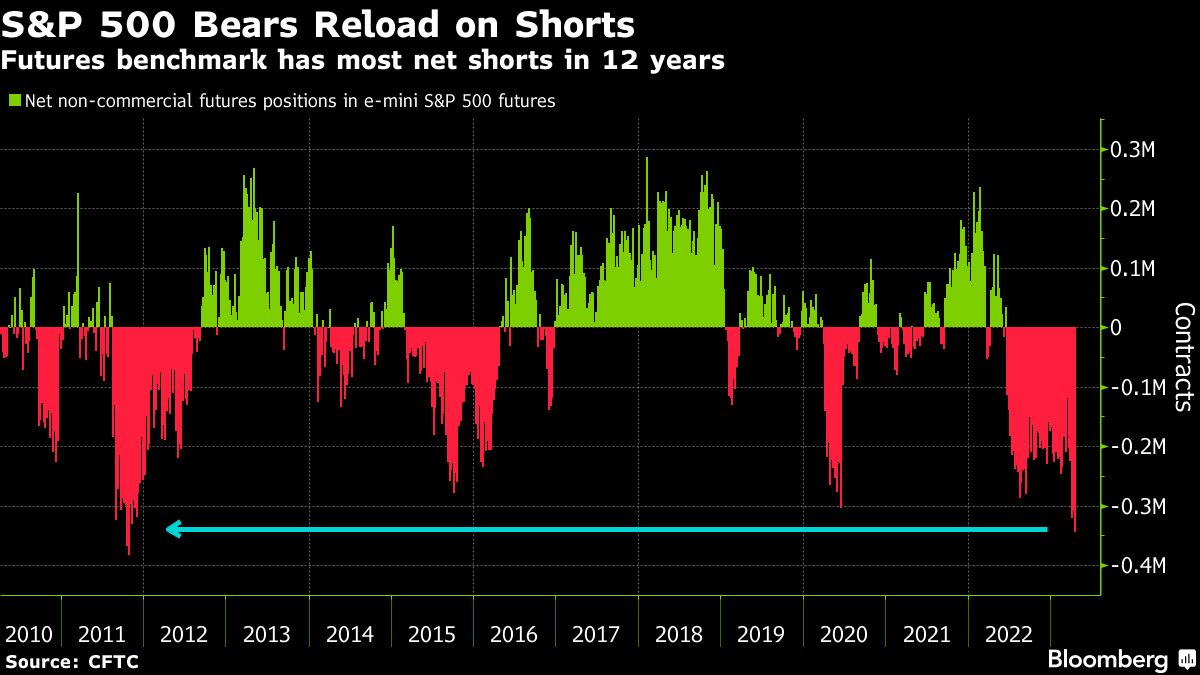
Hedge funds are betting on higher Treasury yields in a market that’s divided over whether the US economy can avoid recession and Federal Reserve interest-rate cuts.
Here’s how we can improve financial planning projections to result in better forecasts, advice and guidance to households.
April is Financial Literacy month, but all that elicits from the advice industry is a collective yawn.
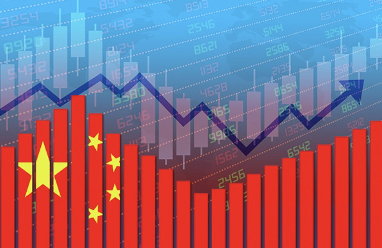
Chinese economic data blew expectations out of the water this week, reflecting a strong comeback for the Asian giant as it finally emerges from the world’s most restrictive pandemic-era lockdown.
China’s economy has turned the corner, and is on a path towards a gradual, domestic demand-driven recovery. Andy Rothman outlines the reasons why China’s recovery is likely to be sustainable.
Can central banks simultaneously provide liquidity to banks suffering sharp deposit withdrawals while also slowing money and credit creation by raising interest rates? In essence, can central banks quantitatively tighten and quantitatively ease at the same time?
Corporate bond investors may be wondering if banking sector turmoil will affect financial institution bond issuers. Here's what to know now.
The top-performing advisors, the ones that are delivering the most value (as reflected by their income), are the advisors who are doing the most challenging things.
Despite continued geopolitical events and a potential banking crisis, markets remained focused on the economy and central banks’ attempts to control inflation.
Consisting of 60% stocks/40% bonds, this classic investment portfolio has historically been a trusted way to generate returns and diversify investor portfolios. However, we believe the 60/40 allocation may now be working against investors.
This year’s top US bond managers agree that Federal Reserve interest-rate cuts are inevitable this year. The main debate they see is how deep the economic pain gets.
This week as regional banks start reporting earnings we will get a better look at the lasting effects of the bank crisis kicked off by the failure of Silicon Valley Bank last month. Looking at recent earnings forecast revisions, regional banks appear particularly exposed to short- and longer-term headwinds.
Tax season isn't the only time advisors should think about how taxes may impact their client portfolios. There are various strategies advisors can use year-round to ensure they are investing in a tax-efficient manner. Helping your clients maximize their after-tax wealth is an important element of the value you provide.
The value style is in the early stages of what Mutual Series believes could be a multi-year outperformance relative to growth.
Getting lost in the moment is easy to do. When planning and executing your fixed income portfolio, looking long term is more likely to get you to your goal. Fixed income portfolio allocations are often meant to first protect principal and second, to optimize income and cash flow per your specific circumstances.