The Federal Reserve hasn’t had much success so far in wrestling down sky-high inflation, but its monetary tightening campaign is having a major impact in deflating asset bubbles that swelled during the pandemic.
At a time when virtually all of Wall Street is on guard against a recession, Jim Paulsen of The Leuthold Group said stocks are about to rally at least 25% in the next year.
It’s been a spectacular year for the US dollar. Using the popular broad dollar index, it managed to rise to its highest level since 2002 by the end of September. Since then, the greenback has endured a peak-to-trough fall of more than 9% and continues to trend downward.
After a challenging 2022, it is time for investors to look forward to opportunities. Emerging Markets (EM) debt stands out as one place where investors can potentially take advantage of an underutilized asset class that offers attractive yields and diversification.
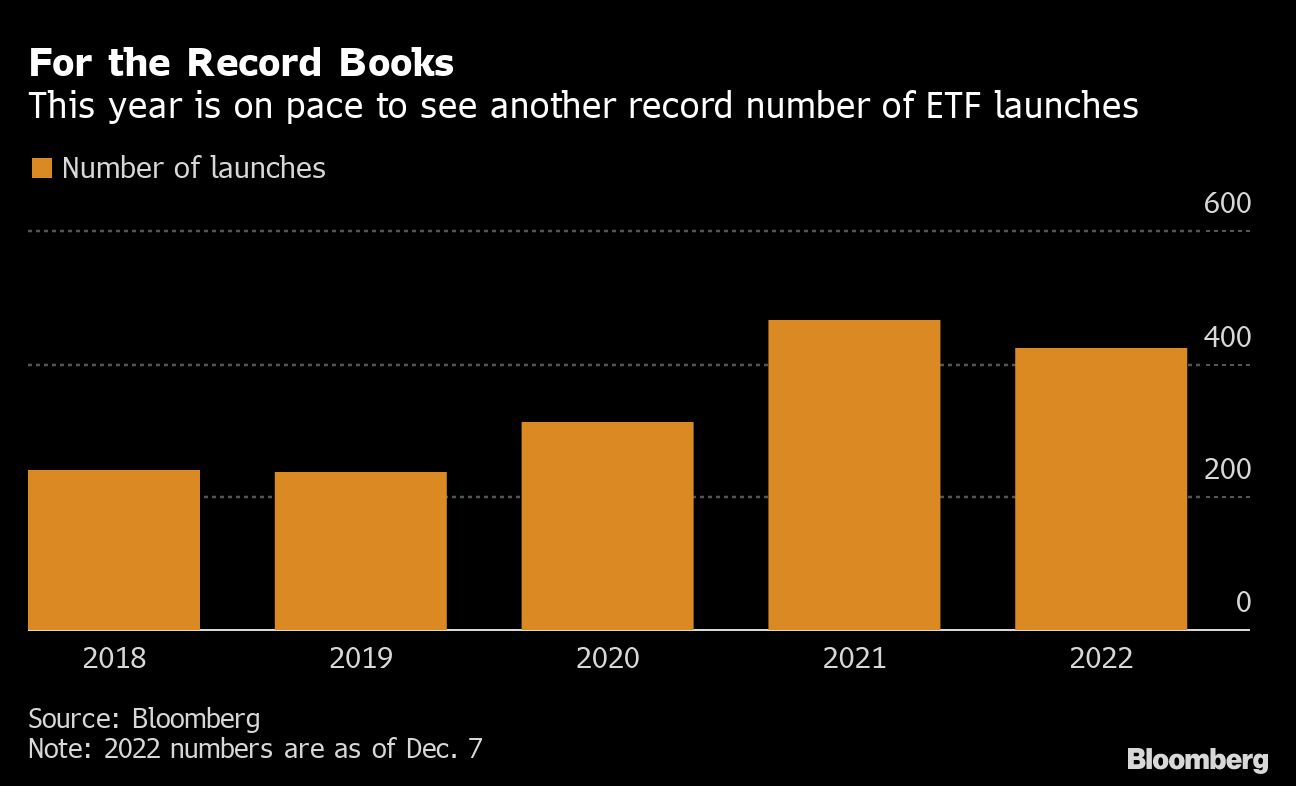
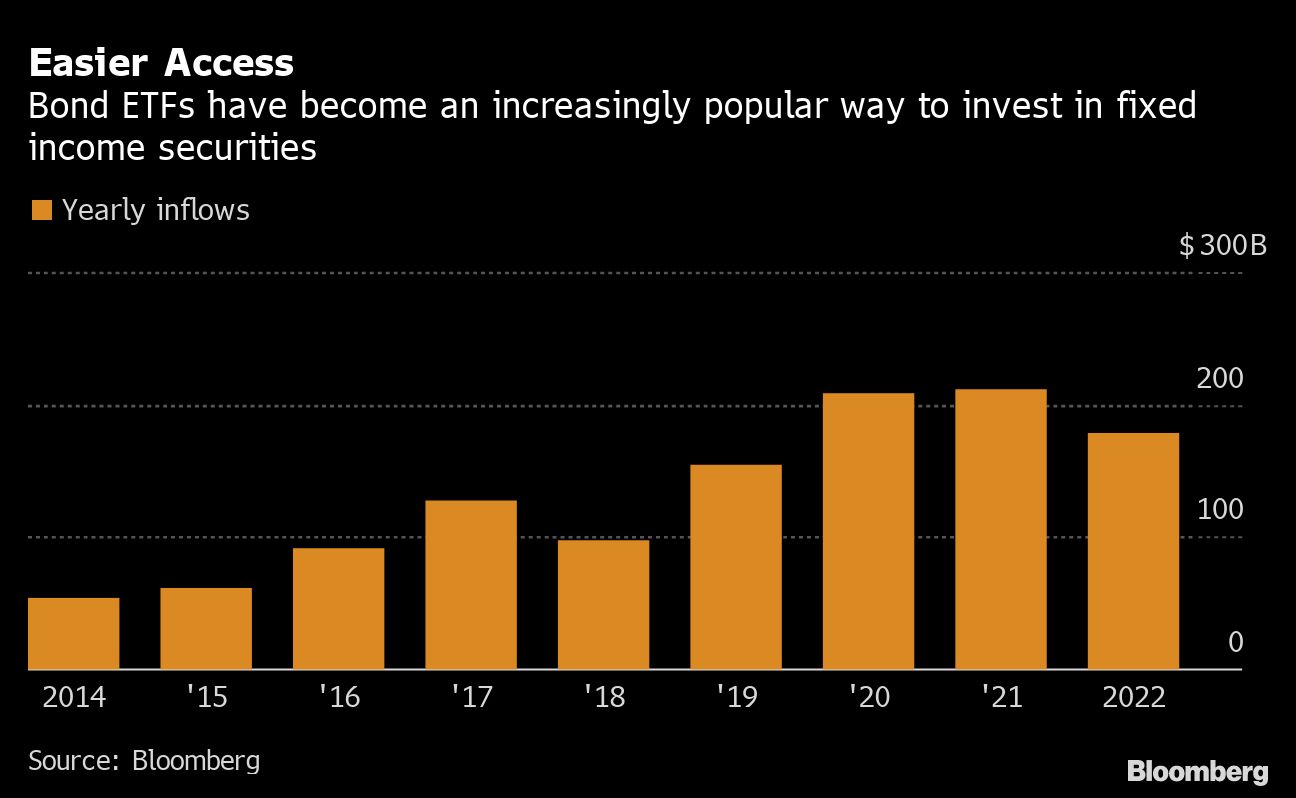
If a crushing bear market, inflation-fueled volatility and slump in inflows was meant to cool the booming US exchange-traded fund industry, issuers never got the message.
“95 years ago, your crystal ball reveals: Russian debt default, LTCM fail, DotCom implosion, 9/11 attacks, financial crisis and great recession, pandemic killing millions, 3 market crashes. Would you put your money into stocks? No? You missed a 10X return.”
In his latest memo, Howard Marks weaves together some of the themes he’s explored in 2022 to explain what he believes really matters in investing and what doesn’t. He discusses the disadvantages of short-term thinking, the difference between volatility and risk, and the one word he believes defines the essence of investment excellence.
Are Chinese stocks good value? It’s a question we’re getting asked by a lot of clients. Some Chinese stocks may appear attractive from a valuations perspective – but you need to think differently about value investing in emerging markets.
Stocks are overbought and overvalued relative to bonds.
“Expect a recession by the middle of next year,” Jeffrey Gundlach warned investors. The Fed’s monetary tightening will not be as aggressive as expected, he said, but high rates will dampen housing, consumer spending and other sectors, and will force the economy to contract.
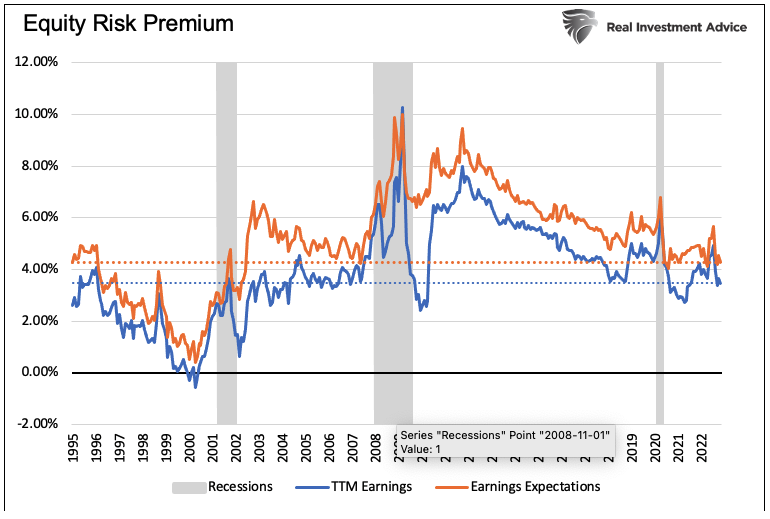
Equity investors are not being adequately compensated for the economic, geopolitical and financial risks they are bearing. The equity risk premium is too small.
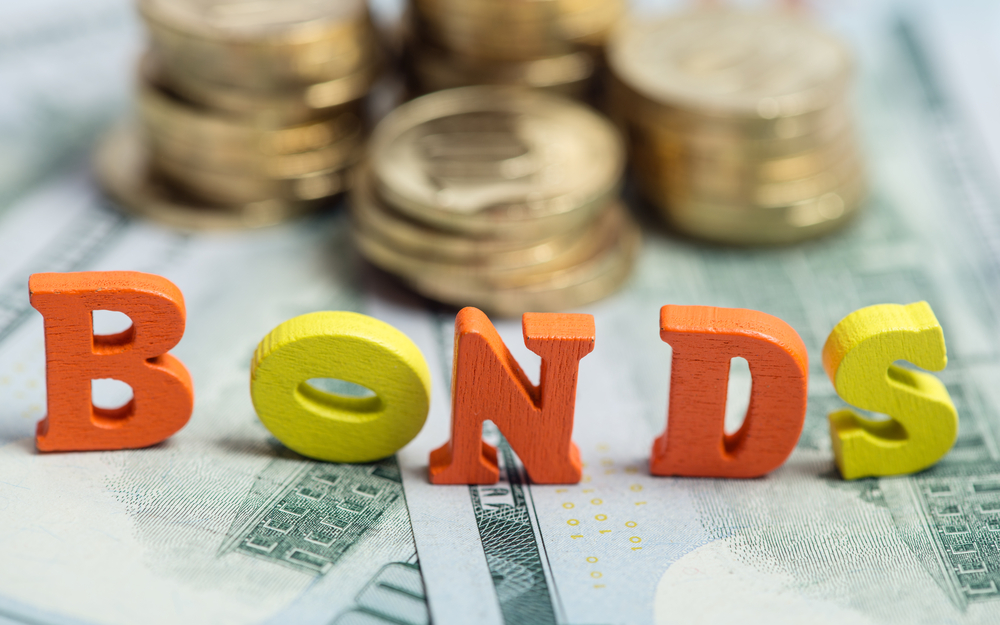
Slowly but surely, bond haters are vanishing across Wall Street — even as fresh market havoc remains a distinct possibility next year if still-raging inflation forces the Federal Reserve to ramp up policy tightening anew.
Order has been restored to the world for bearish traders, with their favorite targets under pressure again after surging during the recent equity rally.
In the Federal Reserve’s quiet period before its officials meet to decide their final actions this year, Wall Street watchers are filling the void, loudly warning that next year’s outlook for the US economy and stocks is grim.
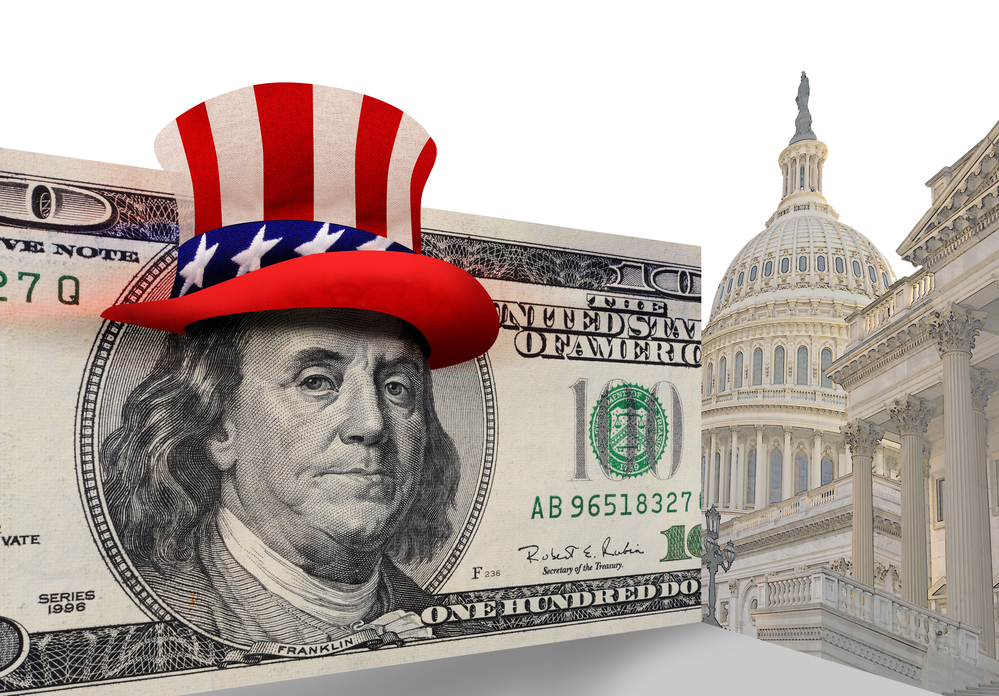
All the talk lately about the size of the national debt is obscuring the real problem: The US government made the wrong bet on interest rates, and that will cost taxpayers for years to come.
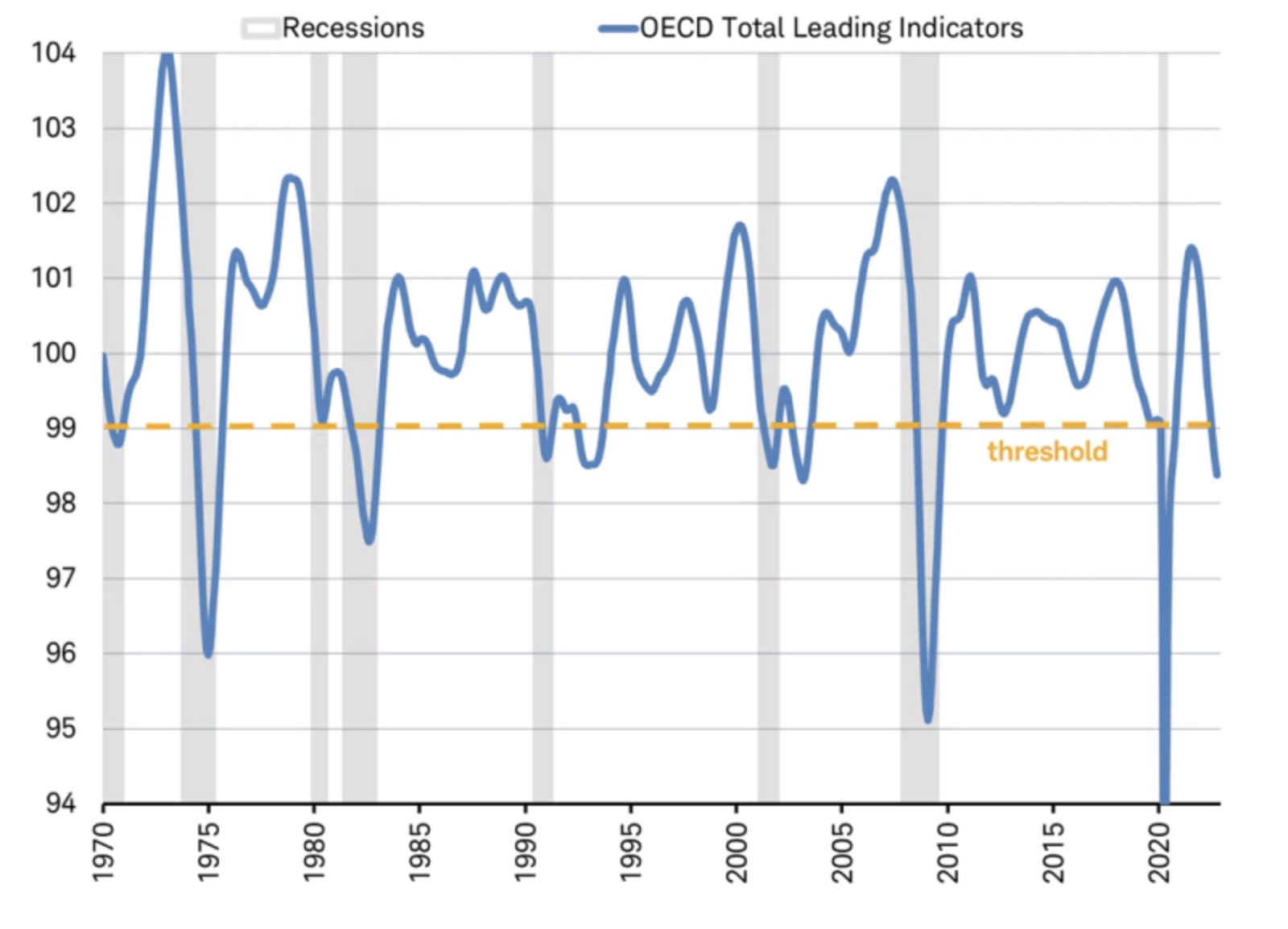
A yield curve inversion, when rates for two-year US Treasury notes rise above those for 10-year notes, has preceded every recession since the 1960s. The first clear inversion in 15 years happened in July 2022, although there were brief and shallow inversions in August 2019 and April 2022.
European Union and US officials committed in principle to resolving a dispute over electric-vehicle incentives that threatens to spark a trade war, without Washington making specific concessions and time running short.
Markets may continue to see volatility in 2023 as they navigate between global economic growth and inflation fears, with central banks' decreasing rate hikes and China's reopening.
Oil fell the most in more than two weeks as broader equity markets collapsed and risk-averse investors pared crude positions ahead of the end of the year.
Emerging-market central banks face a Catch-22 where plunging economic growth means they can’t keep monetary conditions tight, but elevated inflation doesn’t allow them to halt rate hikes either.
James McHugh isn’t afraid of a little risk. The trouble this year has been knowing where to find it. Crypto burned him. Meme stocks are stuck in the pits. So McHugh, a 36-year-old who works in Houston’s oil and gas industry, has been getting his fix in a corner of the market retail investors typically overlook — junk debt.
U.S. stocks are lower as the new week kicks off, even as China took further measures to ease COVID restrictions.
After 12 years of a liquidity-fueled, Fed-induced bull market, are the markets set to start another “secular” bear market?
Earlier this year, we added “Globalisation 2.0” to our list of megatrends – trends that are virtually set in stone and so all-encompassing that they will have a profound effect on financial markets in the years to come.
I explore some of the factors driving the superiority of PLIBs, in particular lapsation, mortality experience differences, accessing the equity risk premium, and the marginal role of annuities as part of a retirement strategy.
Wall Street is finding a reason to keep plowing into the bond market, even with a Federal Reserve that’s still far from declaring victory in its war against inflation.
While the crypto horror show rages on, stocks have quietly rallied almost 10% in the last month amid cautious optimism that the worst of the inflation shock is over. But might it be a head-fake?
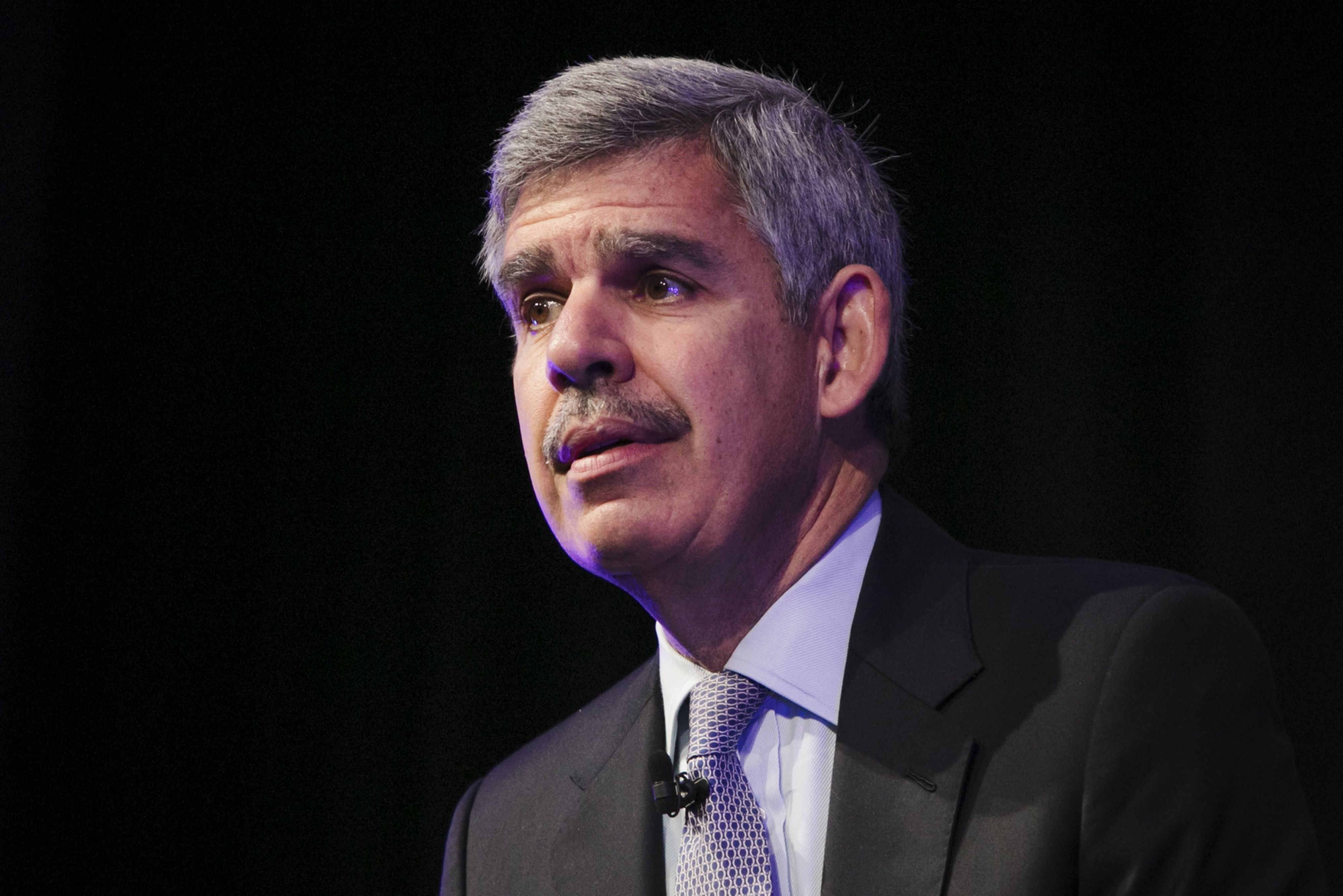
Mohamed El-Erian sees the rollercoaster ride in financial markets, with Friday’s surprisingly strong US jobs report producing the latest drop, as another lesson for Chairman Jerome Powell and his Federal Reserve colleagues.
Pain is deepening across the US real estate industry. Two of the biggest players — Blackstone Inc. and Wells Fargo & Co. — took steps this week to contend with weaker demand as the industry faces a rapidly cooling property market, rising interest rates and waning investor appetite.
Federal Reserve officials have enough worrisome inflation data to consider raising interest rates to a higher peak than investors expect and potentially follow the half-point hike they’ve signaled this month with the same again in February.
Like stuck card players trying to win it all back in one hand, equity bulls are dialing up risk appetites at the tail-end of a brutal year.
We continue to believe that a value-conscious, risk-managed, full-cycle discipline, focused on the combination of valuations and market internals, will be essential in navigating market volatility in the years ahead.
Weaker economic trends will likely form heading into 2023 as the Fed battles inflation, but a (hopefully) mild recession may help set stocks up for a better second half of the year.
While economists have been lowering their employment forecast month over month over month, the U.S. labor market has continued to disappoint those forecasts and has remained relatively strong as well as relatively stable, with jobs growing at an average of 392,000 per month during 2022.
Over the past 12 months, global container shipping rates have steadily declined to their long-term averages as supply chain snarls have receded and backups at ports have disappeared. Now, another segment of the cargo shipping industry is seeing day rates explode to record highs.
Change is constant, in the economy and everything else. We talk about it often. Yet when we talk about the economy changing, we usually mean the economy’s condition is changing—from expansion to recession, deflationary to inflationary, emerging to developing, etc. That’s different from changes in the economy’s actual structure.
Federal Reserve Bank of Richmond President Thomas Barkin said the US economy may be entering a period where labor supply is constrained for a long time, which could keep upward pressure on inflation and require firms to spend more to attract and keep their workforce.
Considering what General Motors is saying about its electric vehicles, the company seems to view the Inflation Reduction Act that President Joe Biden signed into law in August as a sort of put that protects the big investments it’s making in battery and EV production.
The latest US jobs report doused nascent optimism that the American economy was weakening enough to warrant a go-slower approach by the Federal Reserve in its battle against inflation.
Making apartment buildings more energy efficient can mean a massive cost to replace carbon-powered heating and cooling systems — something that’s pretty much out of reach for lower-income communities.
One bad year in the stock market has turned Wall Street strategists into bears after two decades of bullishness.
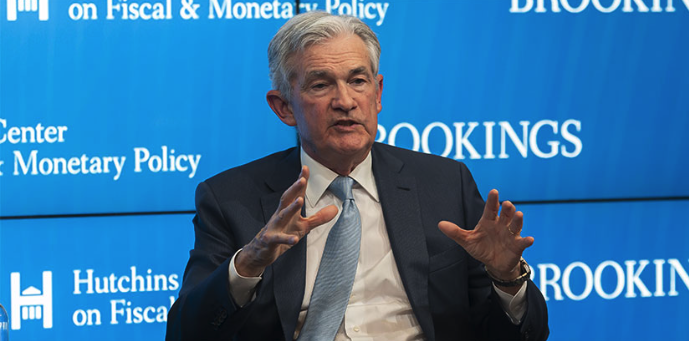
On Wednesday, Federal Reserve Chair Jerome Powell explained the central bank’s current thinking on inflation in a speech at the Brookings Institution.
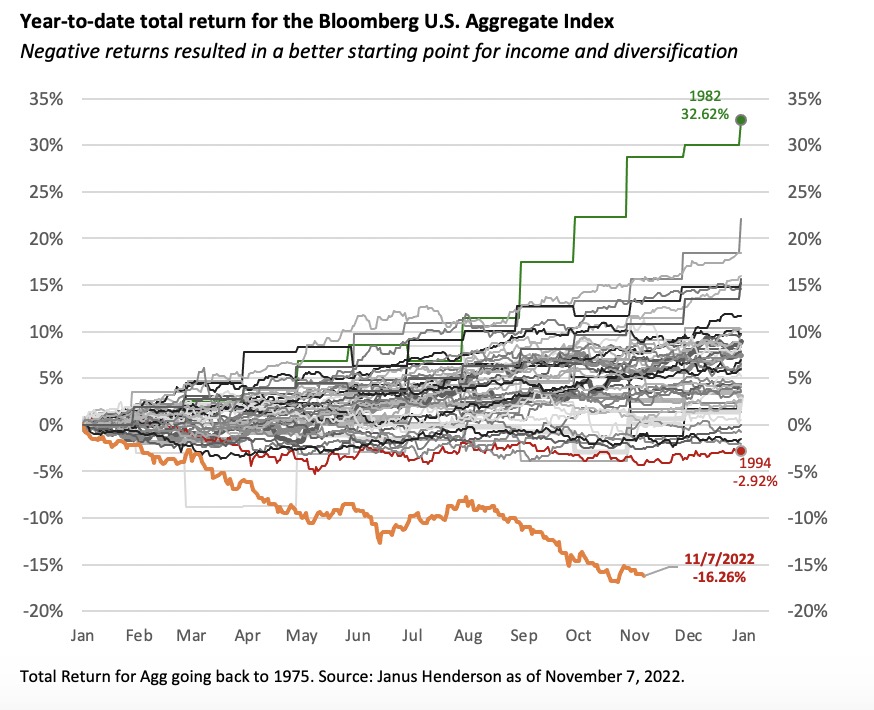
Three reasons why investors should consider adding intermediate-duration bonds back to their fixed income portfolios.
Tesla Inc. handed over the first of its electric Semi trucks, a milestone for the automaker more than five years after it unveiled the vehicle.
US employers added more jobs than forecast and wages surged by the most in nearly a year, pointing to enduring inflation pressures that boost chances of higher interest rates from the Federal Reserve.
The corporate debt market is still doing its part to keep America out of a recession.
U.S. equities are sliding as investors sift through the November labor report that showed stronger-than-expected job growth.
Review the latest portfolio strategy commentary from Mike Gibbs, managing director of Equity Portfolio and Technical Strategy.
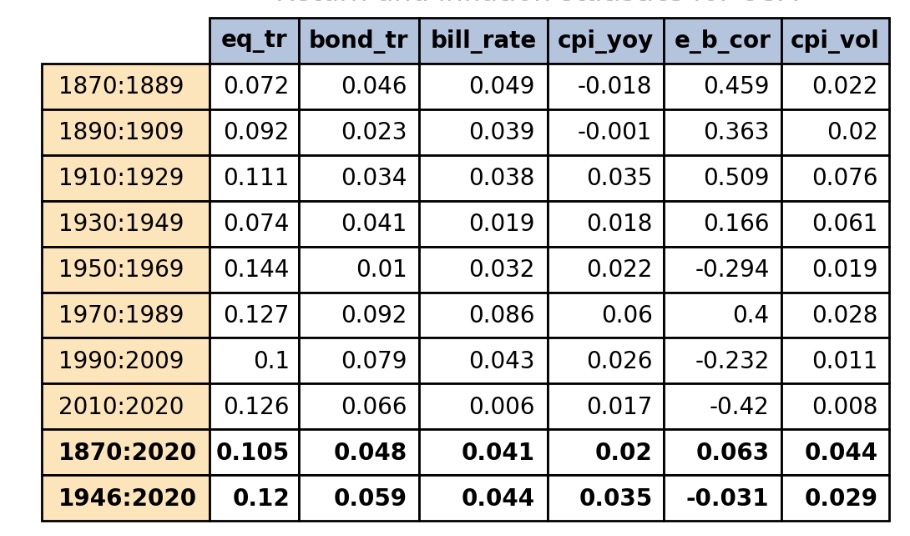
To properly guide their clients, financial advisors must have a good understanding of the long-run behavior of stock and bonds returns.
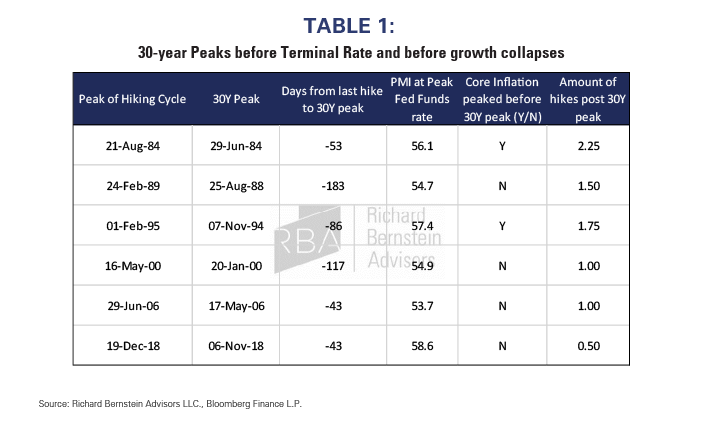
Remember, the Fed hikes short-term interest rates to slow long-term growth and inflation.