Stocks mixed around mid-day as investors digest data.
Surging bond yields have been rattling investors for a year. Why they’re a problem for people hooked on an asset as volatile as equities can be seen by juxtaposing stocks with some of the safest securities in the world.
US producer prices rebounded in January by more than expected, underscoring persistent inflationary pressures that could push the Federal Reserve to pursue further interest-rate increases in the months ahead.
Last year, most US investors and central bankers underestimated how high inflation would climb. Now they may be underestimating how high interest rates will need to go to bring it back down.
Passive equity investing has retained its dominance and outflows from active portfolios have continued amid the market and macro shocks of the past year.
U.S. inflation may not be moderating as quickly as many were expecting.
Tony Muhlenkamp provides examples to support the maxim by Ron Muhlenkamp that “Just because everybody knows something doesn’t make it true.”
Quick: how did equity traders feel about inflation after Tuesday’s consumer price index hit? Depends on when you asked.
The booming US residential solar market is at a crossroads.
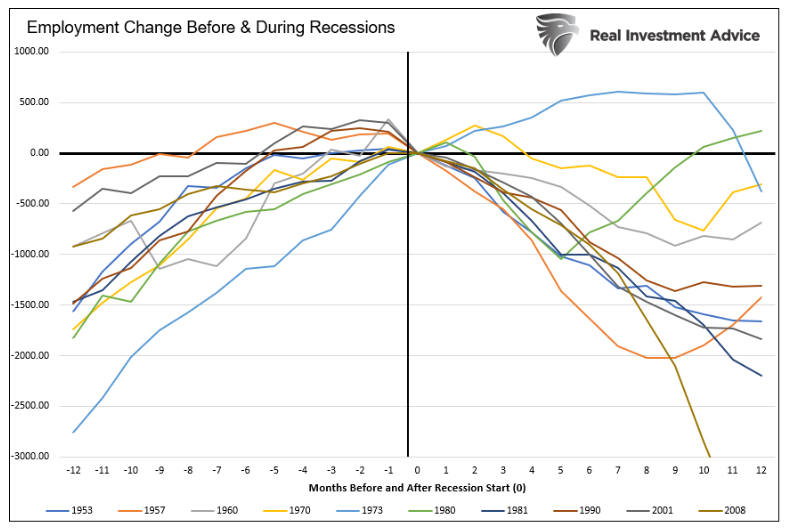
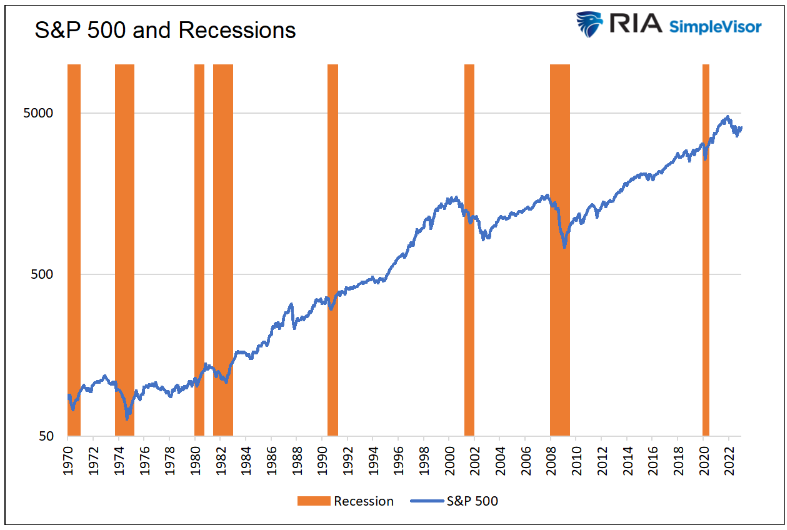
History tells us it's a matter of when and not if tighter monetary will send the economy into a recession.
Most think so.
National rent controls are much more a political “feel good” measure than they are a reasonable economic strategy. President Biden wants to make things worse.
US consumer prices rose briskly at the start of the year, a sign of persistent inflationary pressures that could push the Federal Reserve to raise interest rates even higher than previously expected.
Federal Reserve Bank of Richmond President Thomas Barkin said the central bank may need to raise interest rates to a higher level than previously anticipated should inflation keep running too fast for comfort.
While equity markets are on a relentless march higher amid optimism around stronger economic growth and cooling inflation, most investors aren’t convinced the gains will last, according to Bank of America Corp.’s latest global fund manager survey.
Following the 25 basis-point (bp) increase that the Fed announced on February 1, 2023, Franklin Income Investors Chief Investment Officer Ed Perks answered questions about his outlook on US interest rates as well as fixed income and equity securities for the rest of 2023.
The United States must grasp the opportunity that the money revolution has made possible by undertaking a government-financed investment program in 21st century industries and technologies on such a large scale that it would be certain to succeed.
The US economy has reached a crucial juncture point, as several leading economic indicators are on the edge of signaling a recession.
For months now, an uneasy truce has prevailed between the Federal Reserve and stock investors.
The riskiest bond trade in emerging markets is mounting a comeback, offering double-digit returns to those brave enough to flirt with default.
Investors continued to increase their bets on two exchange-traded funds tied to natural gas as prices for the heating fuel show signs of bottoming following a seven-week selloff that sent the commodity plunging more than 60%.
The dark side of ESG investing has the potential to undermine a whole generation of clean-tech strategies.
US stocks are ripe for a selloff after prematurely pricing in a pause in Federal Reserve rate hikes, according to Morgan Stanley strategists.
Some growth companies could very well outperform the broader market indices, even in a recessionary period.
Chief Economist Eugenio J. Alemán discusses current economic conditions.
Bullish investors continue to “Fight the Fed,” hoping that a change to monetary policy will reignite the 12-year-long bull market.
After withstanding a multitude of global challenges last year, emerging markets look poised for improvement as inflation recedes and the path of monetary policy comes into view.
Advisor Perspectives has announced its Venerated Voices™ awards for commentaries published in 2022.
Markets have been volatile, with reports convincing many that the Fed is done hiking rates.
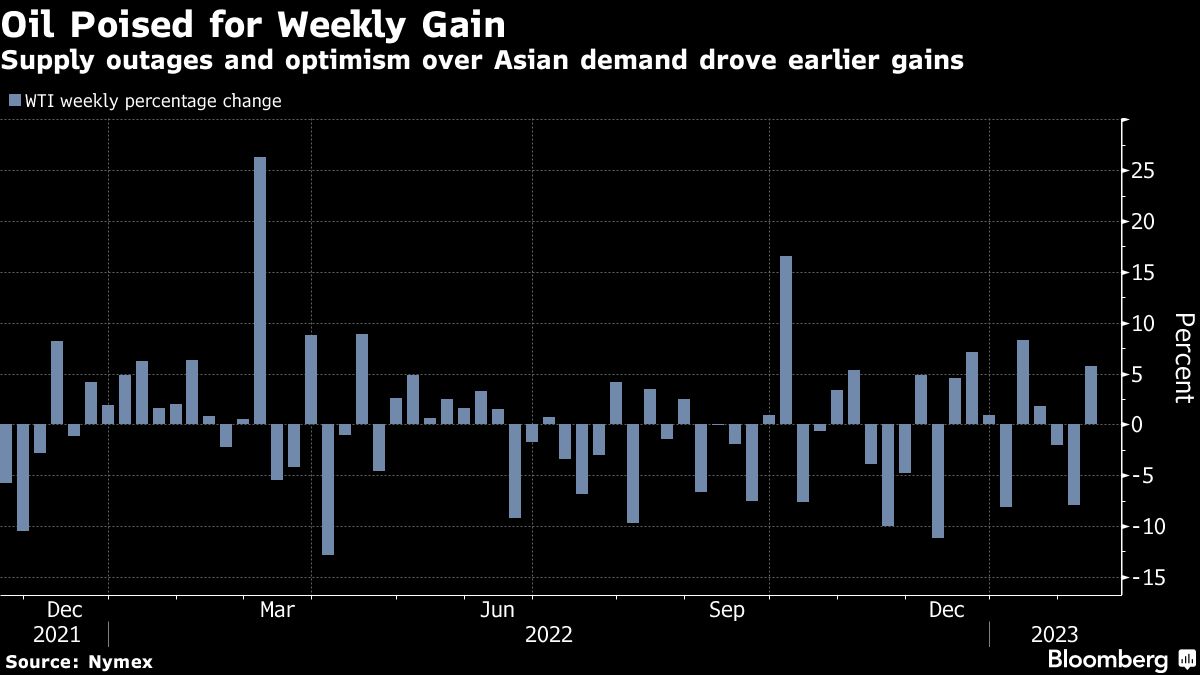
Oil headed for a weekly gain as a bullish outlook for Chinese demand outweighed lingering concerns over a global economic slowdown.
Assumptions can be wise or unwise. They can be unduly optimistic or excessively pessimistic. Slightly different assumptions can produce giant changes in predicted outcomes. Assumptions are necessary but we shouldn’t make them lightly, nor forget we are making them.
This Super Bowl will also be remembered, I believe, as a major turning point in sports betting in the U.S. More than 50 million American adults are expected to bet on the game, the most ever and a remarkable 61% increase from last year.
Former Treasury Secretary Lawrence Summers warned that complacency is setting into financial markets about inflation, and that the Federal Reserve may need to tighten further than what investors are currently expecting.
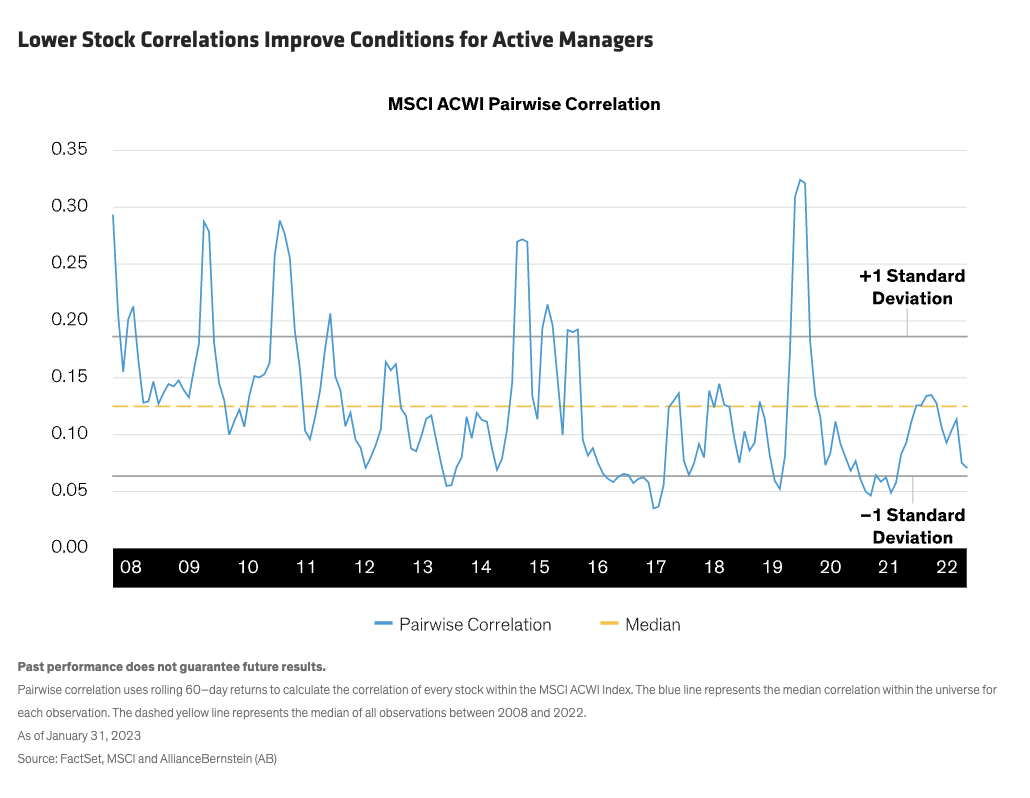
Just weeks after professional stock pickers celebrated their best year since 2017, the wind in the stock market has shifted, upending their fate.
As inflation fears have receded somewhat—though we’ll see in next week’s US CPI report how much they really have receded—European stocks have had a good start to the year.
The US government is exploring narrowly focused trade pacts on critical minerals with Japan and the UK, in addition to talks with the European Union, the latest salvo in its push to counter Chinese influence in key sectors, officials familiar with the matter said.
US government bond investors pushed two-year yields above 10-year yields by the widest margin since the early 1980s Thursday, a sign of flagging confidence in the economy’s ability to withstand additional Federal Reserve interest-rate hikes.
Mortgage rates in the US rose for the first time in more than a month.
Traders wagering this week on the Federal Reserve lifting its benchmark interest rate to 6% are still aiming way too low, according to Dominique Dwor-Frecaut.
Despite mounting evidence supporting recession forecasts, the stock market remains at odds with that outlook.
The Loomis Sayles Mortgage & Structured Finance Sector Team shares insights on consumers, real estate markets and more.
As US inflation gradually eases, the claim that today’s inflationary pressures are the result of a temporary supply shock has re-emerged.
Investors who own index funds have strapped themselves into a giant stock market roller coaster which, to this point, has only gone up.
Suppose recession warnings, such as the yield curve and manufacturing surveys, prove prescient, as they reliably have. In that case, this will be a rough year for the Goldilocks soft-landing believers.
Federal Reserve officials stressed the need to keep raising interest rates, including the potential for borrowing costs to peak at a higher level than previously expected amid ongoing price pressures.
Money managers have cut $300 billion of bearish bets and are now positioned more in line with historic norms — robbing the market of pent-up demand just as the Federal Reserve warns its inflation-fighting battle is far from over.
Stocks lower as investors digest data, Fed commentary.
Hedge funds and energy trading shops are scooping up index traders from banks, looking to capitalize on investors’ increasing interest in materials and the sector’s rising potential for outsized returns.
One of many things to break in last year’s market rout was a decade-long stretch in which gains in stocks overwhelmed gains in wages.
This year’s surge in technology stocks has been especially pronounced in the riskiest corners of the market, suggesting to some skeptics the potential for a swift reversal.