ETF Trends interviewed three sources about active ETFs, why financial advisors are opting for these investment solutions for clients, and how these factors have changed in recent years. Each source responded to the same questions in their respective interviews.
BlackRock Inc. and other money managers spent years rolling out sustainable funds, seeking to capitalize on surging interest in ESG investing. Now they’re abandoning an increasing number of those products in the US amid political backlash and investor scrutiny.
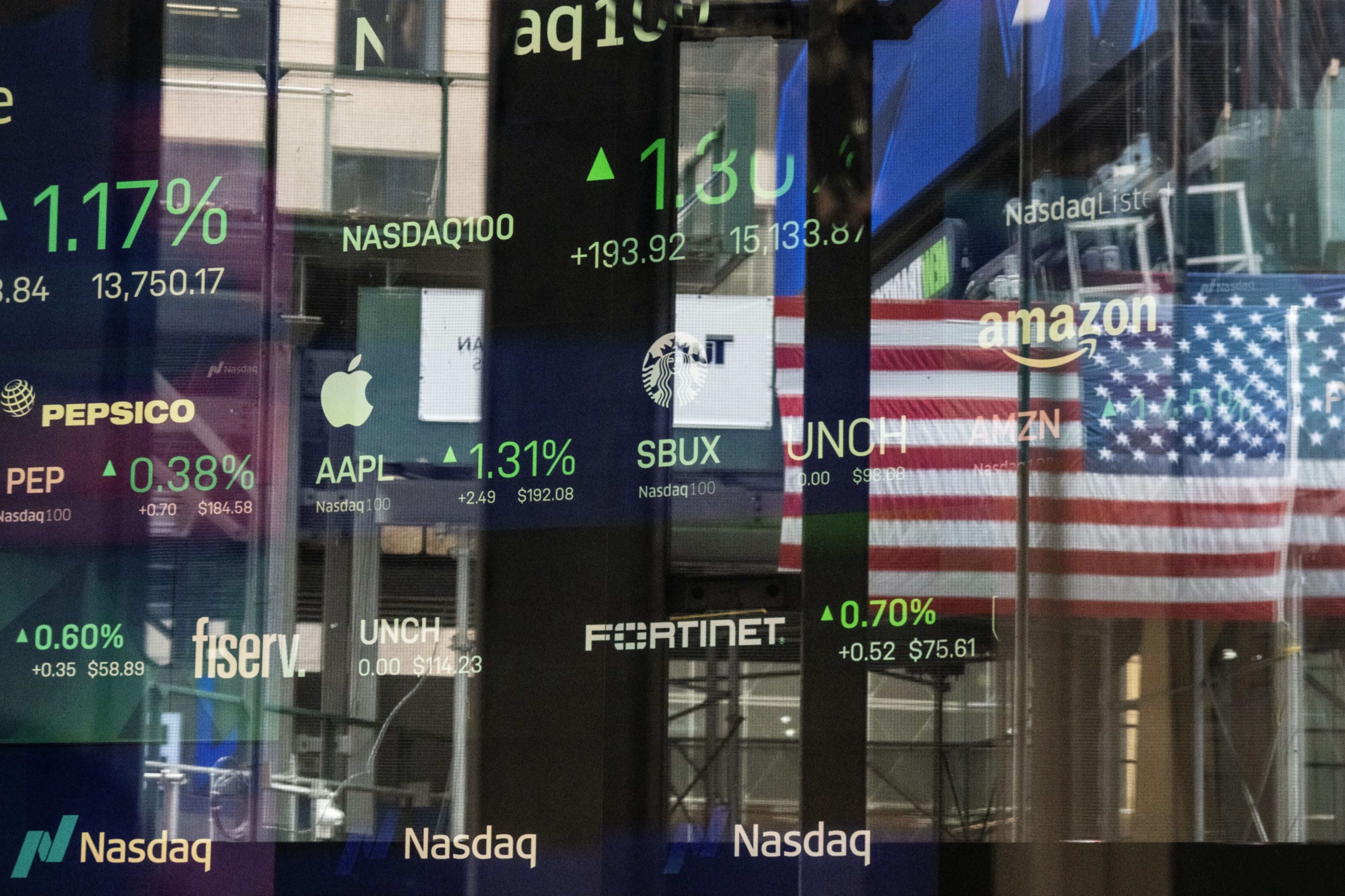
For active managers, the math is stark. Out of thousands of mutual funds, literally only one beat the Nasdaq 100 over the last five, 10 and 15 years. It did so by boiling down stock picks to about two dozen companies and riding almost all of them to gains.
Now seems like a good time to talk about wrappers and which ones are best for different situations. How do you decide whether to use an ETF, a mutual fund, or something else?
Here’s how I apply behavioral finance to help clients to think differently about their investing.
ETFs are the instrument of choice for millions of investors in the U.S. Through a single trade and for a relatively low price, an investor gains broad exposure to a market, sector or niche.
VettaFi’s vice chairman Tom Lydon discussed the iShares MSCI USA Quality Factor ETF (QUAL) on this week’s “ETF of the Week” podcast with Chuck Jaffe of “Money Life.”
Today's economic conditions are attractive for BDCs (business development companies), and some benefit from businesses seeking alternative financing sources.
Dina Ting, Franklin Templeton ETFs’ Head of Global Index Portfolio Management, explores the positive trends that are making a case for holding UK equities.
Factory order numbers had previously been a source of positivity for the U.S. economy. The tough turn for the economy should remind investors of active ETFs’ ability to respond to a market downturn.
After a slow start to asset gathering, U.S.-listed equity ETFs were in vogue during the summer. At the end of August, the asset category had $165 billion of net inflows, more than $125 billion for fixed income.
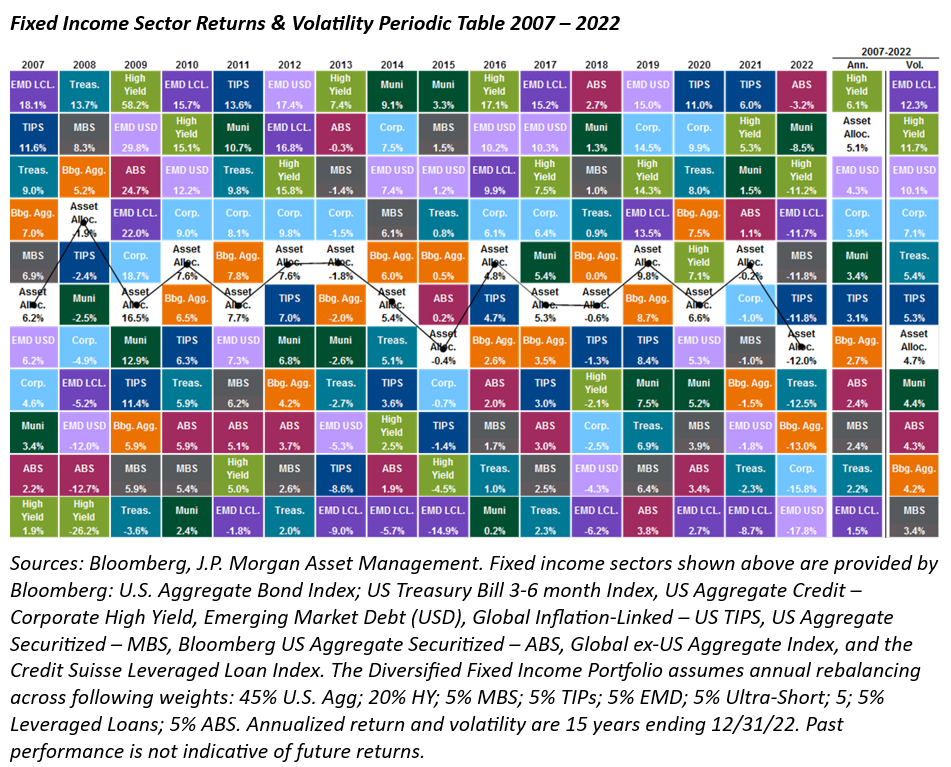
Multi-sector fixed income strategies can deliver significant benefits to investors – including yield enhancement, volatility reduction and diversification of asset-class exposures – because of managers having the freedom to make tactical shifts between fixed-income sub-sectors.
Active ETFs have had a really strong year so far in 2023, picking up advisor and investor interest. Even institutional investors have increasingly turned towards specialist, responsive management.
We believe the best way to add value is through relative positioning in sector allocations, individual security selection and along the yield curve, holding duration neutral overall. That approach, however, does not prevent us from having views on interest rates and we think bonds offer good value at current rate levels.
Taxable municipal bonds may be an attractive option for investors in lower tax brackets, but there are things investors should know before making a decision.
If you’re interested in investing in mutual funds or exchange-traded funds (ETFs) – or you already have some in your portfolio – you may be wondering what exactly the difference is between an active and a passive fund.
Vanguard Group’s best-of-both-worlds stranglehold over the money-management industry is facing a new kind of challenger.
In the current landscape, where bonds and stocks are experiencing positive correlation, it becomes even more important (if not critical) to incorporate additional diversification strategies to help mitigate portfolio risk and preserve portfolio balance.
Vanguard Group has famously stood apart in the money-management world with its popular mutual funds offering the liquid ETF wrapper.
Despite the increasing popularity of self-directed brokerage accounts (SDBAs) within 401(k) plans, recent data reveals that women are under-utilizing this investment tool.
The government has issued an eye-watering $1 trillion in Treasury bills since the debt ceiling was suspended in early June. So far, the market hasn’t batted an eye.
Former Bridgewater Associates LP executive Bob Elliott’s plan for exchange-traded funds that employ hedge fund strategies has sharpened the debate about whether retail investors should have access to such approaches.
ETFs are investments that can hold: bonds, stocks, gold bullion and cryptocurrencies. Canadian ETFs track a wide range of different asset classes via indexes. Most ETFs are tied to index products, including both equity or fixed income funds.
Monetary and fiscal policy are typically thought of as independent tools that central banks and governments use to manage the economy.
Foreign stocks are again competitive with their domestic counterparts. Here are four ways to gain exposure.
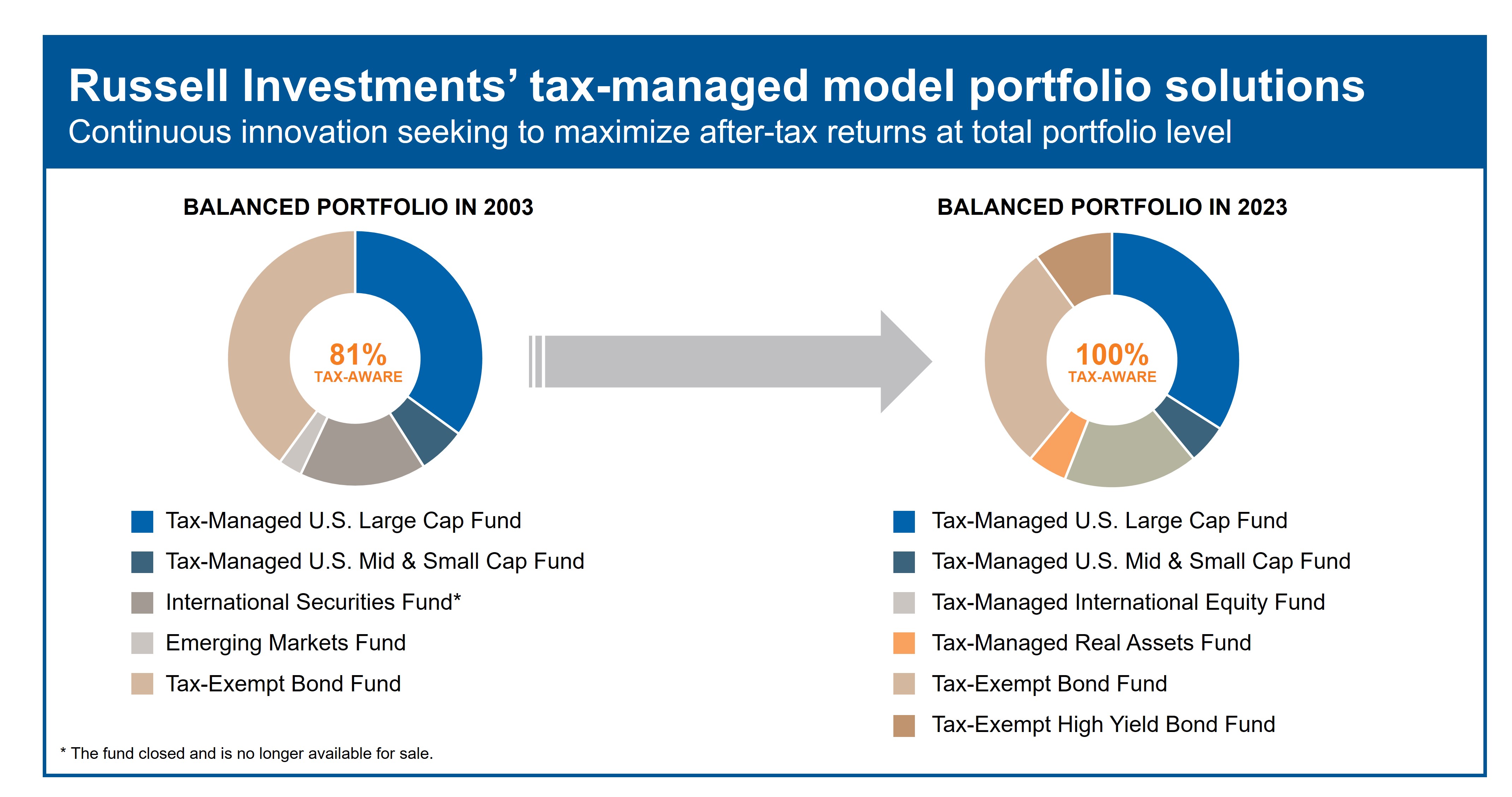
Advisors are using tax-managed products for tax-sensitive clients. In this interview, we learn how tax-managed products maximize the after-tax returns for investors to help them get to their goals with greater certainty.
The Agg is supposed to be to bonds what the S&P 500 Index is to equities. But it is an insufficient gauge for measuring the bond universe.
Where have all the publicly held companies gone? As companies increasingly choose to remain private, new opportunities emerge for investors.
As businesses worldwide adopt technology, the innovation of AI may result in market leadership changes, global economic growth, and investor opportunities.
We maintain a neutral-duration posture overall. We prefer an up-in-quality bias and have become increasingly selective in non-investment grades.
Effective tax planning means thinking about how tax rates might change.
The potential for a Fed pause presents an opportunity for investors to consider adding duration back into their portfolios.
Today, not one Vanderbilt descendant can trace his or her wealth to the vast fortune Cornelius bequeathed.
During the past decade, a turnaround in the Golden State has resulted in higher credit quality for many issuers.
We think advisors and end clients should dig deeper than a fund’s expense ratio to understand the exposure provided. For example, while IEMG has exposure to South Korean stocks, SPEM is like VWO and does not own them.
Great things rarely occur within your comfort zone. Earning revenue via commission-based mutual funds or annuities might seem straightforward and familiar, but it isn’t a sustainable way to grow your practice.
There’s been a steady trend in the advisory profession to fee-based practices and holistic wealth-management services. But just because this trend is widespread doesn’t mean that transitioning to fee-based models comes without challenges. My guest today, Jen Gloss, will discuss the why and how of transitioning from commissionable products to fee-based wealth management.
Municipal exchange-traded funds, still a relatively new and small part of the $4 trillion state and local debt market, have seen growth stall dramatically after record inflows last year as the shift away from mutual funds slowed.
To stand a chance of winning in this market, stock pickers need big tech exposure. Not all of them can get it.
TCW is the latest well-established asset manager poised to enter the ETF business. But unlike some of its peers, TCW is going the acquisition route. Today, TCW announced it is buying the Engine No. 1 ETF business.
TCW Group, the asset manager with a long history of managing bond funds, is expanding into exchange-traded funds with an agreement to buy an ETF business from activist investor Engine No. 1.
ESG scoring and mandates remain a subject we have contested since it sprang to life in 2020. The push of “woke activism” on, and by companies, to meet nebulous or artificial standards has led to various bad outcomes.
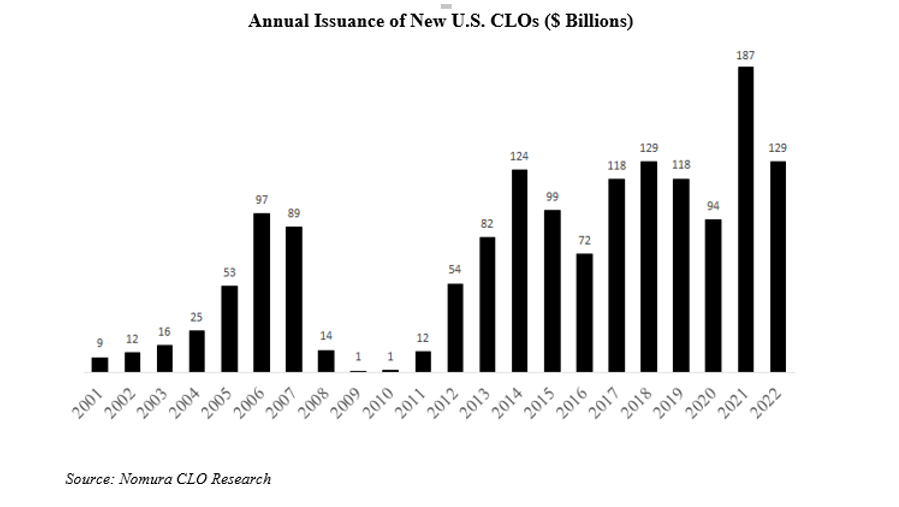
Investors willing and able to accept the illiquidity risk of CLOs should consider them as alternatives with attractive risk/reward characteristics.
The S&P 500 has generated double digit returns so far in 2023, but the gains have been narrowly focused. Heading into the second half, we will be watching to see whether the rally broadens or the market capitulates.
Investors with $250,000 or more to spend on municipal bonds are increasingly seeking opportunities to pick and choose what goes into their portfolios.
VettaFi’s Fixed Income Symposium, happening on July 24th, is fast approaching. The symposium will bring together industry thought leaders.
Investors have more investment options than ever before, thanks to the number and variety of exchange-traded funds available to everyone. Think of an investment strategy, and it’s probably available in an ETF.
While we agree with the enthusiasm for AI that has helped the market rally, investors may be better served by patience than by chasing recent risk-on sentiment.
Does stock risk decline the longer the holding period is? It’s a great question and something I received a comment about.
You may be able to add up to 200 basis points of excess return when a fund’s handicaps are applied as supplemental assessment to Morningstar gold-rated funds.
I discuss recent regime changes and reveal findings from the SPIVA scorecard and Morningstar’s U.S. Active/Passive Barometer.