While the ongoing government shutdown continues to delay the release of many reports, a key piece of economic data managed to break through last week.
Though deemed to be “Modern” portfolio theory (MPT), the primary framework used to construct diversified portfolios and deliver risk-adjusted investment returns is now well over 50 years old. Enhancements have helped keep MPT’s 60% equity and 40% bond allocation formula relevant for decades.
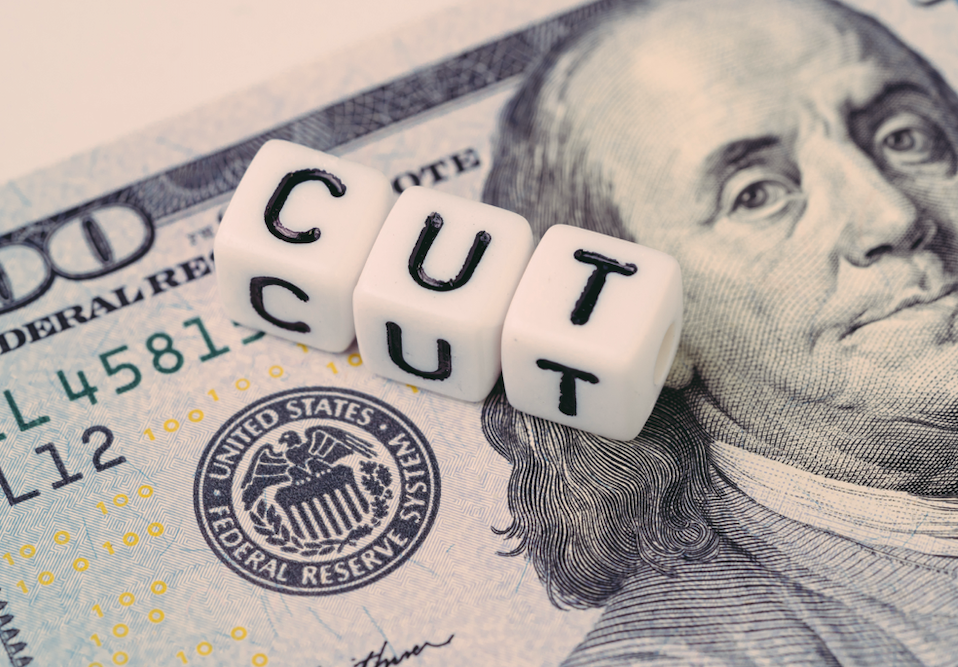
To analyze the impact of the Fed’s rate cut on the bond market, we are going to look at the impact of Treasuries maturing between 2 and 10 years and Treasuries maturing between 10 and 30 years. We will explore the month prior to the Fed’s September meeting and the month after, in order to understand the full impact of the Fed’s decision to cut rates.
By contrast with traditional discretionary approaches, systematic fixed-income models are exclusively data-driven and operate autonomously—ranking securities, constructing optimized portfolios and managing risk without traditional inputs or discretionary overlays.
Even thoughtfully managed strategies may underperform or suffer sharp losses. This can encourage poorly timed emotional decisions that exacerbate the decline. A systematic risk-management framework that employs stop losses can help minimize such behavioral biases.
Over the last few years, the US housing market has defied expectations as prices, helped by constrained supply, have remained resilient—despite high mortgage rates and affordability challenges for homebuyers. But the outlook appears to be darkening, with recent headlines seizing on potentially adverse trends.
As the market concerns itself with a potential artificial intelligence (AI) bubble, there is a clearer and more practical approach that can be taken by investing in companies that could potentially benefit as AI technology progresses.
The 10-year Treasury briefly tested 4% and slipped just below, exactly what you’d expect when credit jitters boost demand for safe collateral. Real yields eased as well, consistent with a modest risk-off bid. Treasuries remain the cleanest hedge when credit fears pop, and that relationship asserted itself again last week.
Stock markets are at all-time highs, public companies are shutting down their operations to buy bitcoin, consumers can bet in real time on almost anything they can imagine, “meme stocks” are back in full force, even the US government is buying stocks.
For most investors, energy security probably tends to be an afterthought until an event drives a jump in prices at the pump, as seen with Russia’s invasion of Ukraine. However, energy security is about much more than geopolitics, especially as demand for electricity is poised for growth.
Active fixed income ETFs can provide the refresh many investors want as the year draws to an end in an uncertain rate market.
Pictet Asset Management just added three funds to a 2025 that’s seen a record number of actively managed ETF launches: the Pictet AI Enhanced International Equity ETF (PQNT), Pictet Cleaner Planet ETF (PCLN), and Pictet AI & Automation ETF (PBOT).
Every market cycle eventually changes investor psychology to believe risk has been conquered.
There is little question that the key economic storyline of Q3 was the fact that new job creation was not anywhere near as solid as the markets and, perhaps more importantly, the Fed believed.
Big banks begin reporting Tuesday and are expected to benefit from a steeper yield curve, strong trading, and investment banking demand. The profit path ahead is less certain.
During the third quarter of 2025, the U.S. markets demonstrated notable resilience despite facing a complex mix of trade tensions, policy shifts, and economic sector-specific developments.
As our title suggests, September saw positive performance in fixed income markets but a great and overdue catch-up for municipal bonds.
Sentiment in the fixed income markets remains bullish and issuance is robust, but spreads are tight so we are staying defensive and investing opportunistically.
If you want to understand where we are in the cycle, skip the noise and follow profits. Corporate profits are the lifeblood of investment, hiring, and market returns.
VettaFi’s Head of Research Todd Rosenbluth discussed the Vanguard Emerging Markets Ex China ETF (VEXC) on this week’s “ETF of the Week” podcast with Chuck Jaffe of “Money Life.”
The Vanguard Retirement Outlook broke down exactly how retirement-ready the American workforce is, on a generational basis.
Trump’s threat to impose 100% tariffs roiled markets Friday, and clearly, if implemented, would send stocks much lower. But this may also be the last salvo before a final deal is worked out.
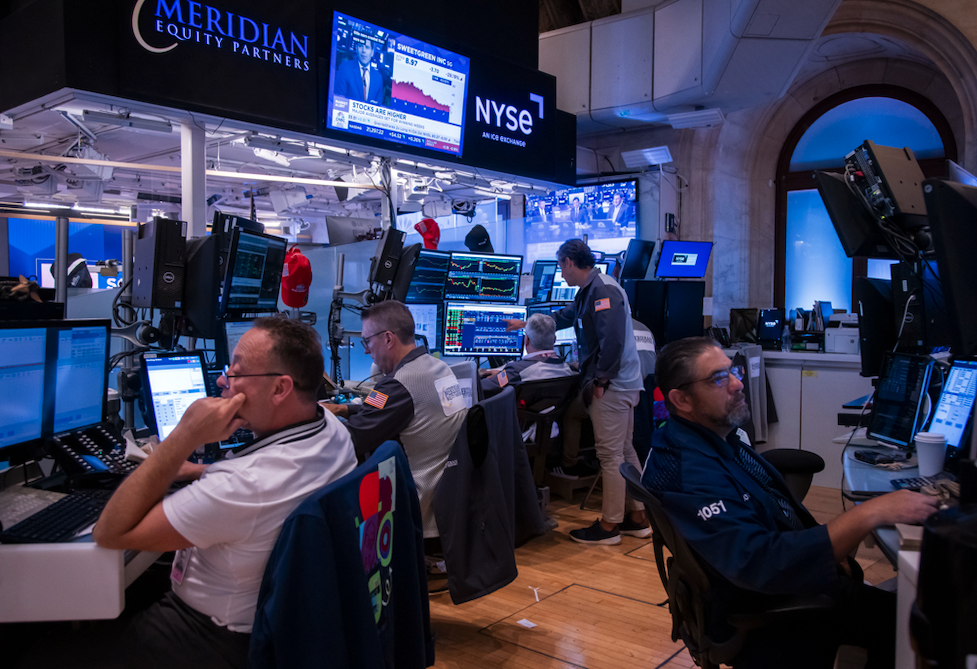
With the U.S. government shut down, the Labor Department was unable to release the monthly employment report on October 3. You could almost sense the economics community experiencing a kind of withdrawal, not sure of how to cope with the deprivation of data.
The latest moves by European companies to list in the US are more radical than meets the eye. AstraZeneca Plc and TotalEnergies SE want to upgrade their existing US equity offering to stock from from quasi stock — a well-trodden path. But as ever, the devil is in the detail.
It's odd to consider, but a recession could flip our bullish outlook on bonds to bearish. It's unusual because typically, inflation drops during a recession, leading to lower yields and higher bond prices. However, we believe that if an economic downturn or recession occurs soon, the immediate effect on bonds will be favorable.
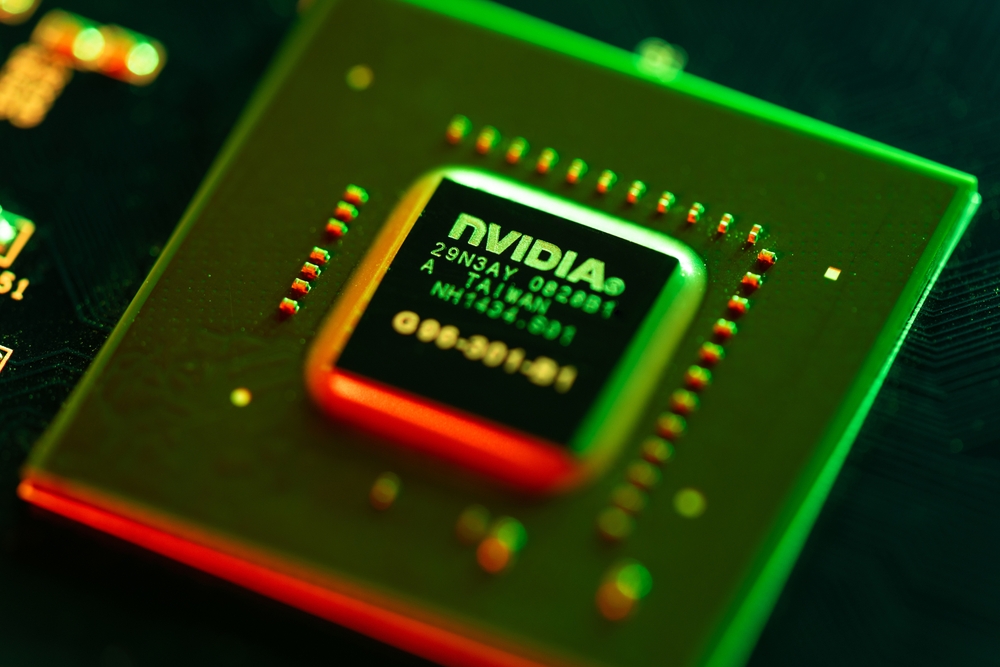
NVIDIA’s $100 billion partnership with OpenAI signals a paradigm shift, as demand for AI compute infrastructure surges beyond even the boldest forecasts.
The European Union (EU) has a problem. For decades, member states enjoyed a tall glass of peace dividend lemonade under the shade of the U.S. security umbrella. Unfortunately, that era has ended.
As younger generations are more often delaying life milestones, like marriage, parenthood and homeownership, advisors may need to adjust their conversations with millennial and Gen Z clients.
In 2006, Andrew Fire and Craig Mello shared the Nobel Prize in Physiology or Medicine for their discovery of RNA interference (RNAi), which they published in 1998. Since then, the potential of a technology capable of silencing disease-causing genes has been a very attractive proposition.
American companies continue to buy back their shares at a record pace in 2025. This has not only padded balance sheets but it’s helped drive the stock market rally that’s persisted since the April 8 trough.
With the global economy proving more resilient than expected, we upgrade equities to overweight.
Some political commentators believe Stephen Miran is a pawn of President Trump, aiming solely to lower interest rates, regardless of whether such action is justified. But, regardless of your political views, set aside your own perspectives for a moment and consider Miran’s views on the economy and monetary policy.
Electricity demand is on the rise globally thanks to electrification, adoption of electric vehicles, wider use of air conditioning, and the rise of AI-related data centers.
OpenAI may not be publicly traded, but the world’s most valuable startup is increasingly making waves in the stock market.
Over the past three years, the economic conversation has been a “promised recession.” If you read the headlines, tracked economist surveys, or even listened to Wall Street strategists, you would have assumed a downturn was imminent. And yet, here we are, late into 2025, and the U.S. economy is still standing.
Debt is a curse that can also be a blessing, depending on how the borrower uses it. Sadly, human nature seemingly ensures we often use debt unproductively—and not just as individuals. Governments have their own special way of using debt to buy benefits (and votes?) today that future generations will pay for.
The government shutdown may spark some short-term volatility, but investors aren’t likely to bear the brunt of a red October.
Social Security is a key component of a comprehensive retirement income plan. As a result, making the right decisions around claiming benefits is critical for long-term success in retirement. Married couples in particular need to think carefully about how to best access benefits based on their individual needs and circumstances.
Earlier this year, GMO’s Asset Allocation Team invested a sizeable 13% of its flagship unconstrained Benchmark-Free Allocation Strategy into the GMO Alternative Allocation Strategy (ALTA). ALTA provides daily liquidity and seeks to deliver equity-like returns with sensible and competitive fees, allowing for realistic return forecasts and prudent risk management.
AI technology has the potential to profoundly improve industries and markets, but not without some risks—like valuation and profitability—that investors should be aware of.
When Amazon.com Inc. recruited longtime Microsoft Corp. product chief Panos Panay in 2023 to run its devices division, his new colleagues thought the e-commerce giant was preparing to take its consumer gadget line upscale.
To see real results, your content must be relevant to the people you want to reach, consistent enough to build familiarity, and valuable enough to earn trust. Done right, it becomes the foundation of your marketing strategy and a long-term driver of growth.
My reasons are simple. The debt pile is unfathomably massive, and it’s accelerating. Fiscal imbalances are widening, and monetary policy is being constrained. The Fed can’t raise rates aggressively without bankrupting the government, but it also can’t make deep cuts without tanking the dollar.
In this video, Chuck Carnevale, co-founder of FAST Graphs, takes a deep dive into what he calls the single most important factor for long-term investing success: the ability to forecast future earnings growth. While past performance matters, it’s really what lies ahead that determines whether a stock will generate wealth or disappointment.
Precious and industrial metals have experienced volatility in recent weeks: gold has surged past $3,700 to reach a new all-time high, silver has climbed to $44 per ounce (its highest level since 2011), and platinum is trading at multiyear highs.
This article is part of a series exploring two complementary investment themes. The ROBO Global Artificial Intelligence Index (THNQ) captures the digital AI ecosystem, including AI-semiconductors, cloud infrastructure, cybersecurity, connectivity, and applications.
Stock bulls looking for the next hot Wall Street trade are increasingly turning to the busiest corner of the US market this year — initial public offerings.
Division by zero is known as a “singularity.” It’s the point where equations break down, values become “indeterminate,” things stop working normally, and variables shoot toward infinity and suddenly collapse on the other side.
Chinese equities have surged amid investor optimism about AI innovation and certain government initiatives, despite a slowdown in China's economy.
During last week’s press conference after the Federal Reserve’s (Fed) rate decision, Chairman Jerome Powell warned his audience there is no risk-free path for interest rates right now.