The prospect of rising interest rates has clouded the outlook for global bond investors in 2022, but it’s not all bad news.
First the economy overheats, then winter comes to Wall Street. January was especially horrible for the cutting-edge investor, and February might be even worse. At the end of last month, big tech stocks were down nearly 8%, according to the New York Stock Exchange’s FANG+ index — and that was before shares of Meta Platforms Inc. (the company formerly known as Facebook) fell off a cliff last week.
Markets this year are putting the risk in risk premium. Any asset that typically pays more than a low-risk bond (or zero return) will expose you to losses from time to time, and that happened a lot last month.
The U.S. has become the world’s top destination for crypto miners after China banned the energy-intensive industry and as Russia considers doing the same. Now hundreds of thousands of mining machines worth billions of dollars are plugging into electrical grids across America, spawning an entirely new industry — complete with new tax revenue for local governments and big profits for many miners as well as concerns about power use and environmental impact.
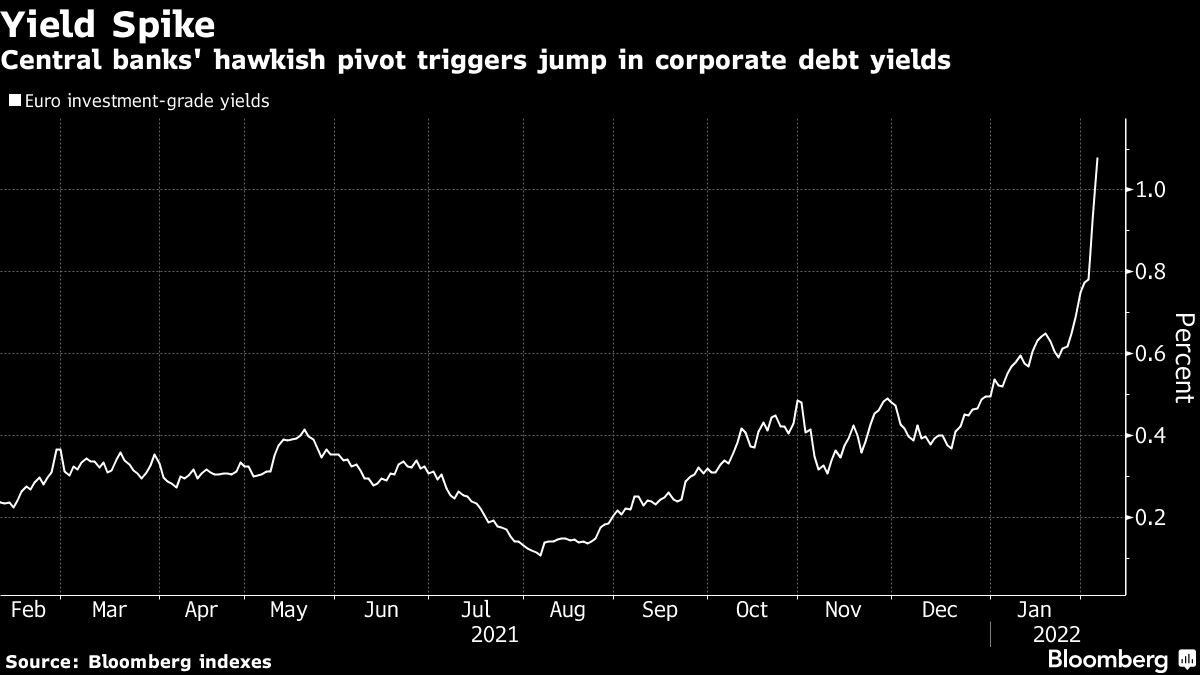
Borrowing costs are soaring across global credit markets as investors prepare for the end of an era of loose monetary policy.
In 2021 the FOMC refused to accept and acknowledge that inflation was getting worse in the second and third quarter and continued with its monthly purchases of $120 billion in Treasury debt and Mortgage Backed Securities.
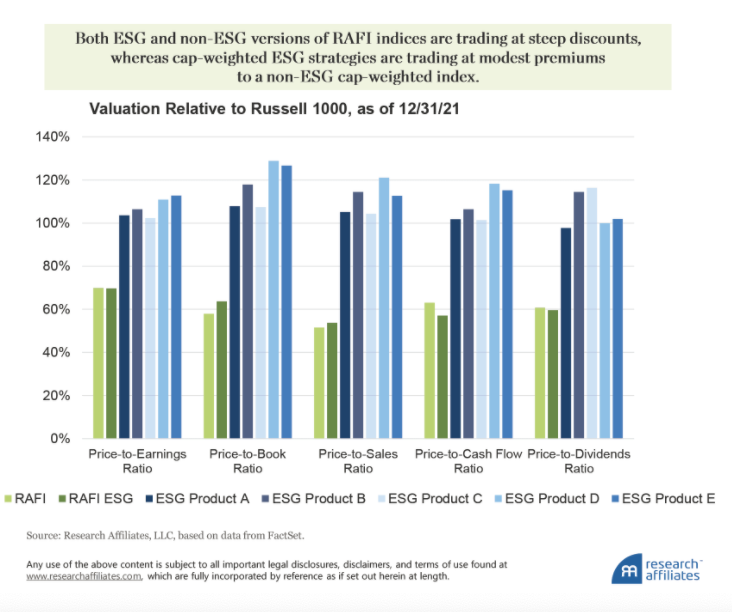
Quantitative finance is built on the premise that exposure to factors such as value/growth, market capitalization, momentum and profitability/quality explain the variation of performance of diversified portfolios. New research shows that carbon dioxide emissions represent a new factor.
Digital assets have grown exponentially in the past decade. After the recent crypto sell-off, Benjamin Dean discusses what may lie ahead in the digital assets ecosystem.
Now is the best time for you and your clients to get your medical and end-of-life paperwork in order. It's worth revisiting these documents annually in case any of your plans or preferences need updating.
This is the 8th in a series of 11 videos where I will cover each of the 11 sectors looking for value.
We have never seen anything like this. Governments and their central banks injected approximately $30 trillion of fiscal and monetary stimulus into the global economy from February 2020 to the end of 2021.
Europe’s stricter environmental, social and governance rules might be forcing companies in more controversial sectors to look across the Atlantic for funding.
UBS made a huge investment in acquiring the robo-advisor Wealthfront. But neither this investment nor any other robo pose a threat to traditional financial advice.
From the pandemic and geopolitical tensions to broader macroeconomic developments, new obstacles to "normality" seem to be cropping up everywhere.
For all the money that companies and governments are raising in the green-bond market to fund environmental projects globally, there’s still a long way to go to adequately fund the fight against climate change, according to the Climate Bonds Initiative.
The intricacies and knock-on effects of the COVID-19 pandemic on the semiconductor and automotive industries continue to present interesting dynamics for investors to navigate.
This month’s Absolute Return Letter deals with a hyper-sensitive topic.
Ben Graham is ascribed as being the father of value investing.
There are a lot of things advisors do (or don’t do) with their marketing that are the same as using a leaky bucket.
Much of the global economy has transitioned quickly from an early-cycle recovery to a mid-cycle expansion that now appears to be rapidly progressing toward late-cycle dynamics.
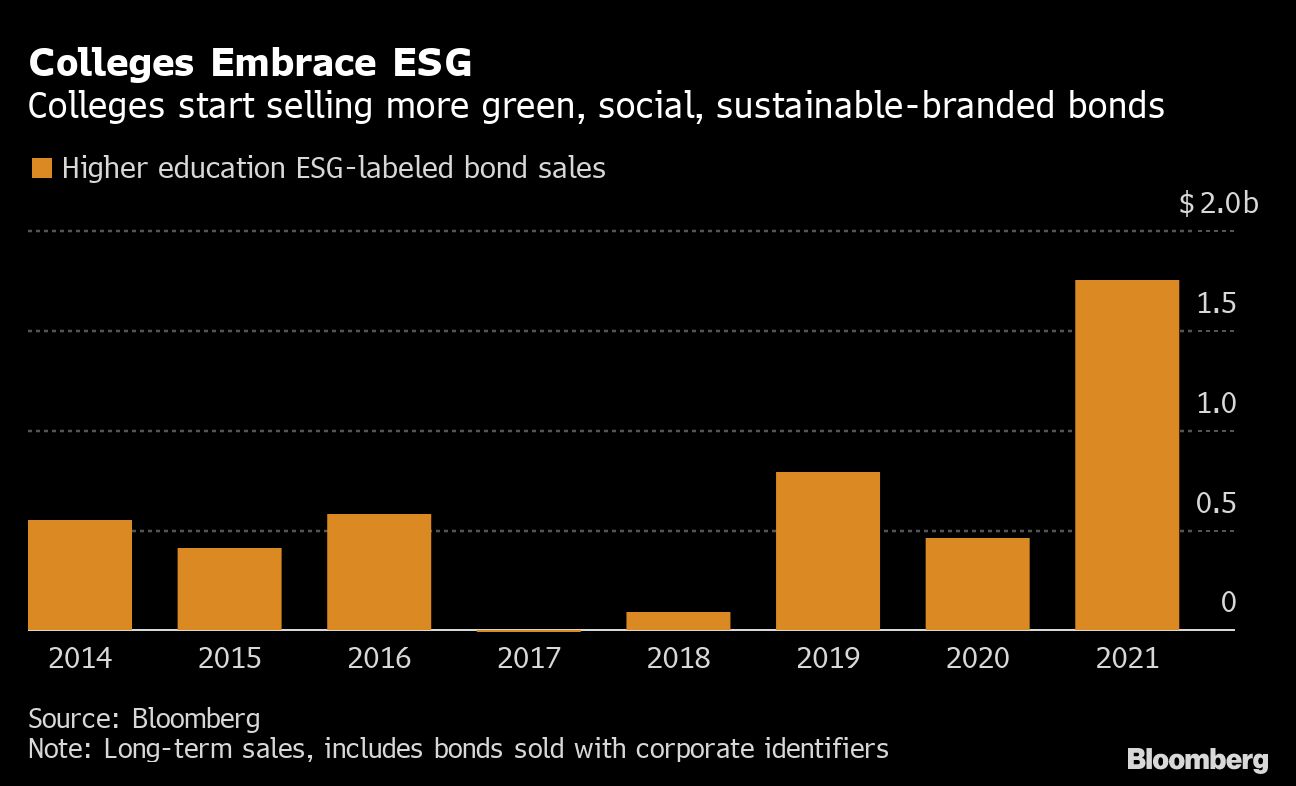
Eager to show their commitment to mitigate climate change, U.S. colleges are touting their efforts in the bond market with a trendy financing tool.
We shouldn’t read too much into pop sociology, especially when investing other people’s money. William Strauss and Neil Howe built a following by studying substantive differences among generations: Baby Boomers, Millennials, Gen X and so forth. But that view is mistaken, according to Bobby Duffy.
Investors have already started positioning for a new Fed tightening cycle as well as sticky inflation. Many are rotating into real assets, including gold and real estate, which have inherent value outside of the traditional financial system.
Global EM Equities Portfolio Manager Ashish Chugh shares his views on key themes in the EM equities space in 2022.
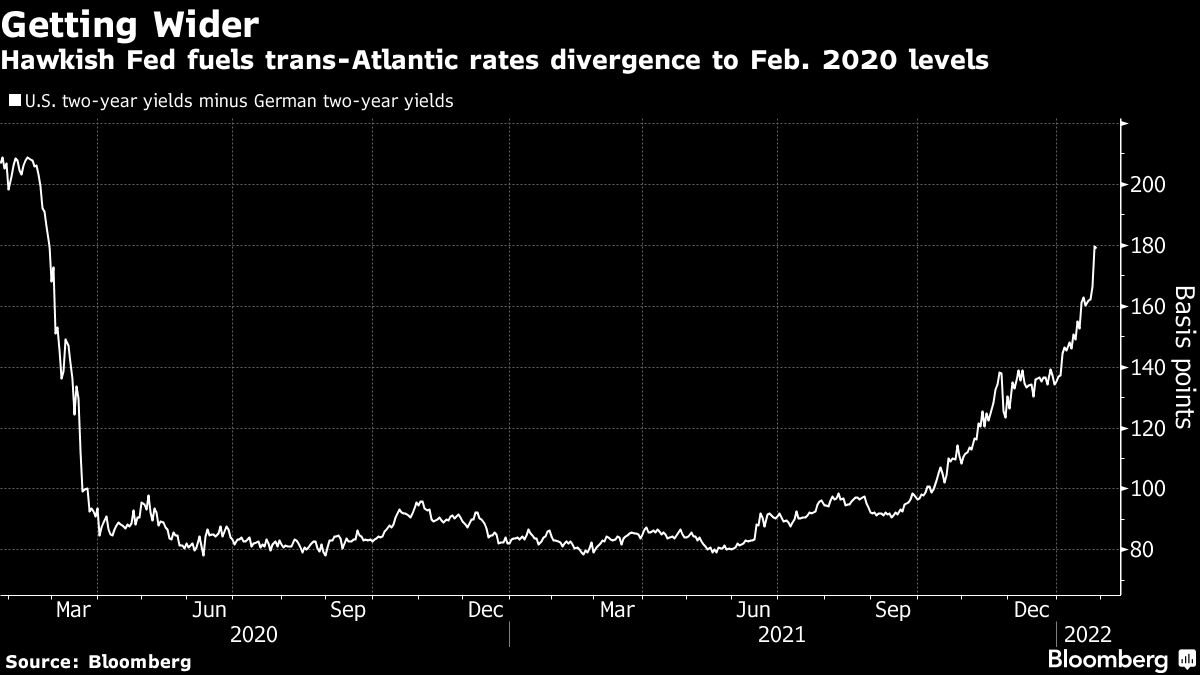
Bonds tumbled across the world on Thursday after Federal Reserve Chairman Jerome Powell’s latest hawkish pivot, with yields from Wellington to London breaching multi-year highs.
The term direct indexing is somewhat of a misnomer.
Companies are buying raw and intermediate goods at a record pace, which we believe will influence economic growth in 2022.
I offer my top 10 roster of realizable and important financial resolutions to start your year off on the right foot!
Recently one expert asked whether the letters I receive are authentic or perhaps I make them up. I’d like to use this column to address this and ask financial professionals to consider things we often don’t talk about in this industry.
A portfolio’s return is driven by its investment strategy—a set of decisions that governs allocation and timing of capital among the portfolio’s positions.
Given the many forces shaping the economy and markets, 2022 will be a stock picker’s—and a bond picker’s—market. Prices are indeed stretched in pockets of the market, but many areas offer attractive potential supported by compelling fundamentals and exposure to growth themes.
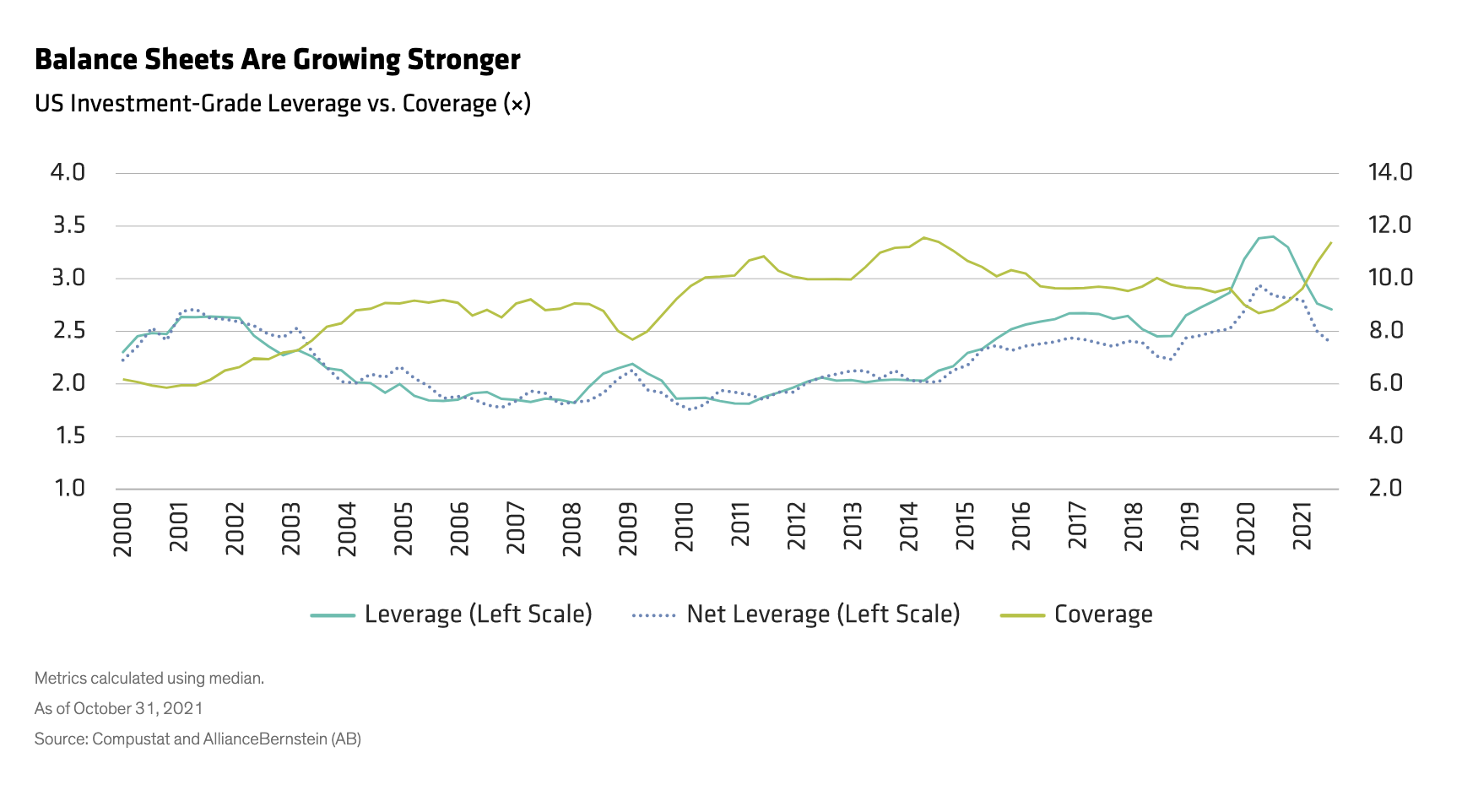
The COVID-19 pandemic looked set to batter the world’s banks—and yet banks’ balance sheets are now the strongest they’ve been since the global financial crisis (GFC).
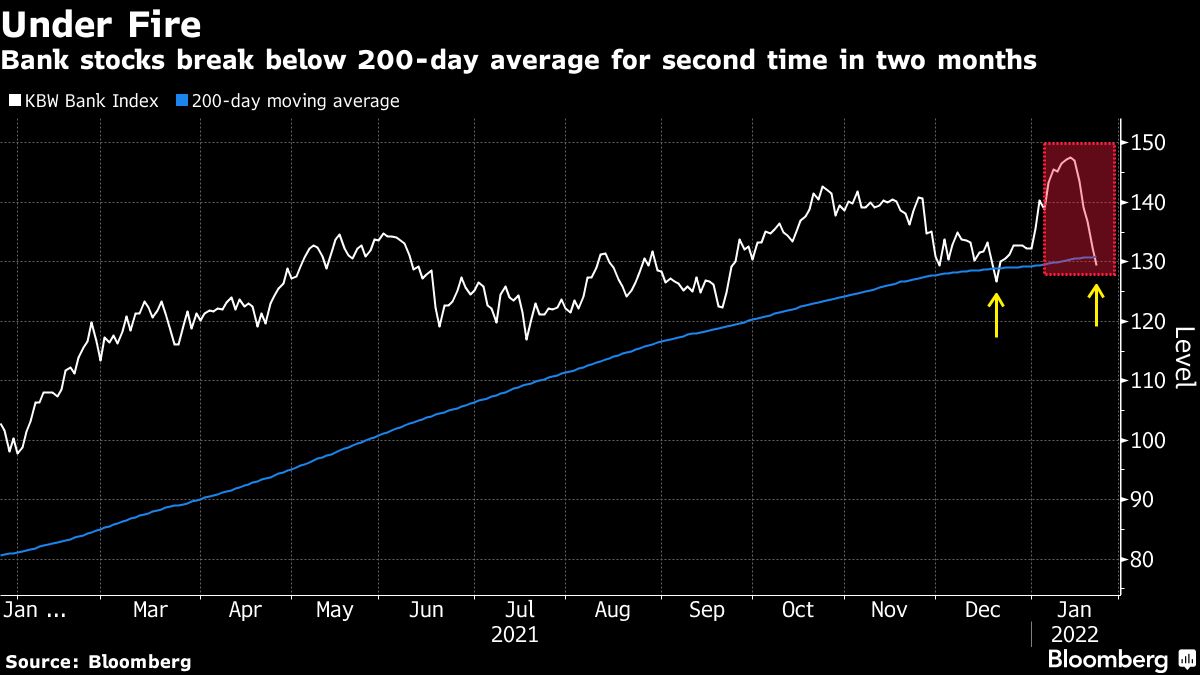
U.S. bank stocks are headed for their worst losing streak in a year, burning investors who bought shares on expectations that the Federal Reserve raising rates for the first time since 2018 would boost the sector.
A “boatload” of news this week suggests that the shipping industry continues to look very attractive from an investing point of view. Global cargo carriers are estimated to have recorded $150 billion in profits in 2021, the first time they’ve collectively reached that figure in a single year.
When reviewing the current state of the global economy and investment markets, we recommend focusing on market signals and weeding out market noise.
All 2-sigma equity bubbles in developed countries have broken back to trend.
Members of Loomis Sayles' Global Credit Sector Team share their views on key themes in 2022.
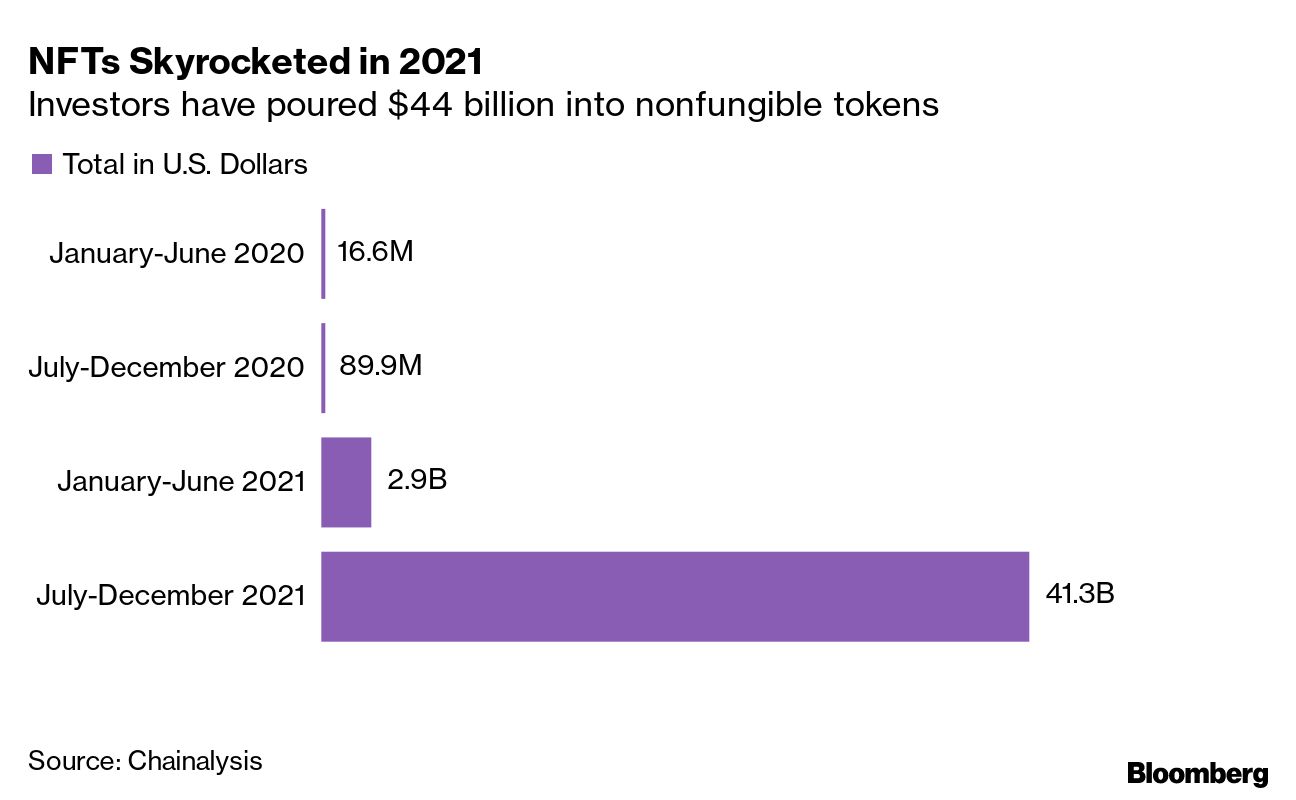
Investors and creators of nonfungible tokens -- a market that has ballooned to $44 billion, Chainalysis data show, and attracted fans from Justin Bieber to Melania Trump -- face billions of dollars in taxes and rates as high as 37%, according to tax experts.
Howard Marks’s latest memo considers one of investing’s most fundamental questions: when to sell. Howard explains that it’s foolish to sell because prices are up and because they’re down – and why, most of the time, staying invested is ultimately “the most important thing.”
The flow of excess cash has returned to normal, but the stock is still quite elevated.
Few inventions have touched so many lives as the container.
Today I’ll continue the annual forecast I began last week. New COVID developments are unfolding rapidly. If we’re lucky, they may carve out a nice bookend for us. But my worry is that rather than bookends it could be economicus interruptus. 2019 was not portending the most robust of economies. What if, in Groundhog Day fashion, we end up back where we were?
The year ended on a highly upbeat tone for investors as equities rose to new heights against a backdrop of inflation and a prolonged pandemic
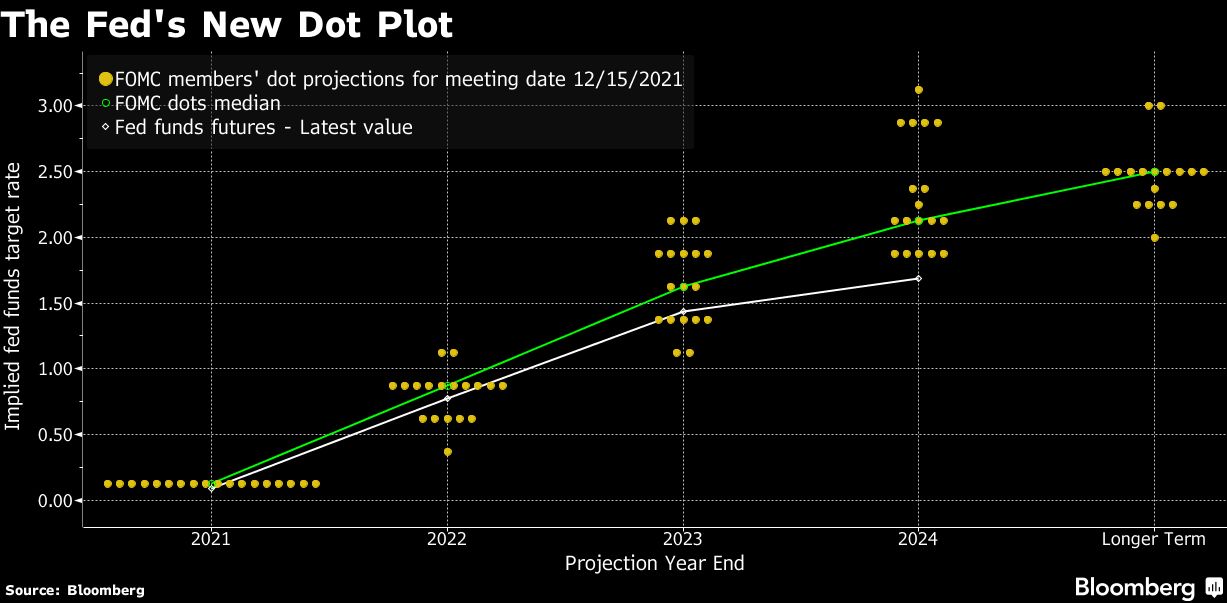
Federal Reserve Bank of Philadelphia President Patrick Harker joined the widespread calls by his policy-making colleagues for higher interest rates this year, saying he favors a March liftoff and three or four hikes for the 2022.
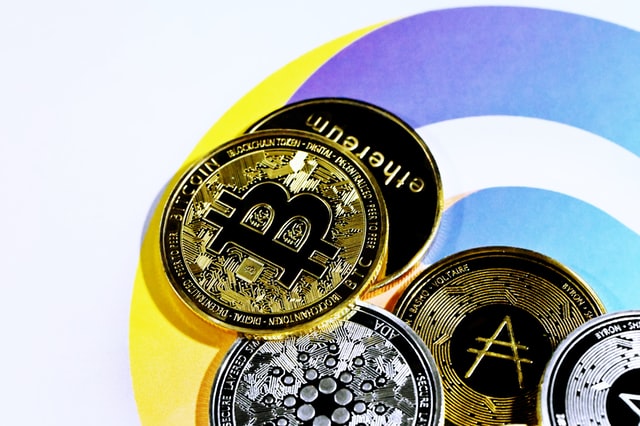
Bitcoin climbed above $44,000 for the first time in a week as the most U.S. inflation in four decades revives the debate about whether the cryptocurrency is a hedge against rising consumer prices.
Assuming the value that clients obtain from an advisor is distributed in a bell-shaped curve, the average client obtains considerable value from the average advisor – and even from a mediocre one.
Uncertainty has become an ongoing theme in markets, economies, and communities everywhere, and in this environment, PIMCO investment professionals gathered – virtually, once again – for our recent Cyclical Forum.
“Jobs day” last Friday was a bit of a dud.
Long before supply chain issues and soaring consumer prices made the headlines, I warned readers that massive monetary expansion made persistent inflation inevitable.
Housing markets are red hot, with prices up more than 18% from November 2020 to November 2021. That’s an acceleration over the previous two years, which saw increases of 4% and 8% each. It’s also a faster rate than the U.S. experienced during the housing boom of the 2000s that preceded the Great Recession.