While we are currently in a particularly grueling climb (including the war in Iran – a situation in which we will provide an update at the end of this piece), we cannot lose our long-term perspective. We want to take this piece as a summit in the middle of our hike; one where we can see a path through the trees and hills and clearly see four potential paths from here.
While Russ acknowledges that the ongoing conflict in the Middle East has contributed near-term volatility, he also notes that these rising tensions are occurring against the backdrop of a solid U.S. economy.
Billionaire money manager Bill Ackman is giving away a stake in his firm to investors who support his latest hedge-fund launch. This looks like a good deal. And so it should: If you’re selling a fund in the form of an initial public offering, you have to dangle the prospect of a quick buck.
Get ready each week with high-conviction insights that go beyond media headlines.
Oil shocks hitting economies with weak demand and strained balance sheets are especially damaging. Firms cannot fully pass on rising costs, so margins shrink, layoffs increase, and investment falls. Tightening monetary and credit conditions would cause inflation to fade faster but job losses, failures, and fragile household finances to be much worse.
Investors are set to pour more money into defense, energy and technology stocks as the Middle East war forces governments to prioritize security and become more self reliant.
The BLS jobs report has become so distorted that it often tells us almost nothing reliable about the actual state of employment. I realize that is a serious claim, but let me back it up with the data. I want to show you what I believe is a simpler, more honest alternative.
Sam Altman, the chief executive officer of OpenAI, said at a finance conference in October 2023 that he and his “CEO friends” were running a betting pool on when the first one-person billion-dollar company would be created thanks to artificial intelligence.
US stocks rallied Friday after Iran said it would open the Strait of Hormuz following the truce between Israel and Lebanon, promising to ease an oil shock that has shadowed the global economic outlook ever since President Donald Trump started the war seven weeks ago.
“Diversification” has been the driving principle of investing and risk management for generations. But what does it mean to be “diversified?”
The US dollar's obituary has been written many times—with increasing frequency over the past year. Each time we get a fresh round of analyses declaring that de-dollarization is accelerating, the world is reorganizing its financial architecture around alternatives and the greenback's reign is drawing to a close.
The war in the Middle East has brought about an elevated uncertainty quotient when examining the U.S. macro backdrop. The resultant rise in energy prices is being looked at as both a potential ‘tax on the economy’ as well as a catalyst for a near-term elevation in inflation.
Saving for education can feel like a race against rising tuition costs, but 529 college savings plans offer families a powerful way to stay ahead.
The general field called “credit” has seen massive innovation over the course of my career. An Oaktree colleague asked me about the developments that brought the credit sector to where it is today. I came up with the following list.
AI’s rapid growth is driving demand not only for electricity but also for the clean water needed to run its physical infrastructure. As data centers expand, rising water intensity is straining supplies and testing long-term sustainability. In our analysis, these pressures create both risks and opportunities for active investors.
In essence, the IPO is an acknowledgement that the ChatGPT-maker, which just raised $122 billion from investors at a valuation of $852 billion, needs what seems to be an endless amount of money to fund its race for artificial general intelligence.
Given the combined weight of these markets within EM portfolios, Templeton Global Investments believe incremental improvements in capital discipline could have a meaningful impact on aggregate index-level earnings quality.
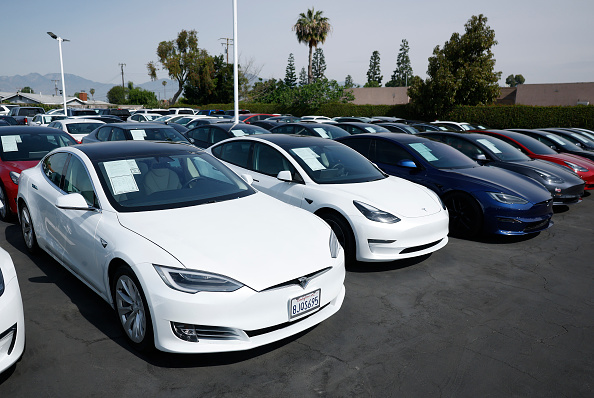
Tesla Inc. and its Chief Executive Officer Elon Musk are a font of big numbers, real or imagined: A million robotaxis deployed, 20 million electric vehicles sold per year, “tens of billions” of Optimus robots stalking the Earth.
US stocks rallied after President Donald Trump’s announcement of a two-week ceasefire in the Iran war spurred relief across markets.
Fresh data on the US labor market and new research from the Federal Reserve suggest that the conventional wisdom around employment growth being sluggish is wrong.
Since the U.S. and Israel launched strikes on Iran on February 28, jet fuel prices in the U.S. have more than doubled. According to data from the Energy Information Administration (EIA), the year-to-date percent change in U.S. jet fuel prices stood above 120% as of the end of March.
With the conclusion of a volatile first quarter in 2026, the Amplify Energy & Natural Resources Covered Call ETF (NDIV) demonstrated the resilience of its underlying index (VettaFi Energy and Natural Resources Covered Call Index).
It was a rough first quarter for the Broadleaf Growth Equity Portfolio and the markets in general as investors tried to identify market leadership buffeted by AI spending concerns, talk of escalating private credit market risks, and ultimately, the emergence of War in Iran.
The debate over ETFs versus mutual funds has never been particularly useful for advisors who actually build portfolios. In practice, the question was never which vehicle is better — it was always which vehicle is better for this objective, in this sleeve, for this client. In 2026, that discipline matters more than ever.
After more than three decades of watching oil markets upend economies, one pattern keeps repeating: investors learn the wrong lessons from the last shock. The 1973 OPEC embargo taught us that geopolitical disruptions are temporary.
Volatility is a trader's bread and butter: Without it, profits are harder to come by. However, when volatility remains elevated for an extended period, it could be the sign of a more deeply rooted market shift.
For much of the past decade, U.S. investors didn’t need much convincing to stay close to home. But according to experts at a recent AllianceBernstein (AB) Product Due Diligence Session, the tide shifted dramatically in 2025, signaling a “new dawn” for non-US stocks.
It has now been over three years since GMO launched our Small Cap Quality Strategy in September 2022. During that period, the world has shifted, and we have navigated unexpected market conditions.
Rising demand for critical microelectronics, bolstered by AI capex and defense spending, is driving semiconductor prices higher and posing upside risks to global goods inflation.
Oil prices are the key transmission channel, and how far they rise and how long they remain elevated could shape the outlook for growth, inflation and policy, with implications for bond markets.
Systematic equity investing is a way to invest in the stock market using clear rules and data, rather than guesswork or hunches. Instead of trying to pick stocks based on trends or headlines, this approach uses research, data, and technology to systematically identify opportunities across global markets.
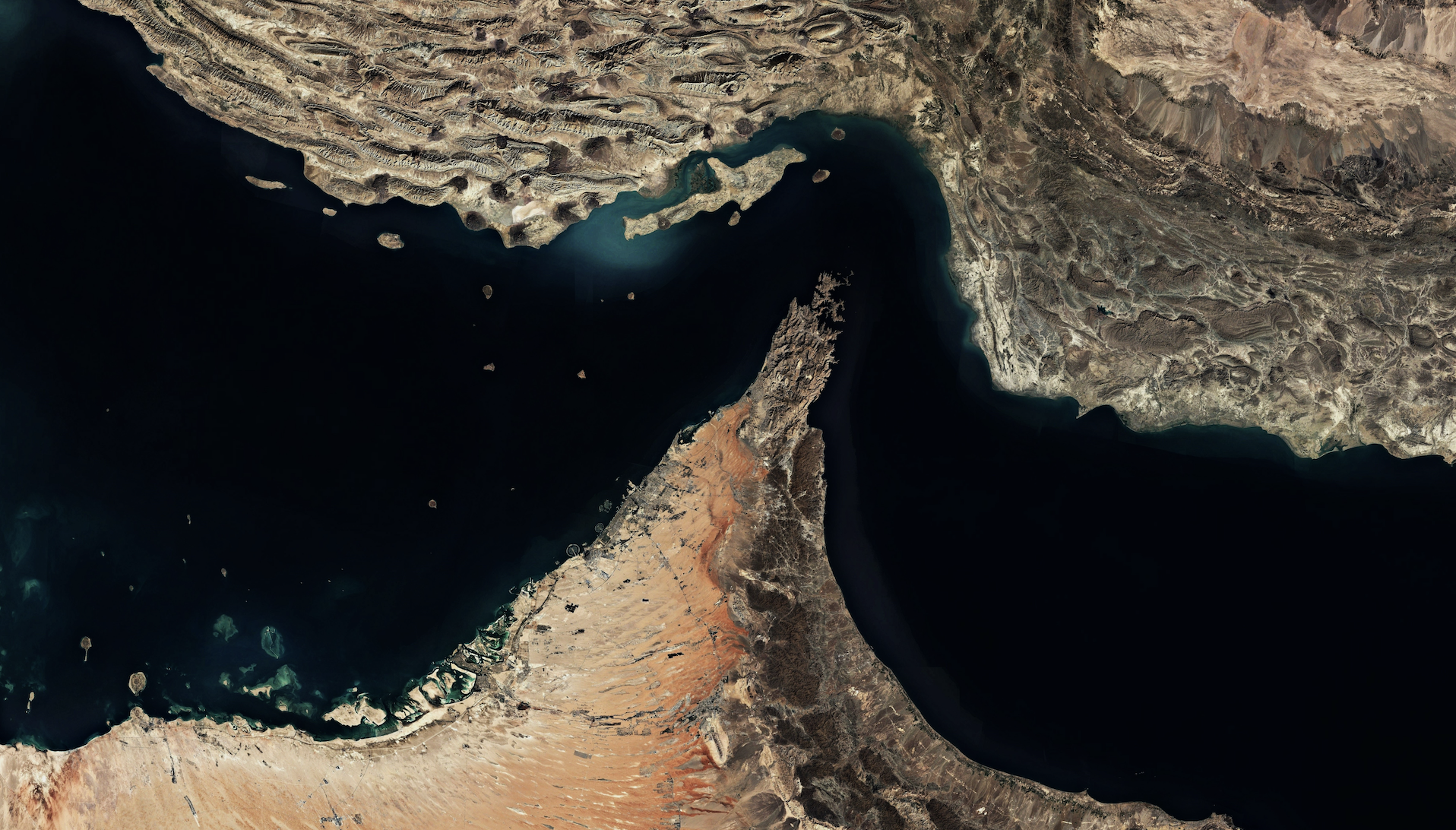
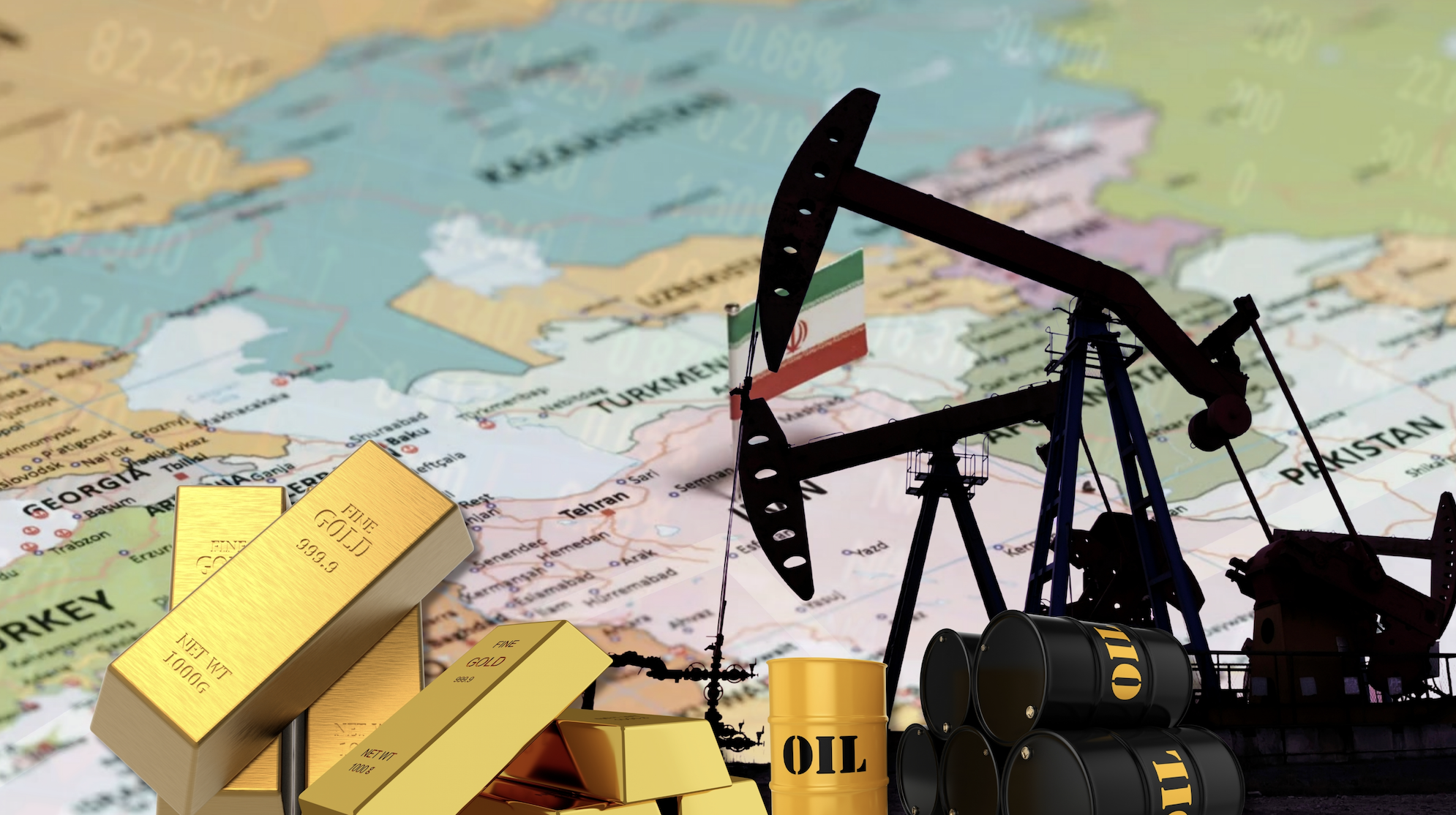
All eyes were turned toward the Middle East throughout the month of March, with the US and Israel’s ongoing conflict with Iran causing energy prices to surge. The closure of the Strait of Hormuz, alongside damage to energy infrastructure across the gulf region, caused crude to rise above $100 a barrel for the first time since 2022.
Stocks started the week on an upbeat note as the administration delayed a deadline to strike Iranian energy plants by five days, also announcing that the U.S. and Iran were in negotiations to end the conflict.
On paper, Super Micro Computer Inc. is the type of company that Wall Street can’t get enough of, with soaring sales, an enviable list of partners like Nvidia Corp. and its placement at the center of the artificial intelligence boom.
For investors who understand this distinction, the current pullback may represent an opportunity rather than a warning. Short-term sentiment may dominate headlines, but long-term fundamentals continue to point in a very different direction.
The SEC is reportedly finalizing a proposal to allow U.S. companies to transition from quarterly to semi-annual reporting (SAR), potentially ending a 90-year-old mandate.
ETF fees are falling, along with mutual fund fees, according to a new report looking back over multiple decades.
Bearish sentiment has taken over the markets. As one analyst put it, “Wall Street has thrown in the towel on gold.”
The multi-asset playing field presents income investors with broad opportunities across asset classes. But investors that rely only on traditional stock dividends and bond interest may be missing out on other attractive income sources.
Software stocks are down big YTD, but AI-targeted companies have signaled confidence through increased buyback announcements. Record YTD buyback authorizations suggest potential equity market support—but execution remains the wildcard.
Every few months, a headline appears declaring that the U.S. dollar’s reign as the world’s reserve currency is over. China is dumping Treasuries. Central banks are hoarding gold.
A signed will does not guarantee a smooth transfer of wealth. Families can do everything “right” on paper and still hit a wall the moment someone dies because the assets they need to gather and transfer are behind logins, devices, and two-factor authentication.
Since hostilities began in the Middle East three weeks ago, I’ve urged investors to stay calm and resist the temptation to panic-sell. While I still stand by that advice, it’s important to point out that this conflict isn’t resolving as quickly as initially expected.
The key swing factor remains oil prices. If the conflict ends within this window, we still expect only limited impacts on our economic and asset‑class outlooks.
In February, market sentiment was shaped by escalating US-Iran geopolitical tensions and sector-specific selloffs driven by concerns about AI’s potential disruption to existing business models.
Last week, on March 19th, the S&P 500 closed below its 200-DMA for the first time since May 2025. The first instinct is to panic as media headlines talk about bear markets and financial crisis events. However, as we will explore today, the data says it depends entirely on the type of break: sustained or brief.
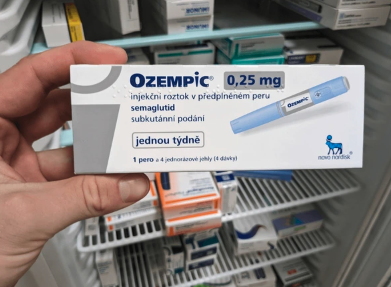
The simultaneous patent expiry of Ozempic’s active ingredient in China and India on Friday is a watershed moment. Until now, the revolutionary weight-loss drugs have been available largely to people with means.
As has been the case from day one when the first airstrikes began, the key factor in assessing economic and market impact is the duration of the effective Strait of Hormuz closure and resulting effects on prices of energy and other commodities. Prediction markets are split on whether the conflict ends by the end of May.
When geopolitical tensions flare up, the natural assumption is that gold should immediately surge. War breaks out, markets panic… and the metal rallies as investors rush to safety.
Skyrocketing oil prices were accompanied by mixed inflation readings last week. The headline Consumer Price Index (CPI) inflation rate held steady in February at 2.4 percent annually, while core CPI, which excludes more volatile food and energy costs, rose a modest 0.22 percent for the month.