Artificial intelligence has brought about a paradigm shift in the diagnostics industry, enhancing the accuracy, speed, and efficiency of disease detection. AI can now process and analyze vast, complex datasets, from medical images and lab reports to genetic data, far beyond human capacity.
Closing the books on fiscal year 2025, the U.S. ran a deficit of $1.77 trillion, a slight improvement from $1.83 trillion in 2024. But a peacetime deficit exceeding 6% of gross domestic product (GDP) is still cause for worry.
n the report, Global Head of Credit Research Mike Talaga, Portfolio Manager Nicholas Ware, and Credit Analyst James Donahue discuss how new issuance by tech companies to fund capital spending on artificial intelligence (AI) projects may be reshaping the technical picture for credit.
For the third quarter of 2025, most energy infrastructure companies maintained their payouts, with MLPs largely providing sequential growth. Still, the vast majority of midstream companies have increased their dividends within the last year.
As someone who’s been involved in capital markets his entire adult life, I can safely say that gold investors haven’t seen a period like this in decades. The third quarter of 2025 was nothing short of historic, and in many ways, I believe we’re witnessing the beginning of a new era for the yellow metal.
My first experience with a major economic/stock market bubble was the dot-com bubble of 1998-2000. Many investors forget that the Nasdaq and S&P 500 Index bubble that ended March 10, 2000, was the first bubble in a series of three bubbles.
China’s collapsing investment is as unprecedented as it is hard to explain. A plunge estimated at more than 11% in October from a year earlier was the worst single-month performance since the initial Covid lockdowns at the start of 2020, official data showed on Friday.
The nuclear energy sector is experiencing a powerful revival, driven by macroeconomic shifts and technological innovation. For financial advisors and investors, understanding these trends is key to identifying investment opportunities as the nuclear energy landscape evolves.
It’s been one year since President Trump secured his second term, and we’re taking stock of how the economy and financial markets have performed during that time, highlighting both the wins and the challenges.
Company executives are sounding remarkably upbeat about the economy this earnings season, even as trade tensions linger and stock valuations look stretched.
VettaFi recaps key takeaways from energy infrastructure MLPs and corporations third-quarter 2025 earnings calls.
In his new book, “Peak Human,” Johan Norberg, encourages us to learn about past golden ages and what made them golden. By understanding these culturally and economically special times in human history, and their rise and decline, we can shape our own future in better ways.
One of the most prominent characteristics of the financial markets that I’ve detected over the years is their tendency to obsess over a single topic at a given point in time. Today it’s the recent string of episodes in sub-investment grade credit.
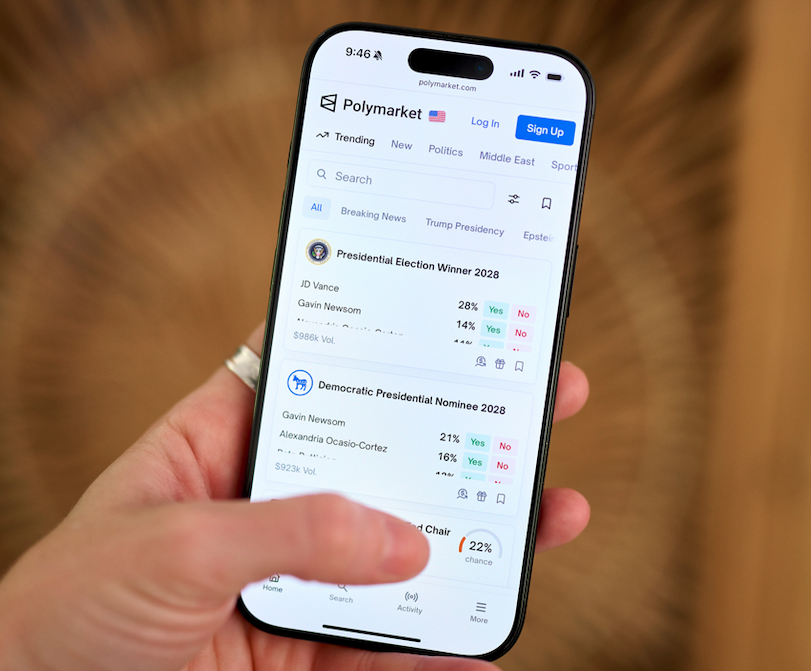
The volume of activity on Polymarket, one of the most popular prediction markets, has been significantly inflated by so-called wash trading in which users rapidly buy and sell the same contracts, according to a new study by Columbia University researchers.
It's been a minute since we’ve touched on traditional stock splits. Our last look at this type of share-price engineering came in Q2, when reverse ETF splits were happening all around us. For individual investors, when a company’s management team chooses to split its stock, it can have more impactful implications for longer-run returns.
High concentration makes it hard for diversified active portfolios to outperform. While the mega-caps include great businesses, active strategies may avoid or underweight popular stocks over concerns about valuations, business models and interrelated risks, or because of regulations on weighting individual holdings.
Innovation and influence are very distinct phenomena. Bob Dylan, for instance, didn’t invent folk music: He borrowed extensively from Woody Guthrie, Pete Seeger and others in the folk revival movement of the fifties and sixties, yet he became far more influential than any of them.
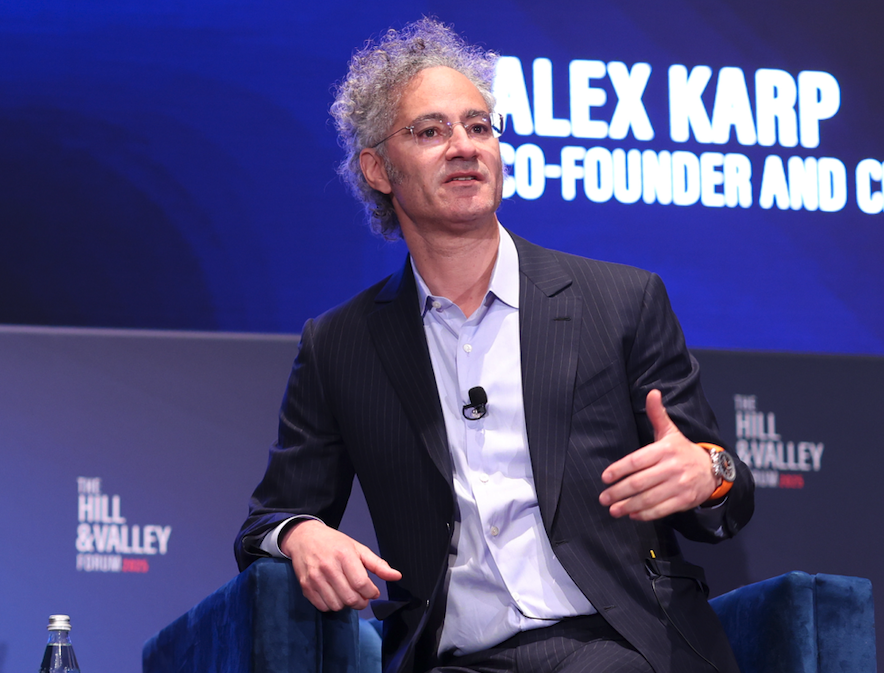
There can be only one Highlander, but Palantir’s Alex Karp shows there can be multiple highly paid, outspoken chief executive officers of richly valued tech companies with cult followings and unsettling stores of political power. That still doesn’t guarantee it’s a durable model for success.
Every innovation follows a lifecycle, from breakthrough to ubiquity to obsolescence. The Edison bulb once lit up the world, transforming how we lived and worked. But it was ultimately replaced by more efficient and sustainable alternatives.
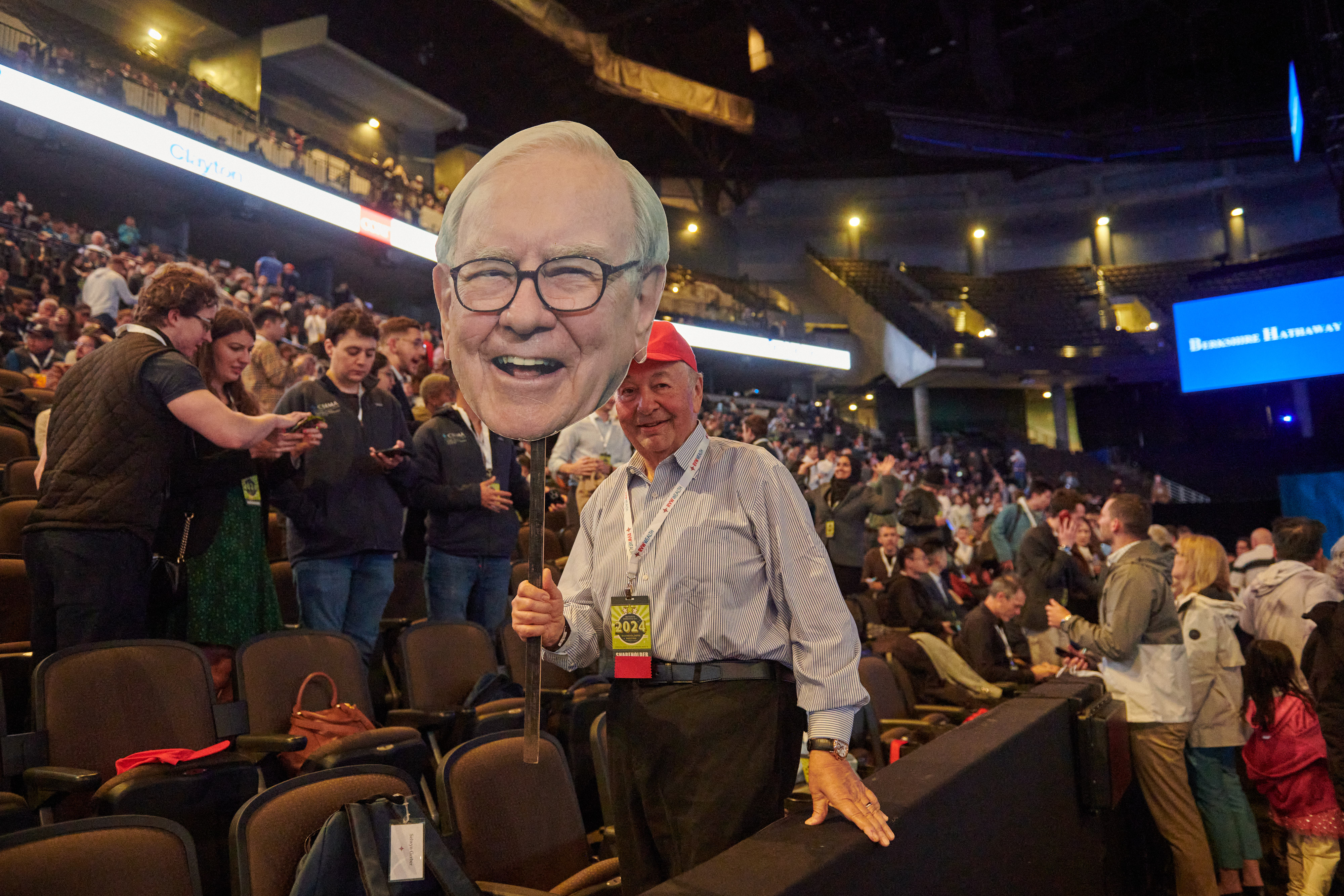
One of the things we have in common with Warren Buffett is that we started our risk-taking career handicapping at racetracks. Buffett handicapped the horse races in Omaha, and I handicapped greyhound races near Portland at Multnomah Kennel Club in Gresham, Oregon.
Long-dated bonds are looking more attractive as governments and central banks take steps to curb the glut in that segment of the market, according to JPMorgan Asset Management.
Over the last 56 years, I’ve spent a lot of time making suggestions to clients regarding their investment processes and portfolios, and I’ve been on the client side as a member of various investment committees. But seldom have I been able to bridge the two, serving as an active participant in clients’ investment processes.
Strong credit ratings remain a key feature for midstream companies, providing significant cost savings on debt. The subsector is largely dominated by investment-grade players, which also offer attractive dividend yields. Learn more below about the importance of an investment-grade rating and why midstream indexes are skewed towards these creditworthy names.
Aniket Ullal, Head of ETF Research & Analytics at CFRA, highlights the ETF trades that have and haven’t worked in 2025. Cinthia Murphy, Investment Strategist at VettaFi, explores recent ETF launches, including the Roundhill Meme Stock ETF (MEME), Defiance Trillion Dollar Club Index ETF (TRIL), and ARK DIET Q4 Buffer ETF (ARKT).
Artificial intelligence (AI) continues to be a prime catalyst for large-cap ETFs tilted toward growth. Companies integral to meeting the hardware demands of AI infrastructure buildout may be Broadcom, Palantir, and Nvidia. All three are core holdings currently in the VictoryShares Free Cash Flow Growth ETF (GFLW).
This reviewer found Breakneck one of the most provocative and insightful national-level policy discussions he has come across: Despite its shortcomings, the general reader wishing to understand just why China seems to be overtaking the US, and what can be done about it, cannot do better.
It’s no exaggeration to say Amazon.com Inc. invented the cloud business. Amazon Web Services took the corporate data center apart and split it into pieces, building pay-as-you go services delivered with remarkable speed and consistency.
Aggressive policy changes from Washington have introduced potential long-term economic risks, but markets continue to rally because the near-term conditions remain favorable.
Even thoughtfully managed strategies may underperform or suffer sharp losses. This can encourage poorly timed emotional decisions that exacerbate the decline. A systematic risk-management framework that employs stop losses can help minimize such behavioral biases.
The U.S. has become the world’s top producer of natural gas liquids (NGLs) thanks to abundant supplies. Rising worldwide demand for plastics and clean fuels has sent U.S. NGL exports soaring, establishing a compelling long-term growth story for midstream players.
David Arana always had a thing for numbers. That passion took him to MIT to study mathematics and later to New York, where he traded credit derivatives for Deutsche Bank AG.
Since the shutdown began, air traffic controllers and TSA agents have been working without pay. Many are calling in sick, leading to longer lines and more flight disruptions.
So while there is a lot of focus on drug prices, measures taken to date are unlikely to make a meaningful impact on costs paid by the U.S. and its citizens. More fundamental reform would likely take an act of Congress, which would be hotly contested by lobbyists. There is no end in sight for debate on this front.
While many investors entered 2025 heavily exposed to tech already, that hasn’t stopped markets from identifying other opportunities created by the need for AI computing power, like data centers.
Buybacks raise important questions. Foremost amongst them are whether, and how much, buybacks push up stock prices, and whether they create other distortions relevant to investors and public finances. This article explores these questions by drawing on economic theory and broadly held views of real-world investor behavior.
Americans place a premium on elite and exclusive institutions. Many of us want to get into top-tier universities, pledge storied fraternities and, upon graduation, attain membership at Soho House.
The world’s metal traders are enjoying their most profitable ever year, after a series of supply upheavals propelled prices toward record highs and drove huge shifts in metal moving across the globe.
Rare earth elements have become the latest flashpoint in the collision between geopolitics and markets.
As funded status rises, the idea of plan hibernation may become more attractive, enabling strategic use of pension surplus.
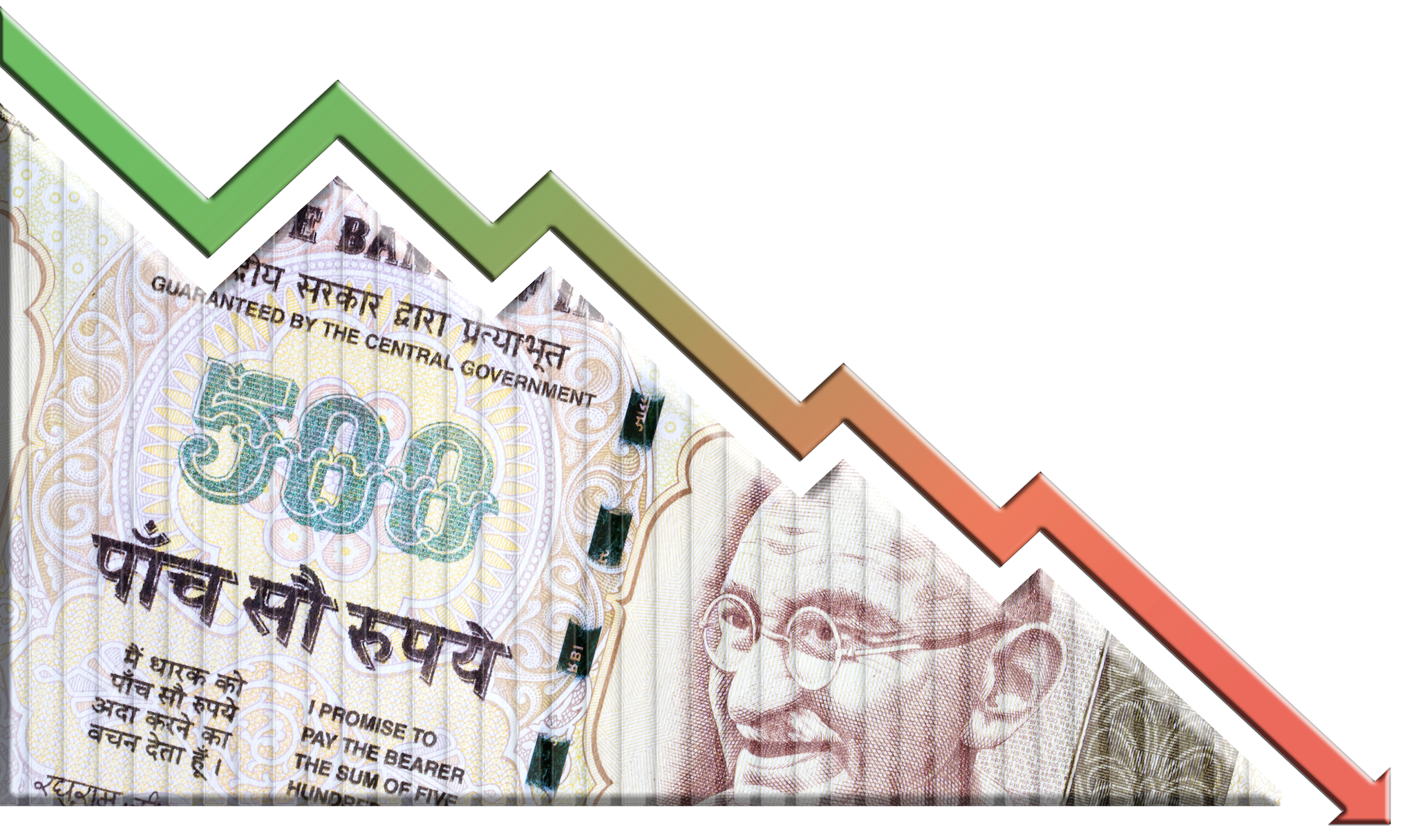
In just two years, India has gone from being the best-loved emerging market to the most sold, and now investors are bracing themselves for yet another quarter of disappointing corporate earnings.
Last week’s headlines around China tariffs and corresponding weakness in oil prices brought back memories of April and May when oil and energy stocks sold off sharply on the heels of tariff news. The weakness in energy infrastructure has been particularly acute.
US manufacturing may now be at its most vulnerable after decades of ceding crucial mining and production activities to China in the pursuit of low costs and higher company profits, and robust government support will be needed to narrow the time for securing the manufacturing supply chain.
China’s sweeping new restrictions on rare earth exports mark its first major effort to police the global flow of critical minerals it dominates, using the same playbook that allows the US to wield power far beyond its shores.
If you do not communicate with your prospect in their unique thinking mode, they will not become your client. If you can keep rapport high by matching their buying mode, you will double your business.
On a recent episode of the Money Metals podcast, host Mike Maharrey interviewed Brien Lundin. Brien Lundin is the CEO of Jefferson Financial, publisher of Gold Newsletter, and organizer of the New Orleans Investment Conference.
On this week’s edition of Market Week in Review, Global Chief Investment Strategist Paul Eitelman assessed the health of the U.S. economy amid the ongoing government shutdown.
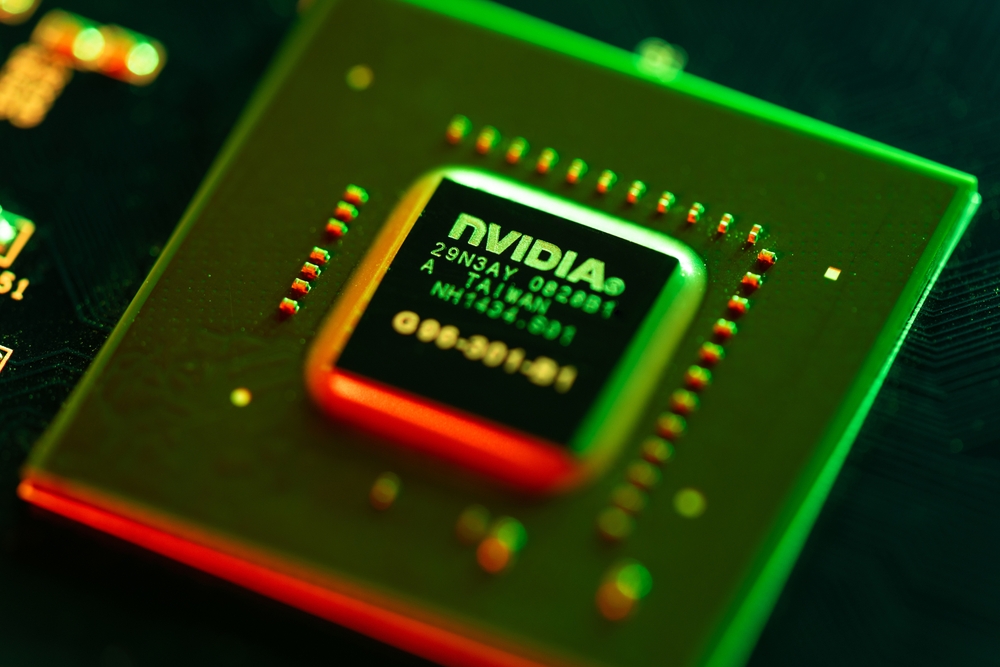
NVIDIA’s $100 billion partnership with OpenAI signals a paradigm shift, as demand for AI compute infrastructure surges beyond even the boldest forecasts.
The fourth quarter is typically – seasonally – positive for U.S. equities. An ongoing government shutdown is not a strong backdrop for markets, but major indices remain close to record highs, waiting for new data for direction. It looks like a good time to be cautiously optimistic, or to get a little defensive, maybe add a little gold, and steer clear of highly valued stocks.
All’s fair in love and politics — and international bank capital rules. US financial watchdogs are making mischief with European standards that give lenders relief by treating the euro zone as a single domestic market.
In 2006, Andrew Fire and Craig Mello shared the Nobel Prize in Physiology or Medicine for their discovery of RNA interference (RNAi), which they published in 1998. Since then, the potential of a technology capable of silencing disease-causing genes has been a very attractive proposition.