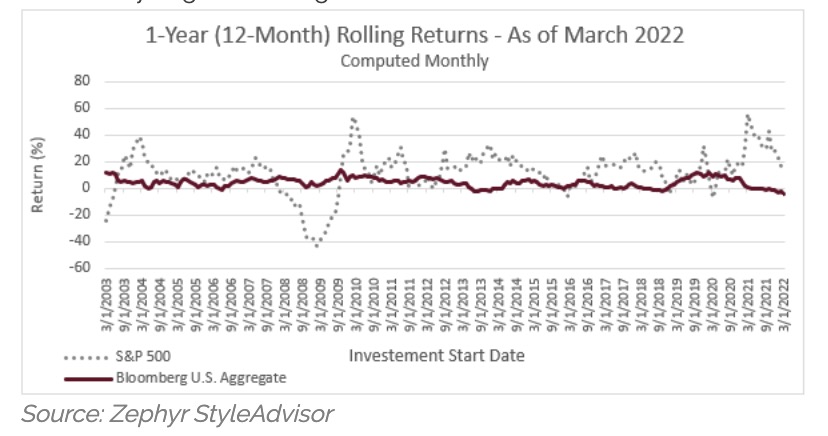
The benchmark S&P 500 Index’s recent rebound has brought it more than halfway back from its 2022 low point in mid-June, which is an encouraging sign for many investors.
In the current unstable economic environment, producing safe, reliable income over the course of an unknown retirement is a daunting goal for any financial professional. As a result, many Americans sub-optimize their retirement experience.
In the last two decades as an investment advisor, I’ve often been wrong – about markets, products and their providers, investors, the government, and the advisory business. Here are my top 10 items I’ve got wrong.
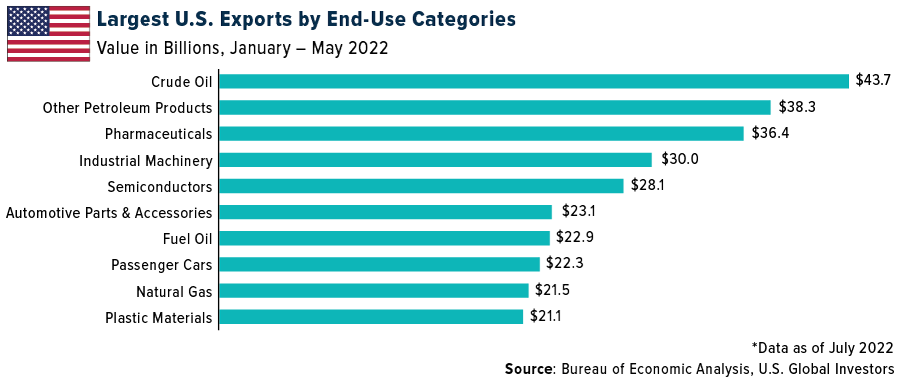
The bipartisan Creating Helpful Incentives to Produce Semiconductors for America Act, or CHIPS Act, was signed into law this week, setting aside $52 billion to boost domestic semiconductor research and production.
PIMCO’s Global Advisory Board discusses the longer-term outlook for geopolitics, inflation, and other macro themes.
In a world of instant updates and daily stock market news, investors often fixate on chasing short-term returns or “beating the market.”
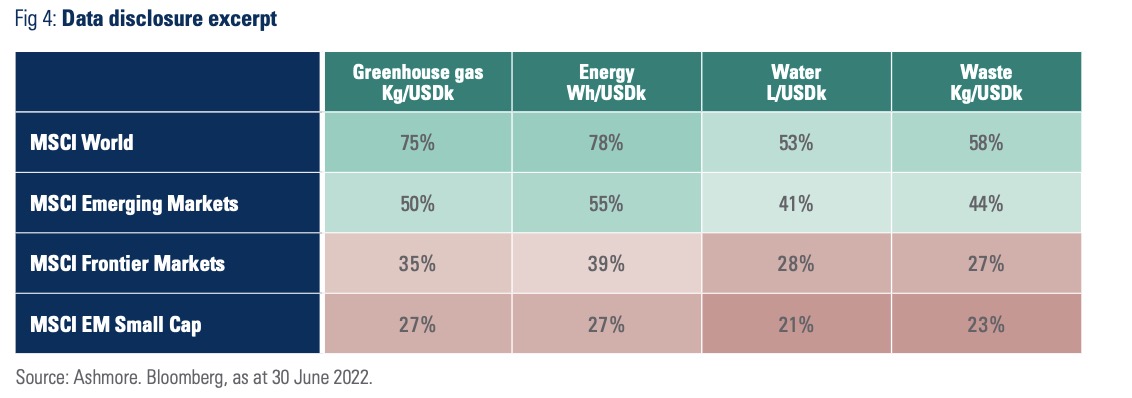
Successful investing in Emerging Markets is inextricably linked to a deep understanding of Environmental, Social and Governance (ESG) factors.
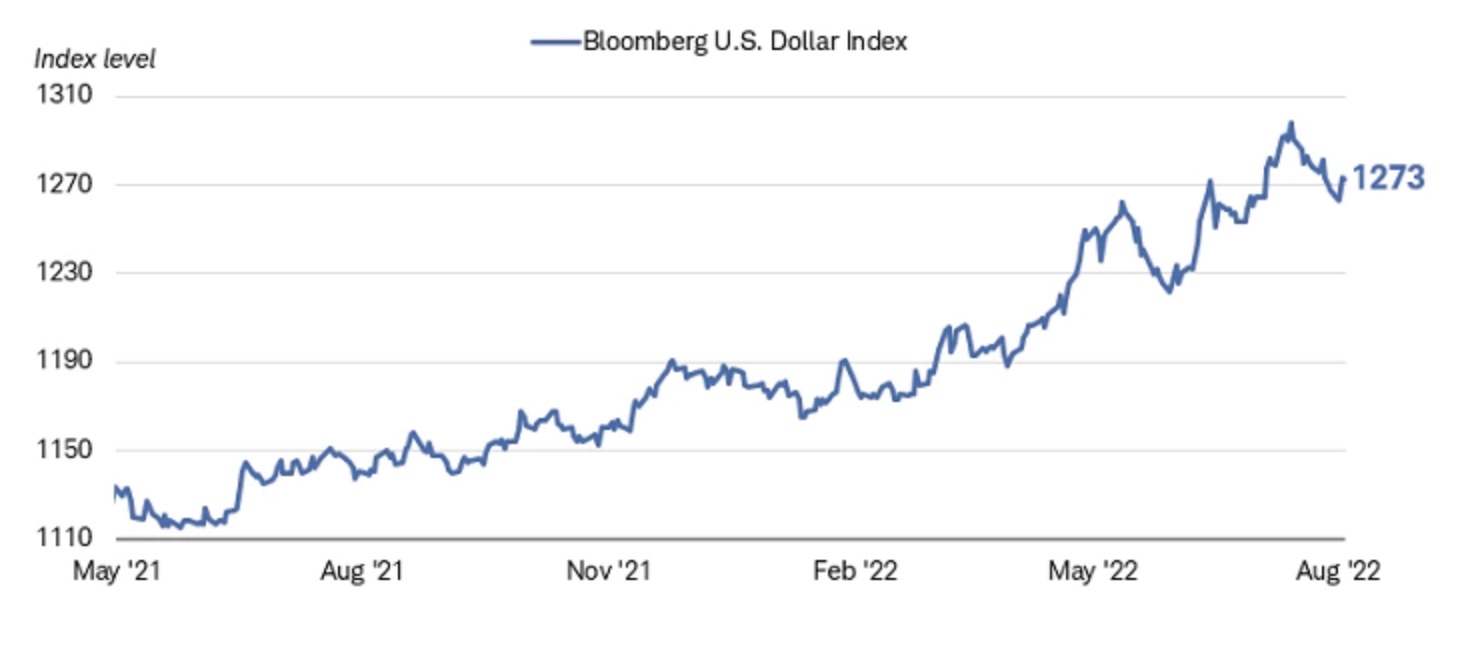
A trifecta of factors support the dollar, including the relatively strong performance of the U.S. economy, tightening monetary policy by the Federal Reserve, and safe-haven buying.
Apple Inc., which used to acquire a company every three or four weeks, has dramatically slowed its dealmaking in the past two years, a sign the tech giant is being more choosy in the face of a shaky economy and heightened government scrutiny.
New research shows the corporate performance has improved as their environmental practices have become better, while energy consumption and carbon emissions have decreased.
According to MPT, following certain steps leads to the optimal portfolio for the individual’s risk and return preferences. But, like executing a perfect squat, knowing how to build the optimal portfolio is not enough.
A tax on stock buybacks is on the cusp of becoming law, potentially hampering a beloved tactic by companies and investors to boost share prices.
It’s a recession! No, not yet!
Russ Koesterich, Managing Director and Portfolio Manager, of the Global Allocation team explains why investors should expand their definition of quality in today’s market environment.
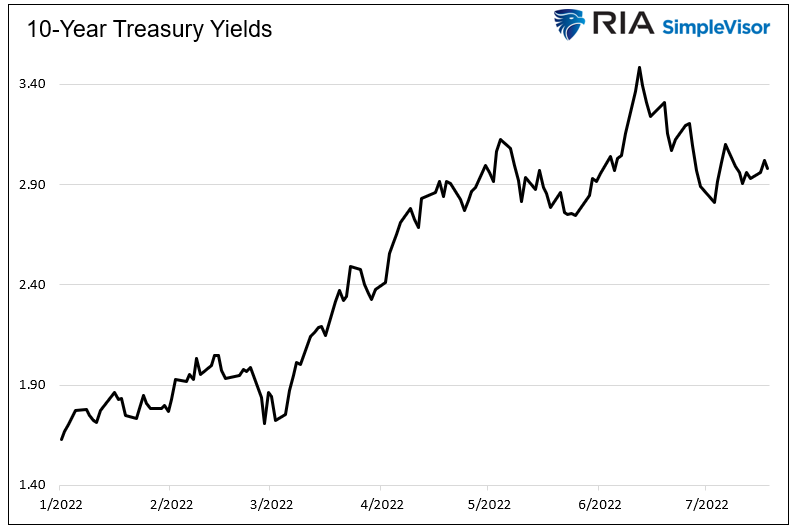
Concerns regarding inflation are almost everywhere you look—unless you happen to be looking at the Treasury bond market.
Neel Kashkari used to be the most reliably dovish member of the FOMC.
I couldn’t resist using one of my favorite words – lagniappe. It means a little something extra, given at no cost, somewhat like the thirteenth doughnut in a baker’s dozen. Because there are so many topics and issues I could not cover in the previous chapters, here’s my lagniappe.
We never get too old for stories. And especially in the current volatile market, our clients benefit greatly from hearing a story like Dimensional’s – which gets better the longer it continues.
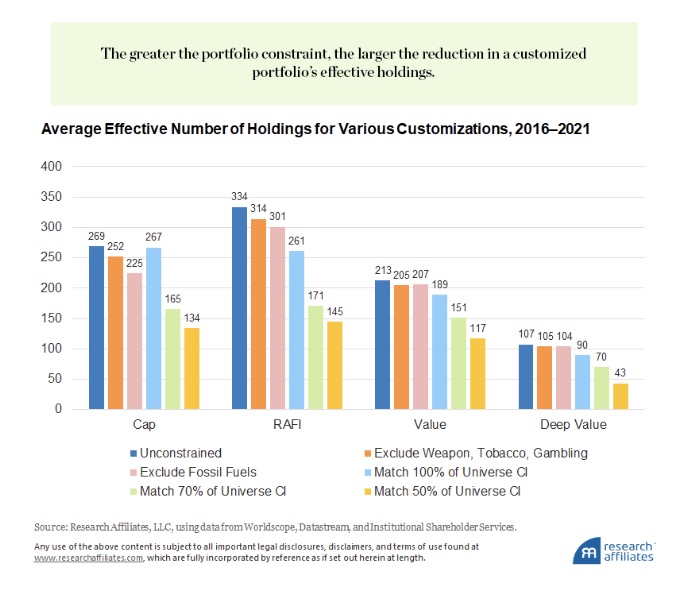
We apply five levels of customization to four developed-market equity strategies to quantify the impact of customization (or direct indexing).
Before investors get too excited about the July surge in stocks, here’s something to keep in mind: August and September are historically the two worst months for the S&P 500 Index.
Alastair Reynolds, Portfolio Manager at Martin Currie, discusses the opportunities for investors who look at high quality, sustainable growth companies in emerging markets.
One obvious strategy in pursuit of an environmental, social and governance (ESG) mandate is to exclude fossil fuel stocks. But new research shows this has made the portfolio vulnerable to supply or demand shocks to energy.
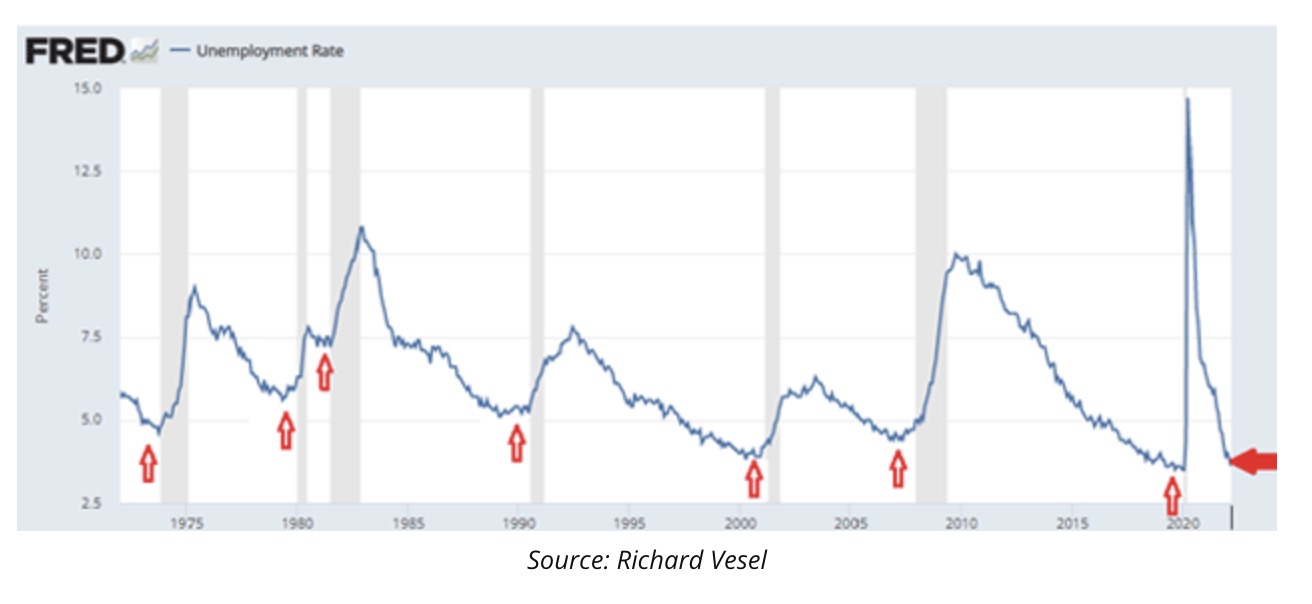
The official arbiters of US recessions aren’t close to making a call that a downturn is under way, and may end up concluding 2022’s first half was part of a continuing expansion.
The market’s inflation concerns are taking a back seat to recession fears.
OneSpan makes digital authentication software for corporate cybersecurity.
What do sports cards have in common with exchange-traded funds?
The leader of our firm is not a nice person.
Renewed growth in China’s manufacturing activity, coupled with softening developed market demand, should ease some supply-side pressures – but several other inflation risks remain prevalent.
A challenging period for Japanese growth stocks may present a unique entry point for long-term investors.
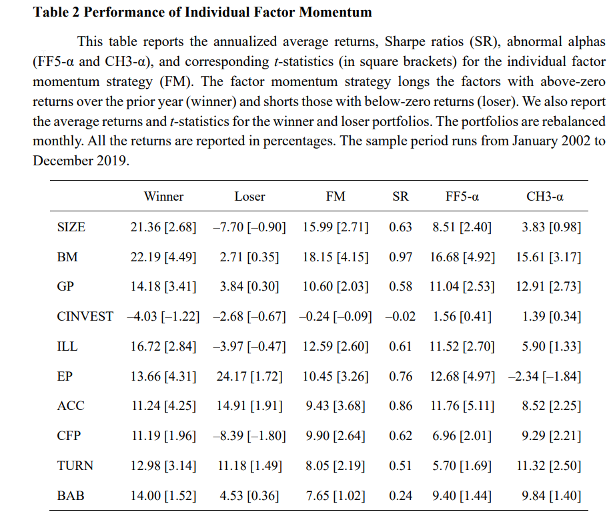
Among the many factors cited in academic research, only a handful have been sufficiently reliable for use in asset pricing models. One of those is momentum. New research shows that it works globally – even in China, a country whose markets have not historically exhibited momentum.
The Fed’s most pressing concerns are to not only reverse its monetary excess and misjudgment of inflation, but also to instill confidence that they will follow important provisions of the Federal Reserve Acts.
The purpose of this article is to teach you how I think, not what I think.
“Desengaño” was noted by one Antonio Garcia Martinez in his most excellent book, Chaos Monkeys: Obscene Fortune and Random Failure in Silicon Valley, as a unique style of Spanish genre painting.
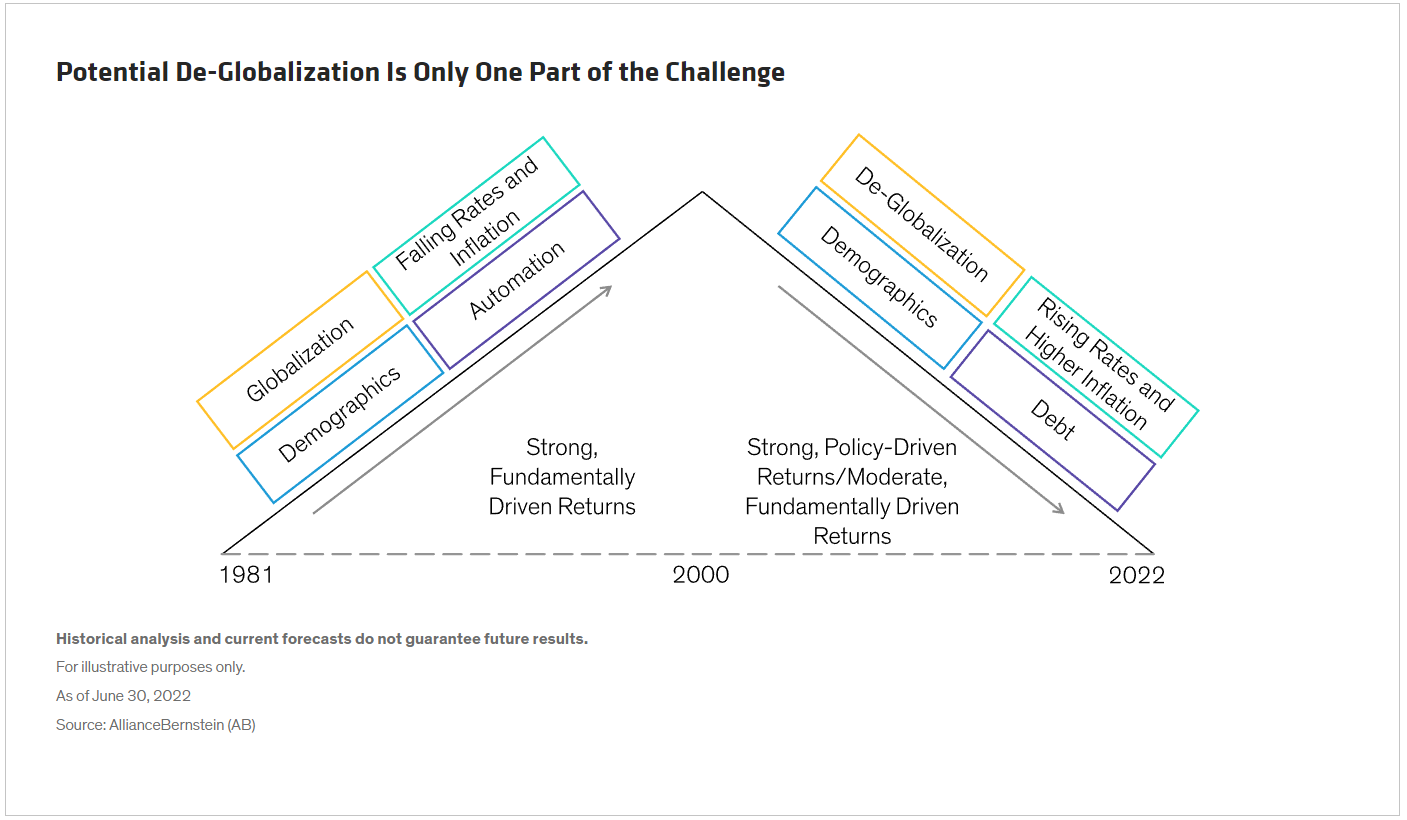
For decades, globalization has been on an inexorable rise, a key pillar fueling economic growth, driving inflation and yields down, bolstering corporate profit margins and supporting an upward climb in market valuations. Over the past few years, though, cracks have started to develop in globalization, as populism has seen a resurgence and trade wars have erupted.
Several important macroeconomic questions are puzzling economists, the Federal Reserve and everyone else. Why is inflation running so hot?
We think the housing sector should hold steady with good structural trends, a potentially bad environment for housing bargains and a scenario for prolonged inflation.
If everyone feels so miserable, why do they seem to be out having a good time?
If you were considering taking the family on a European vacation, now may be a good time, as the U.S. dollar and euro achieved parity this week for the first time in 20 years.
The summer of 2022 has not been a stable season for global energy.
Nearly five months after Russia’s invasion of Ukraine sparked a global energy crisis, Italy is pulling ahead in reducing its dependency on Moscow.
In the first of a two-part series on the communications services sector, Mandana Hormozi of Franklin Mutual Series breaks down the streaming wars and uncovers hidden opportunities she sees within the rubble.
There’s more pain ahead for still-frothy tech stocks…
If your digital currency is sitting on an exchange, is it really yours?
Rather than using the traditional asset-class analysis, I have found employing a risk-factor approach particularly helpful in understanding the impact of economics and policy on markets this year.
Buying individual bonds takes more work but is usually worth it in the long run.
What is the state-of-the-art for consolidating a tech stack and protecting client data?
Recent G-7 discussions about imposing caps on the price of Russian oil and gas have led to some head-scratching.
Investors are losing one of their few places of refuge in this year’s stock market plunge, as the selloff in energy shares that started last month is leaving them with nowhere to hide.
Markets were exceptionally volatile during the first half of 2022, foreboding poor capital market returns. Here is a quick review of nine areas of heightened risks.
The bond market is weird, but it’s full of clues. We have 8.6% inflation, but the highest interest rates have gone recently is about 3.4%, meaning real rates were still negative to the tune of 5%. This is confusing to me and a lot of other people.