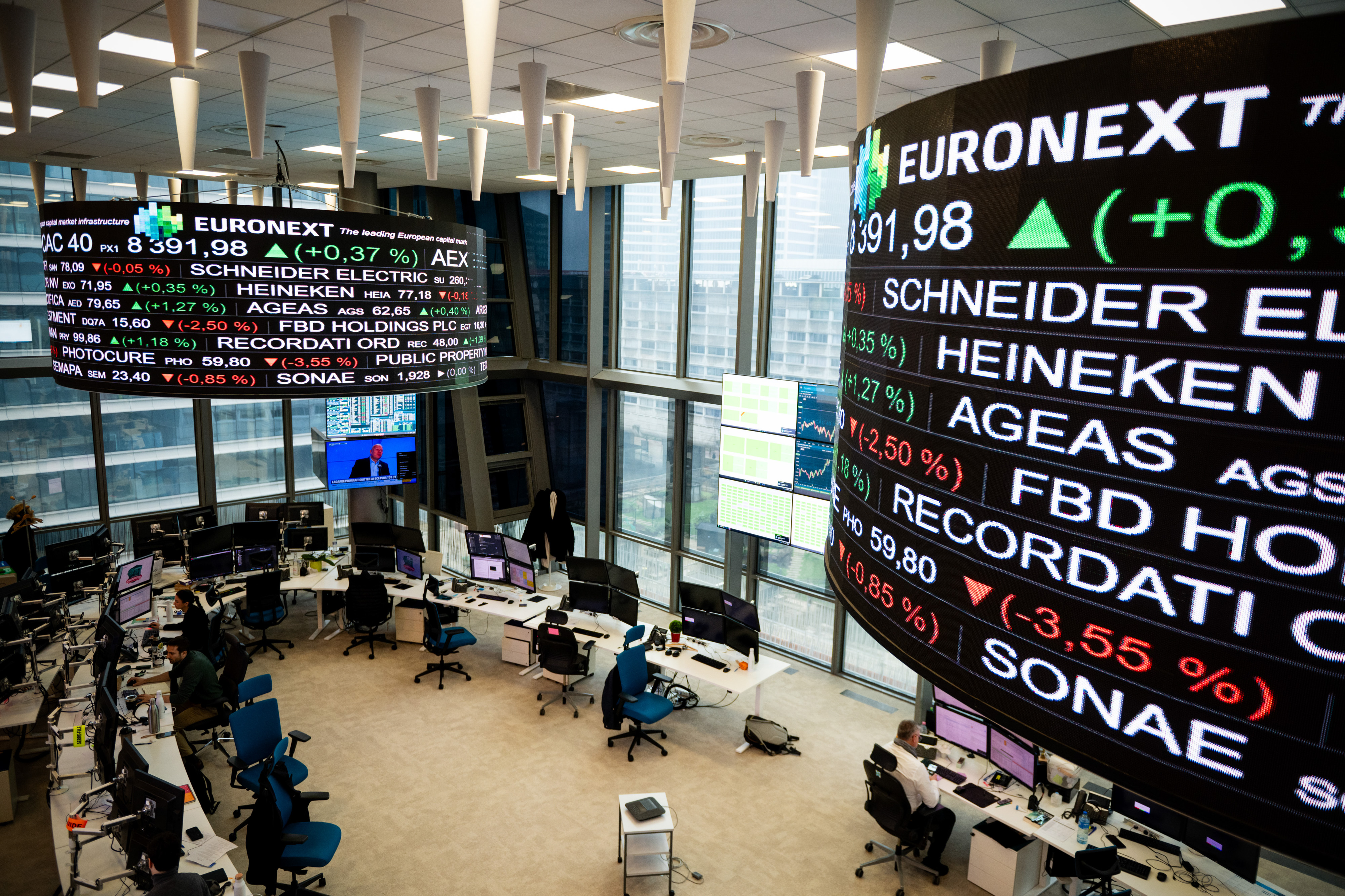
European stocks started the year much stronger than their US peers but the tantalizing prospect of the euro area clawing back some of its persistent gap in earnings growth, and the higher company valuations that come with it, looks to have slipped through its grasp again.
The “American Industrial Renaissance” is an investment theme investors and allocators alike have probably been pitched several times, or at the very least heard about. Supply chains for manufactured goods have evolved to become more complex, while U.S. manufacturing employment as a share of total employment has steadily declined, leaving policy makers to grapple with the ramifications of a shrinking manufacturing base.
Despite the turbulence, the global LCC market remains an enormous force. Four of the world’s 10 largest airlines—Ryanair, Southwest, IndiGo and easyJet—operate on a low-cost model. The broader budget travel market is projected to exceed $315 billion by 2028, according to Statista.
JPMorgan Chase & Co. is working toward getting approval from Chinese securities regulators to launch actively managed exchange-traded funds in the country for the first time.
Military households often possess uncommon balance-sheet advantages; however, those advantages do not create wealth on their own. They matter only when a family uses them deliberately, in the right order, and with a clear understanding of the trade-offs.
Investors are set to pour more money into defense, energy and technology stocks as the Middle East war forces governments to prioritize security and become more self reliant.
Asia and emerging markets experienced extreme volatility in the first quarter of 2026 as markets surged in the first two months, supported by strong demand for artificial intelligence (AI) and an easing of the global monetary environment.
Hedge funds are increasingly downbeat on the dollar as the prospect of a two-week ceasefire extension between the US and Iran sap the currency’s war-driven strength.
The US dollar's obituary has been written many times—with increasing frequency over the past year. Each time we get a fresh round of analyses declaring that de-dollarization is accelerating, the world is reorganizing its financial architecture around alternatives and the greenback's reign is drawing to a close.
The first quarter was defined by overlapping macro shocks and a violent shift in market leadership, punctuated by the war in Iran and the closure of the Strait of Hormuz. As capital surged into physical assets such as energy, materials, and defense, software and other digital businesses faced a historic repricing.
Over the past several years, those patterns have been changing. The evolving flows of both tourists and emigrees will have important economic effects.
Outside of energy commodities, capital markets posted a downbeat March as cross-asset volatility spiked in response to the outbreak of hostilities in the Mideast, and kicked off April in similar, choppy fashion before posting a swift bounce following last Wednesday’s two-week ceasefire agreement.
Diversification is finally paying off. After more than a decade of U.S. dominance, international equity ETFs are enjoying monster inflows, outpacing their domestic counterparts for the first time since early 2023.
Beyond keeping party balloons aloft, helium plays a far more serious role in the modern economy. Extracted as a by‑product of natural gas production, it is an essential input across semiconductors, medical imaging, aerospace and defense systems.
In a rapidly shifting geopolitical environment, gold continues to demonstrate both its resilience and its complexity as a financial asset.
Today, I freely confess that I don’t have that 2007 certitude. I can certainly see a crisis coming in our future, but the timing, severity, and circumstances around it are cloudy at best. I can make an argument for numerous outcomes.
Over the past year, markets have been shaped by rapid advances in AI, elevated geopolitical tensions – especially involving Iran – and persistent uncertainty around global trade. In environments like this, successful investing rarely comes from chasing headlines or reacting emotionally. It’s about discipline, staying anchored to fundamentals and executing a clear long‑term game plan.
A geopolitical shock in the Middle East sent oil prices surging more than +70% in Q1, erasing all expected Fed rate cuts and testing how well-diversified portfolios actually were. For many investors, the answer was: considerably better than the S&P 500’s -4.3% return suggests.
European stocks soared the most in a year as investors rushed to buy stocks in the wake of the US and Iran agreeing to a two-week ceasefire in exchange for Tehran reopening the Strait of Hormuz.
Call it the season of IPO prep. Recent launches and announcements from OpenAI and arch rival Anthropic are aimed at laying the groundwork to go public in late 2026 or early 2027, and for OpenAI, which just closed a $122 billion funding round that values it at $852 billion.
Since the U.S. and Israel launched strikes on Iran on February 28, jet fuel prices in the U.S. have more than doubled. According to data from the Energy Information Administration (EIA), the year-to-date percent change in U.S. jet fuel prices stood above 120% as of the end of March.
I have written for years that oil prices act like a tax on the economy, both in the US and globally. It is actually simply the price paid, but the effect on the economy is similar to a tax. If the price goes up, it takes more money from individual consumers that would otherwise be saved or spent somewhere else. Just like taxes.
After more than three decades of watching oil markets upend economies, one pattern keeps repeating: investors learn the wrong lessons from the last shock. The 1973 OPEC embargo taught us that geopolitical disruptions are temporary.
As Q1 2026 comes to a close, we follow up on an article we published last week on buybacks by analyzing corporations' other favorite way to return value to shareholders. The percentage of companies increasing dividends in Q1 was the highest level since Q1 2019 (45%).
Rising demand for critical microelectronics, bolstered by AI capex and defense spending, is driving semiconductor prices higher and posing upside risks to global goods inflation.
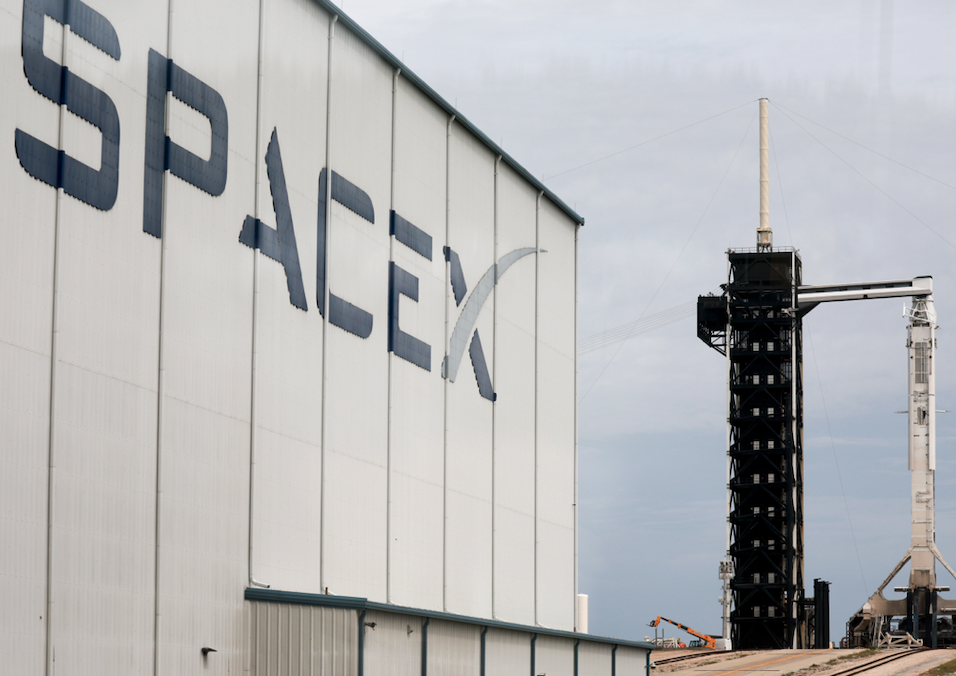
SpaceX has filed confidentially for an initial public offering, according to people familiar with the matter, bringing billionaire Elon Musk’s rocket, satellite and AI company closer to delivering the biggest-ever listing.
Systematic equity investing is a way to invest in the stock market using clear rules and data, rather than guesswork or hunches. Instead of trying to pick stocks based on trends or headlines, this approach uses research, data, and technology to systematically identify opportunities across global markets.
The weight of evidence suggests that the current equity market decline should be viewed as a short-term pullback within an ongoing, longer-term bull market. However, we are watching indicators closely for changes in global economic/market health. Below are five charts we will be paying special attention to in Q2.
The Iran war is challenging Japan’s safe-haven assets, once again forcing domestic investors to seek better returns abroad.
On paper, Super Micro Computer Inc. is the type of company that Wall Street can’t get enough of, with soaring sales, an enviable list of partners like Nvidia Corp. and its placement at the center of the artificial intelligence boom.
A Japanese oil tanker slips through the Strait of Hormuz in the dead of night, radio silenced to conceal its position. Iran secures a market for its crude in defiance of Western sanctions. The balance of the world’s energy trade switches from incumbent hegemons toward emerging powers.
Given the rise in the 10-year Treasury yield and oil prices, the case for near-term Fed cuts has weakened materially. That is the key message from this market.
I just returned from the Investment U conference in Las Vegas, where I presented on gold and the great digital transformation. Sentiment among investors was upbeat, despite great uncertainty in the world right now.
Emerging-market (EM) equities have been hit hard since the Iran war began, as investors worry about fallout from the conflict. Yet, history suggests that periods of heightened market stress—when volatility is elevated and uncertainty is still being priced—have created favorable entry points for EM investors in the past.
Amid geopolitical uncertainty, dispersion across credit markets – rather than a broad risk-off move – has become the dominant investment signal.
Recent weeks have been a whirlwind of headlines centered on the Middle East conflict and rising oil and gas prices, particularly as the conflict enters its fourth full week.
The conflict in the Middle East has raised concerns about oil prices, global growth and market volatility. Chief Investment Officer Sean Taylor assesses the potential economic impacts of the crisis and its implications for growth and diversification in emerging markets and Asia.
Rationally, no one should feel happy about an income tax refund. The refund is a correction of a tax overpayment; the recipient effectively gave the government an interest-free loan over the course of the prior year.
Sharp moves in energy prices rarely arrive at a convenient moment for policymakers. When shocks occur, governments are left juggling two competing imperatives: cushioning households from rising costs while preserving fiscal credibility. T
For investors who understand this distinction, the current pullback may represent an opportunity rather than a warning. Short-term sentiment may dominate headlines, but long-term fundamentals continue to point in a very different direction.
Franklin Templeton is partnering with Ondo Finance to offer tokenized versions of its ETFs that trade around the clock through crypto wallets, bypassing the brokerage accounts and limited trading hours that have defined fund investing for decades.
Rapid advances in artificial intelligence, persistent geopolitical tensions – particularly the conflict in Iran – and ongoing trade uncertainty have kept headlines loud and emotions elevated, ultimately demanding investors remain adaptive and disciplined. In this kind of environment, the biggest mistakes come from reacting to noise rather than fundamentals.
The SEC is reportedly finalizing a proposal to allow U.S. companies to transition from quarterly to semi-annual reporting (SAR), potentially ending a 90-year-old mandate.
With each passing day, investor focus is widening from the near-term impact of spiking oil prices to how—and where—higher energy costs will filter through the broader market.
Since hostilities began in the Middle East three weeks ago, I’ve urged investors to stay calm and resist the temptation to panic-sell. While I still stand by that advice, it’s important to point out that this conflict isn’t resolving as quickly as initially expected.
Modern markets have gotten used to central bank support whenever the global economy wobbles. But as the world confronts a fresh energy shock unfolding against brittle labor markets, investors need to prepare themselves for the possibility that central bankers won’t have their backs — quite the opposite.
The Cboe Crude Oil ETF Volatility Index (OVX), which measures implied volatility in oil ETF options, estimates the expected volatility of crude oil prices over the next 30 days. The higher the reading, the more oil prices are expected to bounce around.
A properly functioning Strait of Hormuz holds the keys to clarity around the growth, inflation, and market shock that has stemmed from the war in the Middle East.
Silver had a phenomenal 2025, more than doubling from around $30/oz to above $70 by late December, and the rally continued into the new year.
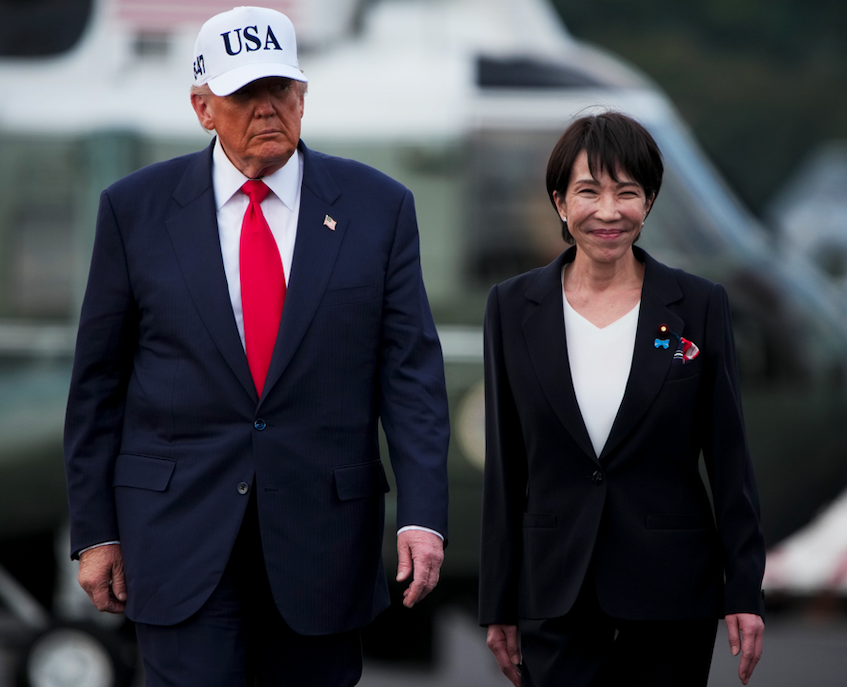
Japan’s equity investors will closely watch a meeting between President Donald Trump and Prime Minister Sanae Takaichi in Washington on Thursday for possible agreements on economic and military cooperation.