Preparing for the eventual transition of an RIA practice requires early strategic planning to ensure long-term stability and employee loyalty, regardless of how far off retirement may seem. This guide explores the distinct advantages of internal succession, external sales, and hybrid models, while highlighting key value drivers like organic growth rates and recurring revenue.
2025 is drawing to a close, and investors have plenty to look back on. Active ETF performance and proliferation was once again an important theme, and as the category matures, its standout performers have diversified.
While often overlooked, water management plays an important role in oil and gas production. Oil wells typically produce more water than oil, while hydraulic fracturing (or fracking) requires water to be pumped into wells. Water infrastructure related to oil and gas production is considered midstream and is classified within gathering and processing.
The dollar is heading for its weakest annual performance in eight years, and the options market is signaling that traders are preparing for more downside in the final sessions of 2025.
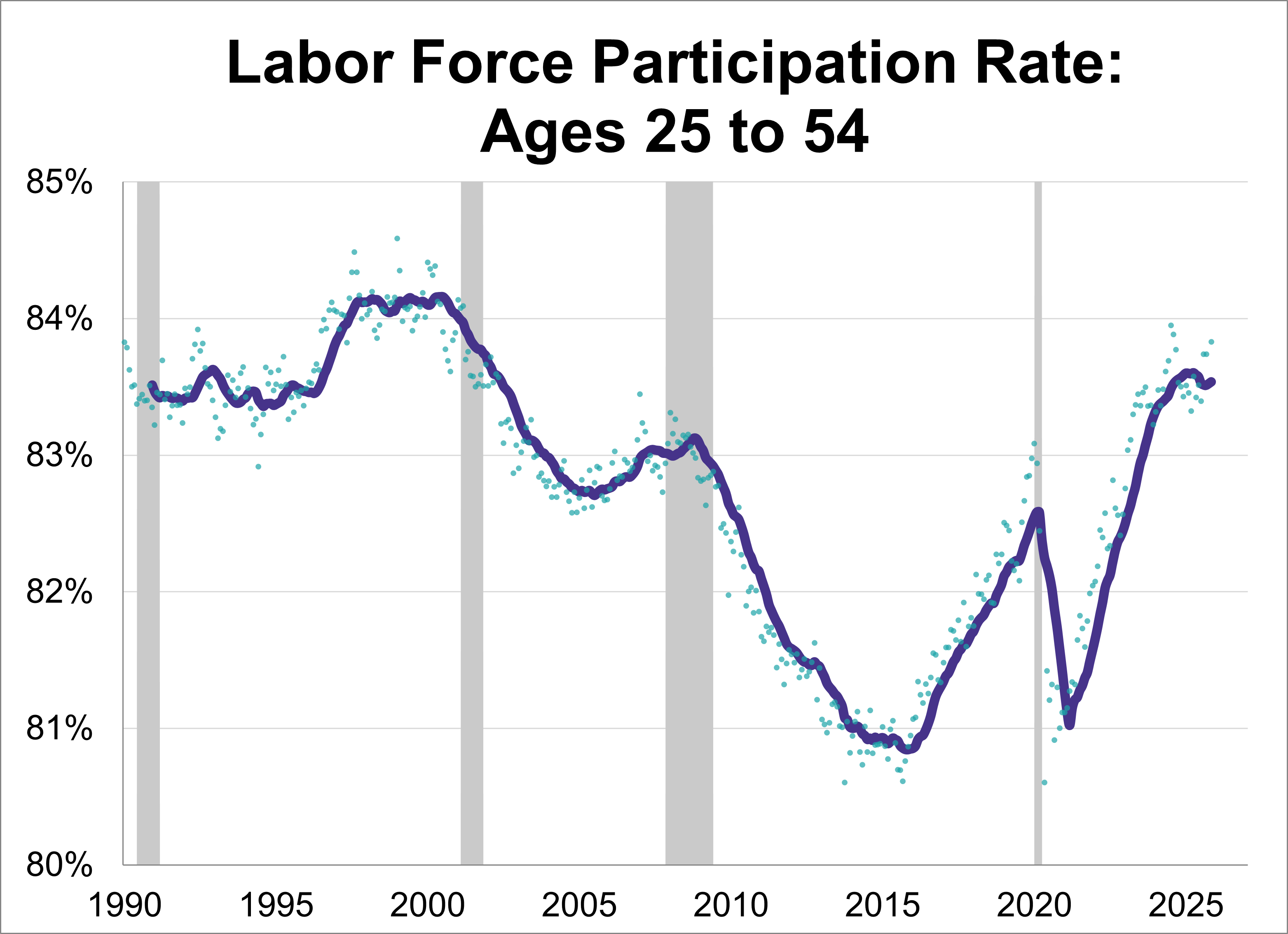
Our monthly workforce recovery analysis has been updated to include the latest employment report for November. The unemployment rate inched up to 4.6%, its highest level since 2021. Additionally, the number of new non-farm jobs (a relatively volatile number subject to extensive revisions) came in at 64,000.
Companies across the US and Europe are preparing to sell a record amount of high-grade bonds in 2026, testing investors’ appetite as yields drift lower.
With less than two weeks to go, 2025 is set to be a record-breaking year for the $13 trillion US exchange-traded fund industry: new high-water marks in flows, launches and trading volume. It’s up for debate whether the next few years will be as kind.
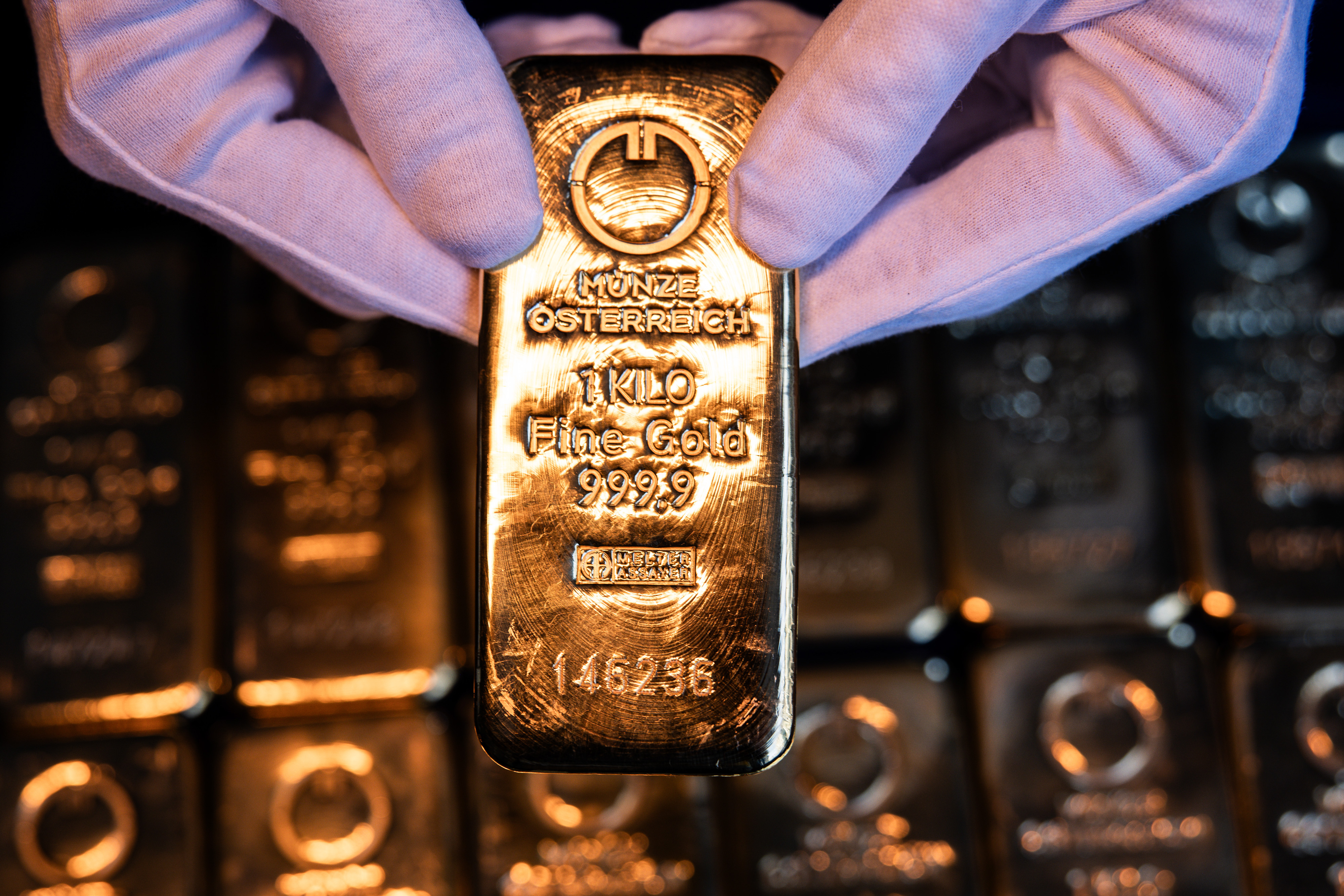
Gold and silver rallied to all-time highs on escalating geopolitical tensions and prospects for more US rate cuts.
This week, President Donald Trump ordered a blockade of oil tankers entering and leaving Venezuela, dramatically escalating U.S. pressure on the Maduro regime.
In this year-end reflection, we eschew the typical theater of market predictions to instead examine the "knew-it-all-along" effect and the cognitive illusions that make past volatility seem orderly.
On this episode of the “ETF of the Week” podcast, VettaFi’s Head of Research, Todd Rosenbluth, discussed the Avantis U.S. Small Cap Value ETF (AVUV) with Chuck Jaffe of Money Life. The pair discussed several topics related to the fund to give investors a deeper understanding of the ETF.
Every situation is a chance to strengthen relationships and align wealth with purpose, but some carry more urgency. The coming tax changes are a prime example, requiring action before year-end. Still, urgency should never overshadow meaningful dialogue. A deadline may start the conversation, but understanding is what sustains it.
While assets under management have grown modestly, the fund’s impressive Sharpe and Information ratios—outperforming the vast majority of its peers—validate the efficacy of its strategic partnership with Apollo.
AI’s third wave could represent a broadening opportunity set of companies for investors to capitalize with. Businesses that adopt AI into their operations could ramp up productivity and expand their valuations at a rapid pace.
Emerging markets are poised to start 2026 as a favored trade on Wall Street, with money managers betting a multi-year cycle of investment inflows is underway.
It’s crystal ball season again on Wall Street — the time when strategists attempt the impossible task of divining where the S&P 500 Index will end the next calendar year.
JPMorgan Chase & Co. is considering offering cryptocurrency trading to its institutional clients, as large banks around the world deepen their involvement in the asset class.
State Street Corp. seemed to perfectly time the private-markets wave, debuting a private credit exchange-traded fund in February months ahead of an executive order that aimed to push more investors into alternative assets.
Gold and silver soared to all-time highs, as escalating geopolitical tensions and bets on further US rate cuts added momentum to the best annual performance in more than four decades.
The S&P 500 is near all-time highs, leading some to question whether markets are in a bubble. A careful analysis of past bull markets suggests this is not the case.
QE is back! On December 10, the Federal Reserve announced its plan to purchase $40 billion in Treasury securities each month for at least four months. Through these purchases, bank reserves will increase, and recent liquidity concerns should lessen.
Shifting geopolitics are causing policymakers in Europe and Japan to step up fiscal spending to gain self-sufficiency and generate growth.
Energy can be either an enabler or a constraint. The latter happens when our creativity gets out of sync with the energy we can apply to it. This is happening right now and will get worse as artificial intelligence data centers demand more power than we have available.
As enthusiasm for artificial intelligence and its potential to reshape business models and deliver extraordinary profits accelerates, we worry that rational, disciplined investing is taking a back seat. Many investors appear to be abandoning fundamental analysis and prudent valuation in favor of paying any price to own the hottest stocks.
Owners of Invesco Ltd.’s famed tech fund QQQ voted to convert the product into an open-ended structure, a move that could unlock hundreds of millions in annual revenue for the asset manager.
Gold and silver hovered near record highs, after slower-than-expected inflation in the US supported bets for more interest-rate cuts.
Mark Twain said, “History never repeats itself, but it rhymes!” Time magazine just came out with its “Person of the Year.”
The era of "easy" yield in money market funds is ending as the Federal Reserve begins its long-awaited series of rate cuts. To stay ahead of shifting borrowing costs, investors are increasingly looking toward the flexibility and proprietary research of actively managed fixed income ETFs.
Treasuries gained across the curve as softer-than-forecast US inflation data led traders to step up bets that the Federal Reserve will cut interest-rate next year.
In the world of exchange-traded funds, some investors tend to look at index-based ETFs as static alternatives to the more flexible active funds. However, that is not necessarily the case. Index-based funds do move their assets around, particularly when their underlying indexes rebalance at points throughout the year.
This year’s research highlights a clear investor preference for high-conviction themes like crypto, global defense, and commodities, which dominated both inflows and market discourse.
Gold traded near a record as investors assessed US inflation data that came in softer than expected. Platinum extended a breakneck rally that saw it surge close to $2,000 an ounce.
The crypto market is struggling to find its footing as Bitcoin’s most "diamond-handed" investors continue a massive exit, offloading billions in previously dormant tokens.
LPL Research examines why the bull market appears ready to continue its run in 2026, powered by AI enthusiasm and further easing of monetary policy from the Fed.
Coming into 2025, amid a debate about concentration and lofty valuations in the largest of large-cap stocks, as well as concerns about macro uncertainty and economic conditions, we collectively called for diversification. That diversification, among other things, singled out the opportunity in small-caps.
Elevated yields, steeper yield curves, and ongoing volatility make core bonds a compelling choice for total return, income, diversification, and downside risk mitigation in today’s markets. Active management is key: Historically, it has helped core bond portfolios outperform passive strategies through a rigorous, diversified approach.
Investors should treat bitcoin as the volatile, high-risk asset it is. A look at the data, along with comparisons to the Magnificent 7 stocks, indicates a small (1% to 2%) portfolio allocation for most investors would be the safest.
During extended upward-trending markets that reward risk-takers and punish caution, everyone is a “bull market genius.” That dynamic flips investor psychology and, over time, creates a false sense of control.
In this video, Chuck Carnevale, co-founder of FAST Graphs and “Mr. Valuation”, continues his series on portfolio construction by shifting the focus from retirees to younger, pre-retirement investors building wealth for the future-how young investors can build a future retirement with dividend growth.
On this episode of the “ETF of the Week” podcast, VettaFi’s Head of Research, Todd Rosenbluth, discussed the VictoryShares Free Cash Flow Growth ETF (GFLW) with Chuck Jaffe of Money Life. The pair discussed several topics related to the fund to give investors a deeper understanding of the ETF.
Ben Johnson, Head of Client Solutions at Morningstar, recaps the year in ETFs, sharing his picks for ETF Story of the Year, ETF of the Year, ETF Issuer of the Year, and more. He also looks ahead to 2026, highlighting the key industry trends and developments he’s watching.
Preparing for the new year? It helps to look back on the big stories in fund management that can inform plans for 2026.
As more retail investors gain access to private markets, advisors should be careful to communicate the risks, and not just the potential upside, of diving into these alternative investments.
Cannabis stocks soared on Friday following news that U.S. president Donald Trump is expected to sign an executive order as soon as Monday that would ultimately ease federal restrictions on marijuana.
Looking to add exposure to the Nasdaq? The key market index, with its heavy focus on the information technology sector, can help investors lean more into some key growth-oriented firms in the U.S. and global economy.
Market participants said the longer-term outlook for the sector remains upbeat as power demand is too high to be met by Big Oil alone. And the rally this year is far from overdone, with the clean-energy stock gauge remaining about 73% below its 2007 peak.
Every time there’s a raging bull market in stocks, as there is now, people start worrying about too much leverage in the market, and for good reason. When investors chase stocks with borrowed money, bad things can happen.
A generation ago, a single income could support a family, buy a house and pay for a vehicle or two in the driveway. Today, even two high earners are struggling to purchase a new home.
Investors are gravitating to dollar bonds to ride the rally in emerging-markets, and have poured the most money in two years into a fund tracking the asset class.
Researching lesser-known economic indicators on the thinkorswim® platform is a low-effort way to potentially elevate an investor's game.