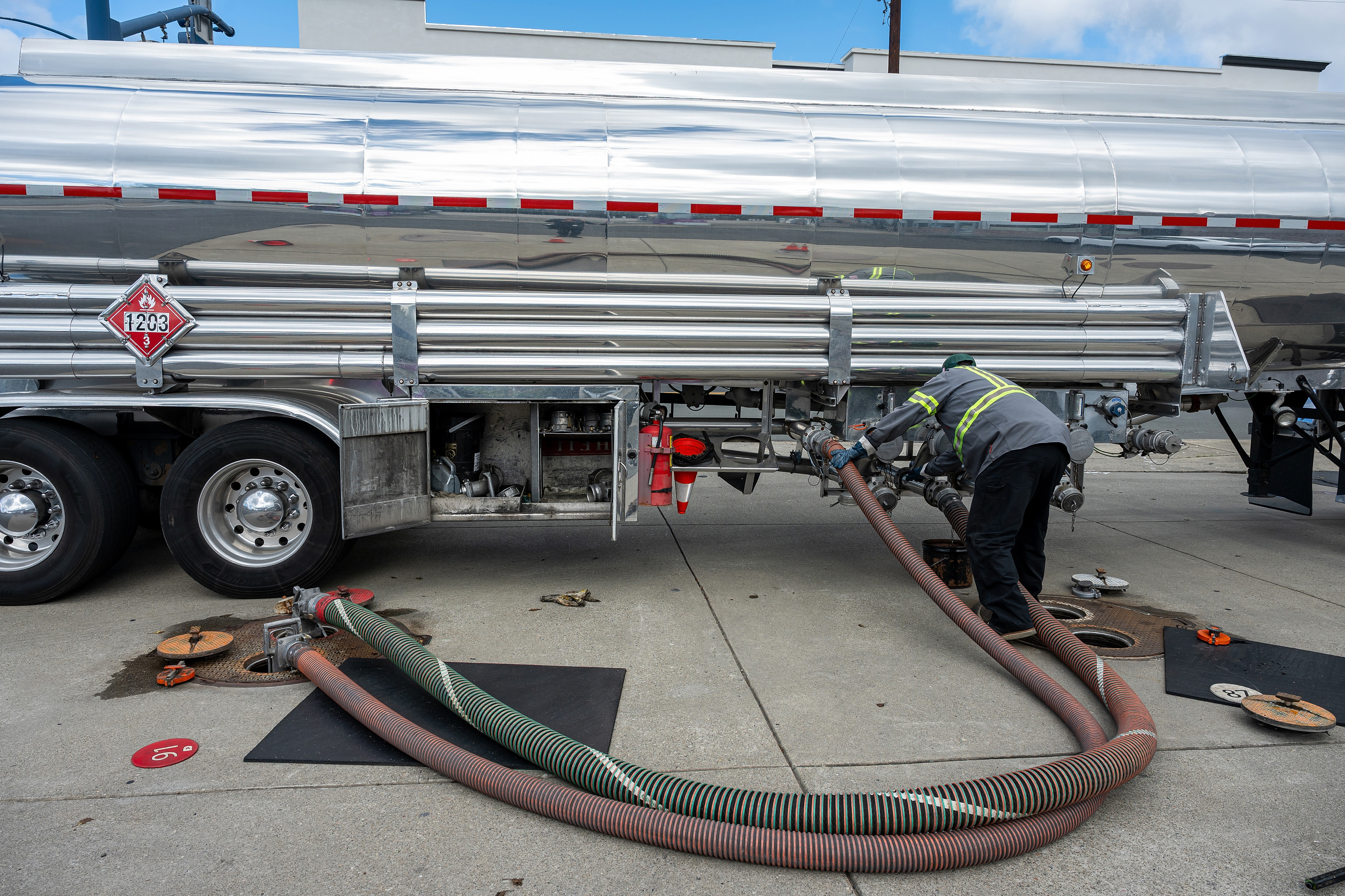
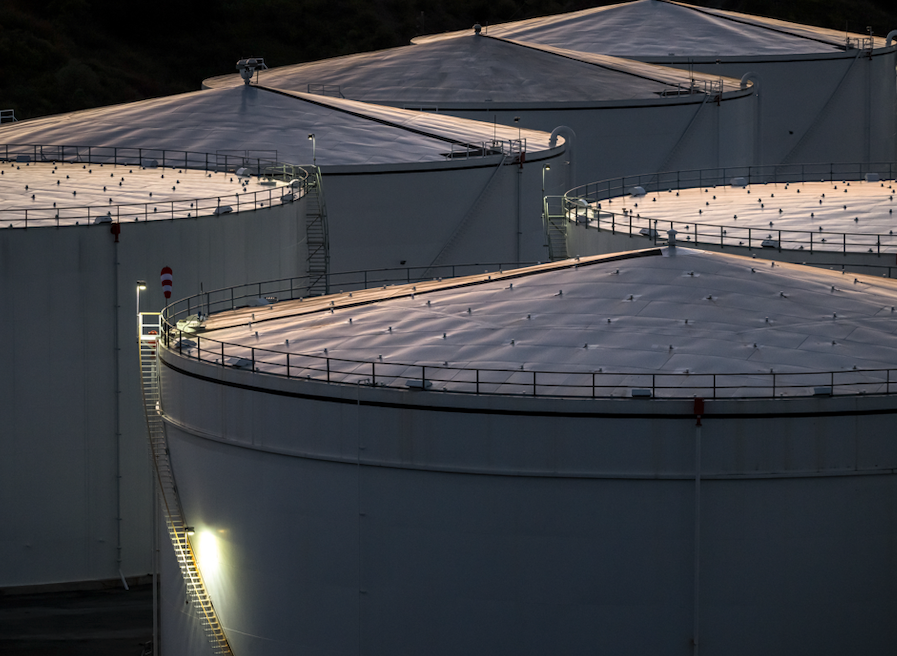
Looking at the energy market with a wide-angle lens, I don’t see anything remotely approaching the pain of 2021-22, when the energy crisis label was appropriate for Europe. There’s nothing matching the contours of the 1990-91 shock, let alone the 1973-74 and 1979 crises.
February data shows investors abandoning growth strategies for cyclical sectors as value funds attract $15 billion in new assets.
US stocks have flipped the script for international investors since war erupted in the Mideast, handily outpacing the rest of the world after trailing their global peers badly last month.
Credit investors are unwinding long positions worth tens of billions of dollars and jumping into hedging trades.
Treasuries fell for a fourth day — lifting yields to the highest levels in several weeks — as rising oil prices ignited inflation expectations and dented the outlook for Federal Reserve interest-rate cuts.
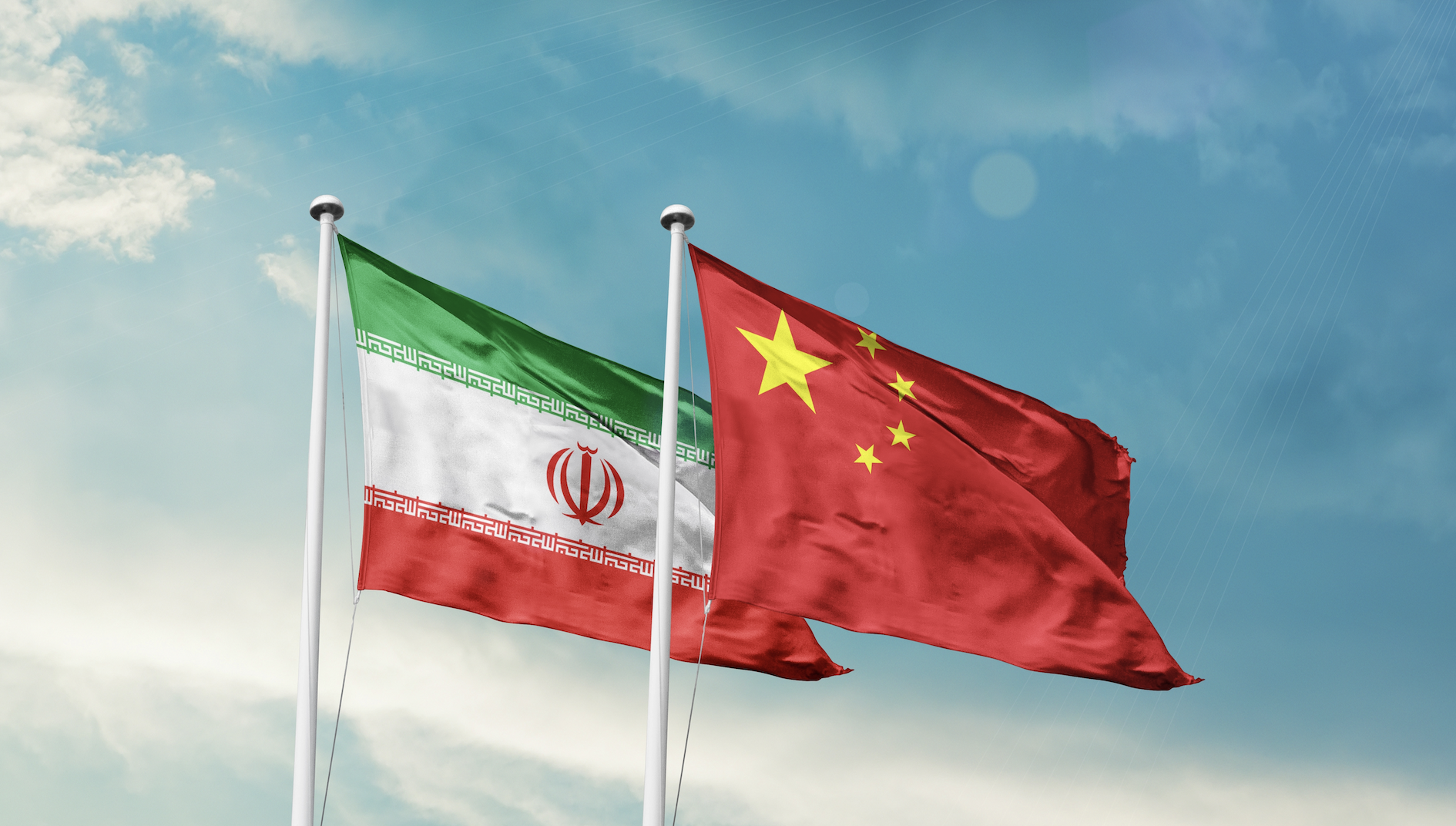
The war in Iran and the risk that it could lead to a wider regional conflict have roiled global financial markets. Oil and European gas prices have spiked while equity markets have seen sharp declines.
For over a decade, the narrative surrounding emerging market (EM) debt has been dominated by a single, overpowering force: the United States Dollar. As the greenback surged from the mid-2010s through the early 2020s, investors seeking yield in emerging markets largely sought shelter in "hard currency" debt—bonds issued by emerging nations but denominated in U.S. dollars.
After years of trailing their large-cap peers, small-cap stocks have tested the patience of even seasoned investors. But we believe a dramatic improvement in earnings growth driven by lasting change in the US economy is creating sustainable recovery potential for small companies of all types.
Notwithstanding developments in the Iran conflict, there are important leadership shifts still at play within the equity market, which emphasize the importance of diversification.
Markets are responding primarily to uncertainty, with oil prices rising and equities volatile. The economic impact will depend largely on energy supply disruption, particularly whether oil prices remain contained or move sharply higher.
It’s been a busy start to the year for investors, as shifting geopolitical risks and rising economic uncertainty led to choppy returns for stocks. Concerns about AI spending and profitability hit technology stocks especially hard. However, other sectors like financials and consumer discretionary have also seen losses to start the year.
The war in Iran is forcing investors to reevaluate one of their most profitable stock strategies, leading some to conclude that the “Sell America, Buy Asia” trade has reached an inflection point.
It turns out, the biggest financial victim of President Donald Trump’s decision to strike Iran is not the S&P 500, but equity markets across North Asia.
January is a time to revisit financial plans, make changes, and ensure objectives are being met. This review isn’t about exposing bad financial plans, but instead finding what is outdated and revising.
Investing in financial markets is not for the timid. In a very recent Bond Market Commentary, the Head of Fixed Income Solutions, Nick Goetze, discussed “Preparing for the Storm.”
As markets rotate to favor small caps and international equities, rising risks are likely to make investment discipline even more important for seizing opportunities, write Chris Galipeau and Lukasz Kalwak of Franklin Templeton Institute.
Gold is going to become increasingly important as the deglobalization and de-dollarization trend that took off last year continues to gain steam, according to a recent report.
March came in like a lion. Stock market futures plunged last Sunday night following U.S. and Israeli attacks on Iran. WTI and Brent crude oil had surged 7% by the following morning, along with big gains in gold.
Stocks attempted a rebound Wednesday morning as traders seized on a report that Iranian officials had indirectly reached out to the US about potentially ending the conflict in the Middle East. New data pointing to steadiness in the US labor market also helped fuel gains.
The last time an armed conflict upended the global energy economy, crude spiked past $100 and shares in oil and gas producers rallied for months. A similar trajectory might be unfolding as war rages in the Middle East.
Most investors, from grandma to the mightiest sovereign wealth funds, own bonds to help steady their portfolio and provide a ready reserve for spending. So, it’s notable when prominent voices start questioning their safety.
Stocks were choppier in January, but most areas of the market showed gains. The one laggard was large-cap growth, which was strong in recent years and for most of 2025, but trailed other stock indices.
International value stocks outpaced US equities in 2025. See the five catalysts fueling the shift—and why investors still have time to act.
While idiosyncratic and recessionary default risks remain present within this asset class, senior-secured private debt continues to offer the potential for more favorable risk-adjusted returns, particularly when compared to public equities and fixed income.
Oil surged for a second day as the US and Israel stepped up their war against Iran, with the sprawling conflict’s impact on energy assets in the Persian Gulf continuing to grow.
Gold sank after a four-day rally, as traders weighed the escalating war in the Middle East against the prospect of a stronger dollar and elevated inflation.
US Treasuries slumped for a second day as surging oil prices prompted traders to slash bets on more than one Federal Reserve interest-rate cut this year.
With uncertainty rising through geopolitical conflict, AI risk, and inflation, ETFs that offer greater portfolio control may be the way to go.
The market spent the week digesting a modestly hotter PPI print, a pullback in NVIDIA after earnings, and a move in the 10-year Treasury yield below 4 percent.
AI fatigue has taken hold of financial markets. The companies powering the AI revolution (Nvidia, Google, Microsoft) were down. The companies that are being (or might be) disrupted by AI, like software makers, were also down.
U.S.-led strikes in Iran have pushed oil prices higher and reignited geopolitical risk. Our view: markets are pricing a limited conflict, with broader investment implications still manageable unless escalation proves prolonged. As always, diversification and a long‑term perspective matter most when uncertainty peaks.
For each market downturn, we explored how investor sentiment reacted around the event. To gauge investor sentiment, we considered a variety of measures. With each of these measures, we explored how long it took for investors to come back to a previous high.
When JPMorgan Chase & Co. took the lead last year in financing the $55 billion takeover of Electronic Arts Inc., a record-setting leveraged buyout, Wall Street saw it as a sign that a lucrative period of bankrolling super-sized private equity deals might come roaring back.
Emerging-market currencies and stocks slumped as US and Israeli strikes on Iran are triggering a jump in energy prices and bring a rally in riskier assets to a screeching halt.
Economic growth metrics for the United States have recently shown surprising resilience; however, consumers’ economic sentiment has not. According to the Bureau of Economic Analysis’s advance estimate, real Gross Domestic Product expanded at an annualized rate of just 1.4%.
Our framing and outlook for the U.S. economy and markets in recent months can be summarized by what I like to call the “three Bs”: Bifurcation and Broadening, all within the context of a delicate economic Balance.
If trade policy were like a boxing match, the U.S. had hoped tariffs would be a decisive, knockout blow. While many of America’s trading partners reeled, they stayed on their feet and are wearing down their opponent.
In investing and life, spending your time on critical variables and what is really important directionally pays dividends. AI can legitimately reduce “task time” in the investment business, but it does not replace experience and judgement. Not having double-digit bodies running around also helps one focus.
This week, Burger King announced the first changes to its signature Whopper in nearly a decade. New premium bun. Creamier mayonnaise. A clamshell box instead of paper wrap that left the burger smashed before you ever opened it.
US bonds are wrapping up their best monthly performance in a year against a backdrop of rising global risks, with resurgent demand serving as proof that investors still see Treasuries as the premier haven in turbulent times.
Markets could face near-term volatility in the wake of the Supreme Court’s decision to strike down tariffs levied under the Emergency Economic Powers Act (IEEPA). The ruling creates a complex landscape as markets adapt to multiple unresolved issues, including raised global tariffs, investigations and potential refunds.
U.S. job creation has been weak despite resilient gross domestic product growth. Here's what may be going on.
Managers are strategically maintaining AI exposure toward memory and semiconductor supply chains, and rotating toward enterprise adopters while trimming crowded hyperscalers.
Global asset managers who collectively oversee more than $20 trillion of assets have grown more bullish across emerging-market equities, currencies, domestic bonds and credit, potentially offering fresh momentum to the sector’s record-busting rally.
Carry is an important return driver for multi-asset futures and forwards. Simple trend signals have benefited from trading in line with, not against, the carry of an asset.
The year got off to a cold start in the U.S., with many regions experiencing unusually freezing temperatures and precipitation. February has brought relief in both the weather and in economic reports.
Despite early volatility driven by global bond market stress, tariff-related tensions, renewed inflation concerns, and uncertainty surrounding Federal Reserve leadership, equities finished January higher, with the S&P 500 reaching new all-time highs.
2026 may already be more than a month in, but advisors and investors are still quite keen to navigate the complex geopolitical market in order to find the most opportune investment opportunities.
In a notable shift for the start of 2026, the S&P 500 is experiencing a divergence in factor performance. Typically, high beta (aggressive, high-risk) and low volatility (defensive, safe-haven) factors sit on opposite sides of the seesaw. When one goes up, the other usually comes down.