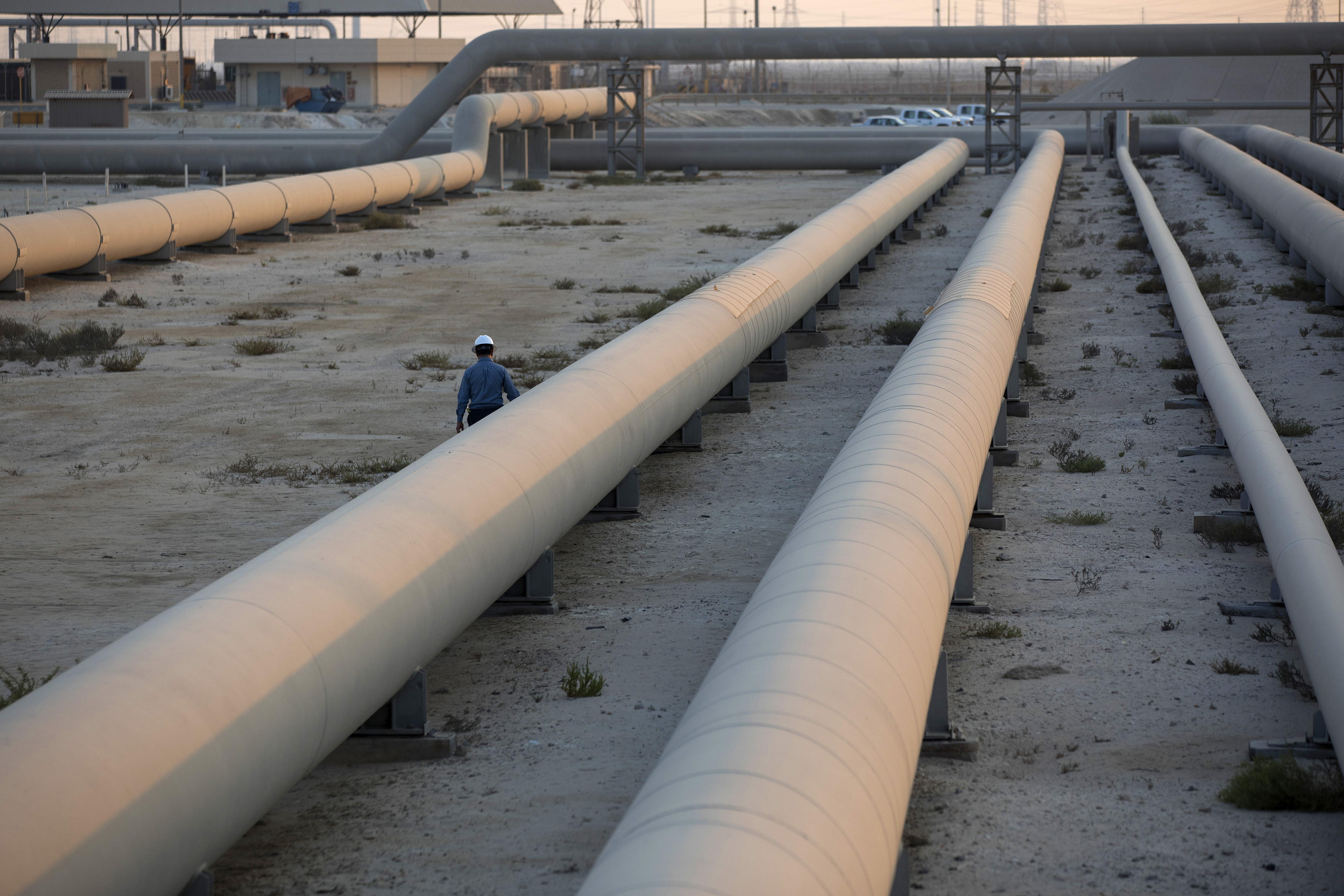
A country drowning in energy shouldn't also feel like it's running out of electricity. In other words: before we ask whether America can make more things again, we should probably ask whether America can power the production.
David Solomon, decked out in full academic garb, bobbed his head happily and wagged his index finger to the beat of his own AI-generated music.
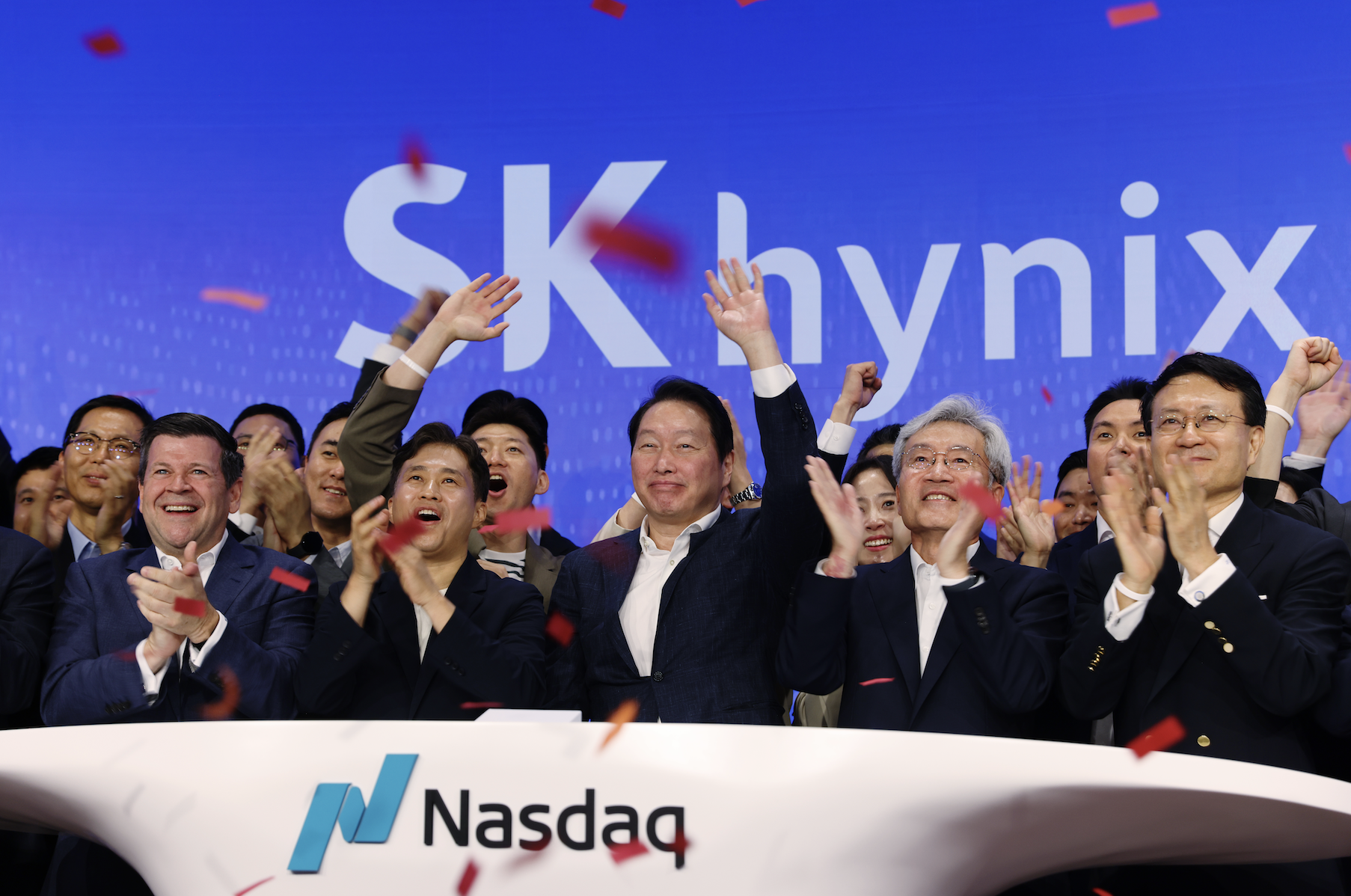
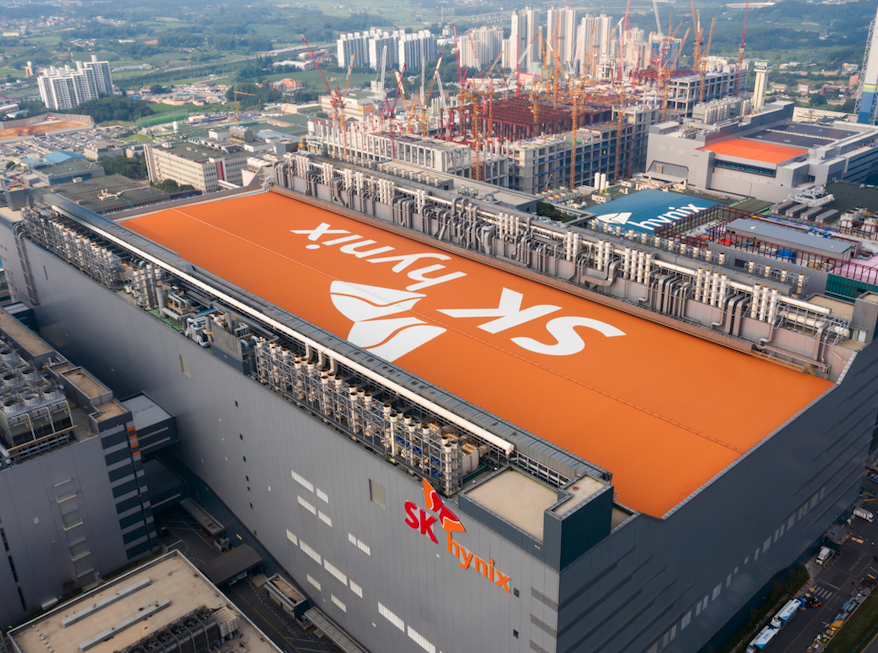
Friday, July 10, may have been ordinary for those outside the investment community, but for folks engaged with the market, it marked an opportunity to gain exposure to the second most valuable company in South Korea. On Friday, SK Hynix (SKHY) became available to U.S. investors via the Nasdaq.
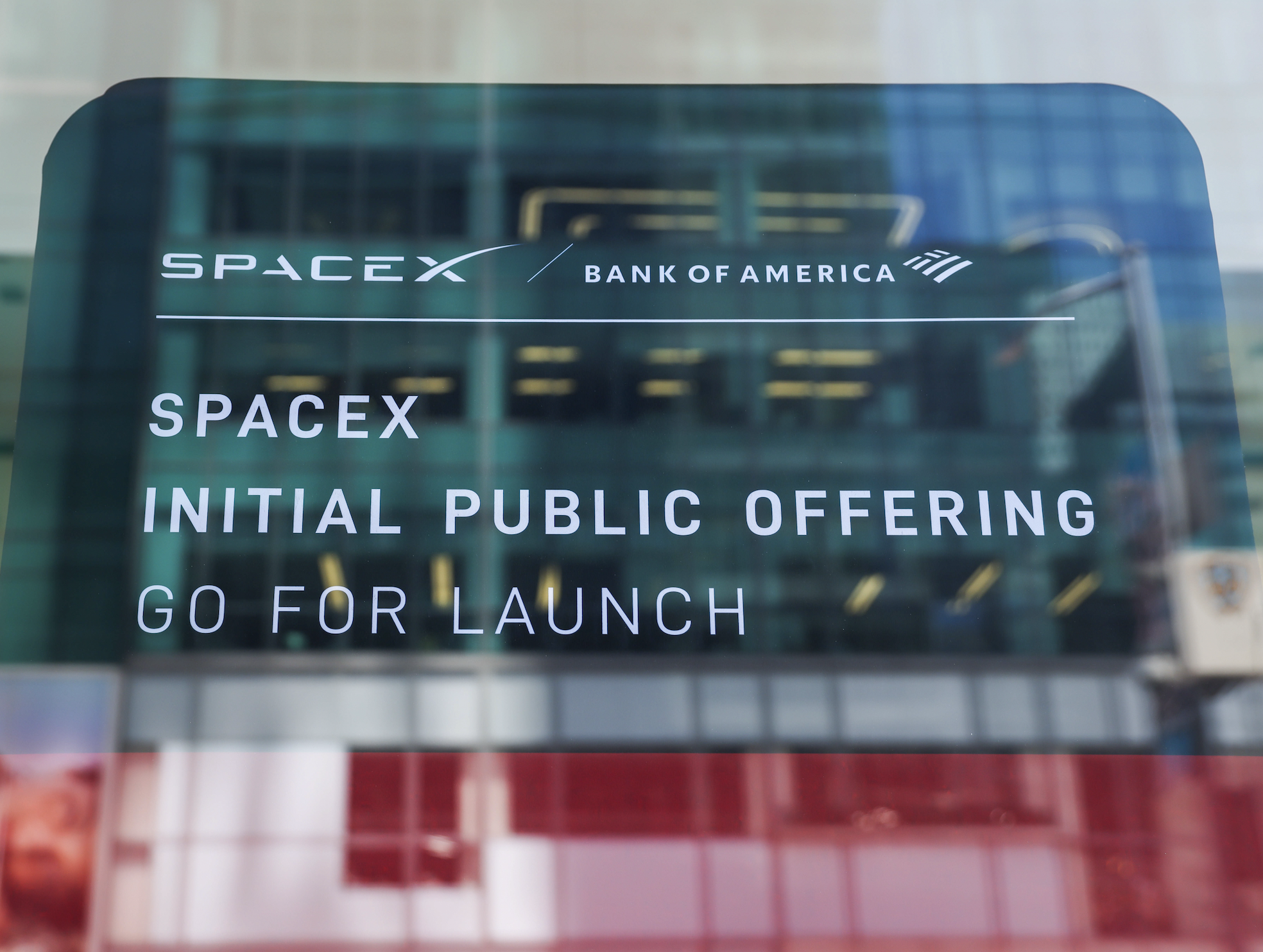
When it comes to space stocks, Elon Musk’s SpaceX (SPCX) is clearly the big kahuna. After all, the company just completed the largest initial public offering (IPO) in history, rapidly joining the $1 trillion-plus market capitalization club in the process. However, the broader space economy extends beyond a single company.
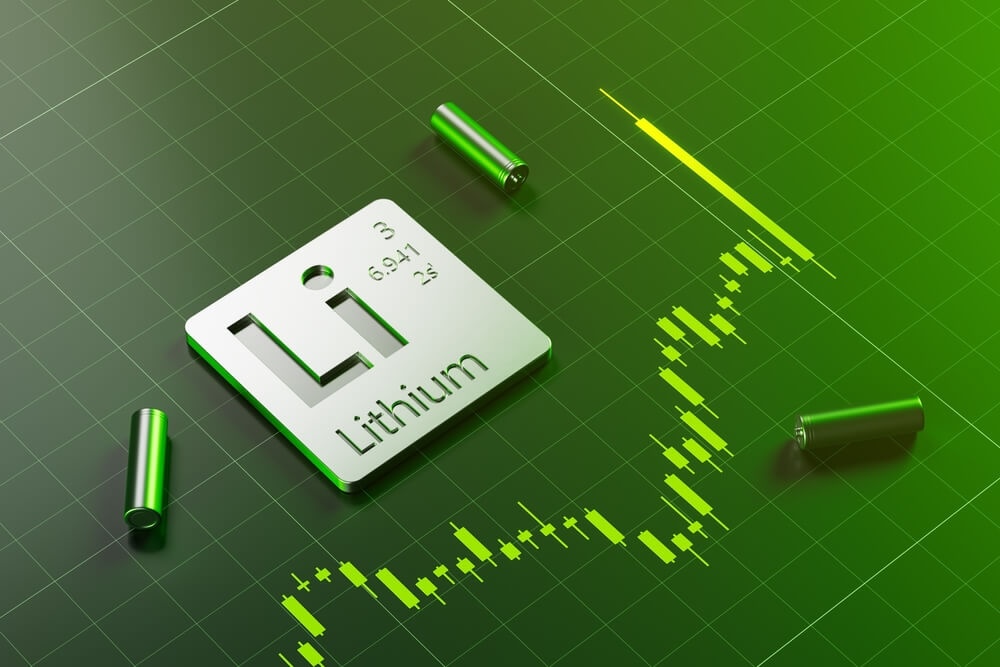
Every year in early July, we update our interactive Periodic Table of Commodities Returns to reflect the performance of raw materials in the first six months of the year. Maybe I’m biased, but I believe it’s one of the clearest snapshots of the commodities landscape you’ll find anywhere.
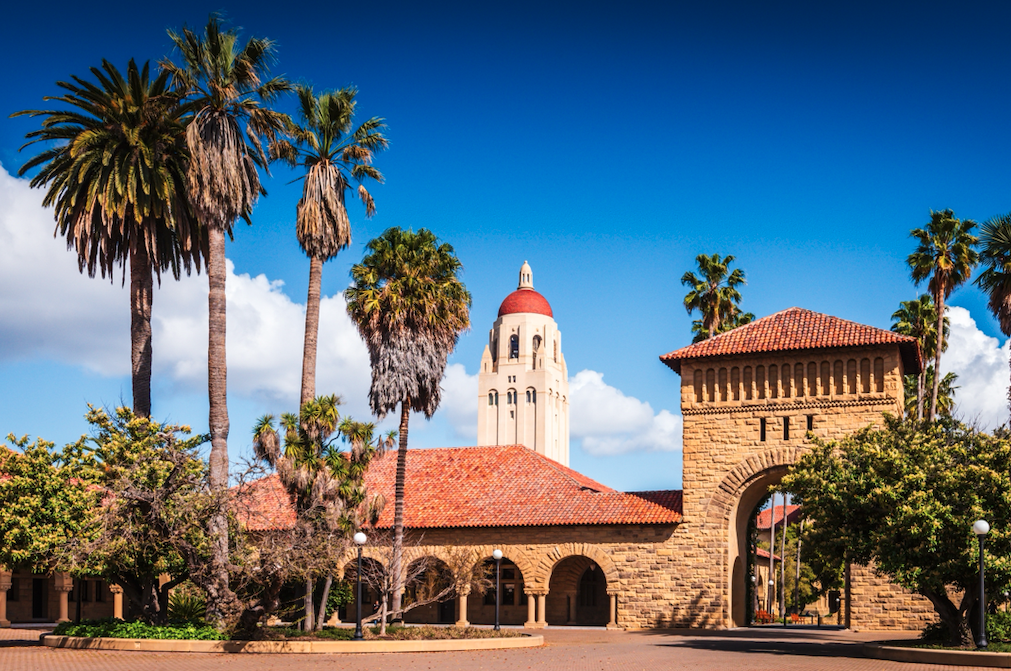
What the heck is going on at Stanford? Theo Baker’s How to Rule the World explains. The book answers the question by centering on Baker’s pursuit at The Stanford Daily of the MTL-associated scientific frauds. And an astonishing journey it is.
South Korea’s AI-fueled stock rally came under renewed pressure Monday as SK Hynix Inc. tumbled by a record 15%, underscoring growing investor concerns that the boom has become overstretched.
What makes this earnings setup truly unique is the behavior of Wall Street analysts over the last 90 days. Because corporate guidance tends to be conservative, analysts historically cut estimates ahead of time.
This week a number of articles caught my attention. The only thing that ties them together is their impact on the US and global economy. Economic anomalies: things we were not looking for but show up and force us to pay attention. Today in the summer heat, let’s take a look at a few of them.
If there's one thing you should take away from it, it's this: these six measures rarely move together. When they have, twice in 250 years, the country entered a period of real upheaval. Right now, they're moving together again.
The Federal Aviation Administration is resurrecting the dream of passengers flying faster than the speed of sound after it recently proposed lifting a ban on supersonic flights over land, which has been in place for more than five decades.
Central bankers expect de-dollarization to continue over the next several years, with gold and other currencies taking on a growing role in the global monetary system, according to a survey by the Official Monetary and Financial Institutions Forum (OMFIF).
Markets move on data, earnings, interest rates, and economic conditions. But they can also be heavily influenced by human behavior. Even experienced investors can fall into emotional or psychological patterns that affect decision-making, particularly during periods of uncertainty or market volatility.
When Mark Zuckerberg gets a bold new business idea, he likes to throw money at it. Last summer, he dropped $14.3 billion for a 49% stake in Scale AI, allowing him to poach its wunderkind founder Alexandr Wang to lead a new project to build artificial-intelligence systems that surpass human intelligence.
Close to 40 years ago, I moved from Canada to the U.S. after acquiring a controlling interest in U.S. Global Investors. I’ve built my entire life and career here, and in all that time, I’ve never stopped marveling at my adopted country.
Oil held onto its recent run of losses, with traders looking for clues on flows through the Strait of Hormuz as barrels continue to return to the market after months of disruption.
This week, the Fourth of July, the 250th birthday of the greatest experiment in self-governance the world has ever seen, I want to do something different. I want to celebrate. And I want to use a lens I genuinely did not expect to be reaching for: the reactions of soccer fans from around the world who came to the United States for the 2026 FIFA World Cup and discovered, to their own astonishment, that they loved it.
Federal estate taxes may not affect most households, but state death taxes can still be significant. Learn key planning considerations and strategies to help preserve wealth.
Markets may have ended the first quarter with a thud, but stocks put another record run in the books to close out the first half of 2026. The U.S. ETF market had already shattered records, crossing the $15 trillion threshold and cruising past $1 trillion in net inflows right before summer officially began.
Oil headed for the biggest quarterly decline since the pandemic as flows through the Strait of Hormuz accelerated following progress on a peace deal, with Morgan Stanley warning of a potential glut ahead.
Whether you’re a seasoned RIA owner looking to accelerate organic growth or a next-gen Advisor building your practice from the ground up, the same fundamentals apply: say clearly who you help, show up consistently where prospects look, and make sure your online presence tells the right story.
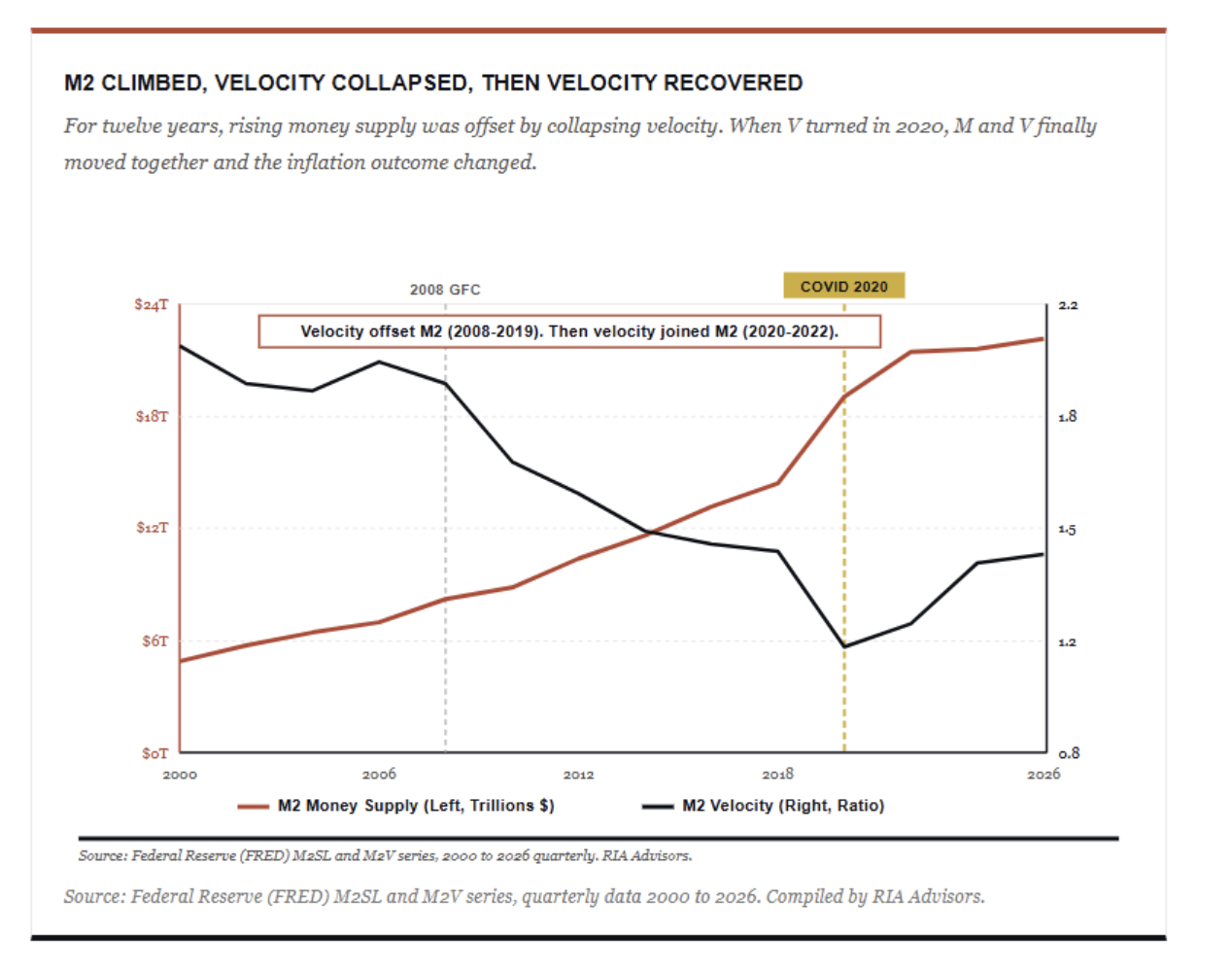
Friedman was reasoning from the equation of exchange, MV = PQ. Money times velocity equals prices times real output. It’s an identity, not a theory. Where it gets interesting is when you ask which variable does the work.
In a digital-first environment, reputation is no longer a byproduct of success; it is an asset class in its own right. For ultra-high-net-worth families, reputation capital can influence investment opportunities, business partnerships, philanthropic impact, and multigenerational legacy. It can also be exposed, amplified, or undermined in real time.
Alan Greenspan, the titan of global central banking who led the Federal Reserve during decades of prosperity, has died at 100, just when elements of his free-market philosophy are experiencing a renaissance.
SpaceX is seeking to raise between $20 billion and $25 billion from a debut bond offering on Tuesday, after attracting about $30 billion of investor orders even before the sales process had formally begun, according to people with knowledge of the matter. At that size, the deal would rank among the biggest of the year, according to Bloomberg-compiled data.
Humanoid robots grab headlines, but they are just a fraction of the physical AI ecosystem. Autonomous robots, drones, cobots, and eVTOLs are rapidly scaling across industrial and defense sectors.
We all know that Congress is never going to allow Social Security not to be paid. This begs a number of questions. Will the shortfall be addressed by tax increases, benefit reductions, increasing the retirement age, changing the inflation measures, means testing or some combination of these and other solutions?
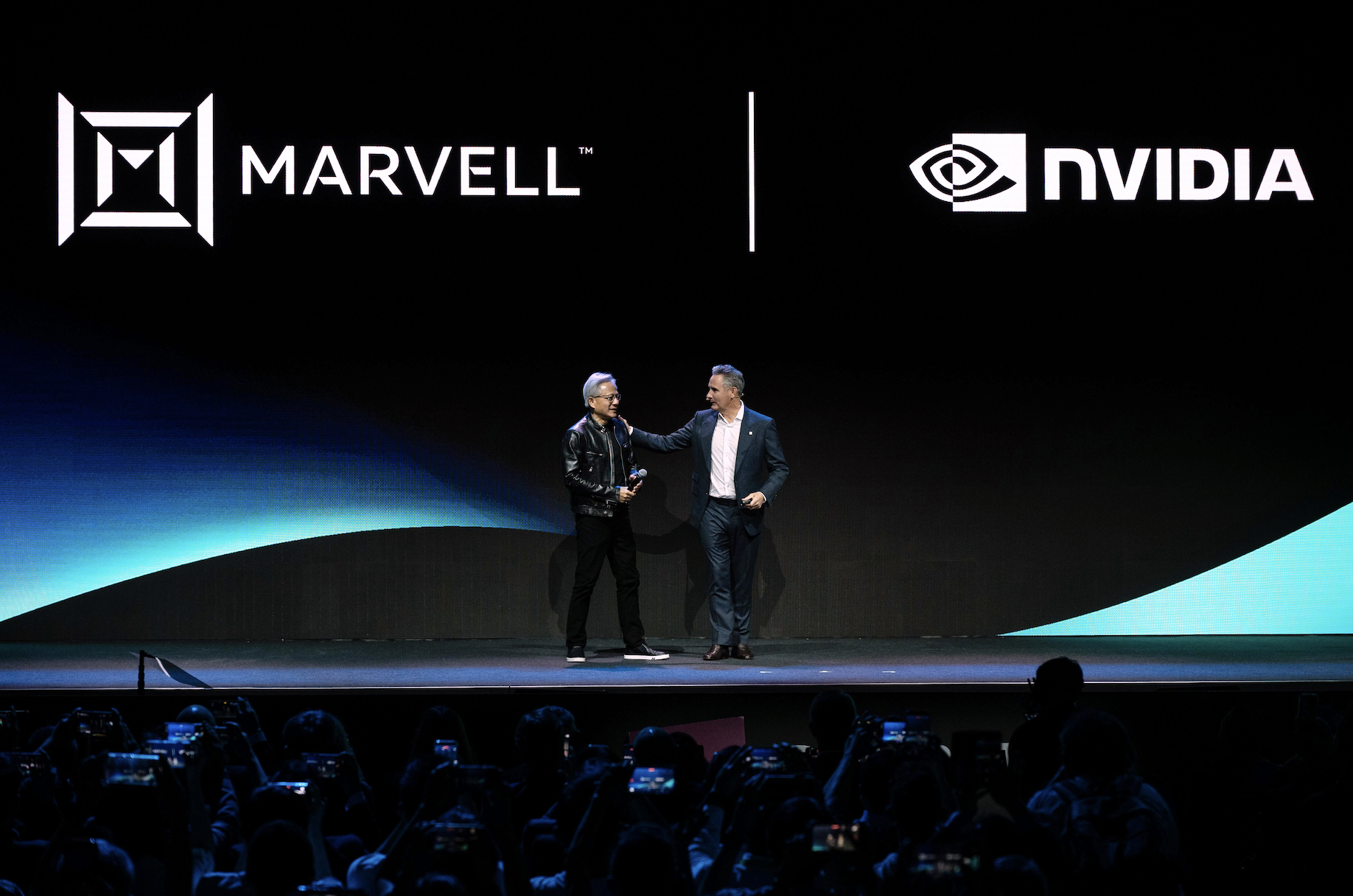
Jensen Huang may see Marvell Technology Inc. as the stock market’s “next trillion-dollar company,” but it’s going to take a lot of growth for the chipmaker to even sniff that lofty level.
For many investors, retirement planning becomes most tangible at the start and end of the year. Goals are set in January, then revisited during year-end tax and financial planning discussions. But the middle of the year offers an equally valuable opportunity: a chance to evaluate progress, reassess assumptions, and make adjustments before small issues become larger challenges.
Companies are also looking for ways to cut workers’ costs by offering plans that charge workers less but restrict them to a narrower group of providers.
That’s SpaceX out of the way. Next, investors will have to absorb the artificial-intelligence titans behind the Claude and ChatGPT chatbots, Anthropic PBC and OpenAI.
In addition to a greater range of chips supporting AI development, several factors could cause the current cycle to last longer than expected.
With the challenges presented in the broader market environment and the rate regime, are you making the most out of your fixed income exposures? Active management can help fixed income investors navigate today’s unusual environment, giving funds the flexibility to react to events in real-time. Join Fidelity for a product due diligence session exploring three active strategies: FBND, FLTB, and FAAA.
Metals Focus has released its Gold Focus 2026 report. It includes comprehensive historical supply and demand data for 2017-25 and its 2026 forecast.
The world is not ending. It is restructuring. But restructuring, as I noted at the outset, comes with an asterisk. What is really happening is a replacement, of assumptions, of guarantees, of the architecture that held everything together for eighty years.
With tech stocks pushing to new highs on enthusiasm around transformational technologies, the real question isn’t just momentum. It’s whether markets are becoming frothy, even bubble‑like, reminiscent of the dot‑com era. We don’t think so.
It’s May 2026 and once again civilization and financial markets have made it 5-ish months into a new year without self-combusting like a Spinal Tap drummer. It is important to note that dozens of people and stocks spontaneously combust every year, but despite the increasing universality of AI, it’s “just not really widely reported.”
Climate change has become a defining force in geopolitics. As governments respond to record heat waves, floods, wildfires and droughts, their policies and economic posturing are reshaping manufacturing, trade and energy security across the capital markets.
Despite rising global yields and renewed inflation concerns, equities moved higher in May on the back of a strong US earnings season and continued momentum in AI-related stocks. The tech-heavy Nasdaq Composite gained 8.4% for the month, while the S&P 500 rose 5.3% and the Dow Jones Industrial Average was up 2.9%.
Get ready for a magnificent month, and then some. Mega-cap tech stocks dominate the corporate event calendar in June, already highlighted by NVIDIA (NVDA) CEO Jensen Huang’s keynote address at Computex 2026 in Taiwan earlier this week, one of many major conferences.
The top ETF launches of the past decade were the focus on this week’s ETF Prime. Host Nate Geraci and Cynthia Murphy, director of research at VettaFi, counted down the 10 most successful debuts by current assets. Murphy noted that the S&P 500’s roughly 13% annualized gain over that span helped shape many of the performance stories on the list.
It’s so hard in our industry to “benchmark” things like comp, benefits and work-from-home philosophies, because if you show me 15 teams or firms, I’ll show you 15 different ways to answer these questions. I know the WFH question is a big one, and many teams are struggling with it.
Ahead of next week’s May employment report, the summer jobs market is coming into focus as teenagers and students finish the school year. According to Challenger, Gray & Christmas, teen hiring from May through July is expected to total just 790,000 jobs this summer, down slightly from 801,000 last summer.
The ETF industry has exploded in popularity in recent years. Old mutual fund heavy firms have increasingly leaned into the space, while new shops have proliferated, adding all kinds of new ETFs for investors to consider. That has benefitted investors and advisors immensely.
The push for international equities diversification continues amid shifting global macroeconomic conditions. These days, investors have more options when it comes to international exposure. Given the current market uncertainty, they may want to put quality at the forefront of their decision-making process.
The breakneck surge in memory-chip stocks is intensifying, sending the market capitalizations of SK Hynix Inc. and Micron Technology Inc. above $1 trillion for the first time, as investors bet the AI boom will lead to a sustained revaluation of the industry.
Nvidia is now a textbook fit for quality-focused indexes in ETFs given its strong underlying business fundamentals. The company has become the smartest kid in the quality classroom, scoring exceptionally high on metrics like high return on equity (ROE), strong return on invested capital (ROIC), stable earnings growth, and low balance sheet leverage.
Recently, Matthew Bartolini, global head of research strategists at State Street Investment Management, sat down with VettaFi to discuss where inflation stands, opportunities within portfolio construction, and much more.
Put succinctly, the world today requires substantially more electricity than only a few years ago. AI, electrification, reshored manufacturing, and population growth in the developing world are converging into a demand curve that the existing global power system simply cannot meet.
Private credit managers are increasingly turning to the once-unthinkable: Trading in and out of loans to dump troubled assets and hunt for bargains amid the industry’s first stress test after years of breakneck growth.