Believe it or not, we live in the best of times. It’s been a crazy few decades, with a pandemic, rising inequality, slowing growth and productivity, and major changes in the economy.
Oil plunged for the second time in a few days on concerns that a global economic slowdown will ultimately hobble demand.
Lifetime income solutions are high on the wish lists of defined contribution (DC) plan participants, with the certainty of a guaranteed lifetime income stream ranking as the top feature in our surveys over the past decade.
We became bullish about stocks once mark-to market accounting was fixed in March 2009.
Agricultural commodities fell, offering some reprieve to rampant food inflation, as traders weigh incoming data on harvests and looming recessions in some major economies.
US banking giants are poised to return $80 billion to shareholders after this year’s Federal Reserve stress tests, less than last year’s elevated level that followed a pandemic-driven buyback pause.
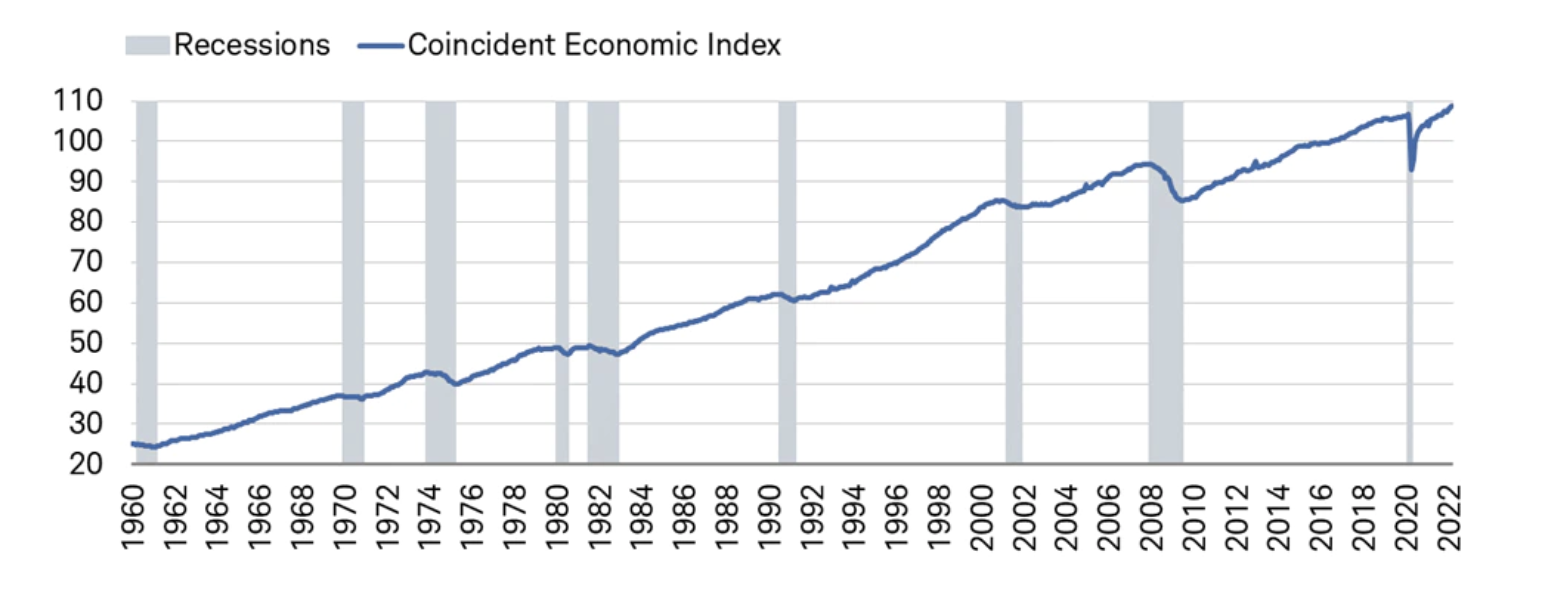
Delegates at the second annual Qatar Economic Forum, from Tesla Chief Executive Officer Elon Musk and Nouriel Roubini to Atlas Merchant Capital’s Bob Diamond and StanChart’s Bill Winters, warned the United States was heading toward a recession.
Given year-to-date fixed income returns, one would be forgiven if they never wanted to own the asset class again. Such a view, however, could prove costly as, for the first time in a year, areas of the market are starting to look attractive.
An “economic hurricane” is coming.
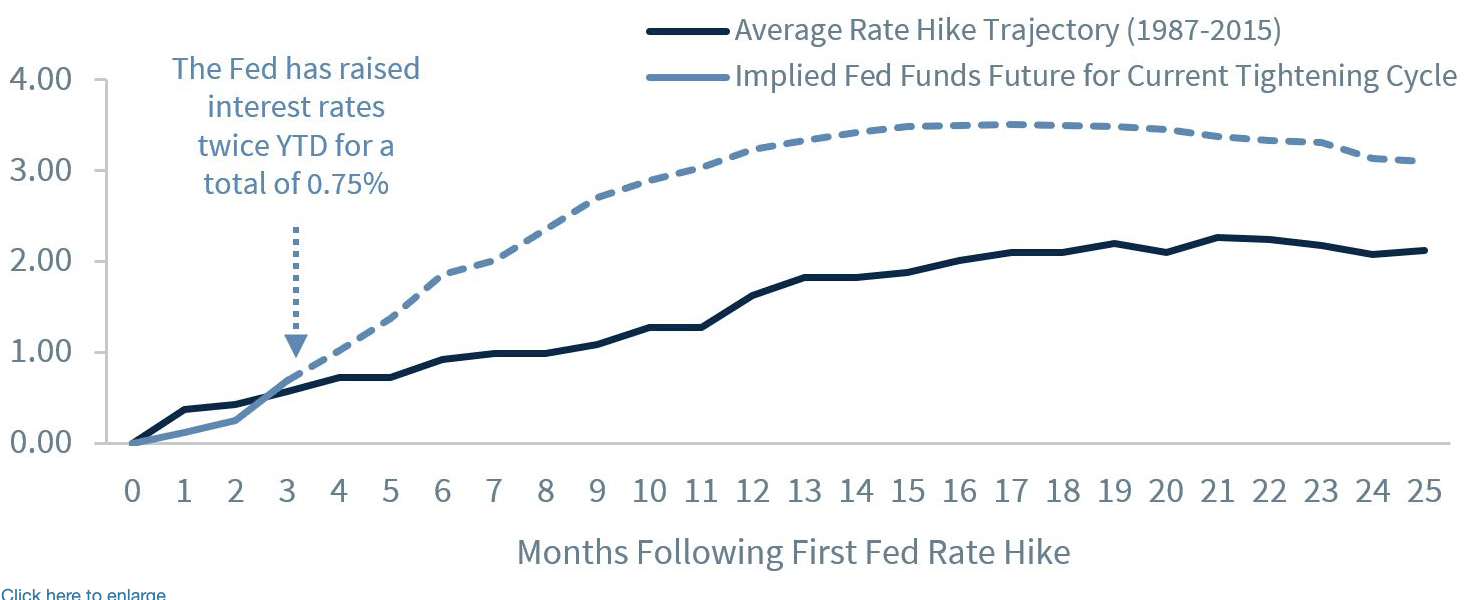
The Fed raised interest rates by 75 basis points in its June policy meeting, acknowledging continued upside surprises on inflation, inflation expectations and wage growth.
The Federal Open Market Committee’s announcement of a 75-basis-point (bp) rate hike on June 15 revealed a shift in the Fed’s thinking.
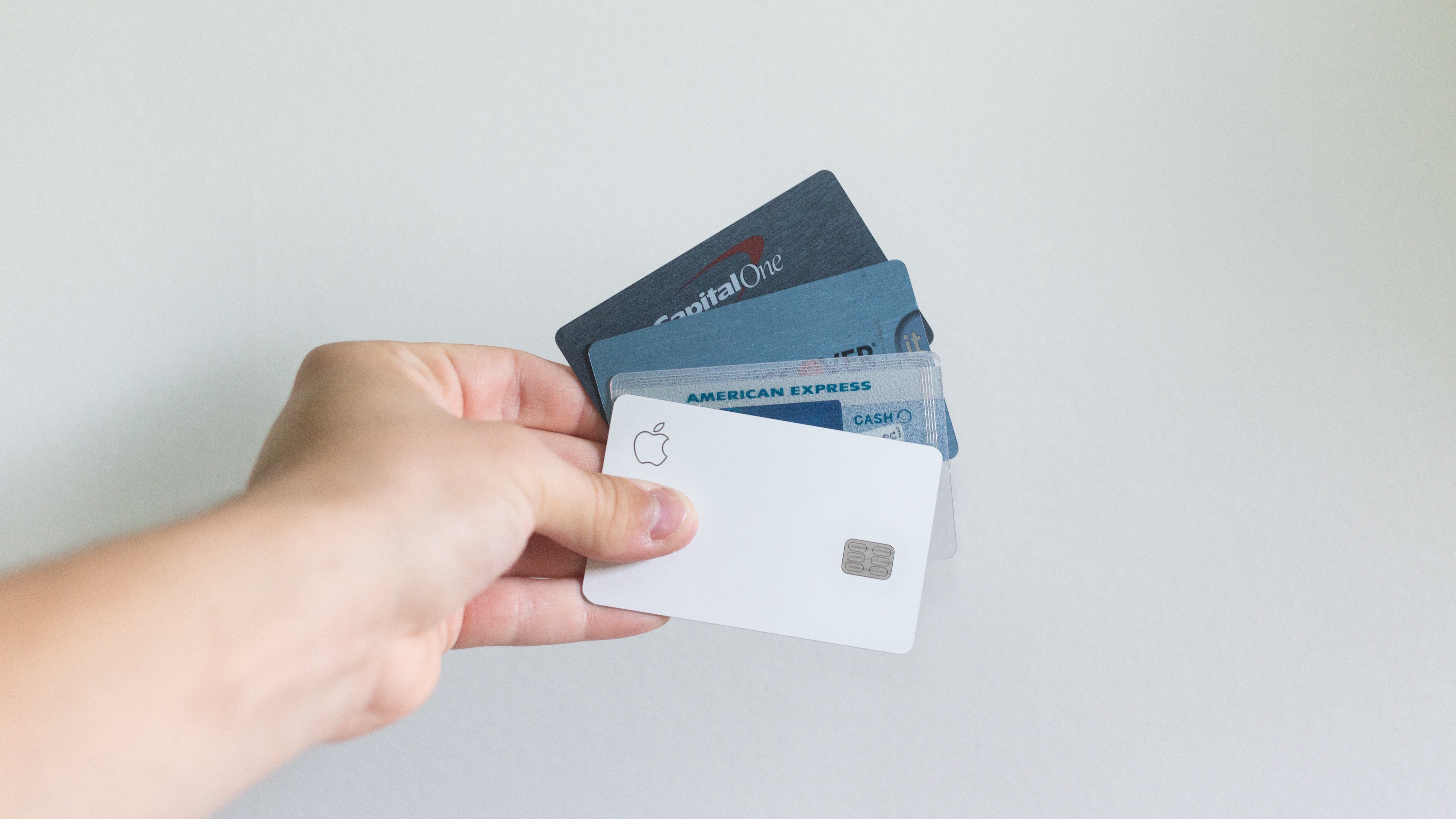
US credit-card rates have soared past 20%, mortgage costs have climbed to the highest since 2008 and companies are having a harder time borrowing money.
On the edges of US Sun Belt suburbia, the wait lists for new houses are gone. And homebuilders are doing something they haven’t done in years: slashing prices.
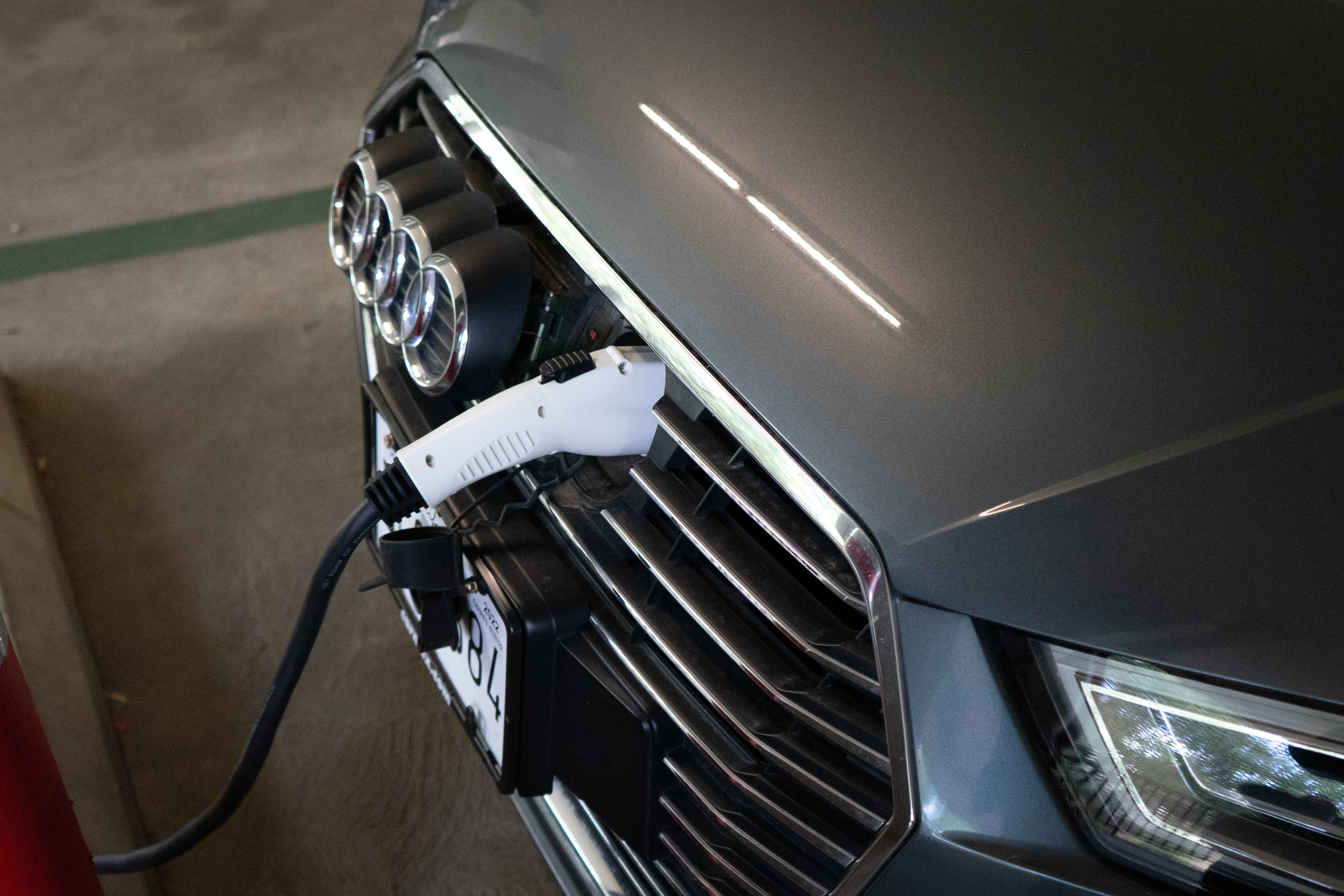
Electric-vehicle prices are going up at a dizzying pace these days.
Private equity bosses are finding history to be a lousy guide as they hunt for clues on how to work through the turmoil in global markets.
Oil is heading for the first weekly decline since April after a period of choppy trading as investors weigh the prospect of further monetary tightening from central banks to curb rampant inflation.
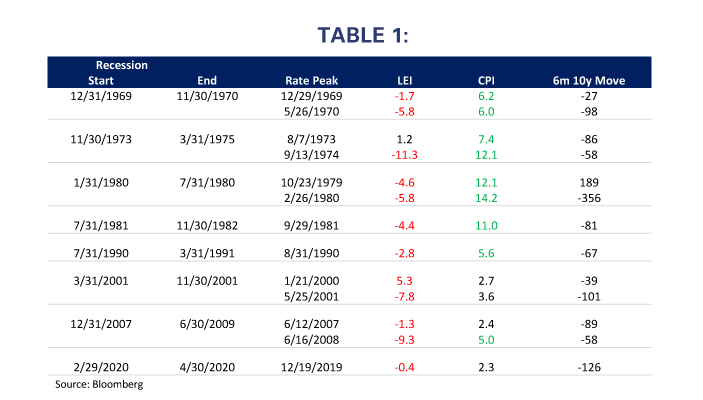
How high do interest rates have to go to control inflation?
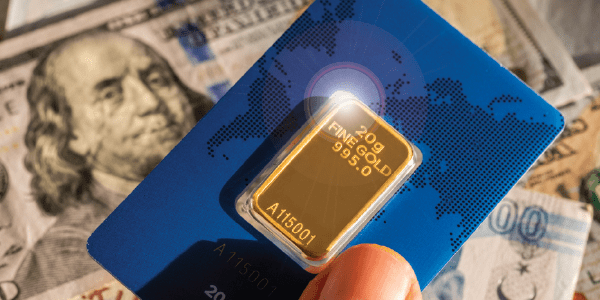
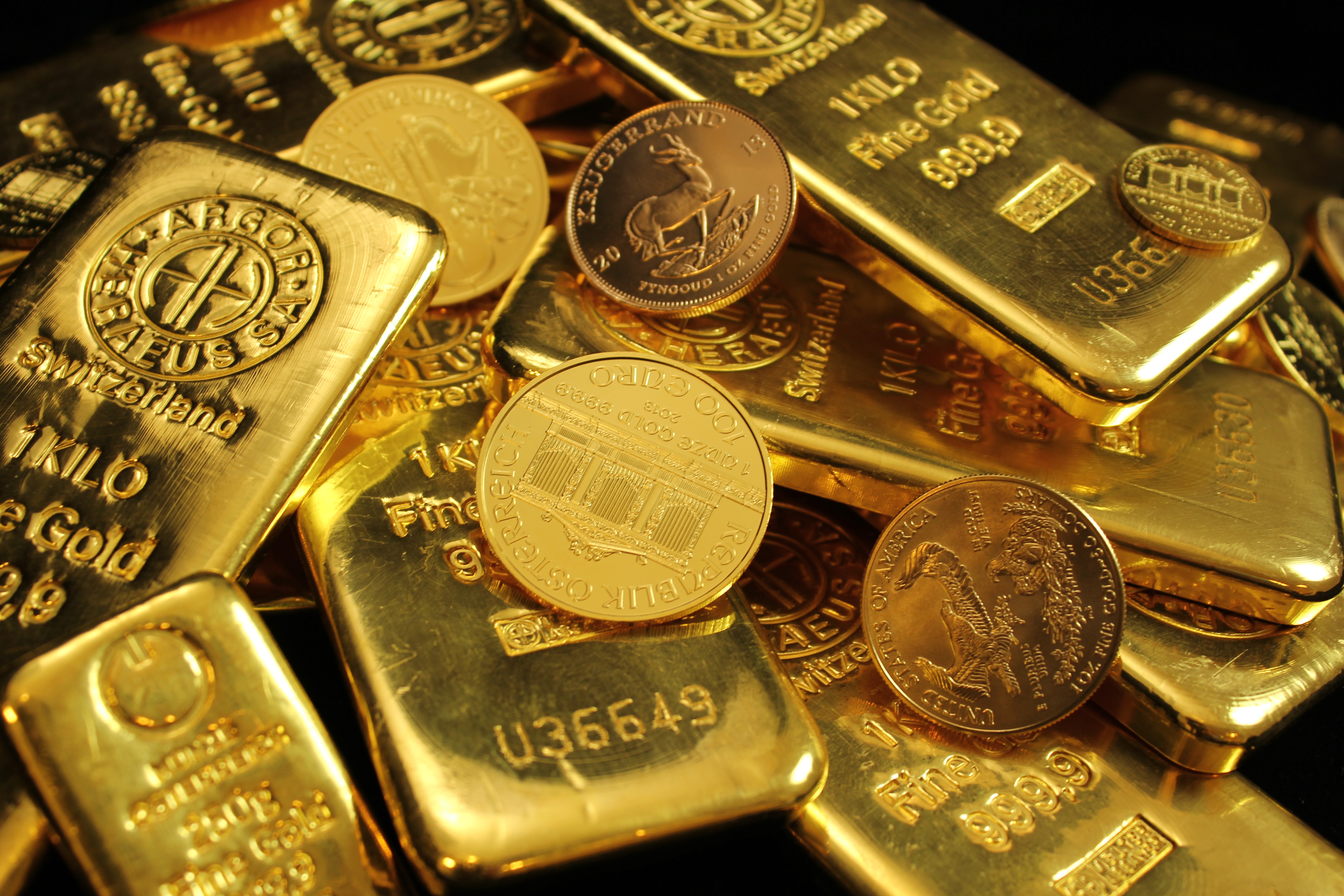
The yellow metal has managed to stay positive since the start of the year, skirting pressure from surging yields and a strong U.S. dollar. Meanwhile, nearly every other asset class has fallen into either correction or bear market territory.
Today we’ll look at some evidence this period could even be worse than the 1970s. Then we’ll read the mea culpa regrets of someone who had a big part in that drama.
Japan has been stuck in a low growth, low inflation (and at times, deflationary) environment.
An ETF issuer is following in Cathie Wood’s footsteps with a new innovation-themed fund, despite the fact that her flagship ETF tumbled 61% this year.
The world’s central bankers are unleashing what may prove to be the most aggressive tightening of monetary policy since the 1980s, risking recessions and roiling financial markets as they rush to tackle the surge in inflation they didn’t see coming.
For all the talk of bear markets and a possible recession, investors continue to pile into American equities.
The US has become the world's oil barrel of last resort, single handedly keeping prices in the energy market from exploding even higher by selling a large chunk of its Strategic Petroleum Reserve.
US dollar cycles last an average of six to nine years, and we are approaching the tenth year of this dollar bull market.
We hit a milestone just recently, although it’s certainly not one we wanted to hit.
Cryptocurrencies were supposed to teach traditional financiers a thing or two about how to avoid collapses and crises. Yet it feels like we’re simply repeating history. Specifically, the messy hedge-fund humiliation captured in “When Genius Failed.”
While hedge funds were busy bailing from stocks at a record pace as the S&P 500 plunged into a bear market, Corporate America was furiously buying.
Leo Tolstoy’s Anna Karenina opens with one of the most famous lines in world literature: “All happy families are alike, but every unhappy family is unhappy in its own way.”
Applications for US unemployment insurance were little changed last week, suggesting the labor market remains exceptionally tight.
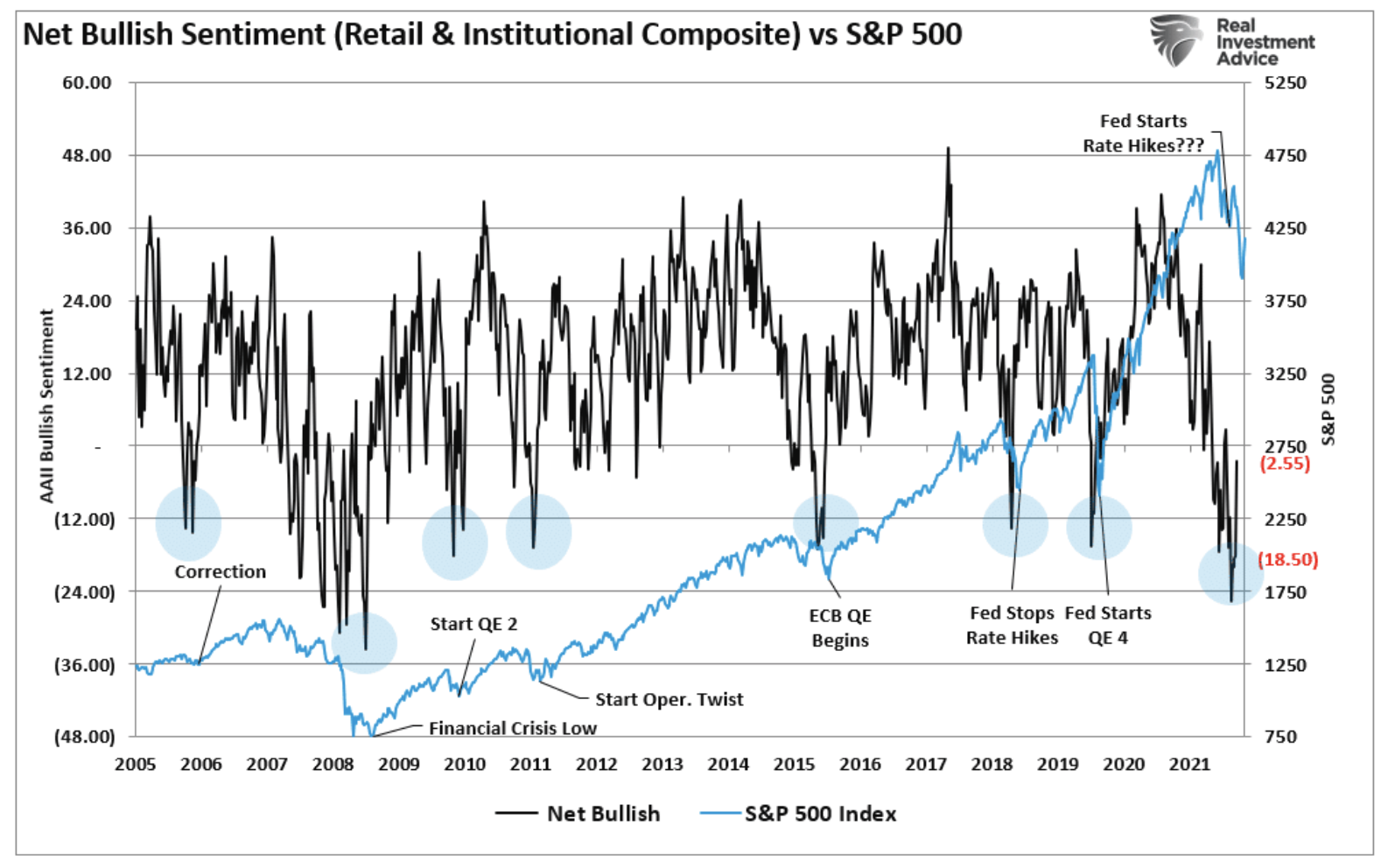
Investors are terrified.
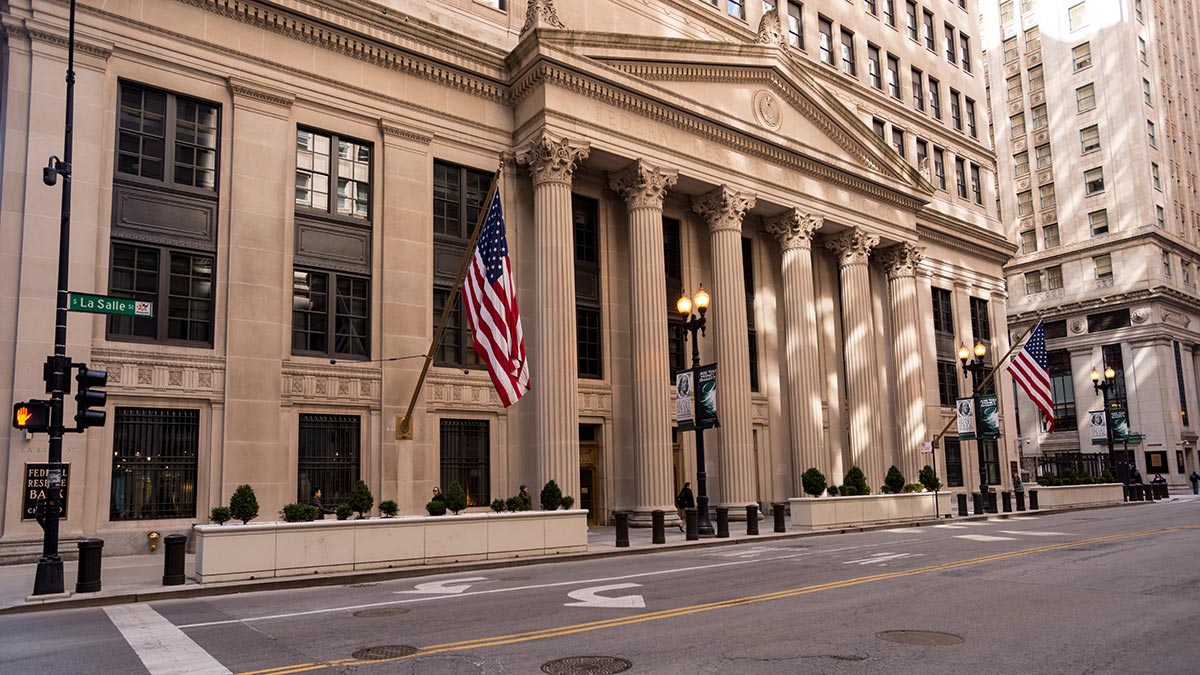
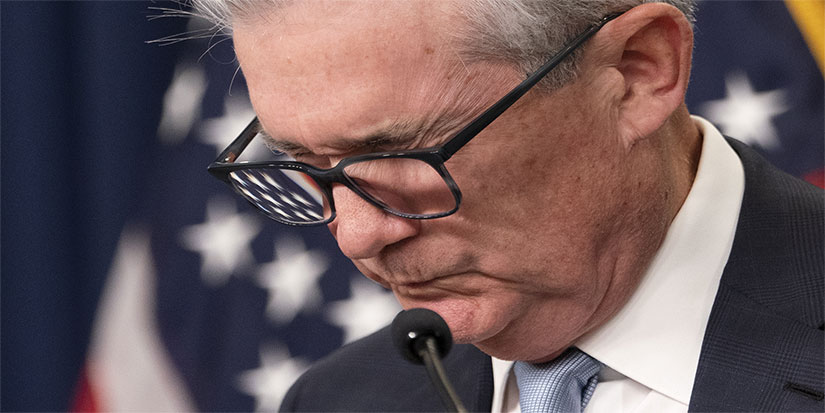
The Federal Reserve raised rates by three-quarters of a percentage point (75 basis points) today, the most at any meeting since 1994 and exactly the move Chairman Jerome Powell was dismissive about in early May after the last meeting.
It’s too soon to call an end to America’s worst bond-market collapse in at least half a century.
A key source of US economic growth this year -- consumer spending -- is showing signs of losing steam, even before Wednesday’s round of Federal Reserve rate hikes kick in.
Mortgage rates in the US surged the most in more than three decades, ratcheting up pressure on would-be homebuyers and cooling the housing market.
A historic shift in central bank policy is currently underway. The implications of this change are likely to be varied and in some instances substantial.
The better ARK performed, the more money flowed into its main ETF, ARKK. It used this money to buy more sci-fi ARKK stocks, pushing up the prices of its holdings. This created a vicious cycle that has now reversed.
Late last year, investors who were clinging to the hope that inflation might be temporary took solace in the fact that real Treasury yields remained negative, a sign that bond investors might not be that worried about inflation.
Wednesday's Federal Reserve meeting provides the clearest sign yet that the central bank is treating inflation as a national emergency, with markets expecting a 0.75% interest-rate increase.
While the market chatter in the run-up to Wednesday’s Federal Reserve interest rate decision has understandably focused on whether the increase will be 50 or 75 basis points, the critical issue in play is a broader one.
Despite a lot of confident predictions, nobody knows what will happen at the Federal Reserve Wednesday, never mind what the impact will be on markets.
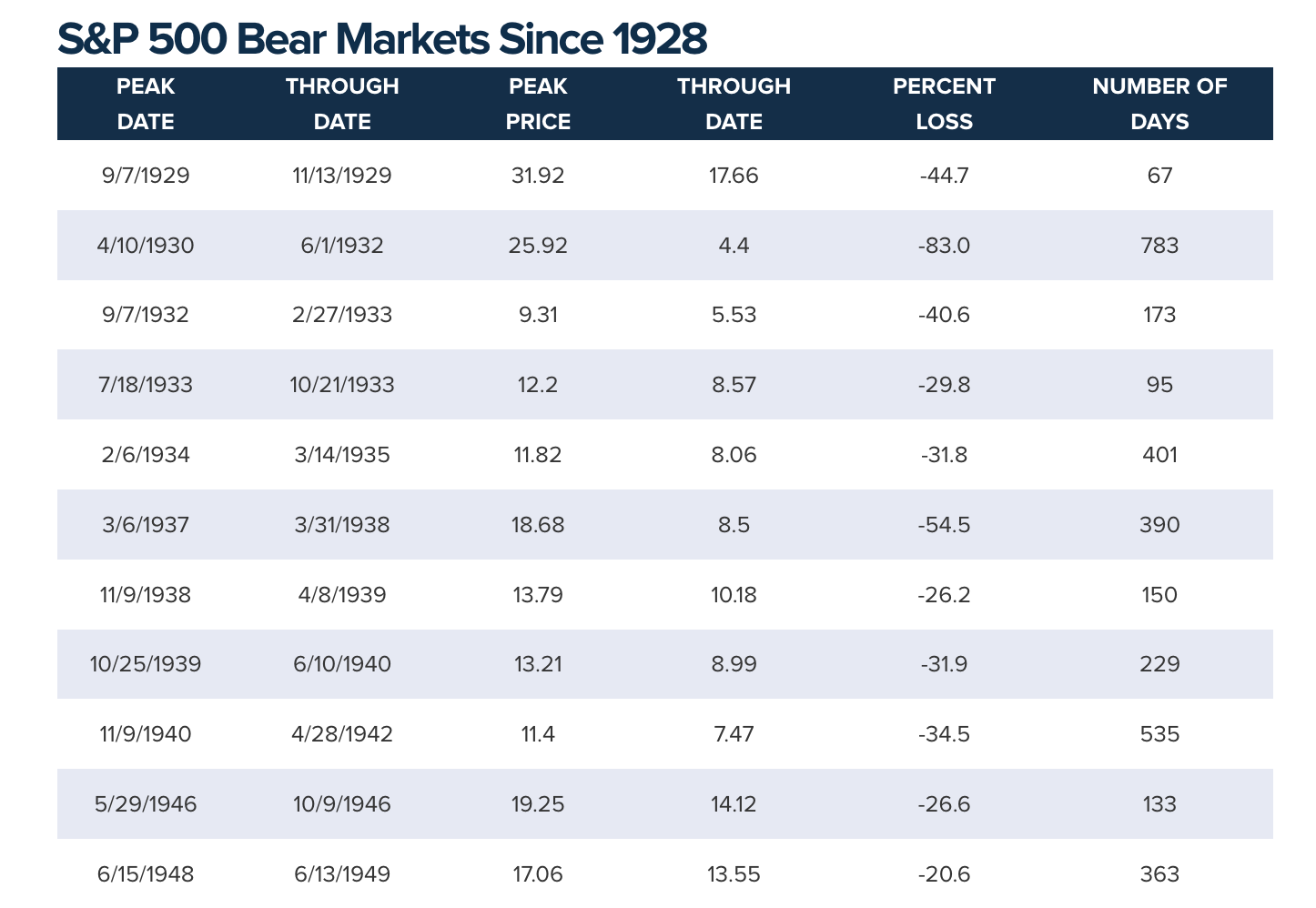
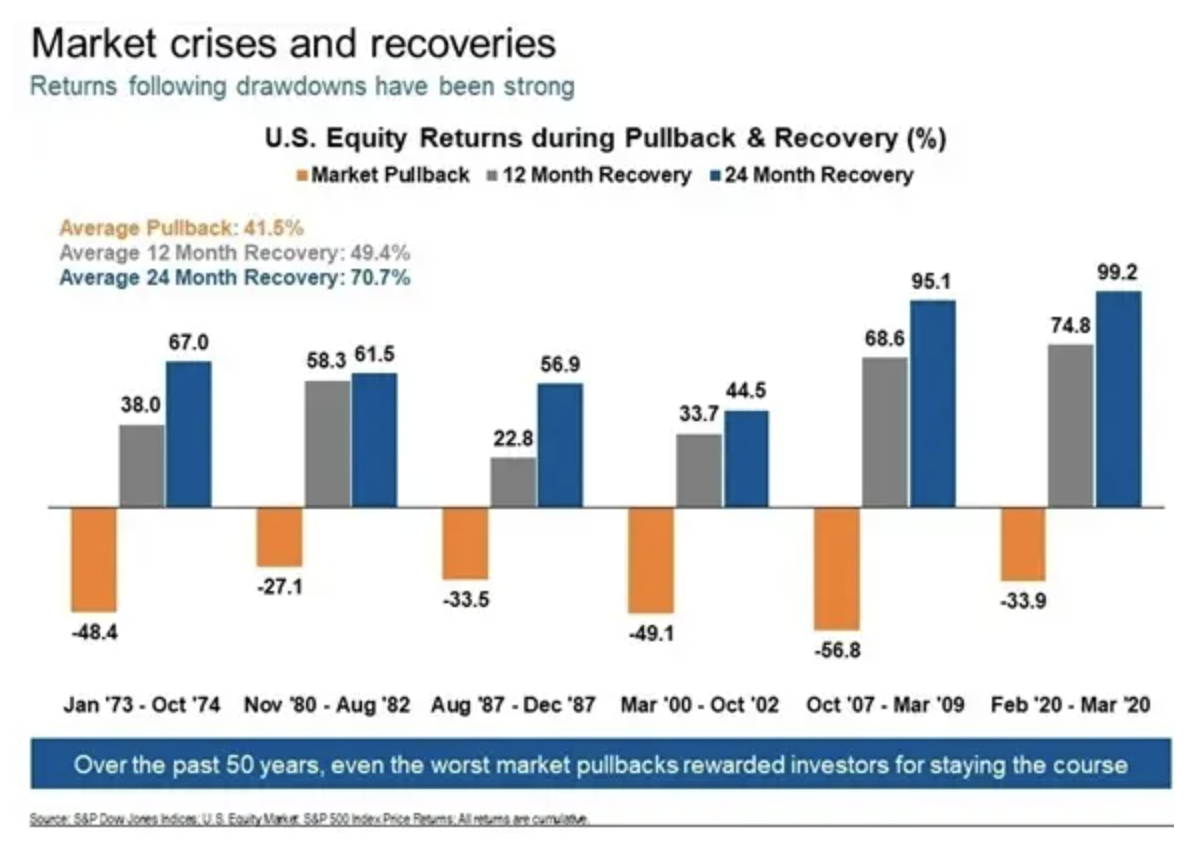
After months of hand-wringing, U.S. indexes are now in bear-market territory across the board, down 20% from their most recent highs.
With stocks down around 20% year-to-date, it is important for investors to know what kind of bear they are dealing with.
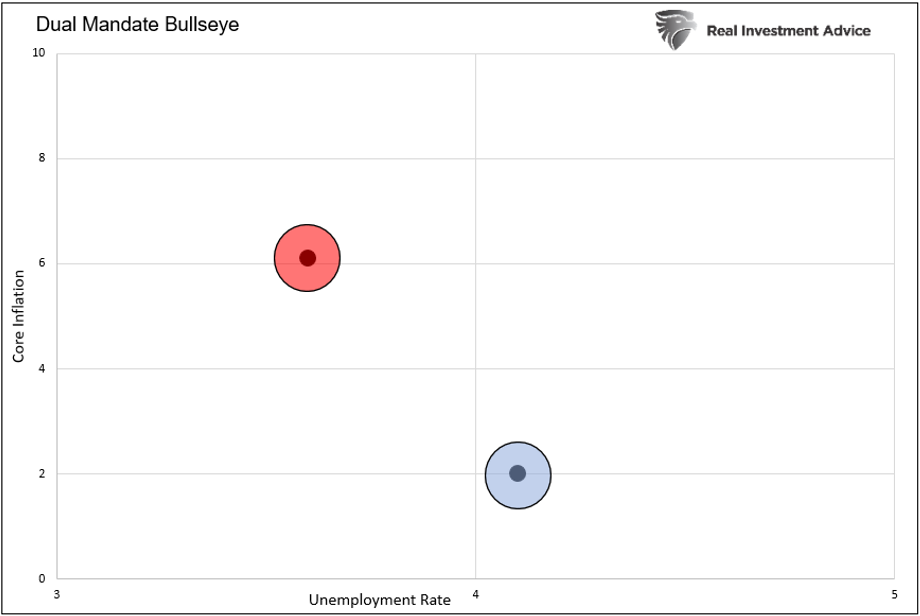
Recent experience shows that a third mandate – preventing financial instability – trumps the Fed’s two congressional mandates of full employment and low inflation.
US retail sales fell in May for the first time in five months, restrained by a plunge in auto purchases and other big-ticket items, suggesting moderating demand for goods amid decades-high inflation.
Federal Reserve Chair Jerome Powell, who’s carefully telegraphed interest rate hikes over four years, looks likely to abandon gradualism and move more forcefully to stamp out inflation along with growing concerns that it will persist.
Review the latest Weekly Headings by CIO Larry Adam.
The world’s biggest technology stocks are crumbling on Monday as broad markets enter into bear market territory amid fears the Federal Reserve will send the US economy into recession.
Gold fell after high producer prices exceeded market expectations, reinforcing concerns of the Federal Reserve’s aggressive policy stance to combat stubbornly high inflation.
Rising inflation, rate hikes, supply-chain problems and the Russia-Ukraine war have contributed to growing recession fears.