It came as a surprise when I found the annual report of the New Zealand SuperFund. While no one could fault it for sticking with passive investments, it chose a different path, with stunning results.
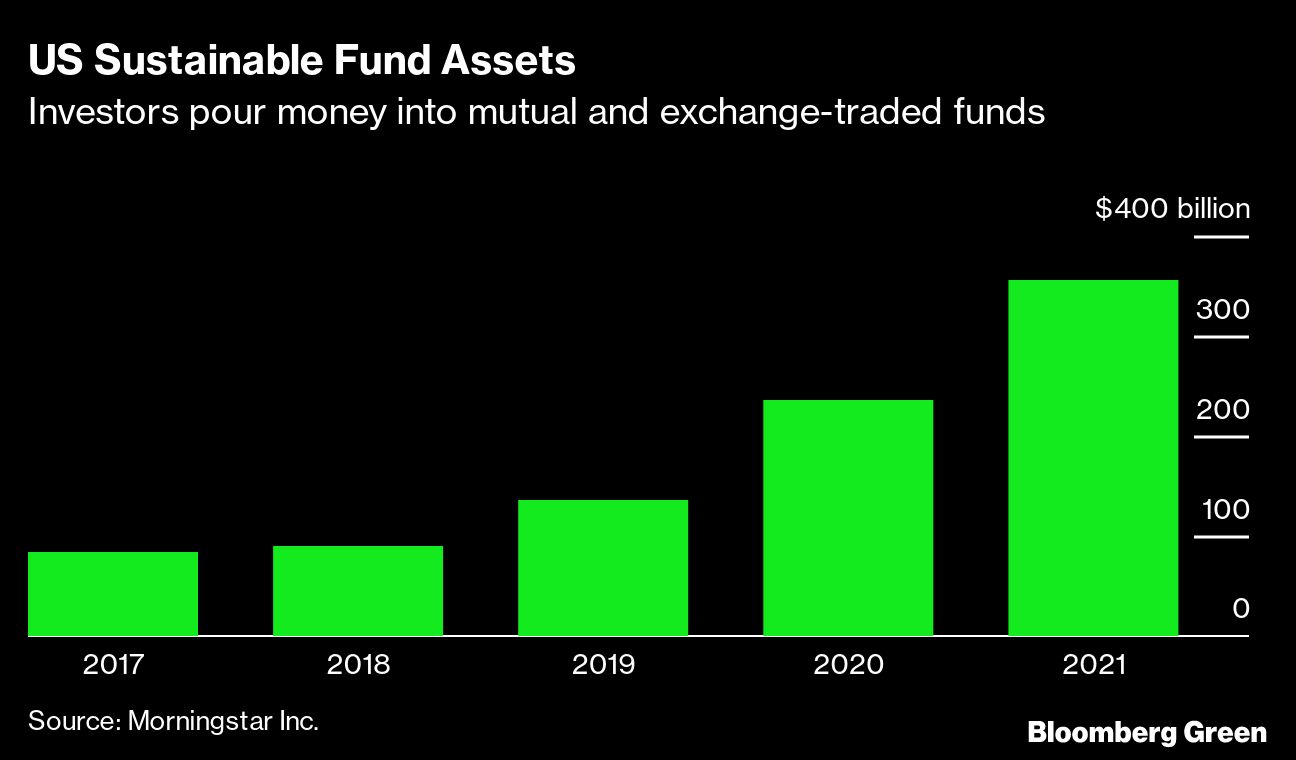
Contrary to economic theory, in recent years funds with an ESG mandate have outperformed the broader market. New research shows that outperformance was caused by increased asset flows to so-called green stocks, raising the prospects for lower returns going forward.
Why would I work to increase the profile of an active fund manager? My reasons reflect the increasing pressure on advisors to differentiate themselves and demonstrate value.
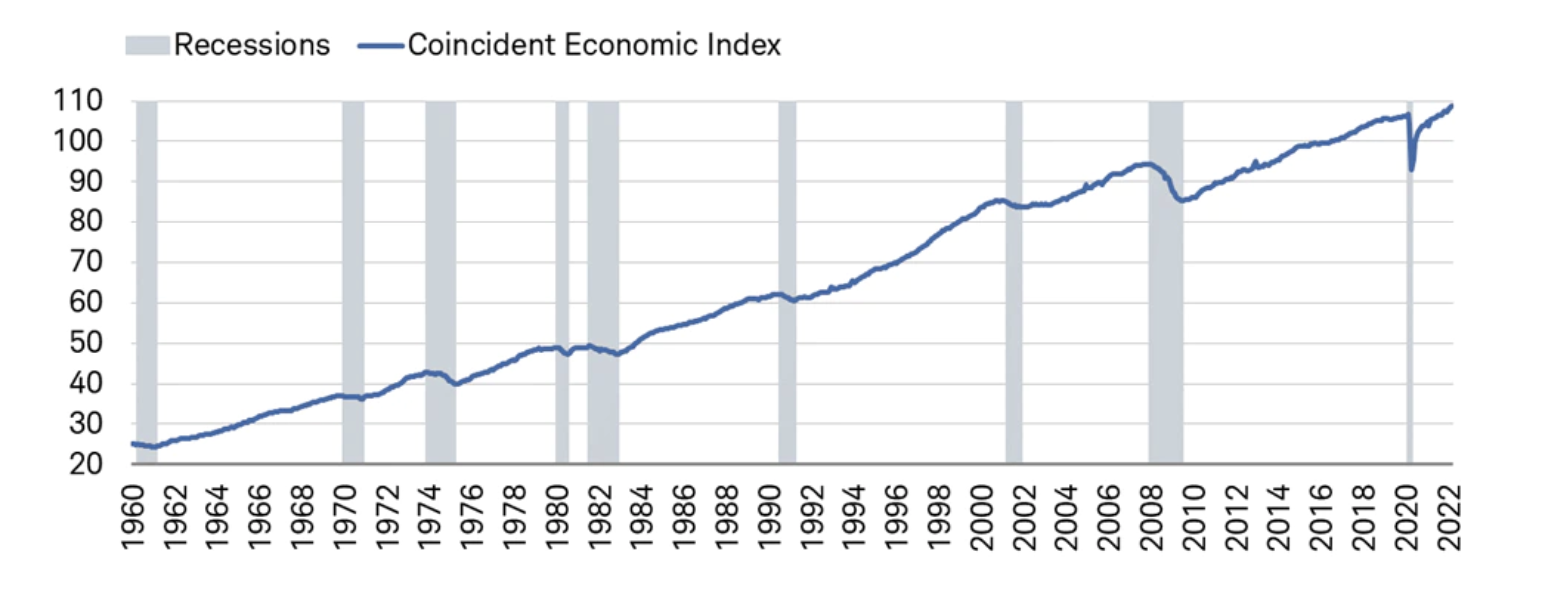
Rising inflation, rate hikes, supply-chain problems and the Russia-Ukraine war have contributed to growing recession fears.
I have identified a few opportunities within my portfolio and wealth management practice that prompt consideration for your own strategies as you plan for large estates.
Persistent … or transitory? It’s the inflation question that has been weighing on financial markets over the last year. As each economic data point trickles out, it is analyzed and re-analyzed, with that focus in mind. But it may be the wrong question to ask.
As proxy season comes to a close, investors and advisors have grappled with company stewardship on a wide variety of issues. But what’s the best way to get a company to listen? Is divestment the way to go? Or must you engage with a company? And how do investors in ETFs and mutual funds make sure their voices are heard at the asset managers they invest with?
Engine No. 1 focuses on engaging with companies constructively to make sure they are taking the costs they impose on society and other stakeholders into account. It operates on the belief that climate and social concerns are economic issues and companies that fail to address them will underperform for the long term.
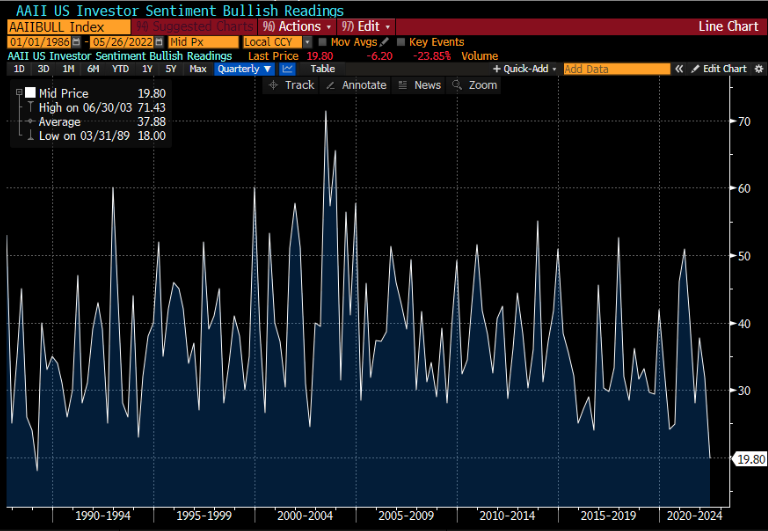
Investors are a fickle bunch. They love owning stocks when the market goes up. It feels great! So great, in fact, that pesky details like nosebleed valuations or a lack of profitability are easily overlooked. But the romance never lasts.
With National 529 Day last month and graduation season underway, the cost of education is at the top of many people’s minds.
New research quantifies the implicit cost that investors incur when index funds, such as those tracking the S&P 500, are rebalanced. Those costs may be avoidable by adopting trading strategies that introduce the possibility of tracking error.
Sharp, countertrend rallies may continue this year, but aggressive Fed policy, the turning of the liquidity tide, and slower economic growth will likely keep pressure on stocks.
Thanks to the spectacular demise of TerraUSD, a cryptocurrency that promised to be always worth a dollar but was suddenly worth a lot less, the world is better acquainted with the term “stablecoin” — and aware of how unstable they can be.
For the year ending December 31, 2021, passive mutual funds and ETFs reported estimated net inflows totaling $958.43 billion, compared to estimated net inflows totaling $249.91 billion for actively managed funds.
The US Securities and Exchange Commission is concerned that retail investors are being duped by “greenwashing.”
Stock pickers are beating the market in unusually large numbers this year, raising the age-old question about whether their success can be attributed more to luck or skill.
The US Securities and Exchange Commission is taking its biggest step yet to stop money managers from misleading investors when they claim their funds are focused on environmental, social or governance issues.
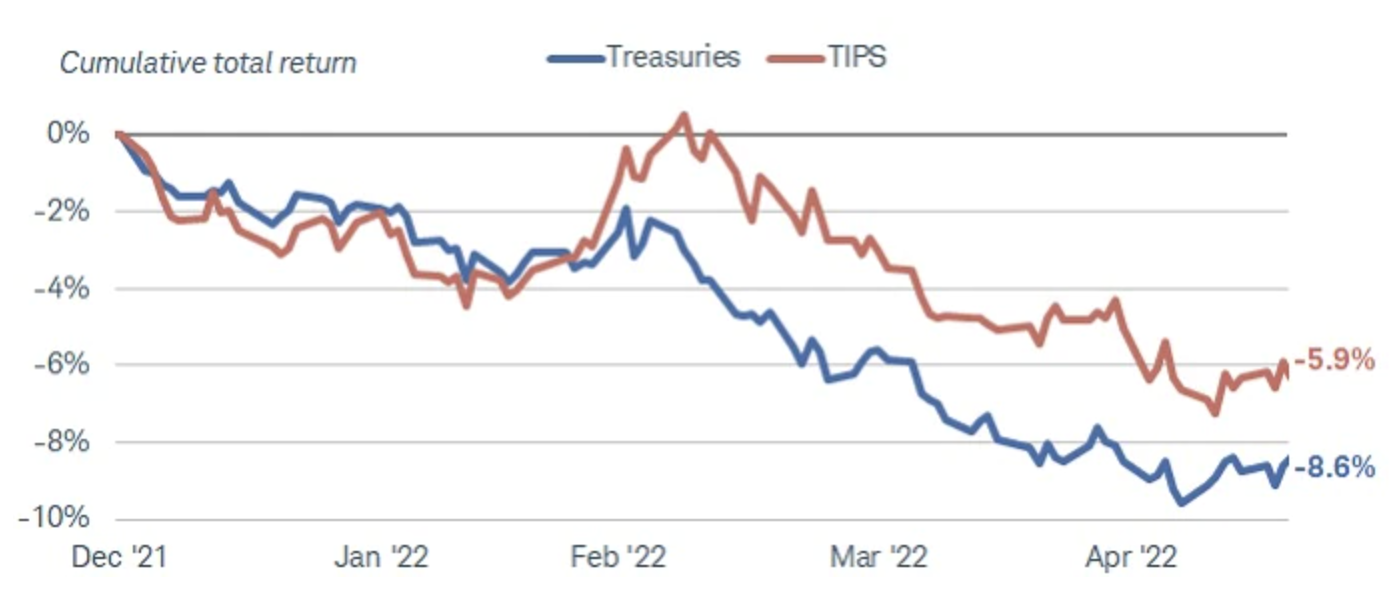
Treasury Inflation-Protected Securities, or TIPS, can help protect against inflation over the long run, but in the short term their performance may be dictated more by price declines in the secondary market.
RIAs can be paid to service trails-paying annuities without a broker-dealer.
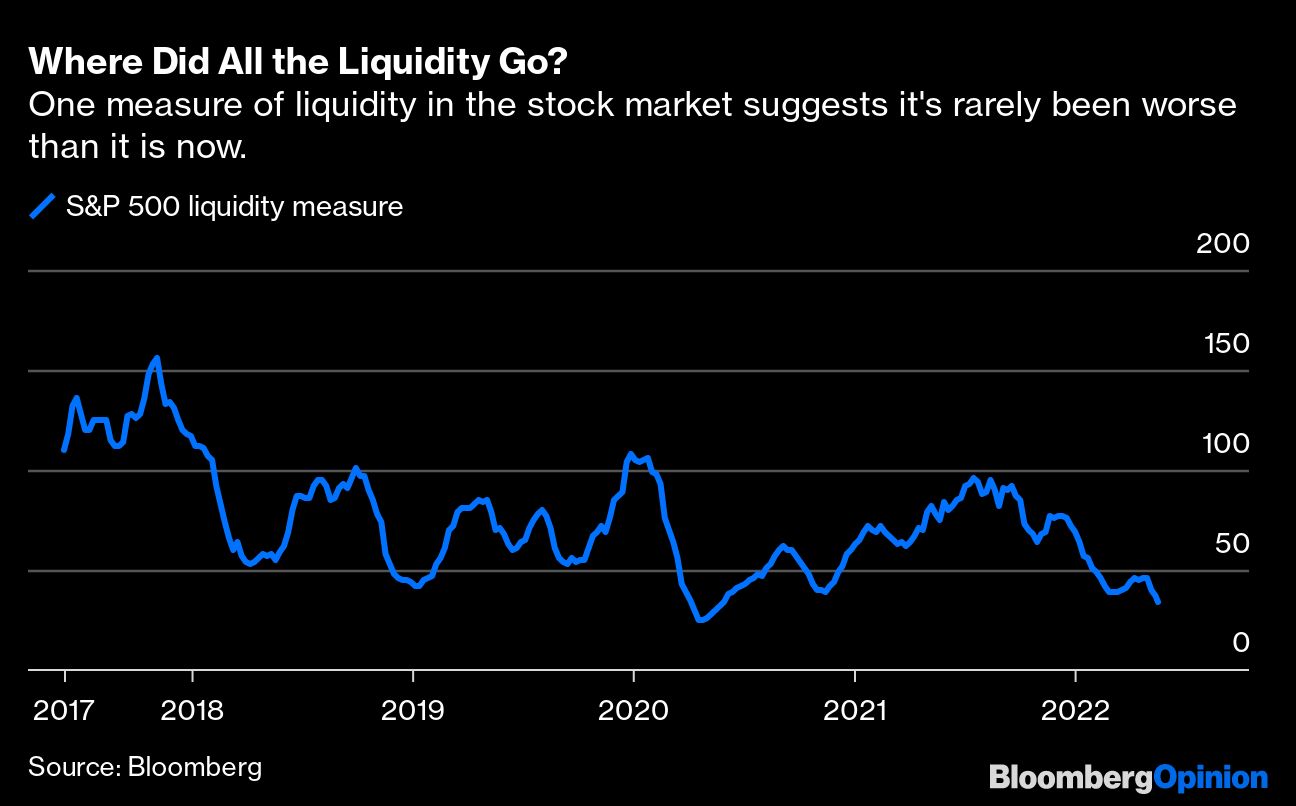
Liquidity is the lifeblood of the capital markets. It is the ease at which an asset can be turned into cash without disrupting the price of that asset. This was never really a concern in the US, whose markets are prized for being the deepest, most liquid in the world. It’s one reason why the dollar is the world’s dominant reserve currency.
There are thousands of mutual funds that offer to select stocks and bonds for your portfolio. But which ones are right for you? Use our Premium membership service to add your logo and a note from you and forward it to your clients.
Whenever I surf television cable news channels, I see the plethora of ads for financial planning. But they are run by companies that sell financial products or are owned by huge insurance companies.
It’s been a brutal stretch for retail traders. Stocks are approaching a bear market. A selloff wiped $200 billion off cryptocurrencies in a single day. And Morgan Stanley found that amateur investors who jumped into the market when lockdowns began in 2020 have lost all their gains.
Advisors who use Dimensional funds are generally believed to more likely adhere to their investment strategies than their peers. A comparison of fund and investor returns calls this conventional wisdom into question.
Some big-name investors forecast that Bitcoin will eventually hit $100,000, $1 million or more. It could very well do that, but for now, its price is closer to $0. That’s both a risk and an opportunity.
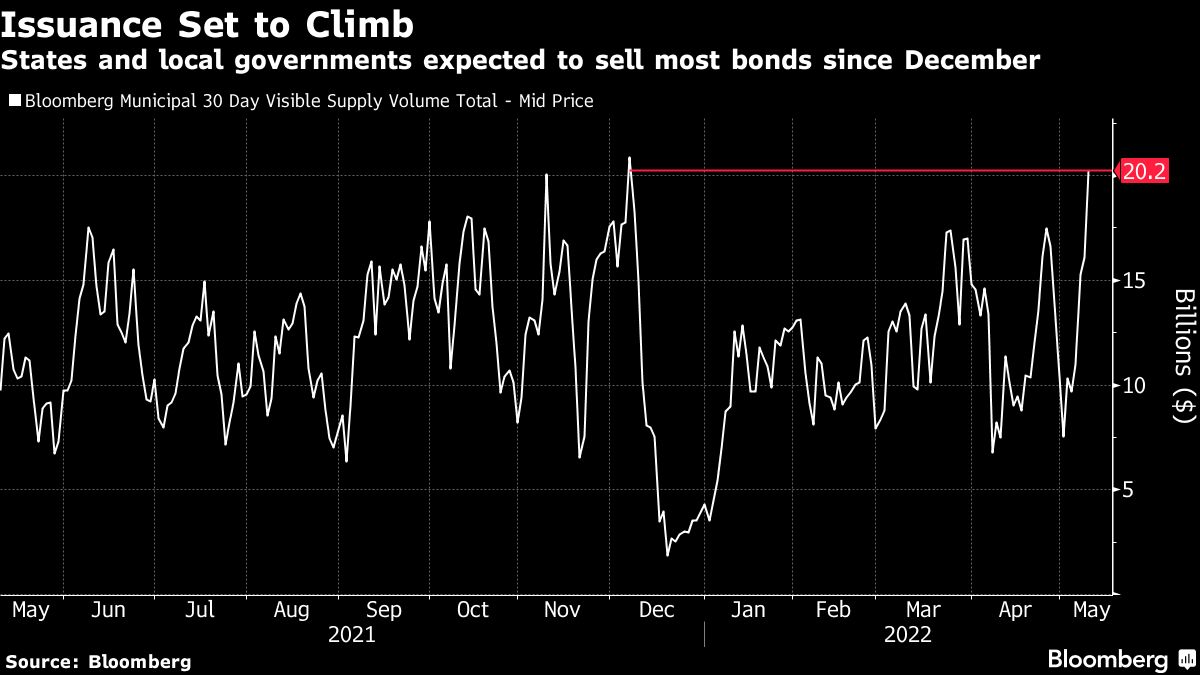
The nation’s local governments are expected to sell $20.2 billion of debt over the next month, the most since early December, according to a Bloomberg index that tracks municipal bond sales announced for the next 30 days. The gauge doesn’t represent the full tally of what actually hits the market, as many deals come with less than a month’s notice.
Since 1992, The Belkin Report has used Michael Belkin’s proprietary forecasting model to project the performance of market sectors, groups, and specific stocks. It provides three‐ and 12‐month forecasts for financial markets based on rates of change. Because of its track record, The Belkin Report has become a trusted resource for top hedge funds, mutual funds, pension funds, insurance companies, family offices, and sovereign wealth funds across the globe.
Larry Swedroe and Sam Adams’ new book, Your Essential Guide to Sustainable Investing, resolves the confusion in sustainable investing.
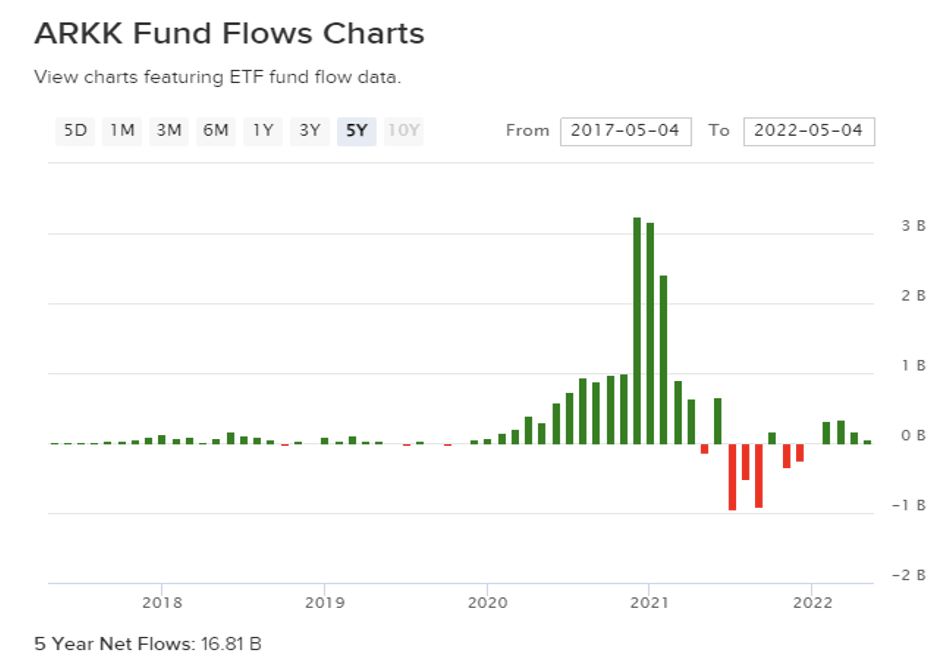
Elon Musk, Marc Andreessen and Cathie Wood have spent the past few days on Twitter exchanging ideas about how investing and financial markets work — all in the name of liberating small-fry investors from elite giants that manage and peddle index funds.
The U.S. economy contracted 1.4% in the first quarter, leading some investors and analysts to raise the specter of the dreaded “R” word: recession.
There are no shortage of bears making similar claims these days. Between the Russia-Ukraine war, the aggressive tightening by the Federal Reserve, soaring inflation and Covid lockdowns in China, there are plenty things to worry about. The S&P 500 has already lost 12% this year, while the Nasdaq Composite cratered into a bear market after sliding more than 20% from its peak in November. Key bond benchmarks are down more than 10%.
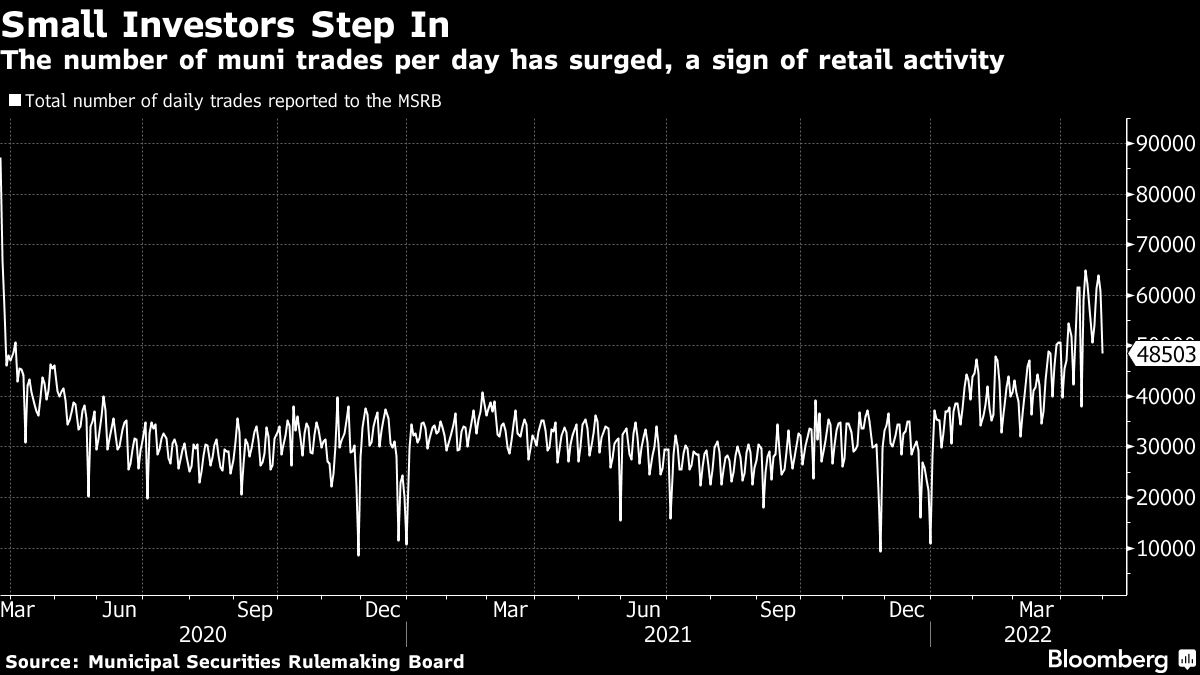
The number of daily trades surpassed 60,000 on a few days in late April, levels last seen during the 2020 pandemic-induced selloff. In March, that figure averaged around 42,600, according to trade data from the Municipal Securities Rulemaking Board.
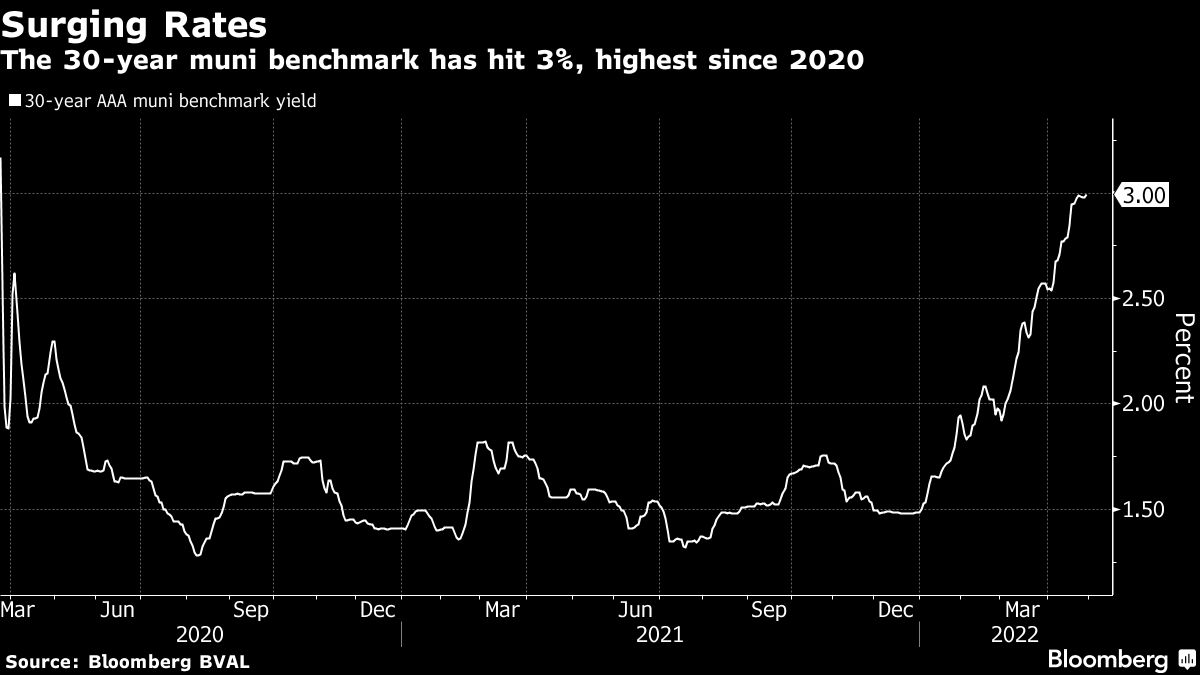
Municipal bonds are heading for their worst start to a year on record, and fund managers say nailing the direction of the $4 trillion market from here likely has little to do with the fiscal health of U.S. states and cities.
Our view is that the equity market is in a tug of war between a good earnings tailwind and a modest valuation headwind.
Does a risk-free bond with 7% yield interest you? If so, read about the red-headed stepchild of the bond world that is finally attracting investors.
The surging popularity of direct indexing has led to confusion. Some believe it is barely indistinguishable from indexed investing, while others claim it is active management “in drag.”
An unusually strong tug of war between economic forces is playing out in global markets, with a booming economy and low unemployment offset by the effects of the Russian invasion of Ukraine and expanded inflation. Expectations over the timing and magnitude of Fed interest rate increases rapidly evolved as clarity began to emerge around central bank responses to inflation.
To start, let’s discuss what diversification is and what it is not.
Because 529 plans are exempt from SEC oversight, they can charge higher fees and use that revenue in ways that do not benefit plan participants. New research shows some states are guilty of this abuse.
As dangerous as it is to simply extrapolate past returns into future expectations, an even bigger mistake is planning a financial future based on nominal gross returns, forgetting about how large bite expenses, taxes, and inflation will take from the bottom line. Use our premium membership service to forward this article to clients with your logo.
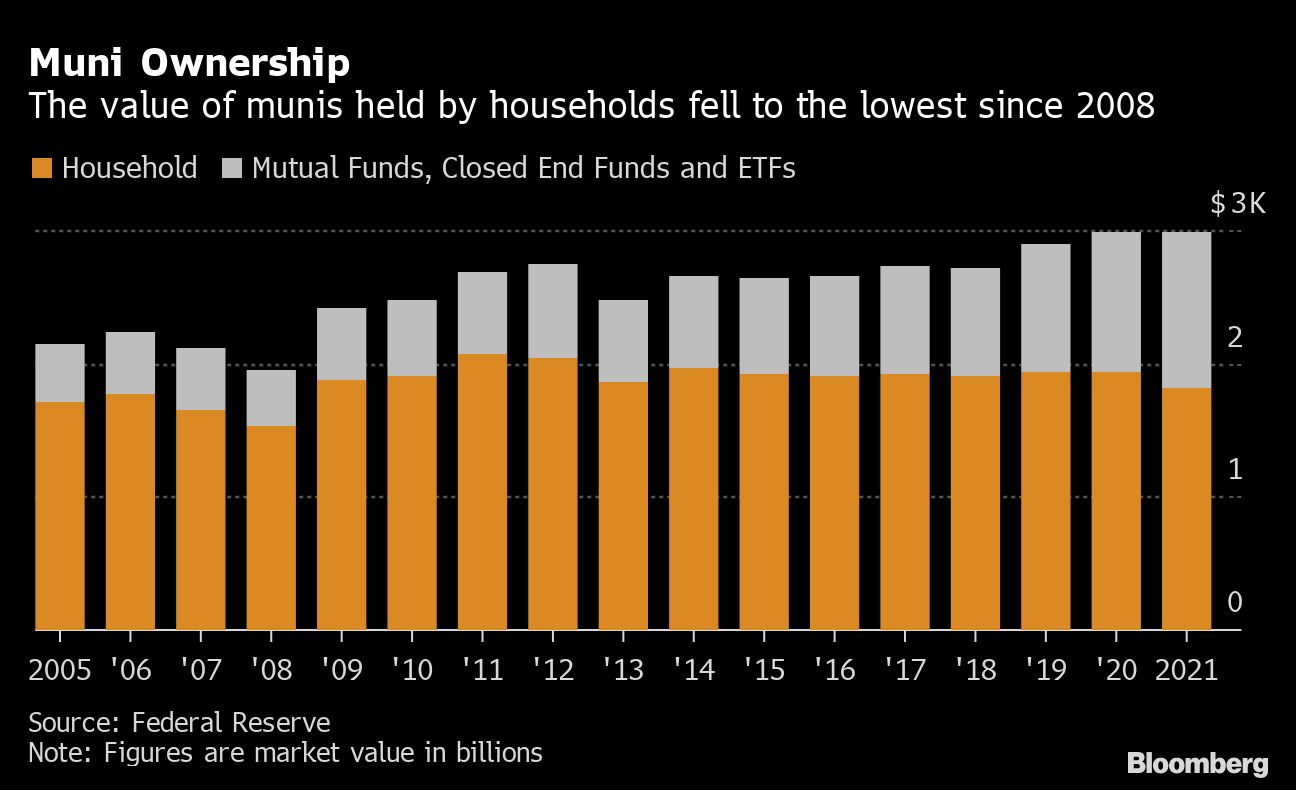
The value of bonds directly owned by households fell by $18 billion in the fourth quarter of 2021, dropping to the lowest level since 2008, according to Federal Reserve data. Instead, those buyers are moving toward mutual funds and exchange traded funds, which have roughly doubled their muni holdings over the last decade.
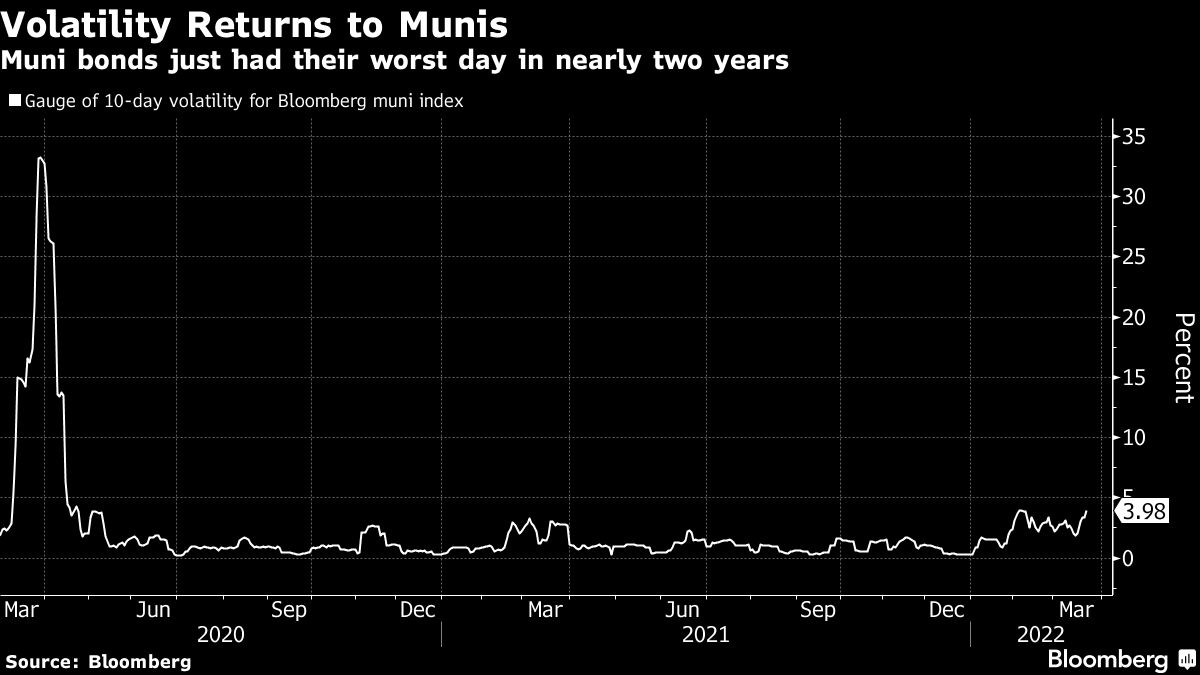
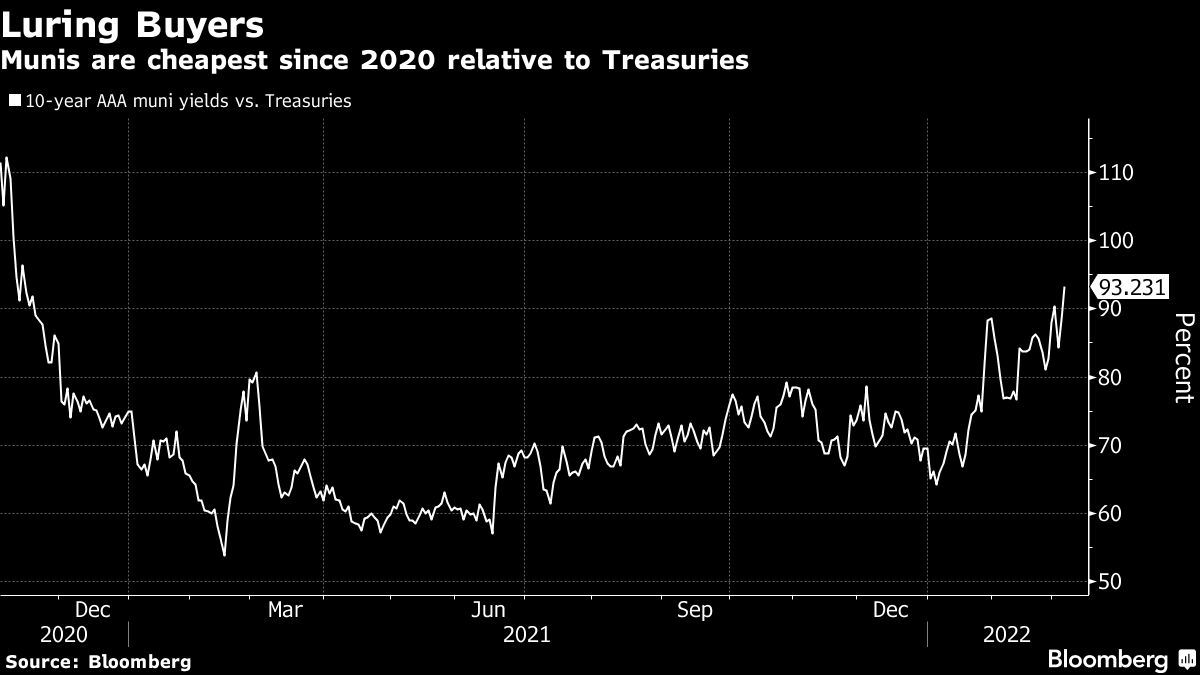
The $4 trillion state and local-debt market just logged its most volatile 10-day period since the early 2020 selloff, according to data compiled by Bloomberg. Benchmark yields rose as much as 11 basis points on Tuesday, driving the market to its worst day of performance since April 2020. AAA yields rose as much as 2 basis points as of 4 p.m. on Wednesday.
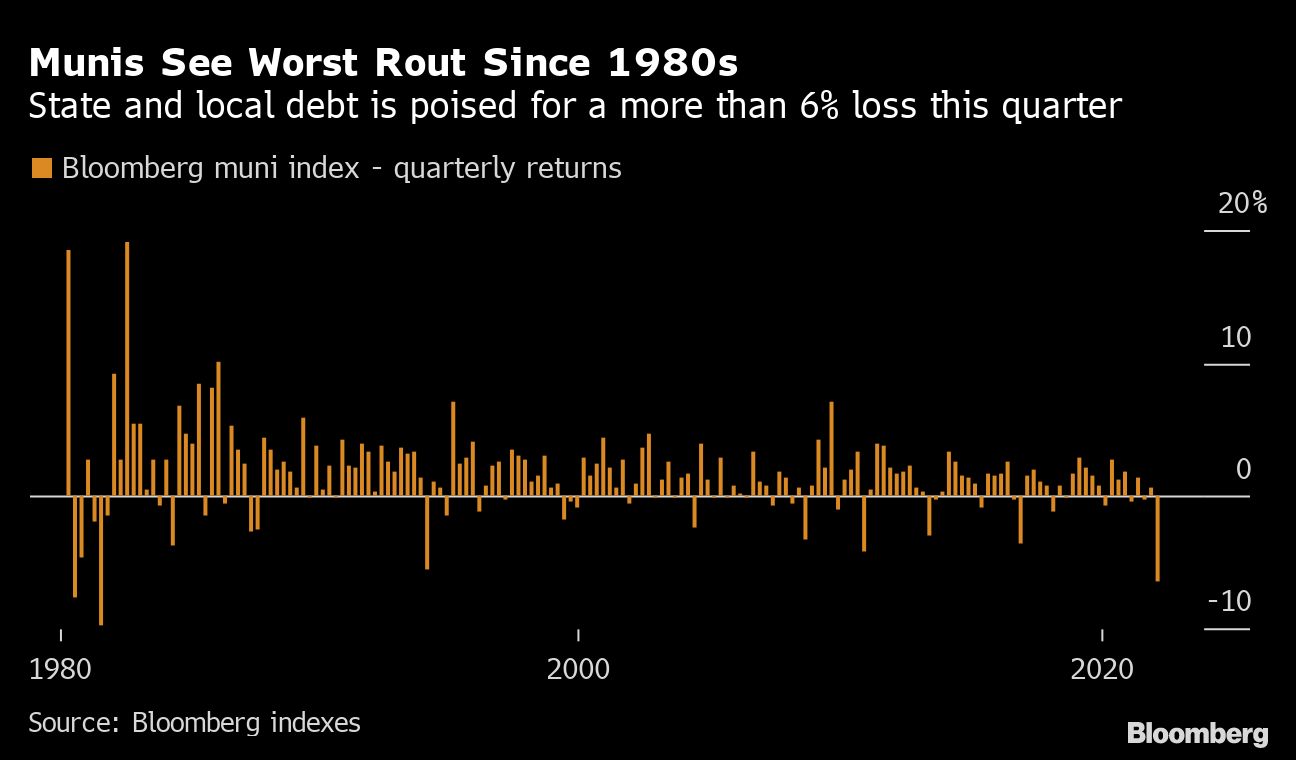
The municipal-bond market is ending its worst quarter in about 40 years with a 6.4% loss, a dramatic pullback for an asset class that investors favor for its stability. The loss so far this year is in line with bonds globally as central banks increase interest rates to combat the fastest inflation in decades. The municipal market is still underperforming U.S. Treasuries, heightening investor concern.
It’s been a bleak stretch in the $4 trillion municipal-bond market, with returns slumping, retail investors dumping bonds and volatility giving issuers pause. But some portfolio managers are jumping into the fray.
The academic evidence shows that selecting investments, such as mutual funds or stocks, based on past performance is a terrible idea. Use our premium membership service to forward this article to clients with your logo.
The Bluetooth logo is a bind rune merging the Younger Futhark runes(Hagall) (ᚼ) and (Bjarkan) (ᛒ), Harald’s initials.
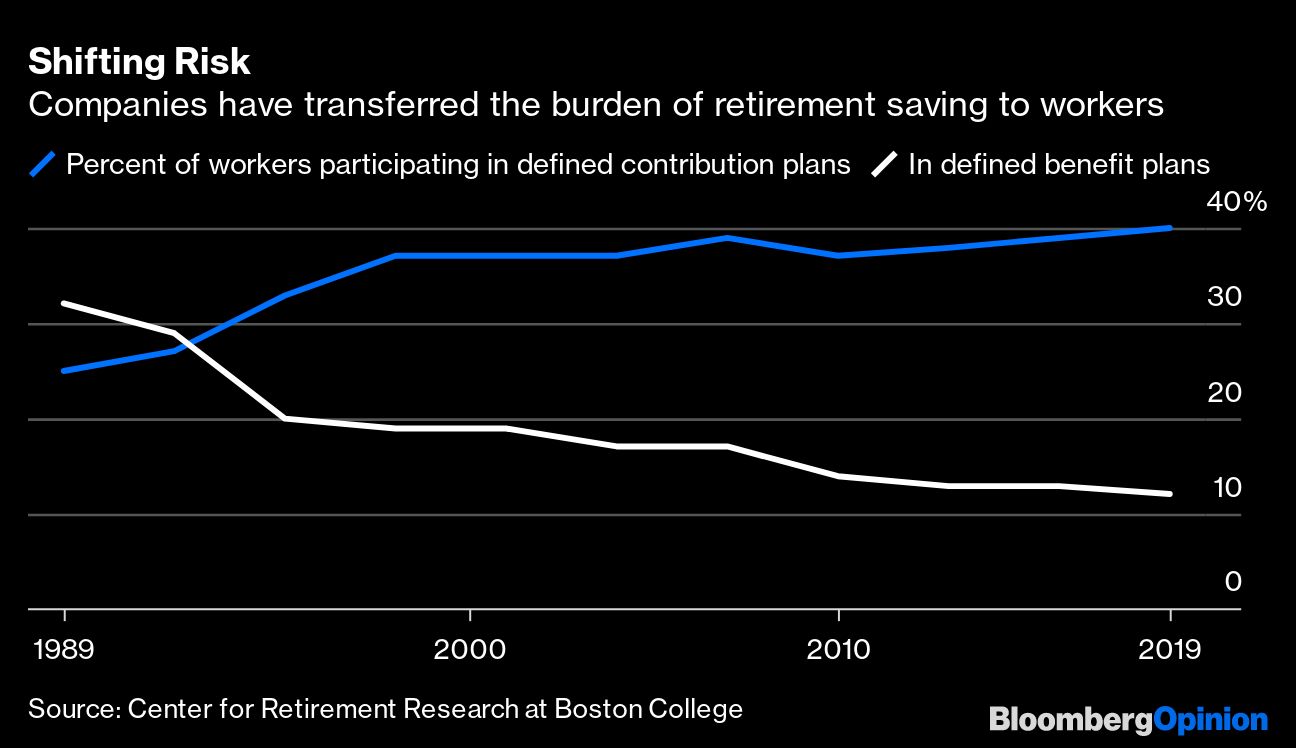
The U.S. government has long offered myriad contrivances and enticements to get Americans to save enough for a comfortable retirement — so far with woefully inadequate results. But why should it be involved at all? Why can’t people be responsible enough to prepare for an entirely foreseeable event?
Do the investment products that advertise themselves as ESG-compliant actually deliver?
Reflecting on the history of our family office, our investing philosophy mirrors how previous generations built their wealth through farming. They patiently waited to harvest the crops they planted; we buy securities and patiently wait for them to appreciate.
In June of 2021, KCR’s Equity Research Team wrote a brief but pointed review of the legendary treatise on value investing, A Margin of Safety by Seth A. Klarman.
After spending many years in the planning profession, I’ve found that advisors place superfluous importance on speaking intelligently and comprehensively.