Bitcoin has shed more than half its value this year, and yet the selling may not yet be over.
The US Treasury won’t buy back government debt to shore up market functioning before May 2023, if ever, analysts are saying.
About 90% of this year’s S&P 500 loss was attributable to higher interest rates.
Markets hoped for a dovish Federal Reserve “pivot,” but got a hawkish surprise instead.
Construction of solar and wind farms needed to purge planet-warming fossil fuels from the grid slowed sharply this year as trade issues, tax uncertainty and supply-chain disruptions stifled development.
Wall Street had already come to terms with prospects that the Fed would again raise interest rates by 75 basis points.
The Federal Reserve plans to keep raising rates at future meetings, but at a slower pace than it has for the last four meetings.
Although the economy is showing signs of slowing down, inflation has remained higher than expected.
U.S. equities finished lower with the Dow whipsawing within a more than 900-point range following the Fed's monetary policy decision.
Federal Reserve officials signaled their aggressive campaign to curb inflation could be entering its final phase even as they delivered their fourth straight 75 basis-point interest-rate increase.
As we approach the end of 2022, investors are hoping that inflation will fall in 2023 and lead the Federal Reserve to pause and perhaps reverse some of its interest-rate hikes. The looser financial conditions would then allow for accelerating economic growth and a better year for financial markets.
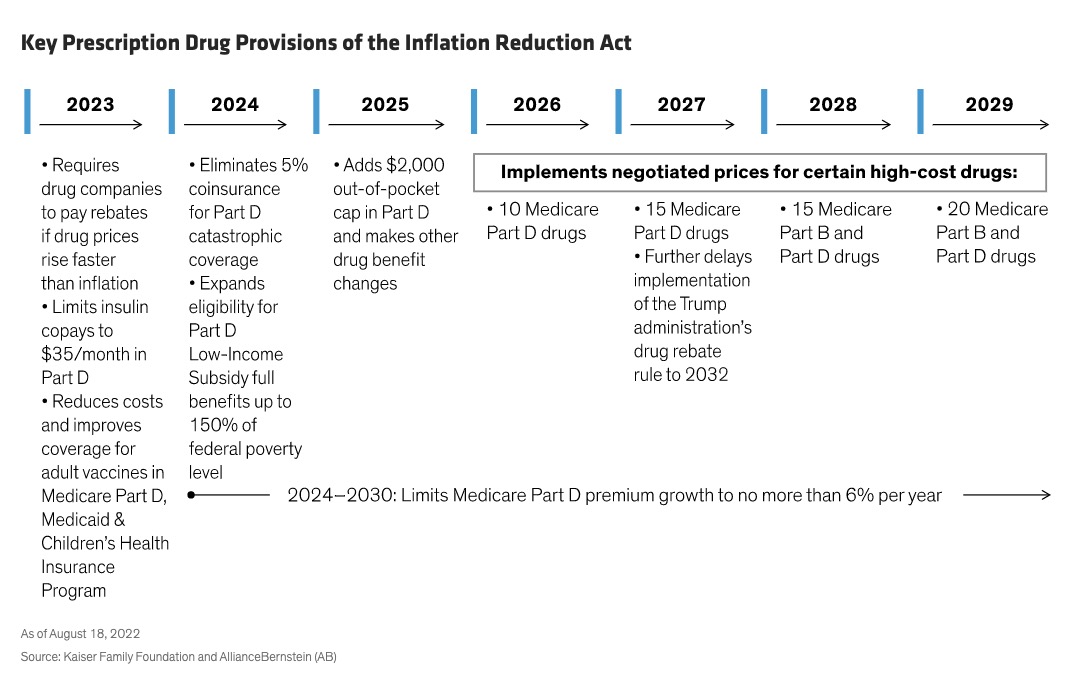
The cost of prescription medicine is a constant strain for many Americans.
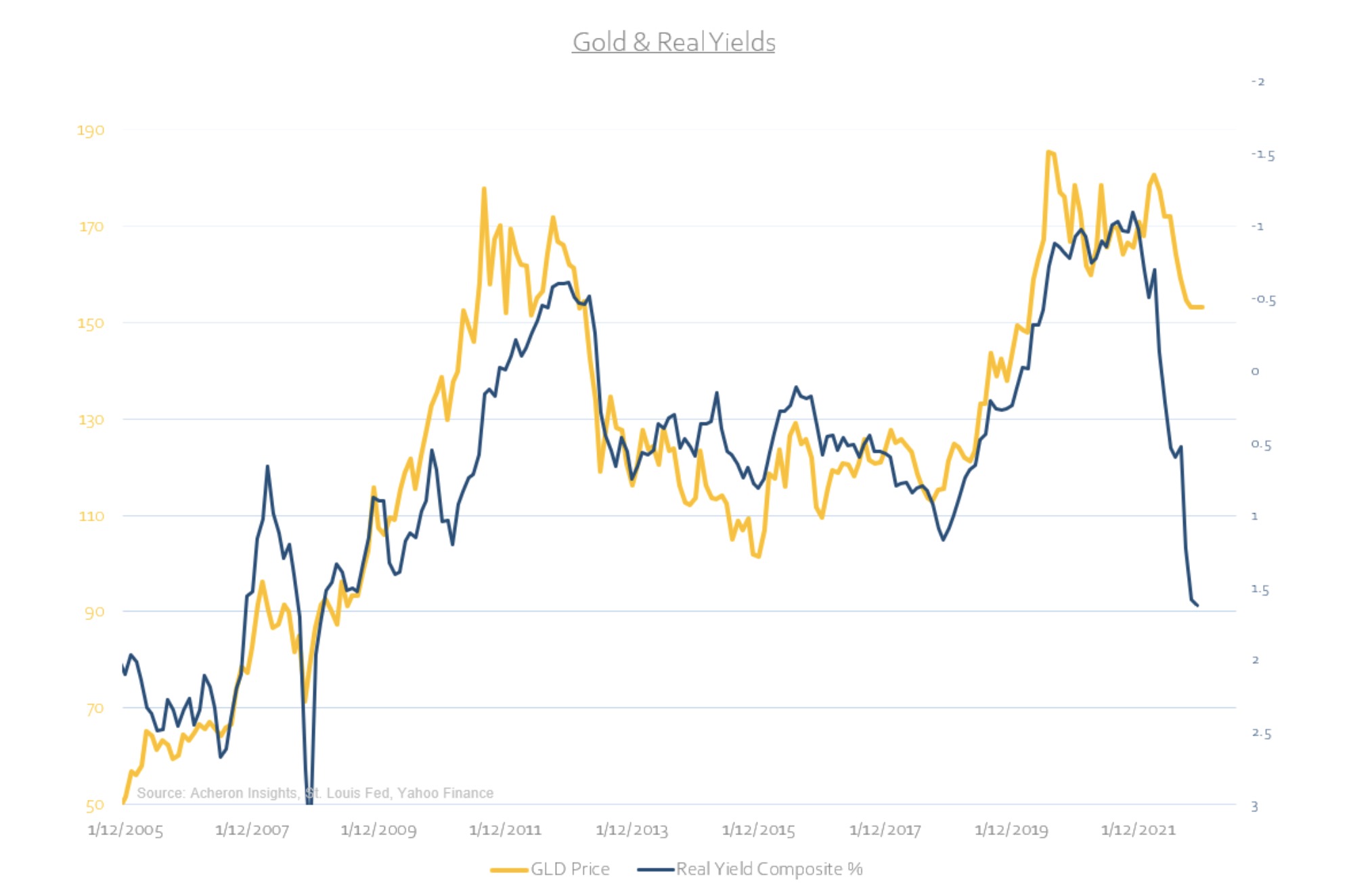
The gold market enters trading for the month of November on a losing streak.
Rising and positive real yields continue to be a major headwind for gold over the short-term.
As this year’s bruising stock selloff wiped about $1 trillion from the US exchange-traded fund industry, the same turmoil was powering one young breed of fund to its most-explosive growth yet.
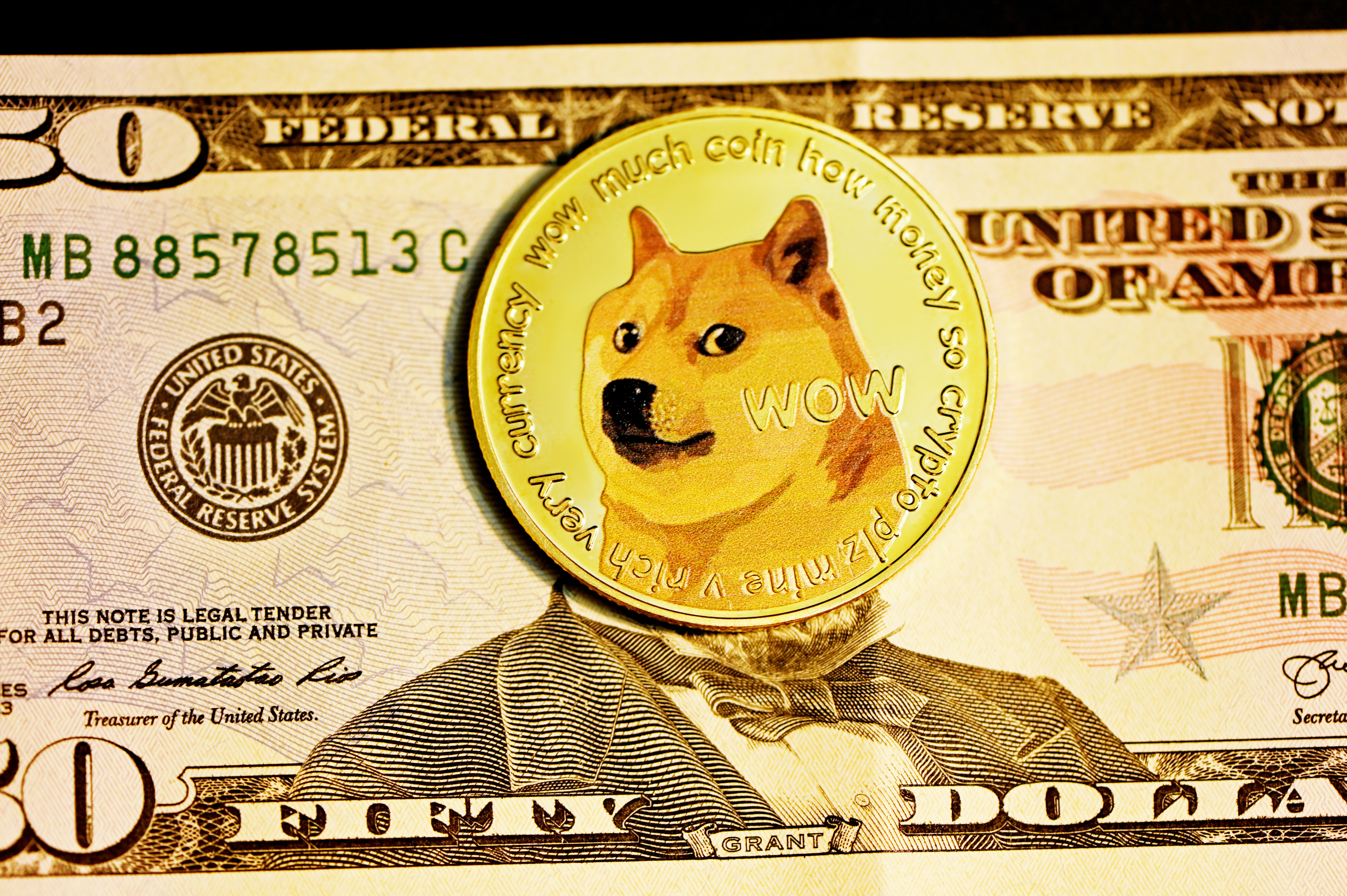
Never mind that this is all currently theoretical, or that Dogecoin has glaring flaws that would be only further exposed if it gained traction.
It’s a little more than halfway through third-quarter earnings season in the US and projections of a looming economic apocalypse still aren’t reflected in corporate outlooks, as many stock-market bears expected.
Series I savings bonds issued over the next six months will pay a yield of 6.89%, down from a record high as inflation shows some early signs of cooling.
It’s generally accepted among economists and investors that the Federal Reserve has an impossible task of getting inflation under control without broad and lasting damage to the economy.
When you have radiotherapy for prostate cancer, you need to drink a lot of water so that your bladder is “comfortably full.
Investors can take advantage of the diversification and defensive attributes of value. Higher exposure to financials, utilities, and cyclicals offers potential to mitigate the worst effects of inflation, while also offering greater levels of defense in times of rising rates and more volatile markets.
There is an adage about three generations of wealth – the first generation makes it; the second generation maintains it and the third generation spends it.
After nearly three years of the economic and financial market distortion due to COVID lockdowns, money printing, and massive government borrowing, some of these distortions are subsiding
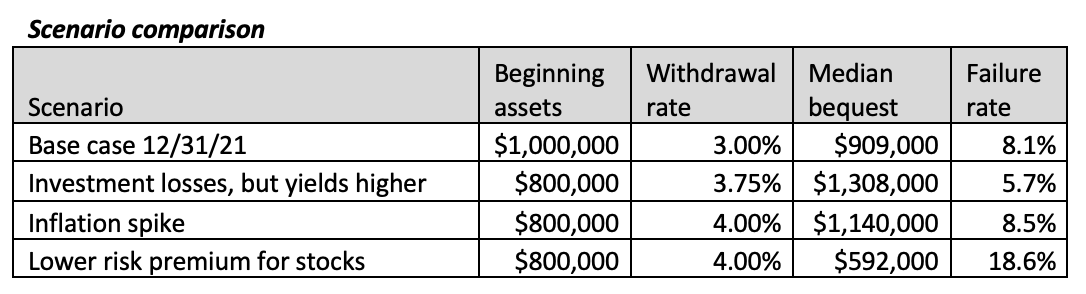
This year has been disastrous for stock and bond investors. But things are not as grim when viewed in a financial planning context that considers how the assets will be used, i.e., the liability or expense side of the household balance sheet.
We see central banks on a path to overtighten policy.
Americans will vote in the midterm elections next Tuesday.
“If the Fed loses its independence, the age of magic money could end in catastrophe”.
The final day to get Series I savings bonds at a record 9.62% yield has come and gone.
Electronic trading of corporate bonds has reached record levels, as credit-trading algorithms get smarter, grab market share, and make it easier for investors to buy and sell corporate bonds without affecting prices too much.
After the Federal Reserve meets Nov. 1 and 2 this week, we may know more about how this Fed will be remembered: as a Volcker Fed that decisively conquered inflation or, instead, a Burns Fed that allowed the country to slip into a stagflationary quagmire.
U.S. equities are declining, struggling to continue the past two week’s positive momentum.
It seems 2023 is arriving early. The race to raise interest rates to levels that have a hope of quelling inflation is entering a less punishing phase.
Advisor Perspectives, a leading publisher and ranked as the #1 eNewsletter for financial advisors by Erdos & Morgan “FAMOUS” Study (2019-2022) has announced its Venerated Voices™ awards for commentaries published in Q3 2022.
On Thursday, October 21 stock plunged following a sharp rise in consumer prices.
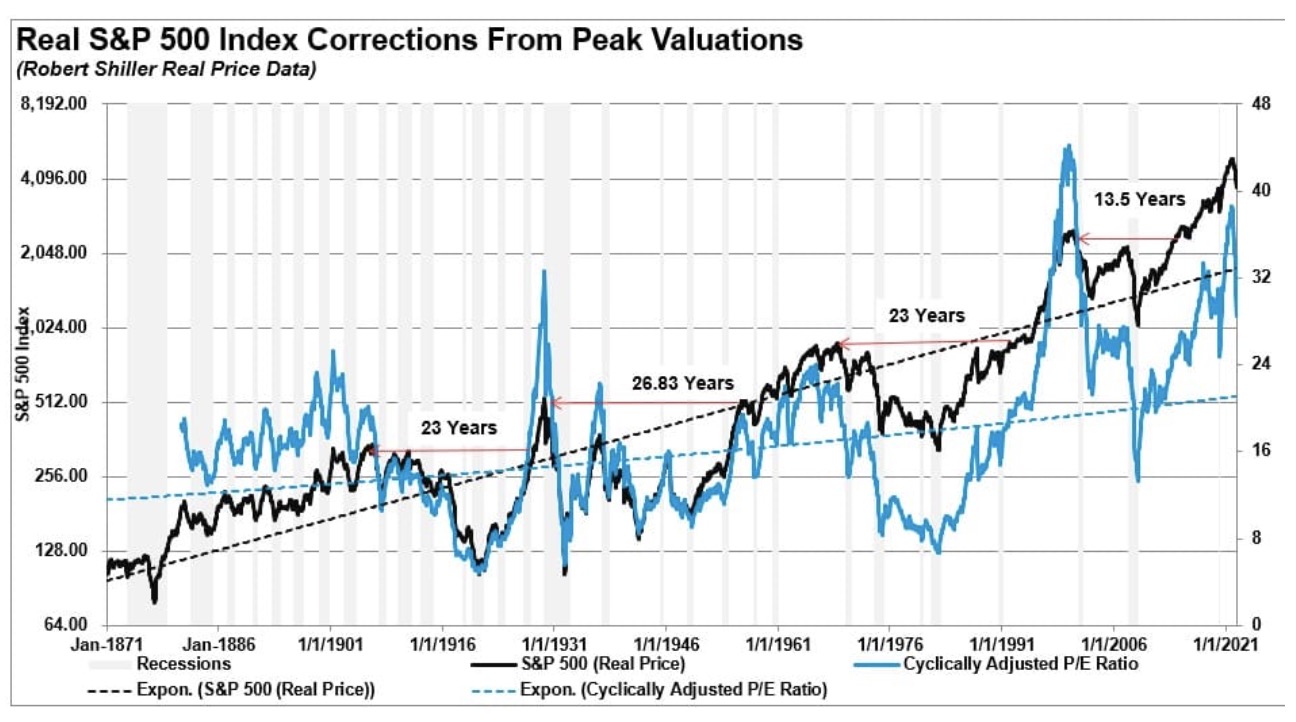
Is a “lost decade” ahead for markets? Stanly Druckenmiller believes that could be the case.
Governments will have to resist the temptation to address stagflation with stimulus.
The uncertainty of a looming recession and high market volatility makes almost all investment options look doubtful as investors search for safe and reliable investment tools.
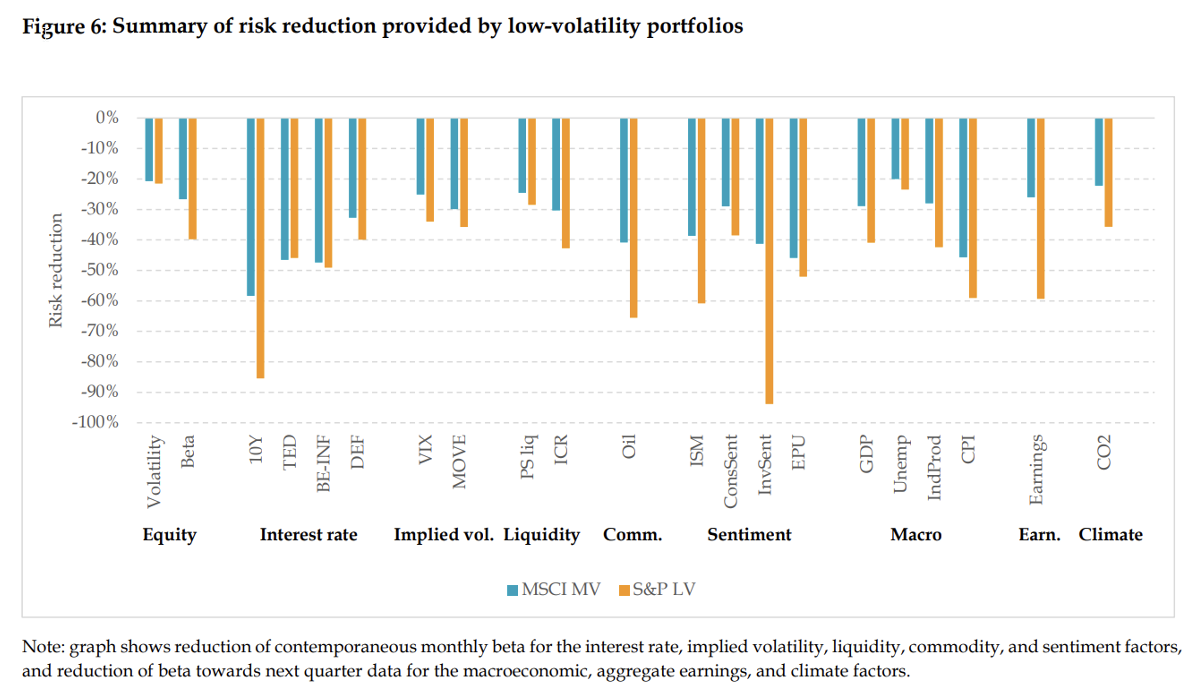
So-called low-volatility portfolios are an apparent anomaly – they appear to offer higher returns with less risk (volatility). New research shows that they are indeed uncorrelated to sources of macroeconomic risk. But their popularity has driven up valuations, dampening the prospects for future returns.
This week’s $370 billion big tech selloff amid a broader rally in the market did nothing to change the view that the stocks are still too expensive.
A strong dollar is likely to weigh negatively on the US economic outlook and could alter how high the Federal Reserve ultimately raises interest rates, economists surveyed by Bloomberg said.
The optimism that has crept into the US bond market is about to be put to the test.
Was it good or bad this week when Alphabet Inc. told investors that advertising demand that helped swell its top line 50% in two years is starting to soften?
The U.S. economy is weak, as GDP numbers in both the second quarter and the third quarter have shown. The fundamental reason why the U.S. economy grew 2.6% during the third quarter of the year was because Net Exports, which is exports of goods and services...
Russ Koesterich, CFA, JD, Managing Director and Portfolio Manager, of the Global Allocation team discusses whether markets have bottomed or not.
Equity investors are trying to figure out whether steep share-price declines have led to attractive valuations, given mounting threats to fundamental business performance. The answer varies from company to company and requires an active equity investing approach to separate winners from losers.
In 1990, a new tech start-up was spun out of Apple to invent the future.
Federal Reserve officials will maintain their resolutely hawkish stance next week, laying the groundwork for interest rates reaching 5% by March 2023, moves that seem likely to lead to a US and global recession, economists surveyed by Bloomberg said.
Sarah Pfefferle had already saved $16,000 for her future home by the time she was 18. Then she started using buy-now, pay-later products and “ruined everything.”
If putting his country first was impolite, Prince Abdulaziz — son of King Salman, half-brother of Crown Prince Mohammed bin Salman — warned he would have no choice but to be rude. “I’m pro-Saudi,” he said.
The US was awakened by the pandemic to the gaping holes in its supply chains for crucial medical supplies and electronics.